
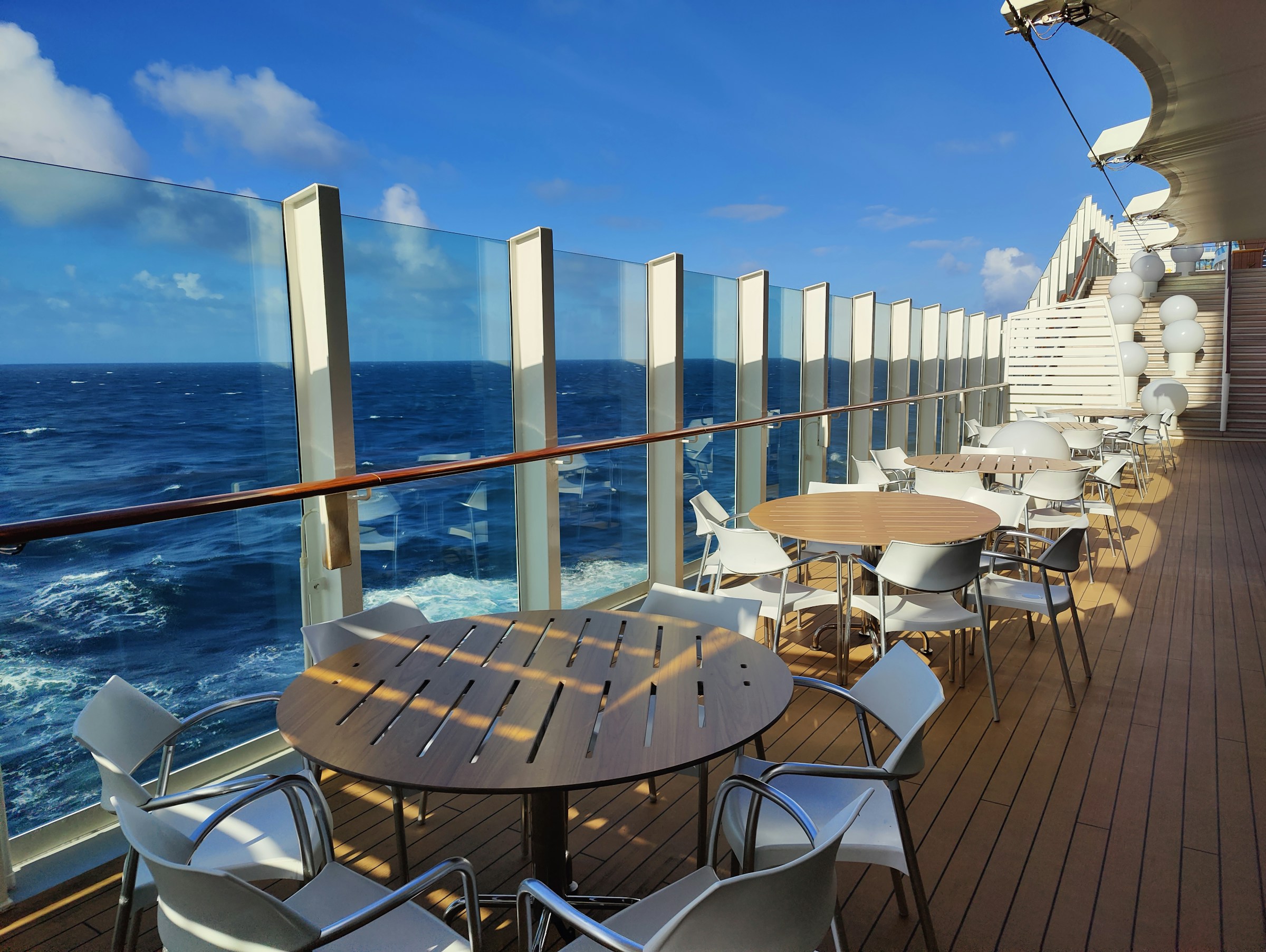

Trivia Is Serious Business at Sea
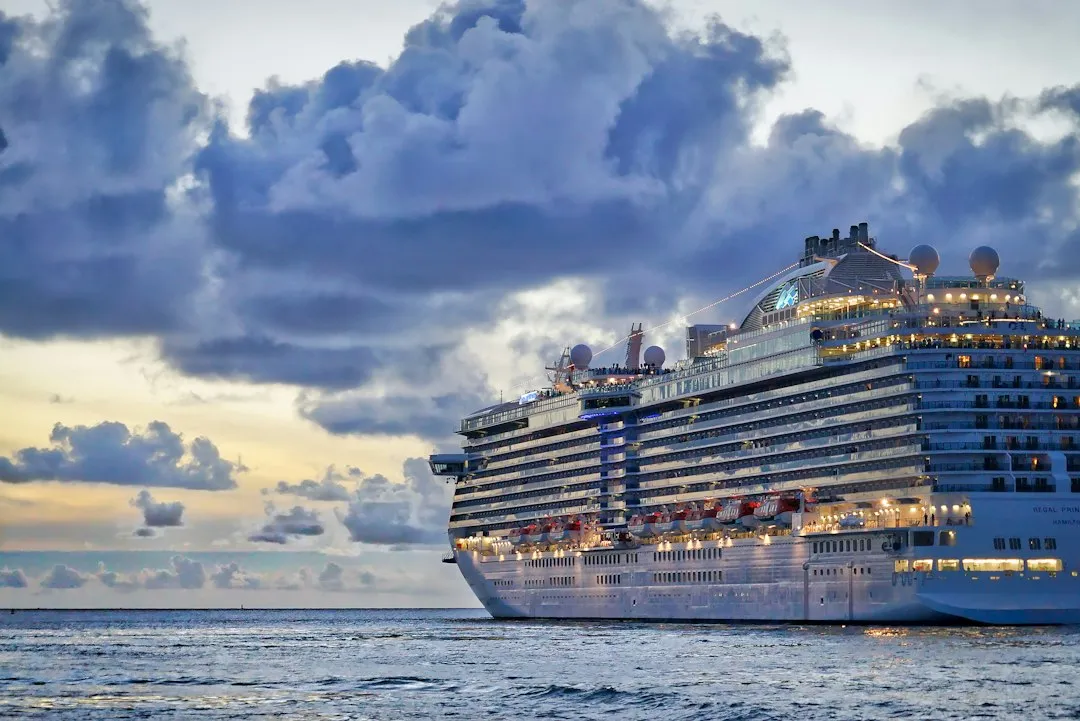
Like pub quizzes on land, cruise trivia can cover general knowledge or focus on a particular theme, with music and movie quizzes among the most popular. The format feels casual, but the atmosphere inside a ship’s pub or lounge can get surprisingly intense once the scores start to climb.
Passengers typically form teams of up to six, although some cruise lines allow larger groups, and compete to answer a series of questions, often with a prize for the winning team. Those prizes rarely amount to much more than a ship-branded keyring or a branded water bottle, but the competition itself takes on a life of its own.
Many passengers take cruise trivia quite seriously and may expect the same from you. Walk in late or give a wrong answer too confidently, and you’ll know about it.
Where the Games Actually Happen
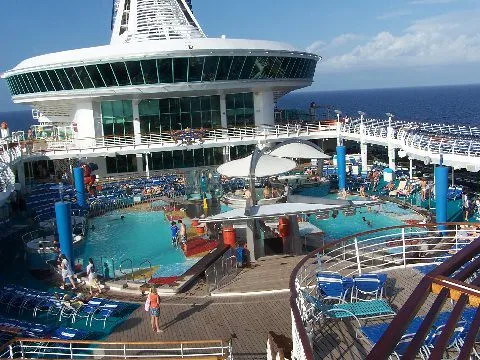
Keep an eye on the daily schedule or in the cruise ship app to find out where the trivia will be held. The pub is a very popular place to hold trivia, but you might also find it in other bars or poolside. The setting varies, but the vibe is almost always the same: relaxed until the questions start.
On ships like Iona, it was impossible to get a seat in there for trivia. It was full to bursting. The same kind of packed crowd shows up on Cunard’s Queen Mary 2, where the pub fills quickly whenever trivia or music is scheduled.
The Category Lineup That Every Host Uses

Trivia is often general knowledge, but can be themed. Popular themes include music, often of a decade such as the 70s or 80s, geography, movies, TV shows, sports, Harry Potter, food and drink, Disney, and musicals. Most hosts rotate through a combination of these throughout a sailing.
Cruise ships test knowledge with themed trivia nights covering topics like movies, music, history, and even cruise-specific facts. The cruise-specific round is often a crowd favorite, mainly because passengers feel they should know the answers after being onboard for several days. They usually don’t.
The Category That Consistently Breaks Teams: Geography
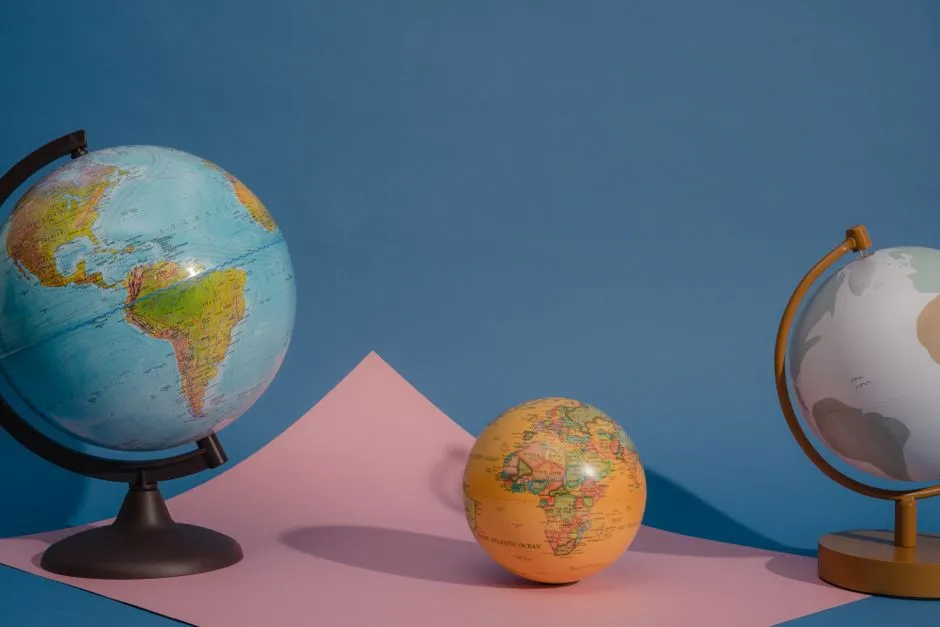
Ask ten cruise trivia hosts which category produces the most blank stares and pencil-chewing, and the answer comes back remarkably consistently: geography. It is the round that brings even well-traveled teams to a standstill.
Hard geography questions ask about islands, capitals, currencies, and record-holding cities, and a few of them turn on one detail rather than a whole continent. The precision required is exactly what trips people up. Knowing a region vaguely is not the same as knowing its capital city or its official currency.
The hardest trivia questions involve obscure-but-verifiable facts, including unusual geography, surprising science, and historical details people half-remember incorrectly. That half-remembered quality is what makes geography so brutally effective as a stumper category. Teams think they know, write something down, and then groan when the answer is read aloud.
Science Gives Geography a Run for Its Money

Science rounds are a close second when it comes to silence around the table. Nothing in a hard science round is multiple choice, so nobody guesses their way through. These questions mix arithmetic you can do in your head with astronomy, biology, and chemistry.
The hardest trivia questions often come from fields like science, art, or literature. These are areas that require not just basic knowledge, but deep understanding or familiarity with obscure details. On a cruise ship, where passengers range from teenagers to retirees, covering a science round well requires someone with a very specific background.
History Questions Split Teams Right Down the Middle
From ancient civilizations and world wars to presidential facts and landmark dates, history trivia offers an endless well of fascinating questions. The category sounds approachable right up until the questions get specific about dates and names that most people last considered in school.
Difficult history questions run from ancient Egypt to the 1980s. Most of them turn on one name or one date rather than a whole era, so a history buff can carry a team through the round. That’s actually the dynamic hosts enjoy most: one team member suddenly becoming the hero because they happen to know an obscure fact about a distant century.
The Cultural Mismatch Problem
One factor that hosts rarely advertise but passengers notice quickly is that trivia content often reflects the cultural background of whoever wrote the questions. On most mainstream cruise lines, the questions asked by the entertainment team are sourced from a variety of trivia books and are most likely selected by someone other than the person reading the questions.
This creates some genuinely awkward moments. A tie-breaker question about how many hits the Beatles had on the Billboard charts is inherently an American question, so British teams would have no hope of answering that one. Geography questions can carry the same uneven cultural weight, depending on which part of the world the question writer calls home.
Much of the general trivia on cruises can be US-based, though some lines have adapted their content to reflect the local market when sailing from ports like Sydney. It’s a meaningful shift that passengers genuinely appreciate.
Destination-Specific Questions Catch Everyone Off Guard
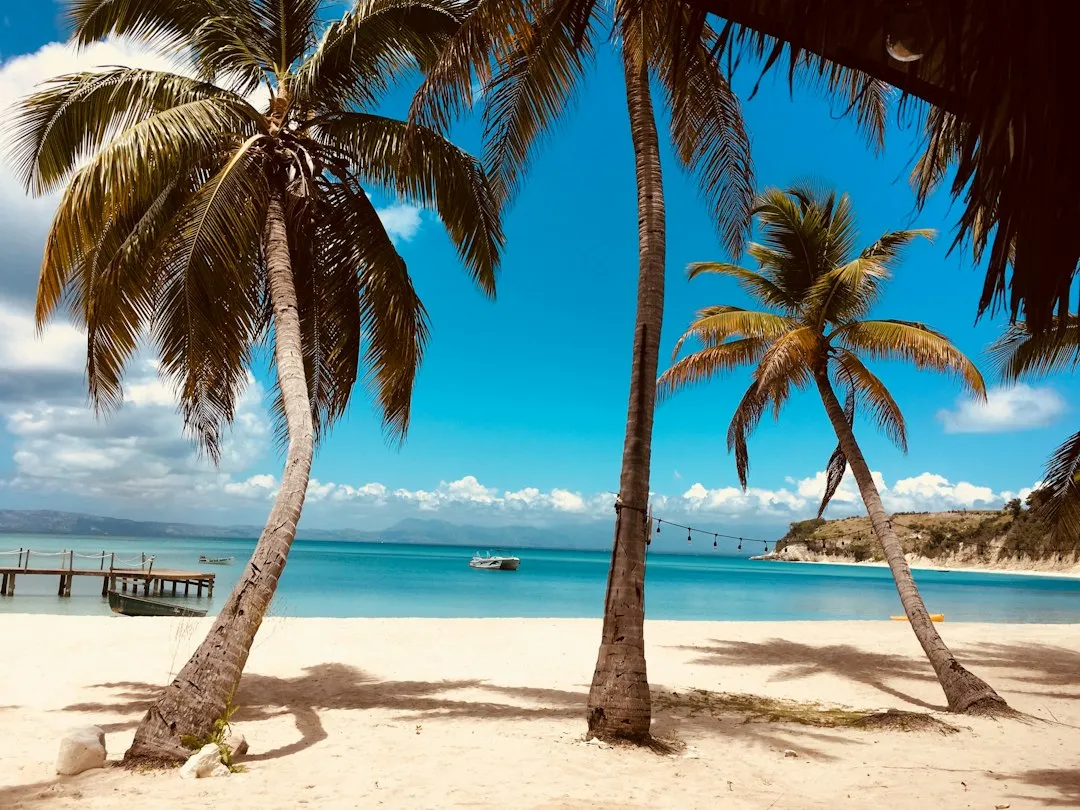
Cruise trivia sessions will often include a couple of questions focused on the destinations the ship is currently visiting. For instance, if you’re in the Caribbean, you might be asked which islands make up the ABC islands. These questions feel like they should be easy, given that passengers just visited or are about to visit those places.
In practice, most people spend shore time swimming, eating, and exploring rather than memorizing geography. So when a host asks something precise about regional history or island chain formations, the table goes quiet in a very familiar way.
Progressive Trivia Changes the Stakes Entirely

Some cruises, especially longer cruises, will have progressive trivia, where the same team will play many times during the cruise and points are cumulative. This format changes how teams approach each category. A geography round that might normally feel low-stakes suddenly becomes the round that costs a team the overall title.
Progressive formats tend to sharpen competition over the course of a voyage. Teams that struggle in geography early on spend subsequent days quietly brushing up on capital cities and rivers. The host notices. It becomes part of the running story of the cruise.
How Hosts Design the Perfect Stumper Round

A well-balanced trivia round includes a few easy questions to get teams on the board and build confidence, a few real stumpers that separate the champions, and a large middle section where teams can debate, make an educated guess, and feel brilliant when they get it right. The geography round, at its best, delivers all three of those within the same ten questions.
Expert challenge categories for serious trivia enthusiasts include hard general knowledge, advanced science, obscure history, world records, and math and logic. Saving the hardest category for the penultimate round is where legends are made, giving top teams a chance to pull ahead while keeping mid-tier teams motivated.
The Cruise Industry Numbers Behind the Game
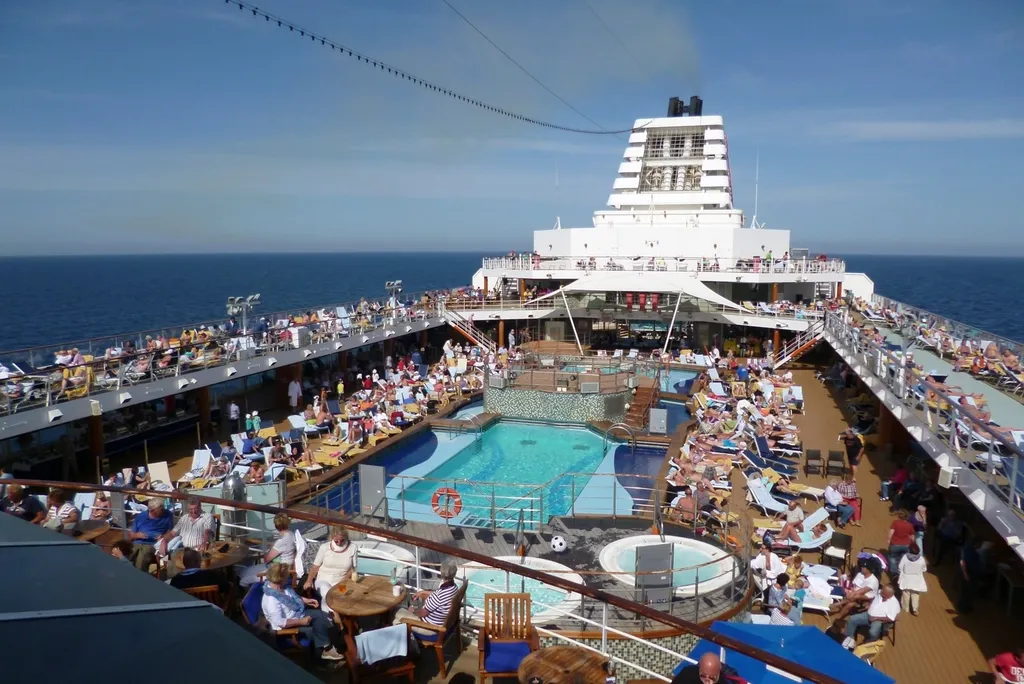
The scale of the cruise industry gives some sense of just how many people are sitting through these geography stumpers. An estimated 37.1 million passengers were expected to cruise in 2025, a new high for the industry. Across all those ships and sailing days, a conservative estimate would place trivia nights in the tens of thousands of sessions per year.
That is an enormous number of teams going blank during the geography round, pencils hovering over paper, someone on the team whispering a capital city that turns out to be wrong. The collective humbling is part of what makes cruise trivia so memorable.
The Takeaway

Geography earns its reputation as the great equalizer of cruise ship trivia not because it is unfair, but because it exposes the gap between knowing a place and truly knowing about it. Travelers who have visited dozens of countries still freeze when asked for a precise capital or a lesser-known island chain.
The best advice for any first-time cruise trivia player is straightforward: brush up on world capitals and island geography before you board. The music round will take care of itself. The geography round will not.
There is something quietly delightful about the fact that a game played on the water, circling the globe’s coastlines, is most consistently won or lost on the category that asks how well you actually know that globe. The ocean, it turns out, is a very good reminder of how much of the world remains unknown.
AI Disclaimer: This article was created with the assistance of AI tools and reviewed by a human editor.