
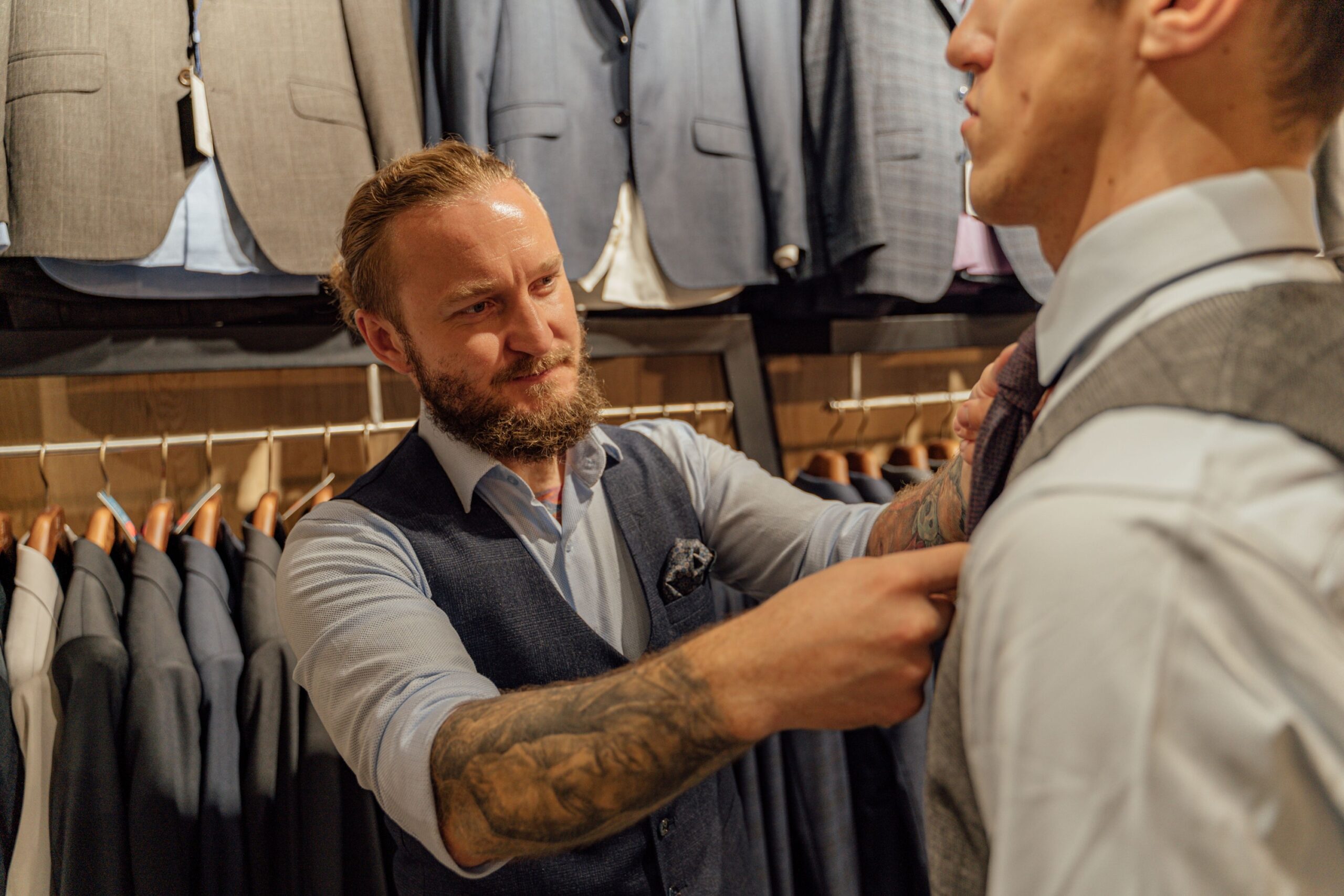

The Hem That Wasn’t Finished Before Boarding
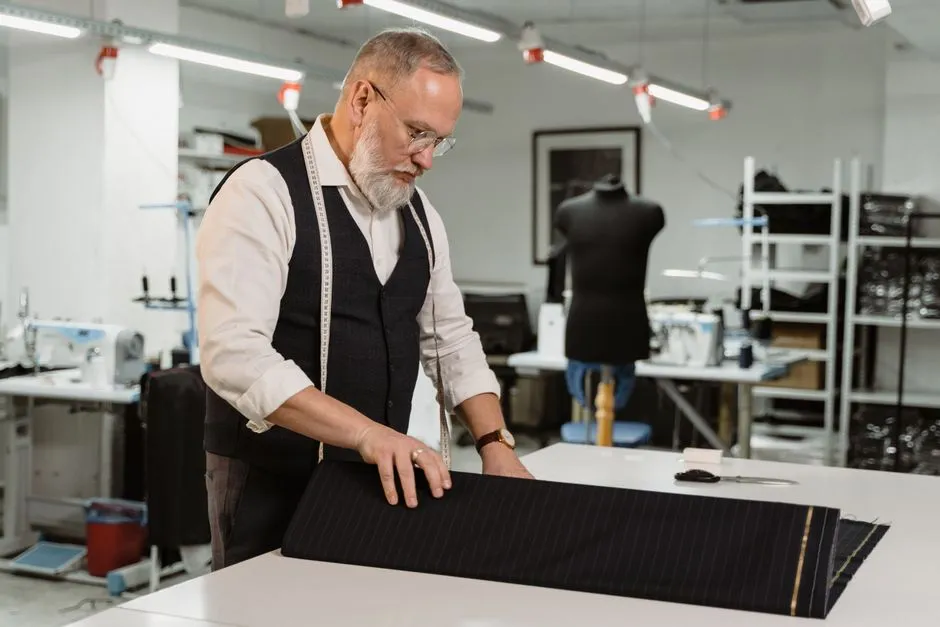
Of all the last-minute requests a ship’s tailor receives before formal night, trouser hemming is the one that comes up most persistently. Passengers regularly ask whether there’s a tailor onboard who can hem pants, having purchased new clothing in port cities just days before sailing. The timing is almost always the same: the trousers were bought too long, the pre-cruise errand list got too long, and the hem never happened.
There is generally a tailor onboard each ship, primarily for tuxedo rentals and alterations and for crew uniforms. Guests can check with Guest Services or the Chief Housekeeper once onboard for more information. That said, passenger alteration requests are often squeezed in around the tailor’s core duties, so timing matters. The closer you are to formal night, the less room there is to maneuver.
The Dropped Hem on a Long Gown

Hems drop, zippers slip, and straps slide at the worst possible moment. A few strips of double-sided fashion tape and a handful of safety pins in a small zip bag can rescue an entire outfit. For minor hem failures, these are the tools most experienced cruise passengers already carry. For anything more significant, a tailor visit is necessary.
Long gowns and skirts get stepped on in crowded corridors, on stairs, and on dance floors. A ship is not the place to go hunting for a tailor at 6:45 p.m., and many guests only discover the problem while they’re already standing in the photographer’s line. The fix itself is quick. The scramble to find help in time is not.
The Tuxedo Rental That Doesn’t Quite Fit
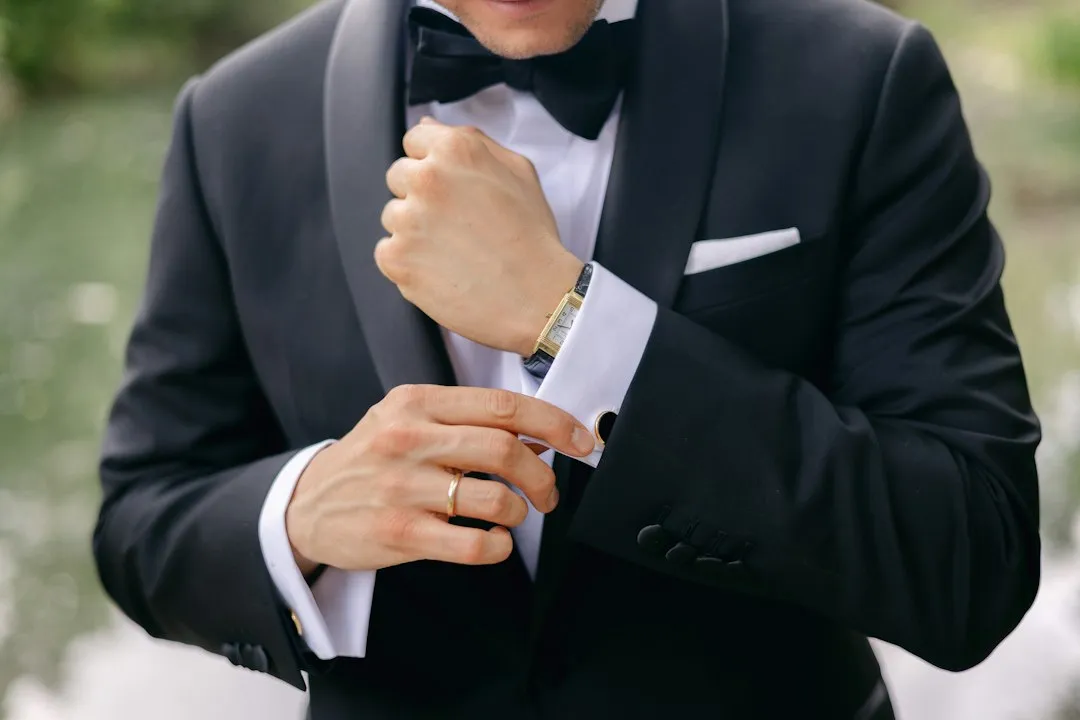
Because cruise lines offer tuxedo rental onboard, there must be someone able to alter tuxedo pants to length. This is one of the most routine jobs for a ship’s tailor, and it speaks to just how common the problem is. Rental tuxedos come in standard sizes, not custom cuts, so some degree of adjustment is almost always needed.
On luxury lines like Cunard, formal night is genuinely formal. Cunard’s Queen Mary 2 maintains a black-tie standard that’s taken seriously, with dark lounge suits generally accepted as a minimum and tuxedos and evening gowns as the norm. On these voyages in particular, the rental jacket or trouser that fits slightly off stands out more noticeably than it would on a mainstream sailing.
The Dress That Fits Standing but Not Seated
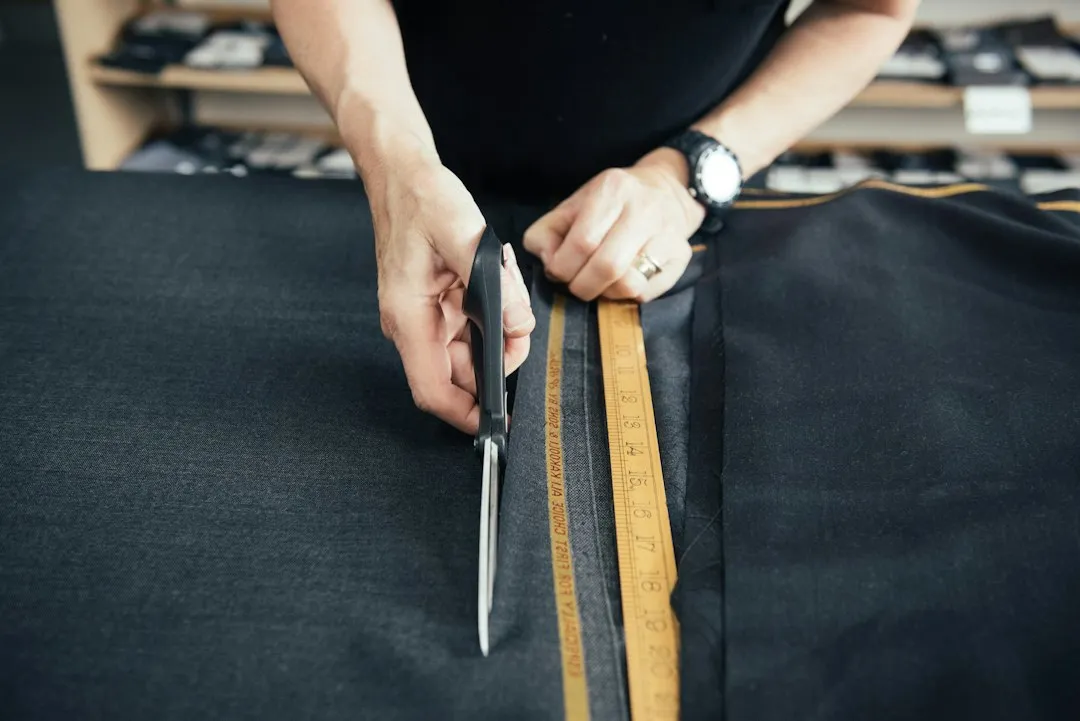
If a dress fits while standing but not when seated, a tailor must evaluate whether an alteration can resolve the pressure or shifting without creating another problem. If not, choosing a different garment is the more practical solution, because dinner requires more than a standing photograph. This particular problem is surprisingly common with structured cocktail dresses and fitted gowns.
The issue usually comes down to fabric with limited stretch or a silhouette that was chosen based on how it looked hanging in a store. Seated at a dining table for two hours is a very different situation from a five-second dressing room assessment. A tailor can sometimes add a small seam allowance or let out a back panel, but the alteration has real limits depending on the fabric and construction of the garment.
Strap Repairs and Broken Closures
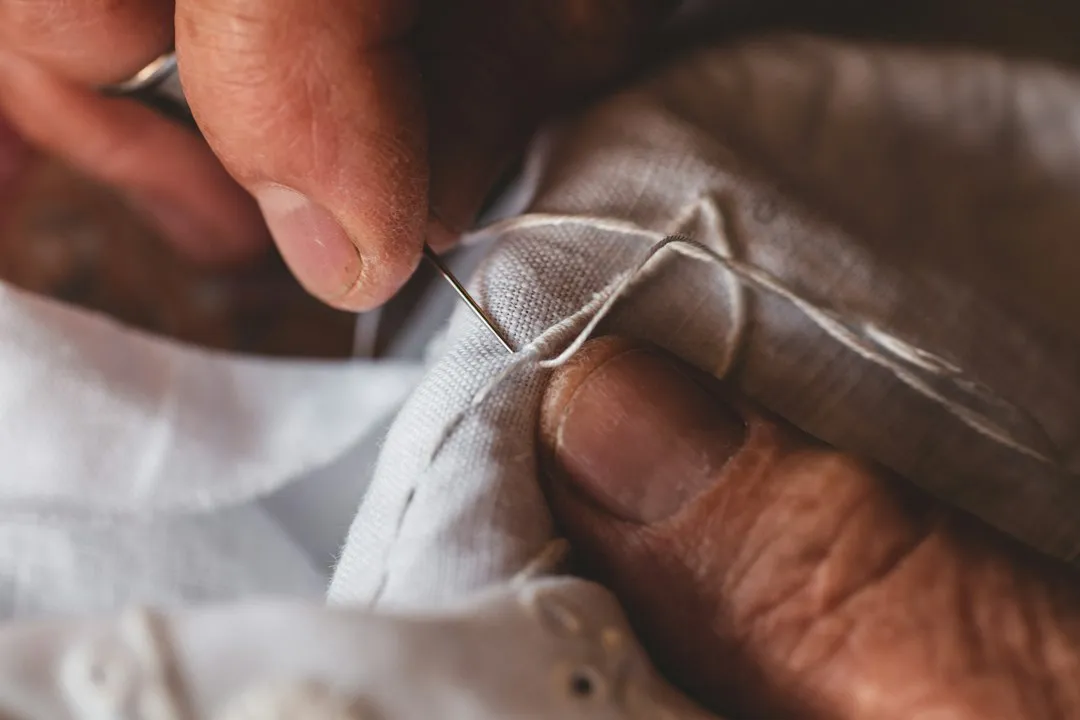
Pins can fix a loose button, a gaping blouse, or a sagging name badge. In practice, more significant strap failures, such as a snapped hook, a broken slide buckle, or a detached spaghetti strap, tend to require proper stitching rather than a temporary pin fix. These are the kinds of repairs that feel minor when discovered in the cabin but become urgent once the evening begins.
A tailor can evaluate whether a hem, strap, sleeve, waist, or closure change is practical, but an alteration cannot make every cut suitable. Scheduling a final fitting with the intended shoes and underlayers before the cruise is the smarter approach. That advice applies especially to intricate closures on formal gowns, where the construction is more involved than it appears.
The Waist Taken In or Let Out
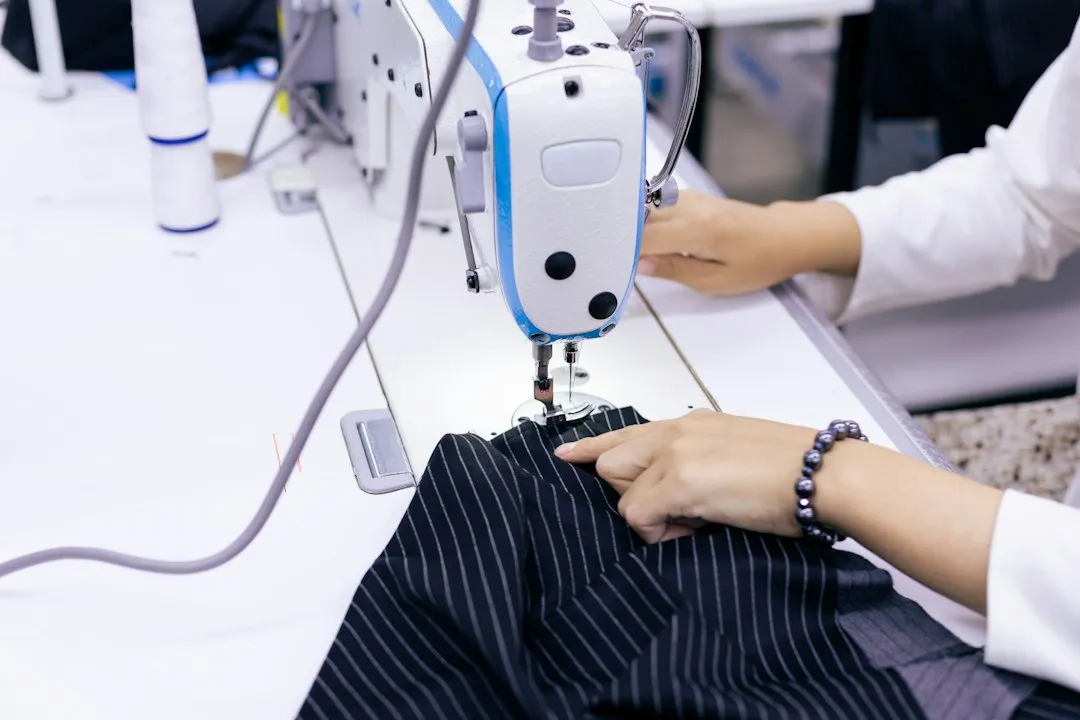
Weight changes between when a suit or dress was last worn and the day of a sailing are among the most common reasons passengers seek out a ship’s tailor. A suit jacket that once fit perfectly may now pull across the chest, or a formal skirt that once zipped with ease may need an extra inch. These alterations, taking in a waist seam or carefully releasing one, are well within what a skilled ship’s tailor can accomplish, given enough notice.
The practical challenge is fabric. A tailor can evaluate whether a hem, strap, sleeve, waist, or closure change is practical, but an alteration cannot make every cut suitable. Structured fabrics with fused interlinings, for example, respond differently to re-stitching than a simple jersey or crepe. Being honest with the tailor about the history of the garment helps them give a realistic assessment quickly.
The Jacket Sleeve That Runs Too Long
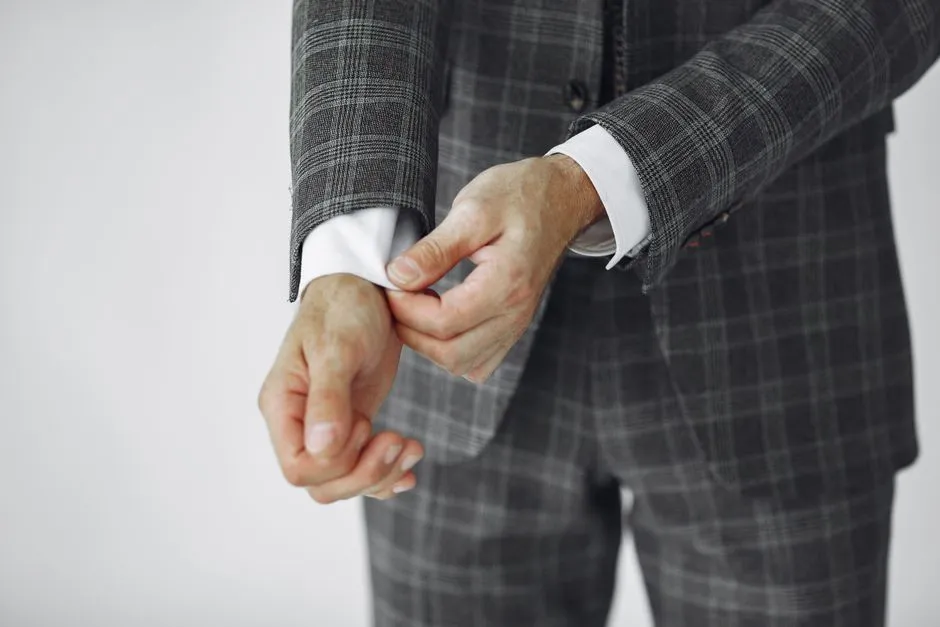
Sleeve length on a men’s suit jacket is one of those details that separates a polished formal look from one that reads as borrowed or off-the-rack in a less flattering way. The sleeve should break just at the wrist, allowing around a half inch of shirt cuff to show. When the sleeve runs long, it collapses over the hand and changes the entire proportion of the jacket.
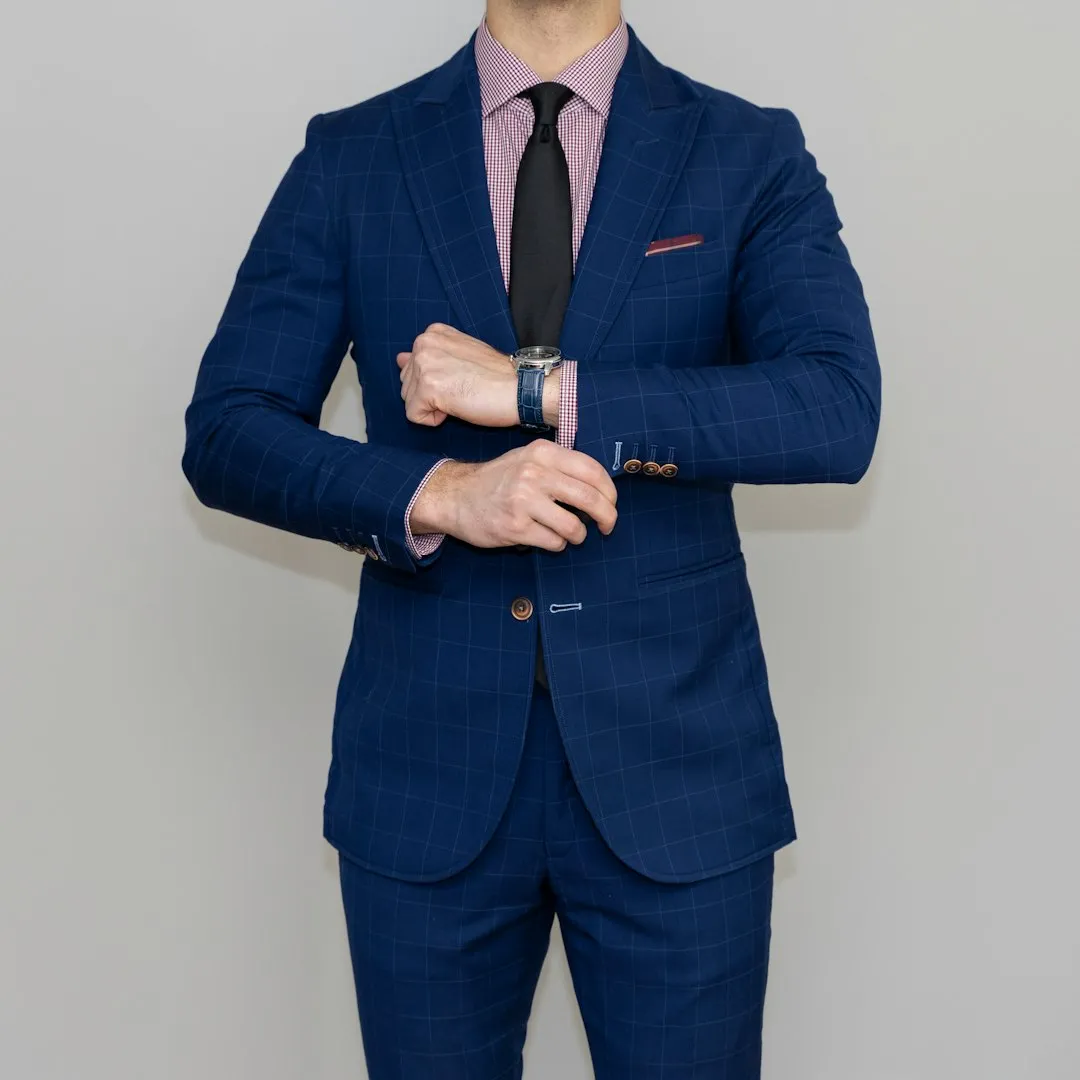
For men on premium lines, a dark suit in navy, charcoal, or black is the standard. A tie is optional on most premium lines now, and a pocket square adds the finish without committing to a full tie. Even the most carefully chosen suit reads as sharp only when the fit is right, which is why sleeve adjustments come up so frequently among passengers who’ve pulled out a jacket worn years earlier.
Wrinkle and Crease Recovery
If formal wear is left folded in a suitcase until formal night, passengers will be pulling out clothes with deep creases and no way to fix them quickly. This is the fix that isn’t always a tailor’s job but frequently lands at their door anyway. A ship’s tailor or laundry department is often the only option available when a passenger’s gown emerges from a bag looking like it was slept in.
Hanging formal wear as soon as you board is the simplest solution. Unpacking it immediately allows humidity from the bathroom to hang out most wrinkles within a couple of hours without needing a steamer. Passengers who skip this step on embarkation day often regret it on day two, when formal night arrives and the dress still looks defeated. Some ships offer pressing services through the laundry, though turnaround time varies and a fee typically applies.
The Formal Night That Caught Someone Unprepared
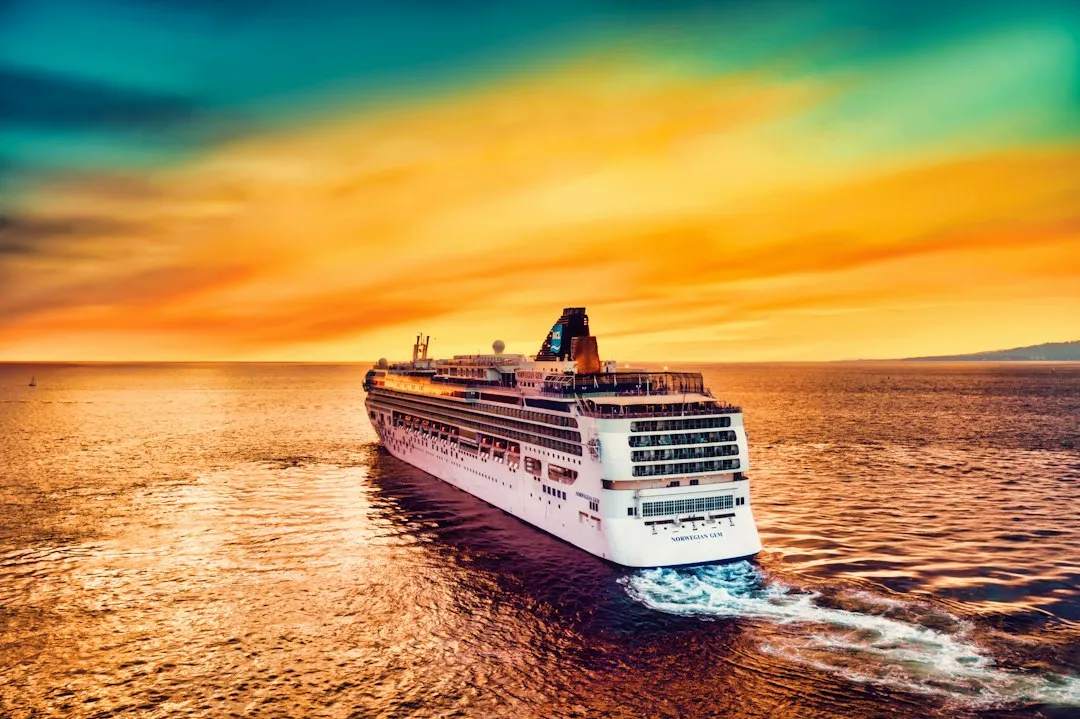
There’s a category of tailor request that isn’t really about a broken garment at all. It’s about a passenger who simply didn’t pack the right thing. The length of the cruise often determines the number of formal nights, with a five-night cruise typically hosting one formal night and a 14-night sailing potentially seeing three. Passengers who didn’t read the dress code carefully sometimes arrive onboard with nothing remotely appropriate for even one of those evenings.
Attire for black tie nights can be purchased or hired onboard on some cruise lines. When that option isn’t available, a tailor may be asked to perform near-miracles with what the passenger does have. Sometimes a smart casual blazer can be pressed into service for a mainstream sailing. On stricter lines like Cunard, if you book a transatlantic crossing on Queen Mary 2, packing formal attire isn’t optional.
The Last-Minute Dress Code Reality Check
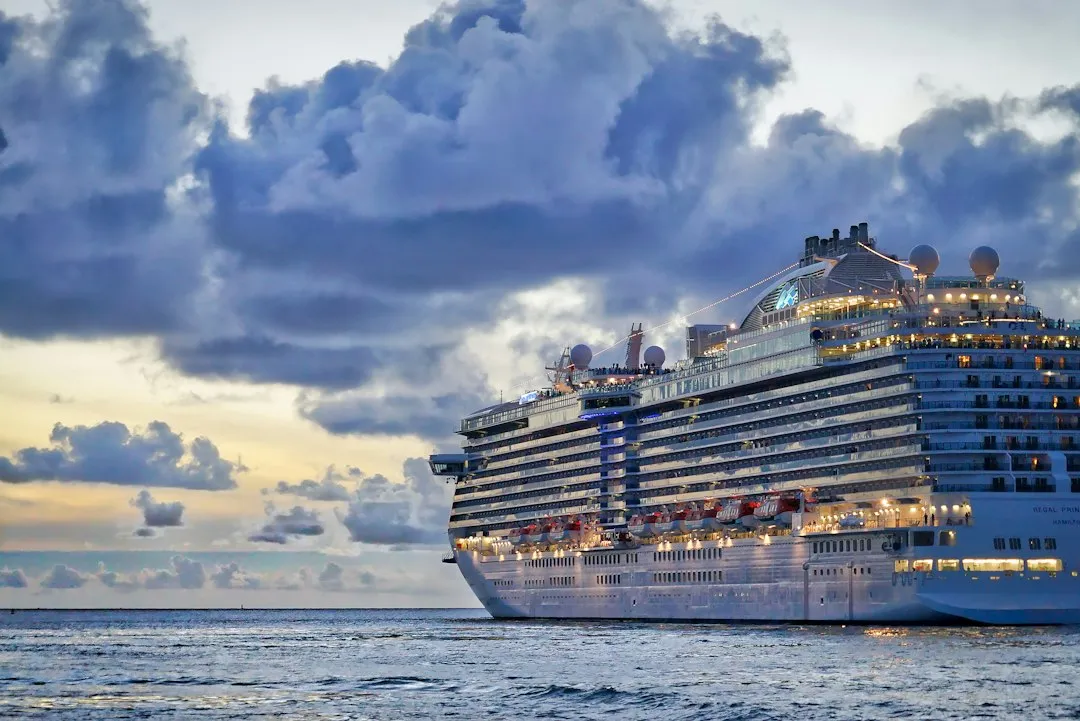
Formal or black-tie attire is being replaced by smart casual wear on some ships. That shift has changed what passengers actually need from a tailor during formal nights. The urgent requests have moved away from emergency tuxedo repairs and toward more practical fixes: a hem that’s an inch too long, a strap that needs reinforcing, a sleeve that needs shortening on a blazer someone bought specifically for the voyage.
Before packing a single outfit, checking the specific cruise line’s website for its current dress code language is the most practical first step. What reads as “formal” on Carnival is genuinely different from what it means on Cunard. On mainstream lines like Carnival and Royal Caribbean, formal night effectively means cocktail attire: for men, a suit or a blazer with dress trousers and a collared shirt, with ties optional on most ships. Knowing this in advance means passengers arrive with clothes that actually fit the occasion, which is the most reliable way to stay out of the tailor’s queue entirely.
The Takeaway
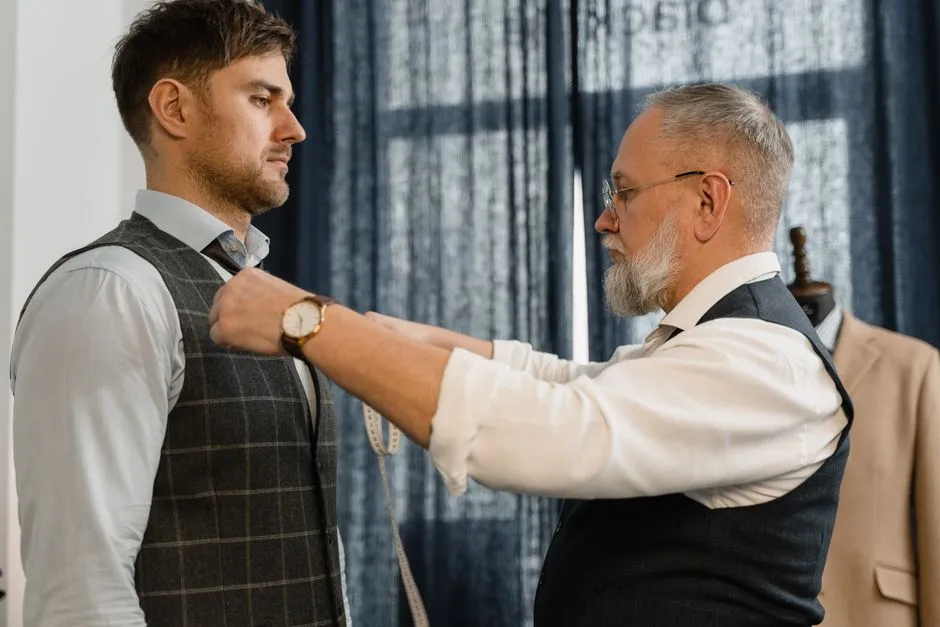
The fixes that ship tailors make most often share something in common: nearly all of them could have been avoided with a little preparation before the gangway goes up. Unpack formal wear immediately. Hang it in the bathroom. Try it on with the actual shoes you plan to wear. If something needs hemming, get it done before you board.
Do not depend on onboard alterations unless the specific ship confirms the service, inventory, timing, and terms. Tailoring support varies widely between cruise lines and individual ships, and formal night has a way of arriving faster than expected. The passengers who enjoy the evening most are almost always the ones who sorted the clothes before they ever set foot on the dock. The ship’s tailor is there for genuine emergencies, not for dressing room decisions that could have been made at home.
AI Disclaimer: This article was created with the assistance of AI tools and reviewed by a human editor.