
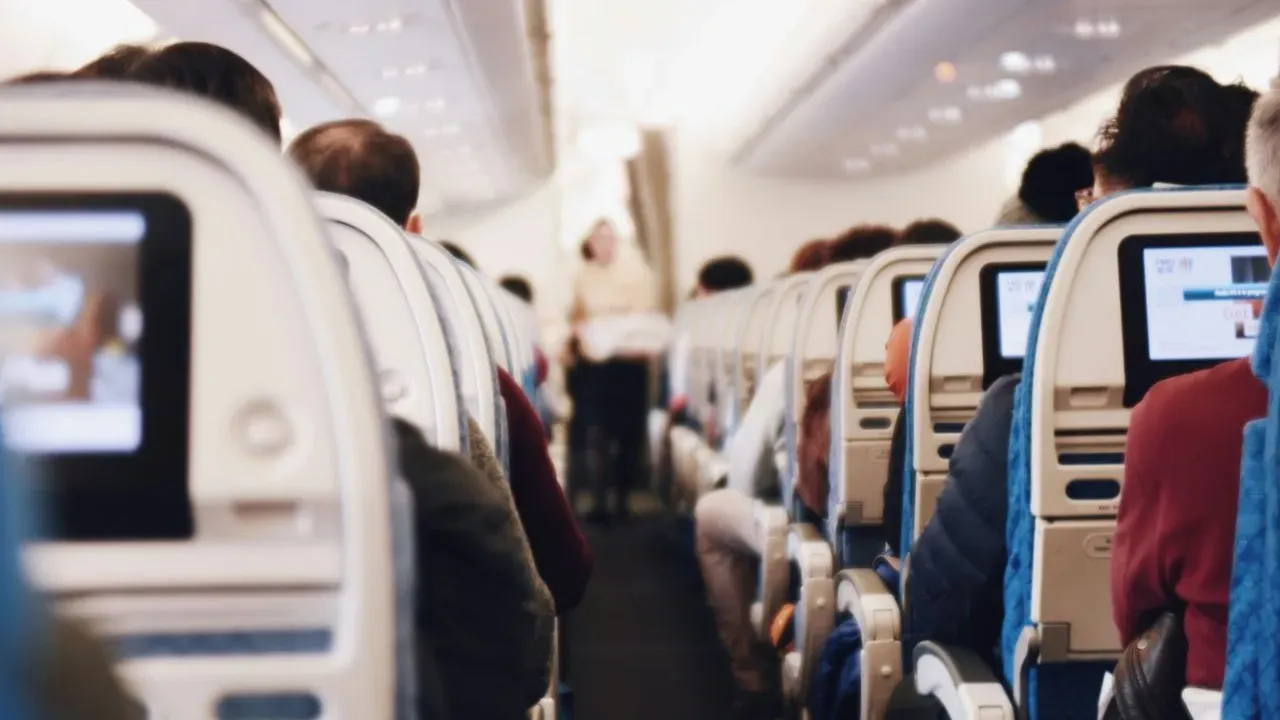

With holiday travel season approaching, many travelers are finalizing plans for Thanksgiving and December journeys. Selecting a seat with intention rather than accepting whatever remains can make a noticeable difference in comfort during busy flights. Research from regulators and aviation experts offers practical guidance on matching a seat to individual preferences for motion, sound, and movement. ([1])
Over the Wing for a Gentler Ride
The area above the wings, near the middle of the aircraft, often provides a steadier experience because it sits closer to the plane’s center of gravity. Travelers sensitive to motion may notice fewer pronounced shifts here compared with seats farther forward or aft. A window seat in this section can sometimes amplify the visual sense of movement, so those prone to discomfort might prefer the aisle instead.
Larger aircraft tend to handle air currents more evenly than smaller regional jets, though route and weather conditions remain the primary factors. Airlines and safety agencies emphasize that no seat guarantees complete smoothness. Keeping the seat belt fastened throughout the flight offers the most reliable protection against unexpected turbulence. This simple habit applies regardless of row or aircraft type and supports a more relaxed journey overall.
Steering Clear of Noise Hotspots
Engines, galleys, and lavatories generate the most consistent cabin sounds, from mechanical hums to frequent foot traffic and door activity. Choosing a row farther from these areas helps create a calmer environment, especially on longer flights. Aircraft with wing-mounted engines generally differ in noise patterns from those with fuselage-mounted engines, so checking the specific model in advance proves useful.
Noise-canceling headphones serve as a reliable companion no matter the seat location. Many frequent travelers pack them as standard carry-on items to maintain focus or rest during the trip. The goal remains a cabin experience that feels more like a quiet interlude than a constant distraction.
Aisle or Window Depending on Travel Style
Passengers who value easy access to the aisle often find it convenient for stretching legs or reaching overhead items without disturbing others. Studies tracking movement on cross-country flights show higher rates of standing among those in aisle seats. Window seats, by contrast, tend to support longer periods of uninterrupted rest for those who prefer to sleep. On flights exceeding four hours, health authorities recommend periodic leg movement and short walks when safe to do so. An aisle seat simplifies these adjustments, while a window seat reduces interruptions from fellow passengers. The choice ultimately aligns with whether the priority is mobility or a more contained, restful space.
Family and Accessibility Planning
Families traveling together benefit from booking early to increase the chances of adjacent seats. Airlines often give priority to parents and children on the same reservation, though basic economy fares may limit selection options. Confirming assignments a few days before departure and again at check-in helps account for any aircraft changes.
Travelers with mobility needs or medical considerations can contact the airline ahead of time to discuss suitable seating. Regulations require accommodations such as movable armrests on certain aircraft, and advance notice of up to 48 hours may apply for specific requests. This proactive approach supports a smoother boarding and flight experience for everyone involved.
Final Preparations Before Departure
Seat maps and aircraft assignments can shift, so reviewing the assignment in the airline app close to travel day remains worthwhile. For tight connections, a forward seat sometimes speeds deplaning, though actual timing varies by gate and aircraft layout. Keeping essentials within reach in a personal item further supports comfort once seated. These choices reflect a thoughtful approach to holiday travel that prioritizes personal well-being and consideration for fellow passengers. With a bit of planning, the journey itself becomes part of the enjoyment rather than simply a means to the destination.
AI Disclaimer: This article was created with the assistance of AI tools and reviewed by a human editor.