
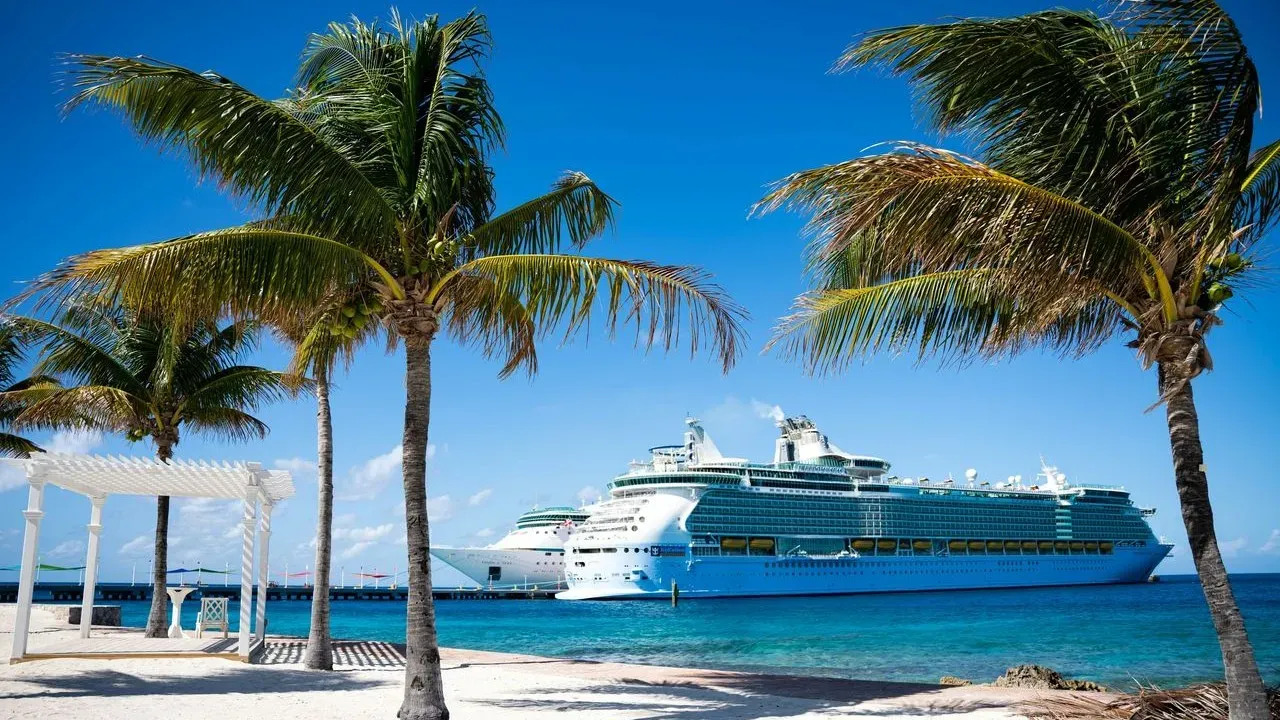

Royal Caribbean operates a diverse fleet that includes some of the largest passenger vessels ever built. The three Icon Class ships stand at the top, each measuring 248,663 gross tons and offering space for thousands of guests along with extensive facilities. These vessels demonstrate how greater volume translates into more options for recreation and relaxation at sea. ([1])
Icon Class Sets the Standard for Scale
Icon of the Seas entered service in 2024, followed by Star of the Seas in 2025 and Legend of the Seas in 2026. Each ship in this class measures the same interior volume and carries a double-occupancy capacity of 5,610 passengers. The design emphasizes family-friendly features, including additional cabins with bunks and a dedicated outdoor neighborhood called Surfside.
This approach allows the vessels to accommodate larger groups while maintaining distinct activity zones. A fourth Icon Class ship, Hero of the Seas, is scheduled for 2027, with further deliveries planned through 2030. The consistent tonnage across these ships reflects a deliberate investment in capacity and variety.
Top-Deck Features Flourish with Greater Volume
Larger vessels provide room for multiple pool areas, waterslides, and other open-air attractions that smaller ships cannot easily replicate. Guests encounter surf simulators, miniature golf, basketball courts, and zip lines alongside traditional sun decks and whirlpools. The expanded footprint also supports more dining venues, bars, and entertainment spaces without crowding the main recreation areas.
These elements create a resort-like atmosphere where different age groups can pursue separate interests simultaneously. The additional volume supports broader choices in how passengers spend their time outdoors. Such variety stems directly from the ships’ overall dimensions rather than any single amenity.
Smaller Vessels Offer Their Own Distinct Pace
Royal Caribbean also maintains several older ships in the Vision Class that measure between roughly 73,000 and 90,000 gross tons. These vessels carry around 2,000 passengers at double occupancy and feature simpler top-deck layouts focused on pools and seating areas. Grandeur of the Seas, the smallest at 73,817 tons, dates to 1996 and retains a more contained layout suited to intimate itineraries.
Travelers who prefer fewer crowds or access to smaller ports often find these ships appealing. The line plans a new Discovery Class of vessels for 2029 and 2032 that will continue this tradition of serving destinations with size limitations. Both ends of the fleet therefore serve different travel styles without overlap in purpose.
Matching Ship Size to Travel Goals
The largest ships suit families or groups seeking abundant on-board activities and varied dining throughout a sailing. Their scale supports Broadway-style productions, expansive spas, and multiple performance venues that enhance evening options. Smaller ships, by contrast, appeal to those who value quieter decks and easier navigation between venues.
Passengers can review itineraries and vessel specifications to align choices with personal preferences for pace and crowd levels. This range within one fleet allows travelers to select the experience that best fits their expectations for a given trip. The result is a fleet that accommodates many styles of sea travel through thoughtful differences in design and capacity.
AI Disclaimer: This article was created with the assistance of AI tools and reviewed by a human editor.