
The Life Jacket Inflation Rule Most People Get Backwards
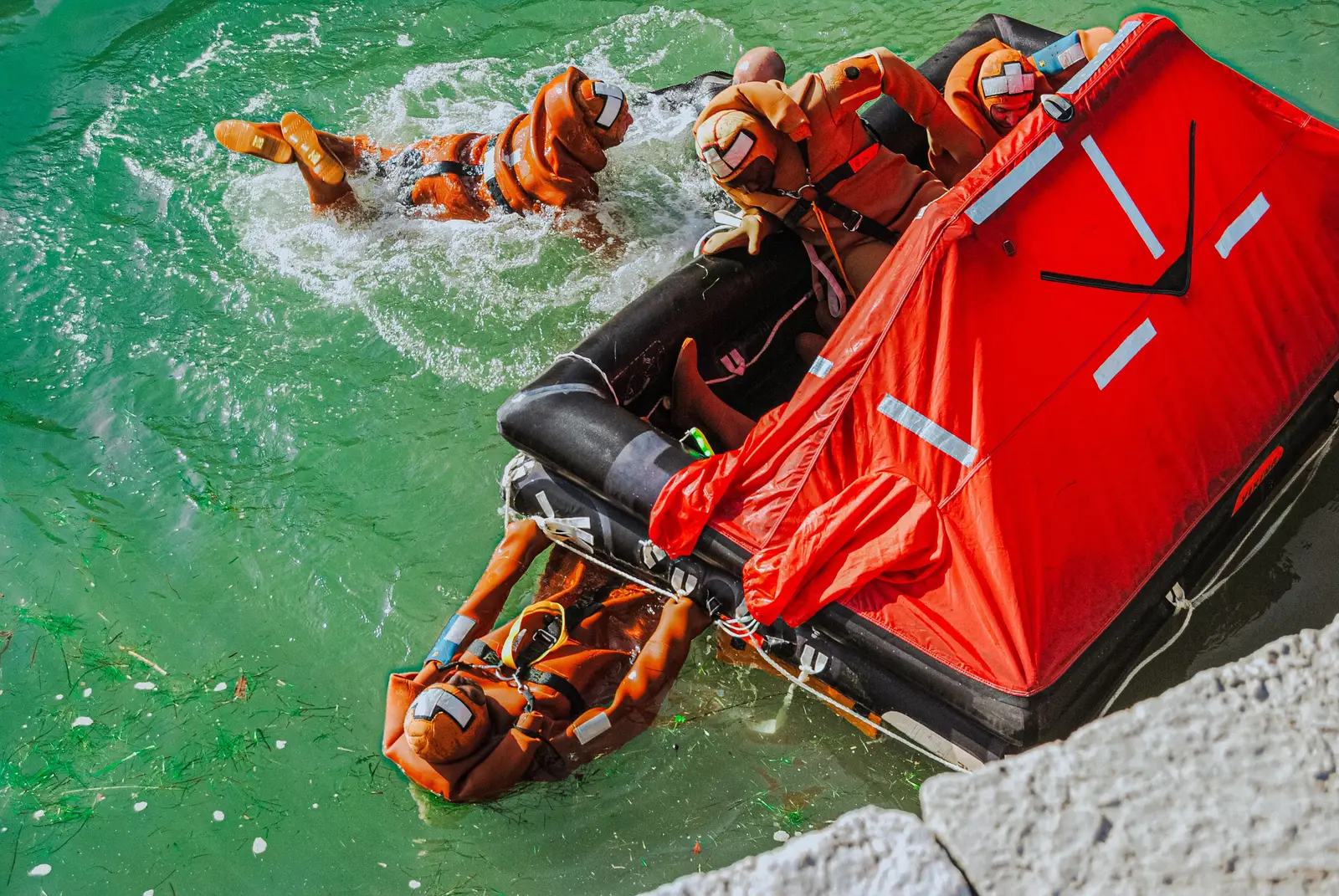
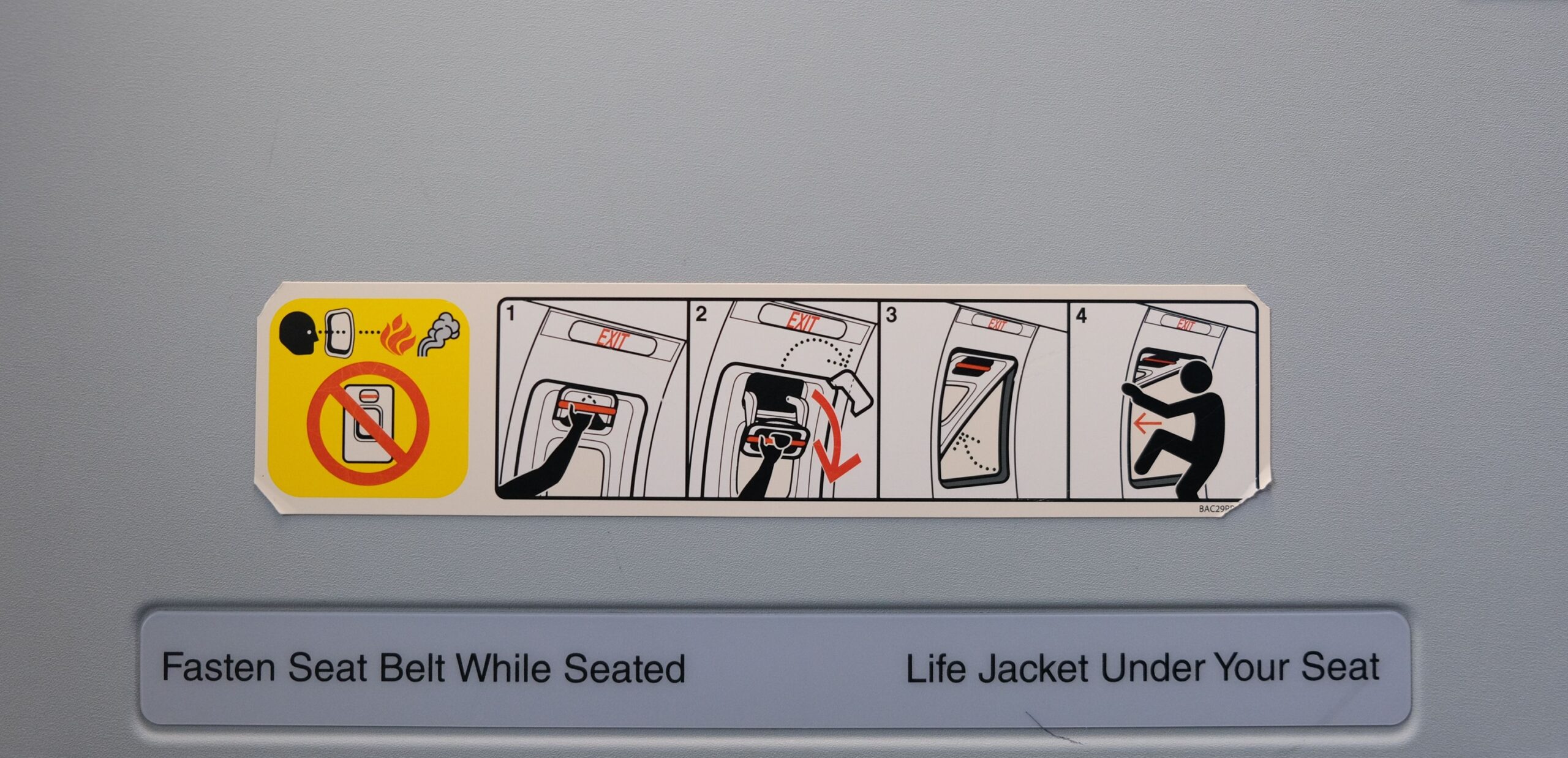
Of all the things covered in the pre-flight briefing, this is the one that cabin crew trainers stress most urgently. Crew demonstrate how to fit and inflate the life vest, but critically, inflation is shown to happen outside the aircraft only. In a previous ditching accident, passengers who inflated their jackets inside the cabin found that the rising water trapped them against the ceiling. It’s a counterintuitive detail, and it’s precisely the kind of thing you’d only know if you’d actually been paying attention.
If you inflate your life jacket inside the aircraft and water fills the cabin, you’ll float to the top and may find it physically impossible to exit through a submerged doorway. The inflated vest works against you in that specific situation. Moving through the cabin with an inflated jacket also significantly slows your mobility and hinders the speed of evacuation for everyone around you. This one rule alone is worth the two minutes of attention.
Your Nearest Exit May Be Behind You
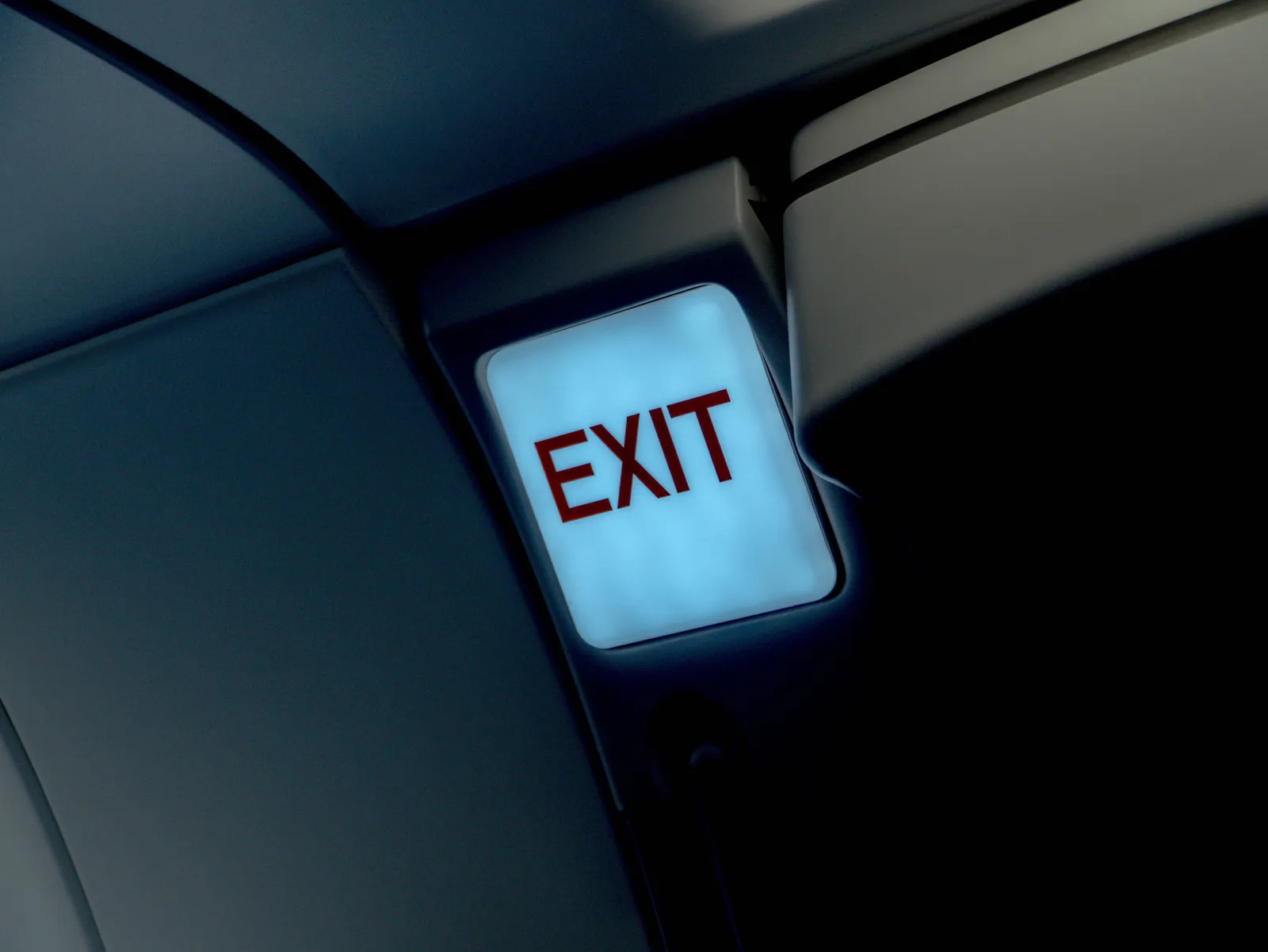
The briefing points out where to find emergency exits, and this isn’t as simple as looking toward the front of the plane. On wide-body aircraft, there may be four or more exit pairs, and the one directly behind your seat can be significantly faster to reach than the one you instinctively assume is closest. Cabin crew trainers routinely note that passengers fixate on exits they can see from their seat, which are often further away.
The physical habit of identifying your nearest exit when you sit down takes about ten seconds. Aviation safety professionals consistently advise counting the seat rows between you and the nearest door, so that the distance is something you can feel in low visibility or smoke. This is standard guidance taught in cabin crew training worldwide and reinforced in every pre-flight card.
The Seatbelt Buckle Works Differently Than a Car’s
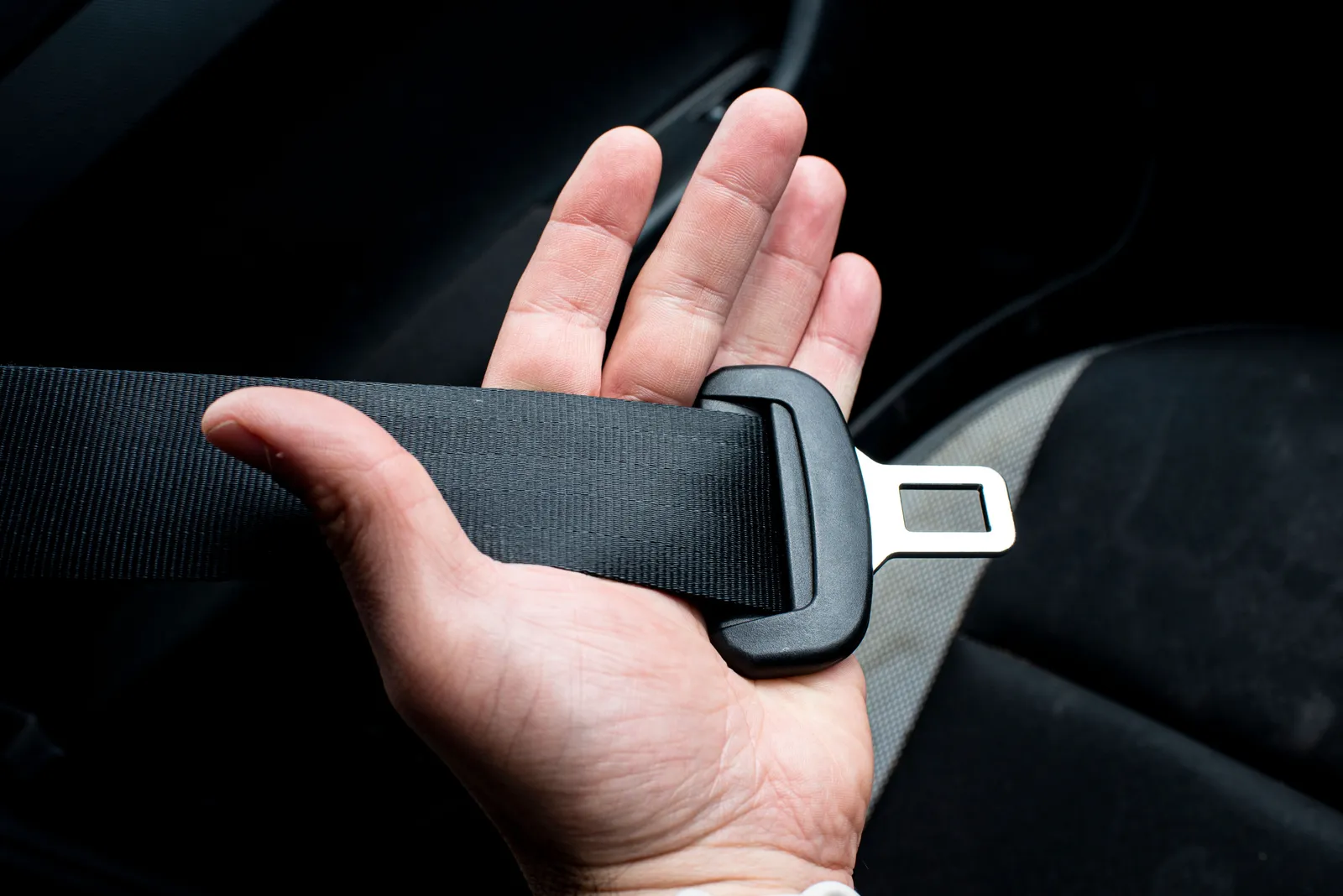
Crew demonstrate the opening and closing of the seatbelt not because it’s decorative, but because it has been observed in aircraft accidents that people in shock sometimes struggle to release their seatbelts. The release mechanism on an aircraft lap belt lifts upward, unlike the side-press button most people know from driving. It’s also consistently advised that passengers keep seatbelts fastened throughout the flight, not just during takeoff and landing.
An FAA review found that more than ninety percent of turbulence injuries involved passengers and crew who were not buckled in. The people who stayed belted were fine. Those who got hurt were almost always the ones who had taken the belt off because the air felt calm. It’s one of the most preventable injury patterns in commercial aviation, and it’s addressed directly in the briefing.
Why Turbulence Is the Safety Demo’s Unspoken Star
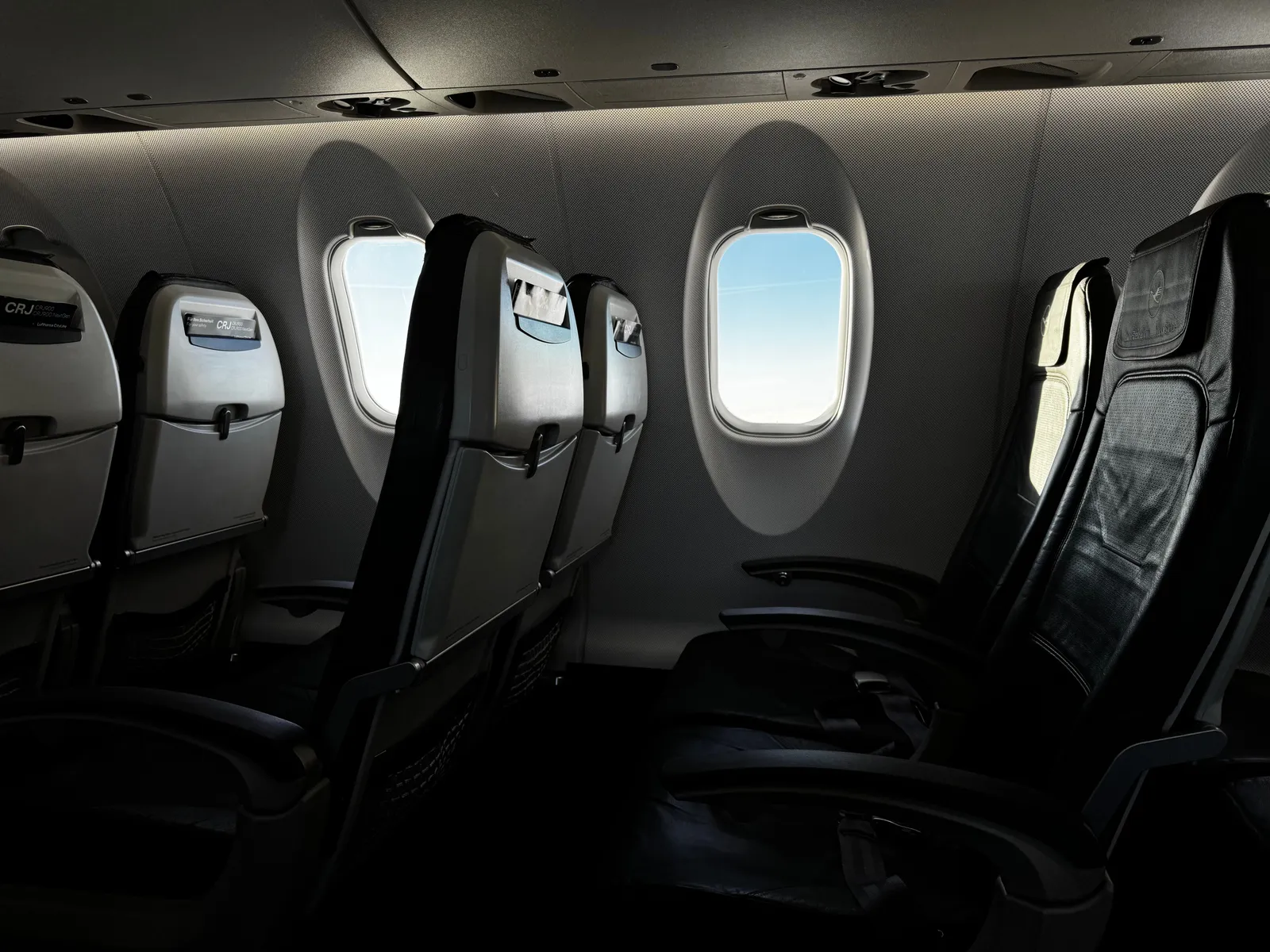
Turbulence is the leading cause of nonfatal injuries on US flights, and it injures people, not planes. This isn’t a side note in aviation safety circles. The NTSB found that between 2009 and 2018, turbulence-related accidents accounted for more than a third of all airline accidents, and most of these resulted in serious injuries without any substantial damage to the aircraft itself.
An NTSB safety research review found that convective activity accounts for more than half of turbulence injuries, at around fifty-seven percent, while clear air turbulence contributes the next largest share at twenty-eight percent. Clear air turbulence is the especially tricky variety because it arrives without visual warning. Most injuries in the cabin happen to passengers or crew who were not seated with seatbelts fastened, and cabin crew are disproportionately exposed because they’re often standing during service.
The Brace Position Isn’t a Myth
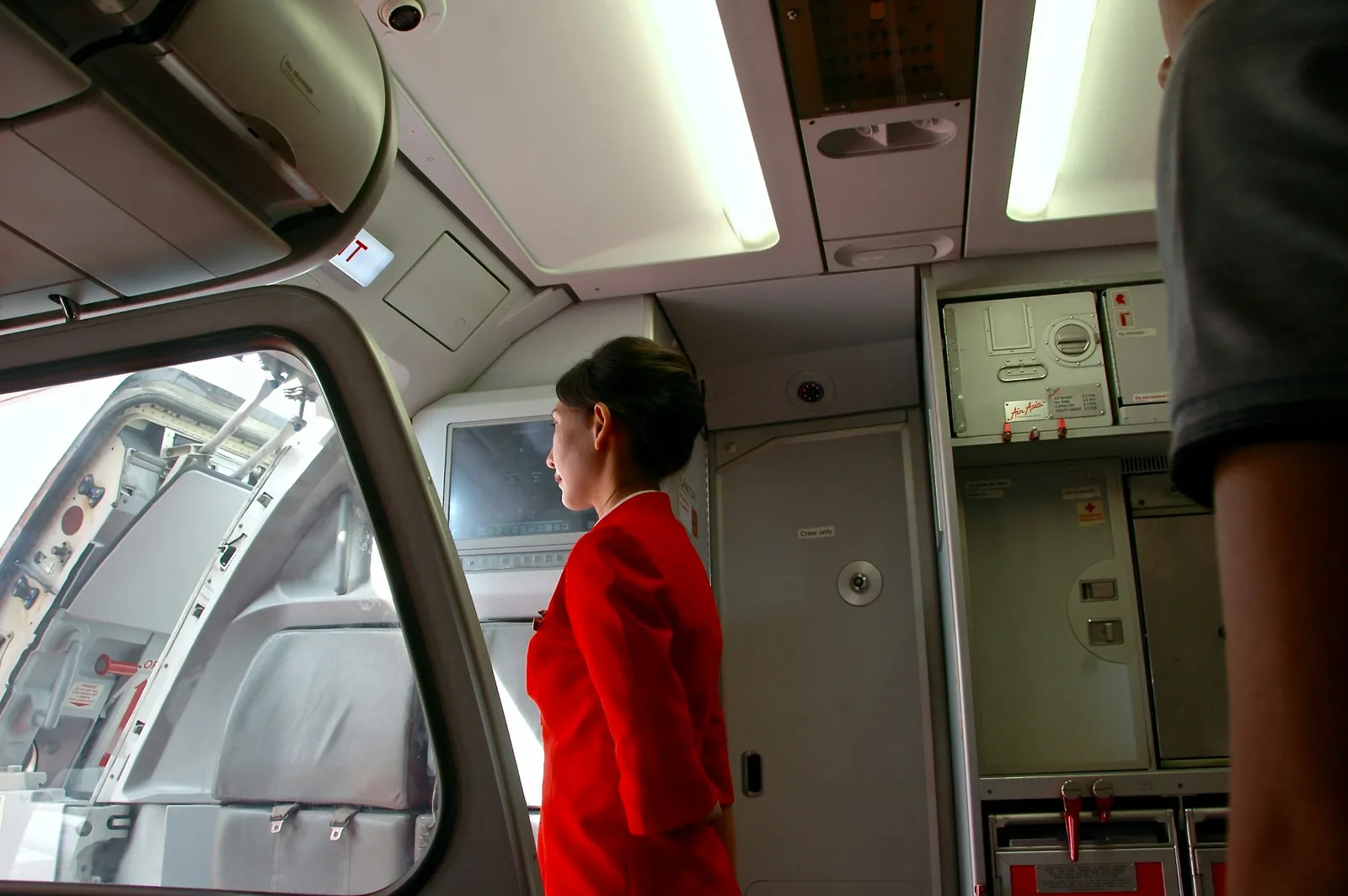
There’s a persistent and false internet rumor that the brace position is designed to make fatalities quicker rather than prevent injury. Cabin crew trainers spend real time correcting this because it has no basis in accident data. The importance of brace positions in reducing injuries during aircraft accidents has been well documented by the Flight Safety Foundation.
In the event of an emergency, the bracing position involves leaning forward with hands on top of the head and elbows against the thighs. The physical logic is straightforward: the position reduces the distance and speed at which your body travels on impact and protects vulnerable areas including your head and face. Survivors of survivable accidents who used the position consistently report fewer injuries than those who didn’t.
Stowing Bags Isn’t Just About Overhead Space
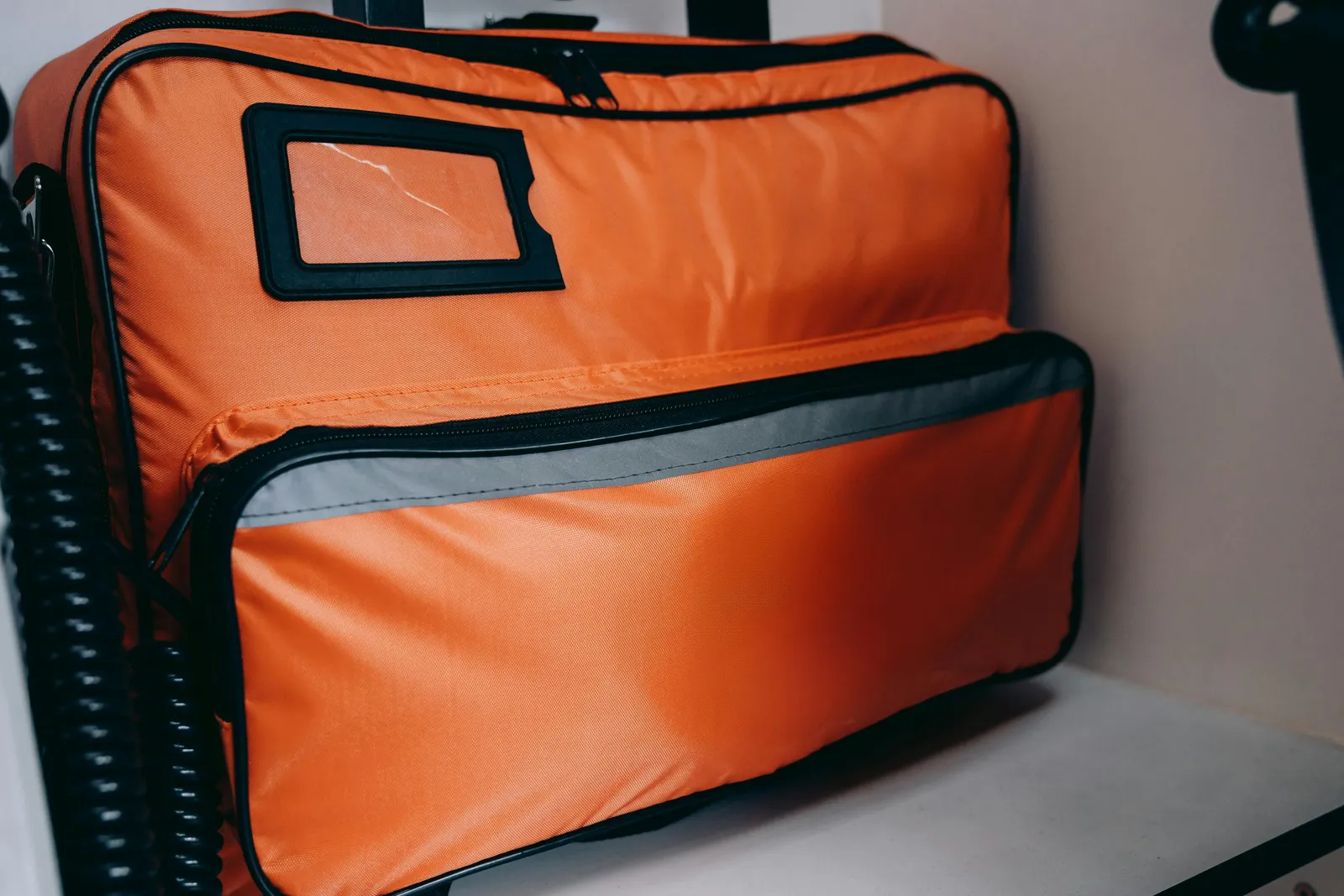
Passengers are asked to stow baggage in overhead lockers or under the seat in front, with tray tables stowed and seat backs upright. This isn’t about tidiness. It ensures there are no obstructions if evacuation is needed. A bag in the aisle, a tray table down, or a reclined seat can all slow the movement of people toward exits in an emergency, affecting everyone in the rows behind them.
Japan Airlines’ safety video stresses that passengers must leave their belongings behind in an evacuation, showing through animation how wheeled suitcases taken down the aisle or onto the emergency slide would delay evacuation and cause injury. This is not a hypothetical scenario. Investigators have documented passengers attempting to retrieve carry-on bags during real emergency evacuations, with serious consequences for evacuation timing.
The Oxygen Mask Goes On You First, Every Time
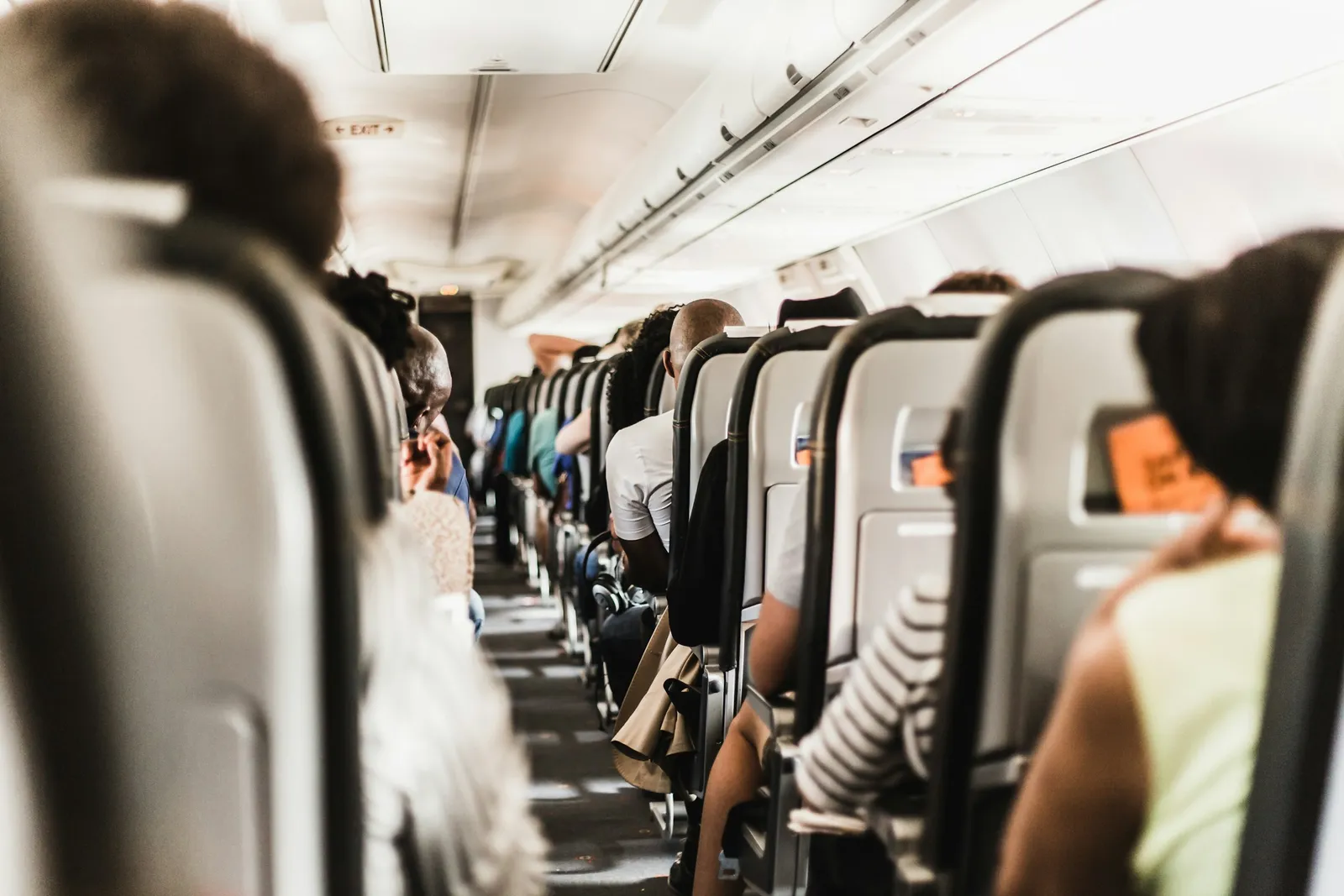
Crew show passengers how to pull the mask toward themselves, place it over the nose and mouth, and secure it. In the event of cabin depressurization, oxygen masks may deploy automatically, and knowing what to do helps passengers respond promptly. The instruction to fit your own mask before assisting others exists because hypoxia, the state of oxygen deprivation at altitude, can impair judgment and coordination within seconds at cruising altitude, far faster than most people expect.
At typical cruising altitudes, the useful period of consciousness without supplemental oxygen can be as short as fifteen to thirty seconds. This is why the sequence shown in the demo matters practically, not just procedurally. Trying to help a child first while incapacitated yourself helps no one. The demonstration’s choreography is built around real physiological timelines.
The Safety Card Is a Legitimate Reference Tool
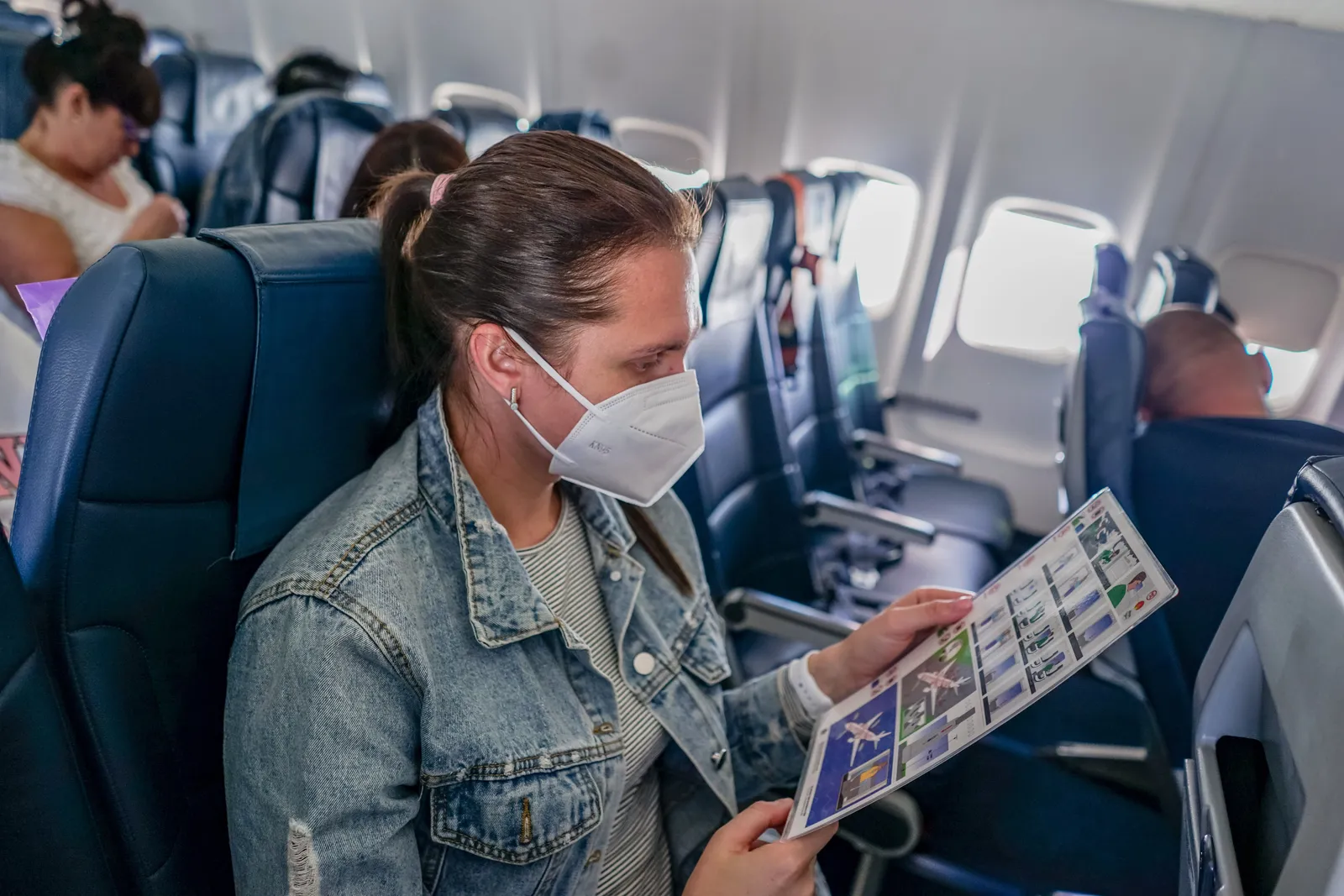
The information covered in the briefing is also available on a safety information card in the seat pocket. Most passengers glance at it and put it back, but cabin crew trainers point out that it’s aircraft-specific, meaning the exit locations, brace positions, and life jacket details shown are accurate to the exact model of aircraft you’re on. Generic knowledge from previous flights may not transfer perfectly to a different aircraft type.
The pre-flight safety demonstration typically lasts two to six minutes and is supplemented by visual aids such as safety cards to accommodate diverse passenger needs including language barriers. Taking thirty seconds to actually read the card for your specific aircraft is one of the most straightforward things a passenger can do. It’s a habit that aviation safety professionals have repeatedly endorsed.
Crew Demonstrations Are Legally Required for a Reason
The pre-flight safety demonstration is a legal requirement on every commercial flight, and airlines must provide this safety information either through a live crew demonstration or via the in-flight entertainment system. This isn’t a formality airlines can choose to waive. Airlines are required to orally brief passengers before each takeoff under requirements set by their nation’s civil aviation authority, informed by the recommendations of the International Civil Aviation Organization.
The regulatory foundation matters here. ICAO Doc 10086, the Manual on Information and Instructions for Passenger Safety, provides detailed guidance covering the proper donning of oxygen masks, fastening of seat belts, and inflation of life vests. The content isn’t improvised. Every element has been reviewed against accident data and updated over decades of incident investigation. Treating the demo as background noise means ignoring a document built from real crashes.
Two Minutes of Attention Is All It Costs
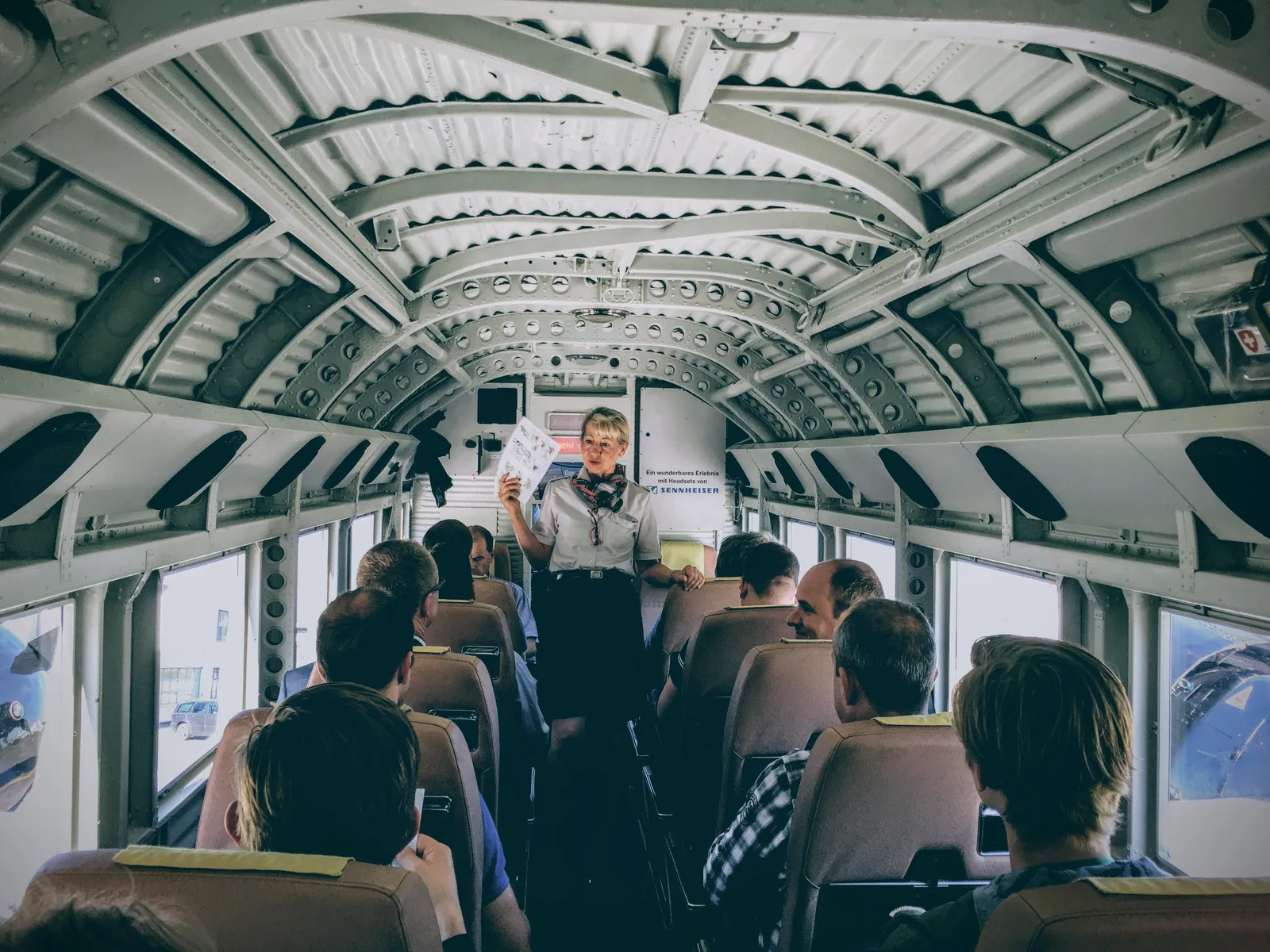
Aviation safety professionals put it plainly: it can, very rarely, go wrong, and when it does, watching the safety demonstration and listening to crew for two minutes puts you in the best possible position to survive. In 2024, commercial aviation supported the safe transport of an estimated five billion passengers worldwide, across more than forty million flights. The odds of needing what’s in the demo are genuinely low. The cost of learning it is genuinely nothing.
Flight attendants are trained to handle everything from disruptive passengers and potential human trafficking situations to unexpected aircraft evacuations. Their primary role is safety, and the briefing is the one moment where that expertise is shared directly with everyone on board. Cabin crew are there to ensure your safety while embarking, during the flight, and disembarking, and following their directions matters.
The Takeaway
Flying remains extraordinarily safe. The data from IATA, ICAO, and the Flight Safety Foundation consistently show that commercial aviation is among the safest forms of transport available. None of what’s covered here is meant to stoke anxiety about flying.
The point is simpler than that. The safety demonstration takes roughly two to six minutes and contains specific, aircraft-relevant information that no amount of previous travel experience can fully substitute. The details covered here, from life jacket inflation sequence to seatbelt mechanics to exit location, are grounded in real accident investigations, not routine caution. Cabin crew trainers know this, which is why they keep asking passengers to watch.
Putting the phone down for two minutes before takeoff is a very small act with a disproportionately useful return. That’s the honest case for paying attention, and it doesn’t need to be made any more dramatically than that.
AI Disclaimer: This article was created with the assistance of AI tools and reviewed by a human editor.