


There’s a kind of quiet ritual that experienced hostel travelers perform before their first night in a shared dorm. They don’t check the Wi-Fi speed or inspect the mattress first. They reach into a small pocket of their bag and pull out a tiny case containing two soft earplugs.
It’s one of those things that feels almost too simple to mention, yet it divides people who sleep well in hostels from those who don’t. The answer to the question of what single item hostel veterans never leave home without is, almost universally, a pair of earplugs. What follows is a closer look at why they matter so much, how they work, and the full picture of what makes them so essential to life on the shared dorm circuit.
The Real Challenge of Sleeping in a Shared Dorm

In a shared dorm room, everyone will inevitably be on different schedules, including a few late night partiers. Add snorers, people rustling for their chargers at midnight, and early risers packing their bags before dawn, and it’s clear that noise is the main obstacle to rest.
You are bound to have a few snorers in the room; for many travelers, this factor alone will determine whether the experience is positive or not. Keep in mind that it’s purely luck of the draw – you won’t know where you are with the snore factor until lights are out.
Failing to get a proper night’s sleep while traveling can be maddening, and no budget hostel bed will ever be worth the savings if you can’t get some decent rest. That’s precisely why seasoned travelers treat earplugs not as an optional extra, but as a non-negotiable piece of kit.
Why Earplugs Top Every Expert Packing List
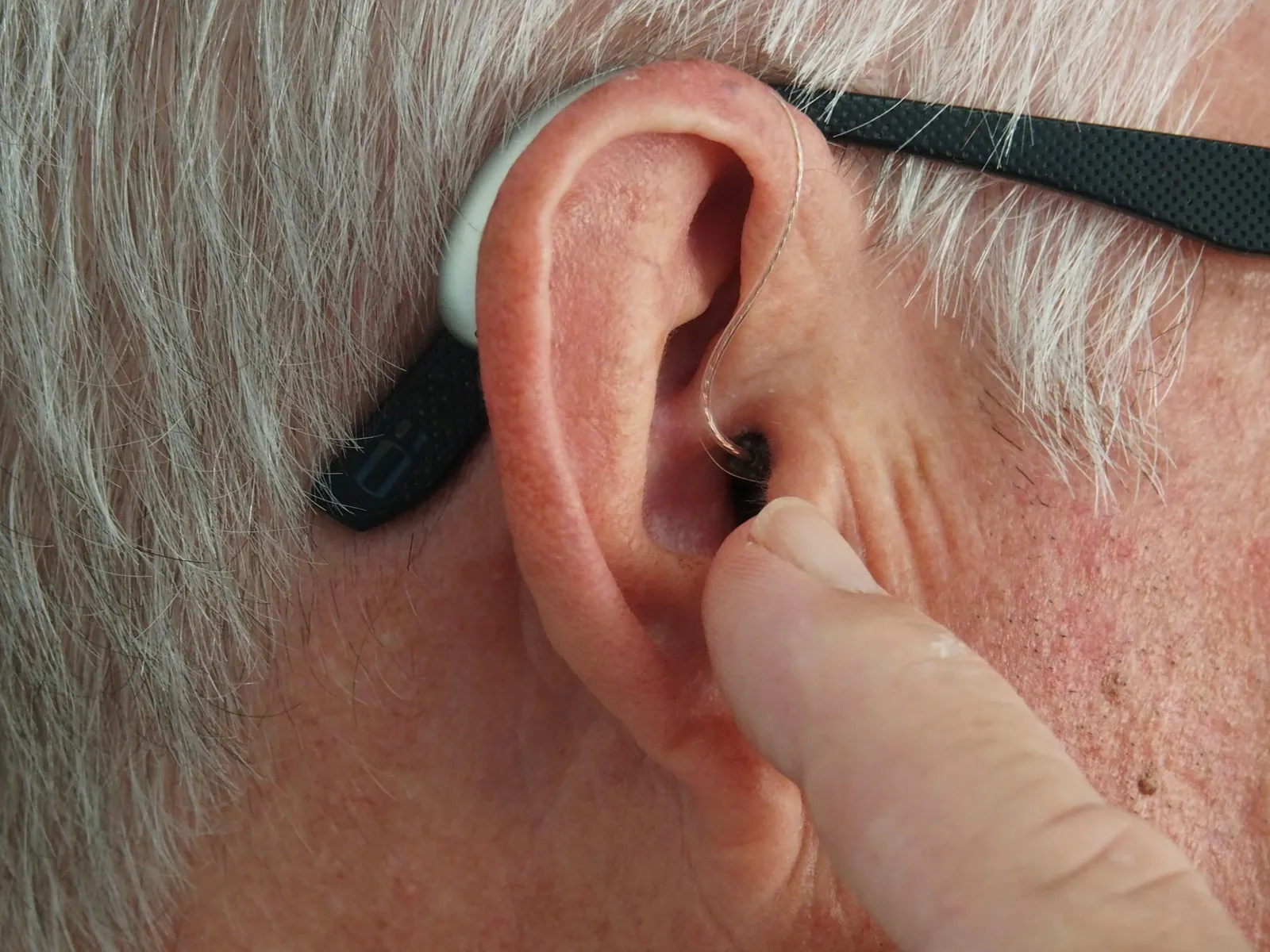
Earplugs are at the top of many hostel packing lists because they are one of the most underrated, yet incredibly useful things to have while staying in a shared dorm room. Across dozens of travel blogs, gear roundups, and backpacker forums, the consensus is strikingly consistent.
Sleep essentials such as an eye mask, earplugs, and a quick-drying microfibre towel can significantly improve comfort in shared accommodation. Yet of those three, earplugs are the one item that addresses the most immediate, unpredictable source of disruption.
Many hostels are communal, which means you’ll be sleeping in a room with other people. The odds are good that someone will snore, so being prepared with earplugs helps ensure a good night’s sleep. It’s the most honest piece of advice you’ll find anywhere on the topic.
The Science Behind How Earplugs Actually Work
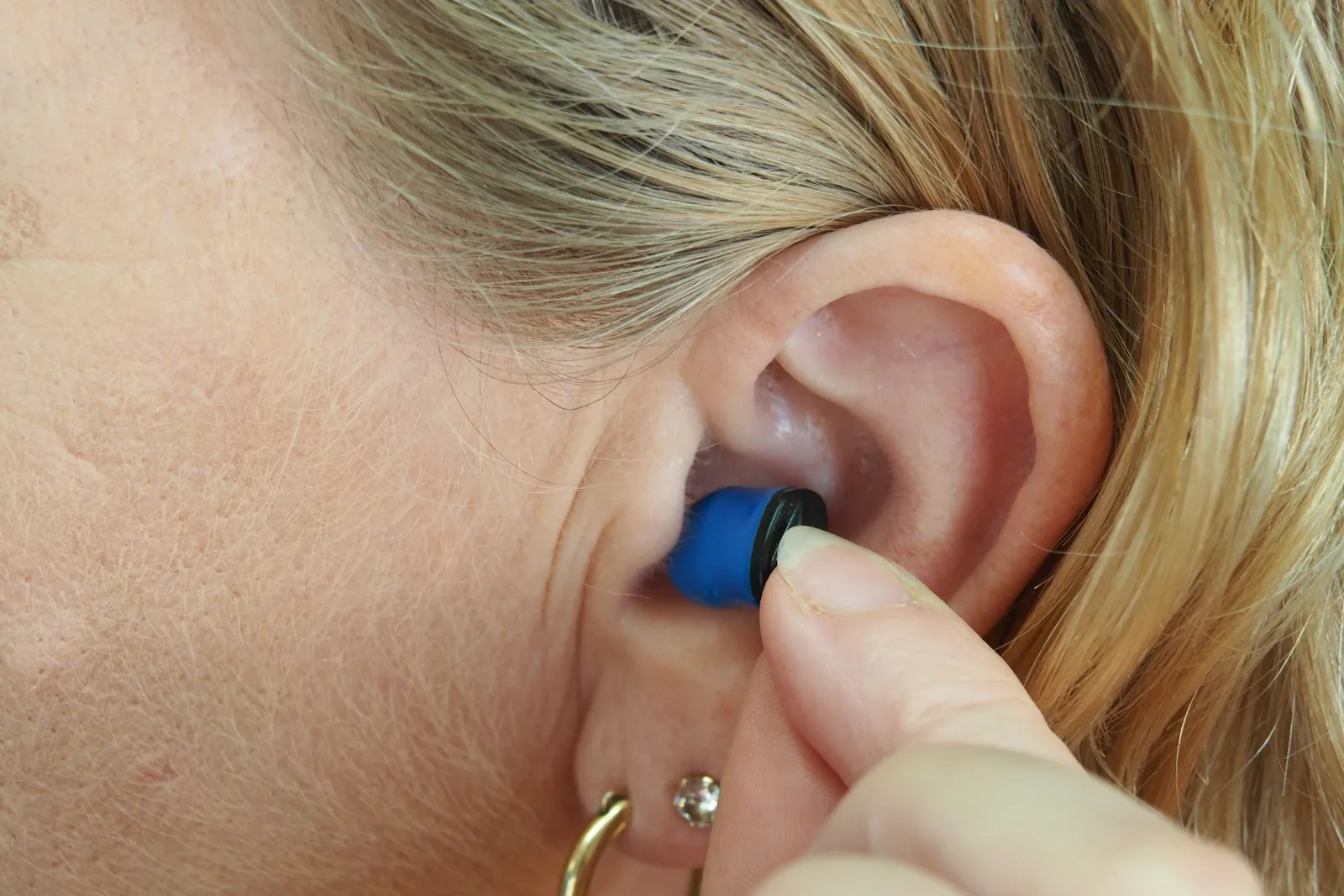
In one published study, earplugs emerged as clearly superior in their efficacy to mitigate the negative effects of environmental noise on sleep. Wearing earplugs recovered roughly 16.9 minutes of the 23.4 minutes of noise-induced reduction in deep sleep. That’s a meaningful recovery for travelers who need to be alert and energetic the next day.
Noise reduction ratings are measured in decibels, with ratings above 30 dB being adequate for light sleepers and higher ratings being ideal for urban environments or noise-sensitive individuals. Most standard foam earplugs sold for travel fall within a useful range for hostel environments.
Earplugs are essential for blocking out noise in shared rooms, and foam or silicone options are recommended for both comfort and effectiveness. The best hostel travelers keep a spare pair in an easily accessible pocket so they’re within reach the moment the lights go out.
Foam vs. Silicone: Choosing the Right Type

Choosing between foam or silicone earplugs comes down to personal comfort and the noise levels you expect to encounter. Each material has a distinct feel and a slightly different performance profile, so it’s worth understanding the difference before you buy.
Foam earplugs with a porous interior can block out sounds up to 31 decibels, which is generally enough to muffle loud noises. They’re inexpensive, widely available, and easy to find at airports and pharmacies worldwide, making them ideal as a backup.
Silicone options, like the popular Loop Quiet 2, offer up to 24 dB of noise reduction in a flexible, lightweight design that is comfortable even for side sleepers. Reusable silicone plugs are the preference of many frequent hostel travelers because they’re washable, durable, and easier to keep clean over a long trip.
Where to Keep Them So They’re Always Ready
Experienced hostel travelers recommend treating earplugs as non-negotiable, using them from night one rather than waiting for a bad night to motivate the habit. Starting from the first evening protects your sleep before a problem arises, not after.
Items like earplugs, a sleep mask, toiletries, and your phone charger should be easy to reach without unpacking your entire bag. Most veterans dedicate a small outer pocket or a slim zip pouch specifically for sleep essentials, so the pre-bed routine takes seconds.
Keeping a small zip pouch with your essentials means you don’t have to switch on a bright light if you need something in the night, which also keeps the peace for your dorm neighbors. It’s a small act of consideration that makes shared spaces run more smoothly for everyone.
The Eye Mask: Earplugs’ Natural Travel Partner
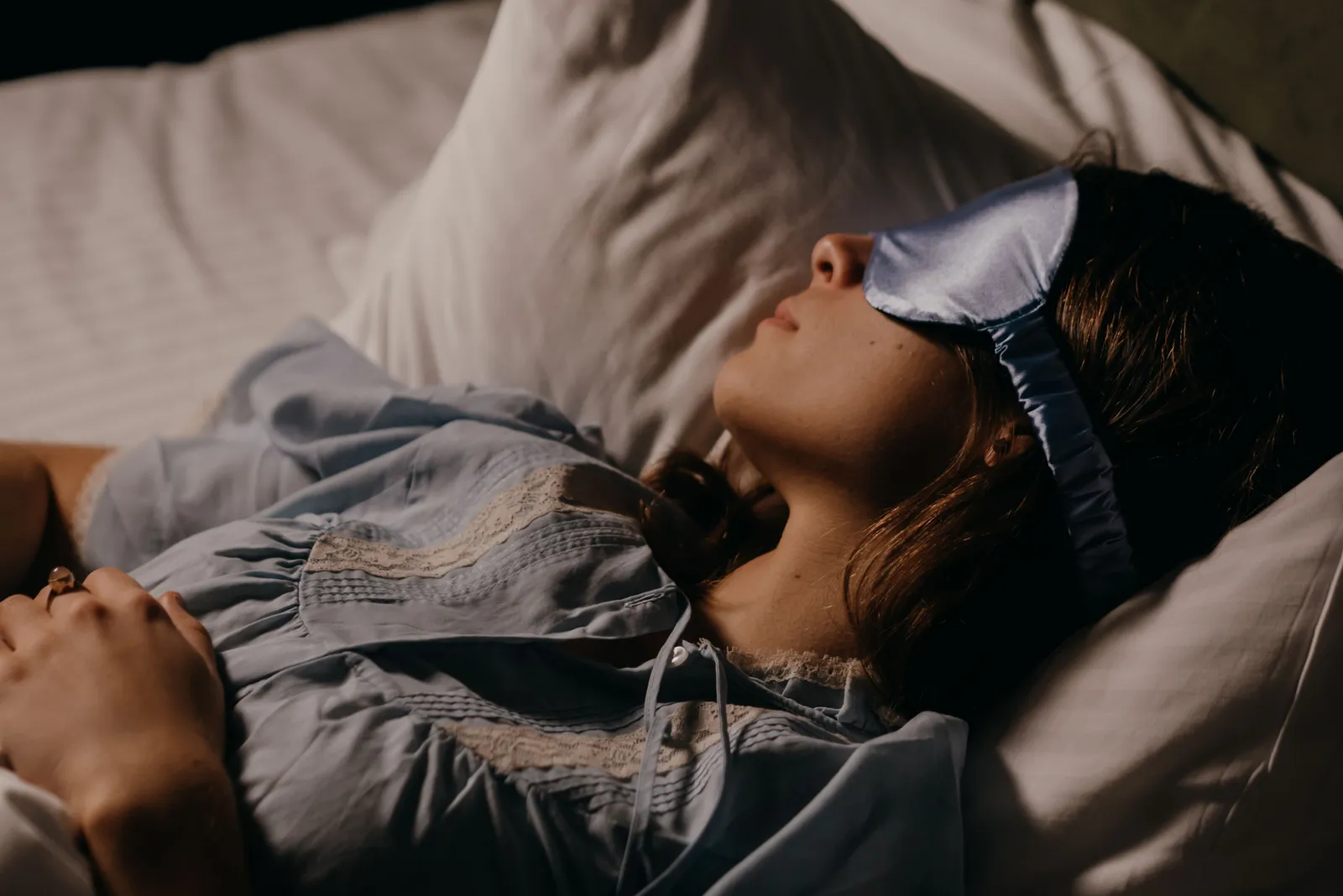
Bringing essentials like earplugs and an eye mask can significantly enhance your sleeping environment, even in shared spaces. The two items solve the two biggest problems in any shared dorm: noise and unwanted light, whether from a bunkmate’s phone screen or an early morning window.
Even with privacy curtains and quiet hours, an eye mask and earplugs are a must-have for light sleepers in any shared environment. Newer pod-style hostels have helped, but not all dorms offer curtains, and many don’t.
You never know if one of your temporary roommates is going to want to read with a flashlight until two in the morning. The combination of a soft eye mask and earplugs is essentially a portable, personal blackout pod that you carry in your palm.
Earplugs and the Sustainability Angle of Hostel Travel
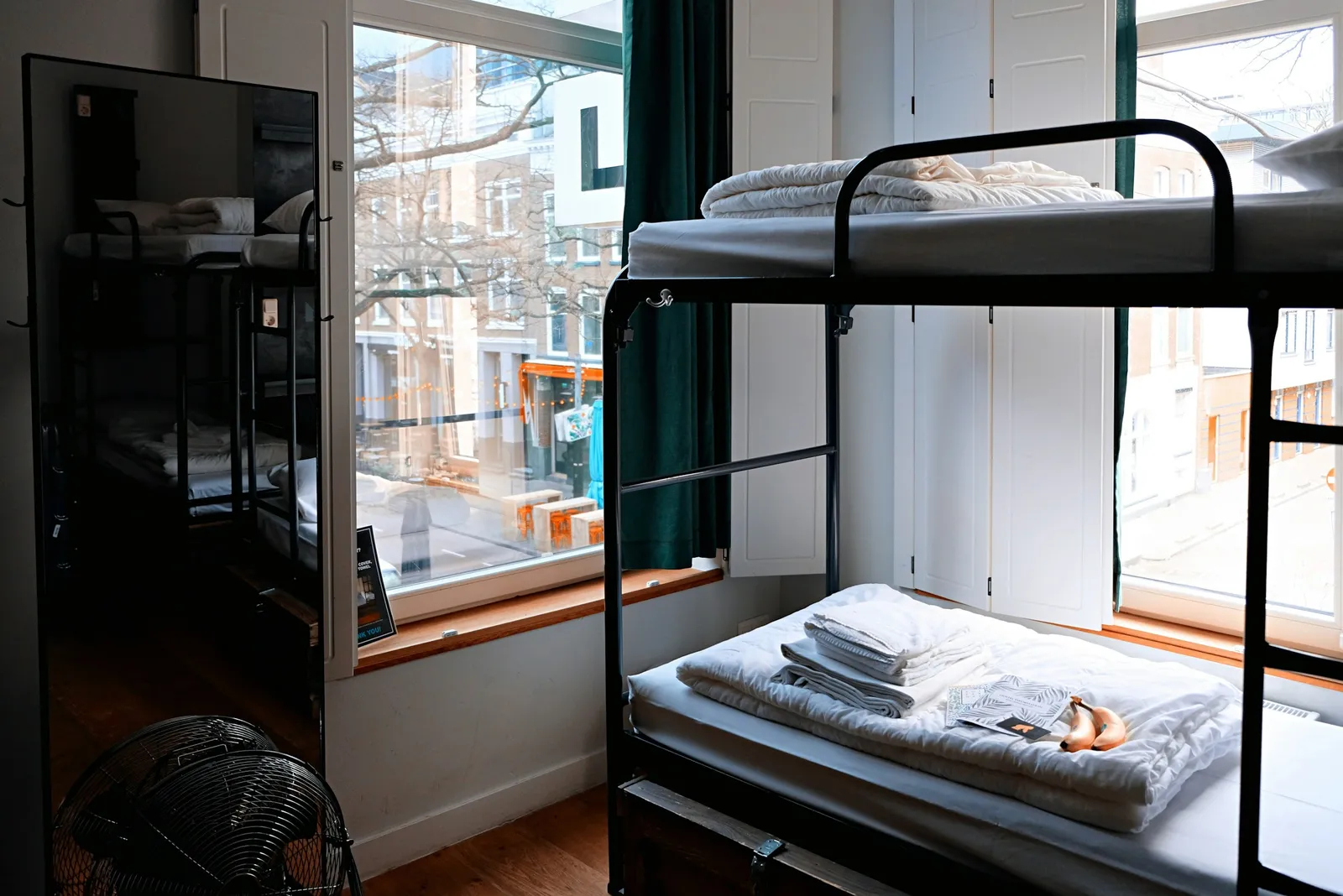
Hostels are, quietly, one of the more sustainable ways to sleep. Shared rooms and shared spaces mean a much lower footprint per person than a hotel room used by a single traveler, which matters especially if you travel solo. Choosing reusable silicone earplugs rather than disposable foam ones aligns naturally with that ethos.
Reusable earplugs last for months of consistent use and generate a fraction of the plastic waste of single-use pairs. Purpose-built reusable earplugs offer instant noise reduction for sleep, focus, relaxation, travel, and commuting, and are easy to clean and built to last.
For travelers who care about traveling responsibly, opting for a single well-made pair over dozens of disposable ones is a small but meaningful choice. The carbon footprint of a hostel stay is already comparatively low; the gear choices travelers make can reflect the same values.
Bunk Position Matters Too: Pairing Earplugs with Smart Bed Selection

Choosing a bed away from the door is wise, since the door is the noisiest object in the room. Even with earplugs in, the physical environment you sleep in influences how much noise reaches you in the first place.
Opting for a bottom bunk to minimize disturbances and avoiding beds near common areas can reduce noise disruptions meaningfully. Bottom bunks also offer a bit more psychological privacy, and you won’t disturb others when you climb down in the dark.
Packing anything you will need in the morning before you go to bed means you don’t have to rummage at six. This small discipline, combined with earplugs, is the closest thing to a guaranteed good night’s sleep that hostel life allows.
When Earplugs Alone Aren’t Quite Enough
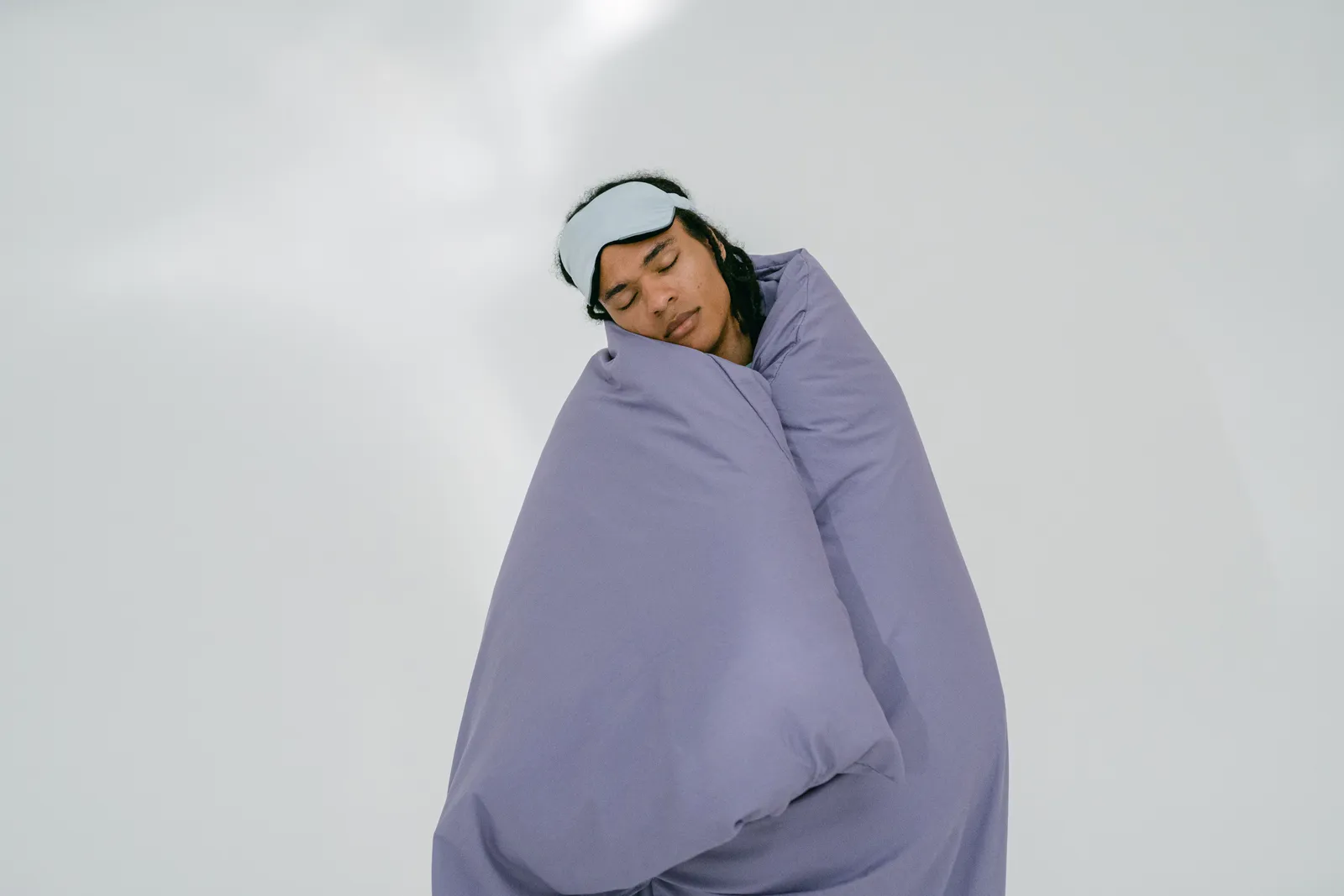
For particularly disruptive snoring or noise, using earplugs together with noise-canceling headphones can add an extra layer of sound blocking. Most hostel veterans don’t rely on headphones every night, but having the option matters on rough nights.
One practical tip for dealing with dorm odors, which can accompany noise as another shared-space reality, is to sprinkle a small amount of an essential oil like lavender on your pillow. It’s a minor comfort that makes a tangible difference, especially in rooms with poor ventilation.
A comprehensive sleep kit for dorm life includes foam or silicone earplugs, a soft eye mask, a light sleep sheet for extra separation from hostel bedding, and a hoodie for chilly air conditioning units. Earplugs anchor that kit, but the whole combination is what veteran travelers rely on.
The Padlock: The Other Essential Small Item Worth Mentioning

While earplugs handle sleep quality, there’s one other small item that experienced dorm travelers treat with equal seriousness: a padlock. Padlocks matter most because hostels usually charge to rent one and lockers are rarely secure without one.
Security items, including a combination padlock and secure wallet, are important for protecting valuables while traveling. Most hostel lockers are sized for a day bag or small valuables, and having your own lock means you’re never dependent on the front desk or paying a daily rental fee.
A small padlock for hostel lockers, a discreet money belt, or a flat pouch round out the core security items for any shared dorm stay. Together, a padlock and a pair of earplugs weigh almost nothing and take up almost no space, yet they address the two most consistent stressors of shared dorm life: security and sleep.
Wrapping It Up: Small Items, Real Impact
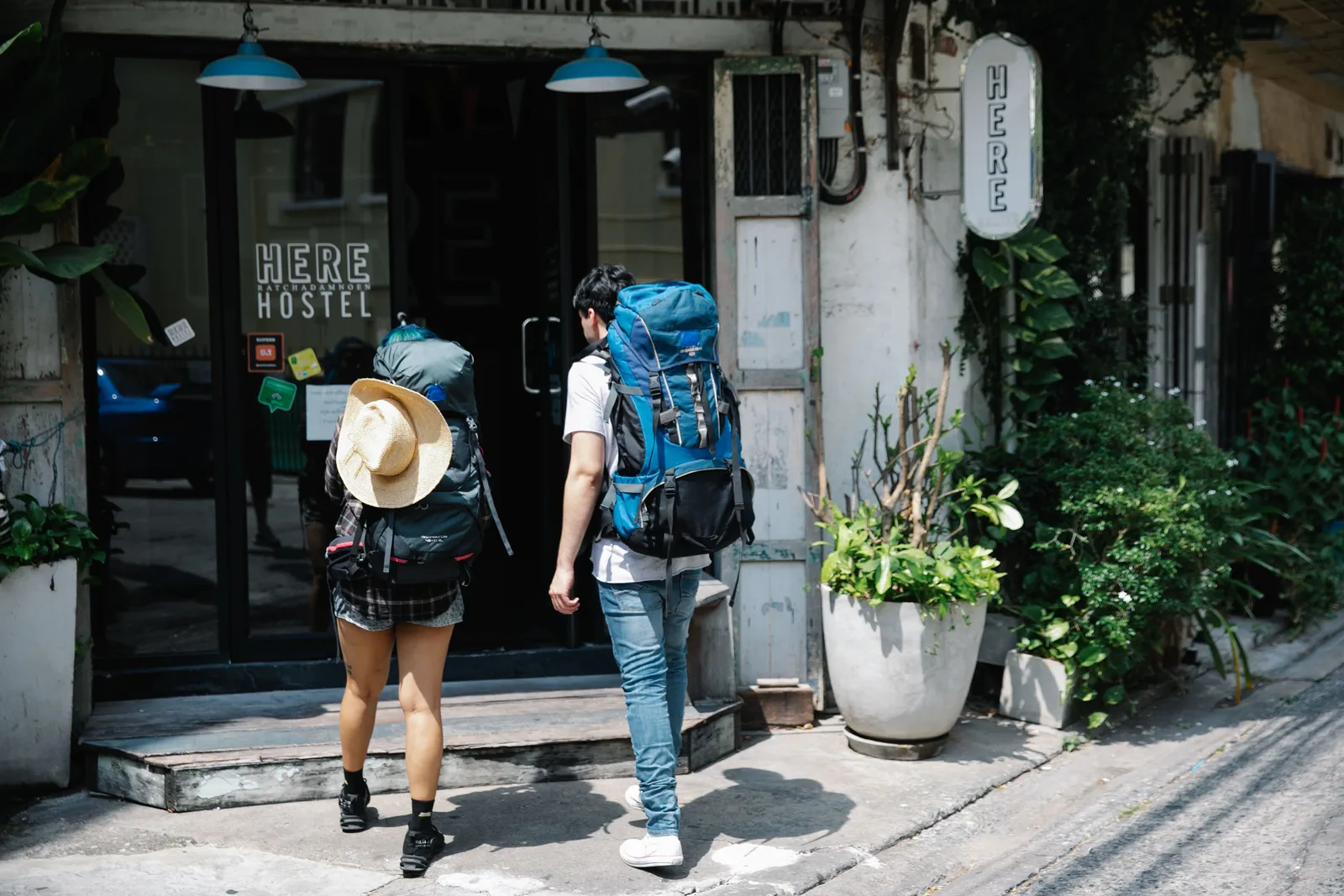
The most experienced hostel travelers aren’t necessarily the ones with the most sophisticated gear. They’re the ones who’ve learned which small, humble items actually move the needle. A pair of earplugs costing a few dollars has saved more hostel trips from misery than any expensive gadget.
A solid set of earplugs will muffle all the snoring, shuffling, and snooze-buttoning that can disrupt a precious sleep cycle. That’s not a minor benefit when you’re traveling on an itinerary that demands energy, alertness, and a good mood the next morning.
Pack them in the most accessible pocket you have. Use them from the first night, not just when things get bad. The dorm may still be unpredictable, but at least you’ll sleep through the most interesting parts of it.
AI Disclaimer: This article was created with the assistance of AI tools and reviewed by a human editor.