
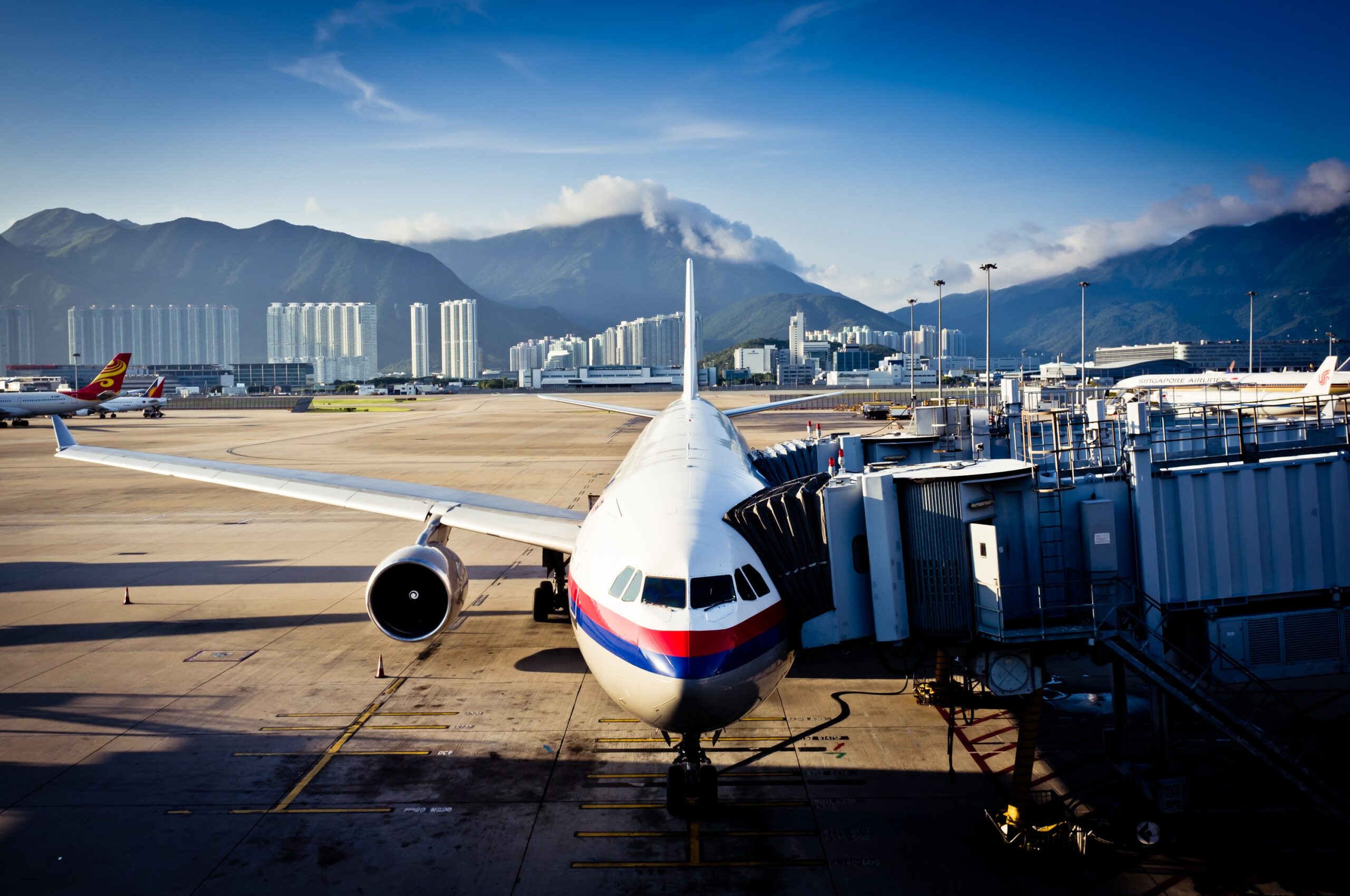

Every time a commercial flight departs, one of the most quietly fascinating moments happens before the engines even reach full power. The aircraft doesn’t drive itself away from the gate. Instead, a compact, heavy-duty vehicle latches onto the nose gear and shoves hundreds of tons of metal backward through a crowded ramp. Most passengers barely notice. The people who do this job every day know exactly why it has to work this way.
The reasons run deeper than simple convenience. They touch on jet engine physics, airport geometry, fuel economics, and the safety of dozens of ground workers who share that pavement. Here’s what pushback tug drivers and aviation ground handling professionals explain when they break it all down.
Commercial Planes Simply Don’t Have a Reverse Gear
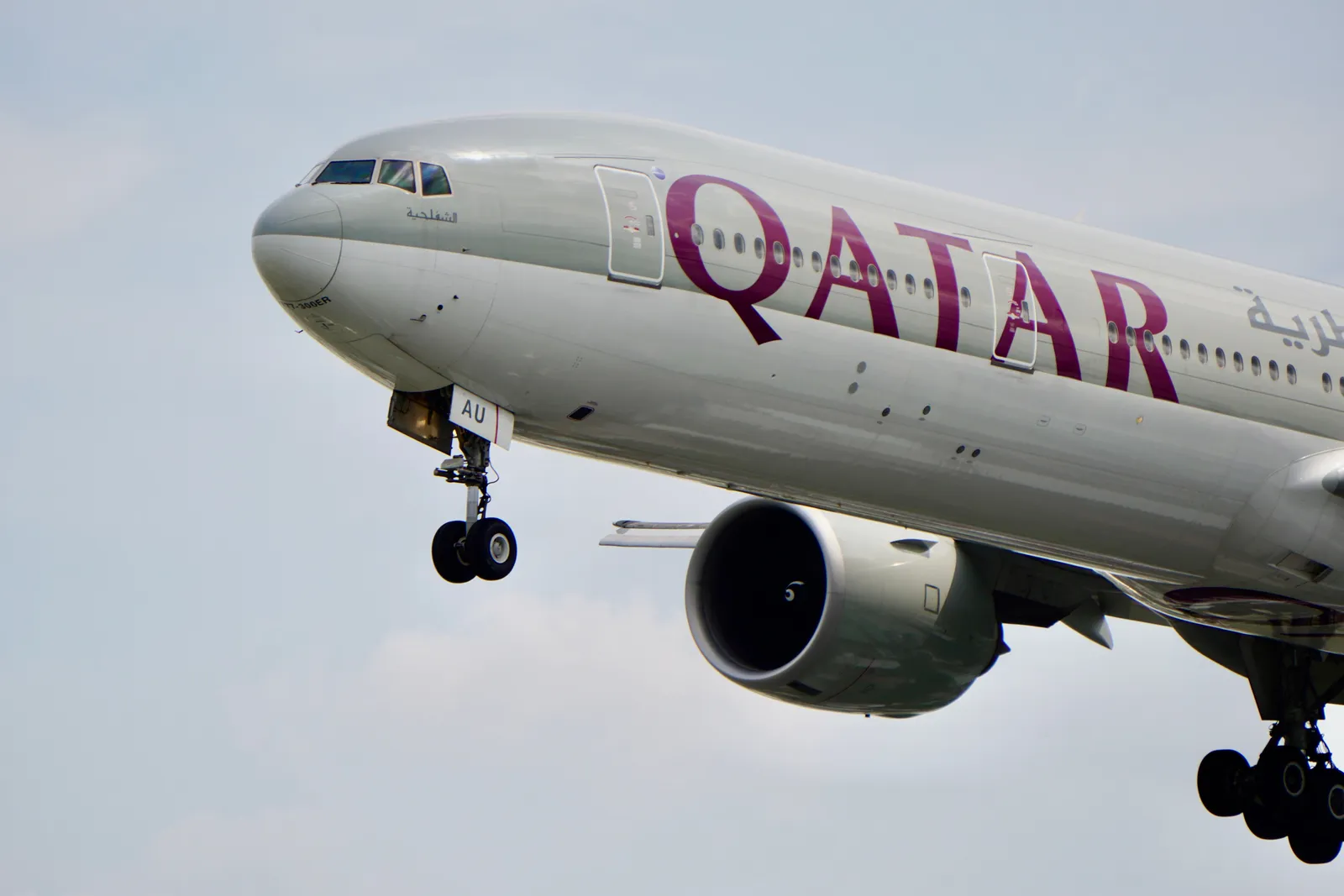
Start with the most basic fact. Because the only time that airplanes really need to go in reverse is when they push back from their gate, airplanes do not have a reverse gear – and the wheels do not have power like a car. There’s no motorized wheel system that can spin the landing gear tires backward on command. While passenger planes are very good at going forward through the air very quickly, they are not so good at going backwards on the ground. Those wheels on the end of the landing gear can roll, steer, and brake – but they cannot motor the plane around the way wheels on a road vehicle do.
Reverse Thrust Exists, But It Was Never Meant for Gate Departures
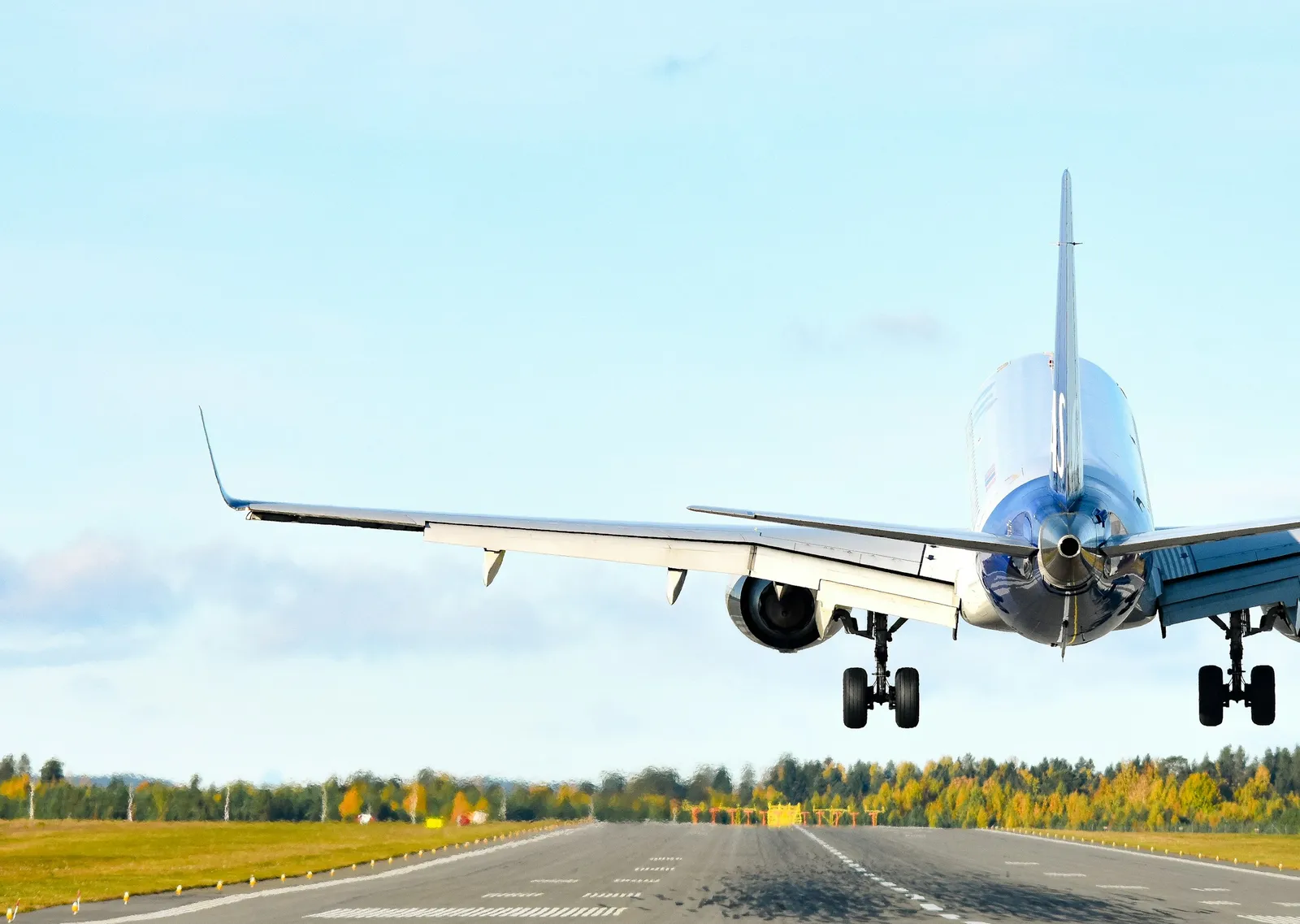
Reverse thrust is intended mainly to help decelerate after landing, not to serve as an aircraft’s reverse gear at a crowded terminal. Most jet engines can technically redirect their thrust, but the scale and purpose of that system is completely mismatched for gate operations. A commercial aircraft pilot could, in theory, back a plane onto a taxiway using reverse thrust – but in practice, using reverse thrust would be extremely loud, uneconomical, and dangerous. The engineering is there; the practicality simply isn’t.
Jet Blast Turns the Ramp Into a Danger Zone
Although many aircraft are capable of moving themselves backwards using reverse thrust, the resulting jet blast or prop wash would cause increased noise, damage to the terminal building or equipment, and hurt airport staff due to high-speed debris. The ramp around a departure gate is one of the most congested and worker-intensive environments in aviation. Ground crew – air marshals, baggage handlers, ramp agents, maintenance workers, wing walkers, and drivers – must be kept safe and out of the line of fire of jet engines, which is why airports usually only allow pilots to apply thrust in designated break-away areas where it is safe to do so.
Foreign Object Debris Makes Engine Powerback Genuinely Risky
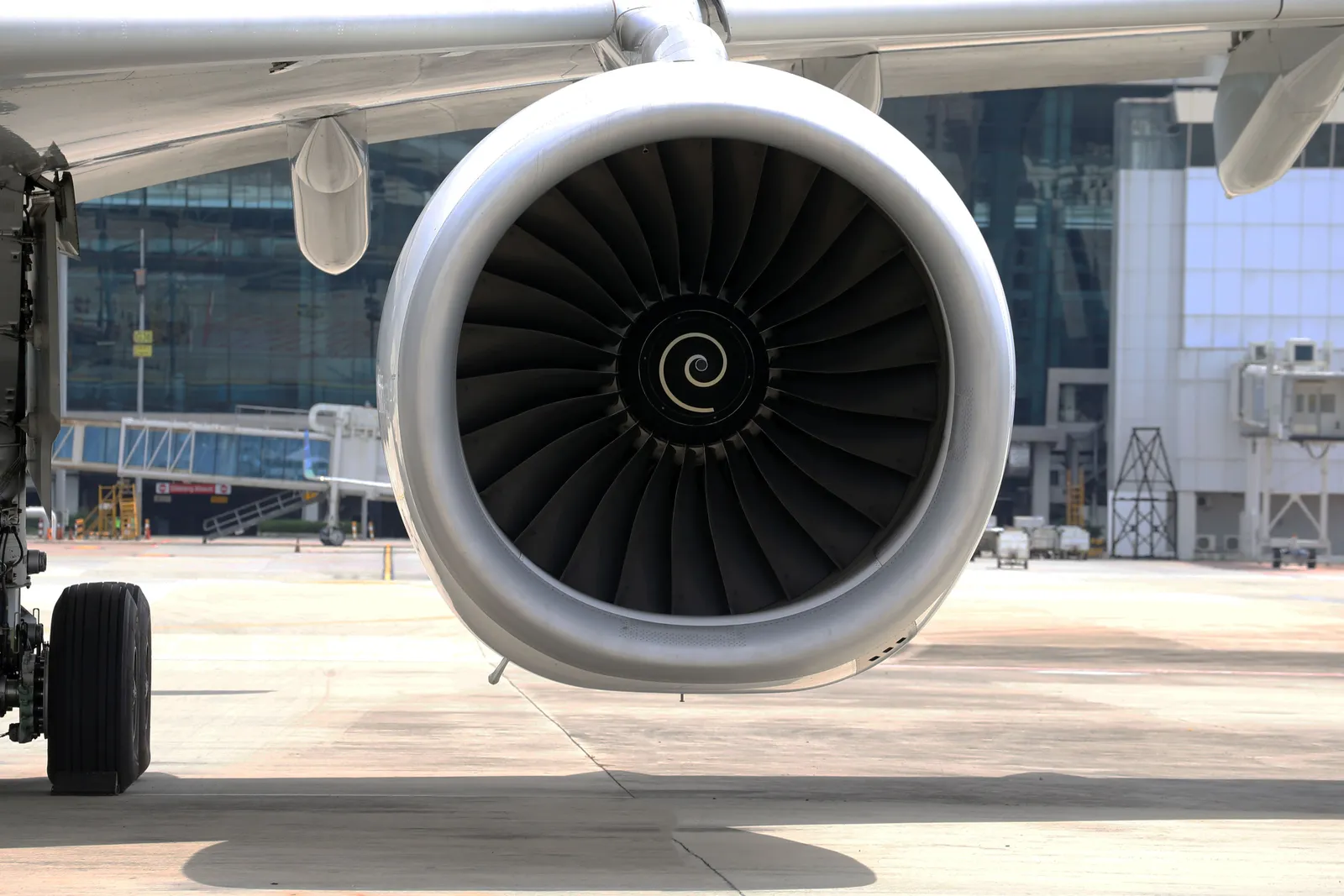
In the congested space of an airport, there is the further risk posed by FOD, or foreign object debris, being ingested into a jet engine. FOD can include tools, fragments of tarmac, wildlife, catering equipment, rocks, and luggage – and the damage it can cause is another reason airplanes are pushed back onto the taxiway rather than reversing under their own power. The ramp surface around a busy gate accumulates exactly the kind of small debris that jet engines are built to avoid ingesting. This debris would also be sucked into the engine, as it is in normal use, and cause excessive wear – a major cause of wear on aircraft engines is during ground use.
Pilots Can’t See Behind the Plane – At All
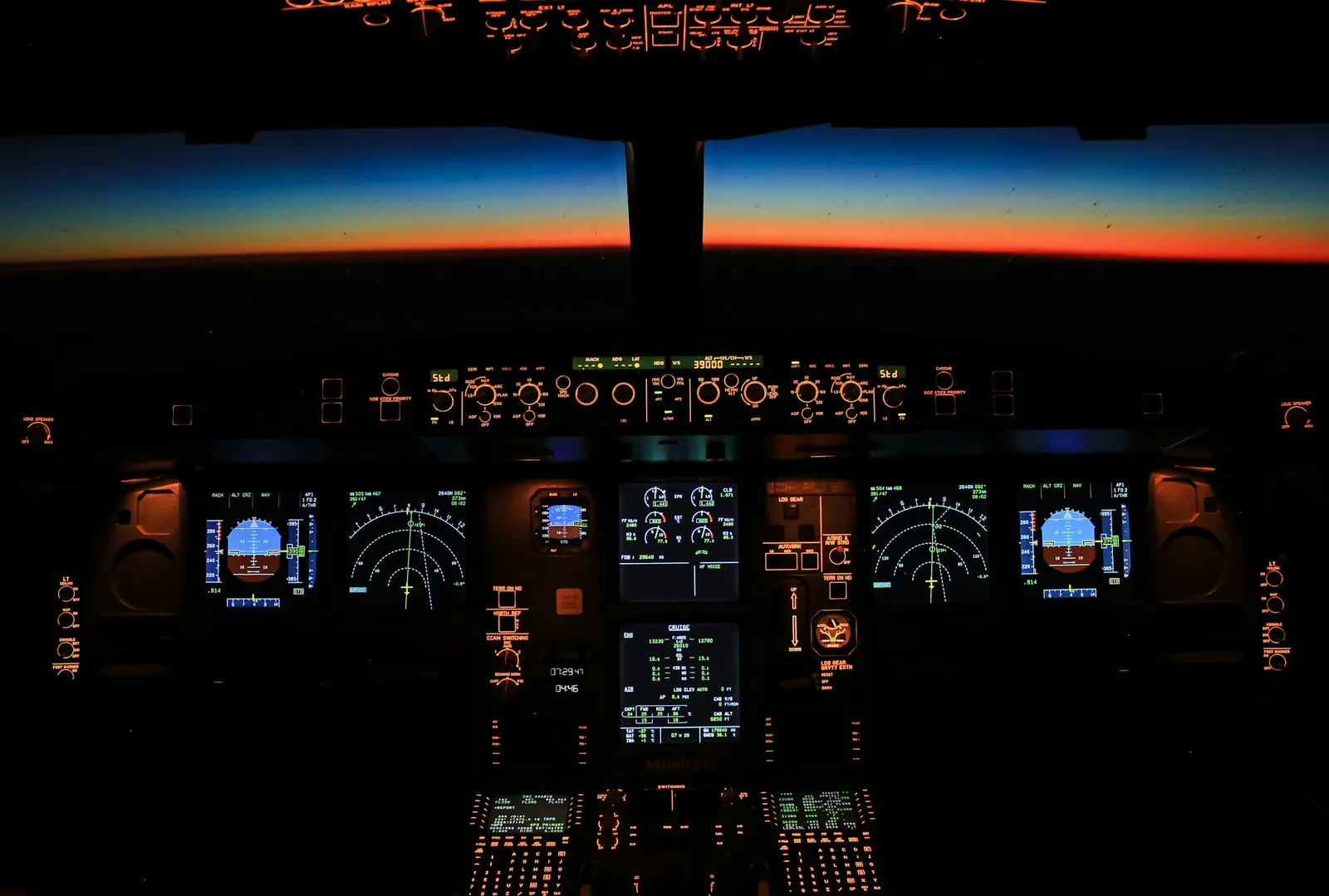
Poor rearward visibility means pilots cannot directly see the area behind the tail or judge every wingtip clearance. There are no rear-view mirrors on a commercial jet. The cockpit sits at the very front of the fuselage, meaning the pilots have essentially no sight line to what’s happening behind the tail section or near the rear landing gear. Unlike cars, planes don’t have rear view mirrors to look backwards while using the powerback method of pushback. That’s a significant blind spot when you’re maneuvering near jet bridges, ground vehicles, and other parked aircraft.
Terminal Geometry Makes Nose-In Parking the Only Practical Option
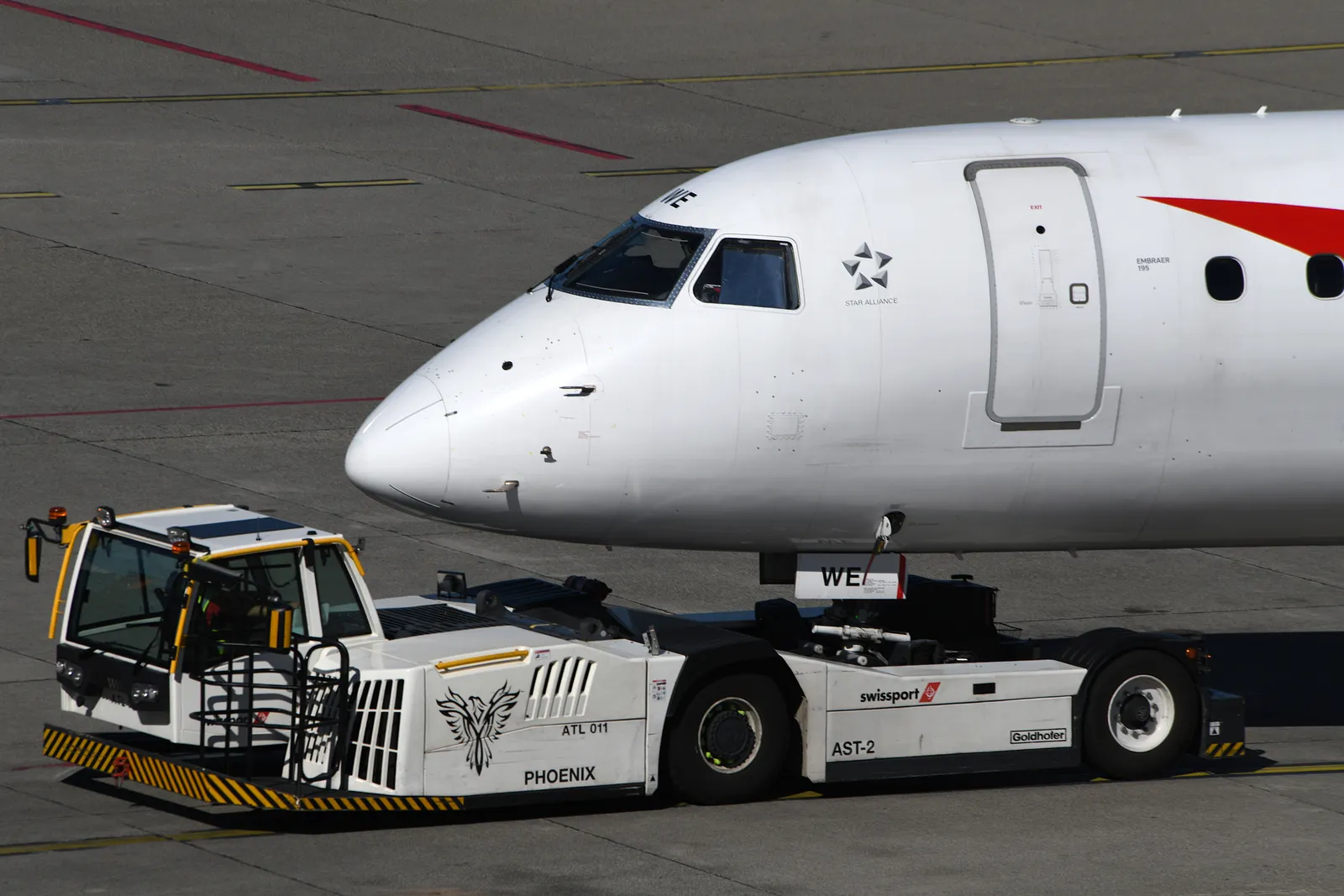
In real-world aviation, airliners push back because most terminal stands are nose-in parking bays, with the terminal, jet bridge, and ground equipment directly ahead. They cannot taxi forward through that area, while using reverse thrust to back up is unsafe, inefficient, and often prohibited – so a tug moves the aircraft into a clear taxi position. Airports are designed to maximize the number of aircraft that can dock simultaneously. At larger airports, aircraft parking positions are distributed so that the number of aircraft connected to the terminal is maximised. That density only works with nose-in parking, which makes every departure dependent on a pushback.
The Economics of Fuel Make Tugs the Clear Winner
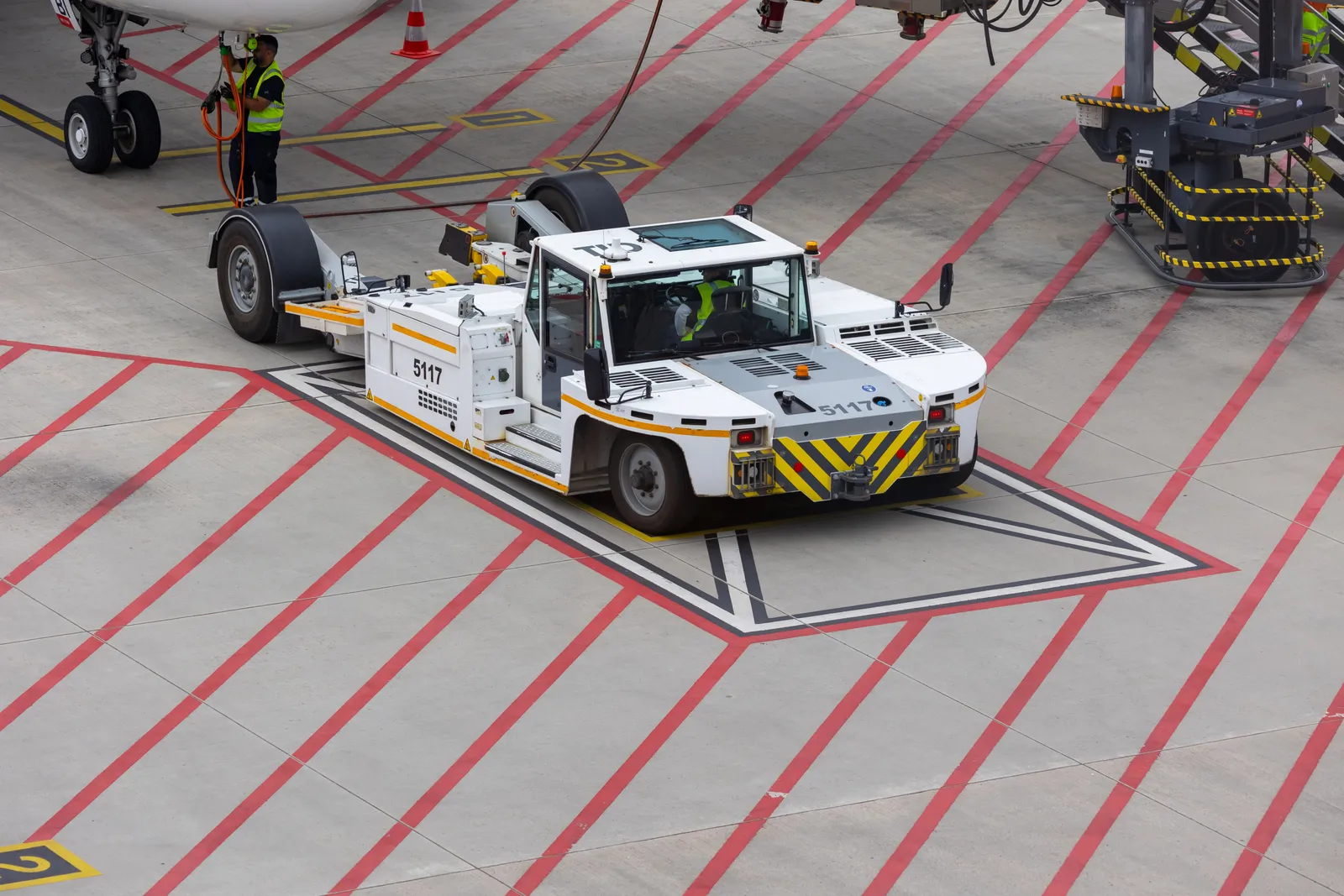
Apart from the deafening noise and the danger, maneuvering a jet on the ground using its engine thrust is uneconomical, given the huge amount of jet fuel a commercial airplane burns compared to a pushback tug or tow tractor. Running a jet engine at the thrust levels needed to move the aircraft backward even a short distance burns fuel at a rate that no airline wants to sustain through thousands of daily departures worldwide. Using reverse thrust for pushback consumes a lot of fuel, and aviation fuels are quite expensive – making it more expensive for the airline itself, which is why, to cut down expenses and conserve fuel, airlines discontinued this practice.
What the Tug Driver Actually Does During a Pushback
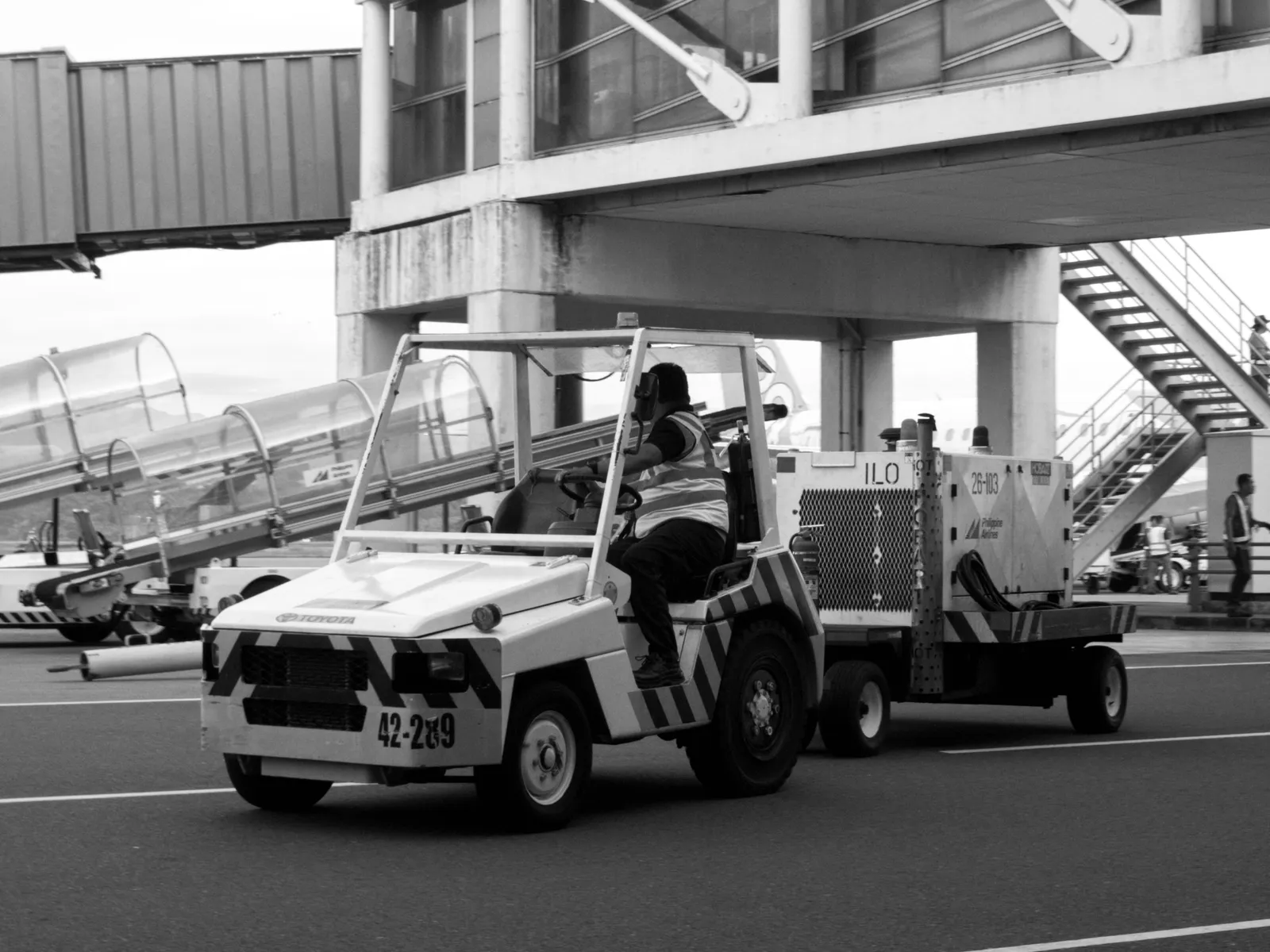
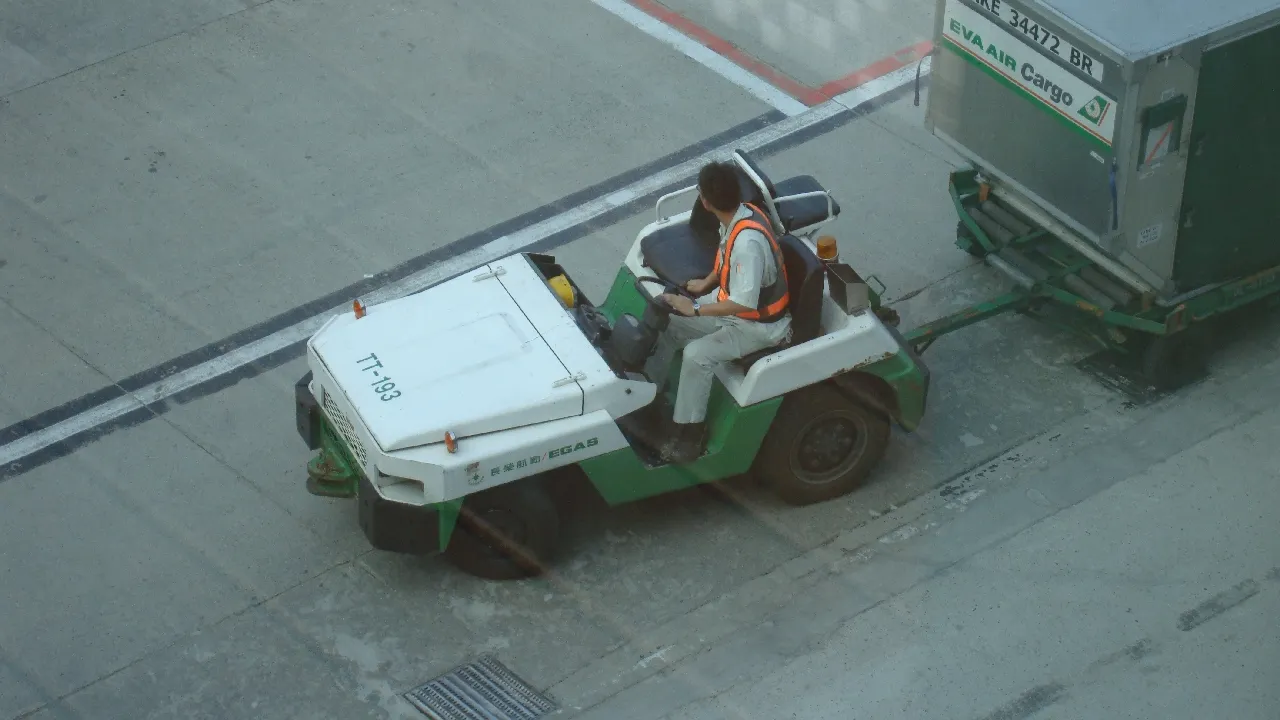
The driver sits behind a big steering wheel while wearing a headset to communicate with the pilots. The headset can either be wireless or connected directly into the communications box on the nose of the plane by a long tether. Like any vehicle, there is a horn, lights, parking brake, gear shifter, and even a turn signal. The coordination involved is more nuanced than it appears from a passenger window. The driver is responsible for communicating to the pilots that it’s safe for the plane to leave, confirming that the walk-around is complete, the bypass pin is in, the safety zone is clear, and all cargo bin doors and access panels are closed. Pilots are trained to never start an engine before being told it’s safe to do so by the tug driver.
Wing Walkers and Ground Teams Complete the Safety Picture
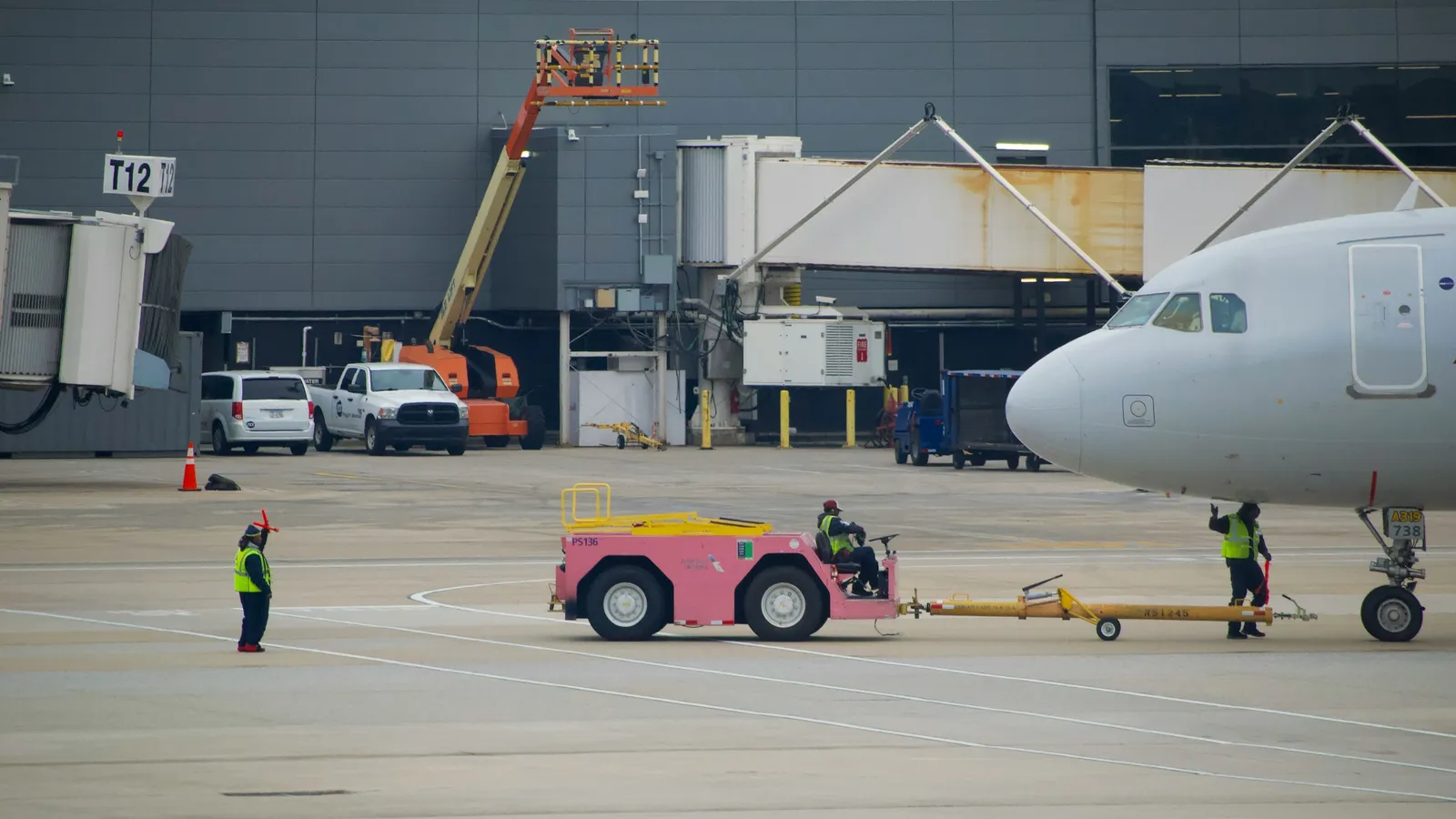
During most pushbacks, wing walkers with orange batons are present at both wingtips to ensure clearance. A plane’s wingspan is enormous relative to the tight corridors between adjacent gates, and a tug driver cannot see both wingtips simultaneously while focused on steering the nose gear. In addition to the pushback driver, there is a wing walker who provides an extra set of eyes to the pushback driver, making sure there are no vehicles, people, or obstacles behind the aircraft. One principle is universal across all airports: if anyone calls for a stop or communication is lost, movement stops until the situation is resolved.
The Tug Industry Is Rapidly Going Electric and Autonomous
The pushback market remained resilient in 2024, with high demand expected going into 2025 – and electric units are outperforming diesel ones, with their autonomy now well-proven in operations. The shift is being driven partly by airport sustainability targets and partly by pure operational efficiency. Electric towbarless tugs reduce nose gear connection time to just ten to fifteen seconds, compared to the multi-step process of fetching, aligning, and connecting a conventional towbar. Looking further ahead, the industry will be dominated by all-electric fleets, predictive maintenance based on artificial intelligence, and autonomous driverless fleet management systems, with smart tugs networked with airport operations control to enable dynamic routing, congestion mitigation, and energy-optimal operation.
The Takeaway
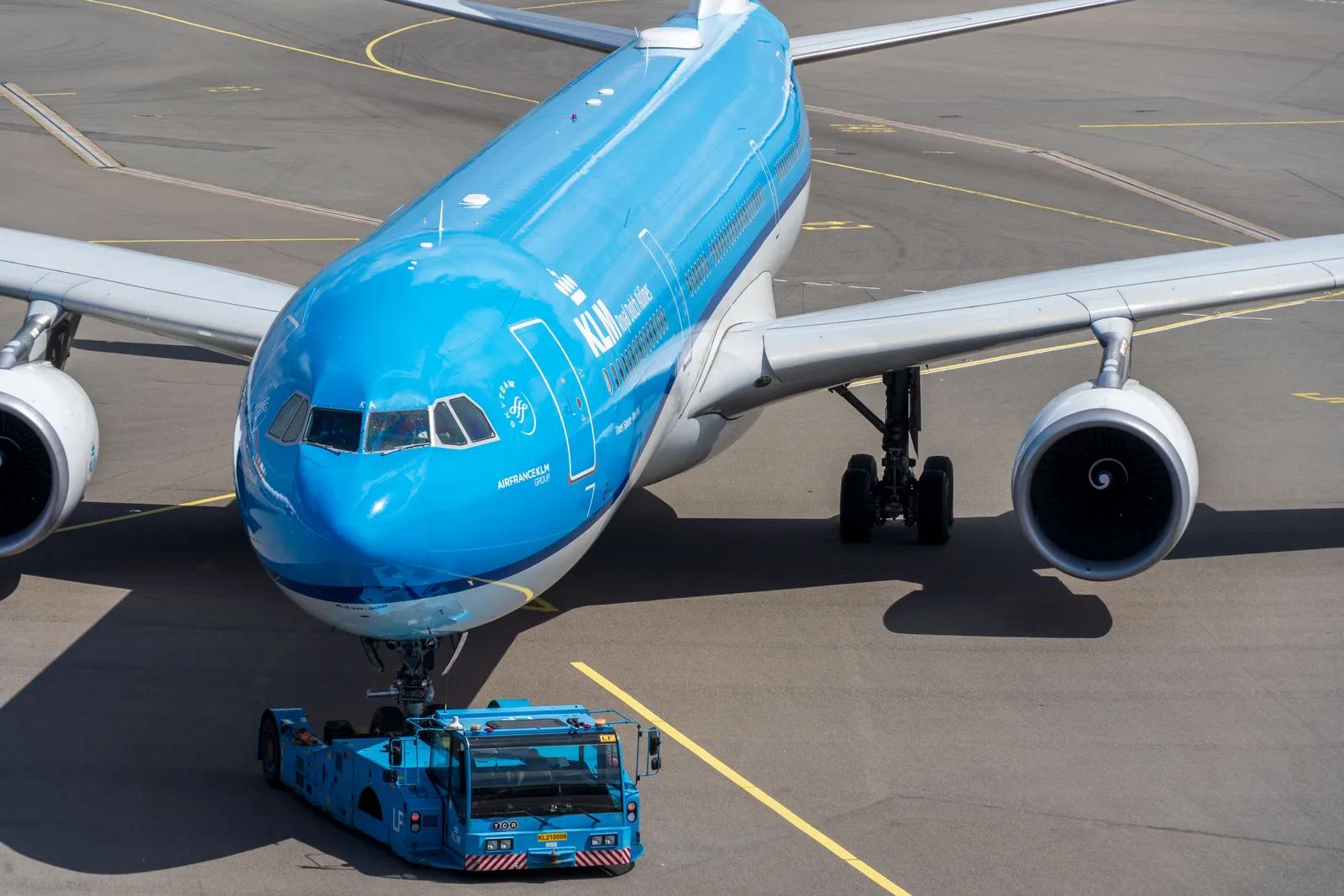
The pushback tug is one of those pieces of infrastructure that looks almost comically small next to the aircraft it moves. A machine that might weigh forty tons nudging a widebody jet that weighs four hundred. The power ratio seems absurd until you understand that the jet can’t safely do this particular job itself, and the tug is purpose-built for exactly these conditions.
What ground crews understand, and most passengers never think about, is that this brief backward roll is actually a highly choreographed exchange of control between the flight deck and the ramp team. The physics, the fuel math, the sight-line problem, and the sheer density of people and equipment on a busy apron all point to the same conclusion. Until something fundamentally changes about how airports are built or how propulsion works at low speed on the ground, the pushback tug stays essential.
AI Disclaimer: This article was created with the assistance of AI tools and reviewed by a human editor.