


The Numbers Don’t Lie: Checked Bags Go Missing More Than You’d Think

According to SITA’s Baggage IT Insights data, airlines worldwide mishandled about 33.4 million bags in 2024, out of roughly 494 million checked bags domestically in the United States alone. That’s over two million mishandled baggage reports filed in a single year in the U.S. market.
The global mishandling rate dropped to 6.3 bags per 1,000 passengers in 2024, a 67 percent improvement since 2007, though that drop is even more significant considering global traffic grew by more than eight percent in 2024 alone. Progress is real, but the scale still matters when your only formal outfit is on the line.
In 2025, global figures stood at 9.12 mishandled bags per 1,000 passengers on international routes, compared to just 1.65 on domestic routes. Most destination weddings require an international flight. That gap is substantial, and it means your risk more than quintuples the moment you cross a border.
International Connections Are Where Bags Disappear
Transfer mishandling caused roughly four in ten problems in 2024, dropping slightly to 39 percent in 2025, meaning the connection between flights remains the single largest cause of bags going astray.
Transfers remain a particularly significant vulnerability, and the reason is structural: bags must move between flights, handling teams, and sometimes separate airline information systems, each handover creating a fresh opportunity for error.
Most guests traveling to a destination wedding aren’t hopping a direct flight to the venue. They’re routing through a hub, sometimes two. Every layover is another moment where your dress suit or gown can get separated from you.
Delayed Doesn’t Mean Returned in Time

In SITA’s detailed 2024 breakdown, delayed bags represented 74 percent of all mishandling, damaged or pilfered bags accounted for 18 percent, and lost or stolen bags made up 8 percent. Most bags do eventually come back, but the timing is the problem.
According to WorldTracer data, 66 percent of mishandled bags were resolved within 48 hours in 2024. That sounds reassuring until you realize a wedding doesn’t wait. If the ceremony is in 20 hours, “within 48 hours” is no help at all.
In most cases, when delayed luggage arrives, a courier service will deliver it to the passenger’s home or hotel, at the airline’s expense. That delivery, however, could land after you’ve already stood in the ceremony photos in borrowed clothes.
Damaged Bags Are Far More Common Than Lost Ones
Delayed bags made up 74 percent of mishandled baggage in 2024, while damaged or pilfered bags accounted for 18 percent. That means nearly one in five mishandled bags comes back with something broken, torn, or missing from inside.
Formal wear is especially vulnerable to baggage handling. Delicate fabrics, structured jackets, beaded details, and pressed garments don’t survive being crushed under heavier bags or thrown onto a conveyor. A gown that arrives with a torn seam or a suit that comes back with a broken zipper presents exactly the same problem as a bag that doesn’t arrive at all.
Checked bags are also more susceptible to pilferage than carry-ons. The term “mishandled baggage” covers luggage that is lost, delayed, or damaged during transit, and causes include human error in sorting or tagging, as well as technical failures that send bags to the wrong destination entirely.
Wrinkles Are Their Own Category of Problem

Even when a checked bag arrives safely and on time, a formal outfit stuffed into a suitcase for an eight-hour flight will likely look like it survived a storm. Suits crease. Gowns can set permanent fold marks when compressed for hours. Linen and silk are particularly unforgiving.
Hanging formal pieces as soon as you check in helps, and most hotels will steam on request, but getting there with fewer wrinkles makes life considerably easier. A carry-on garment bag, kept flat or hung in the cabin closet, arrives in far better shape than anything buried in checked luggage.
When possible, choosing breathable and wrinkle-resistant fabrics helps, and carrying formalwear in a garment bag rather than checked luggage, while confirming whether accommodations provide a steamer, is the approach travel experts consistently recommend.
Airlines Actually Support Carrying Formal Wear Onboard

This isn’t just traveler folk wisdom. Multiple major carriers have established policies that actively accommodate wedding attire as carry-on items.
While most carry-on bags go into overhead compartments, some aircraft have larger coat closets in the first-class cabin area that can be used for bridal gown or formal wear storage, though that space is not guaranteed and is best arranged directly with flight attendants once onboard.
United Airlines recommends passengers carry rather than check any high-value, fragile, or perishable belongings, and gate agents and crew members will be as accommodating as possible with wedding ensembles, space permitting. A polite, early request at the gate goes a long way.
The Financial Protection Is Limited and Complicated
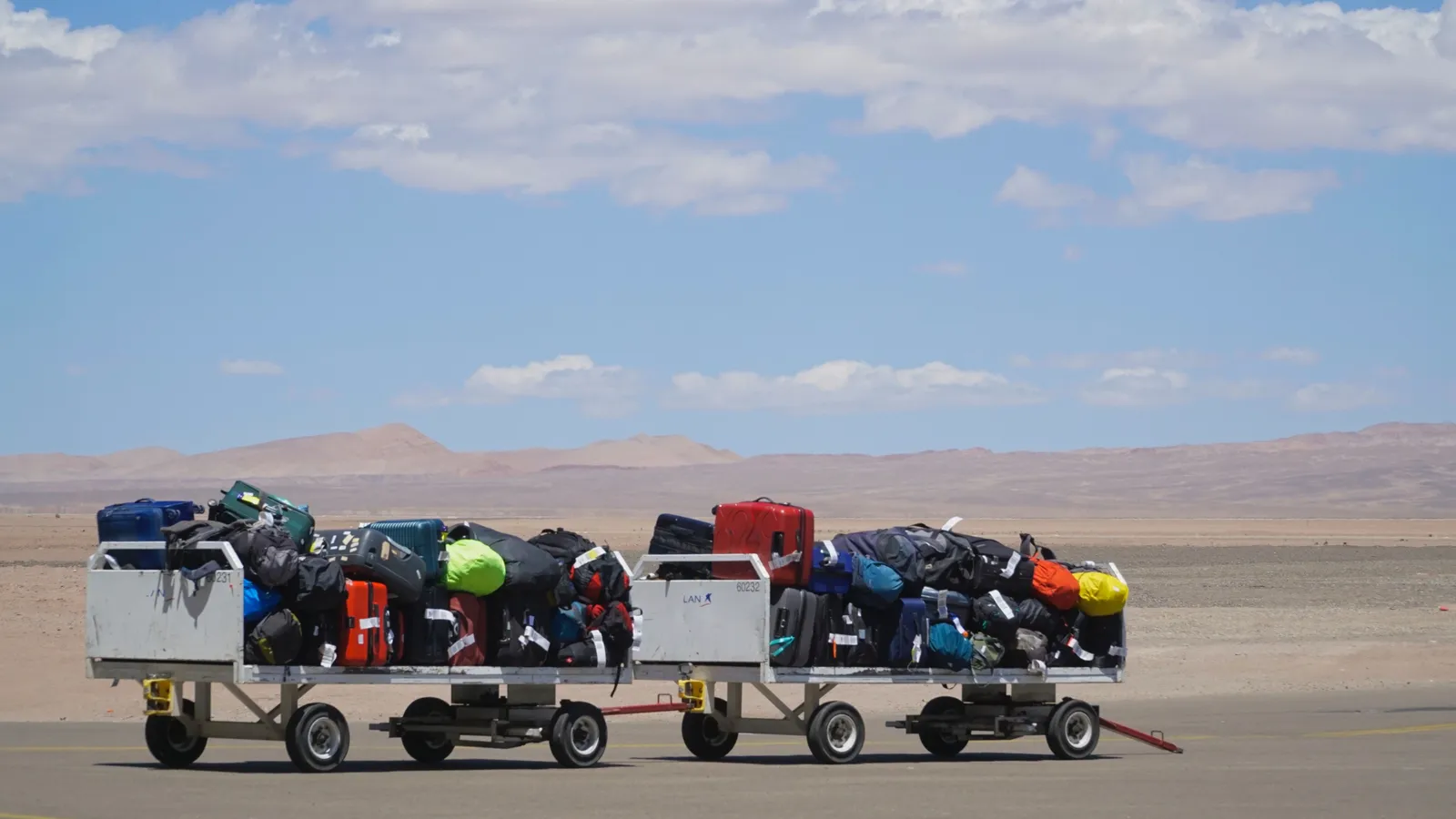
Some guests assume that airline compensation will cover a ruined outfit. The reality is more complicated, and the amounts rarely reflect the true cost of a formal garment.
Compensation for lost luggage on international flights is governed by the Montreal Convention, which under Article 22(2) limits an airline’s liability for destroyed, lost, damaged, or delayed baggage to 1,519 Special Drawing Rights per passenger, a limit that took effect on 28 December 2024, replacing the previous cap and representing an approximately 18 percent increase.
These new compensation limits mean that if you need to claim compensation for a delayed, damaged, or lost bag, you could get more money back than ever before. Still, the claims process takes time, requires documentation, and does nothing to replace your outfit before the ceremony starts.
A Garment Bag as a Carry-On Is Entirely Practical

The common concern is that formal wear won’t fit as carry-on luggage. In practice, there are far more options than most guests realize.
When traveling by plane, carrying a dress or formal garment as a carry-on item rather than checking it is strongly advised. Folding it into a carry-on-sized garment bag and asking the flight attendant whether they can accommodate hanging it in the front closet of the plane is a practical and widely successful approach. If no closet is available, storing it in the overhead compartment works well.
A carry-on-first strategy is recommended by packing experts, with the principle being that anything impossible to replace within 24 hours belongs in your carry-on. For any wedding guest, this clearly includes formal attire, shoes for the ceremony, and key accessories.
The Destination Itself Limits Your Recovery Options

Part of what makes a destination wedding so memorable is the setting. A ceremony on a coastal clifftop in Portugal, a hillside villa in Mexico, or a remote island resort in the Maldives carries its own logistical realities. Those same qualities that make the venue breathtaking also make emergency shopping nearly impossible.
Rural or resort-based wedding venues rarely have nearby stores stocking formal wear in your size, style, or color. The couple has likely planned a specific dress code, and showing up in borrowed hotel attire or whatever you managed to buy at a local market simply isn’t an equivalent substitute. The stakes of a checked bag going missing at a destination wedding are genuinely higher than on most other trips.
The destination’s climate, terrain, and access matter especially for outdoor ceremonies or locations with limited infrastructure and changing conditions. The further you are from urban centers, the longer any replacement or recovery effort takes.
Add a Tracker, Regardless of What You Decide
Even guests who carry their formal outfit onboard should track every bag that goes into the hold, for shoes, accessories, and everything else they’ve packed.
Adding AirTags or similar luggage trackers to checked bags provides real peace of mind and lets you monitor exactly where your bag is throughout the journey. When a bag doesn’t appear at the carousel, having live location data dramatically speeds up the process of reporting the issue to airline staff.
Trackers don’t prevent mishandling, but they do reduce the time spent waiting and wondering. In a situation where every hour counts before a ceremony, that information is worth more than it might seem on an ordinary trip.
Final Thoughts

Destination weddings are rare, carefully planned events that carry enormous emotional weight for everyone involved. Flying across the world to celebrate someone’s most important day deserves a travel strategy that matches the occasion.
The data is consistent: international flights mishandled 9.12 bags per 1,000 passengers in 2025, compared with 1.65 on domestic flights. That’s a meaningful gap, and the stakes when a formal outfit is involved are simply too high to ignore.
Keep your ceremony outfit in a garment bag, keep that bag with you in the cabin, and let your checked luggage carry everything replaceable. The wedding will be memorable for exactly the right reasons.
AI Disclaimer: This article was created with the assistance of AI tools and reviewed by a human editor.