
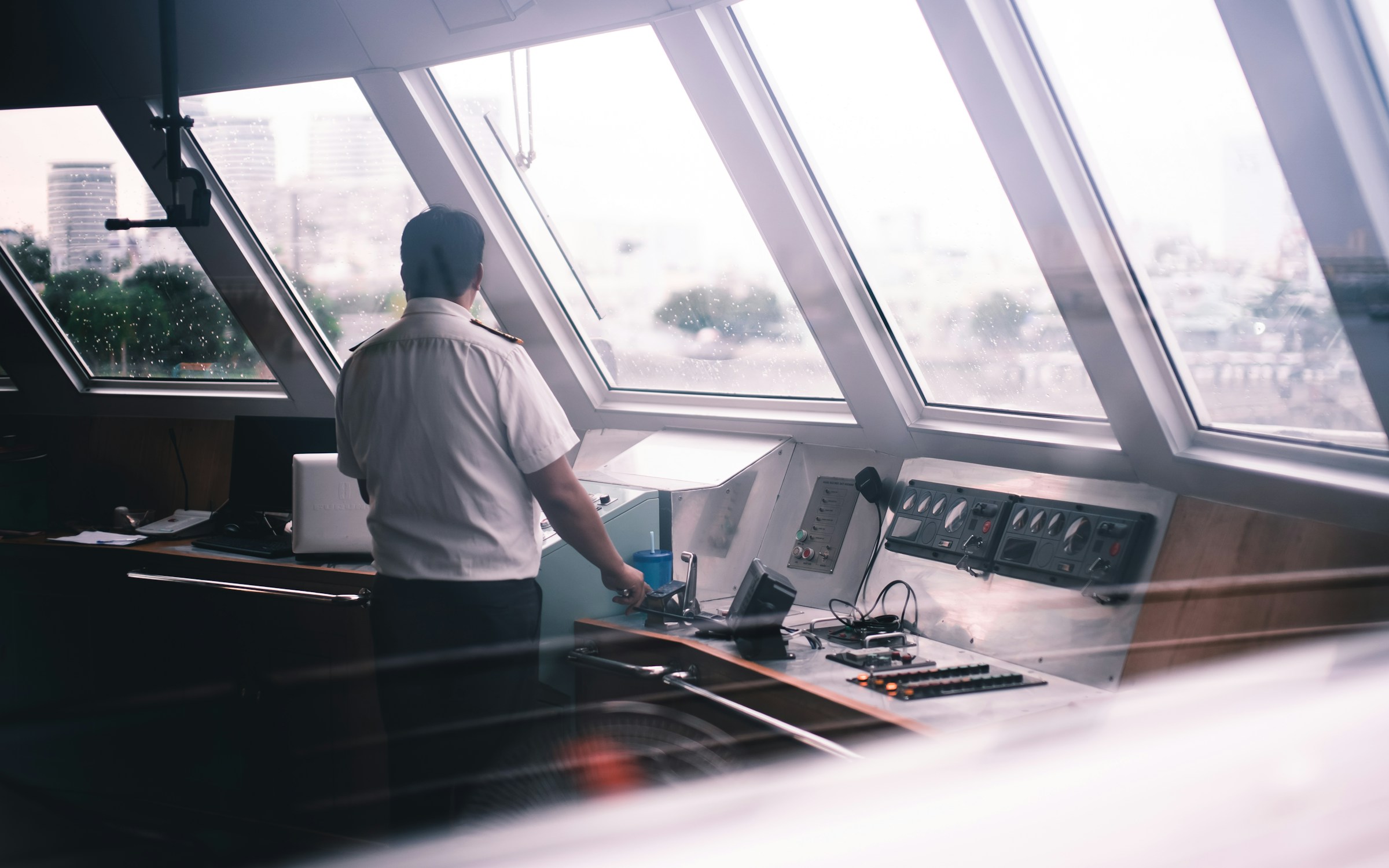

The Carpenters Known as Joiners

Most passengers don’t realize cruise ship carpenters go by a different name entirely. Onboard, they’re typically called joiners, and the title carries a specific professional meaning. The joiner constructs, installs, repairs, and maintains wood and composite interior components on cruise ships – including cabinetry, wall paneling, trim, doors, and other custom woodwork that supports shipboard operations, aesthetics, and passenger comfort.
The joiner works closely with interior design, engineering, and other maintenance teams to ensure high-quality workmanship, efficiency, and safety in a fast-moving ship environment. It’s genuinely collaborative work, not a solo trade. A carpenter pulling a ceiling panel might be doing it so a plumber can reach a pipe behind it.
Carpentry teams are also called when the engine departments need to access pipes in the ceiling to make repairs, since the ceiling panels have to be removed before the plumbers can get to the pipes.Door Hinges, Locks, and Panels Get Constant Attention
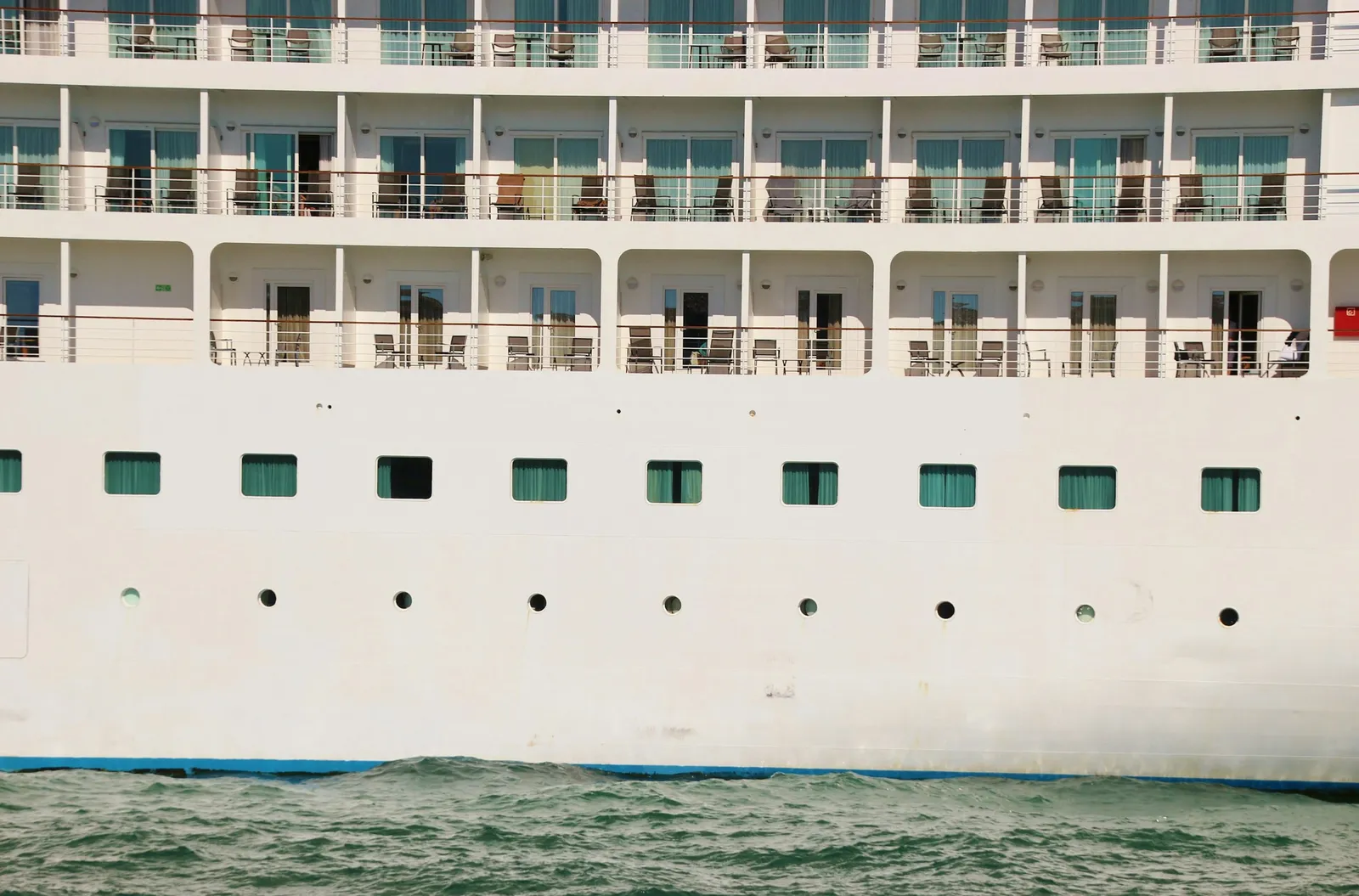
Cabin doors take a beating. Thousands of passengers open, close, and sometimes force them every single day, in every kind of weather. Onboard carpenters are responsible for all building and repairing of woodwork, wallpapering, and carpeting, as well as general maintenance of woodwork, wall paneling, doors, locks, and other related elements.
They install fixtures, hardware, hinges, fasteners, and soft-close mechanisms, and adjust them for proper alignment and operation. When a cabin door starts sticking or a balcony door won’t latch properly, that repair typically finds its way onto a night work order within hours. Carpenters also perform routine inspections of all guest and crew areas under their specific responsibility – including door handles, locks, hinges, malfunctions, and loose public area trim and decorations.
Handrails: A Never-Ending Maintenance Job

Salt air is relentless on wooden surfaces, and exterior handrails are right in the middle of it all day, every day. The outside handrails around the ship need permanent attention since they are exposed to the sun and saltwater – and crews are constantly working on sections of handrails.
At times, teams replace a section with a refurbished handrail and then refurbish the one they removed. This means the varnish needs to be stripped, the wood sanded smooth, and the handrail varnished again. It’s the kind of cyclical work that doesn’t have a finish line – just a rotation. Night hours make it possible to work on sections of the deck without guests walking through active repair zones.
Wall Paneling and Trim That Takes a Daily Hit
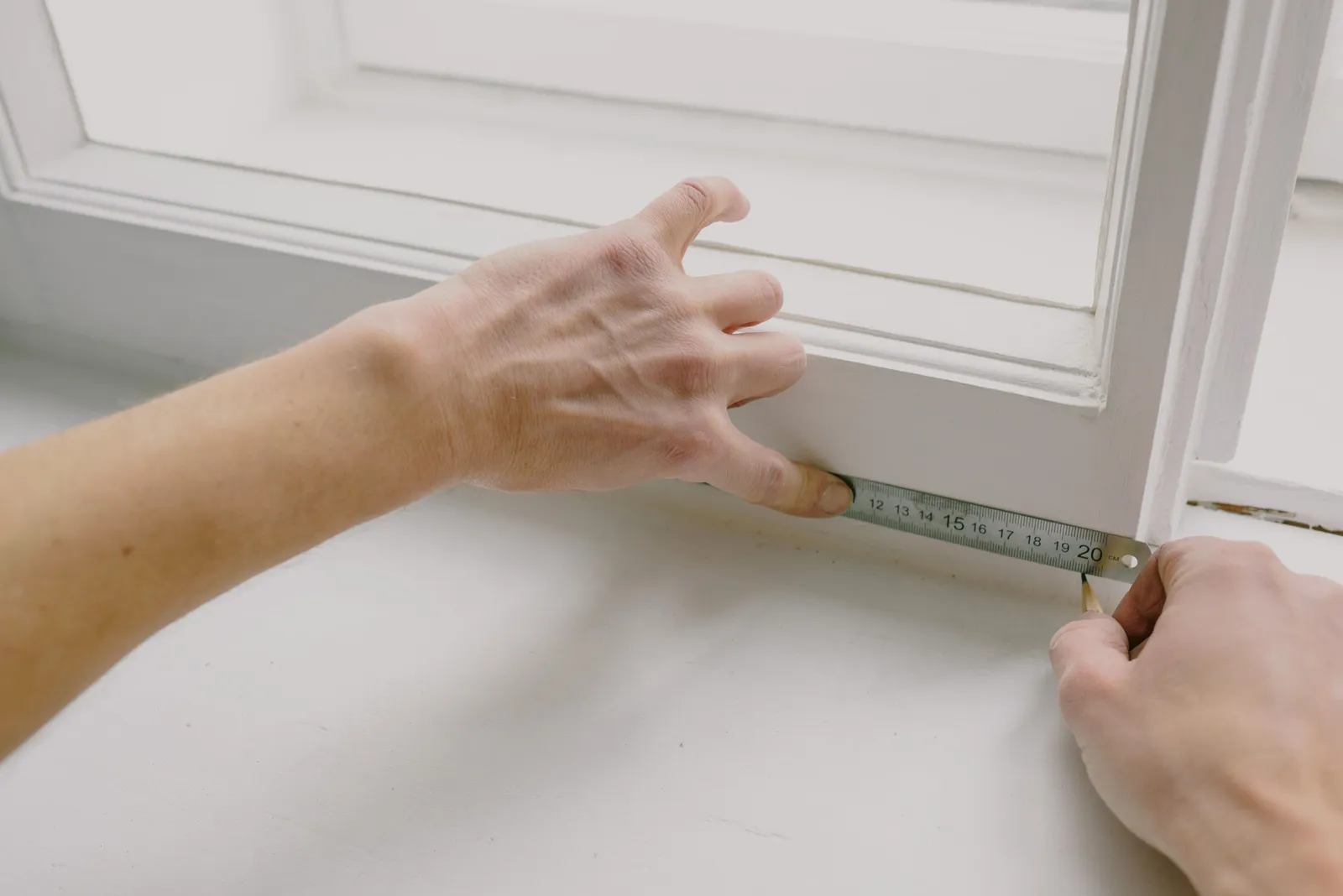
Interior wall paneling is one of those things you notice only when it’s wrong – a corner piece lifting away, a trim strip that’s visibly loose, a veneer starting to bubble from humidity. Carpenters repair and replace damaged woodwork, paneling, and fittings as required during voyages or dry dock periods. The overnight window is often the only practical time to address these issues in heavily trafficked corridors.
The work involves cutting, shaping, fitting, assembling, installing, and finishing wood, plywood, laminates, veneers, and composite materials for cabinetry, paneling, doors, windows, moldings, and decorative elements. On a ship with thousands of interior surfaces, even a modest defect rate means a steady repair list night after night. These are rarely headline-grabbing jobs, but they add up fast on a vessel that operates nearly nonstop for months – a loose handrail, a leaking faucet, or a burned-out corridor light can become a larger problem if it is not handled quickly.
Galley Tiles That Crack Under the Pressure
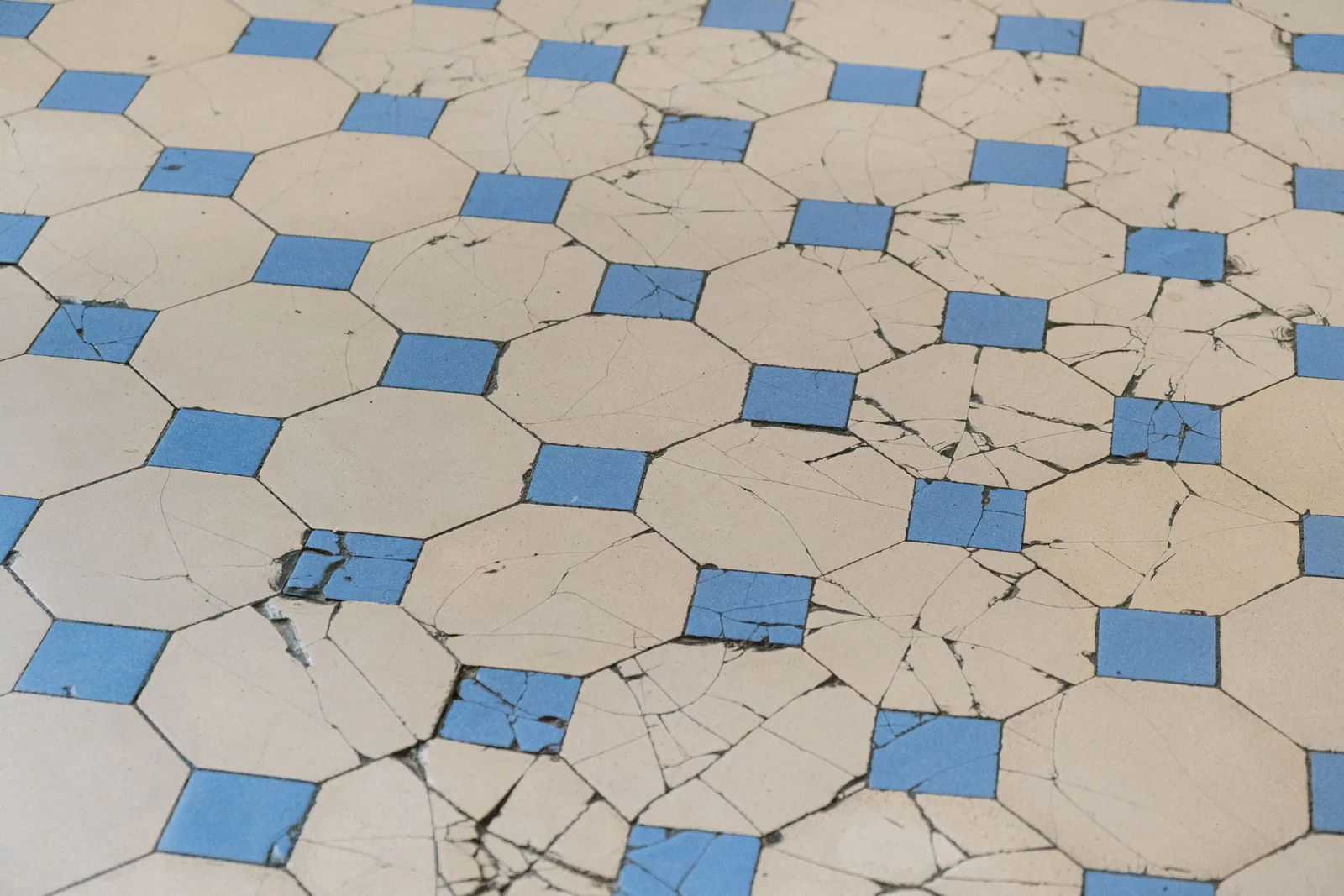
The ship’s galleys, where thousands of meals are produced daily, see floor damage that most passengers never imagine. Carpenters are often called to replace broken tiles in the galleys, which due to heavy traffic and heavy pots falling on the floor can break or crack. These broken tiles need to be repaired as soon as possible since water can seep through them, and the metal floor underneath will rust.
This is one of those repairs with a direct safety implication – a cracked tile in a wet, fast-moving kitchen environment is a slip hazard and a corrosion risk at the same time. Speed matters here, which is why the night shift handles these jobs before the breakfast service begins. The galley needs to be fully operational by the time the first crew members show up to cook.
Restaurant Chair Frames and Furniture
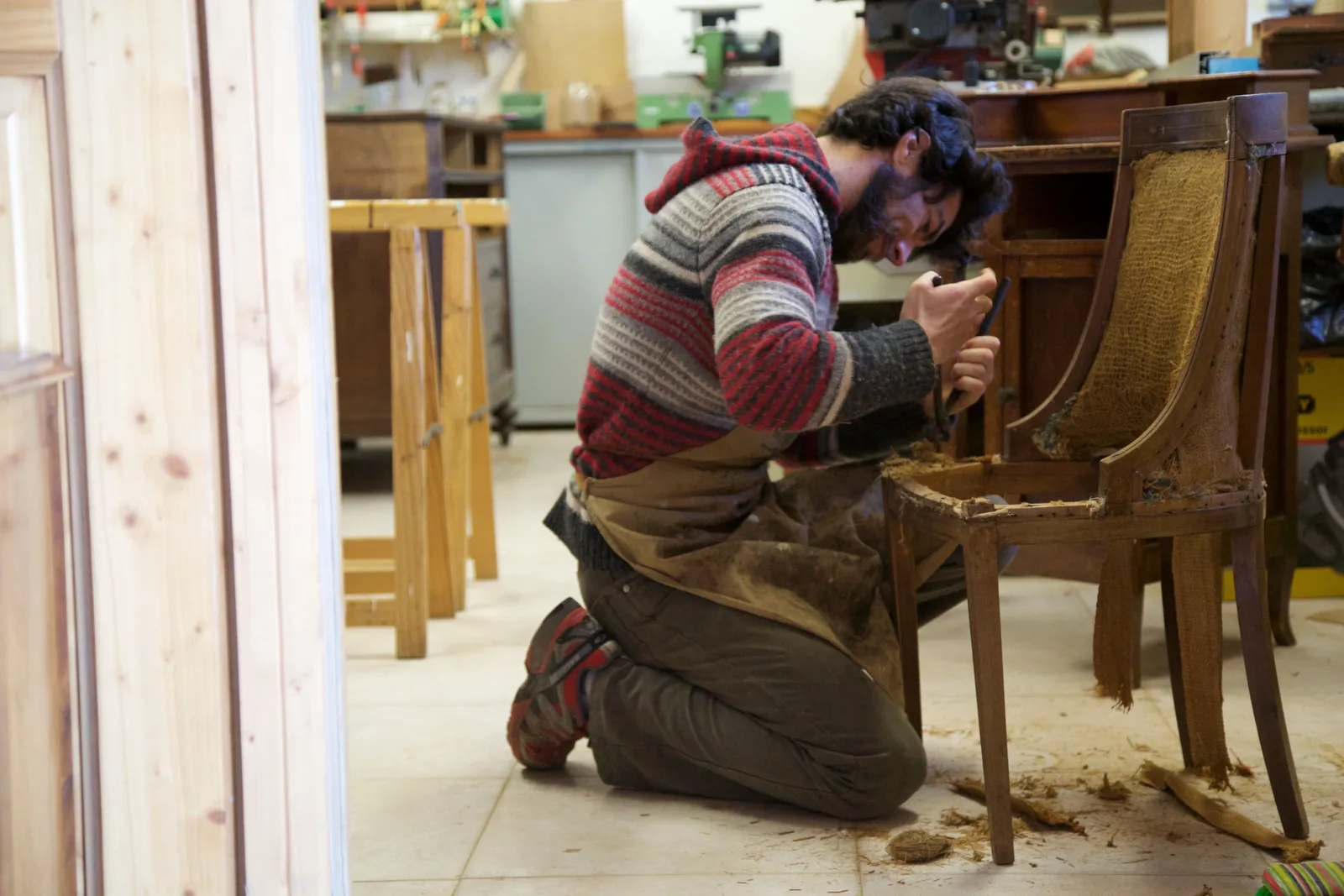
Carpenters also do similar ongoing maintenance to the wooden-framed chairs found in the various restaurants. On a large ship, restaurant seating is used constantly – through breakfast, lunch, dinner, and late-night service – so chairs that develop wobbles or cracked frames need attention before they become guest complaints or safety issues.
Carpenter tasks may include building furniture, repairing paneling, and ensuring that wooden elements meet the ship’s safety and quality standards. A chair that looks fine from the front might have a joint giving way underneath. It is the job of the carpenter to repair, replace, or build new components out of wood and other materials – and they are also responsible for assembling wood products, finishing them, and making inspections to ensure the quality needed.
Night Call Duties and the Work Order System
Cruise ship carpenters don’t only work to a daytime schedule. Carpenters provide night call assistance on a rotation basis as scheduled by the team leader, and carry out night beeper duties as requested. The beeper system means a joiner can be pulled from sleep at any hour if something structural requires immediate attention.
The first thing a lead carpenter checks in the morning are the maintenance requests received from various departments – requests that come from the Reception Desk have priority, since these are normally complaints from guests. By morning, the overnight team has typically already resolved the most urgent of those requests. Maintenance technicians are often on call to work at any time, day or night, while guests are aboard the ship, though many work in rotating shifts to ensure safe working conditions.
Carpets, Tiles, and Floor Finishes
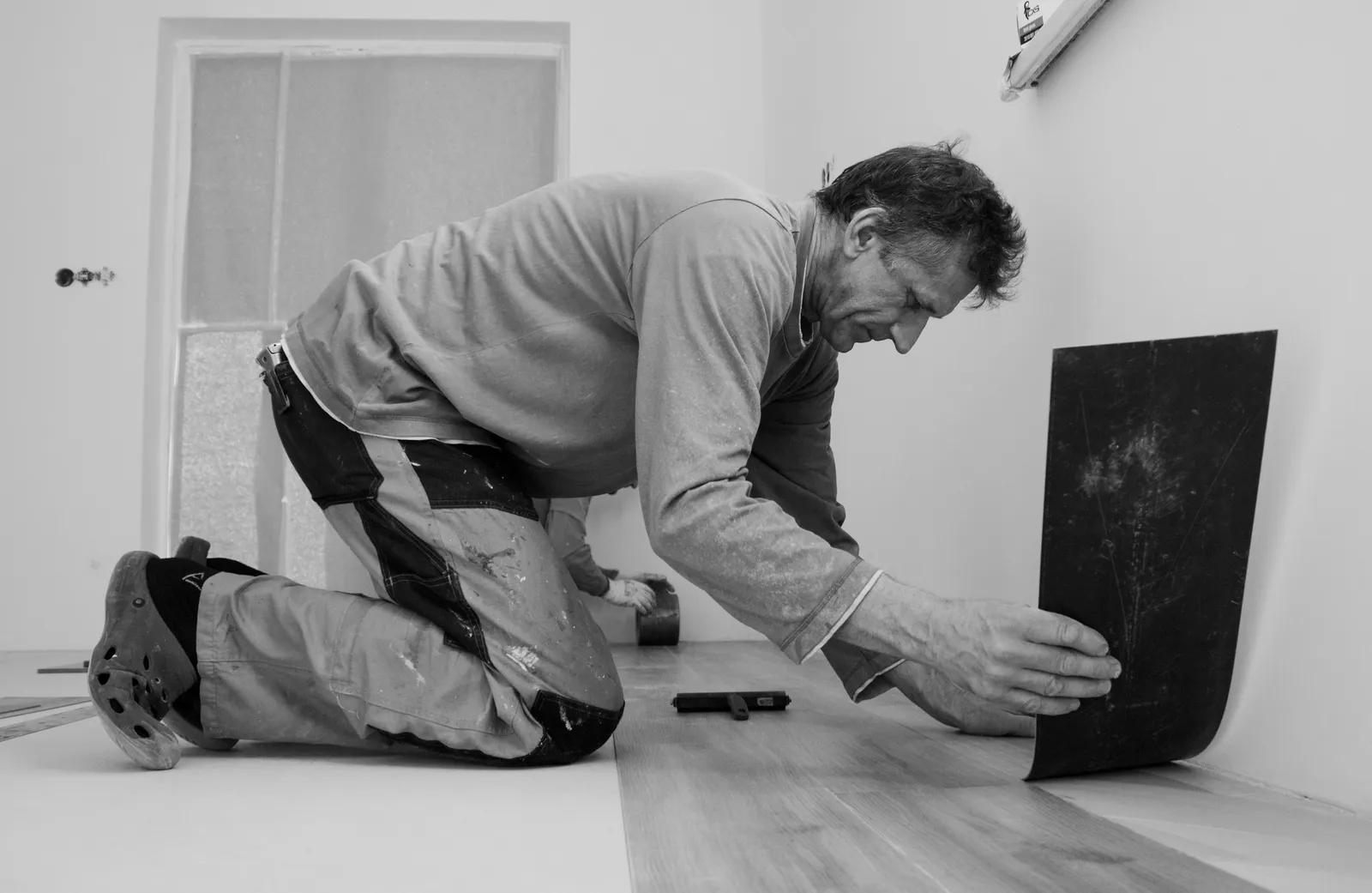
Flooring takes a beating at a pace that would stagger most hotel managers. Technicians are required to hang wallpaper, install carpet, install tile, repair and install wood trim and moldings, and carry out other general carpentry tasks. Heavy foot traffic in corridors, elevator lobbies, and entertainment spaces means sections of carpet can compress, snag, or pull away from edges faster than most guests would expect.
Carpenters also install and repair carpets and tiles as per instruction of the Staff Captain. Overnight is the ideal window for flooring repairs, since empty hallways mean no tripping hazards and faster adhesive curing times. The goal is always the same: passengers walk through the same corridor in the morning and notice nothing different at all.
Preventive Inspections Are Built Into the Routine

Carpenters establish a weekly schedule for the routine maintenance of the vessel as it pertains to carpentry and associated repairs, taking into consideration the ports of call, time, port, and local regulations. This planned maintenance runs alongside the reactive work orders. Not everything gets fixed because it broke – a lot gets fixed because it was about to.
Cruise ship maintenance staff generally work in shifts to ensure around-the-clock coverage, as ship operations require constant attention to prevent and address maintenance issues. The work environment is dynamic, with a mix of routine inspections and responding to unscheduled repairs, often requiring time spent in engine rooms, public areas, and crew quarters throughout the vessel. For carpenters specifically, preventive checks of doors, trims, and fixed furniture are woven into every shift. Regular inspections and preventive maintenance help keep the ship in optimal condition and avoid costly repairs.
Dry Dock vs. Overnight: Knowing What Can Wait

Not every fix happens at sea. Cruise lines schedule formal refurbishment periods called dry docks, where deeper structural and cosmetic work is completed with the ship out of service. CruiseMapper tracks cruise ship refurbishment schedules of dry-dock dates, news, and information on deck plan changes during vessel refits, regular maintenance, repairs, overhauls, and renovations of passenger cruise ships.
Carpenters repair and replace damaged woodwork, paneling, and fittings as required during voyages or dry dock periods – and part of the skill in this role is knowing which jobs belong in which category. A loose trim panel can wait until port. A door that won’t secure can’t. It is hard and expensive to quickly get new personnel and supplies when a cruise ship is far from a port, so cruise lines strongly prefer applicants who have demonstrated the skills required for this role. That practical reality shapes every decision made on a night shift.
What It Actually Takes to Do This Job

Cruise ships do hire carpenters to perform maintenance, repairs, and interior construction work on board. These positions typically require skills in woodworking, familiarity with shipbuilding standards, and sometimes certifications in safety and maritime regulations. The STCW certification – Standards of Training, Certification and Watchkeeping for Seafarers – is a standard requirement across most cruise lines.
Positions typically require five to ten years of prior experience as a carpenter in a commercial environment. This isn’t an entry-level posting. This is a physically intensive role where workers may be required to lift up to one hundred pounds, and employers may require a physical fitness test. Fulfilling the duties requires communication skills, project management skills, the ability to adjust schedules as necessary, and a willingness to travel on a cruise ship for weeks or months at a time.
The Takeaway
The next time you walk through a spotless cruise ship corridor at seven in the morning, it’s worth pausing to consider who was in that same hallway at three. Cruise ship carpenters and joiners work in a world their passengers rarely notice – and that invisibility is, in its way, a measure of how well they do their job.
The wear that accumulates over thousands of miles of open ocean, under thousands of footsteps and salt-laden breezes, is real and relentless. What keeps it from showing is a crew working quietly through the night, replacing a hinge here, refinishing a handrail there, keeping one step ahead of a ship that never truly stops moving.
AI Disclaimer: This article was created with the assistance of AI tools and reviewed by a human editor.