
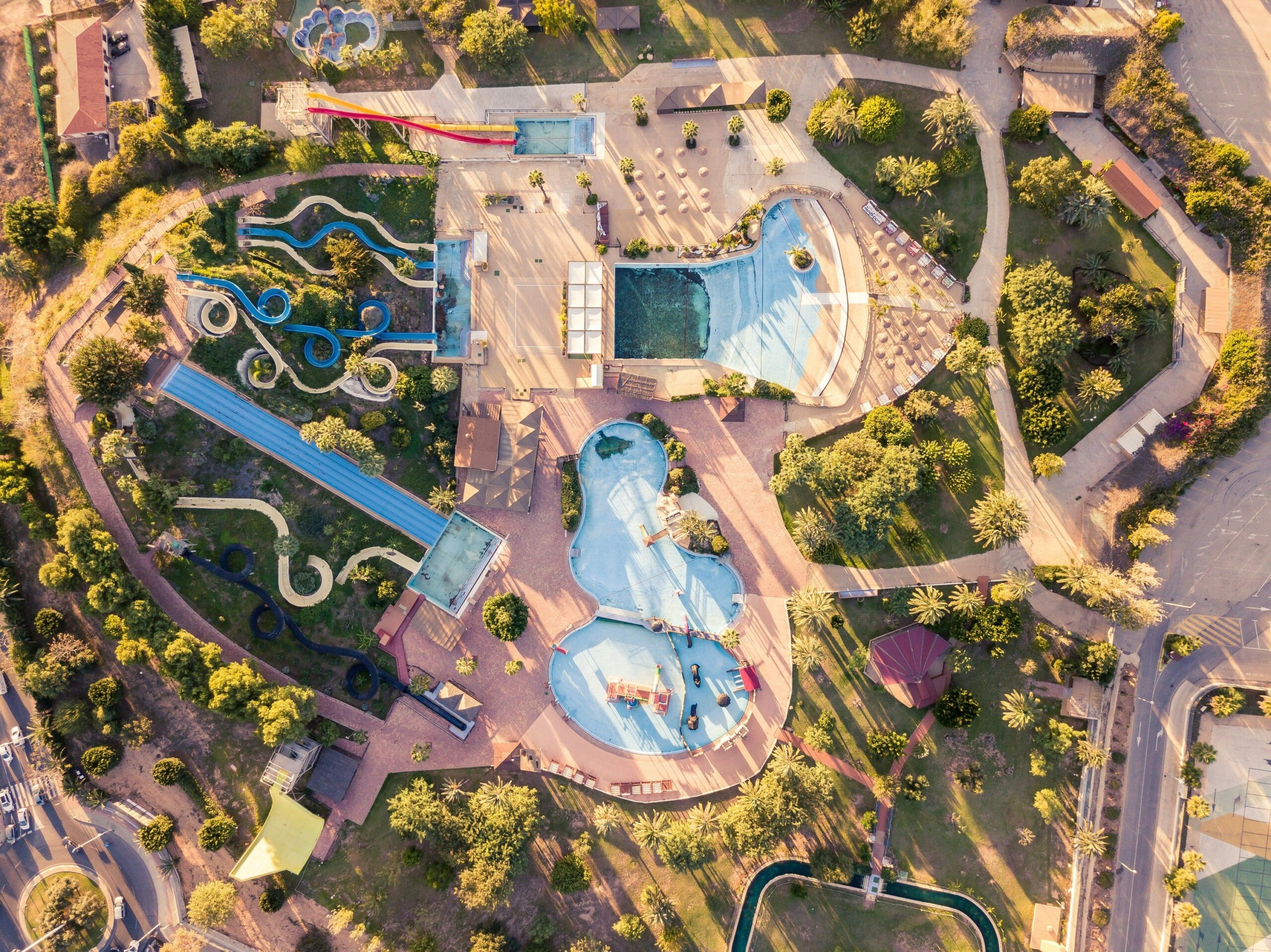
Every summer, tens of millions of people stream through the gates of water parks around the world, armed with sunscreen, flip-flops, and a mental checklist of rides they absolutely cannot miss. They beeline for the tallest tower, the biggest drop, the slide they spotted from the parking lot. What they almost never do is wander.
That tendency to follow the crowd means whole corners of a park go largely unexplored. Attendants who work those quieter zones will tell you plainly: some of the best experiences in the park are the ones nobody bothers to find. Here is what they know that most guests don’t.
The Crowds Always Funnel the Same Way
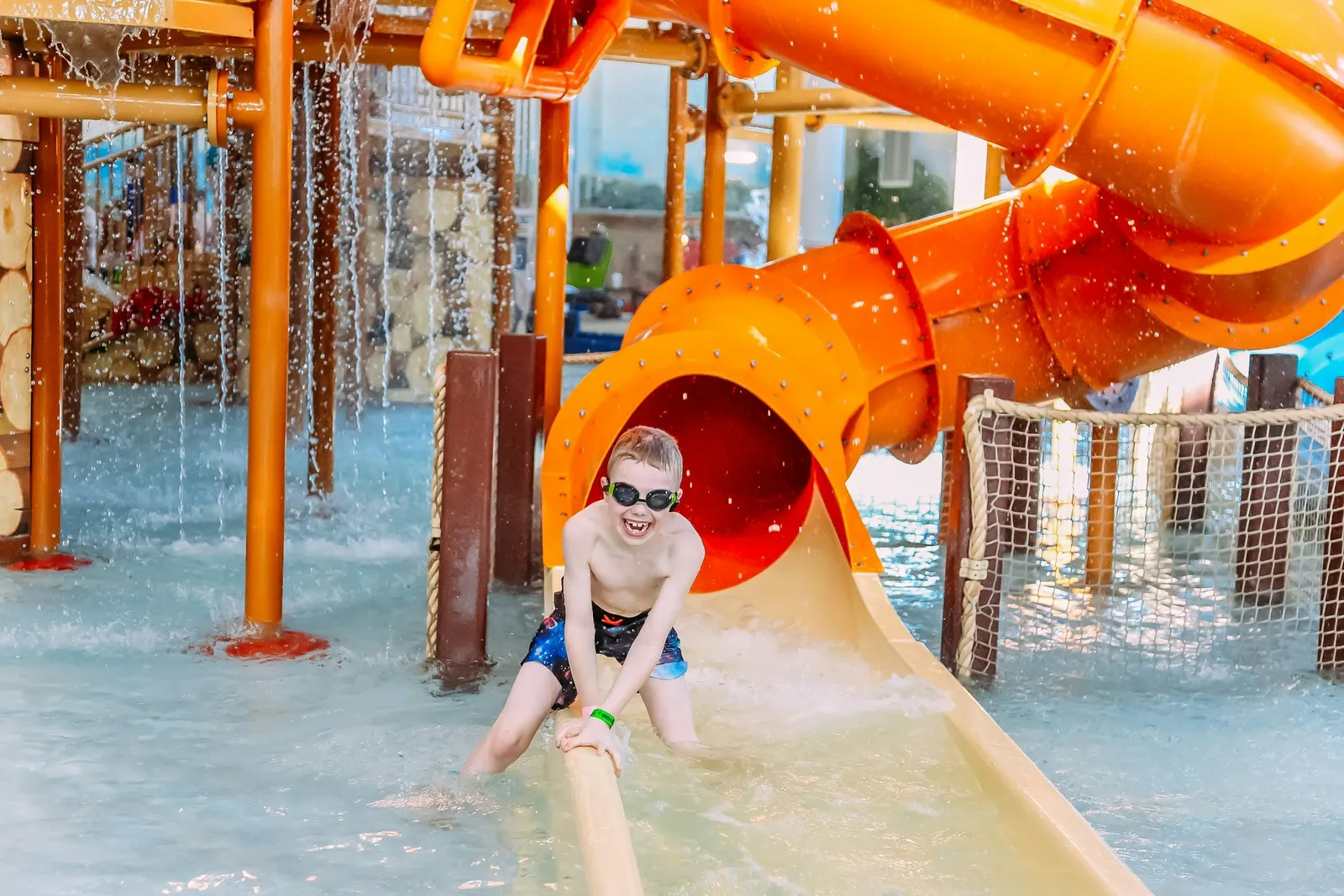
Water park designers understand guest psychology better than guests do. Experts in water park design point out that guests will always take the path of least resistance, meaning they will always take the easiest path with the least amount of friction. That is a polite way of saying most people follow signage to whatever looks tallest or loudest, then stop exploring.
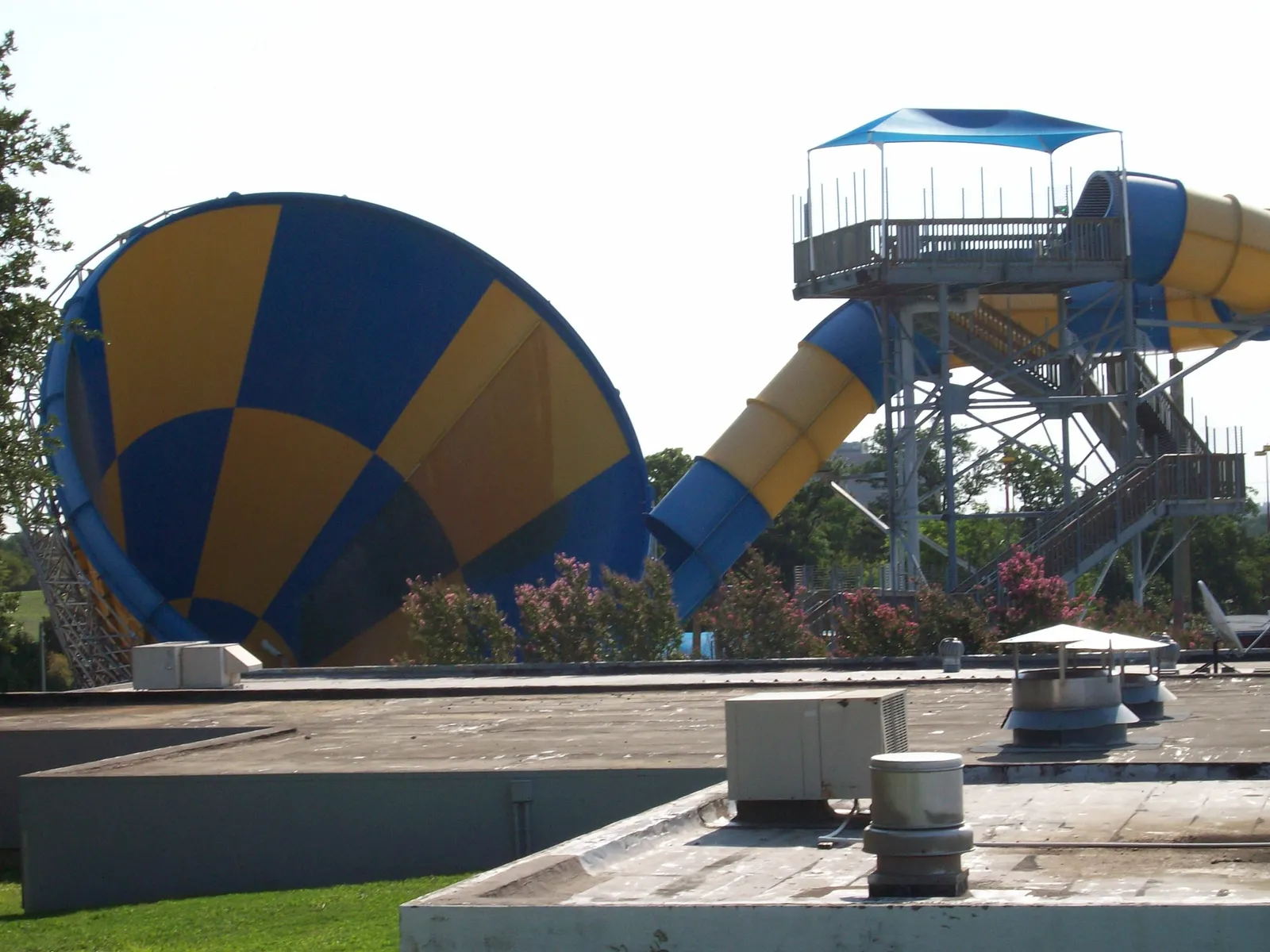
A massive funnel slide is a magnet. It draws a crowd, which means the paths leading to it need to be wider than paths leading to quieter corners of the park. The result is a predictable traffic pattern that leaves entire sections of the park nearly empty, even on the busiest days.
The Numbers Behind the Rush
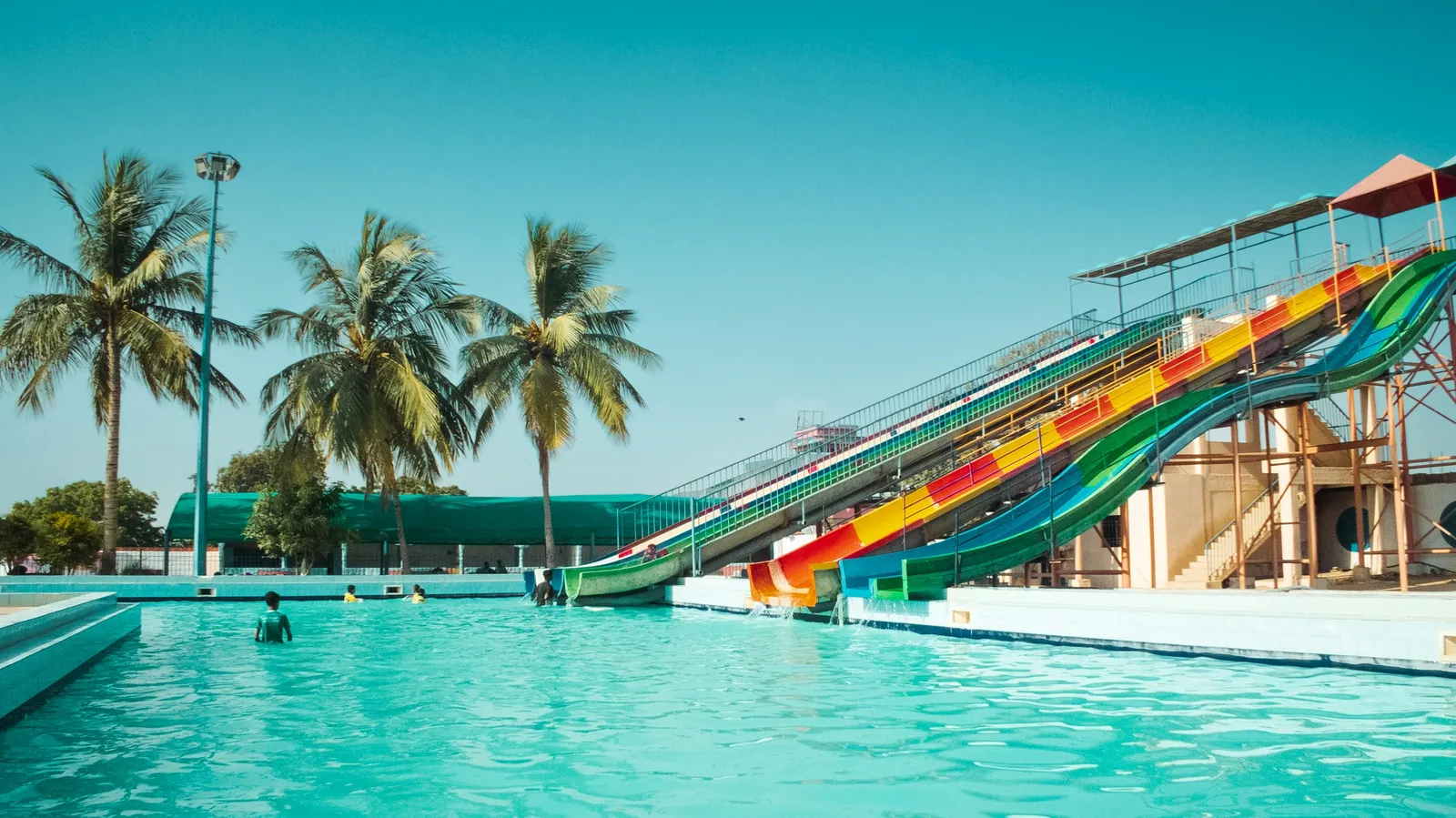
Data indicates that roughly 85 million people attend water parks each year, showcasing the immense popularity of these recreational destinations. In the United States alone, the market is enormous. Water parks in the U.S. and Canada numbered 1,253 as of February 2025.
With that many parks and that many guests, the competition for popular slides gets fierce fast. In 2024, the water park with the highest attendance in the United States was Typhoon Lagoon, drawing 1.82 million visitors. Parks built around headline attractions inevitably create shadow zones where lesser-known slides wait in near-total quiet.
Tower Height Isn’t Everything
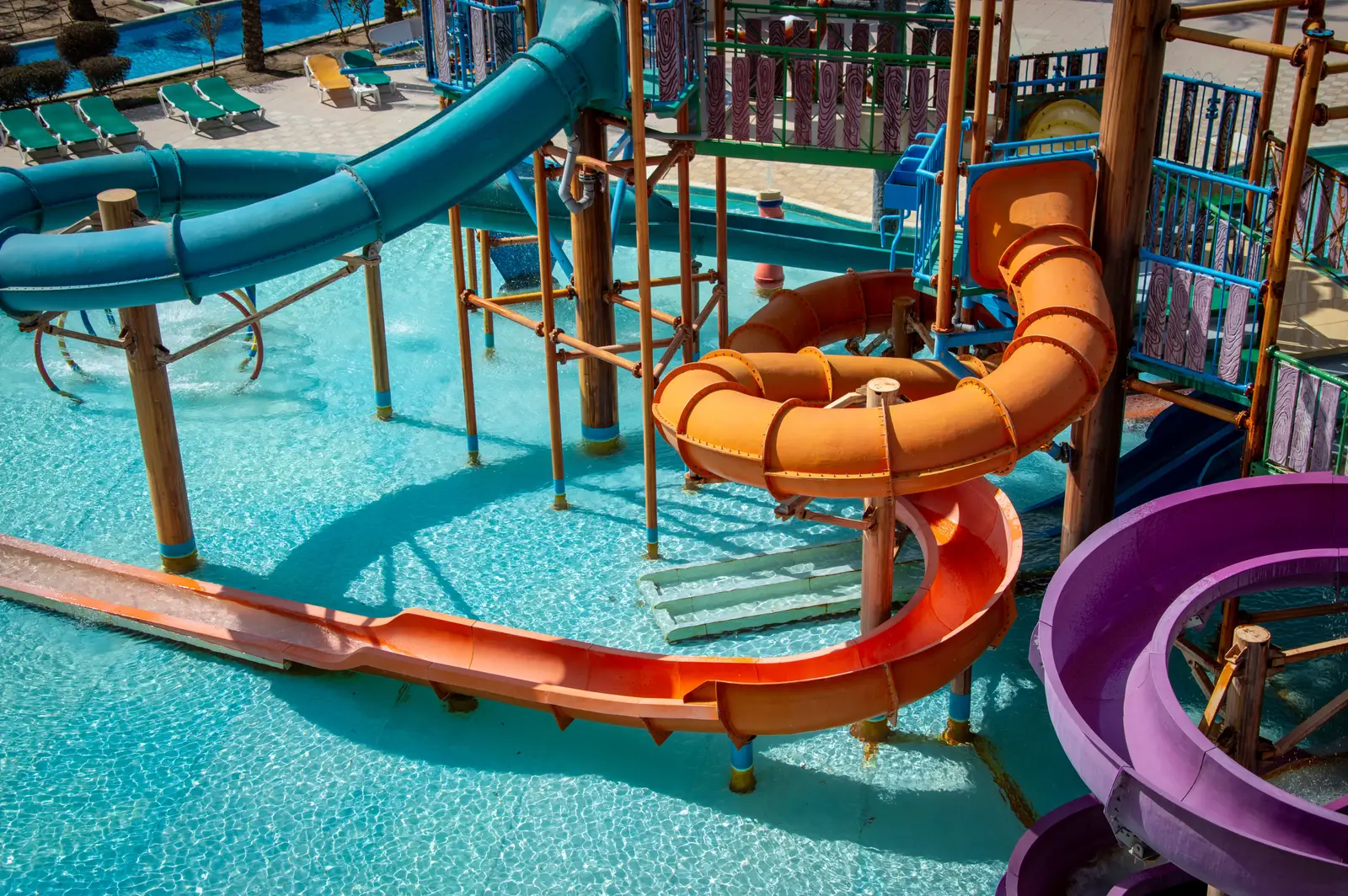
Guests tend to associate height with excitement, which is why the tallest tower draws the longest line. A tall slide with slow dispatch may look good in marketing but frustrate guests on busy days. A medium-height slide with better throughput can create more daily value. Attendants who work quieter slide stations know this well.
Water parks rely on a whole lot of science, specifically physics and very technical engineering. Computer software analyzes friction and mass on each waterslide, which keeps riders spaced evenly and in the optimal spots on each track. Shorter, less intimidating slides often benefit from that engineering just as much as their towering counterparts.
The Hidden Slide Is Usually Tucked Around a Corner
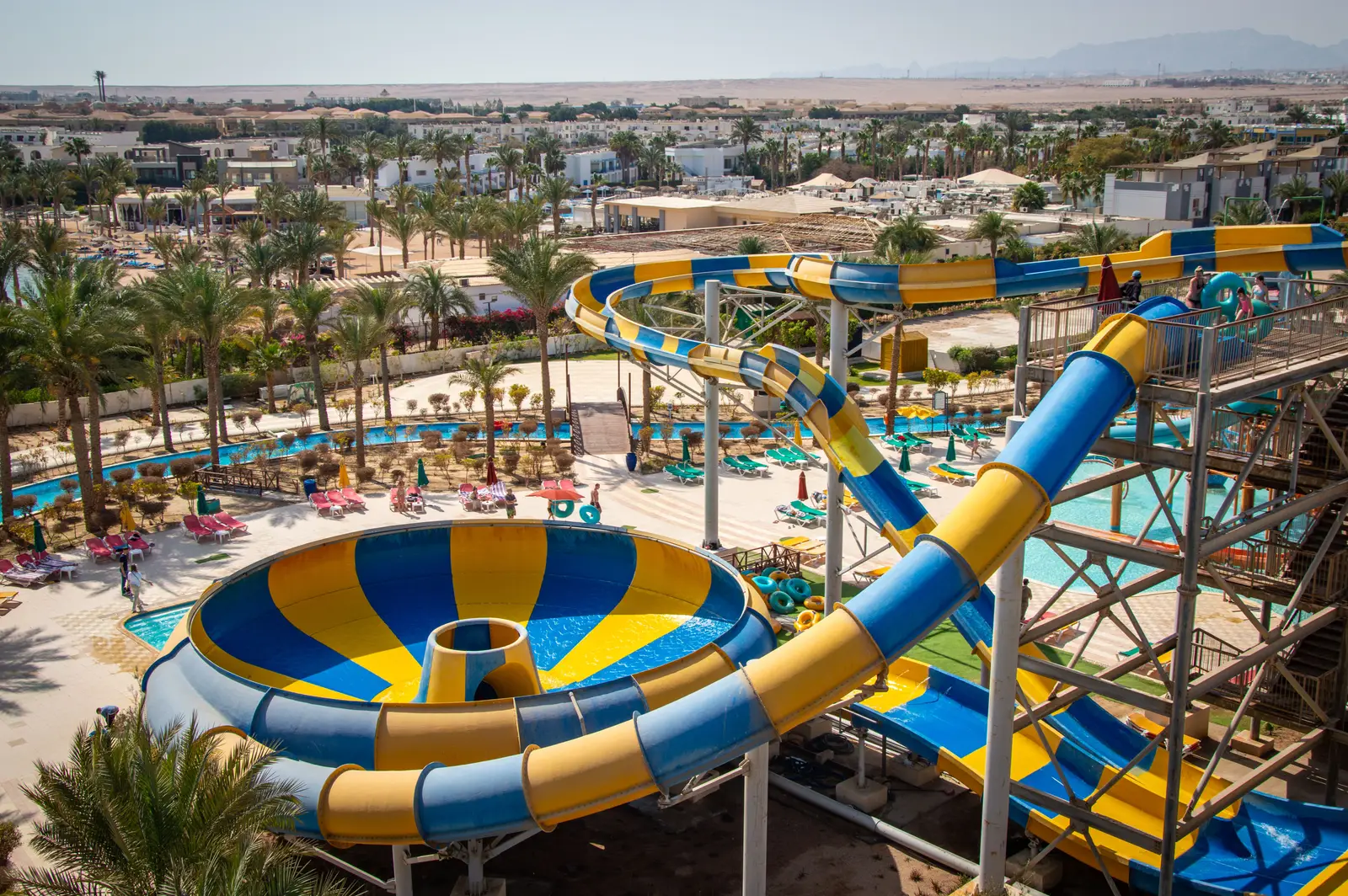
Ride towers now commonly include entry platforms at various heights. Single-platform towers are now gone, and towers have multiple entry heights for the water slides, plus ride egress on multiple levels, including mezzanines or below grade. That multi-level complexity is exactly where lesser-known slides tend to live.
Guests walking up a tower often commit to the slide entrance they see first and never explore what else is available from a higher or lower platform. Attendants positioned on those intermediate levels frequently report cycling through an entire shift without a steady queue forming, even while the main slide on the same tower has a 45-minute wait below.
Design Intentionally Creates Quiet Zones
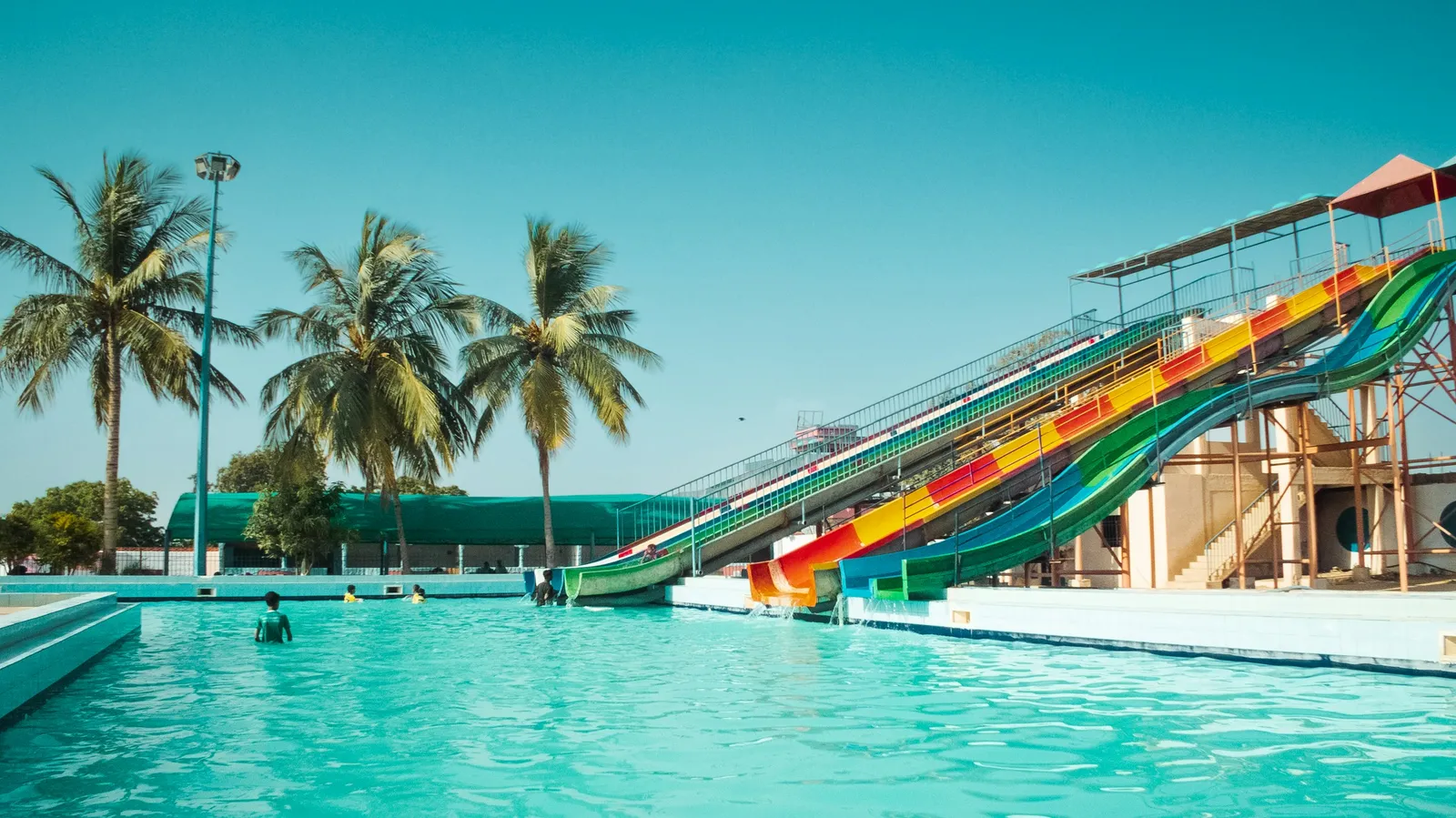
Before a layout can be made, water park designers need to give consideration to how they are going to encourage guest circulation and keep visitors in the park as long as possible. That sounds counterintuitive for a hidden slide, but purposeful circulation planning can actually produce pockets of calm within a busy park.
It is part of a slide design team’s role to consider guest circulation, looking at how visitors will move about the park and where lifeguards will stand to make sure they have clear sightlines to keep the park safe. Slides positioned away from the main spine for operational or sightline reasons end up being the ones guests simply walk past without a second look.
What Attendants Notice Every Single Shift
Staff who rotate through quieter slide stations develop a particular perspective over a season. They watch guests emerge from the main tower, glance briefly toward a side path, and then turn back toward familiar territory. The body language is almost identical every time: a half-step toward the unknown, then a retreat to the known queue.
The queue is part of the ride. Narrow stairs, crowded platforms, poor shade, confusing entrances, and slow landing exits all reduce capacity. Guests may blame the slide itself, but the real issue is often the flow around it. When a lesser-known slide has poor wayfinding, that obscurity compounds and the cycle of being ignored continues.
Family Raft Rides vs. Solo Slides
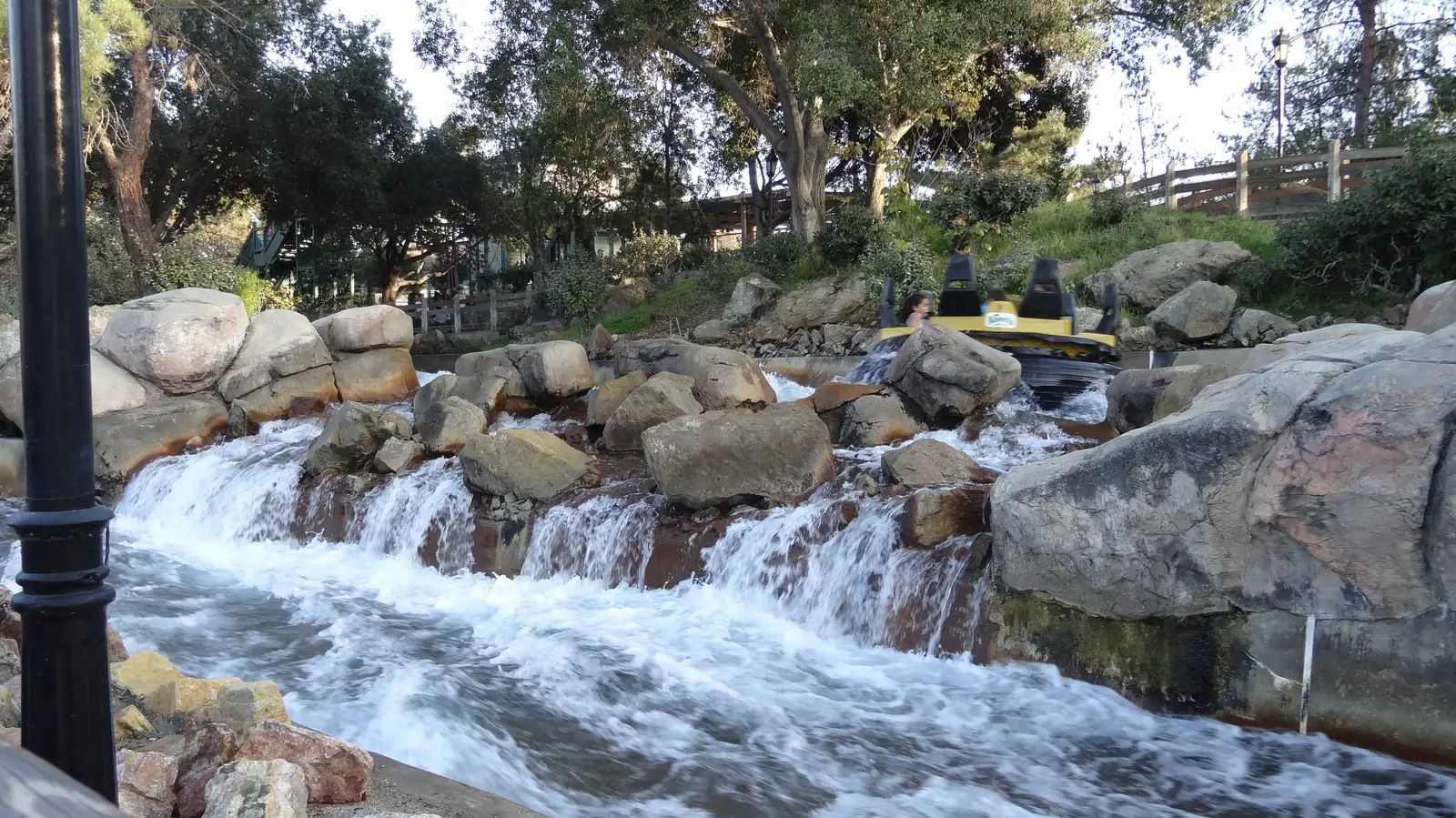
One pattern that shows up again and again is that group rides dominate the crowd’s attention while solo or tandem body slides sit idle. Operators have found that adding family raft rides to their package ensures they become the most popular ride in the park. The hidden slide is almost always a solo-rider body slide or a smaller tube experience nearby.
The slide packages seen in recent park expansions almost always include family raft rides. The hesitation toward these in the past was anecdotally due to cost and space requirements. However, that hesitation has been overshadowed by the recognized guest enjoyment of family or group rides. Individual slides simply can’t compete for attention in that environment, which is exactly what makes them a quiet reward for curious visitors.
Some Parks Design Exclusivity Into the Experience
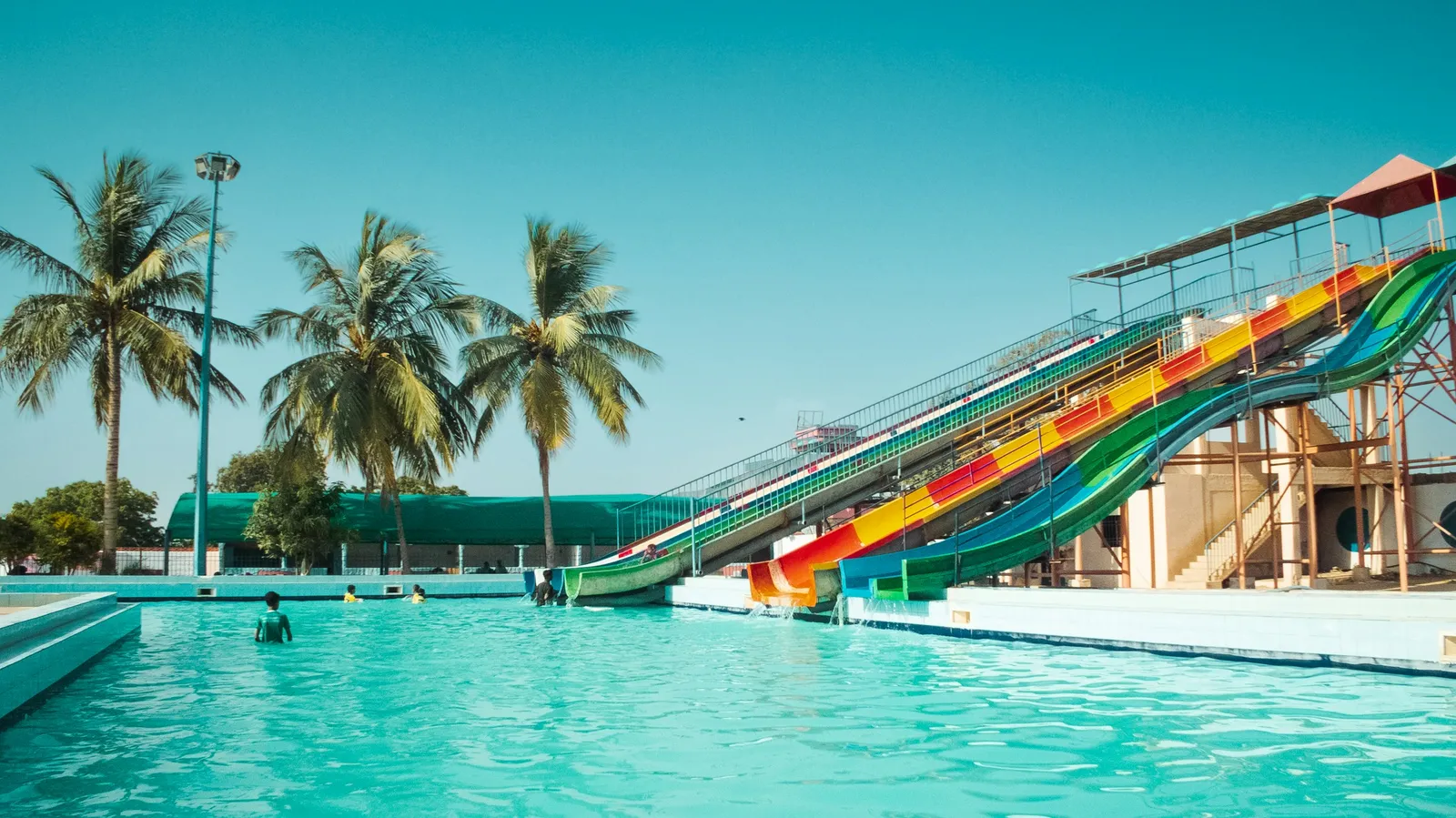
A small number of parks deliberately build a sense of discovery into their layouts. Water World Colorado’s most famous attraction is Voyage to the Center of the Earth, which received the Innovation Award from the World Waterpark Association. Riders travel in small circular multi-passenger inflatable rafts through an artificial cavern. Enclosed or themed experiences like that become hidden gems because their entrance doesn’t broadcast itself visually the way an open tower does.
Similarly, at Mt. Olympus in Wisconsin, the massive Rise of Icarus tower stands 145 feet in the air and features five body slides to choose from, but only those willing to climb to the very top will experience “The Fall.” Most guests stop at a lower entry point. The slide at the top effectively becomes a hidden experience simply through guest reluctance to climb further.
The Role of Wayfinding and Signage
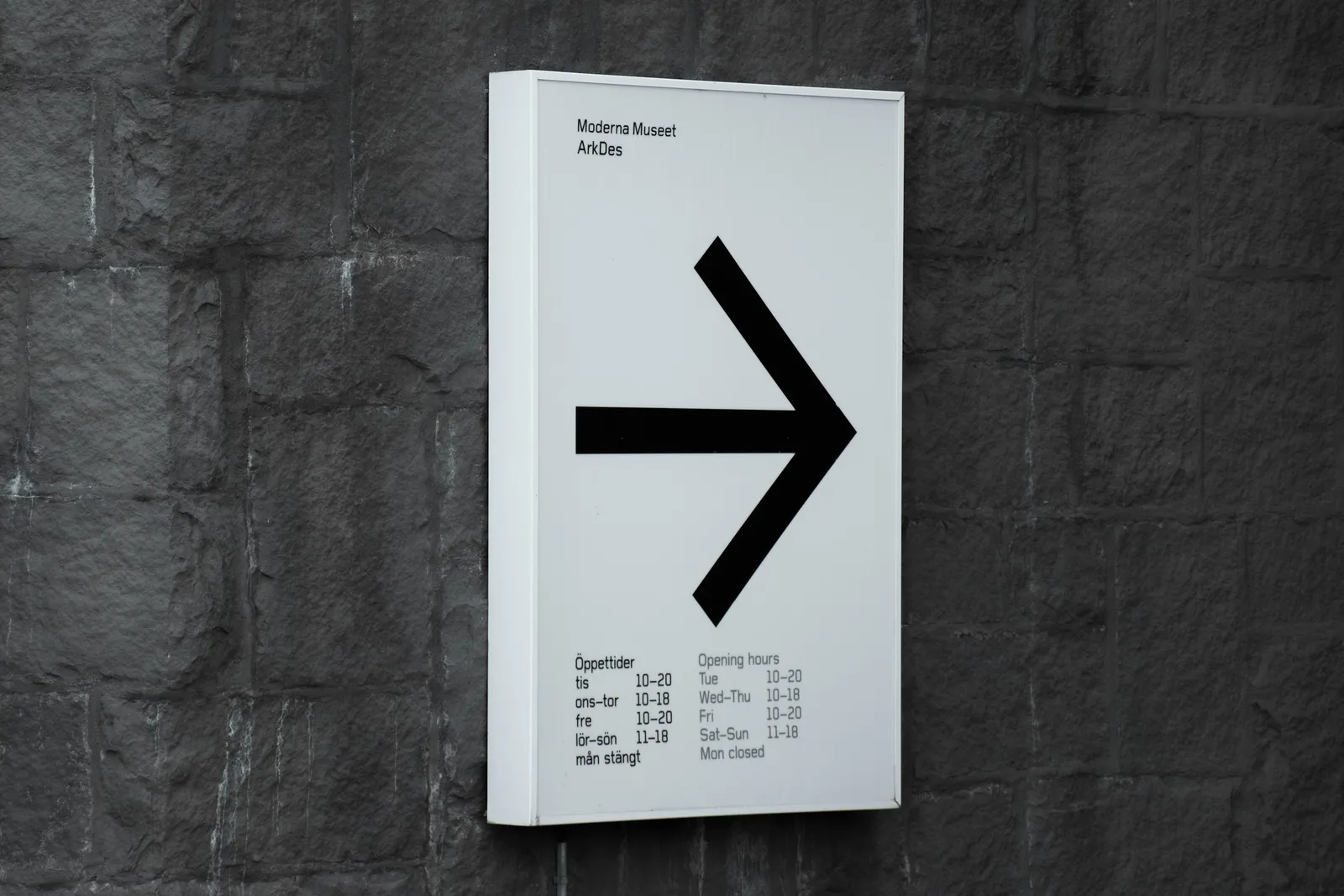
Clear sightlines are essential in water park design, with minimal disruptions along the path that might partially obscure where guests are headed. When a park’s signage is inconsistent or a slide entrance lacks a visible queue structure, guests assume the attraction is closed, under maintenance, or simply not worth the detour.
Attendants at those neglected stations often become informal ambassadors, waving guests over and explaining what the slide actually does. Word-of-mouth on a crowded park day is, in many ways, more effective than a sign. The guests who take the suggestion almost always come back for a second ride.
The Global Scale Makes Every Park Different
The phenomenon of the overlooked slide isn’t limited to American parks. The top water park in the world in 2024 was Chimelong Water Park in Guangzhou, China, with 3.15 million visitors, up nearly twelve percent year-over-year. Parks of that scale are almost certain to have entire sections that the average guest never reaches in a single visit.
Many of the world’s top water parks saw some variance in visitor numbers in 2024, attributable to various market-specific factors. Latin America exhibited strong performance, while North America experienced low to moderate movement, and the Asia-Pacific region remained basically flat. Regardless of geography, the behavioral pattern holds: crowds cluster, and the periphery stays quiet.
The Takeaway
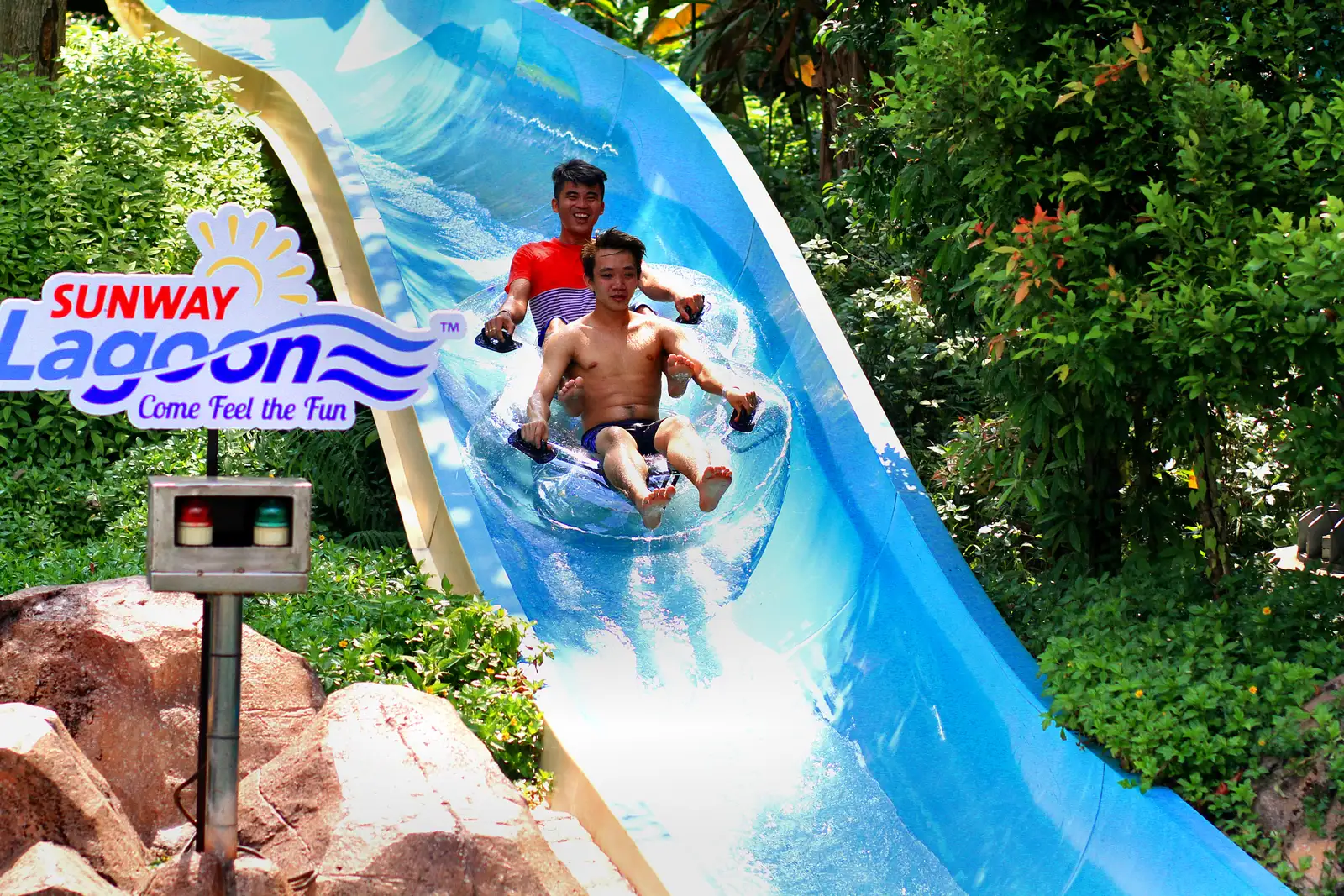
The slide most guests never find isn’t hidden because the park is keeping secrets. It’s hidden because crowds move on autopilot, drawn by visibility, height, and habit. Attendants who spend a full season watching this play out tend to develop a quiet appreciation for the guests who actually pause, look around, and ask a simple question: “What else is here?”
The answer, almost always, is more than you’d expect. The best water park visit isn’t necessarily the one where you conquered the tallest drop. Sometimes it’s the one where you found the slide with no line, a great ride, and nobody else around to crowd your landing pool.
AI Disclaimer: This article was created with the assistance of AI tools and reviewed by a human editor.