

Flying Without Checkpoints: The Open Era of Commercial Aviation
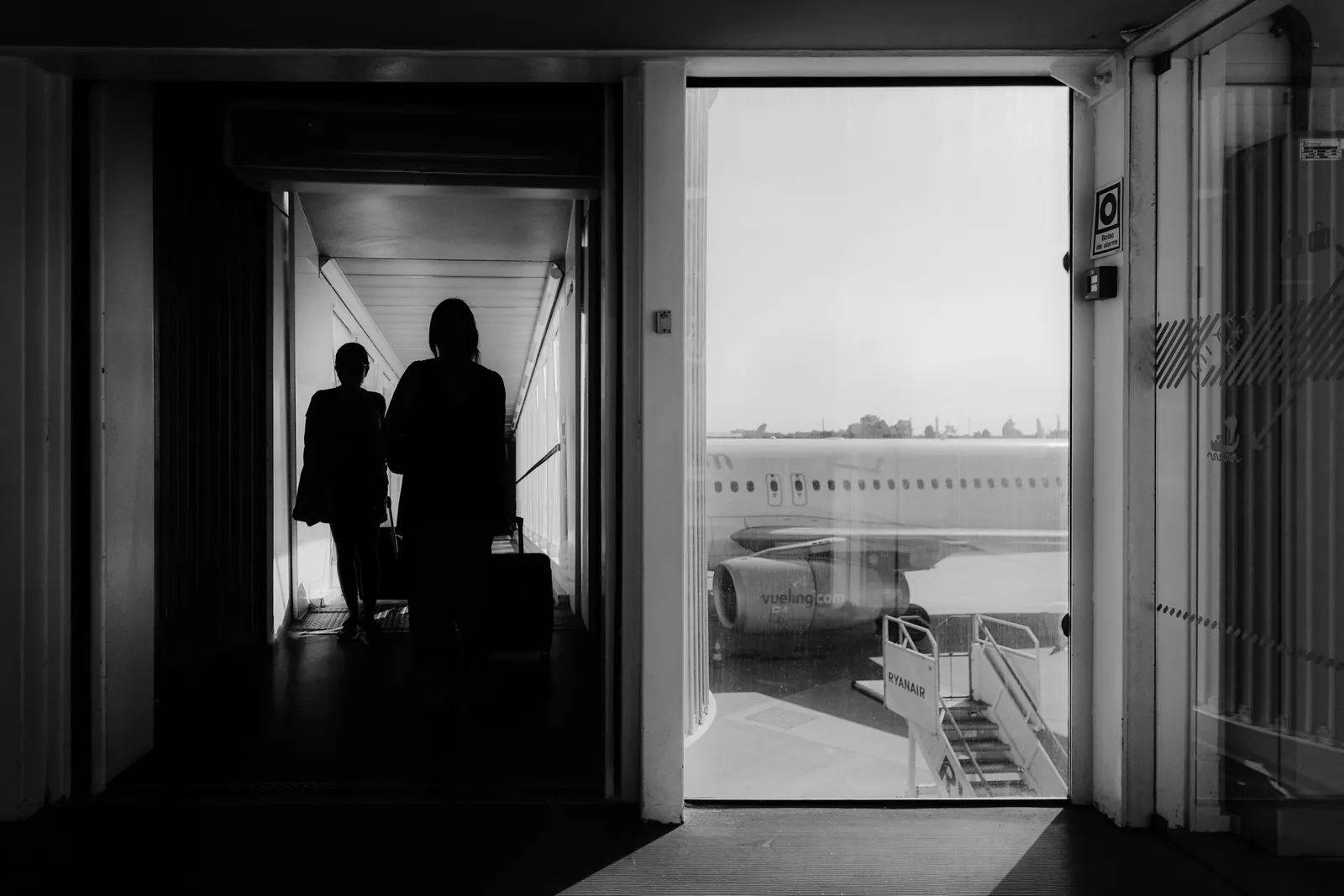
Before 1973, commercial air travel in the United States was remarkably permissive by today’s standards. As one airline analyst has described it, you could bring anything onto an airplane that you wanted, as long as it fit in your carry-on bag. There were no standardized federal inspection systems, no mandatory screening lanes, and no X-ray machines waiting to scrutinize your luggage.
Even the checked bags loaded into the underbelly of the plane did not go through screening. Airlines ran their own loosely defined boarding procedures, and passenger trust was essentially the operative security model. It was a fundamentally different era, one that is almost impossible to picture if you’ve only ever known post-1973 aviation.
The First Hijacking and the Decade That Followed
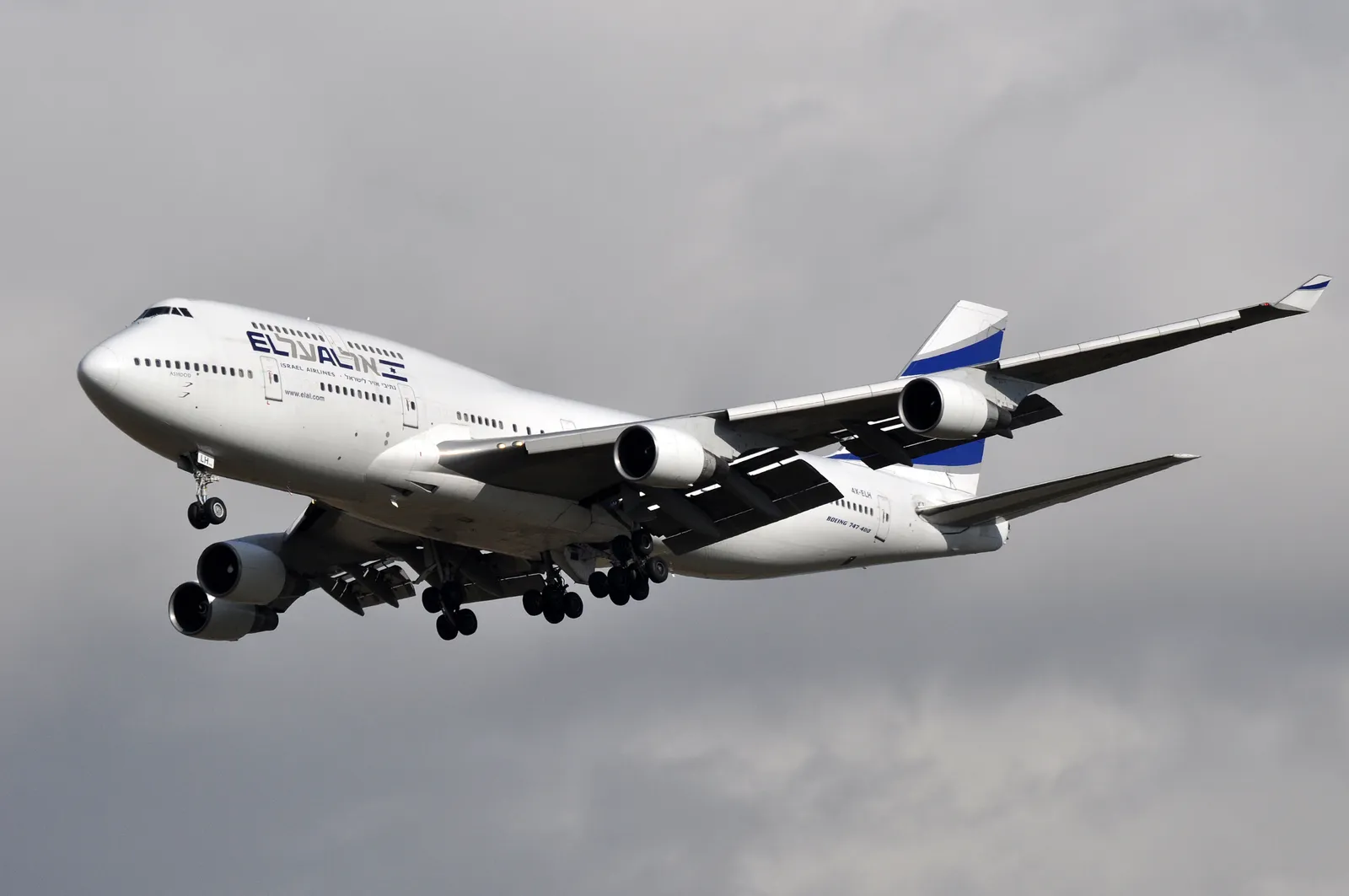
On May 1, 1961, a National Airlines aircraft en route from Miami to Key West was successfully hijacked and diverted to Cuba. Although aircraft hijackings had occurred in Eastern Europe and Cuba prior to that date, this was the first recorded hijacking of a U.S. registered aircraft. Seven more U.S. hijackings took place between 1961 and 1967.
The plane was forced to fly to Cuba, beginning the decade-long hijacking spree known as the “Cuban shuttle,” as planes between the United States, Cuba, and Mexico were frequently hijacked by homesick Cubans or American leftists. The numbers remained relatively contained through the mid-1960s, which gave policymakers little sense of urgency. That would change with stunning speed.
The Late 1960s: When Hijacking Became an Epidemic
Such incidents became almost commonplace in the late 1960s and 1970s: there were 86 hijacking incidents in 1969 alone, and 78 in 1970. The sheer regularity of these events was staggering, and the public was watching. Airlines were being treated like involuntary taxis to Cuba.
During that period, a hijacking occurred, on average, once every five days globally. Between 1968 and 1972, 124 hijackings occurred, leading some observers to proclaim that hijacking had become a national epidemic. The aviation industry was, in practical terms, in a state of sustained crisis that no existing security measure was equipped to handle.
The FAA’s First Attempt: Psychological Profiling

The FAA and the airlines began to explore innovative ways to ensure security with minimum invasion of passenger privacy. A special FAA “hijacking task force,” headed by a physician and psychologist, presented the idea of psychologically profiling passengers to uncover potential hijackers. The logic was understandable: rather than inconvenience every traveler, identify and intercept only the small number of individuals who posed a genuine threat.
In February of 1969, the FAA installed an experimental weapons detector at the gate of Eastern Airlines to test the effectiveness of combining psychological profiling with selective searches at Washington National Airport. Airline personnel analyzed passengers for various undisclosed behaviors that had been identified as matches for 82 percent of past hijackers. It was a promising idea, but it had real limits when the nature of the threat began to shift.
Sky Marshals: Armed Officers in the Aisle

In the wake of several high-profile airline hijackings in the early 1960s, President John F. Kennedy ordered that federal law enforcement officers be deployed on certain high-risk flights. The Federal Air Marshal Service began on March 2, 1962 under the Federal Aviation Administration. These so-called Sky Marshals were conceived as a deterrent, a quiet but armed presence that might discourage a would-be hijacker from making a move.
On September 11, 1970, in response to increasing acts of air piracy by hijacking to Cuba and Islamic radicals, President Richard Nixon ordered the immediate deployment of armed federal agents on United States commercial aircraft. The problem was arithmetic. It immediately became clear that placing sky marshals on every flight would be impossible. It was calculated that for a single sky marshal to encounter a hijacker, he would need to fly an average of twelve million miles. The program was simply not scalable.
D.B. Cooper and the Ransom Hijacking Wave

On November 24, 1971, the now famous D.B. Cooper hijacked a Northwest Orient Airlines flight, a Boeing 727-100 flying from Portland, Oregon to Seattle, Washington. He gathered $200,000 in ransom and then parachuted out the back of the plane, never to be seen again. The case remains unsolved to this day and it transformed the public conversation about aviation security.
It was Cooper’s hijacking-as-extortion plot that captured the public’s imagination and inspired a copycat crime wave. Suddenly the threat was not just political or ideological. Ordinary criminals with parachutes and a plan could extract ransom from an airline and vanish. The profiling system that was built to catch a certain type of person was not designed for this.
The November 1972 Turning Point
Only twelve days into November 1972, an especially dangerous hijacking took place. Three fugitives hijacked a Southern Airways flight departing from Birmingham. They demanded a ransom of $10 million, equivalent to roughly $75 million today after adjusting for inflation, to free the 31 passengers and crew members onboard.
After receiving only $2 million, they threatened to crash the plane into a nuclear facility in Oak Ridge, Tennessee. That threat, chillingly specific and credible enough to cause real panic, was a watershed moment. Selective profiling and Sky Marshals had demonstrably failed to prevent this. Security officials at the FAA resolved to find a foolproof system, and in December 1972 issued stricter security regulations.
January 5, 1973: The Day Everything Changed
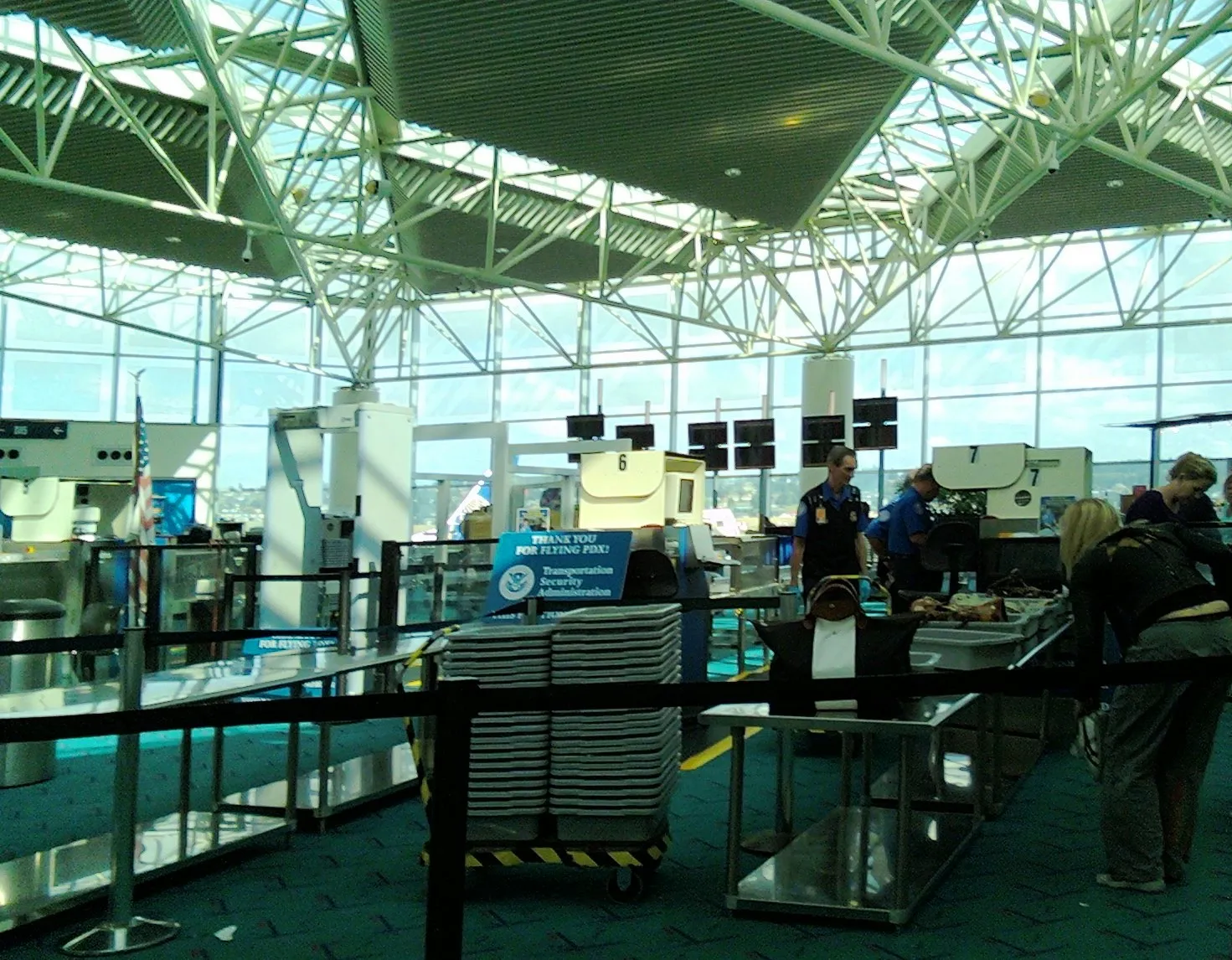
On December 5, 1972, the FAA ordered that searches of all carry-on items and magnetometer screening of all passengers be instituted by January 5, 1973. The mandate was total and unprecedented. Beginning early the following year, all airlines would be required to search all passengers and all baggage at all 531 U.S. airports.
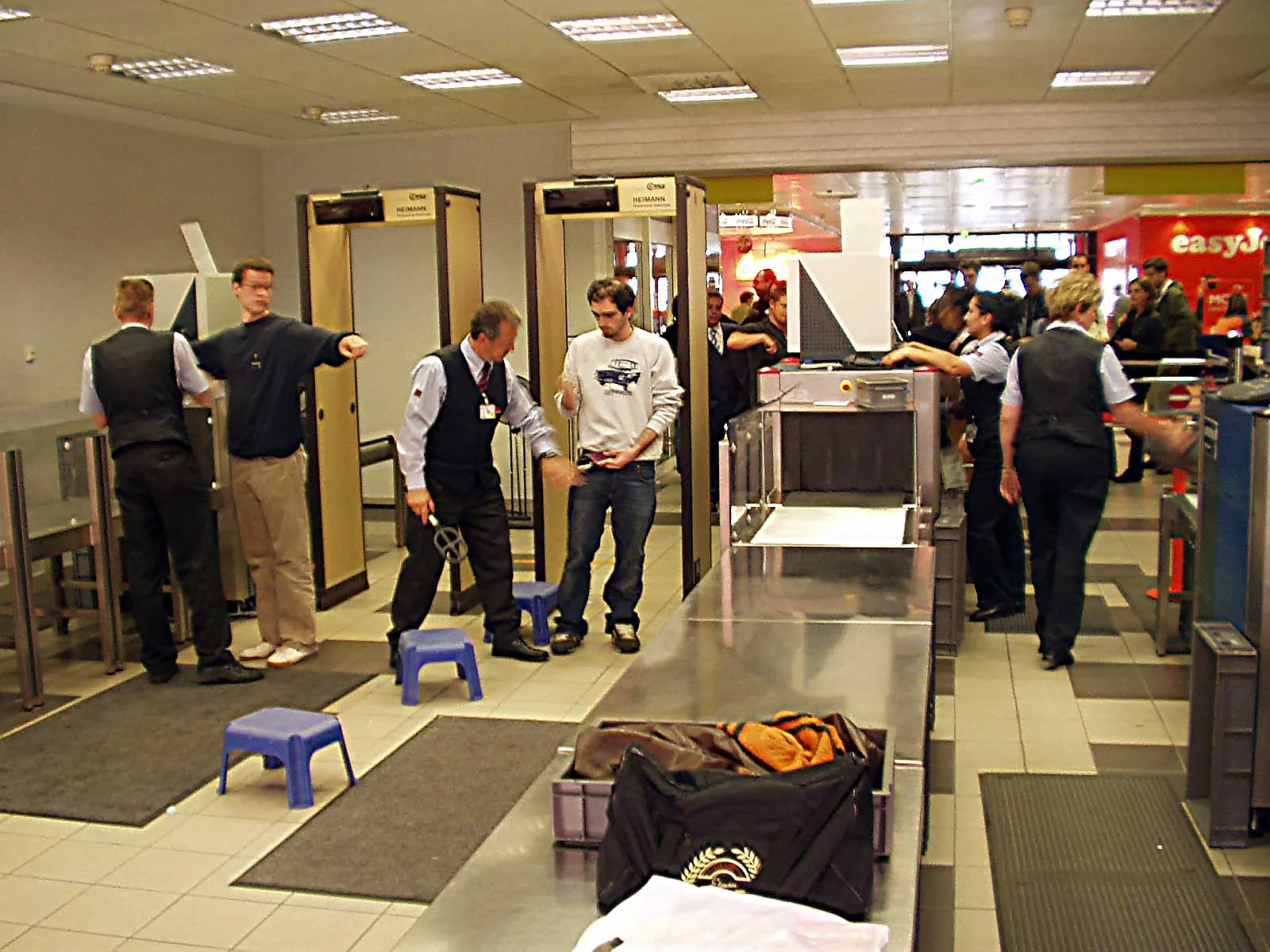
On January 5, 1973, the mandatory security screening of all airline passengers began at all airports in the United States. The age of so-called sterile concourses, searches of all hand-carried luggage, and a mandatory walk through a metal detector officially arrived at San Francisco International and airports across the nation. That year alone, airlines would search an estimated 185 million passengers.
Immediate Results: Hijackings Collapse

The surge of hijacking came to an abrupt halt in 1973. Only one hijacking took place in that year, and only ten more occurred in the next three years. The contrast with the preceding years was impossible to ignore. These measures cut hijacking attempts from their peak of one every other week in 1972 to a mere three between 1973 and 1974.
The FAA’s mandatory regulations of January 5, 1973 for specific airport security procedures and 100% passenger security screening resolved the aviation crisis. After the introduction of airport security procedures and 100% physical security screening for passengers, the hijackings were basically stopped. The effect was so pronounced that it essentially validated the entire framework, even though it had taken years of political resistance to arrive at it.
Opposition from Airlines and Airports
This comprehensive and all-encompassing security plan faced opposition from airport operators and airlines. They advocated for flexible airport security measures with the option to gradually reduce them over time. The industry’s concern was practical: screening every single passenger at every airport was an enormous operational undertaking with real costs, real delays, and real uncertainty about how long such measures would even be necessary.
When the FAA required all airlines to start screening passengers and their luggage on January 5, 1973, the airlines, long passive players on the question of security, were now the ones in charge of the process. That awkward arrangement, where private carriers managed a public safety function, would persist for decades until the September 11 attacks prompted the creation of the TSA in 2001.
The Technology Behind the Mandate
Historically, the early technology came from two key individuals: George W. Shepherd Jr. of Philips Government Systems, who invented the Saferay, the first low-dose X-ray system for screening articles such as handbags and luggage, and Malcolm Schwartz of Infinetics, who built the first aviation walk-through metal detectors for passengers. These were not sophisticated machines by modern standards, but they were effective enough to transform aviation safety almost immediately.
Starting on January 5, 1973, the FAA required that all carry-on luggage had to be X-rayed for weapons and that passengers needed to be scanned by a metal detector. This became federal law in the U.S. in 1974 under the Air Transportation Security Act, which also specified the requirement for all luggage carried onboard to be X-ray inspected. The legal foundation was now in place, and the checkpoint was no longer temporary.
The Lasting Legacy: From 1973 to the TSA
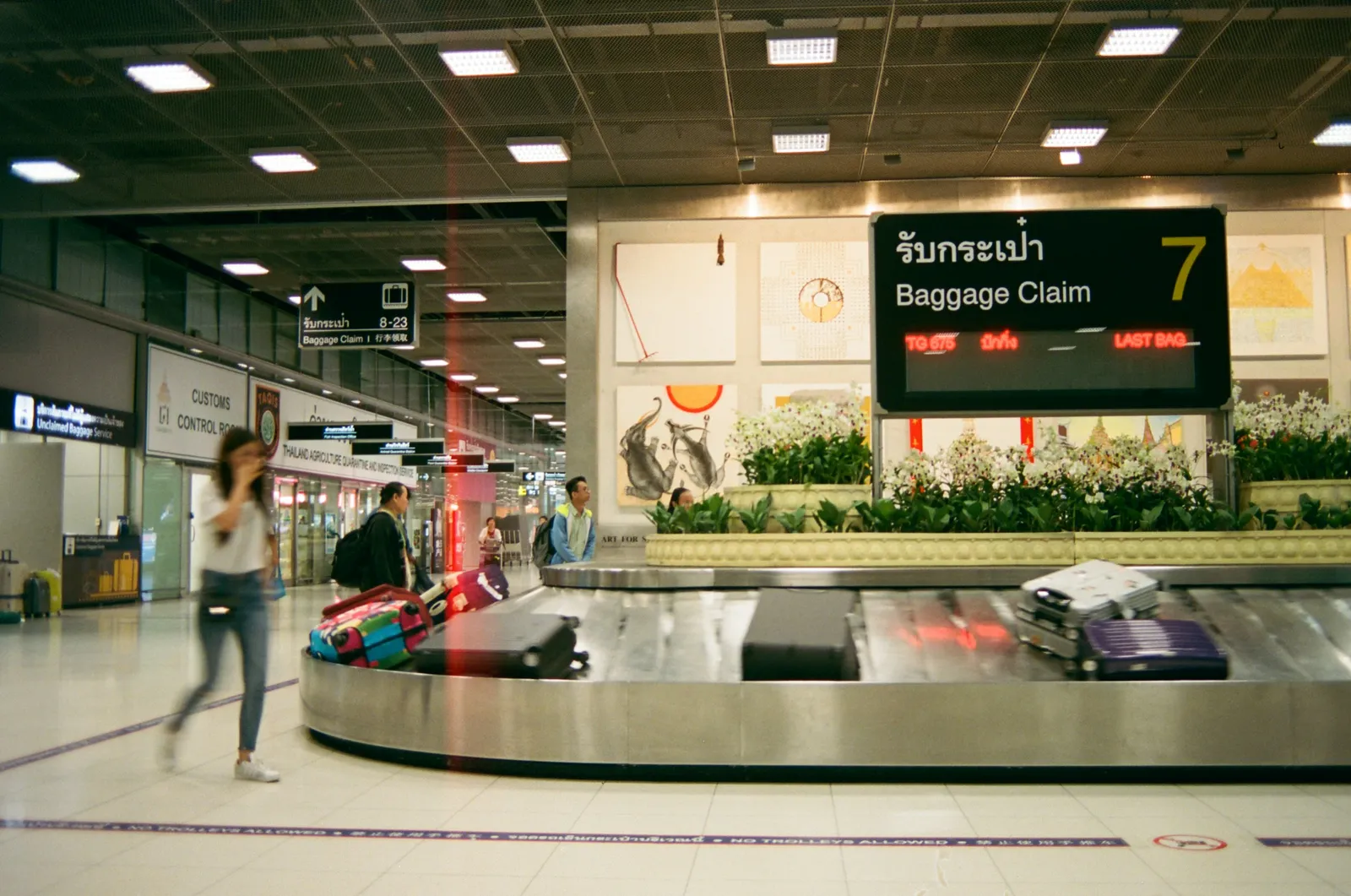
The United States had required passenger and carry-on baggage screening since 1973, with airlines remaining responsible for checkpoint screening under federal regulation when the September 11 attacks occurred. For nearly three decades, the 1973 system held, flawed as it was, because the threat had largely receded domestically. By the 1980s, domestic hijackings seemed a thing of the past, a perception that persisted right up to the 9/11 attacks.
The first comprehensive set of federal regulations governing airport and air carrier security were instituted in 1973. At that time the focus was on the prevention of hijacking. In 1973 it was deemed appropriate to concentrate on screening passengers for metal objects that could be used to overpower crew and passengers and divert the aircraft, primarily handguns and improvised explosive devices. That original intent, narrow and practical, set the template for everything that came after it.
The Takeaway
The checkpoint you pass through today is not a product of bureaucratic habit or post-9/11 anxiety alone. It is the direct descendant of a specific moment of national crisis, a decision made in December 1972 and enacted on a cold January morning in 1973, when the United States finally decided that every single passenger, not just the ones who fit a profile, would be screened before boarding.
What’s remarkable in retrospect is how long it took to reach that conclusion. Though many Americans may associate airport security with 9/11, it was a wave of hijackings in the late 1960s and early 1970s that laid the foundation for today’s airport security protocols. The technology has changed enormously since then. The principle has not. The checkpoint exists because the alternative, trusting that everything will be fine, already failed, loudly and repeatedly, for more than a decade before anyone made it stop.
AI Disclaimer: This article was created with the assistance of AI tools and reviewed by a human editor.