


Something changes when you cook a dish 40 feet above the ocean, somewhere between Gibraltar and the Amalfi Coast, wearing an apron that isn’t yours. The recipe feels different. The technique sticks in a way it simply wouldn’t in a cooking show watched from a couch. Cruise ship culinary programs have figured this out, and the results show up not just at sea, but months later in home kitchens from suburban Minnesota to downtown Melbourne.
The question worth asking is: which dishes actually survive the journey home? Not just in the recipe booklet tucked into a carry-on, but in real, repeated practice. Cruise chefs across multiple lines have some consistent answers.
Lemon Risotto: The One Dish That Surprises Everyone
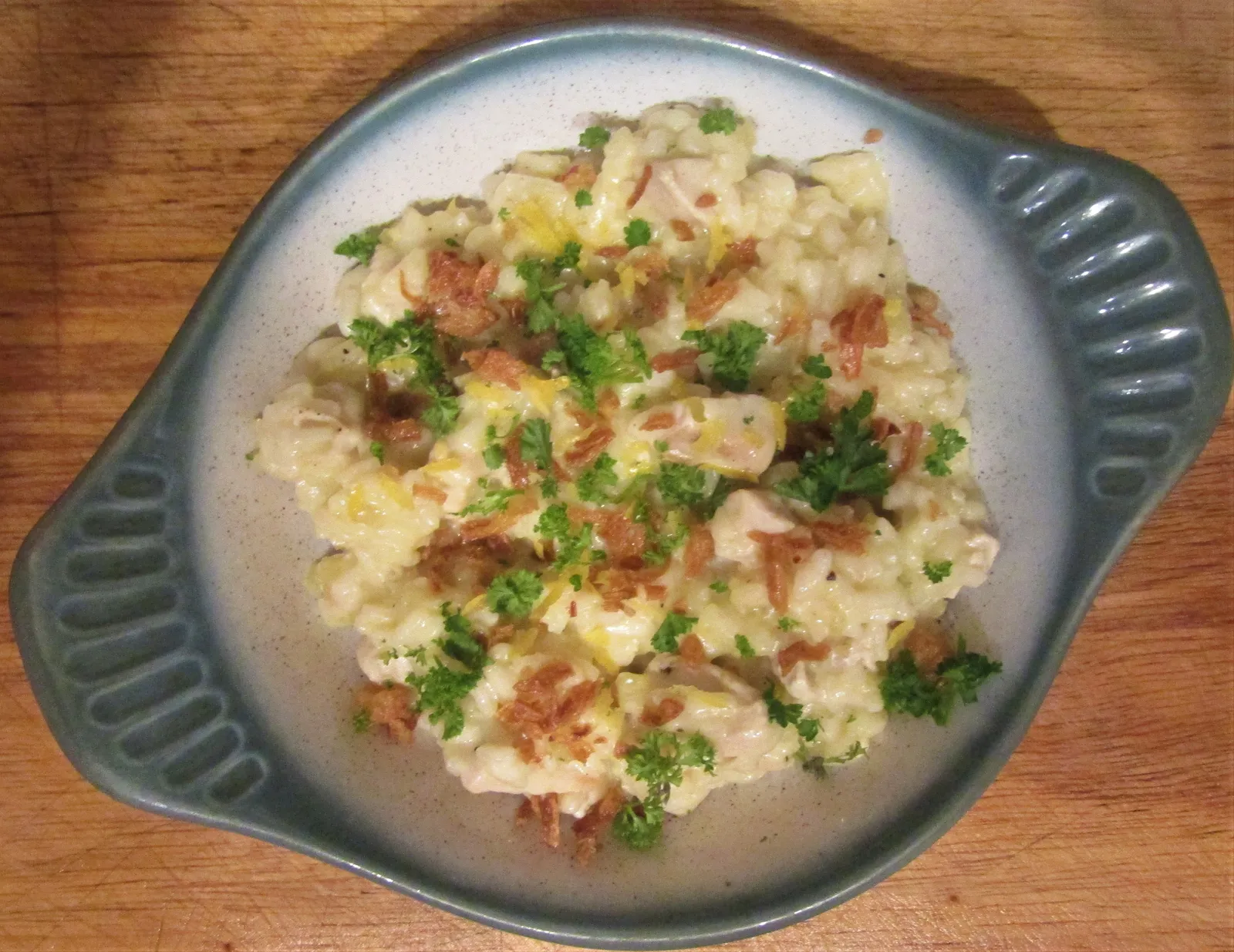
Oceania Cruises’ popular “Amore: Love of Lemons” class features lemon risotto alongside scaloppini al limone and a lemon basil gelato, drawing passengers in with the idea that citrus can anchor an entire meal. The risotto almost always ends up being the dish people talk about afterward, partly because it looks intimidating and turns out to be far more forgiving than expected.
Everyone who participates in the Oceania Culinary Center classes receives a booklet containing each of the recipes taught in the class, so they can make them at home. That detail matters more than it sounds. Having the actual recipe in hand, rather than a scribbled note from memory, is what closes the gap between inspiration and repetition.
Fresh Sushi and Sashimi: A Japanese Technique That Travels Well
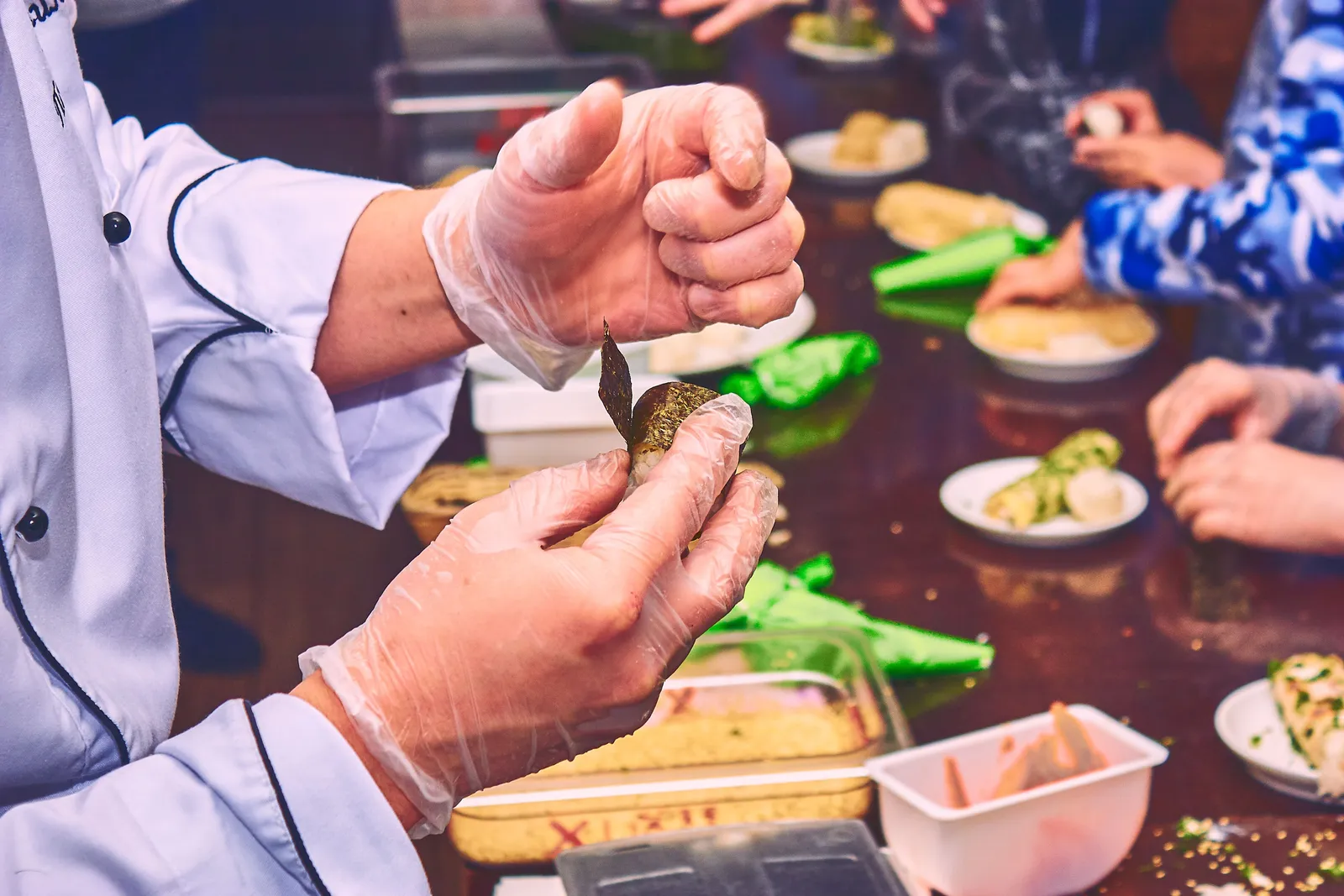
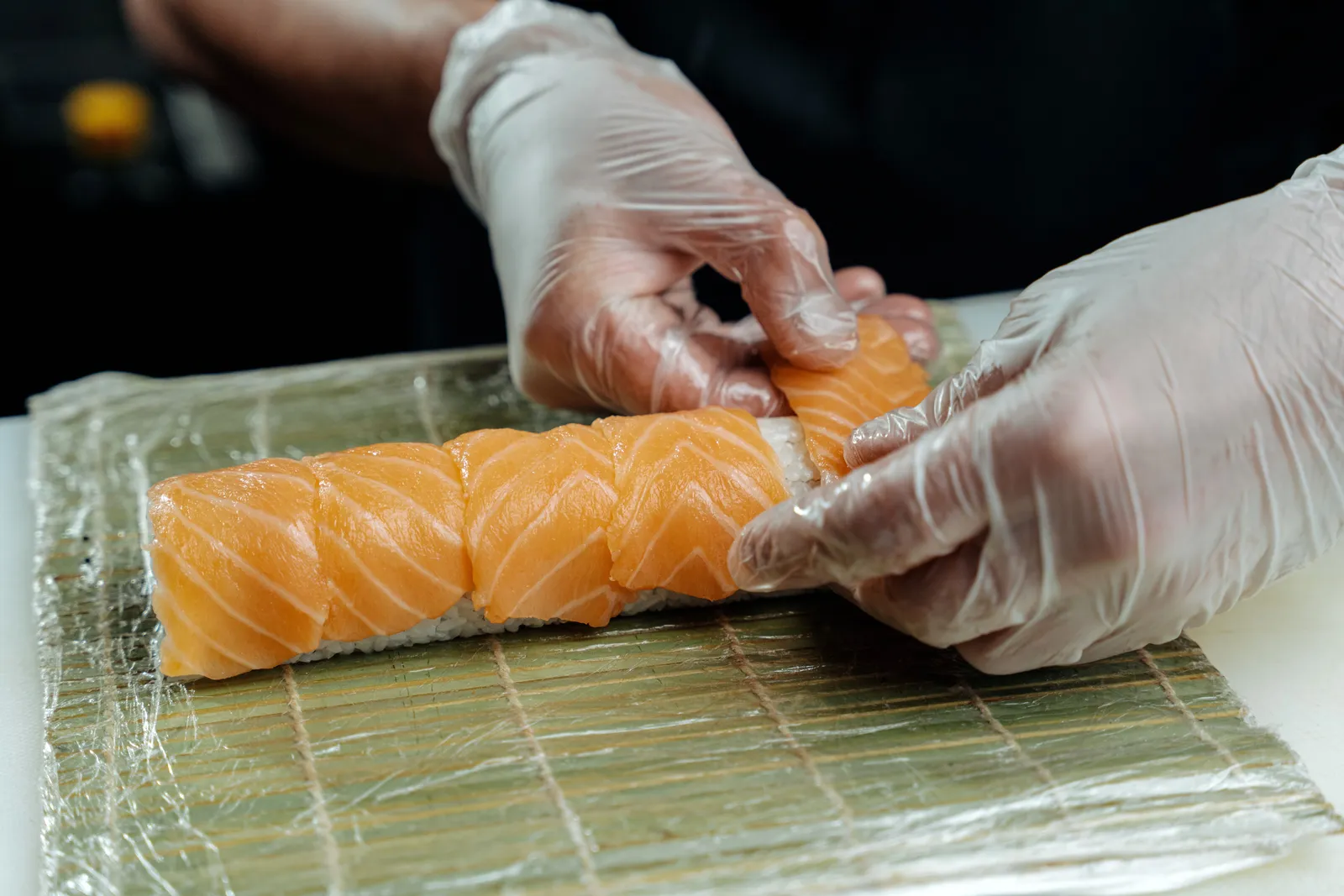
Themed classes such as a Japanese course on crafting fresh sushi and sashimi are offered at sea on Azamara, attracting passengers who would never normally attempt the dish at home. The appeal is partly the permission structure of the class itself. A ship chef showing you how to handle a knife with confidence, in a calm, unhurried environment, removes the anxiety that keeps most people from ever buying sushi-grade fish on their own.
Italian cooking classes that reveal techniques for making risotto and Japanese sushi courses are offered at sea, complemented by Azamara’s Land Discoveries program, which gives passengers foodie-friendly excursions with local flavor. Many passengers who take the sushi class at sea later describe going home, finding a Japanese market, and attempting it themselves within a few weeks of disembarking.
Classic Italian Pasta: Handmade, Every Time
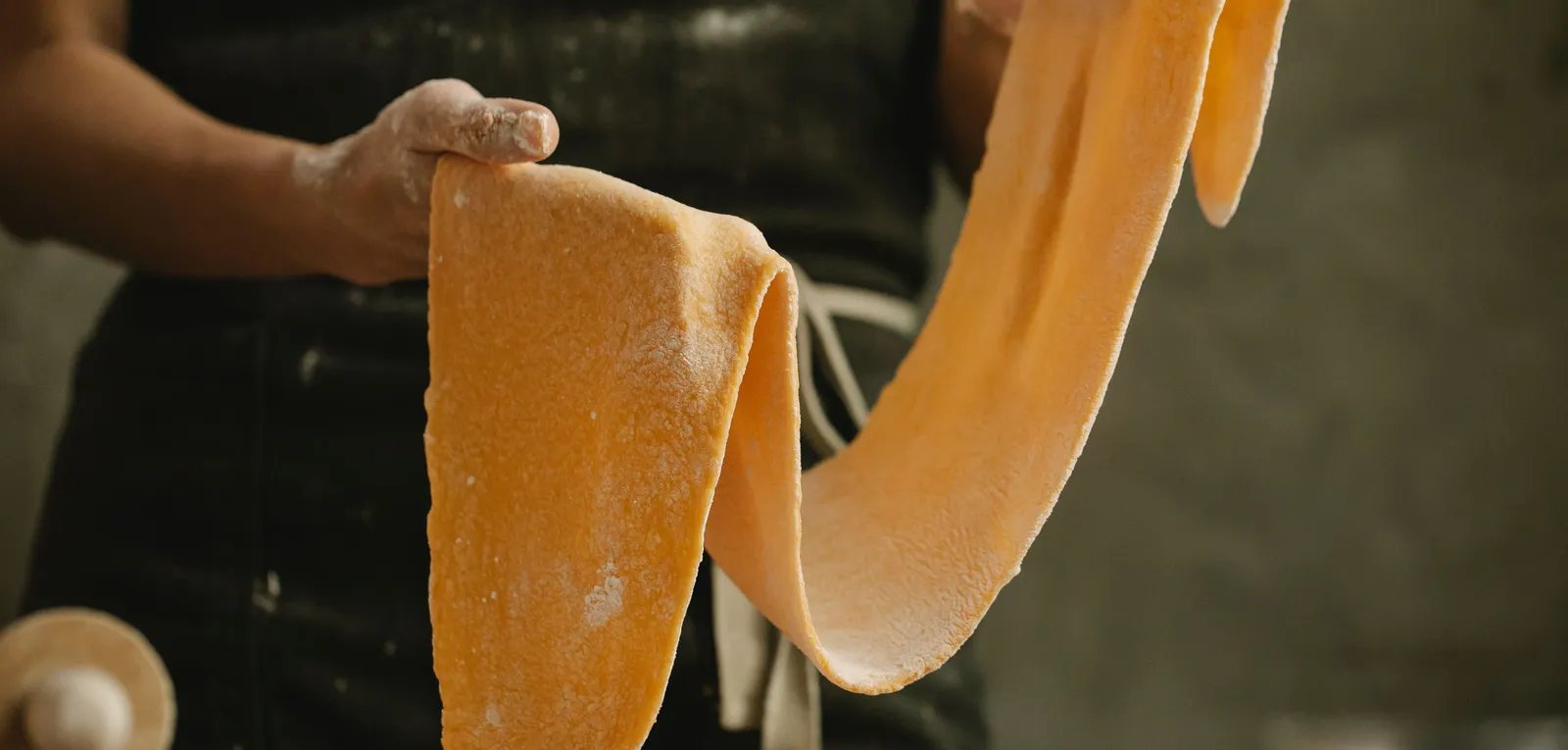
Oceania’s Culinary Center classes follow two formats: technique-focused sessions teaching fundamental skills like knife skills, mother sauces, and pastry basics, and destination-inspired lessons reflecting itineraries such as Italian pasta in the Mediterranean. The handmade pasta class sits at the intersection of both formats, combining the technique of working with dough and the romance of a Mediterranean setting to create something passengers genuinely want to recreate.
Ship chefs demonstrate everything from signature restaurant dishes to practical home cooking techniques, including homemade pasta and sauce fundamentals. Pasta is one of those skills that looks harder than it is. Once passengers see a chef do it in a relaxed, step-by-step setting, the mental barrier disappears, and many describe making pasta from scratch as something that becomes a Sunday ritual back home.
Molten Chocolate Cake: The Dessert That Gets Requested at Dinner Parties
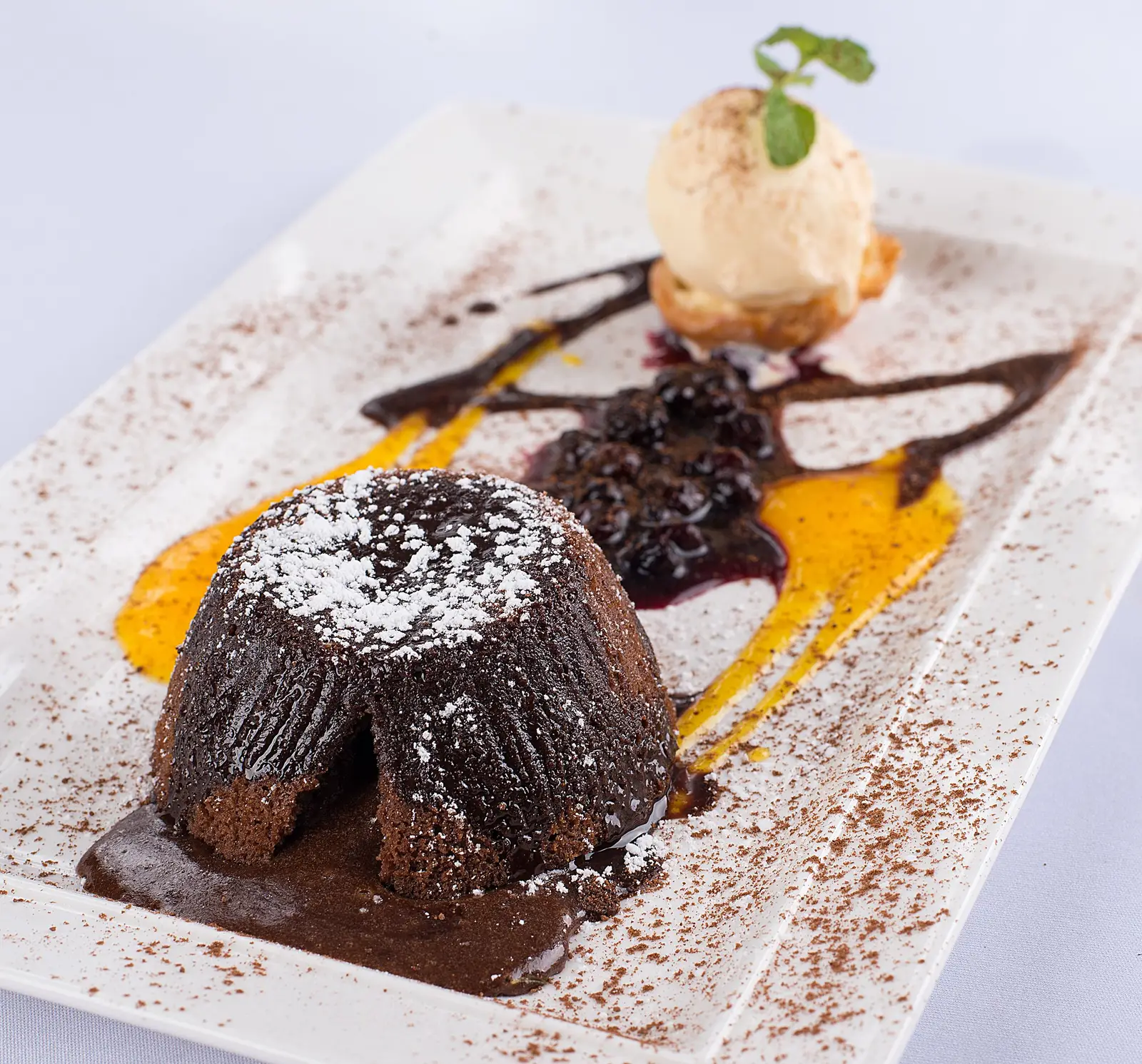
For some passengers, the dining experience alone is not enough, and learning how to prepare molten chocolate cake from their favorite line makes all the difference when choosing a cruise. The molten chocolate cake earns a specific kind of loyalty. It’s visually dramatic, emotionally satisfying, and it scales beautifully from a dinner-for-two to a table of eight.
What cruise chefs often emphasize in class is that the timing is everything with this particular dessert, and that once you understand that principle, you can calibrate it for any oven. That practical insight is the kind of thing a YouTube video rarely communicates as clearly as a real chef standing next to you, watching your technique.
Margherita Pizza: Simple, But Properly Done
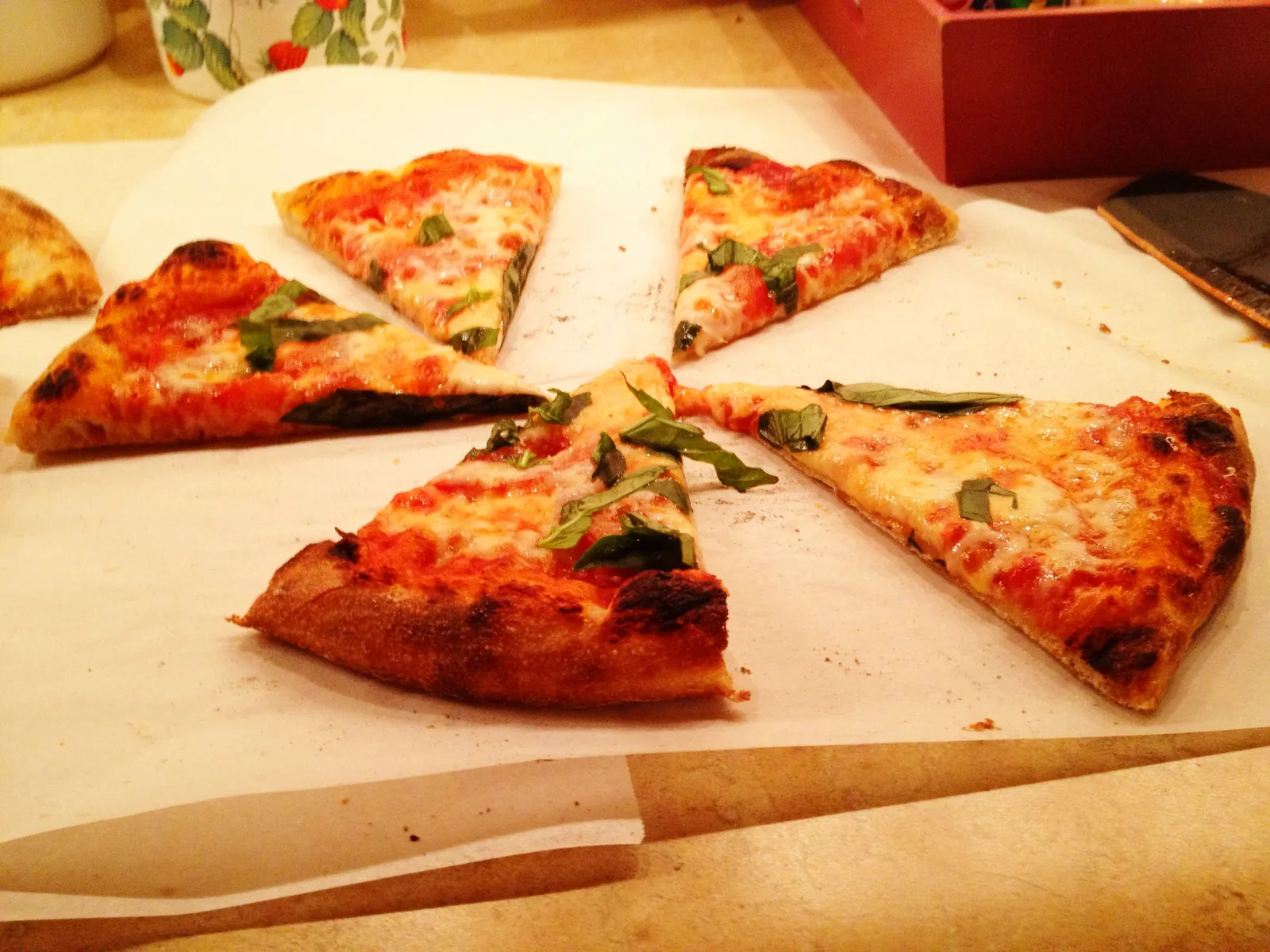
Passengers on Disney Cruise Line are invited into the kitchen of Palo on Disney Fantasy to learn how to create Northern Italian cuisine, with Palo chefs teaching recipes including Margherita Pizza, Butternut Agnolotti Ravioli, and the restaurant’s signature Limoncello Tart. The Margherita pizza class tends to be the one passengers replicate most at home, mostly because the ingredients are accessible and the technique transfers cleanly to a home oven.
The lesson that sticks isn’t just about dough or sauce ratios. It’s about restraint. Cruise chefs consistently emphasize that less is more with a great Margherita, and that’s the insight passengers carry home and apply long after the tan fades.
Tagine and Moroccan Preserved Lemon Dishes
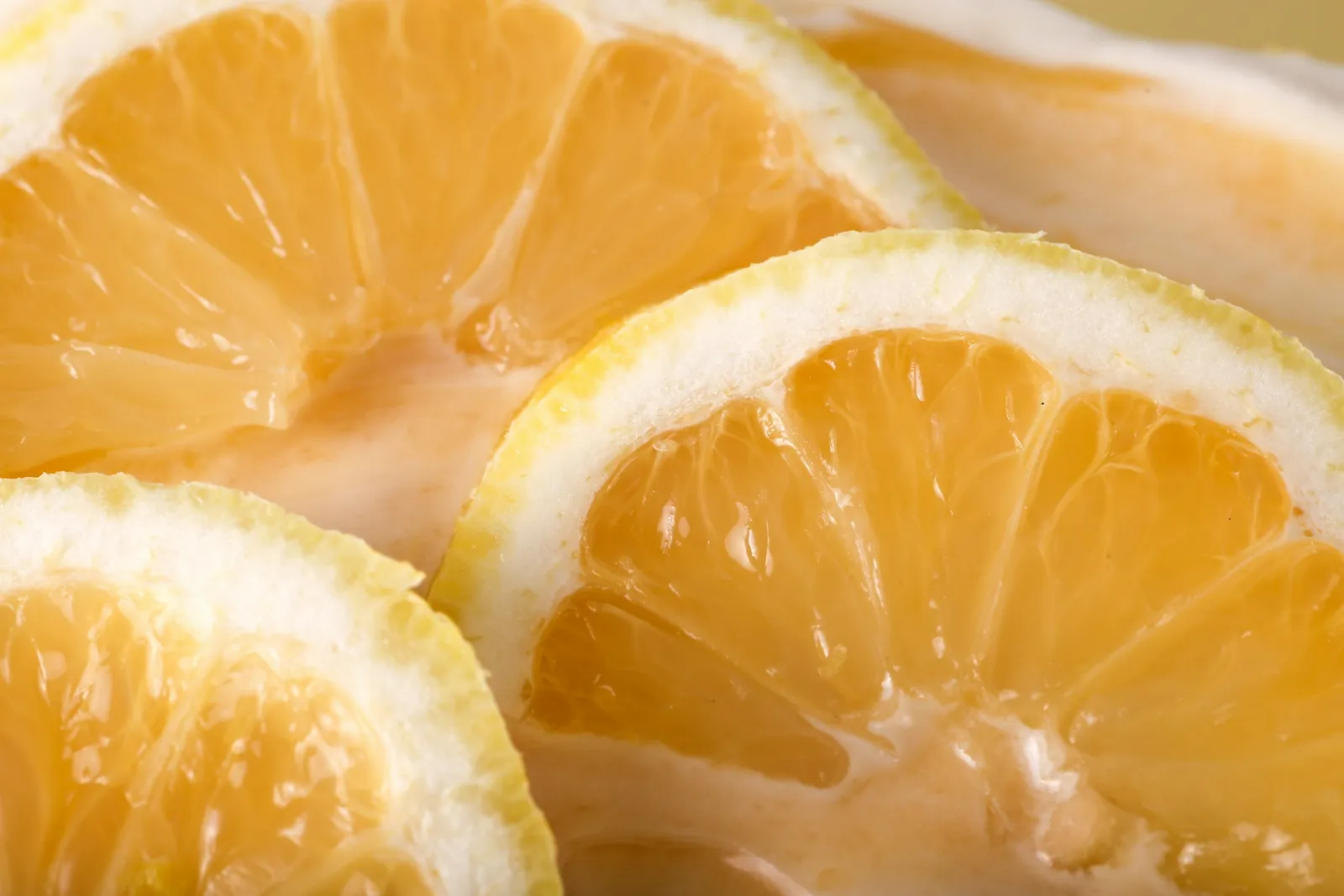
Regent Seven Seas’ Culinary Arts Kitchen offers a cooking class called “Arabesque,” based on the travels of Executive Chef Kelly in Morocco and Turkey, exploring the culinary traditions and recipes of two ancient cuisines. The class teaches the basics of tagine cookery and how the foods of these countries have influenced modern world gastronomy, including how to make nut milks and preserved lemons prized across the Arabesque region.
Tagine is a dish that passengers often approach with curiosity but not necessarily confidence, since the spice combinations feel unfamiliar at first. The ship class demystifies the spice layering in a way that sticks, and preserved lemons, once made at home, tend to appear in everything from salad dressings to roasted chicken for months afterward.
Cajun Shrimp: Fast, Flavored, and Genuinely Repeatable
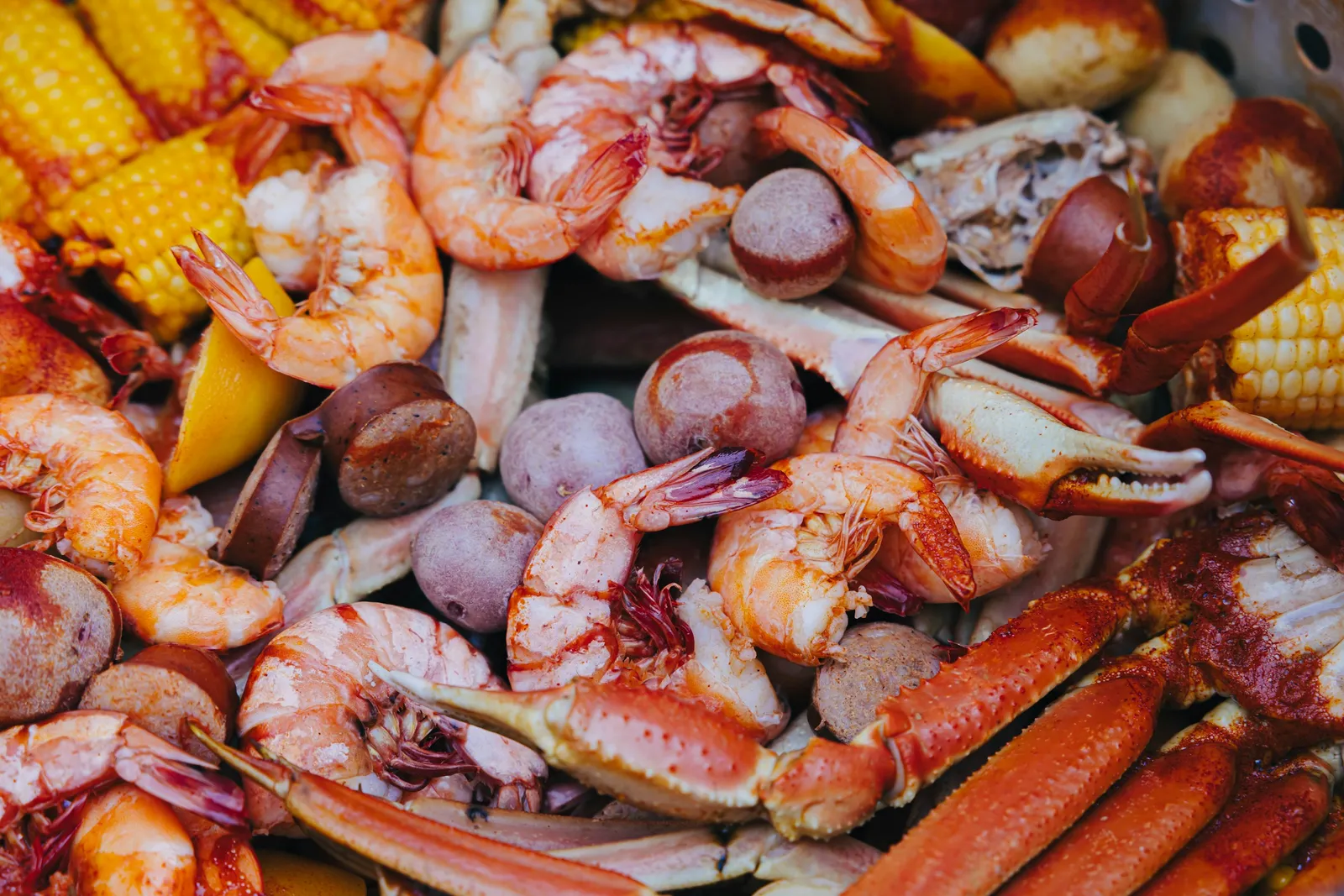
Learning how to prepare Cajun-style shrimp is one of the experiences that draws passengers to onboard culinary classes, particularly for those searching for a cruise with a foodie dimension. The appeal of this dish in a shipboard class context is speed. It comes together in minutes, and the technique of building a Cajun seasoning base translates directly to weeknight cooking at home.
Cruise chefs who teach shrimp dishes tend to focus less on the specific recipe and more on the principle of high-heat cooking and seasoning in layers. Mastering the skill of cooking with high heat, whether on a grill or in a sauté pan, is at the core of popular cooking classes at sea, with chefs teaching techniques for achieving the perfect sear and bringing forth flavor-enhancing char. Once passengers understand that principle, the Cajun shrimp becomes a gateway to a whole category of confident weeknight cooking.
Crème Brûlée: The Classic That Proves a Point
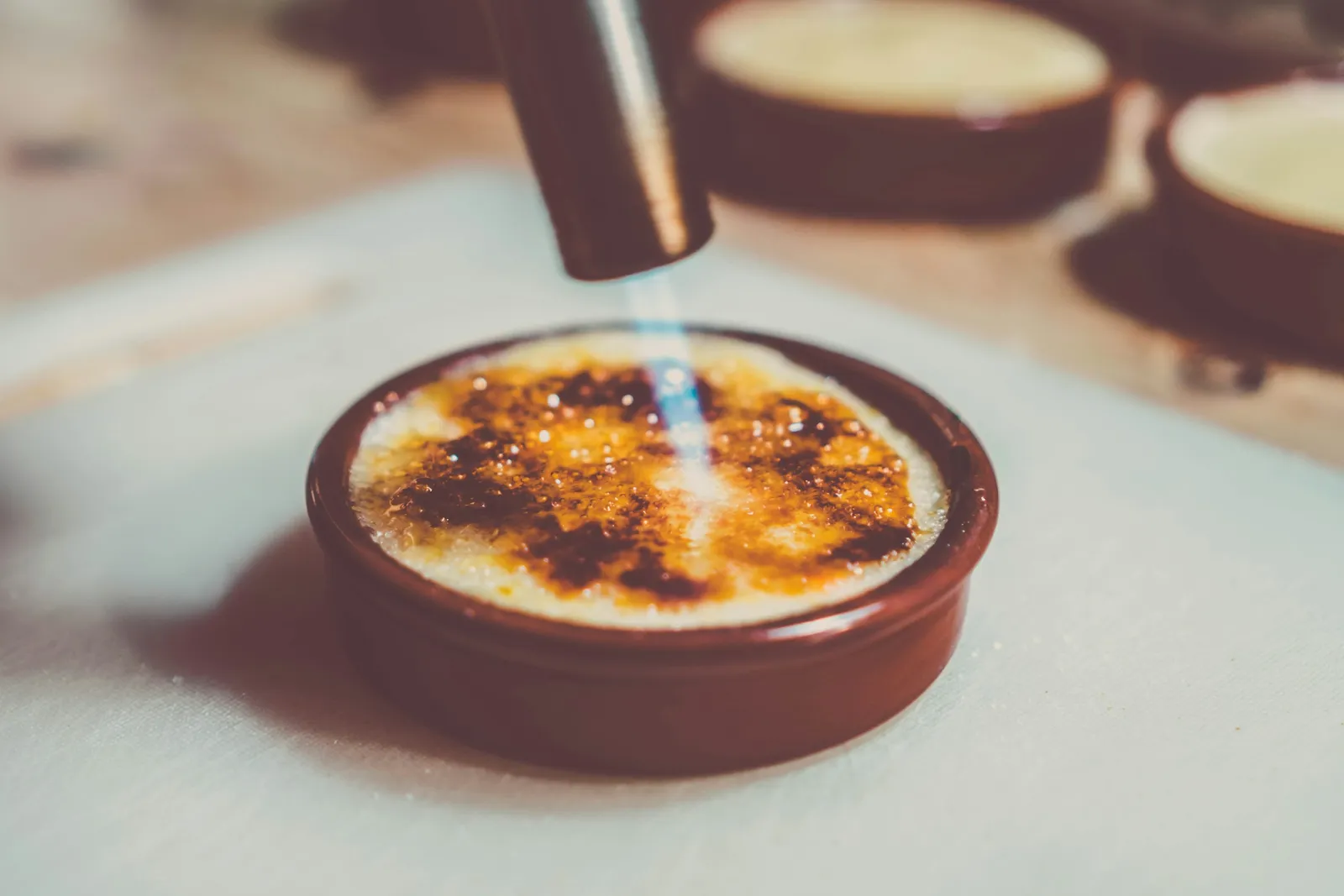
Few dishes carry the same theatrical satisfaction as crème brûlée, and cruise cooking demonstrations have long used it as a kind of proof of concept. Passengers who attended cooking demonstration classes held in the Grand Foyer on Celebrity Cruises received recipe cards at the end and got to sample the dishes, with at least one cruiser going home and successfully recreating crème brûlée from the class recipe.
The reason crème brûlée resonates is the torch moment. Once passengers learn to use a kitchen torch confidently, the dessert becomes a regular part of their entertaining repertoire. The ship class provides that permission and the confidence in one go.
Tuscan and Regional Italian Cooking: From Shore to Stovetop
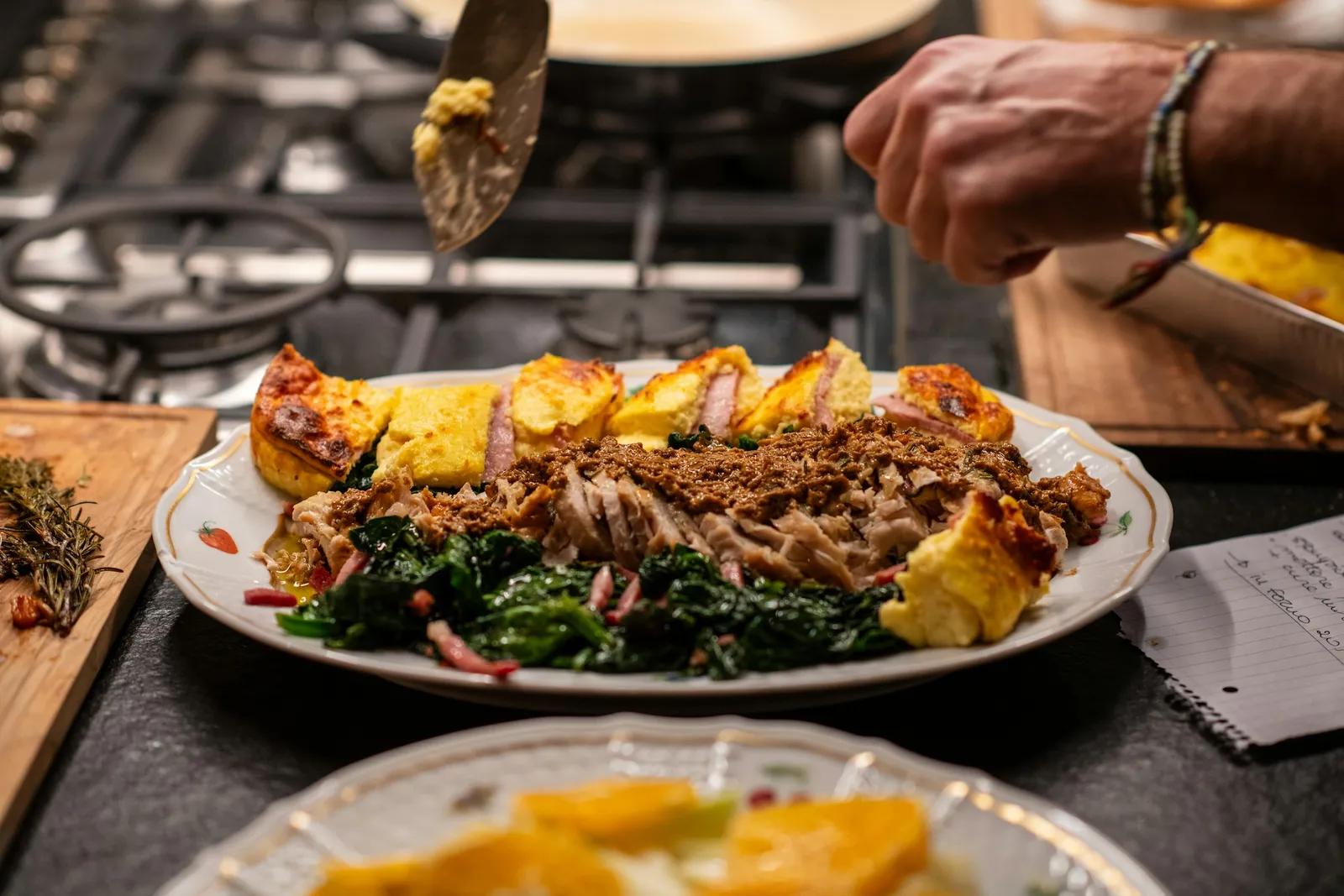
In the Italian port of Livorno, passengers on Disney itineraries visit a country estate, learn Tuscan culinary techniques, and explore wine cellars. That kind of immersive shore-to-ship connection changes how passengers relate to a recipe. They’ve touched the land the food comes from, and that experiential anchor is part of what makes the dish memorable enough to recreate at home.
Oceania extends culinary programming beyond the ship through Culinary Discovery Tours combining shore excursions with onboard classes, with passengers potentially visiting Livorno’s Mercato Centrale with a chef instructor, shopping for ingredients, then returning to the ship for a cooking demonstration using what they purchased. That full loop, from market to kitchen to table, is the kind of experience that genuinely rewires how people shop and cook when they get home.
Sushi from Holland America’s America’s Test Kitchen Partnership
Holland America partnered with the popular television cooking program America’s Test Kitchen for live onboard cooking shows, with all Holland America Line ships featuring a replica of the TV show’s set where chefs present 45-minute shows covering recipes that include tacos, takeout dinners, sweet treats, dinner classics for two, and Mediterranean-inspired meals. The partnership brings a built-in authority to the classes. Passengers who already trust the America’s Test Kitchen brand arrive with a different level of engagement.
Holland America Line holds 45-minute complimentary culinary demos on sea days and charges a modest fee for private cooking classes with the chef. The accessible price point and the familiar TV format mean that even passengers who wouldn’t normally sign up for a cooking class end up attending, and many leave with techniques they genuinely apply at home. The takeout-style dinners and Mediterranean meals tend to be the ones that resurface most frequently in home kitchens, precisely because they fit naturally into busy weeknight routines.
The Takeaway
The dish a passenger recreates at home six months after a cruise isn’t always the flashiest one from the class. Often it’s the one that clicked, the technique that finally made sense, or the flavor combination that opened a door they didn’t know was closed. Long gone are the days of massive buffets and sub-par dining at sea, with cruise ships now functioning as culinary destinations where guests can genuinely explore new cuisines both on and off the vessel.
Culinary Discovery Tours, offered in over 40 destinations, let guests cook region-inspired dishes on board after sourcing ingredients at local markets or learning from local experts. That combination of place, instruction, and hands-on practice is what makes the memory of a shipboard cooking class so durable. The real souvenir isn’t a jar of spice bought at port. It’s a skill, practiced confidently, at a kitchen counter far from any ocean.
AI Disclaimer: This article was created with the assistance of AI tools and reviewed by a human editor.