


Water parks have a way of making a whole day disappear. You step through the gates, the smell of chlorine hits, the screaming kids are already running, and suddenly you realize you left the sunscreen on the kitchen counter. It happens more often than anyone admits.
Getting the packing right is the difference between a genuinely great day and an exhausting one. These five essentials cover everything that actually matters, from skin protection to keeping your feet in one piece.
1. High-SPF, Water-Resistant Sunscreen
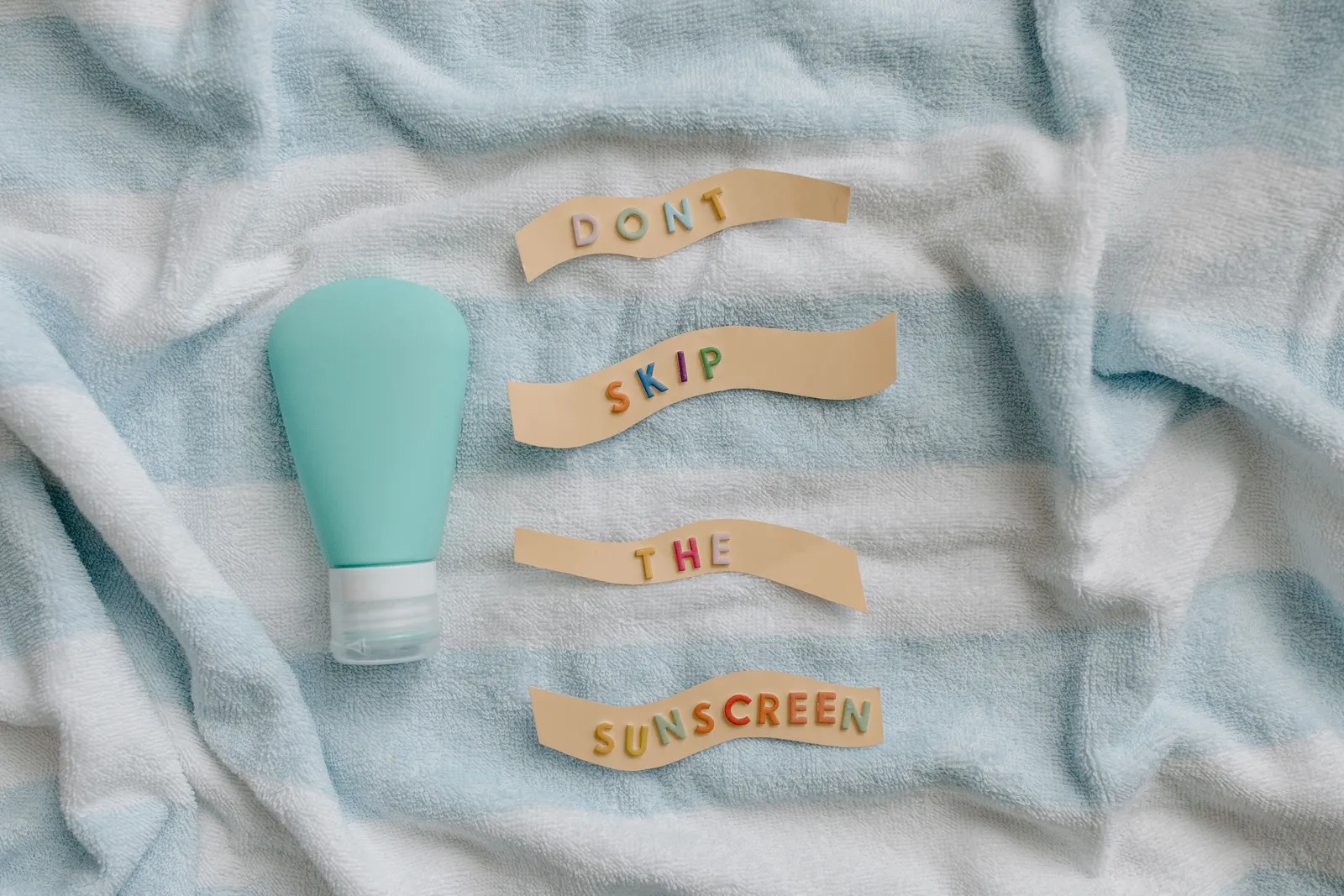
Dermatology organizations recommend daily use of a broad-spectrum, water-resistant sunscreen with an SPF of 30 or higher, applied in sufficient quantity and reapplied regularly when outdoors. At a water park, where you’re spending hours in direct sun with wet skin, this recommendation becomes non-negotiable.
UV exposure adds up fast when you are on the water, and most people do not realize how quickly they burn in the reflective glare off a lake. Reapply every two hours, especially after getting in the water.
CNN Underscored’s dermatologist-reviewed guide includes only broad-spectrum sunscreens of SPF 30 or higher, on the recommendation of the American Academy of Dermatology, with the maximum 80 minutes of water resistance. Look for that 80-minute water resistance rating specifically, since most formulas offer far less time in water than you might expect.
Apply SPF 30 or higher before you leave the house, not in the parking lot. Avoiding ultraviolet light can potentially prevent nearly 3 million cases of skin cancer annually. That’s a compelling reason to pack an extra bottle.
2. Proper Swimwear and a Backup Suit

Pack comfortable swimwear and rash guards, including a backup suit or two, for extra sun protection. A rash guard adds a meaningful layer of UV protection without the need to reapply sunscreen over that area every two hours, which makes it a smart choice especially for kids.
For aqua parks, fitted suits hold up better than loose styles when you hit the obstacles. Loose swimwear can shift awkwardly on high-speed water slides, which is both uncomfortable and potentially a safety issue with some ride configurations.
It’s much easier to change into a dry set than to wrangle little ones back into cold, damp suits after lunch. A spare suit takes up almost no space in a bag and saves a tremendous amount of friction mid-day.
3. Water Shoes or Reliable Sandals
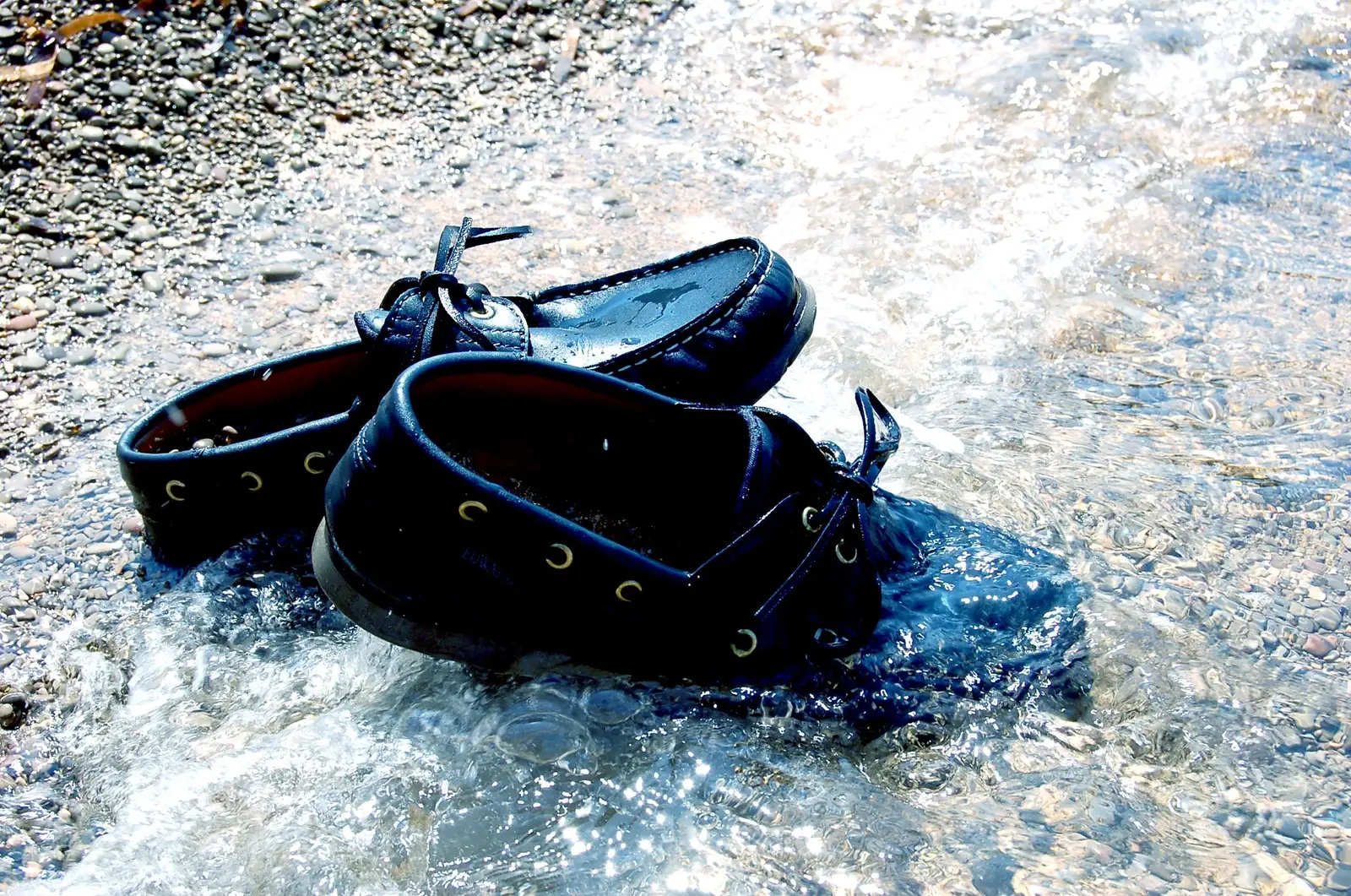
Pavement at outdoor water parks gets brutally hot by midday, and the bottom of pools and slides can be rough on bare feet. Going barefoot might seem fine at 10 in the morning, but by early afternoon the concrete around wave pools and lazy rivers can reach temperatures that make every step uncomfortable.
Water shoes, designed for aquatic environments, offer excellent grip and foot protection and are ideal for all-day wear around the park. Choose quick-drain materials and non-slip soles. That last detail matters more than most people realize, since wet pool decks are genuinely slippery.
Flip-flops are lightweight and easy to take off or put on, and are great for short walks, restroom breaks, or lounging poolside. However, their lack of support and grip makes them unsuitable for water rides or lots of walking. If you prefer sandals, bring a pair that straps securely to the foot rather than a flat slip-on style.
4. A Reusable Water Bottle and Hydration Strategy
Approximately 50 to 75 percent of the U.S. population may suffer from chronic dehydration. Add a full day of outdoor activity in the heat, and the risk compounds quickly. The irony of becoming dehydrated at a water park is real and surprisingly common.
Research shows that even one to two percent body weight loss from dehydration reduces physical performance by 5 to 10 percent. By the time you feel thirsty, you’re already dehydrated. Children are especially vulnerable, since they lose fluids faster during active outdoor play and are less likely to notice when they need water.
Children are more vulnerable to dehydration because they can lose fluids quickly during active outdoor play and may not recognise when they are thirsty. Common signs of dehydration include a dry mouth, darker urine, reduced urination, fatigue and irritability. A reusable bottle for every person in your group makes staying ahead of thirst much more manageable than hunting down a drinking fountain every hour.
5. A Dry Bag and a Change of Clothes

A good dry bag should have a reliable roll-top seal and be large enough to hold your essentials. These waterproof storage bags protect clothes, electronics, and personal items from splashes or accidental submersion. A phone, wallet, and spare sunscreen stored loosely in a regular tote bag at a water park is a recipe for a damaged screen and a soaked credit card.
The key is to keep wet items separate from dry clothes, phones, snacks, and wallets. A dry bag solves this completely, and a mid-size roll-top model holds everything a family of four needs to protect for a full day.
Pack a soft cotton t-shirt and shorts, include fresh underwear and socks, and bring a small wet bag to store used swimwear so it doesn’t soak your clean items. The ride home in dry, comfortable clothes after a long day in and out of water is one of those small comforts that feels disproportionately good.
What to Pack for Snacks (a Practical Add-on)

The best foods to take to a water park include protein bars, nuts and seeds or trail mix, jerky, peanut butter and celery sticks, and Greek yogurt parfaits. All are high in protein, which in turn will keep you more satiated throughout the day.
Packing your own snacks means you can grab something quickly without leaving the lounge chair, and it also reduces the pressure to spend on overpriced park food every time someone gets hungry. Pack things that hold up well in heat: granola bars, protein bars, fruit snacks, trail mix, pre-cut fruit in a sealed container, and string cheese with ice packs are all easy options.
Sun-Protective Accessories Worth Adding

Staying sun-safe is easy with reef-friendly SPF 30 or higher, SPF lip balm, and polarized sunglasses. Sunglasses often get left behind because people assume the water will take care of them, but squinting in strong afternoon glare for hours leaves you with a real headache by late afternoon.
Baseball caps or sunhats are perfect for keeping ears and noses burn-free. Ears and the back of the neck are consistently the most sunburned and least-remembered spots at outdoor water parks, and a simple hat covers both.
A Small First Aid Kit
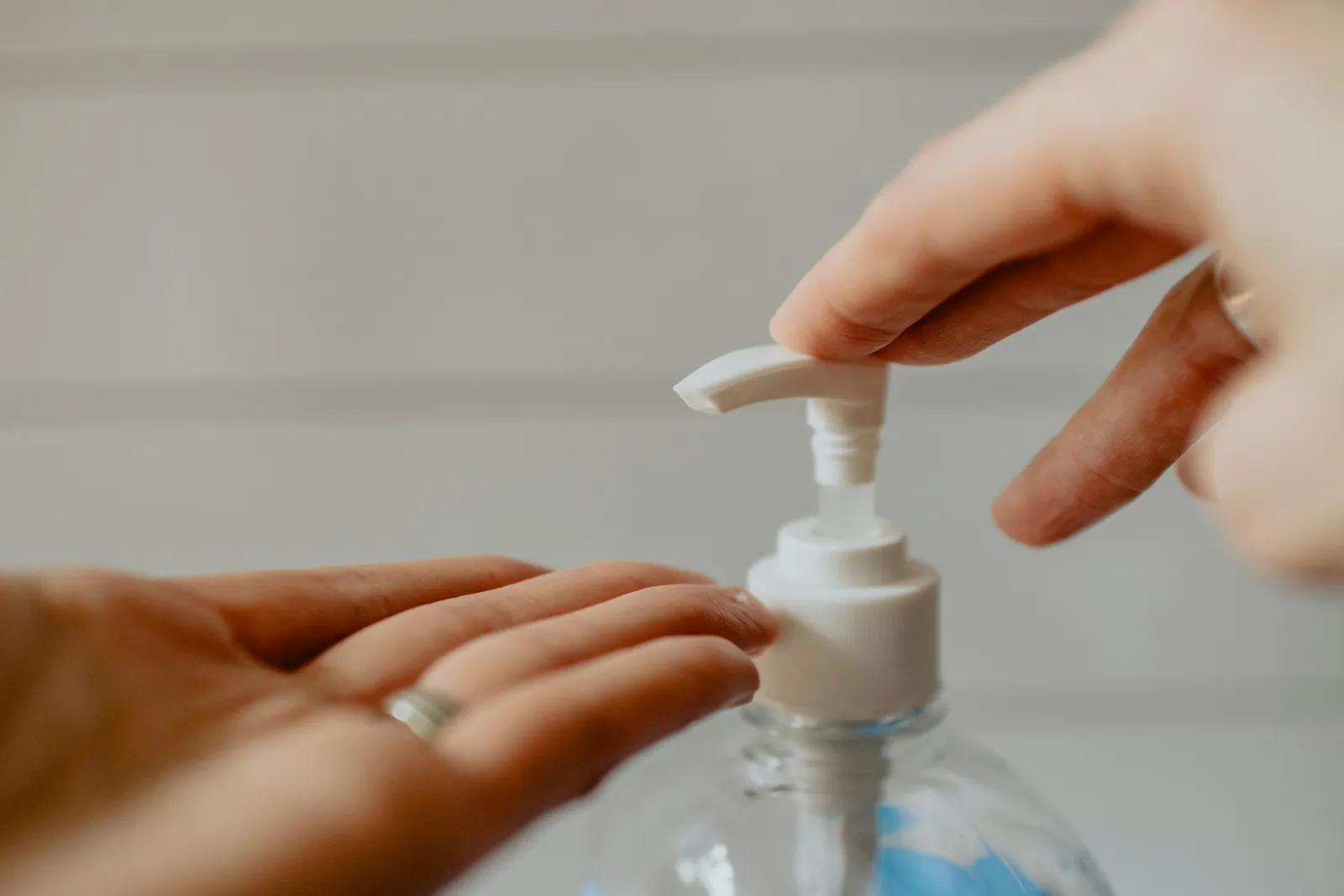
Hand sanitizer is a given, especially before eating. A tiny first aid kit with a few bandages, blister bandages, and travel-size pain reliever is worth the bag space too.
Slippery surfaces and bare feet means small scrapes happen, and walking back to the first aid station for a single bandage is the kind of small thing that takes thirty minutes you would rather spend on a slide. A compact kit weighs almost nothing and covers the most common minor issues.
Toss in some blister patches, anti-chafe balm, and your preferred over-the-counter pain reliever. Walking between attractions in wet sandals for several hours is the classic recipe for a blister, and having a patch ready means you keep moving instead of limping.
A Waterproof Phone Pouch
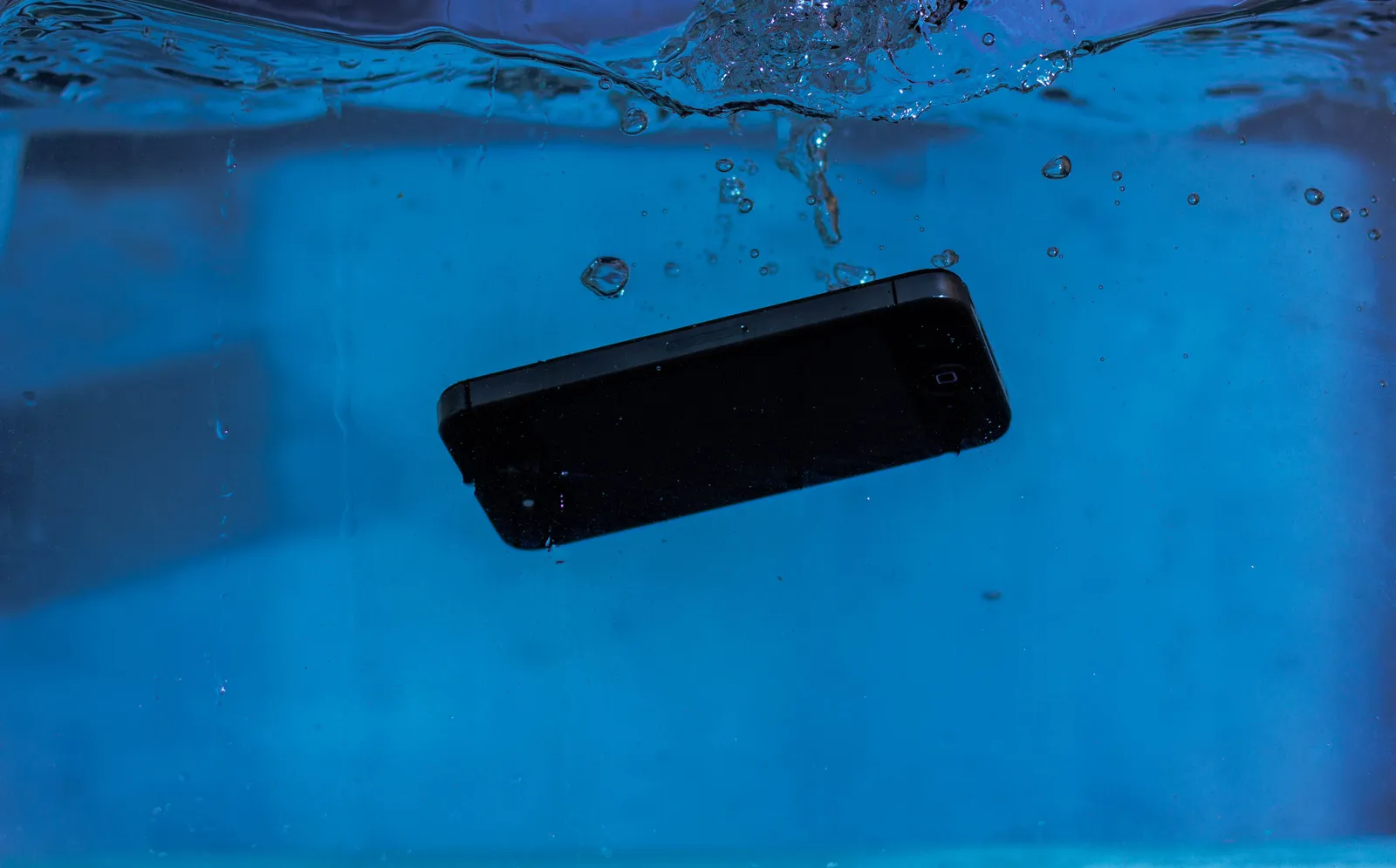
A waterproof bag protects phones, wallets, and other valuables against damage from water. A pouch that seals around your phone also lets you keep it accessible for photos without the anxiety of a splash sending it to the bottom of a wave pool.
Bring a portable charger so you’ll have enough battery to capture memories throughout the day. A full day of photos, music, and navigation at a large park drains a phone faster than expected, and a compact power bank in your dry bag solves this entirely.
How to Pack the Bag Itself
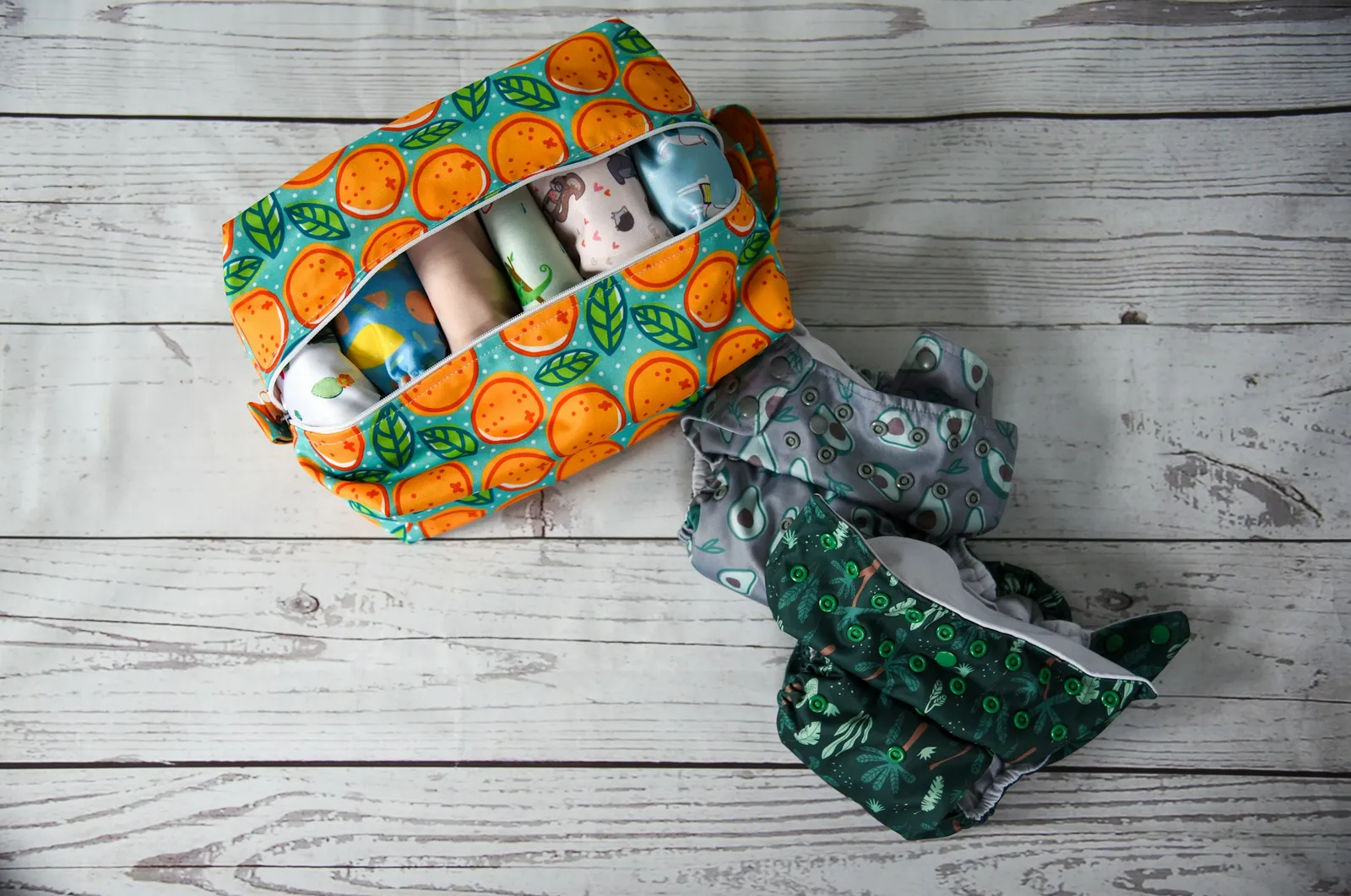
A beach bag, backpack, tote, diaper bag, or swim bag can all work well. The specific bag matters less than how it’s organized inside. Wet items in one zone, dry essentials in another, and snacks accessible at the top.
Packing the right items ahead of time helps you avoid last-minute stress and ensures your family is ready for a full day without unnecessary detours to park shops or rental counters. Spending ten minutes the night before to lay everything out is the simplest way to make sure nothing important gets left on the kitchen counter.
The Takeaway

A water park day at its best is genuinely joyful, the kind of day that ages well as a memory. Getting there requires surprisingly little planning, but that little bit matters. Sunscreen, the right swimwear, water shoes, hydration, and a dry bag cover the overwhelming majority of what can go wrong.
Everything else is either a nice bonus or something the park can provide. Pack light, pack smart, and spend your energy on the slides.
AI Disclaimer: This article was created with the assistance of AI tools and reviewed by a human editor.