
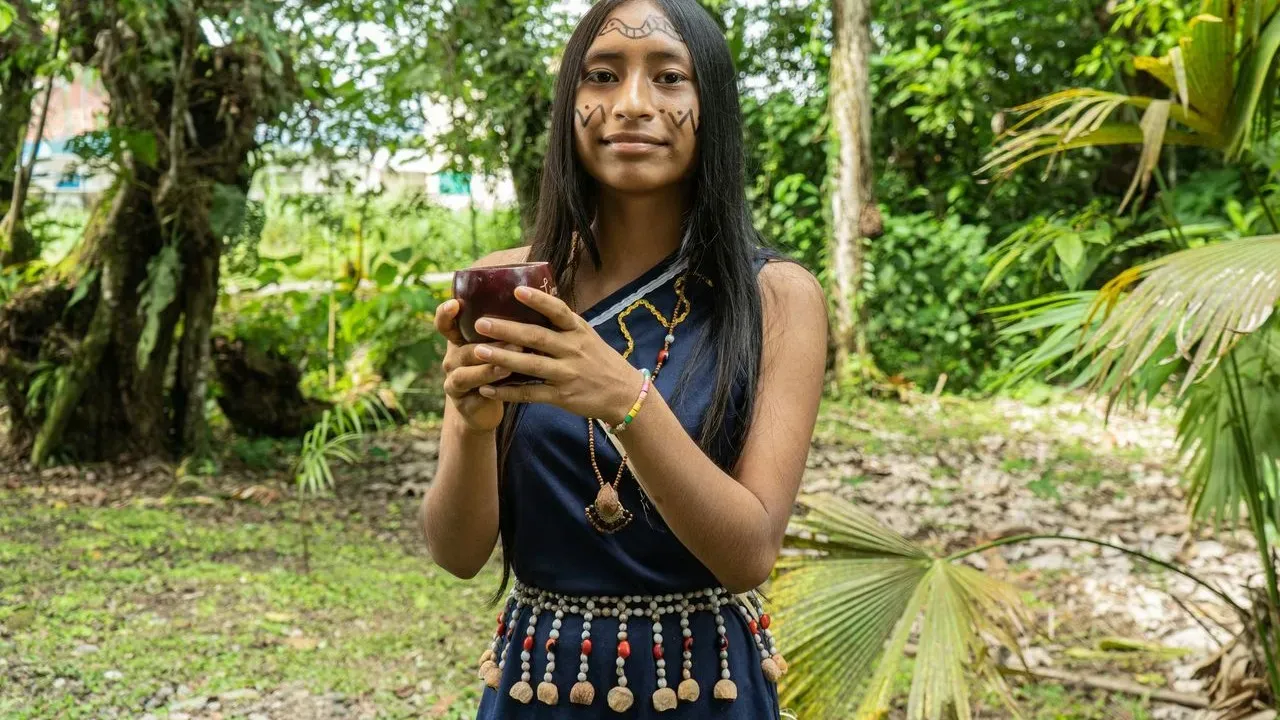

Representatives from Indigenous communities across four Amazon nations are heading to Vienna this week to address a United Nations conference on transnational organized crime. Their participation underscores the direct link between protecting ancestral lands and addressing the networks that drive environmental harm in the rainforest. More than a dozen leaders from Peru, Brazil, Colombia and Ecuador will join the Oct. 19-23 gathering, known as COP13, to advocate for stronger recognition of their territorial rights and a greater role in shaping international responses. ([1])
Stewards of a Shared Rainforest
Indigenous peoples have long maintained the ecological balance of the Amazon through generations of careful observation and community governance. Leaders at the Vienna meeting emphasize that their territories function as living systems where rivers, forests and wildlife remain interconnected with daily life. This stewardship extends beyond local boundaries, supporting global climate stability and biodiversity that benefits distant regions as well.
By bringing their experience to the UN forum, these representatives seek formal acknowledgment of the practical knowledge they hold. Their approach centers on prevention and monitoring rather than reactive measures alone. Such perspectives add depth to discussions that often focus narrowly on enforcement without addressing root causes tied to land rights.
Concrete Steps Already Underway
Communities have established monitoring posts staffed by trained Indigenous guards to observe and report unauthorized activities in sensitive areas. In one Peruvian territory, two such stations operate with teams dedicated to protecting waterways and forests from encroachment. Similar initiatives in other regions combine traditional tracking methods with coordination alongside national authorities to strengthen early detection.
These efforts demonstrate how local capacity can complement broader policy frameworks. Leaders note that sustained support for community-led patrols helps maintain continuity even when external operations shift focus. The model highlights the value of investing in people who know the terrain intimately and remain present year-round.
Key Elements of the Appeal
- Recognition of Indigenous territorial guards as legitimate partners in protection efforts
- Tracing financial flows that sustain illegal extraction and trafficking
- Consultation with affected communities during development of any new international protocol
- Support for land rights that enable long-term stewardship
Looking Ahead from the Conference
Delegates at COP13 are expected to consider launching negotiations on a protocol addressing environmental crimes linked to organized networks. Indigenous representatives hope the process will include meaningful input from those most directly connected to the affected landscapes. This inclusion could help shape measures that prove durable and respectful of existing community structures.
The outcome will influence how governments balance enforcement with prevention across borders. Continued dialogue offers an opportunity to align international commitments with the lived realities of rainforest communities. Their presence in Vienna marks a step toward integrating those realities into global decision-making.
AI Disclaimer: This article was created with the assistance of AI tools and reviewed by a human editor.