
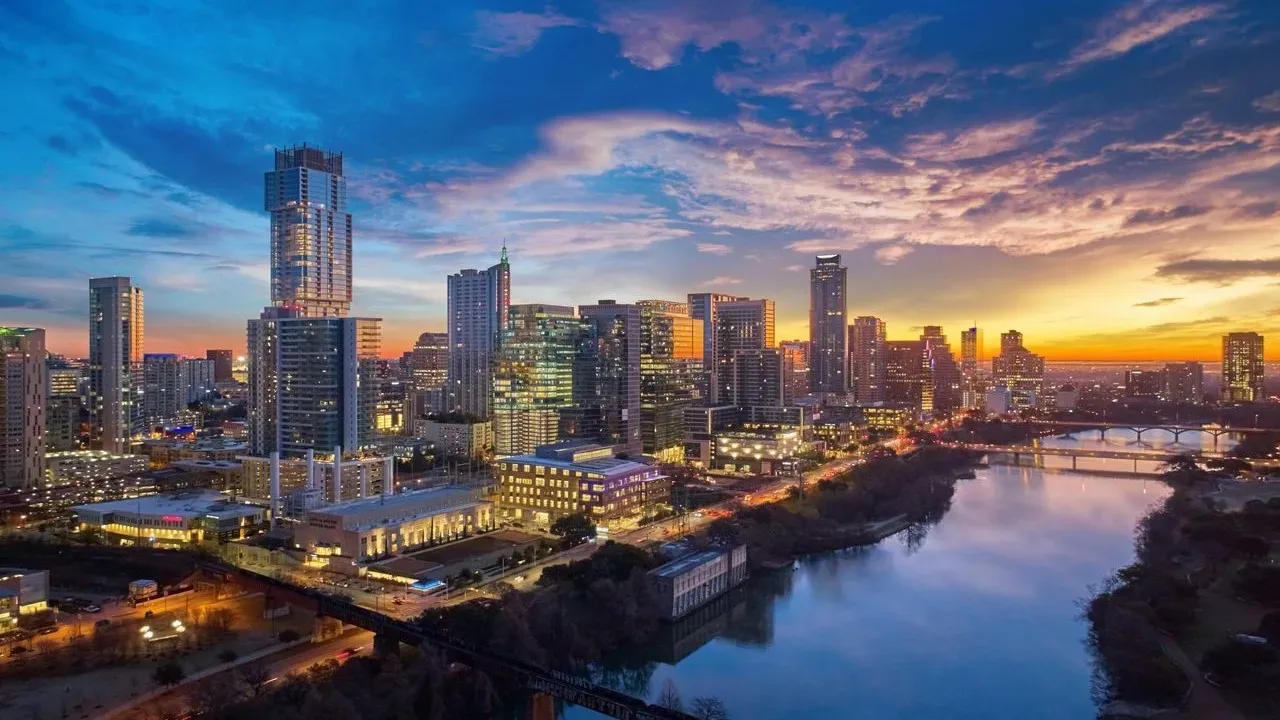

Austin, Texas – As the calendar turns toward November, residents and visitors alike are preparing for the annual shift when clocks fall back one hour. This change, set for the early morning of November 1, 2026, marks the end of daylight saving time across most of the country. The adjustment brings an extra hour of rest yet also shifts evening light earlier, creating a distinct seasonal rhythm in the city. Coverage from KXAN highlights how this transition affects daily patterns in Austin and beyond ([1]).
The Timeline of the Change
Daylight saving time concludes on the first Sunday in November each year, returning the region to standard time. In 2026 that date falls on November 1, when clocks move from 2 a.m. to 1 a.m. The practical effect is that sunset occurs roughly an hour earlier in the evening compared with the preceding weeks. Travelers planning trips to Austin during this period can anticipate shorter afternoons of bright light and a quicker transition into the softer tones of dusk. Local businesses and outdoor venues often adjust their schedules around this shift. Parks and trails remain open later into the evening, yet the window for bright daylight activities narrows. Understanding the exact date helps visitors coordinate arrivals, departures, and evening plans without disruption.
Golden Hour as a Seasonal Opportunity
The earlier arrival of sunset opens a reliable window for experiencing Austin’s distinctive golden hour light. This brief period, when the sun sits low on the horizon, casts a warm glow across the city’s limestone buildings, the Colorado River, and surrounding hills. Photographers, walkers, and anyone seeking a quiet moment outdoors find the timing particularly rewarding in the weeks following the time change. Many visitors discover that planning a late-afternoon stroll or a riverside pause aligns naturally with the new light schedule. The cooler temperatures that accompany fall further enhance these outings, allowing comfortable time outside without the intensity of summer heat. The result is a gentle invitation to slow down and notice the changing season in a city known for its outdoor character.
Practical Planning for Travelers
Those arriving in Austin after November 1 benefit from building golden-hour experiences into their itineraries. A simple approach involves scheduling walks along the Ann and Roy Butler Hike-and-Bike Trail or visits to viewpoints overlooking Lady Bird Lake during the late afternoon. Reservations at restaurants with patios can be timed to capture the transition from daylight to evening. Transportation and event planning also become more straightforward with awareness of the earlier dusk. Rideshares and public transit operate on consistent schedules, yet the visual appeal of the city changes noticeably once the sun drops. Packing a light layer for the cooler evening air completes the preparation for these seasonal moments.
Local Rhythm and Lasting Appeal
Austin’s community has long adapted to the twice-yearly clock adjustments with a focus on making the most of available light. The fall transition reinforces a shared appreciation for the city’s natural setting and its blend of urban energy and nearby open spaces. Visitors who align their days with the earlier sunsets often leave with a deeper sense of the place and its seasonal character. This annual shift ultimately underscores the value of intentional timing when exploring any destination. In Austin, the weeks after November 1 offer a distinctive window for experiencing the landscape in a new light, one that rewards those who plan with care and curiosity.
AI Disclaimer: This article was created with the assistance of AI tools and reviewed by a human editor.