
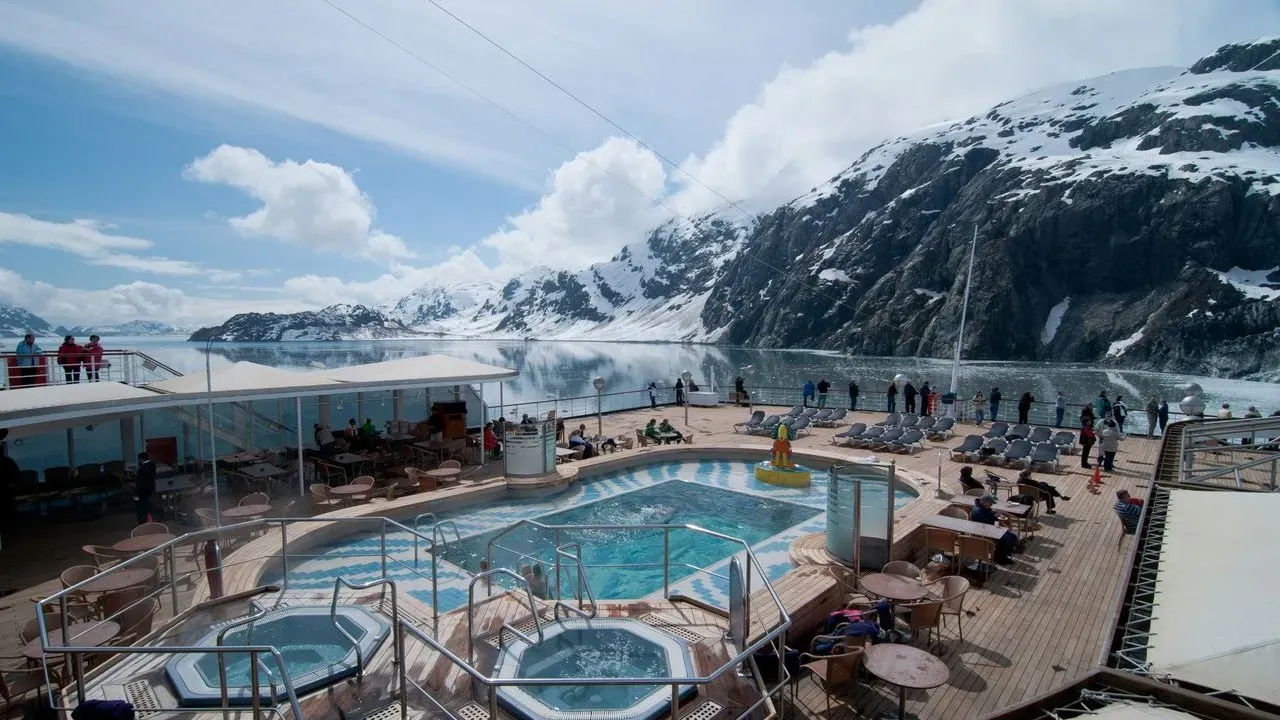

Alaska cruises draw travelers to a coastline shaped by glaciers, forests, and long-standing communities. The most common stops include Ketchikan, Juneau, and Skagway, yet many itineraries also call at smaller ports that highlight distinct local histories and landscapes. These places reward visitors who take time to notice the details of daily life and the surrounding environment.
The familiar core stops set the stage
Ketchikan sits along the Inside Passage just north of the Canadian border and serves as an early introduction to Southeast Alaska for many passengers. Its boardwalks and stilt houses along the harbor reflect a history tied to fishing and the Tlingit people who have lived in the area for centuries. Rain falls on roughly 233 days each year, so visitors often carry layers that handle frequent showers while exploring nearby trails and parks. Juneau, the state capital, remains reachable only by air or sea and offers a range of excursions that extend beyond the immediate waterfront. Mendenhall Glacier lies about a half-hour drive from the docks, providing trails and interpretive displays that help travelers understand the region’s ice fields. Whale-watching tours on the Gastineau Channel and hikes accessible via the Mount Roberts Tram add further options for those who prefer time on the water or in the hills. Skagway preserves much of its late-1890s appearance from the gold rush era, including the steep grades of the White Pass & Yukon Route Railway. The town’s roughly 800 year-round residents maintain shops and breweries that reflect both tourist traditions and local craftsmanship. Nearby trails lead toward the former settlement of Dyea, where remnants of the gold rush era still stand amid the landscape.
Smaller ports add texture to an itinerary
Haines lies a short ferry ride from Skagway and serves as a quieter base for hikes, rafting, and visits to the Fort William H. Seward National Historic Landmark. The Hammer Museum downtown offers an unusual collection that draws attention to everyday tools and local ingenuity. Travelers often combine a day here with time in Skagway when schedules align. Sitka occupies the western end of Baranof Island and carries visible traces of its time as a Russian outpost until 1867. St. Michael’s Cathedral and the Russian Bishop’s House stand as reminders of that period, while the Alaska Raptor Center and Fortress of the Bear provide opportunities to learn about local wildlife rehabilitation efforts. Smaller ships sometimes anchor in the bay and tender passengers directly into the center of town. Icy Strait Point began as a former cannery and now operates as a destination developed with the Huna Totem Corporation. A mountaintop gondola and one of the world’s longest zip lines offer elevated views of the surrounding waters and forests. Restaurants on site serve local salmon chowder and brews made specifically for the location, and many staff members come from the nearby village of Hoonah.
Additional calls extend the journey
Wrangell attracts smaller expedition ships and features Petroglyph Beach State Historic Site, where ancient rock carvings line the shoreline. The Rainbow Falls Trail and a replica of a traditional Tlingit house provide further points of interest within easy reach of the docks. The town’s scale keeps the pace unhurried and focused on the immediate surroundings. Prince Rupert in British Columbia sits close to Ketchikan and serves as a cargo port within a deep, ice-free harbor. Trails such as the Butze Rapids path and preserved vessels like the Kazu Maru offer glimpses of both natural features and maritime history. The area remains the traditional home of the Coast Tsimshian people. Victoria, the capital of British Columbia, presents a compact downtown filled with historic buildings and gardens. The Parliament Buildings and the Fairmont Empress hotel anchor evening visits for many ships returning toward Seattle. All-day calls by some lines allow more time to explore the Inner Harbour and nearby attractions such as The Butchart Gardens.
Planning considerations for a balanced voyage
Cruises departing from Seattle must include at least one Canadian port to meet U.S. cabotage requirements, which often brings calls at Prince Rupert or Victoria. Passengers on larger vessels may encounter shuttle arrangements at certain berths, such as Ward Cove near Ketchikan, that require extra time for transfers. Checking specific docking locations in advance helps travelers allocate their time ashore effectively. Respect for local communities and ecosystems remains central when visiting these ports. Many sites reflect ongoing connections between residents and the land, and visitors who approach each stop with curiosity about both natural features and cultural context tend to leave with a fuller sense of the region. Choosing an Alaska cruise that mixes well-known and smaller ports creates space for varied experiences across a single voyage. The coastline rewards those who notice the interplay of weather, history, and daily life at each stop.
AI Disclaimer: This article was created with the assistance of AI tools and reviewed by a human editor.