


Most families spending weeks planning a trip abroad will obsess over passports, travel insurance, and hotel locations – and then show up at the rental car desk completely unprepared for the one question that matters most: is this car seat actually legal here? It’s a detail that catches experienced travelers off guard, not just first-timers.
The rules surrounding child car seats vary dramatically from country to country, and what’s perfectly acceptable at home can be a legal violation the moment you cross a border. Understanding exactly what to check – and when to check it – is what separates a smooth family road trip from a stressful one.
Your Home Country’s Car Seat Is Not Automatically Legal Abroad
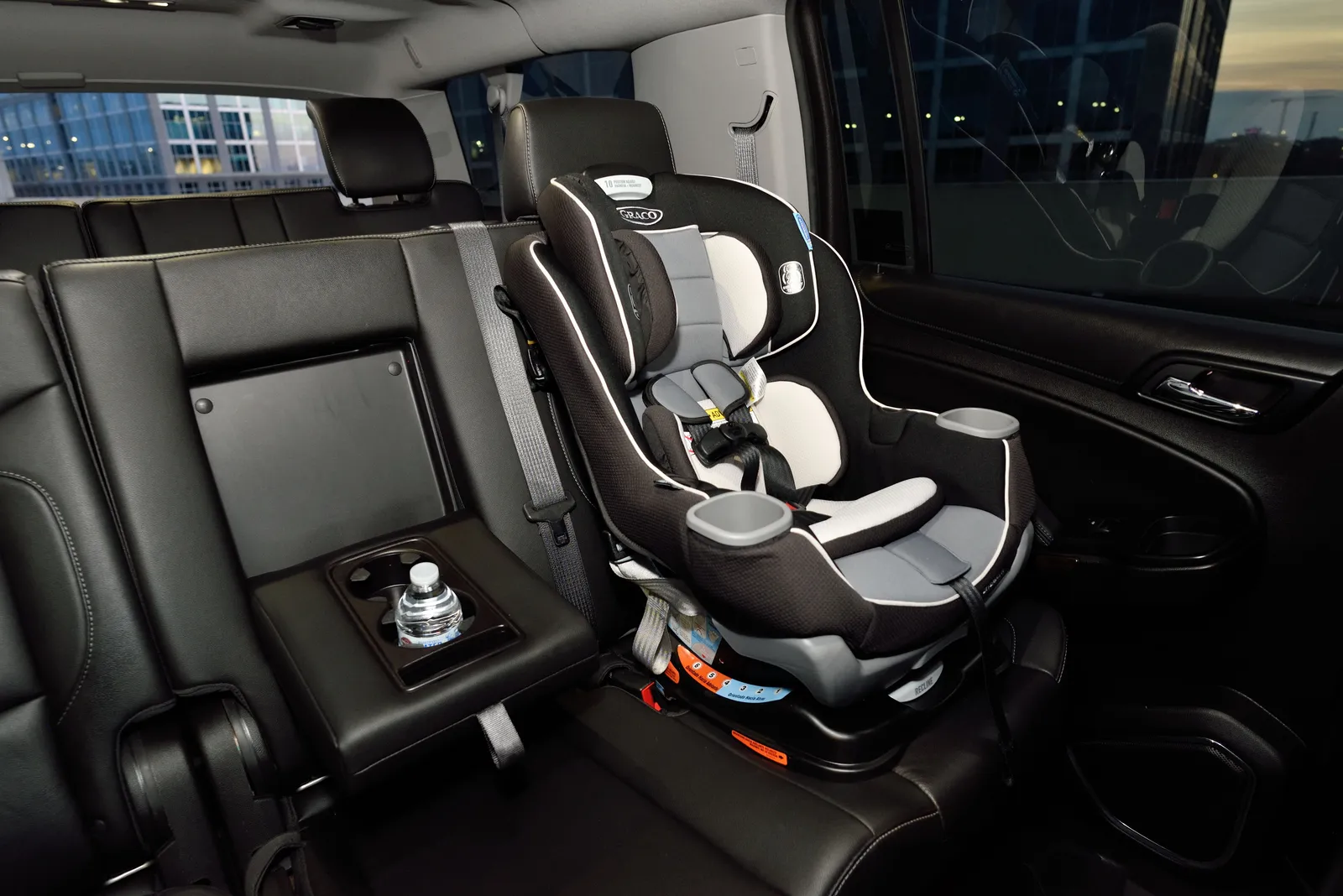
This is the rule most families forget. A car seat that’s certified and safe in the United States is not necessarily street-legal in Europe, and vice versa. European car seats approved under ECE R44/04 or ECE R129 standards cannot typically be used in the USA. The reverse is equally true: a seat meeting American federal standards will not carry the certification mark required in Europe.
In the UK and Europe, only seats approved by the EU and meeting EU safety standards are legal, and the seat should carry a label with a capital “E” in a circle and either “ECE UN R44” or “R129” to confirm compliance. If your seat doesn’t show that label, it doesn’t meet the legal requirement – full stop.
In Australia, you cannot use a child car seat bought or hired in the UK because it won’t comply with the Australian and New Zealand Standard AS/NZS 1754, and it also won’t be compatible with the anchorage system in Australian vehicles. This kind of incompatibility is easy to overlook until you’re already at the airport.
The Safety Case Behind the Rules

These regulations exist for a very clear reason. In 2024, 550 child occupants under age 13 died in traffic crashes in the United States; the NHTSA estimates that car seats reduce the risk of fatal injury by 71% for infants younger than one year old and by 54% for toddlers aged one to four in passenger cars. Those are numbers that put the stakes in plain terms.
Child car seats protect children in the event of an accident and reduce the risk of injury by distributing impact forces more safely across the strongest parts of the body, and they protect the developing body of a child by offering support to the head, neck, and spine in ways that a usual seat belt cannot. No country’s rules on this topic are bureaucratic overreach. They reflect real, documented outcomes.
Europe’s New i-Size Standard Is Changing the Picture
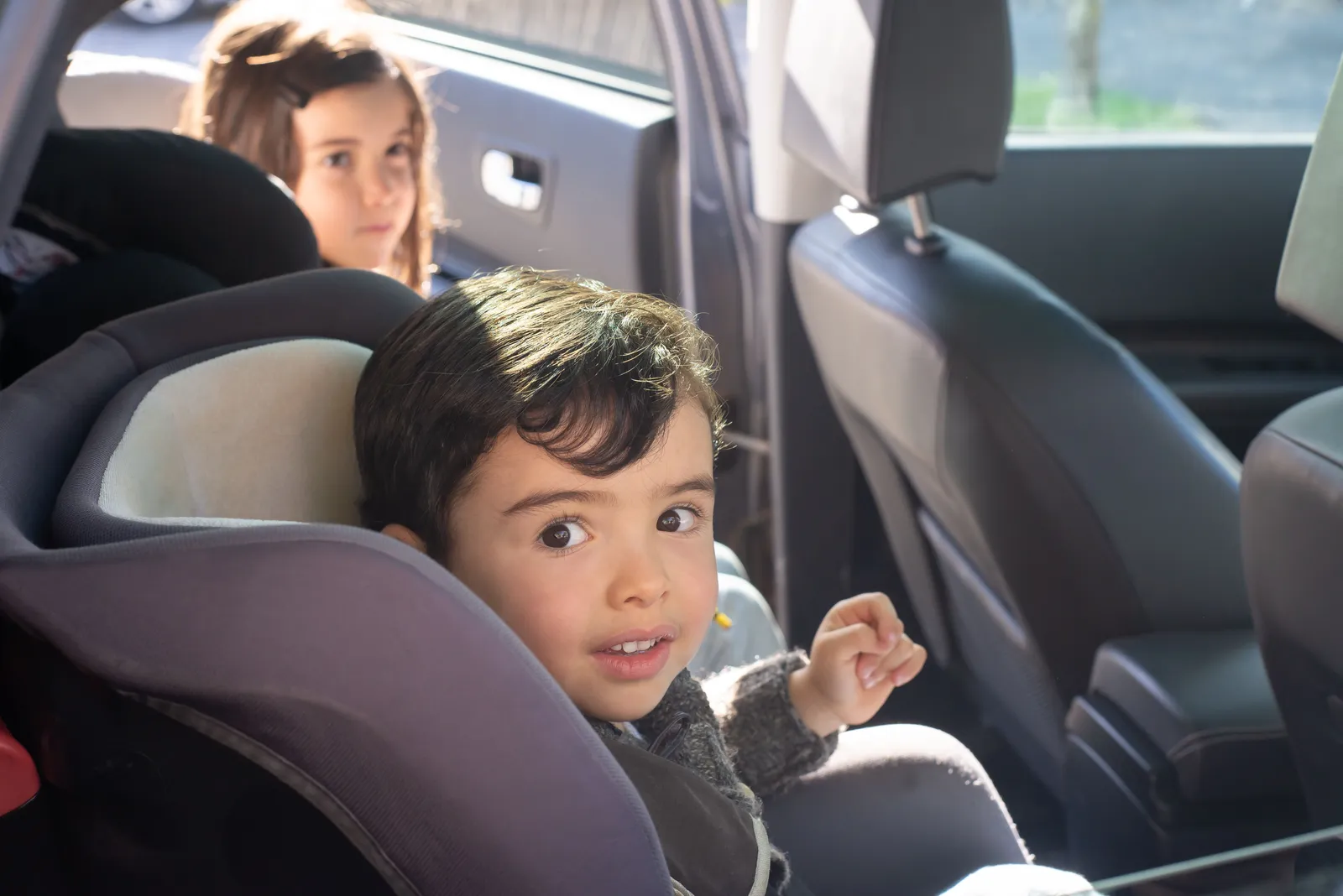
Even within Europe, the rules have been shifting. From September 2024, all children under 135 cm in height must travel in an approved child restraint system, and seats must now comply with the R129 regulation, also known as i-Size, which simplifies selection by using height rather than weight. This is a meaningful update that many families renting in Europe haven’t yet heard about.
R44 car seats can still be used, but new models will no longer be sold after September 2024, as regulators will only allow the sale of R129-certified seats going forward. If you’re renting a seat through a European car hire company, it’s worth specifically asking which standard the seat meets before you accept it.
Children under 15 months must travel in a rear-facing car seat whenever possible, as this significantly reduces injury risks in the event of a crash. That particular requirement applies across most of Europe and is not negotiable when renting a vehicle.
Every Country Sets Its Own Age and Height Rules
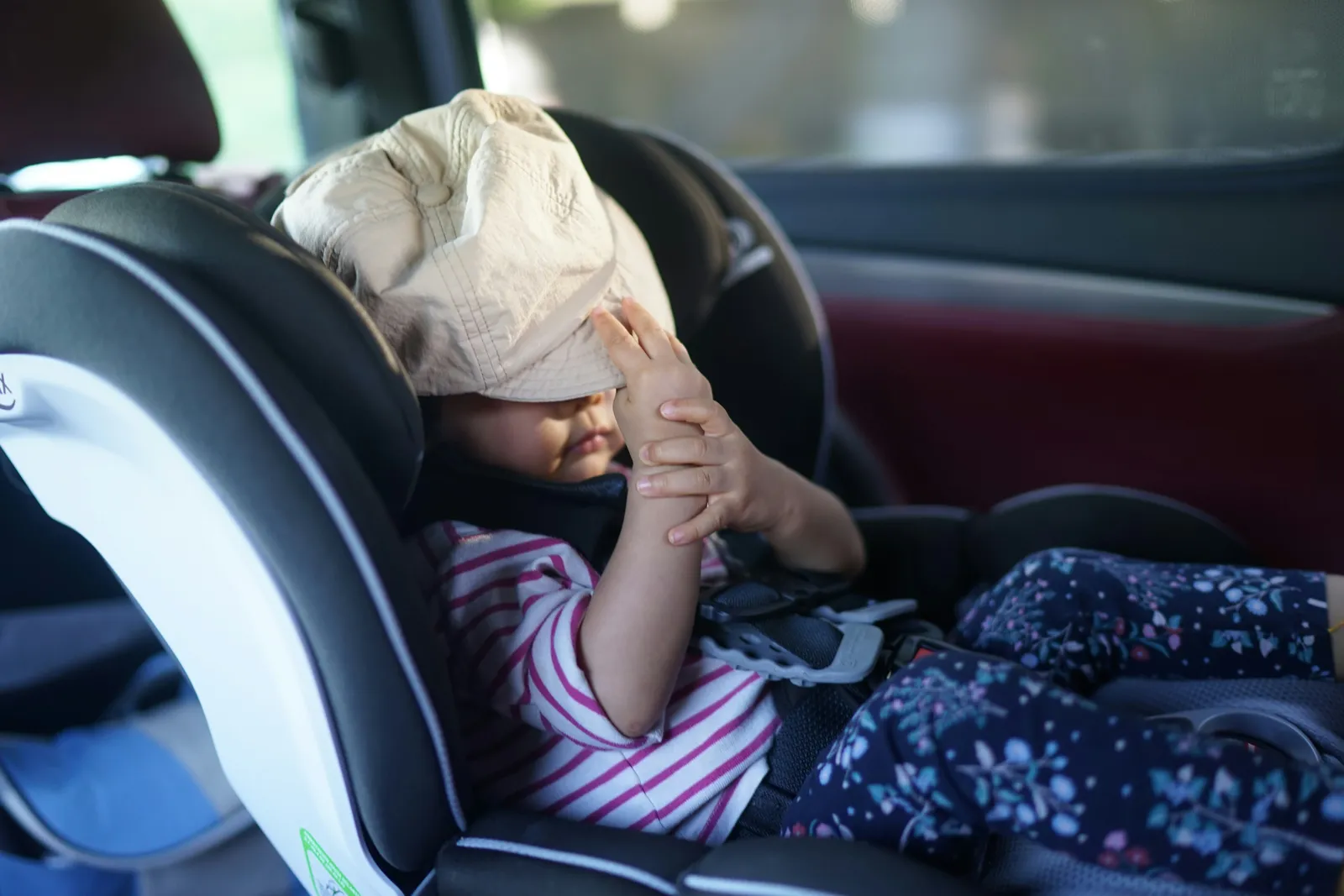
There is no single global rule, which is part of what makes international travel with children genuinely complicated. In France, all children under the age of 10 years and less than 135 cm tall must use an R44 or R129 approved child car seat secured in the back seat of the car. Germany goes further: children under the age of 12 years and less than 150 cm tall must travel in an R44 or R129 child car seat or booster seat.
The United States operates entirely differently. Each state has its own set of regulations regarding child car seats, and these typically specify the minimum age requirements for transitioning infants and children between different types of seats. That means traveling across state lines can already involve navigating different rules, let alone crossing an ocean.
Most states do not exempt rental cars or out-of-state drivers from their child safety seat laws, so you are responsible for compliance even if you’re just visiting. The same principle applies in most countries abroad: being a tourist provides no protection from local traffic law.
The Installation Problem No One Warns You About
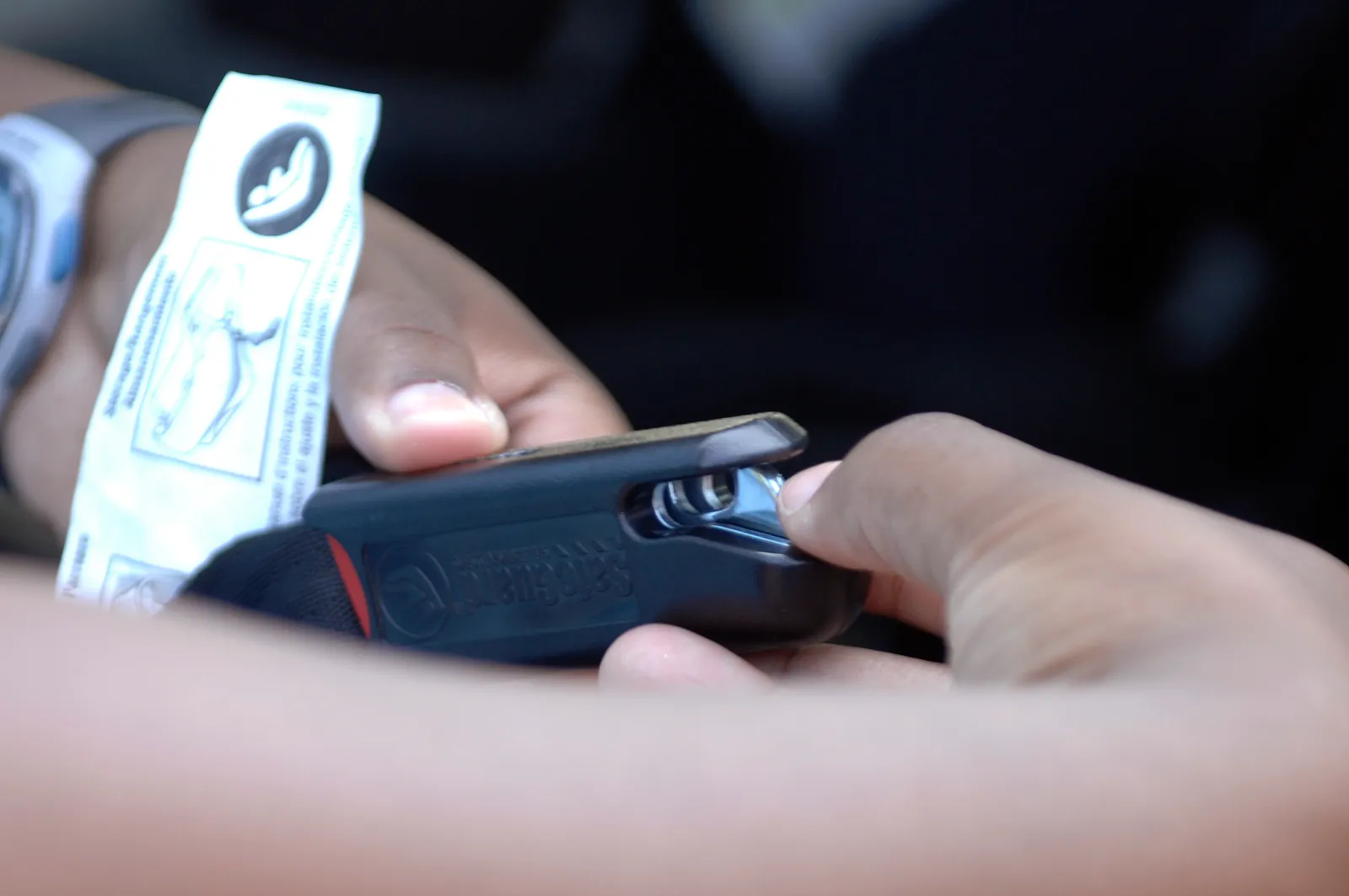
Shockingly, according to the National Digital Car Seat Check Form database, 67% of car seats checked in 2024 were improperly installed or used. That figure comes from everyday domestic use, where parents are in familiar cars with familiar equipment. The numbers almost certainly get worse when parents are installing a seat they’ve never seen before, in a foreign rental car, after a long international flight.
The three most common misuses are: the car seat installation being too loose, not using the tether when installing a forward-facing car seat, and the harness being too loose when securing a child in a car seat. All three are easy mistakes in any context, but they become even more likely when you’re unfamiliar with the specific seat provided by a rental company.
Two installation rules trip up American families specifically: UK guidance requires deactivating any front airbag before fitting a rear-facing seat in a front seat, and forbids fitting a child seat in a side-facing seat at all. Neither is unusual, but both are easy to violate in a small European car where the front passenger seat looks like the obvious spot.
Rental Company Seats Come With Real Caveats

Renting a seat through the car hire desk can be the right call, but it comes with genuine uncertainties that families should understand before relying on it. Renting a car seat at your destination could be an option, though it’s not always recommended, as you might end up with a model that your child doesn’t fit easily or that is difficult to install. However, renting in the country you are traveling to would at least ensure you are using a seat appropriate for that country’s legal requirements.
Rental car company seats raise a real safety concern because you don’t know the history, cleaning, or condition of the seat you receive. A seat that has been in a prior accident may show no visible damage but can have compromised structural integrity. There’s typically no way to know.
Many airport kiosks run out of car seats by midday, especially during holiday travel, and a “reserved” seat doesn’t always mean “available.” Booking a seat add-on through a rental company and then arriving to find none in stock is a scenario that catches families completely unprepared.
The Improper Restraint Crisis Travels With You

One of the most troubling statistics in child road safety is how common incorrect restraint use remains. According to the National Digital Car Seat Check Form database, more than two thirds of all car seats checked by Child Passenger Safety Technicians in 2024 were incorrectly installed and used, yet a general consumer survey revealed only one in five parents and caregivers seek expert help installing a car seat.
Children are often transitioned out of appropriate car seats before it is safe to do so, with nearly a quarter of children moved to booster seats too soon, and close to nine in ten children transitioned to a seat belt before they are ready. These habits don’t pause when a family goes on vacation; they travel with the family.
In 2024, 39% of children aged 14 and younger who died while riding in passenger vehicles in the US were unrestrained. Traveling to a country where you’re less familiar with the law, using equipment you’ve never used before, while managing jet lag and unfamiliar roads – the risk environment genuinely increases.
Countries With No Mandatory Car Seat Laws
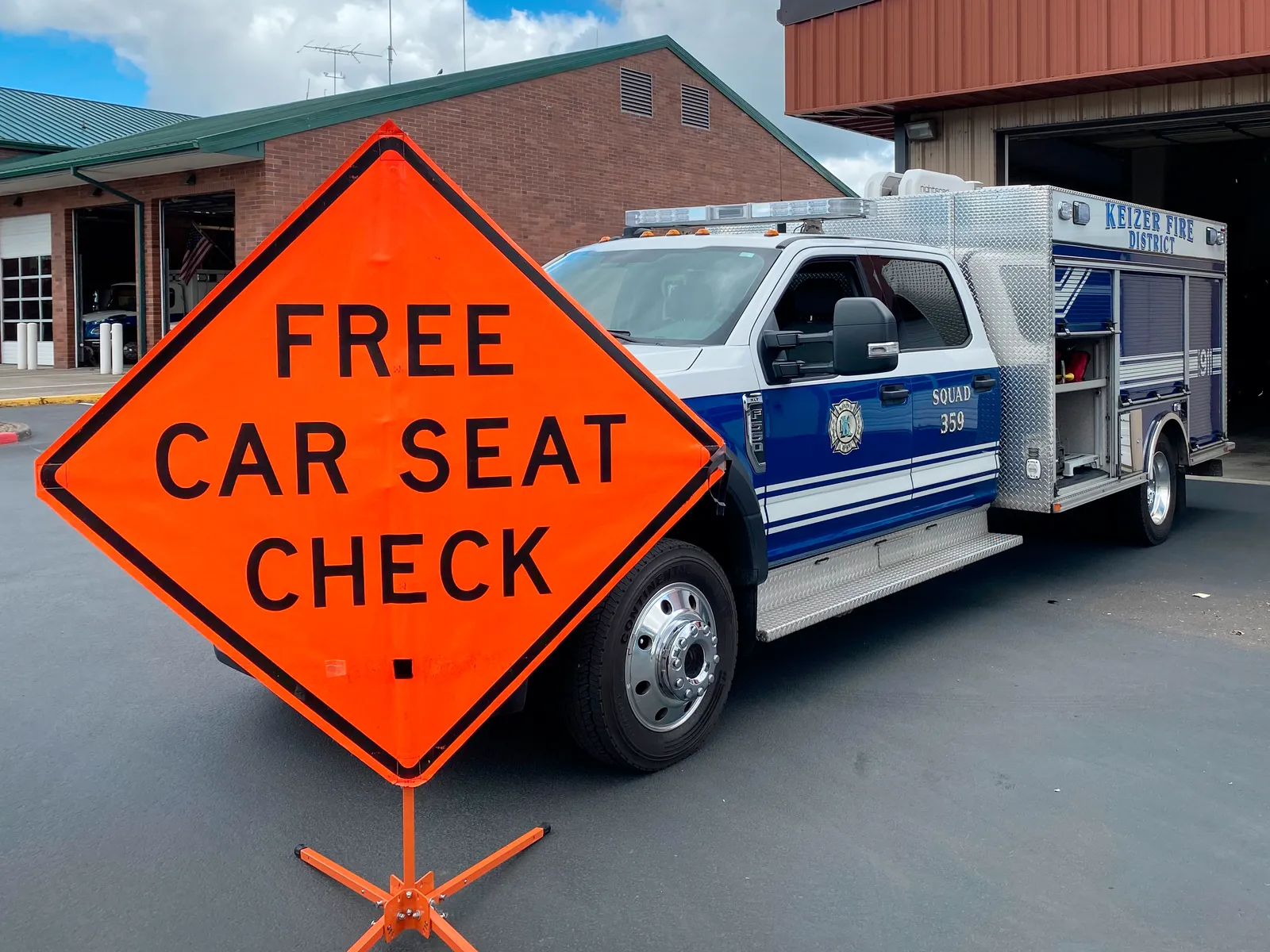
Not every destination has strong child restraint legislation, and that creates a different kind of risk for traveling families. According to a World Health Organization report on road safety, only 84 countries have any federal or national law requiring child restraints. That leaves a significant portion of the world where no legal obligation exists – but where roads can still be dangerous.
Sometimes families traveling abroad end up with less-than-ideal solutions, because many countries don’t require car seats for children of any age, even infants. The absence of a law doesn’t mean the absence of risk. It simply means the responsibility falls entirely on the family.
The right approach in those destinations is to bring your own compliant seat and use it regardless of what local law requires. Safety standards should travel with your family, not be left at home because the destination doesn’t enforce them.
What to Actually Do Before You Book Your Rental

The single most effective step is researching the car seat laws of your specific destination before you finalize your rental booking, not after. When traveling by car in a foreign country, you’ll need to abide by the law of that land, whether you’re driving your own car, a hire car, or traveling in a taxi. Ignorance of local law doesn’t exempt anyone from a fine or, far more importantly, from the consequences of an unsafe setup.
In Germany, transporting one child without the required restraint is subject to a fine of up to €60, and for several children the fine increases. Even if you’re just in the country for a weekend using a rental car, enforcement is strict. Other countries apply their own penalties, and tourist status rarely earns leniency.
If you plan to rent a seat through the car hire company, call the local branch at least 48 hours before pickup rather than the national line, because local staff know the real-time stock situation. Confirm the specific model, verify it suits your child’s height and weight, and get written confirmation. Trusting a general online reservation isn’t enough.
Bringing Your Own Seat: The Case For and Against
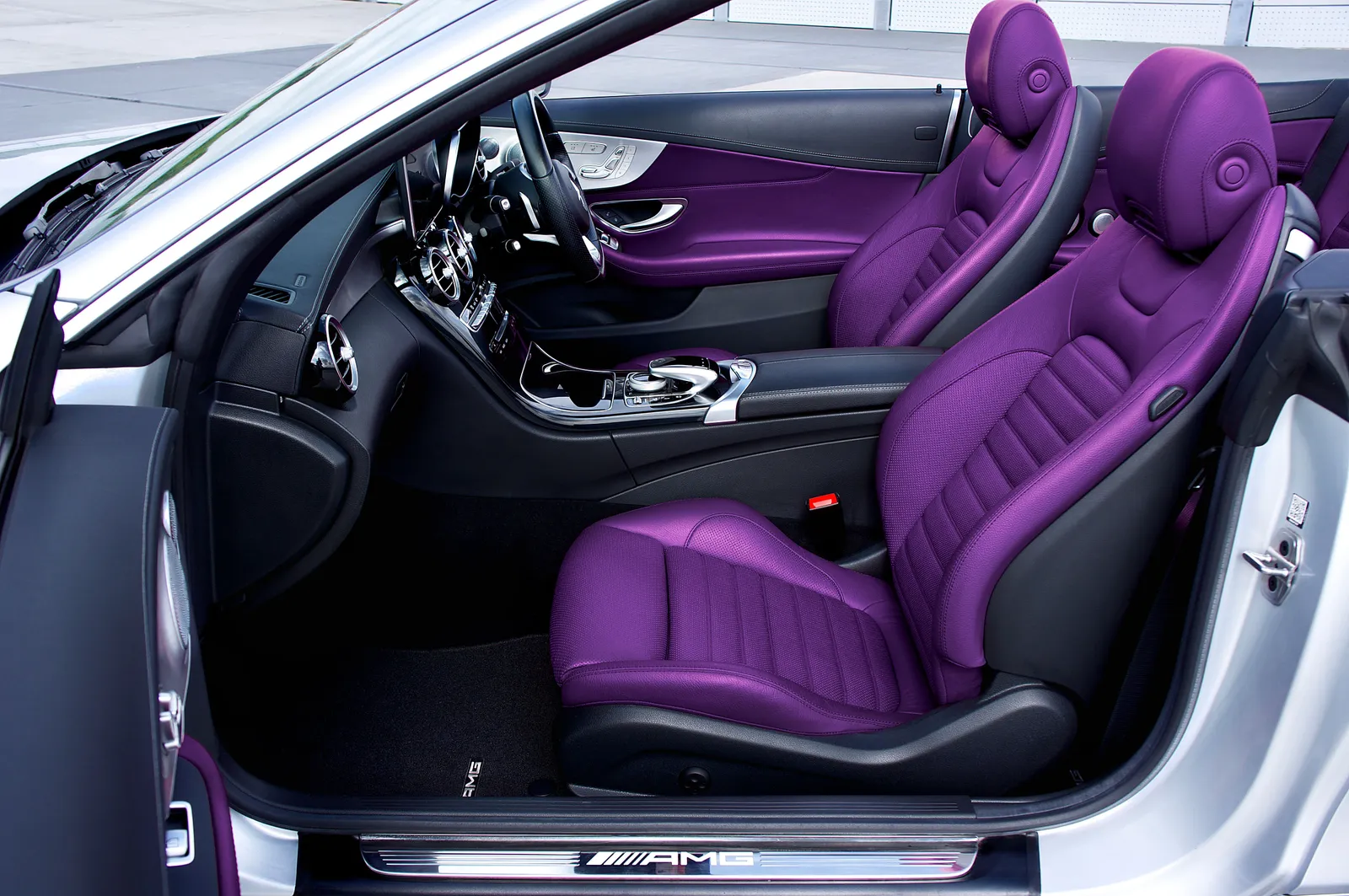
Traveling with your own seat removes the certification uncertainty entirely, but it introduces a new set of practical considerations. Many car seats used in the US are quite large, so if at all possible, try to find out what type of car you will be riding in and determine whether your car seat will fit properly before you travel. A seat that works perfectly in your home vehicle might be awkward or even unsafe in a compact European rental car.
There is also the question of whether your seat will be accepted at all. There are cases where a rental car company will not allow you to drive off their lot using a US-certified seat that doesn’t carry the locally required certification mark. It’s worth asking the rental company directly before you fly.
Most airlines will allow you to take a car seat for free, almost certainly on transatlantic flights. That removes one financial barrier to bringing your own equipment. However, the seat can be damaged in transit, which is a real concern for a piece of safety equipment that depends on structural integrity.
The Bottom Line Every Traveling Family Should Know
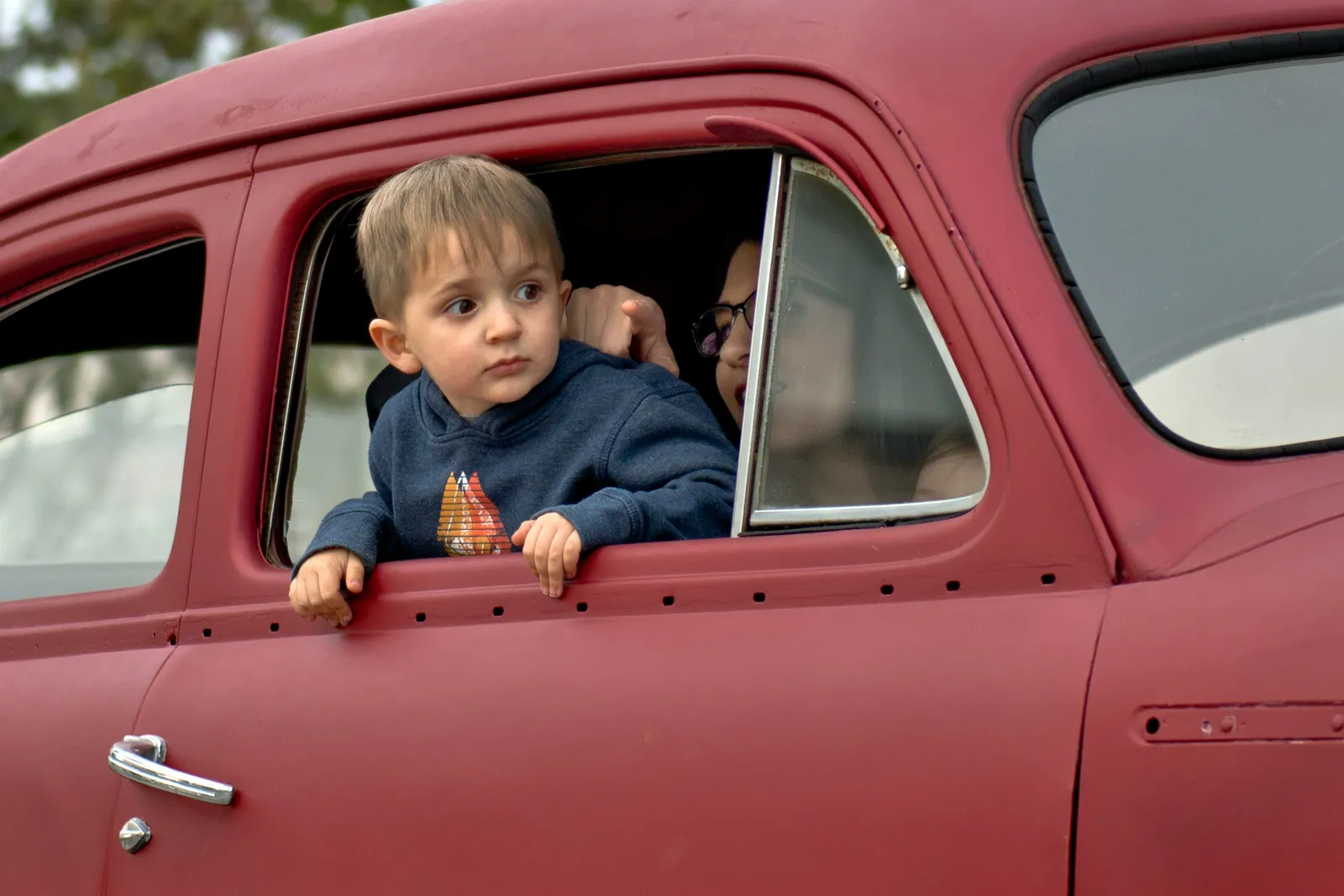
The child car seat question abroad is genuinely not a small detail to handle at the rental desk. When it comes to child safety in a car, there’s no room for compromise – it’s not just about parental responsibility, it’s a legal requirement in most countries around the world. Understanding the certification standards, age and height rules, and installation requirements of your destination country is research worth doing weeks before you travel, not minutes before you drive away.
The good news is that the information is accessible. National traffic authority websites, consumer organizations like Which? in the UK, and government travel advisories all publish current car seat requirements for popular destinations. A short research session at home can prevent a genuinely dangerous situation on the road.
Responsible travel with children means thinking beyond the itinerary. The road from the airport to your first destination is part of the journey too, and what your child is sitting in during that drive matters just as much as where you’re headed.
AI Disclaimer: This article was created with the assistance of AI tools and reviewed by a human editor.