
The First Sign Something Has Changed: The Preset Checklist Gets Longer

Long before passengers take their seats, stage crews are already running through their pre-show checklists. The stage technician is responsible for the basic maintenance, repair, and operation of live stage and backstage equipment for all shows performed in the main theatres. When seas are building, that checklist takes on an extra layer of urgency. Every prop, every set piece, and every cable run gets a second look.
All props and set pieces must be securely attached and stored to prevent damage in rough seas. This is not just a precaution; it is a formal part of the job. Technicians know that a piece of scenery that sat perfectly stable in calm water can become a genuine hazard the moment a swell rolls through.
Rigging Lockdown: When the Fly System Goes Static
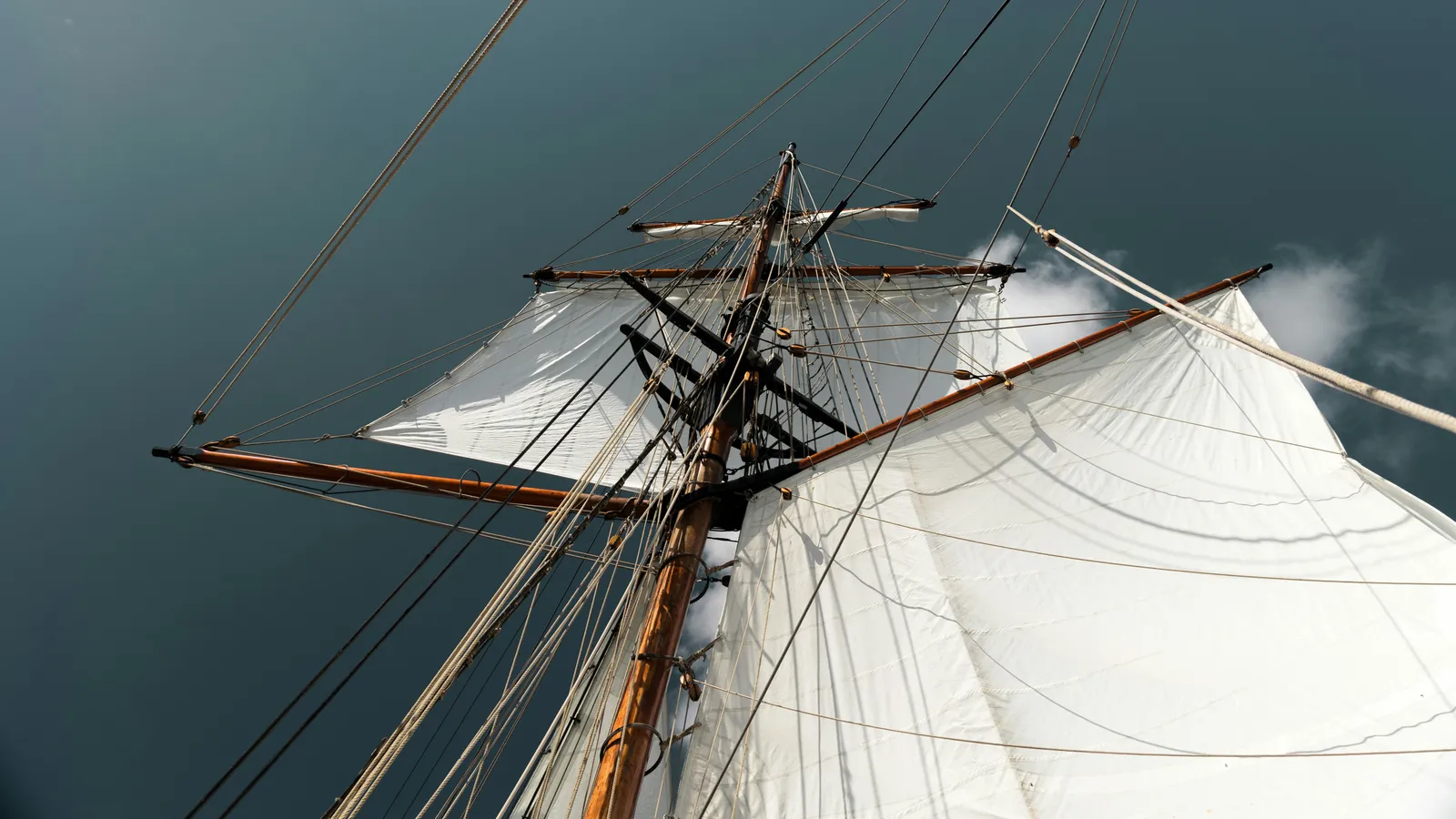
All entertainment rigging equipment in all entertainment venues onboard must be secured, attached, and properly stored to prevent damage or equipment loss in cases of rough seas or high degrees of list. That phrasing, “high degrees of list,” is the kind of language that makes seasoned technicians pay close attention. A ship listing unexpectedly can turn an overhead rigging system into a serious risk.
During show performances, the stage staff rigging support assists the entertainment rigging specialists with the rigging requirements to safely run the produced entertainment. In rougher conditions, that coordination becomes even more critical, with constant communication between those above and those below the stage floor. Decisions about whether a flying rig can safely operate are made in real time, reading the motion of the ship.
The Automation Console: Running the Show on a Moving Floor
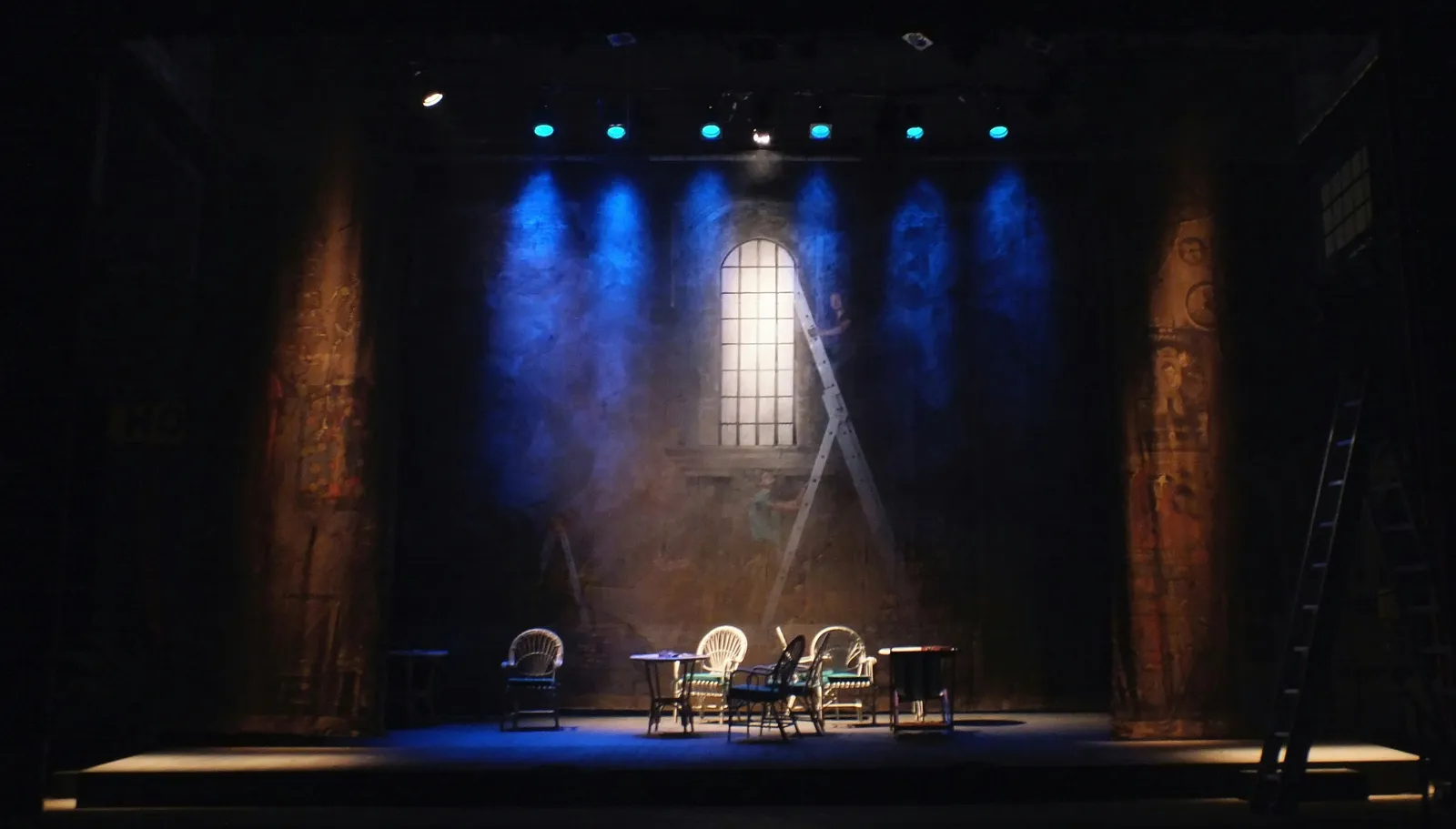
During rehearsals and performances, the stage and production manager ensures that cast and entertainment technical staff are present and properly following their show tracks, operates the stage automation console and show control systems, and calls verbal and visual cues for entertainment technical staff. When the deck is rolling, operating automation systems requires a level of focus that has no real equivalent on a land-based stage. A cue that is perfectly timed in calm conditions may need to be held, slowed, or cancelled altogether.
Managing safety requirements during rehearsals, shows, and changeovers to ensure maximum safety for all involved is especially critical when automation movement is taking place. Stage managers working the automation desk in heavy weather are essentially doing two jobs at once: running the show and continuously reassessing whether it should keep running.
Performers on a Tilting Stage: The Decision to Pull the Show

The call to cancel or modify a production is never taken lightly, but it happens more often than guests realize. Sometimes the planned show simply cannot safely run. Celebrity Cruises once cancelled an acrobatic theatre show for performers’ safety and replaced it with a cabaret, as reported during a rough-weather crossing.
One passenger described being seated in the theater during a show when the ship made a hard turn followed by a second, more intense movement. The show was stopped, and passengers left the theater. From the technician’s side of the curtain, that moment involves a rapid sequence of securing loose equipment, accounting for crew positions, and powering down systems in a safe order.
The Aqua Theater: A Category of Its Own
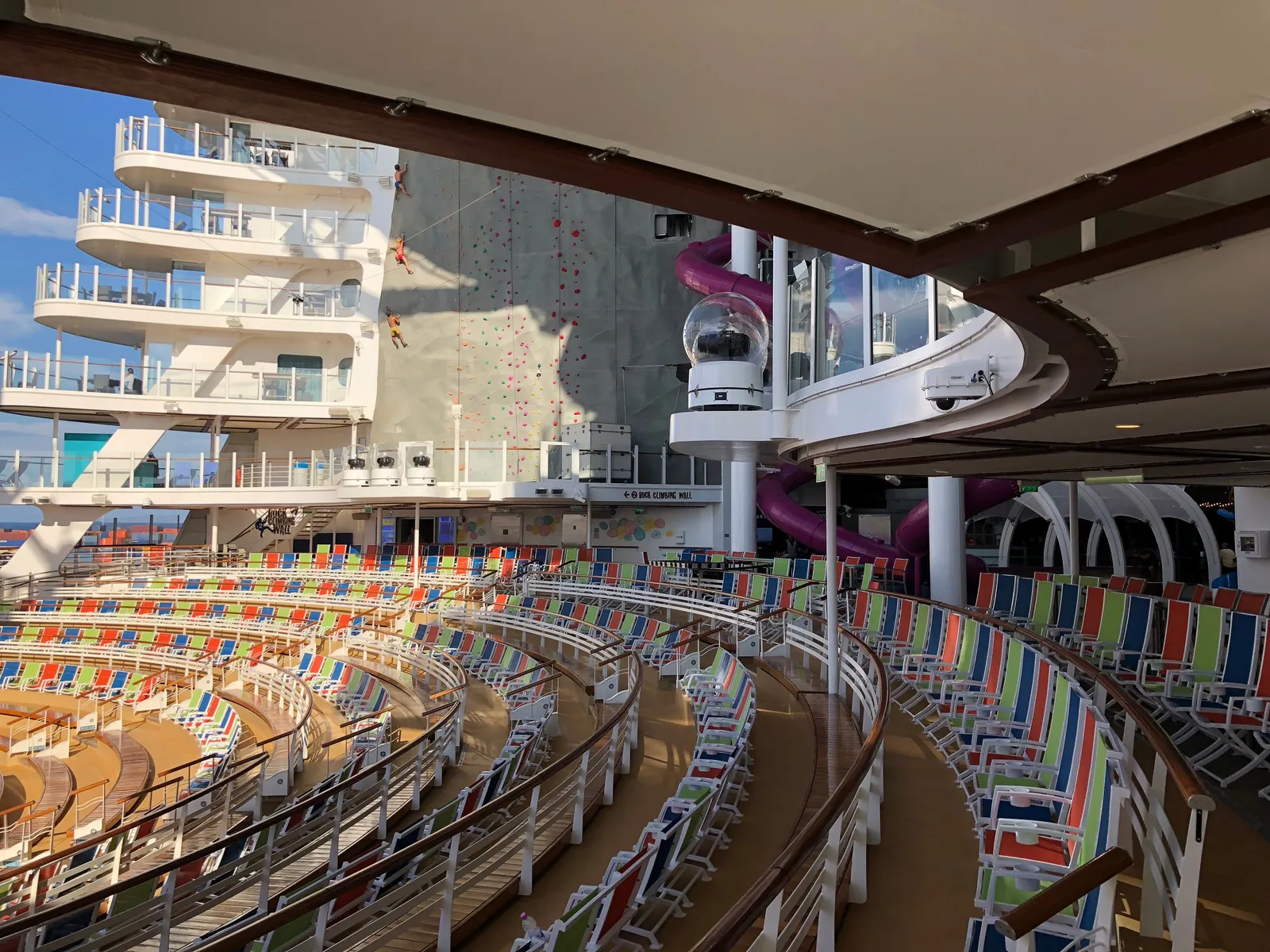
Open-air aqua theaters, such as those found on Royal Caribbean’s Oasis-class and Icon-class ships, add an entirely different dimension to the rough weather challenge. Aqua stage staff are responsible for supporting dive shows and underwater activities, as well as acting as safety divers in the event of an emergency. Performing those roles in a pool that is pitching with the ocean is a technical problem that no land-based training program fully prepares you for.
Underwater show tracks during rehearsals and performances include sharing air with performers, setting flying points, calling clears for performer flying or lift movements, moving props underwater, and communicating via approved hand signals or comms. Each of those tasks becomes more complicated when the vessel is moving significantly. In practice, aqua theater shows are often among the first to be suspended in rising seas.
Securing Everything That Isn’t Bolted Down
Backstage areas including workshops must be cleaned and maintained, and under-stage cleaning is required to ensure safe and efficient operation. When seas build, that maintenance priority shifts to a rapid triage: what is already secured, what needs immediate attention, and what could move. Props tables, tool kits, spare cable drums, and lighting fixtures all become potential hazards if they are not properly stowed.
All equipment in the entertainment spaces onboard must be secured, attached, and properly stored to ensure minimal damage. Technicians describe this process as methodical but fast. There is a mental map of every item backstage, and when the ship starts to roll, that mental map becomes a checklist worked through at speed.
Communication Protocols When the Sea State Changes
All maintenance needs must be communicated with the technical director of entertainment and the cruise director. In rough weather, that communication loop shortens dramatically. Decisions that might normally go through several layers of approval are compressed into quick exchanges over headset.
When conditions intensify, standard briefings are reinforced and crew members move to assist key public areas. Progressive response protocols allow crews to escalate safety measures as conditions worsen, from closing outdoor decks and securing loose items to triggering cabin confinement orders and preparing for potential evacuation, helping crews manage passenger safety without creating unnecessary panic.
Show Records and Incident Logging: The Paper Trail No One Sees
Complete daily show reports must be kept, with show recordings maintained onboard for seven years as per standard operating procedure. That seven-year retention requirement reflects just how seriously maritime entertainment operations are treated from a compliance standpoint. Any show modification, cancellation, or safety intervention is documented.
Technicians are required to maintain and update records of all shows and changes to backstage tracks, rigging, and scenic changes, as well as an auditable inventory of all entertainment props and equipment. In the context of rough weather, those records matter. If a piece of equipment was secured or a show modified, there is a paper trail explaining exactly why and how.
What Passengers Experience Versus What Technicians Are Managing
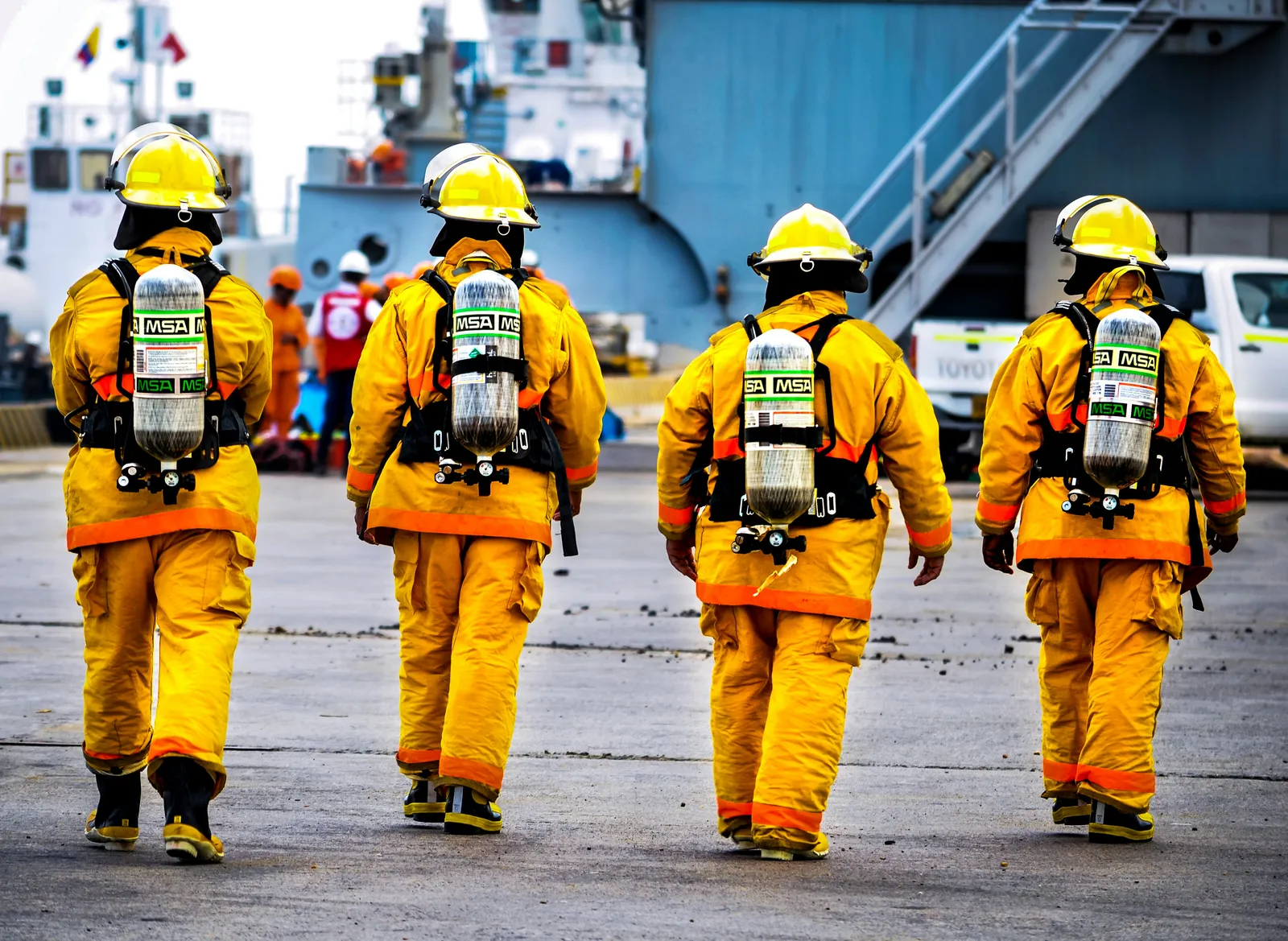
The International Safety Management Code requires specific weather-related safety protocols that crews practice regularly, including procedures for securing loose items, modifying food service during rough seas, and implementing passenger movement restrictions when conditions warrant. Most guests experience the surface of that response: an announcement, a course change, a shortened menu. Technicians are managing the interior version of the same storm.
Lounge spaces, theaters, and pool areas may be adjusted to account for motion and visibility. Backstage, those adjustments are happening in real time, with technicians making judgment calls that balance the passenger experience against crew and performer safety. Safety drills are mandatory for all crew members, entertainers included, and rehearsals and shows take place in limited spaces, sometimes in rough seas.
Modern Stabilization Technology and What It Means for the Stage
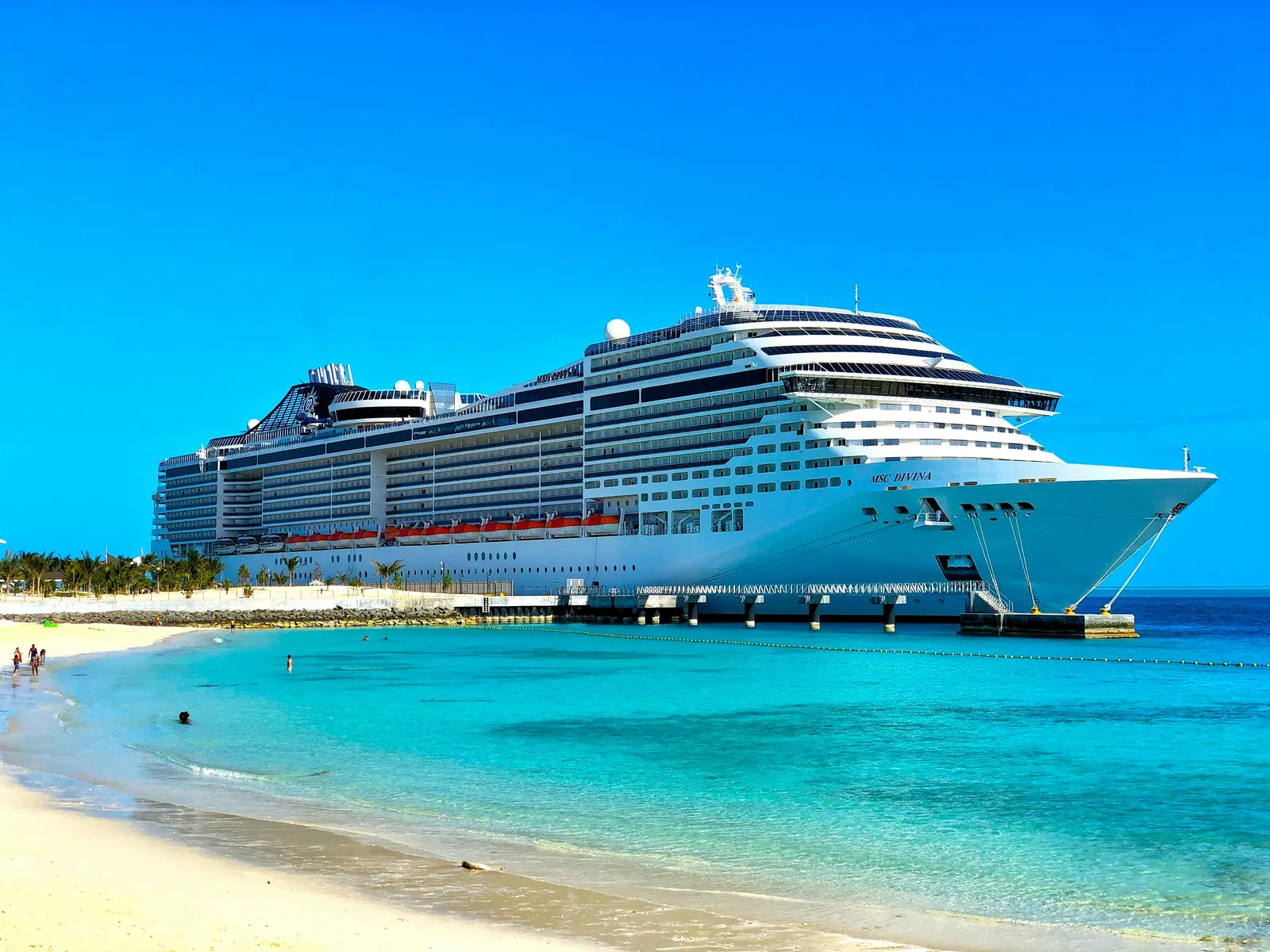
Most modern cruise ships use stabilization systems that include fins or gyroscopic devices which reduce the ship’s rolling motion, minimizing movement to enhance passenger comfort and safety during rough seas. From a stage technician’s perspective, those systems are genuinely significant. A well-stabilized vessel can often continue a production show that would have been impossible on an older ship.
Wing-like stabilizer extensions below the waterline reduce rolling. During a transatlantic crossing on Cunard’s Queen Mary 2, stabilizers kept the ship steady in strong North Atlantic swells, allowing passengers to enjoy shows without interruption. Still, stabilizers have limits, and technicians know that the technology buys time and comfort rather than immunity. When a genuine swell pushes through, the stage crew is the first to feel it and the first to act.
The Quiet Expertise Behind Every Smooth Show at Sea
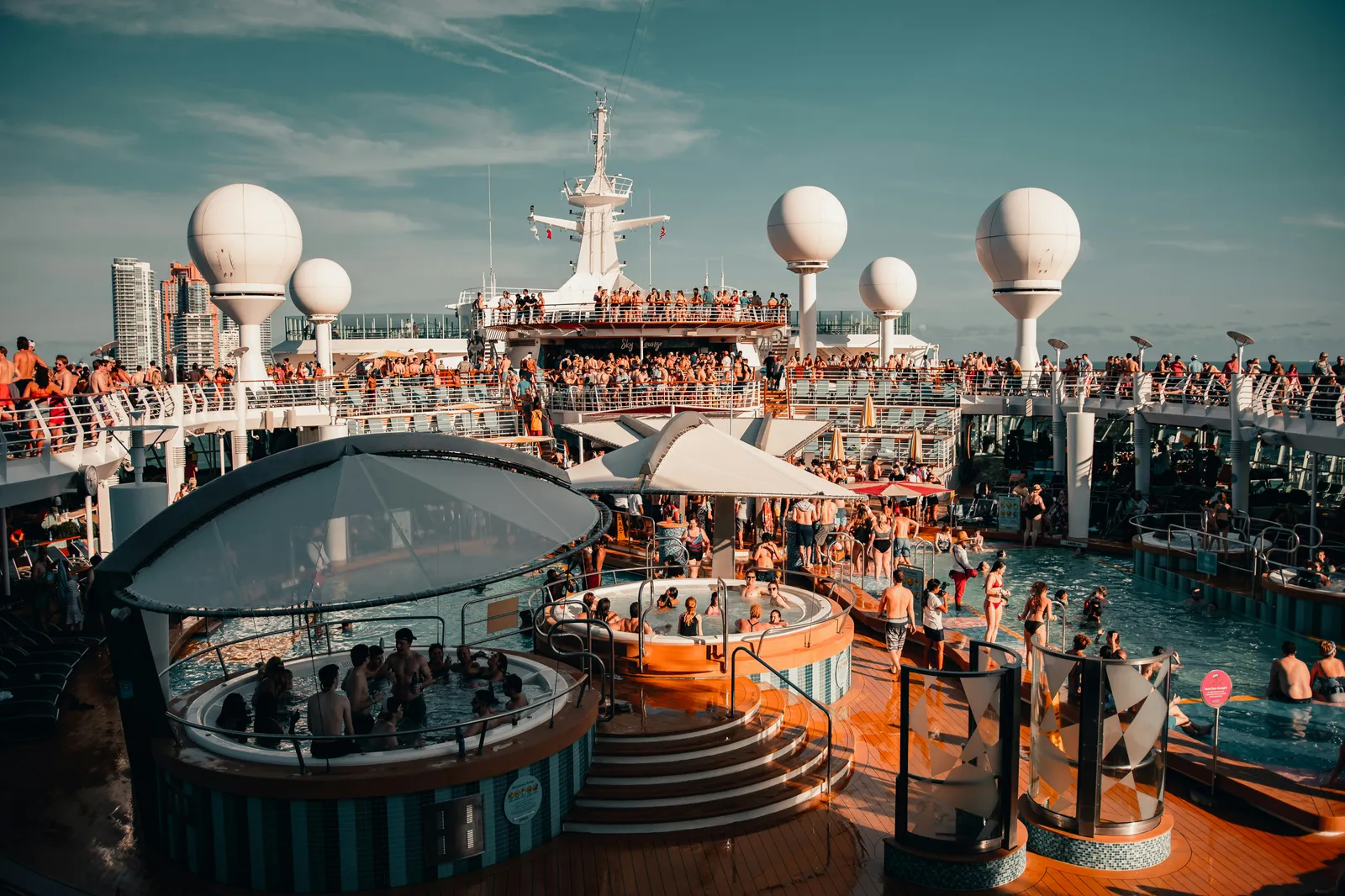
What makes cruise ship stage technicians genuinely distinctive is not just the technical knowledge they carry, but the maritime instinct they develop over time. Knowledge of safety protocols and maritime regulations enhances job performance in ways that land-based counterparts rarely encounter. Feeling a ship shift underfoot mid-show and knowing exactly what to do next is a skill that only comes from experience.
The entertainment still runs. The lights still come up. Passengers in their seats rarely know how close some shows came to being replaced by something safer. That gap between what the audience sees and what the crew manages is where cruise ship stage technicians live, every sailing, regardless of what the sea is doing.
AI Disclaimer: This article was created with the assistance of AI tools and reviewed by a human editor.