
The Ladenschlussgesetz: A Law That Protects Sundays

Germany’s Ladenschlussgesetz, or “Shop Closing Law,” is a federal blue law compelling retail stores to close to the public on Sundays and Christian holidays. It is not merely a recommendation that businesses follow out of habit. It carries legal weight, and violations can result in real consequences.
Originally enacted in 1956 and revised in 2003, section 3 of the Federal Shop Closing Act required that points of sale remain closed on Sundays and public holidays. As a measure to protect retail workers, the law curbed “both long working hours and labor scheduled during socially undesirable times,” such as nighttime, Sundays, or holidays.
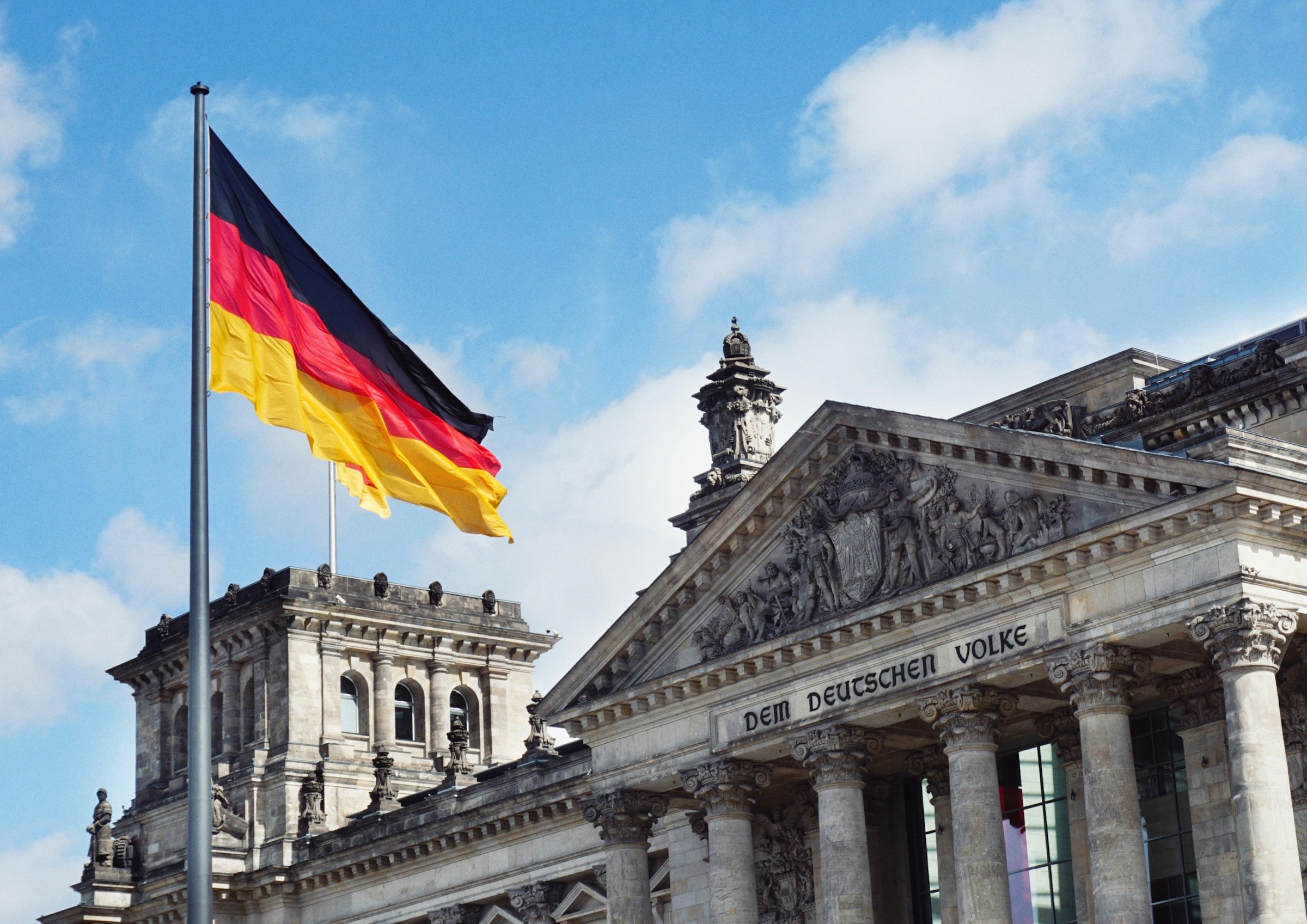
This law is not merely a suggestion or a retail guideline; it is a constitutionally protected right. Article 139 of the Weimar Constitution, which was incorporated into the modern German Basic Law (Grundgesetz), explicitly states that Sunday and recognized public holidays remain protected as days of rest from work and of spiritual elevation.
A Constitutional Right, Not Just a Custom

Under article 139 of the Weimar Constitution, incorporated into the German Basic Law through article 140, Sunday continues to be designated as a day of rest and spiritual elevation. This makes Germany’s Sunday rest one of the few retail restrictions with genuine constitutional backing.
Sunday closing rules in Germany rest on constitutional ground: Sundays and public holidays are protected as rest days under a provision carried over from the Weimar-era constitution into the Basic Law. Courts have repeatedly upheld this protection when challenged.
The Weimar Constitution of 1919 codified Sunday rest as a basic right. Germany’s Basic Law (Grundgesetz, Article 140) upholds Sunday as a protected day of rest and spiritual elevation. This is why no private retailer, no matter how large, can simply decide to trade on Sundays without legal consequence.
Sonntagsruhe: The Cultural Concept Behind the Law

The concept of Sonntagsruhe, or “Sunday rest,” is deeply ingrained in German culture and enshrined in law. Article 139 of the Basic Law dictates that Sunday remains a day of rest and spiritual upliftment. This isn’t just about providing a day off; it’s about protecting a shared cultural and societal value.
Sunday is traditionally viewed as a sacred day of rest when consumerism takes a break. People are encouraged to spend time with family and friends or enjoy the natural surroundings: anything but shopping. This mindset is genuinely widespread and not just something politicians invoke.
Many Germans dedicate their Sundays to spending time with family and friends, visiting museums, dining out, or relaxing in nature. The closed shop is, in a sense, an invitation to do something else entirely.
The Role of Trade Unions in Shaping the Law

Trade unions in Germany, especially ver.di, advocate for a work-free Sunday to protect retail workers and see Sunday work as a burden on the work-life balance. They argue that Sunday rest is a key element in the quality of life and health of employees.
Legal action has also been taken, with numerous lawsuits being filed against Sunday openings, often in conjunction with the churches, and in many cases these have been successful in administrative and constitutional courts. The unions are not passive on this issue; they actively litigate to preserve it.
One of the main arguments made by Germany’s service-sector union, Verdi, against the likes of Tegut’s automated shops is the need for guaranteed shopping- and work-free days for all. The argument holds even when no human employee is actually present in the store.
How the Law Shifted to the States in 2006
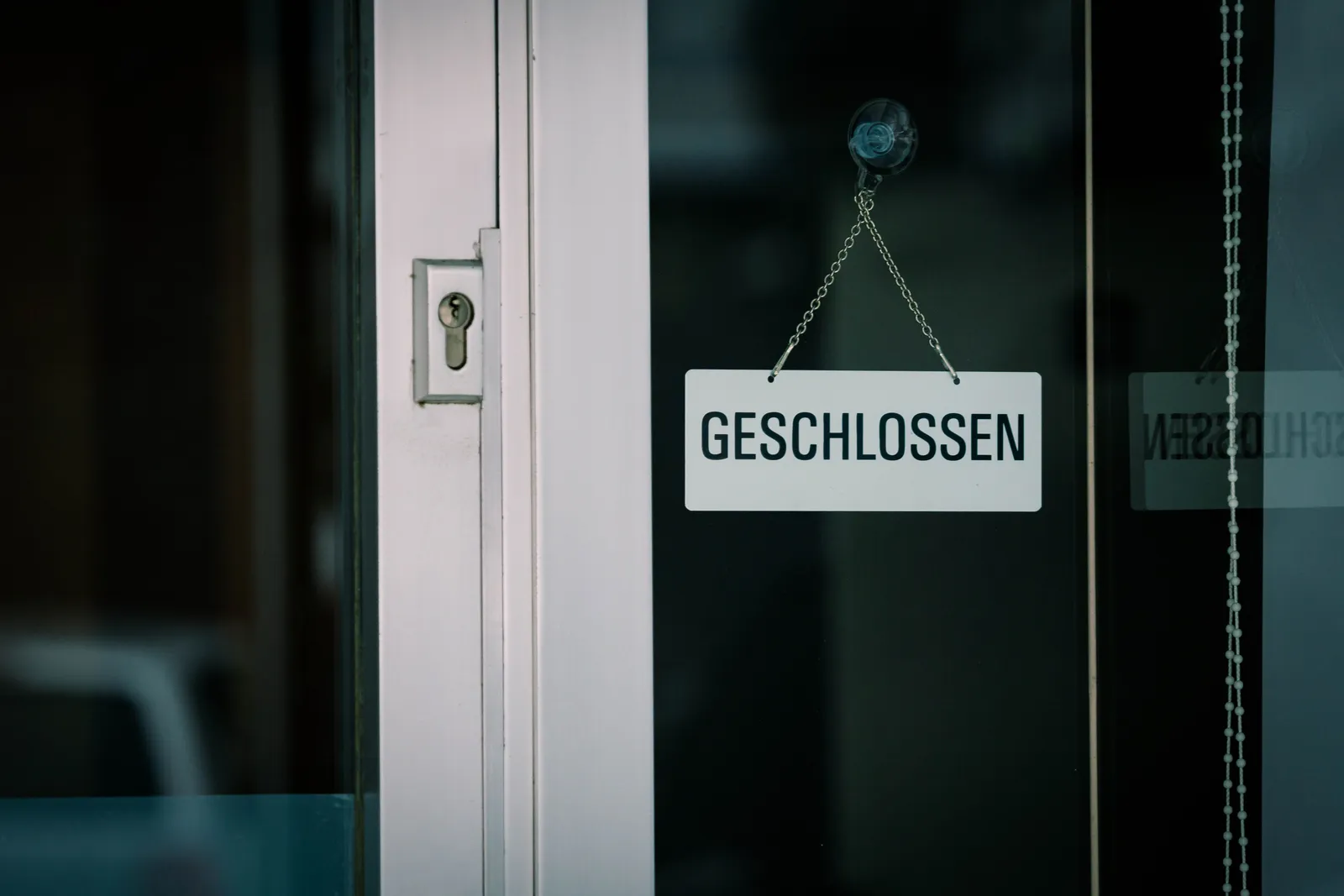
As part of Germany’s federalism reform, the authority to regulate shop opening hours was transferred to the federal states on June 30, 2006. This created a more varied legal landscape across the country’s sixteen states.
Since a 2006 federalism reform, authority over store hours has shifted from Berlin to the individual states, which is why the rules vary so widely from one region to the next. All 16 German states have now enacted their own shop opening laws, which largely follow the regulatory model of the Federal Shop Closing Act. In general, all state laws prohibit shops from opening on Sundays and public holidays.
Where a state hasn’t passed its own law, the old federal Ladenschlussgesetz still applies as a fallback. Bavaria was the last state to adopt its own version, doing so only in August 2025. So even with decentralization, the Sunday closure norm has remained essentially intact nationwide.
What Actually Stays Open on Sundays

Exceptions exist only for certain categories, including retail stores at airports and train stations, souvenir and book shops at tourist destinations, and small bakeries or flower shops under a limited size. These carve-outs are narrow and deliberate.
Other than shops in gas stations, train stations or airports, most shops are usually closed on Sundays. All that is open are restaurants, museums and transportation centers. In larger cities, some kiosks and convenience-style stores have also found limited legal ground to operate.
A draft document from the Labour Ministry states that bakeries and similar establishments will be allowed to stay open for up to eight hours on Sundays, while libraries could be open for up to six hours. This represents one of the modest concessions currently being phased in, beginning around 2027.
The Automated Store Loophole and the Courts
Germany has long maintained a strict law prohibiting most retail shops from operating on Sundays. This tradition, dating back to 1956, aims to provide workers and shoppers with a day of rest. However, the growing popularity of automated mini-markets is challenging this longstanding practice.
Supermarket chain Tegut ran automated stores without any human workers for years. Even those won’t open after a German court upheld a ban impacting Tegut’s stores, even those without human staff, forcing them to remain closed on Sundays. The court ruled that Tegut’s 40 automated shops will not be excluded from the Sunday rest law, or Sonntagsruhe, despite the absence of workers.
Four federal states, Mecklenburg-Vorpommern, Hesse, Saxony-Anhalt, and Bavaria, have relaxed their Sunday shopping laws so that semi-automated shops can open legally. Baden-Württemberg also plans to make the change. The automation debate is evolving state by state, rather than through a sweeping national reform.
Public Opinion: Most Germans Still Support Sunday Closures
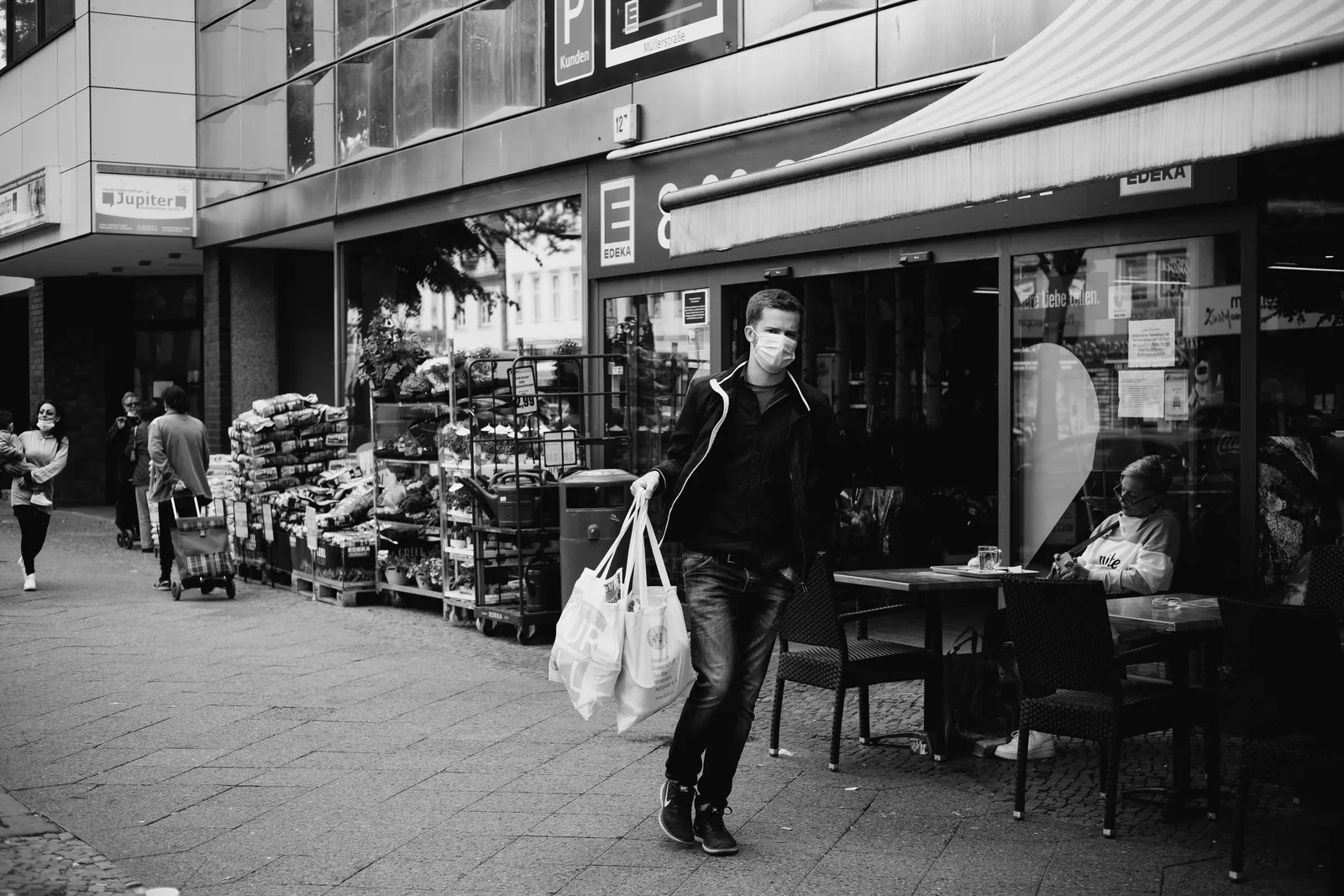
Nearly 60 percent of people in Germany are opposed to relaxing the country’s strict policy on Sunday opening hours, according to a recent representative survey. German supermarkets, as well as clothes shops, bookshops and pharmacies, are all closed on Sundays.
Of the 34 percent of survey respondents who said they were in favour of relaxing Germany’s Sunday shopping rules, two-thirds said their motivation was being able to shop in a more flexible and spontaneous way. About 42 percent said they have too little time to shop during the week and 37 percent said they would like to shop recreationally on Sundays.
Most Germans still support the legal protections, seeing them as part of the social contract. That support doesn’t mean no one grumbles about an empty fridge on a Sunday morning, but it does reflect a broader conviction that some things are worth protecting from commercial pressure.
The Ongoing Debate: Should the Rules Be Relaxed?

Retail industry groups have been arguing for years that Germany’s Sunday trading rules, which date back to the early 1900s, are outdated, with some calling for all restrictions on Sunday shopping to be scrapped. The debate gathered fresh momentum recently after the Bundestag’s Economic Affairs Committee backed a significant easing of the ban on Sunday trading.
The Bundestag’s Economic Affairs Committee and the federal government’s tourism coordinator both came out in favour of significantly loosening the current ban on Sunday retail. Committee chairman Christian von Stetten told Bild that lawmakers should back “a generous expansion” of existing rules.
Chairwoman Michaela Engelmeier of the Social Association told Funke newspapers that Sunday is constitutionally protected and far more than an economic factor, calling it an essential day for rest, family, and social cohesion. She said Sunday work should remain limited to sectors that serve essential public needs, such as healthcare, police, or transportation. The opposing camps are well-organized on both sides, and the outcome remains genuinely uncertain.
What This Means for Travelers and Newcomers
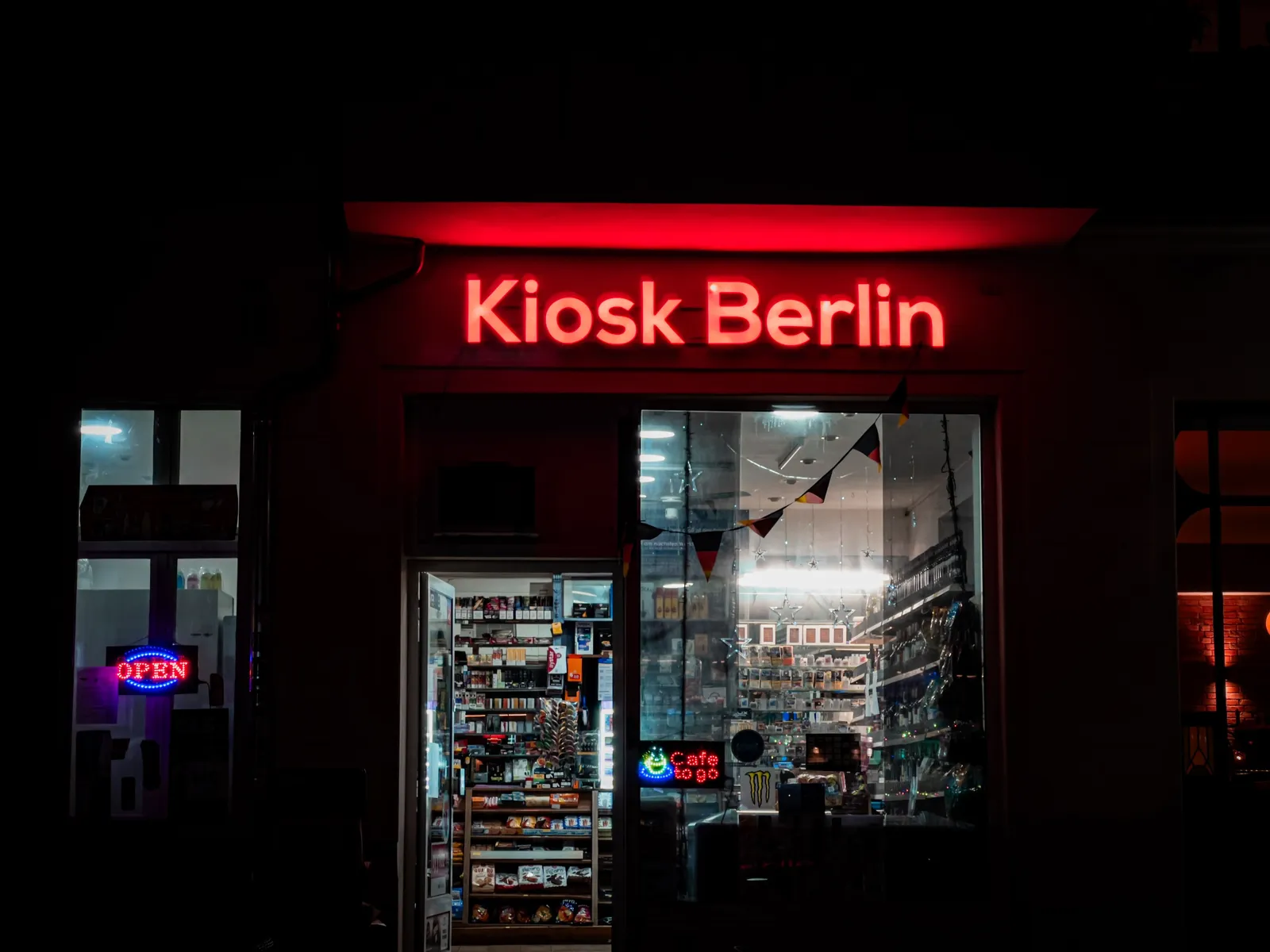
Foreigners who move to Germany or visit the country are often surprised to find they can’t stock up on groceries or spend the afternoon browsing stores on a Sunday. Most retail outlets are required to stay closed under Germany’s strict Sunday trading laws.
Verkaufsoffene Sonntage, or shopping Sundays, remain the exception but are becoming more common, especially in the lead up to Christmas. In 2024, there were just four shopping Sundays in Berlin, but Mayor Kai Wegner announced a plan to double the number of days. These special open Sundays are typically tied to seasonal events or local fairs.
Planning ahead is simply part of life in Germany on Sundays. Stock the kitchen on Saturday, choose a museum over a mall, and take a walk. That rhythm, inconvenient as it might first seem, is exactly what the law was designed to encourage.
A Day That Reflects German Values

Germany’s Sunday closures are not a bureaucratic quirk or an oversight that no one has gotten around to fixing. They reflect a genuine, long-debated, and still broadly popular belief that a society benefits when it carves out shared time away from commerce. The law exists because people wanted it, fought for it, and have defended it in court for decades.
Whether that conviction holds in the face of online retail growth, demographic change, and economic pressure from within government is a question Germany is actively wrestling with in 2026. Germany’s coalition government plans to allow bakeries, pastry shops, and libraries to extend their Sunday opening hours beginning in 2027. Change is coming, but slowly, and with considerable public scrutiny.
For now, the quiet Sunday street is still the norm. And for many Germans, that silence is the whole point.
AI Disclaimer: This article was created with the assistance of AI tools and reviewed by a human editor.