
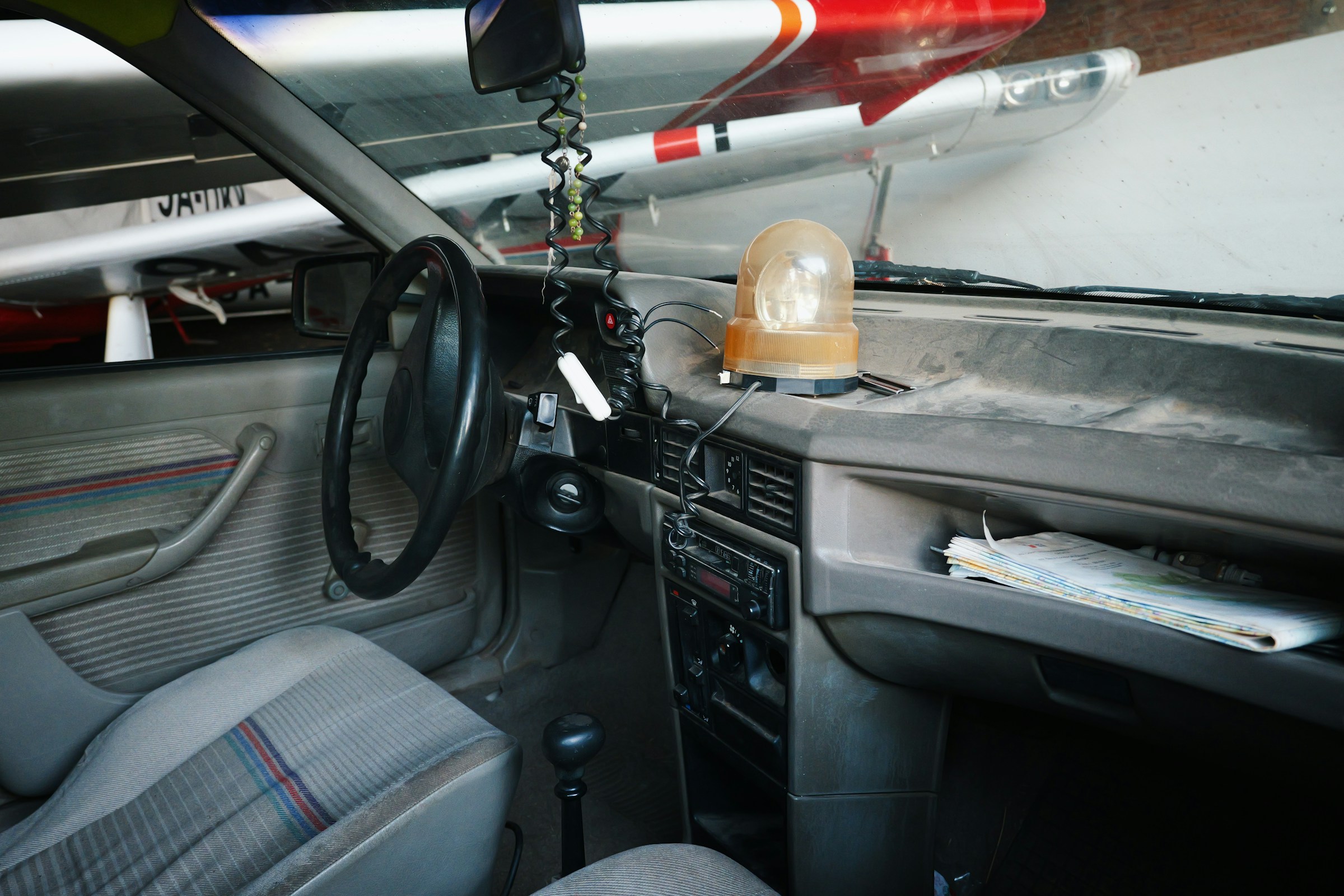

Most drivers know the feeling: you’re pulled over, or you’ve just heard an unfamiliar rattle, or the GPS has gone completely dark on a stretch of highway with no cell signal. In that moment, what’s sitting in your glovebox matters more than anything in the trunk. It’s a small compartment, but the right contents can mean the difference between a manageable situation and a genuinely stressful one.
Road trips are back in full force. According to AAA, an estimated 39.1 million drivers take to America’s roads during the summer travel period, traveling 50 miles or more from home. That’s a lot of people, on a lot of roads, and statistically, not all of them are prepared. Here’s what every road tripper should actually have within arm’s reach.
1. Your Essential Vehicle Documents, Organized and Current

This sounds obvious, but it’s staggering how many drivers keep outdated or disorganized paperwork in their glovebox. At a minimum, your glovebox should contain your vehicle registration, proof of insurance, and an inspection document if applicable in your state. These aren’t just nice to have. A police officer may request your registration during a stop because operating a motor vehicle requires proper documentation under state law, and you can be cited if you don’t have it.
While vehicle registration is arguably the most important document to keep in your glovebox, it shouldn’t travel alone. Current proof of insurance should always accompany your registration because both are frequently requested together. Keep them in a labeled envelope or small folder so you’re not fumbling through receipts and old parking tickets at a traffic stop.
One thing worth knowing: your vehicle title should never be stored in your glovebox or anywhere inside the vehicle. If your car is stolen and the title is inside, replacing it can be time-consuming and may create additional complications. Keep the title at home, and bring copies of everything else.
2. A Compact, Well-Stocked First Aid Kit
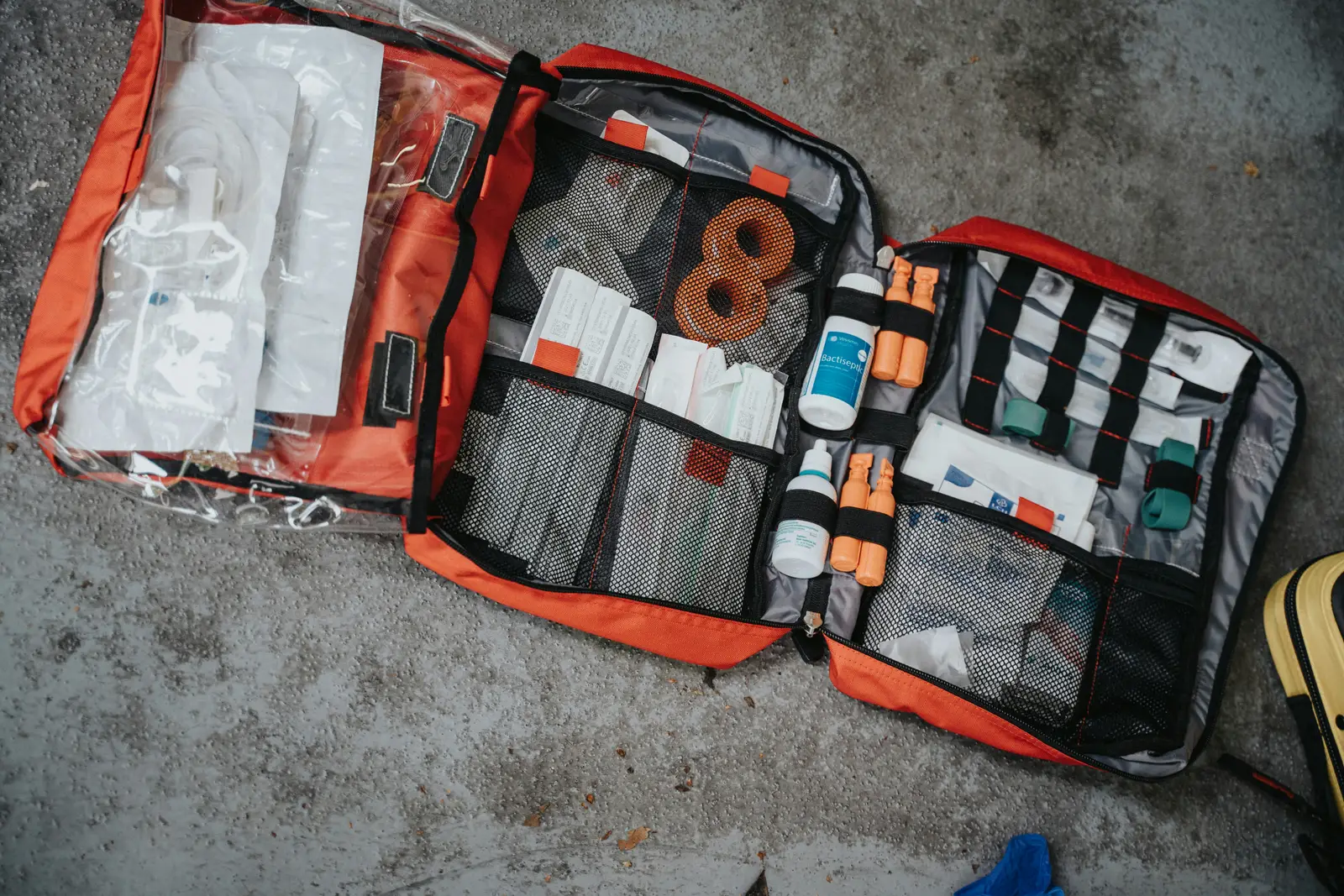
A small first aid kit is one of those things you hope you never need, but you’ll be very glad it’s there if you do. A mini first-aid kit with adhesive bandages, antiseptic wipes, gauze, pain relievers, gloves, and aspirin can address cuts or minor injuries quickly. Include a small first-aid manual for clarity under stress, and keep everything in a sealed pouch to protect it from moisture.
The American Red Cross and American Heart Association have updated their first aid guidance through 2024 to emphasize the value of tourniquets and wound-packing gauze for more serious bleeding situations. The number one cause of preventable death on highways is bleeding, and a quality tourniquet and basic wound-packing gauze take up less space than a phone charger.
Regularly check expiration dates and replenish items as needed. Medications degrade, bandages dry out, and antiseptic wipes lose their effectiveness over time, especially in a hot car. A quick seasonal check takes about three minutes and can make a real difference.
3. Emergency Contact and Medical Information
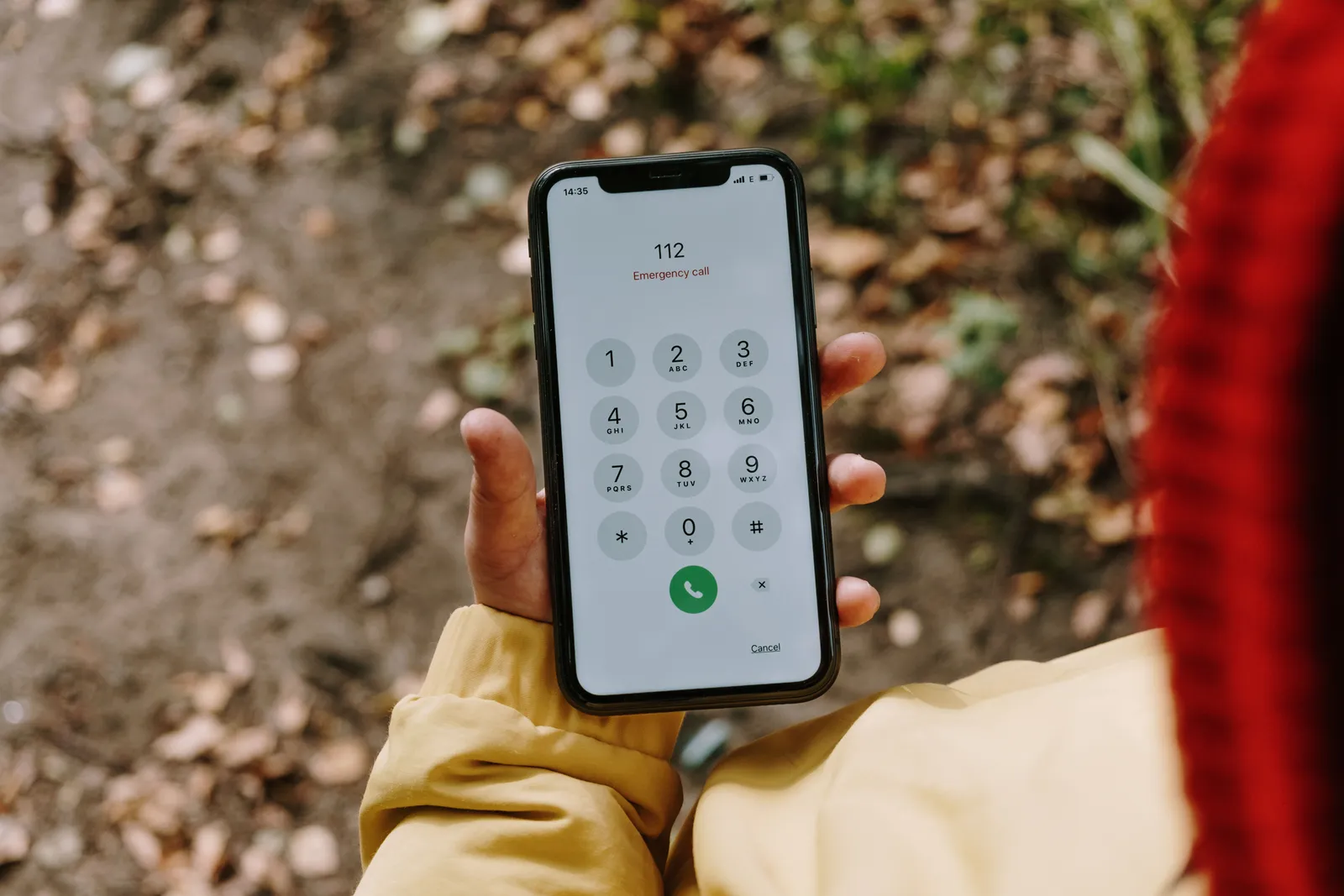
Your phone holds most of your contacts, but your phone can also die, get cracked in an accident, or be locked behind a passcode that a first responder can’t access. It’s a good idea to keep a copy of emergency contact information and a list of medical conditions or medications in a clearly marked envelope, as these items can help first responders provide better assistance if you’re unable to communicate following an accident.
A paper list of health conditions, medications, and emergency contacts ensures help in case your phone fails. A pen and notepad are also smart to log accident details or exchange information. On a road trip specifically, you may be far from anyone who knows you, so this kind of documentation genuinely matters.
Including a card with your emergency contacts, allergies, or medical conditions is especially useful if others sometimes drive your vehicle. It’s a small thing that takes five minutes to set up and could be tremendously valuable in a chaotic moment.
4. A Physical Map or Regional Road Atlas

Digital navigation is wonderful until it isn’t. Dead zones, drained batteries, and spotty signal in rural areas are real, recurring problems for road trippers. Physical navigation remains critical. A current state road atlas and a basic compass serve as your backup when digital navigation fails, and you should update your atlas annually and store it in the glovebox where it’s always accessible.
Keeping a paper state or national map in the glove compartment as an ultimate backup makes sense when phone batteries or GPS signals fail. It sounds old-fashioned, but experienced long-distance travelers know the value of a physical map on remote stretches of highway where data simply disappears.
You don’t need an elaborate atlas system. A single folded state map or a compact regional road atlas is enough. Store it flat in the glovebox, note your rough route with a pencil before you leave, and you’ll have a workable navigation fallback no matter what the signal situation looks like.
5. Your Vehicle Owner’s Manual
Your owner’s manual is more helpful than many drivers realize. It tells you what all the warning lights mean and how to handle minor issues like a blown fuse or low tire pressure. Dashboard warning lights have a way of appearing at the worst possible time, usually when you’re three hours from the nearest dealership and unsure whether to keep driving or pull over immediately.
Your car owner’s manual is a handy reference guide for fast fixes to potential car issues. Keep it within reach for a quick consultation to better understand your car. This is particularly true for newer vehicles, where warning indicator systems are increasingly complex and varied across makes and models.
If you’ve lost the physical manual, most manufacturers now offer downloadable PDF versions through their websites. Print the most relevant sections, like the warning indicator guide and fluid check instructions, and keep those in your document folder. It’s a practical compromise that takes up far less space than the full book.
Why These Five Items Actually Matter Together
The glovebox is small, which is actually the point. It forces you to be intentional. Your glovebox isn’t just a tiny storage spot; it’s a mini survival kit waiting to help when you least expect it. Filled with the right essentials, this little compartment can save you stress, time, and maybe even money, turning panic into calm during a late-night breakdown or a loss of GPS signal.
Consider what the data tells us about road emergencies. In 2024, AAA received over 27 million emergency roadside service calls across the United States. Of those calls, the majority of vehicles required towing or were experiencing battery issues, and combined, those two types of incidents accounted for roughly 74% of total calls, eclipsing flat tires and lockouts. Many of those drivers were unprepared for even the most basic steps that follow a breakdown.
Being prepared doesn’t mean carrying everything possible. It means carrying the right things. The National Highway Traffic Safety Administration recommends that every driver pack an emergency roadside kit, noting that even a well-maintained vehicle can break down. Start with the five items above, and build from there based on your specific routes and travel style.
A Note on Clutter and Glovebox Hygiene
There’s a version of the glovebox that exists in most cars: a chaotic mix of expired insurance cards, fast-food napkins, a phone charger that belongs to no one, and something sticky near the back. A cluttered glovebox defeats the purpose of keeping important documents in your vehicle. Consider using a small document holder or labeled envelope to keep registration and insurance paperwork together.
Twice a year is a reasonable schedule for a glovebox audit. Swap out expired documents, check the first aid kit supplies, and confirm your maps and manuals are current. It takes under ten minutes and keeps your five essentials actually accessible when you need them fast, not buried under old parking stubs.
Before You Leave: One Last Check

NHTSA recommends checking for safety recalls before any trip by visiting NHTSA.gov/Recalls. That’s a genuinely useful habit, particularly for drivers of older vehicles. The average car on the road in the U.S. is approaching 12.6 years old, which means many vehicles may be due for a check-in before a long drive.
Run through your glovebox contents the evening before a trip, not the morning of when time is short. Confirm your registration is current, your insurance card reflects your active policy, your first aid kit is stocked, and your map covers the region you’re heading into. Small preparation habits like these are quiet, unglamorous, and genuinely effective.
The Takeaway
Road trips carry a certain freedom to them, the open road, the changing landscape, the loose schedule. That freedom is easier to enjoy when you’re not scrambling to find a document or figure out where you are without cell service. The glovebox is one of the smallest spaces in your vehicle, but it’s also one of the most consequential. Treat it that way.
Five items. Five minutes to organize. Worth every second the next time something unexpected happens somewhere between here and wherever you’re headed.
AI Disclaimer: This article was created with the assistance of AI tools and reviewed by a human editor.