


The Overpacking Problem Nobody Has Solved Yet
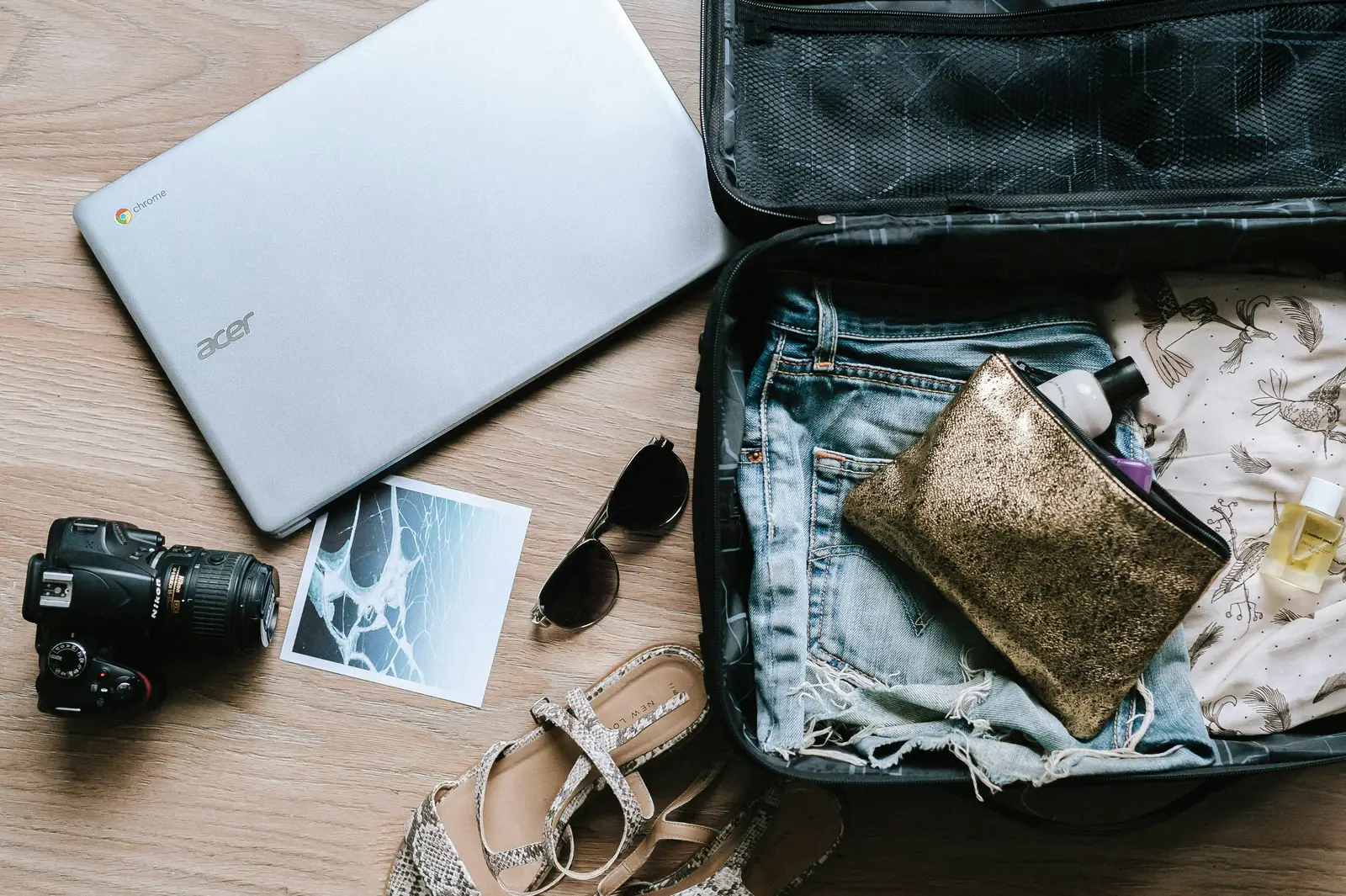
Overpacking isn’t just an occasional slip. According to the latest Global Rescue Traveler Sentiment survey, roughly four in ten experienced international travelers now identify bringing excess luggage as their single biggest travel mistake. That figure has climbed from around a third of respondents in 2025, suggesting the problem is actually getting worse, not better.
Separately, research found that more than seven in ten people admit they’ve overpacked for a trip, and roughly four in ten returned home with clothes they never even wore. The irony is that most of us know we overpack, we do it anyway, and then souvenirs push the situation over the edge on the return trip.
Overpacking leads to excess baggage fees and makes navigating airports and accommodations unnecessarily stressful. A foldable duffel packed flat in your suitcase doesn’t solve the clothing problem, but it gives you a clean escape route when the souvenir situation becomes real.Baggage Fees Have Never Been Higher
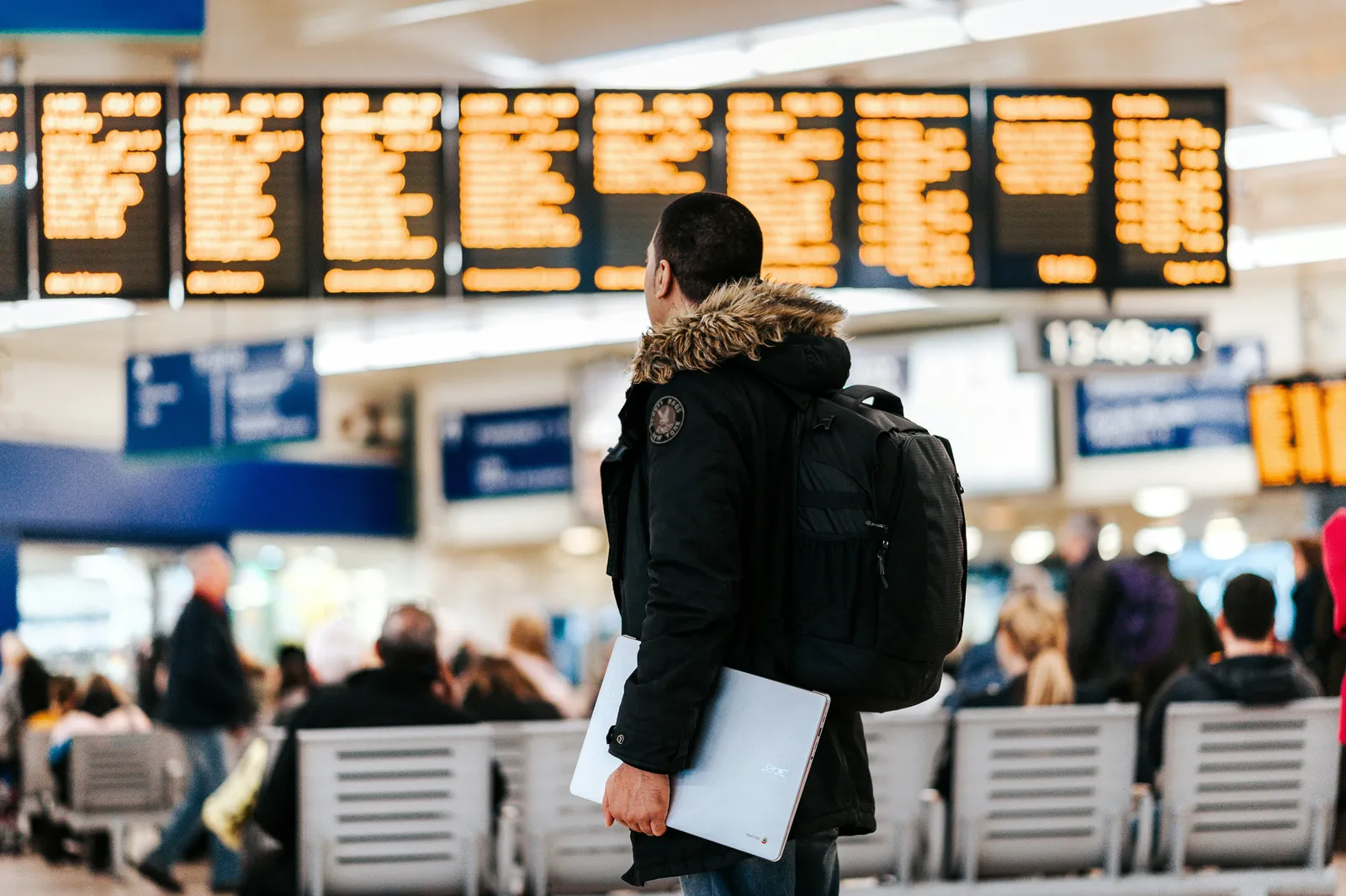
The Bureau of Transportation Statistics shows U.S. airlines brought in more than $7.4 billion in passenger baggage fees in 2025, a 162 percent increase over five years. That number tells you everything about the direction this is heading.
Airline baggage fees in 2026 are more complicated than ever, with charges for carry-on bags, checked luggage, and overweight baggage varying widely by airline. On most legacy carriers, you’ll pay $45 to $50 for your first checked bag and $55 to $60 for a second. Overweight fees on top of that can easily reach $100 or more per bag.
In 2025, the airline industry saw a major shift when Southwest Airlines removed free checked bags for all passengers, ending one of the last genuine freebies in domestic air travel. The message is clear: every extra pound you check costs real money, and souvenirs add up fast.
What a Foldable Duffel Actually Does for You
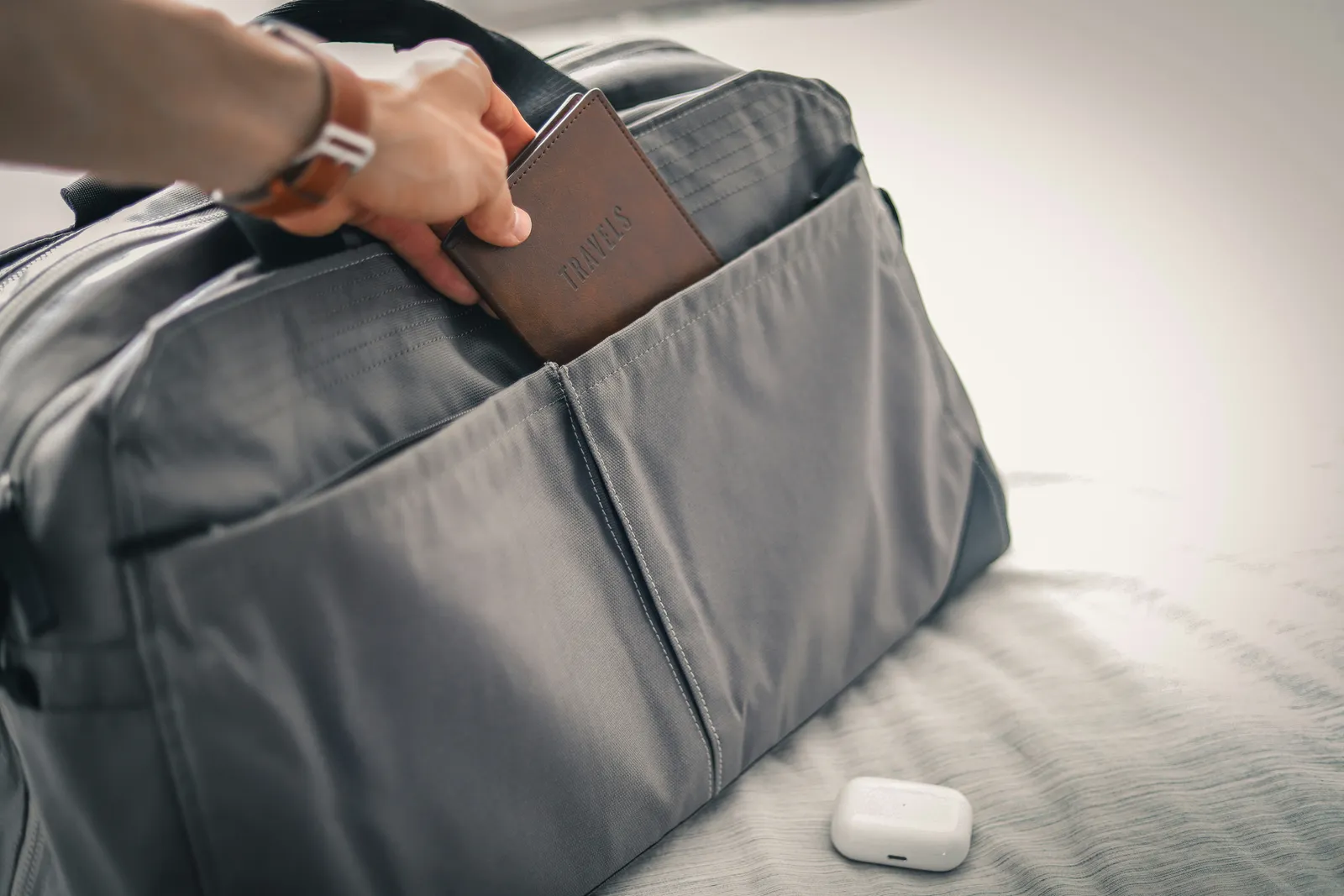
The concept is simple. You fold the duffel flat, slip it into the bottom or side of your main suitcase, and it takes up almost no room on the outbound journey. When you’re heading home loaded with market finds, you transfer the overflow into the duffel and carry it as a second bag on board, or check it separately.
The rapid proliferation of low-cost carriers, which collectively transported over 1.2 billion passengers in 2024, has made carry-on compatibility a decisive purchasing criterion, benefiting soft-sided duffel bags that can be compressed and reshaped to meet varying airline size restrictions. A foldable duffel, being soft-sided by nature, adapts far more easily to overhead bins than rigid suitcases.
As travelers resume frequent trips, the demand for pliable duffel bags has escalated due to their ability to fit into overhead compartments more easily than rigid alternatives. That flexibility isn’t a minor feature when you’re trying to squeeze a bag stuffed with local pottery into an overhead bin.
The Market Agrees: Foldable Bags Are a Growing Priority
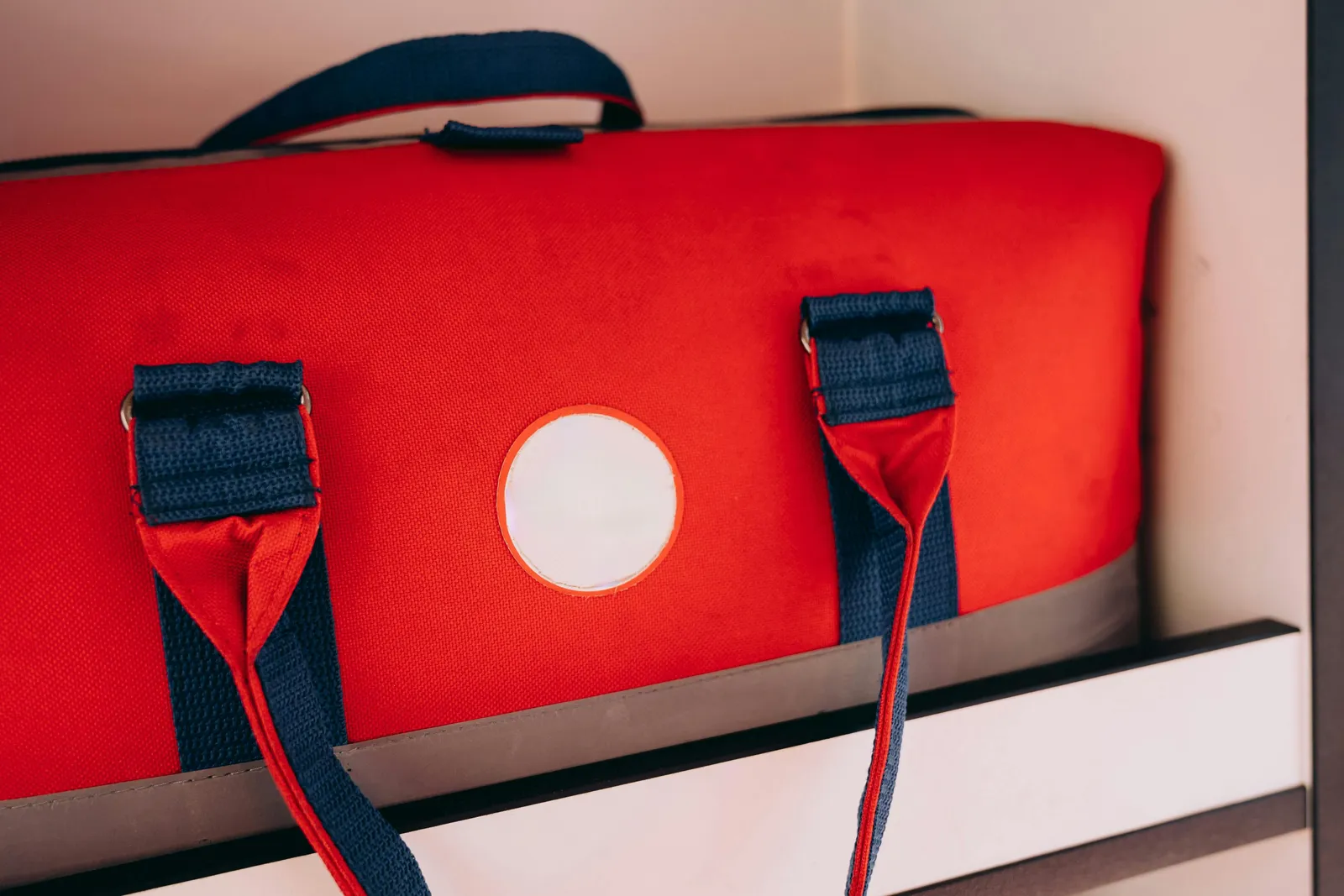
The global travel duffel bag market was valued at $5.8 billion in 2024 and is projected to reach $9.3 billion by 2033, growing at a compound annual growth rate of 5.4%. Consumer behavior is driving this. People want flexibility, and the numbers reflect it.
According to the Travel Goods Association, in 2024, the sales volume of travel and sports bags surged by 14.8%, highlighting a strong consumer preference for these adaptable travel companions. Sales for versatile foldable duffel bags surged by 23.5% in July 2025 alone, while rolling duffel bags saw a 75% sales increase in August 2025.
Research suggests that roughly more than a third of users now prioritize travel adaptability when choosing luggage. A foldable duffel is, in many ways, the physical expression of that preference: a bag you only deploy when you need it.
Weight Matters More Than Volume
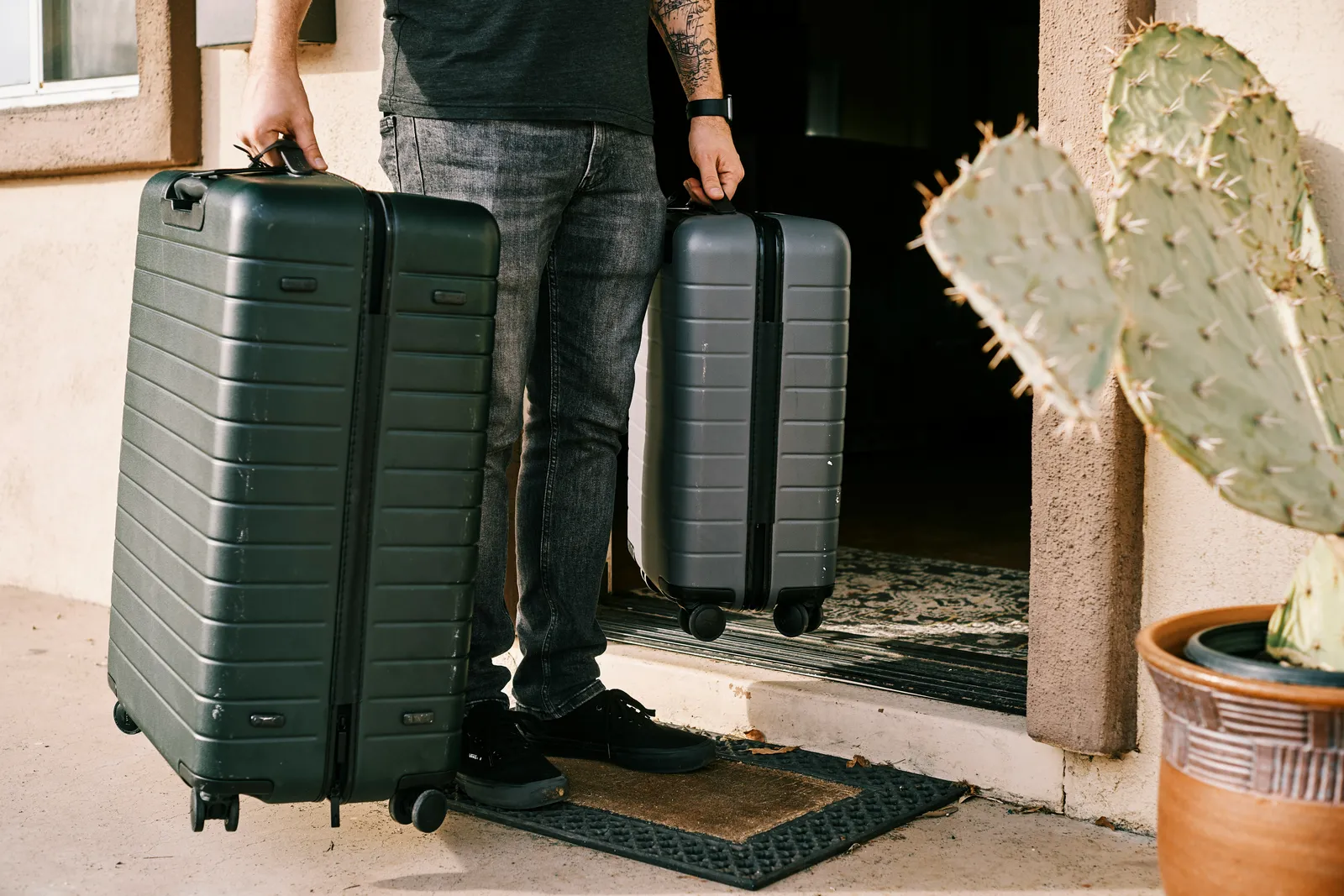
Volume is only part of the souvenir challenge. Weight is the other side of it, and that’s where things get expensive quickly. Olive oil, wine bottles, ceramics, artisan metalwork: souvenirs are often surprisingly heavy, and a single extra kilogram at the check-in counter can trigger fees that cost more than the gift itself.
Overpacking can cause real financial frustration, as roughly one in five Americans has encountered having to pay extra fees for overweight luggage when traveling by plane. The smarter move is to pack light outbound, leave room in the weight allowance intentionally, and use a foldable duffel to add volume on the return, distributing weight across two bags instead of straining one.
Research found that 40.1% of people say they often struggle to close their suitcase when packing for a long trip. A foldable duffel removes that struggle entirely on the return leg by giving you an additional container rather than forcing everything into one overstuffed shell.
The Checked Baggage Risk You Rarely Think About
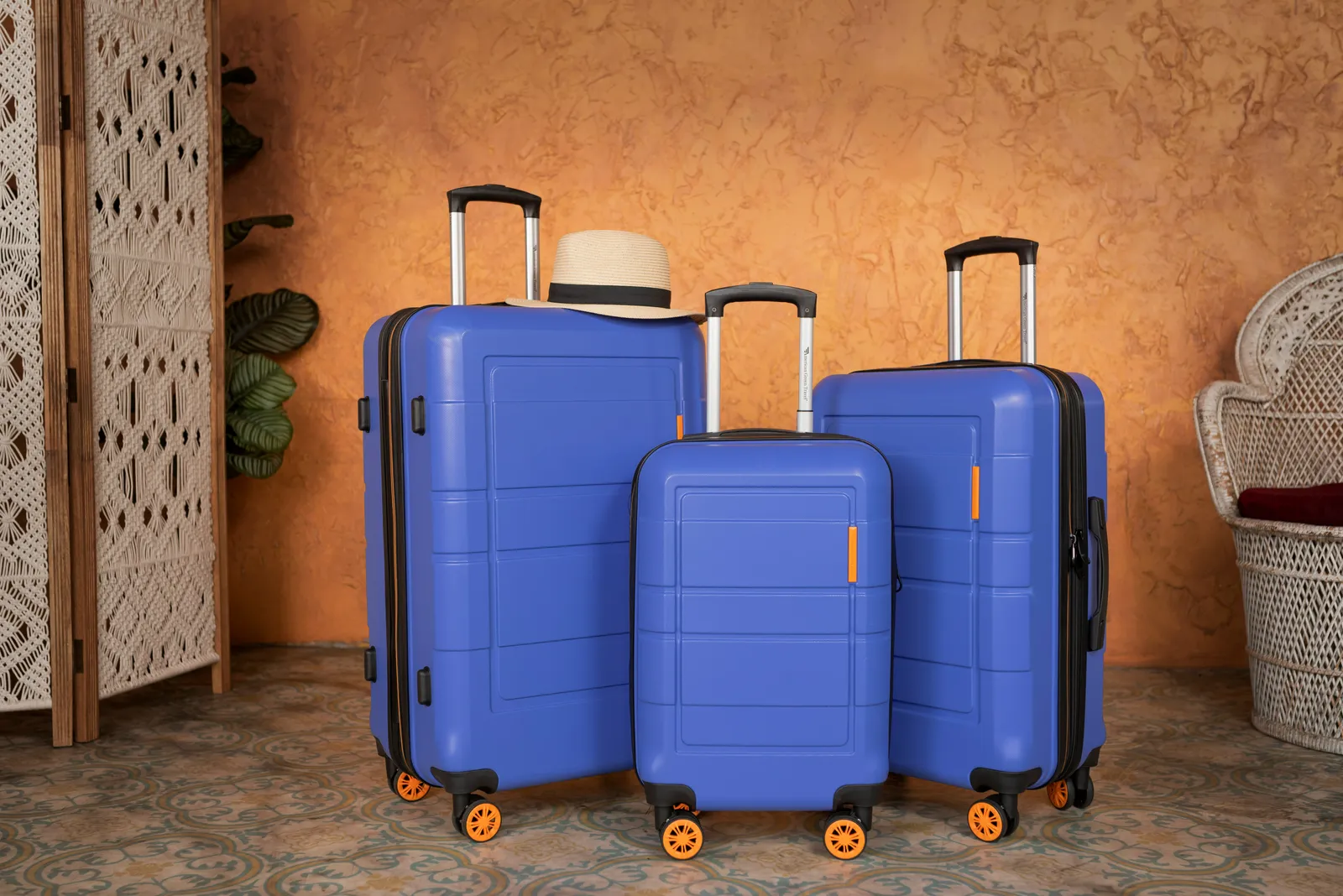
When you buy something fragile or irreplaceable at a local market, the last thing you want is for it to vanish or be damaged in transit. Checked luggage carries real risk. In 2024, roughly 33.4 million bags were mishandled globally, based on SITA and Department of Transportation data.
The global mishandling rate stood at 6.3 per 1,000 passengers in 2024, with the estimated annual cost to airlines of approximately $5 billion. Transfer routes are particularly risky, with mishandling at connection points accounting for the largest share of incidents. A foldable duffel used as a carry-on keeps your most valuable finds under your direct control the entire flight.
Sustainability and the Case Against Buying Another Bag
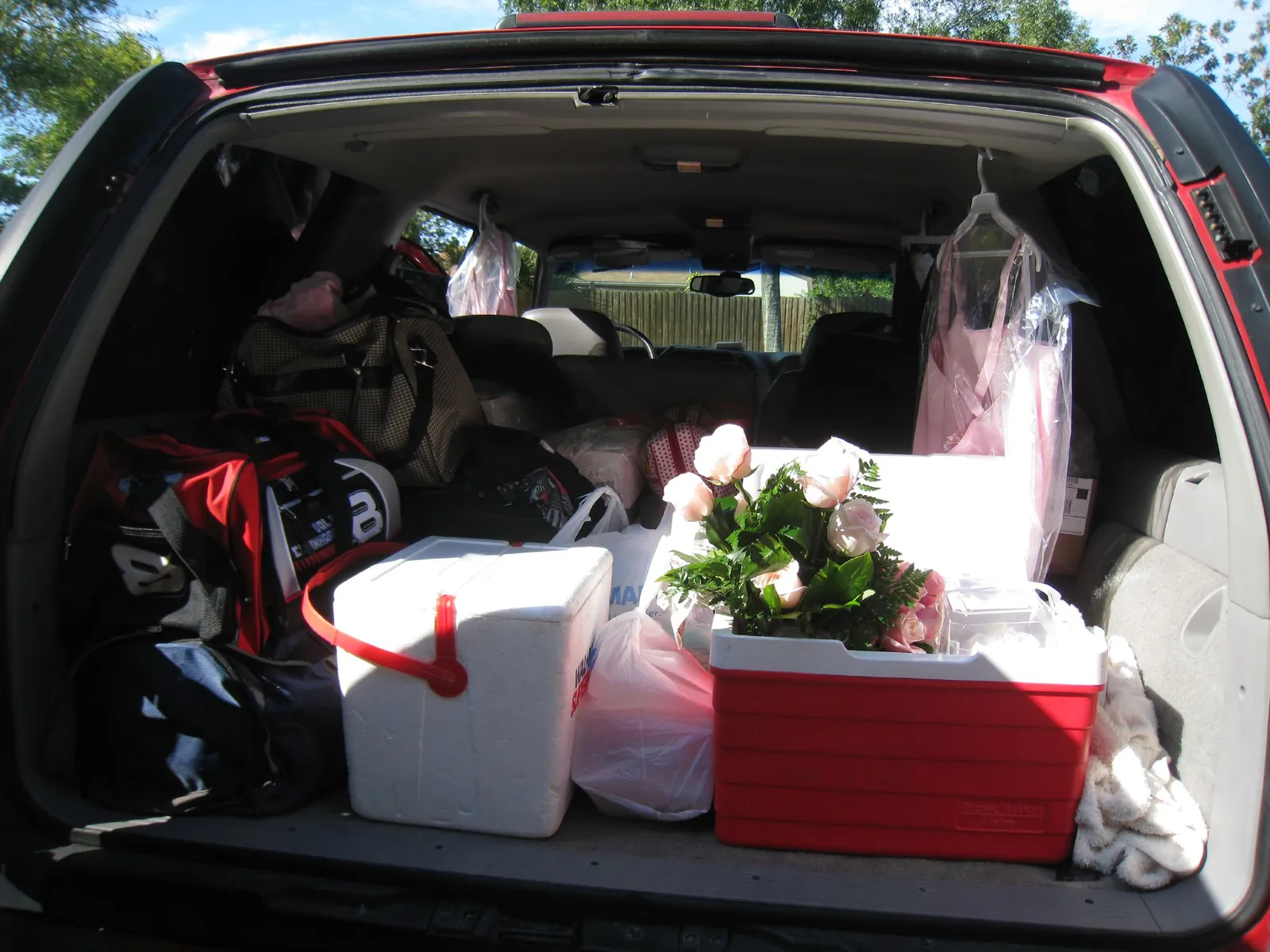
There’s a quiet environmental argument here too. Rather than buying a cheap plastic bag at a market, shipping souvenirs home in cardboard boxes, or purchasing an entirely new piece of luggage at the destination, bringing a foldable duffel from home is simply more considered. One bag, already owned, used again.
The eco-conscious consumer is increasingly impacting the luggage market, pushing brands to incorporate sustainable practices by using recycled materials in bag production. Samsonite, for example, introduced a new range of lightweight duffels using recycled PET material, reporting a 10% increase in initial pre-orders. Buying once and using repeatedly is a principle that fits naturally into responsible travel.
The 2025 luggage market is characterized by evolving consumer preferences toward lightweight, multifunctional designs and sustainability. A foldable duffel, when chosen thoughtfully, checks all three of those boxes at once.
What to Look for in a Quality Foldable Duffel
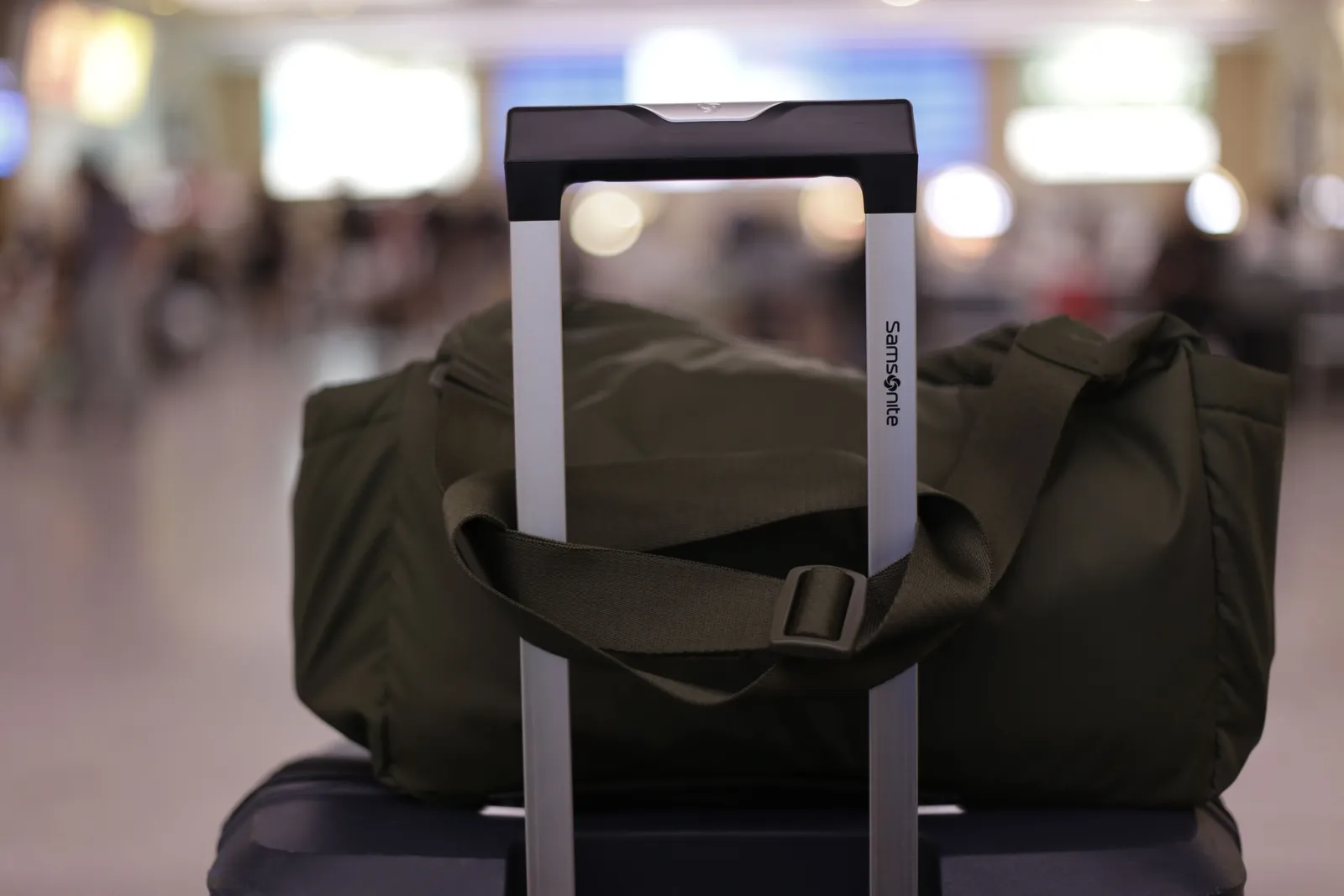
Not all foldable duffels are created equal. Consumer reviews consistently flag two main complaints: zipper failures and size accuracy. Negative consumer feedback about foldable travel bags commonly centers on flimsy material and zipper issues, cited by a meaningful share of reviewers. These are the two areas worth scrutinizing before you buy.
The best foldable duffels fold down to roughly the size of a paperback book, weigh under a kilogram, and open into a bag that holds between 30 and 50 liters comfortably. Look for reinforced zipper pulls, shoulder strap attachment points that feel solid rather than sewn-on as an afterthought, and a base that doesn’t sag when loaded.
Consumer sentiment data shows that the most praised qualities in large foldable duffel bags are being lightweight and spacious, in that order. Both matter equally when you’re trying to carry a bag through a crowded airport on a return journey.
Packing a Foldable Duffel: A Practical Strategy
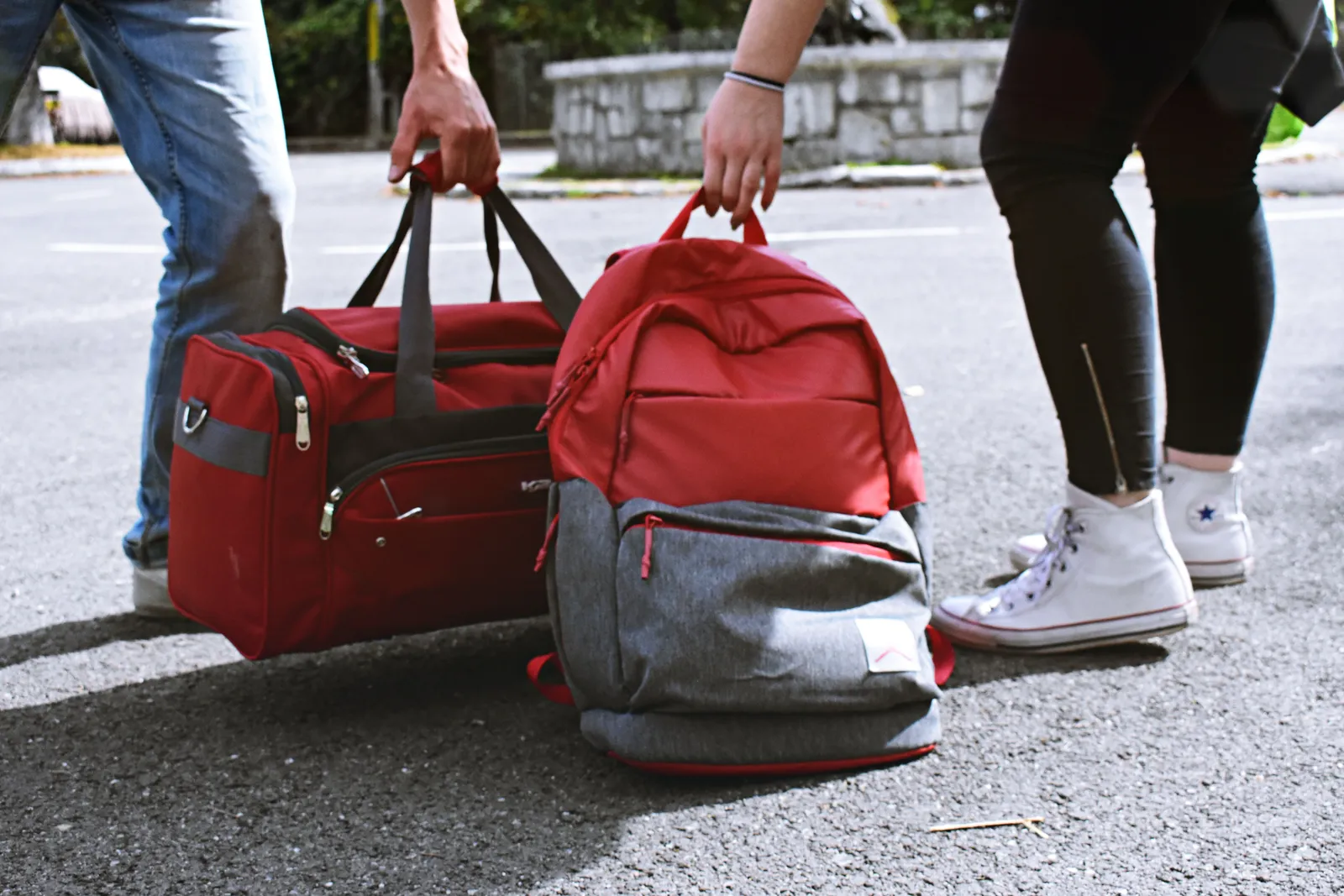
The strategy works best when it’s intentional from the very start of a trip. Pack your clothing and toiletries in your main suitcase and deliberately leave some space, not because you expect to need it outbound, but because souvenirs will fill it. Tuck the folded duffel flat against the back panel of your suitcase. It weighs almost nothing and disappears completely.
At the market, the bazaar, or the artisan workshop, buy freely and confidently. At the hotel before checkout, load the heaviest or bulkiest purchases into the duffel. If you’re flying carry-on only, the duffel becomes your personal item or an additional approved carry-on depending on the airline’s policy. If you’re checking bags, distributing weight across two bags often keeps you under the per-bag weight limit and avoids the overweight fee entirely.
Research shows that among experienced travelers, popular packing strategies include using compression packing cubes, rolling clothes instead of folding them, and other organized techniques. A foldable duffel fits naturally alongside these habits rather than replacing them. It’s less of a product and more of a mindset.
The Broader Shift Toward Flexible, Multi-Purpose Travel Gear
The market’s expansion is fundamentally driven by a robust resurgence in global tourism and a significant rise in consumer participation in outdoor recreational activities, which necessitates lightweight and flexible gear solutions. That shift goes beyond just duffels. Travelers across the board are reconsidering heavy, rigid luggage systems in favor of pieces that adapt to the journey rather than dictating it.
International tourist arrivals reached approximately 1.4 billion in 2024 and are expected to fully exceed pre-pandemic peak levels by 2026, according to UNWTO projections. More people traveling means more people bringing things home, and more pressure on luggage systems that weren’t designed with souvenir loads in mind.
Consumers in the United States and Canada now exhibit a strong preference for premium, branded duffel bags that offer innovative features such as anti-theft compartments, ergonomic designs, and sustainable materials. The category has matured significantly, and the days of the foldable duffel as a flimsy afterthought are largely behind us.
The Takeaway
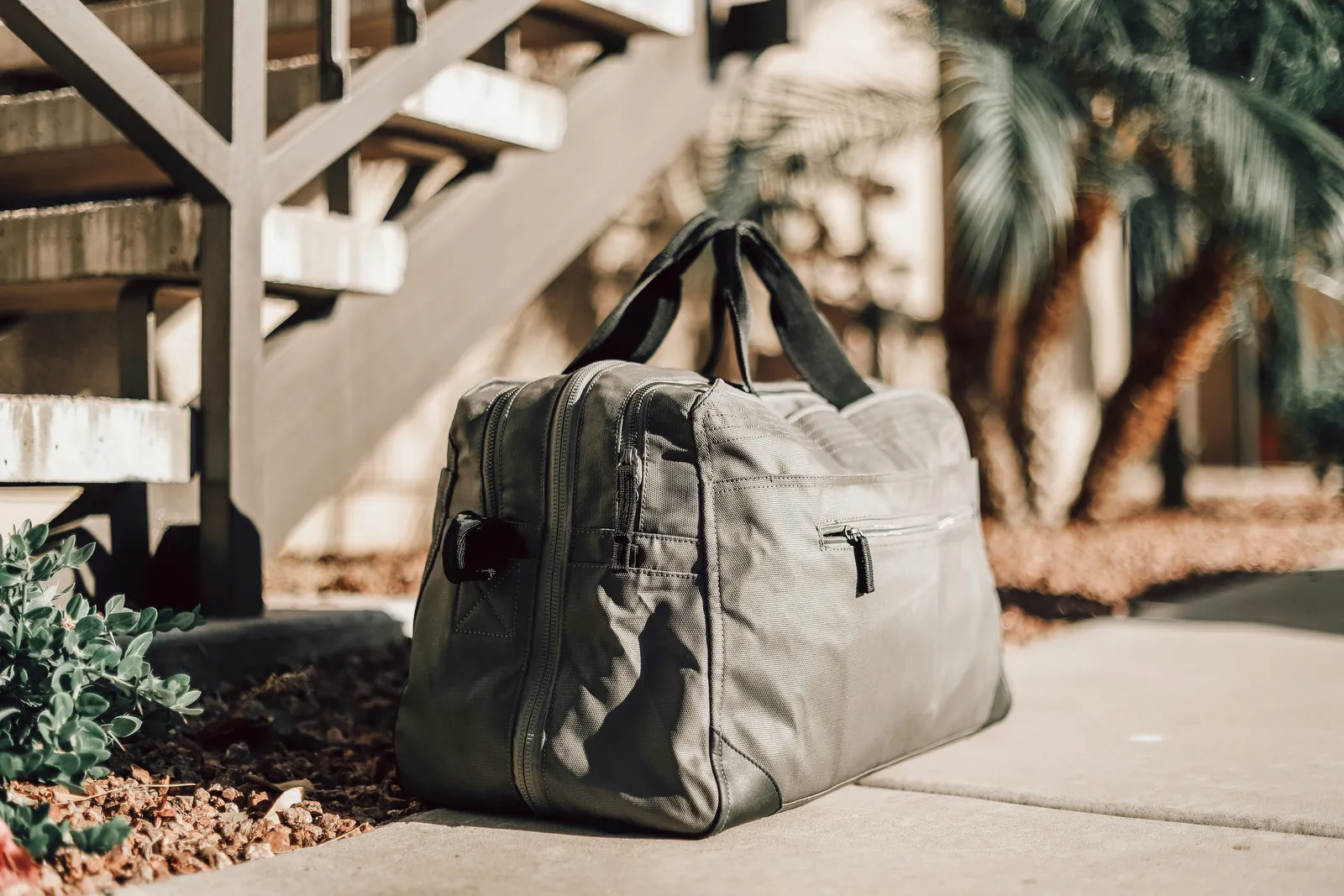
The foldable duffel occupies a strange, underappreciated corner of the travel toolkit. It takes up almost no space, costs very little compared to a single overweight baggage fee, and solves a problem that nearly three in four travelers experience on almost every trip. It doesn’t require rethinking your entire packing system.
What it does require is the small act of remembering to pack it before you leave. The traveler who does that arrives home with their ceramics intact, their wallet a little fuller, and a quiet, earned satisfaction that no amount of frantic re-packing at a check-in desk can replicate.
AI Disclaimer: This article was created with the assistance of AI tools and reviewed by a human editor.