
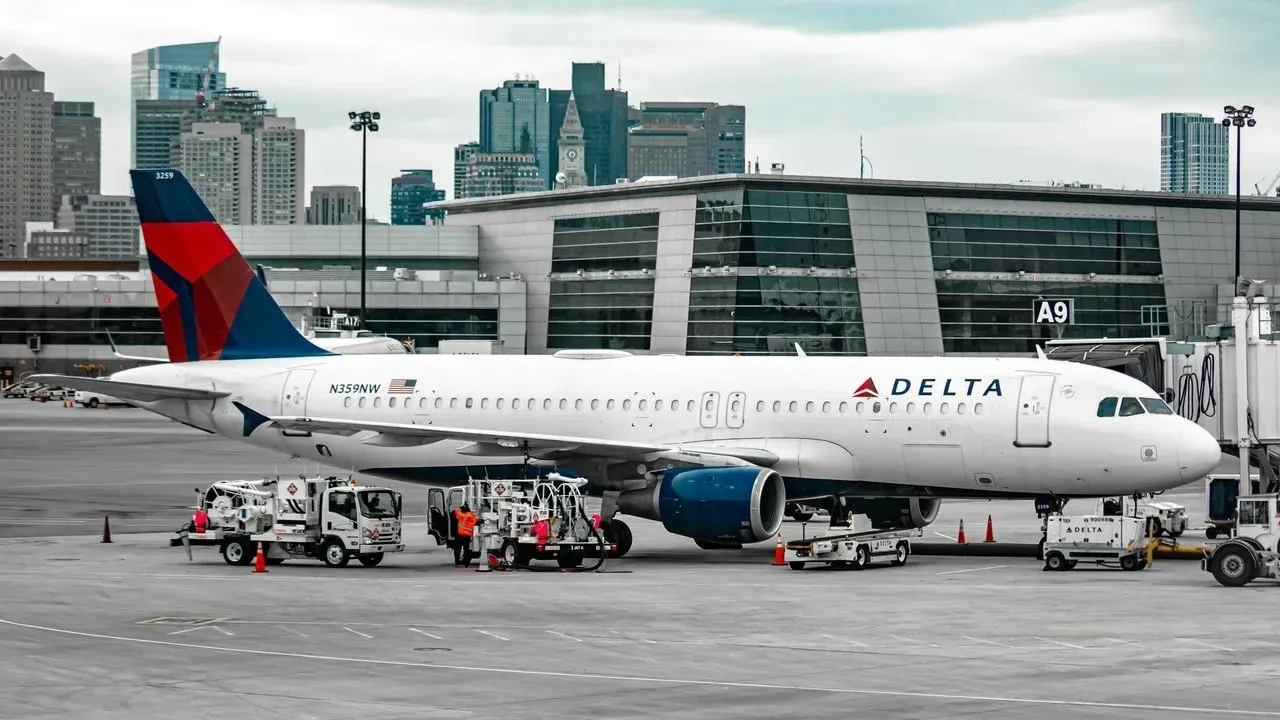

Delta Air Lines has equipped more than 95 percent of its fleet with the systems required for complimentary Wi-Fi, a development that now extends reliable connectivity to nearly every route the carrier operates. The Atlanta-based airline recently closed its final coverage gap over the Pacific Ocean with the activation of a new satellite. This milestone reflects years of steady investment and positions passengers on long-haul flights to Asia, Australia, and the South Pacific with access they previously lacked on some aircraft. ([1])
A Fleet-Wide Achievement Years in the Making
The carrier first signaled its intent to offer free Wi-Fi to loyalty members in early 2020. Since then, Delta has outfitted roughly 1,300 aircraft with the necessary hardware. The most recent satellite addition completed coverage across its entire network, including the longest international sectors. Regional jets and smaller Boeing 717s are also receiving final upgrades, ensuring consistency even on shorter domestic hops.
Staying Competitive Without Starlink
Other major U.S. carriers have moved quickly to adopt Starlink for its high-speed performance. United Airlines has installed the service on 43 percent of its jets, while Alaska Airlines stands at roughly 40 percent. Southwest Airlines has stated it expects full fleet coverage ahead of those two airlines. Delta has instead focused on its existing Viasat partnership and a future agreement with Amazon’s satellite network, scheduled to begin appearing on aircraft in 2028. The airline maintains that its current global reach already delivers a practical advantage for travelers who value consistent access over peak speeds on every flight.
Immediate Upgrades Underway
Delta is transitioning aircraft to a newer Viasat satellite that promises greater bandwidth and fewer slowdowns during peak usage. The shift has already received positive early feedback from passengers on North and South American routes. Completion across those regions is expected by Thanksgiving, with the remaining international fleet following soon after. Chief marketing and product officer Ranjan Goswami noted that these changes will deliver a noticeable improvement in overall capacity to each airplane. He described the ongoing work as similar to maintaining a large structure: once one phase finishes, the next begins from a stronger base.
What This Means for Travelers
Passengers can now plan trips with greater confidence that Wi-Fi will be available from departure gate to arrival, whether crossing the Pacific or connecting through a regional airport. The service remains free for all customers, continuing the standard Delta helped establish across the industry. As other airlines complete their own installations, flyers will have more options, yet Delta’s near-complete coverage offers immediate reliability on the routes it serves today. The carrier’s approach underscores a steady focus on broad accessibility rather than waiting for a single new technology to reach every aircraft.
AI Disclaimer: This article was created with the assistance of AI tools and reviewed by a human editor.