

The Layering System Is Non-Negotiable
Every experienced expedition guide leads with the same principle: layering. Layering your clothing is essential for navigating Antarctica’s unpredictable weather, and your packing should include base layers, middle layers, and outer layers. Base layers like thermal underwear wick away moisture and keep you warm, middle layers such as fleece or lightweight wool sweaters provide insulation, and your outer layer – a windproof and waterproof parka and pants – shields you from icy winds and snow.
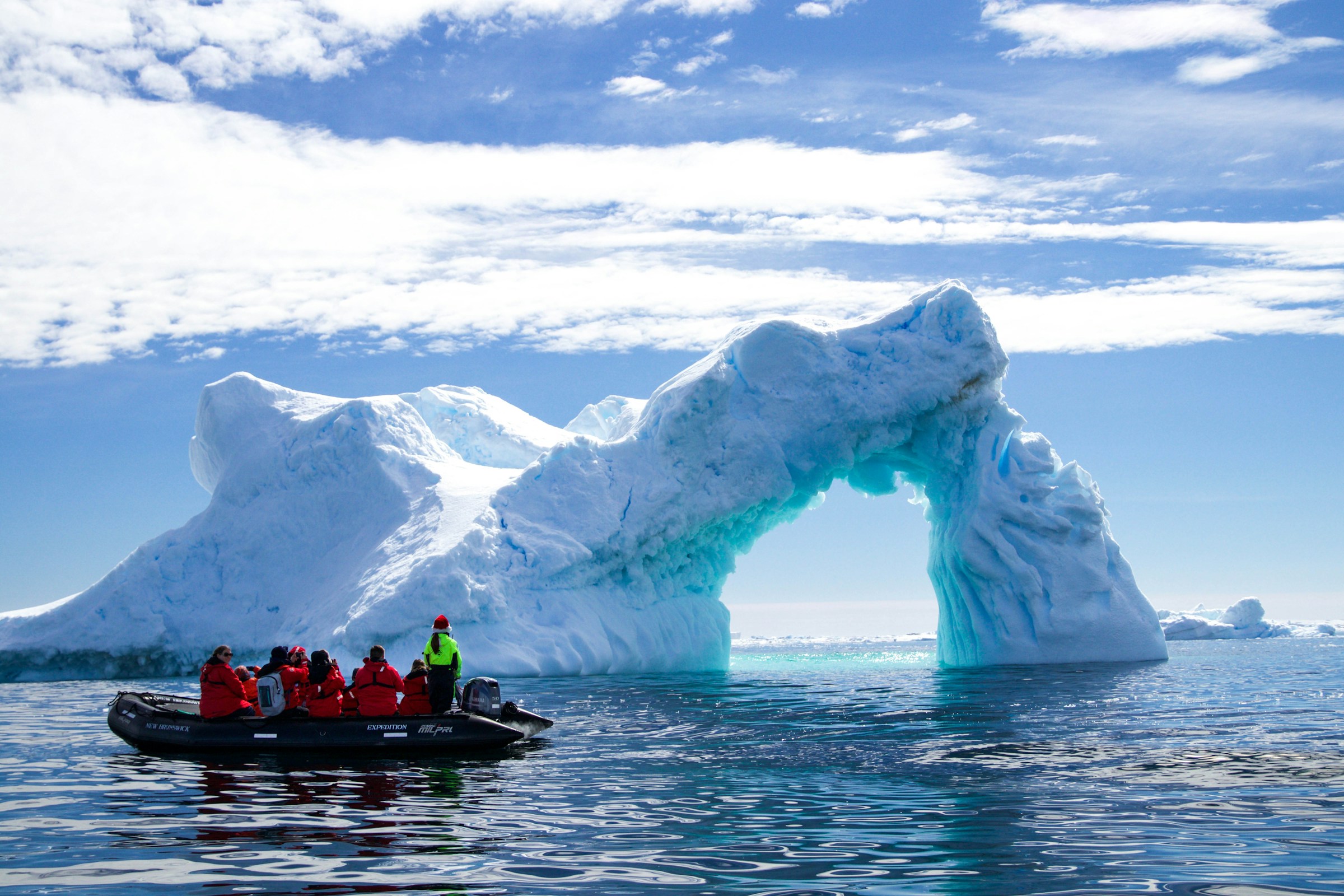
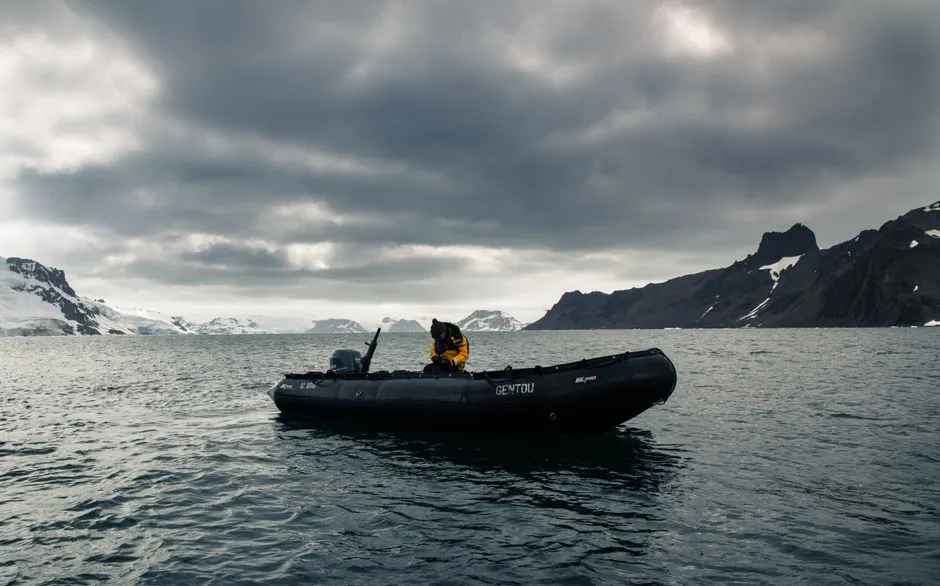
Temperatures during the austral summer, when most travelers visit Antarctica, will typically be between 30 and 40 degrees Fahrenheit. That sounds manageable until the wind picks up. It is the wind and the wet – spray from a Zodiac cruise – that can make it feel dramatically colder.
Start with the Right Base Layer Material

Pack moisture-wicking thermal tops and bottoms to keep you warm without overheating. Merino wool is ideal, as it insulates even when damp and can be worn multiple days before needing a wash, which is key for compact packing.
One important rule: do not wear anything made of cotton on excursions, including cotton socks. If cotton gets wet, it takes too long to dry, leaving you dangerously cold. The best material is Merino wool, as it wicks moisture away from your skin.
If you are allergic to wool, high-performance polyester fabrics that wick away moisture are a solid alternative. Many expedition veterans use synthetic base layers without any issue.
Mid Layers: Your Adjustable Insulation
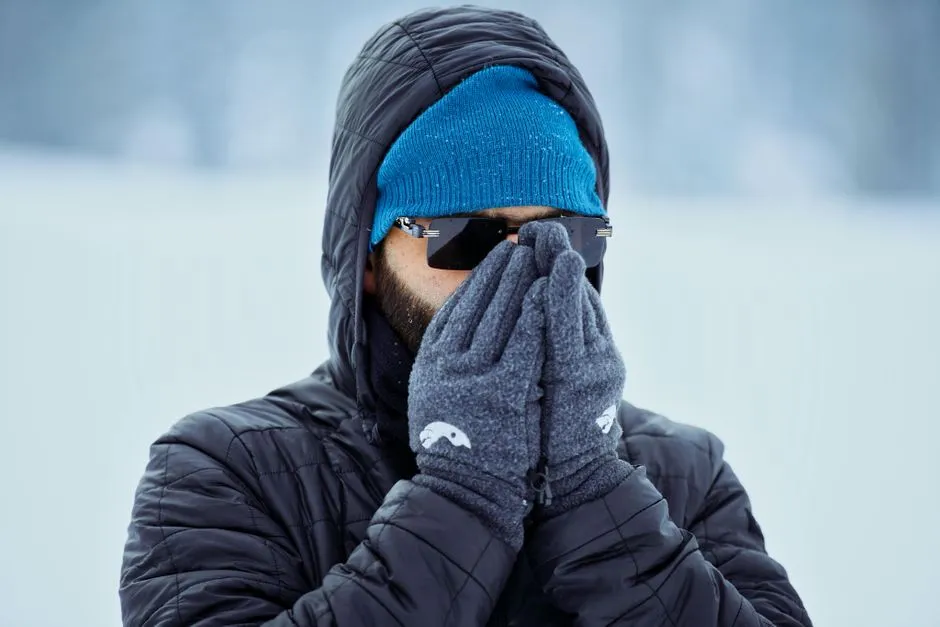
The mid layer is all about warmth. Pack lightweight fleece jackets, insulated vests, or wool sweaters. For colder excursions, a down or synthetic puffer jacket works well under your outer shell, as this layer traps your body heat, creating an essential buffer between base and outer layers.
Look for compressible materials so you can easily stow a mid layer in your backpack if temperatures rise during an outing. Antarctica’s weather shifts faster than most people expect. Having a layer that packs into its own pocket is a quiet luxury you’ll appreciate on day three.
For your legs, a pair of fleece or soft-shell trousers as a mid layer makes cold Zodiac cruises far more bearable, especially the long ones spent sitting still while you watch whales. Some travelers are perfectly happy with just thermal leggings under waterproof trousers, and on warmer summer days that is plenty.
What Your Cruise Line Will Provide (and What It Won’t)
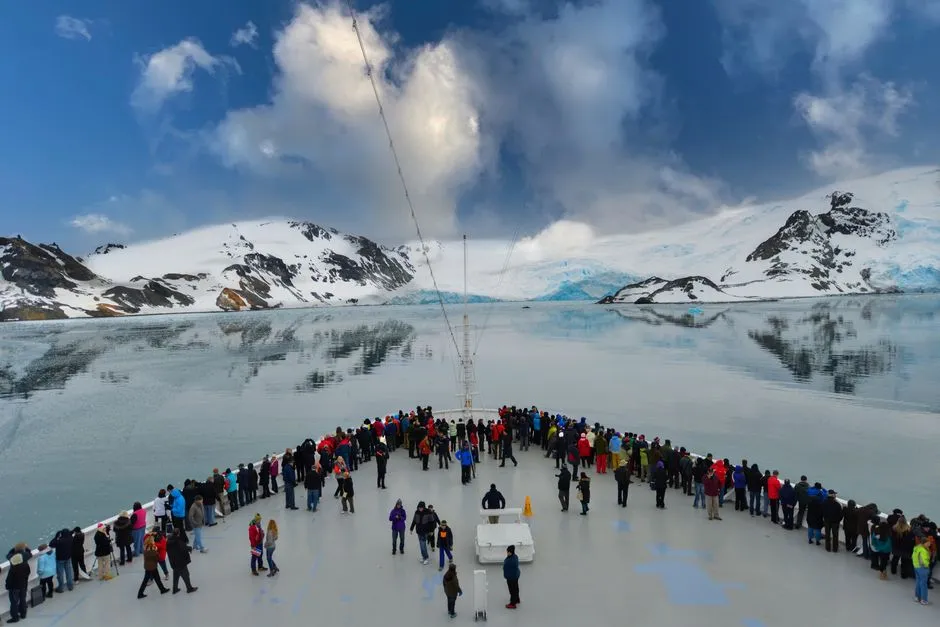
Many Antarctica expedition ships provide guests with a waterproof jacket to keep and rubber boots on loan, eliminating the need to pack the bulkiest items in your luggage – which is why you’ll see every guest on an expedition cruise wearing identical jackets. Do not forget to pack your own waterproof padded pants, as they are essential for all excursions.
Your cruise should provide two pieces of clothing: a waterproof, insulated jacket and snow boots. Operators will ask for your size ahead of time, with a fitting done once you’re on board. You are expected to provide the rest.
Confirming exactly what is loaned versus what you must bring is worth a direct email to your operator before you start spending money on gear. Lists vary between cruise lines.
Waterproof Gloves and Why You Need Two Pairs
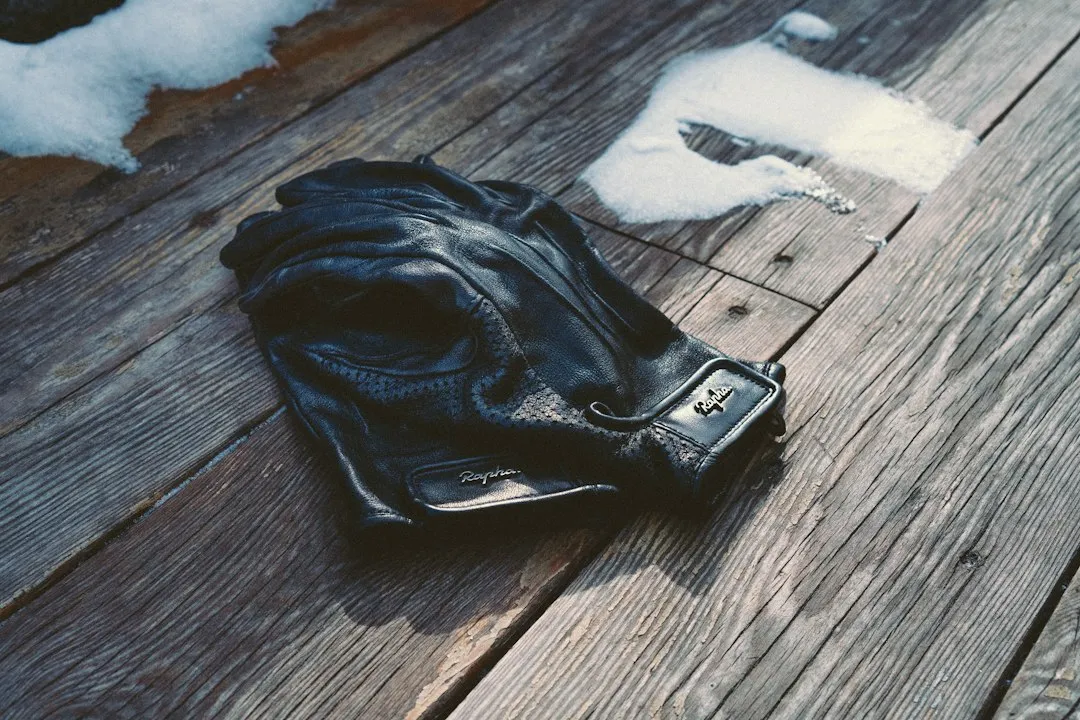
Your hands will face constant wind and splash during Zodiac rides and landings, so insulated, waterproof gloves are crucial. Bring glove liners or a thinner pair to wear underneath, which makes it easy to take photos or adjust your gear without exposing your skin to the cold.
Pack a spare set of gloves, since wet gloves can ruin an entire landing. Specialists recommend bringing at least two pairs of waterproof gloves and mittens, ideally with removable liners. One pair goes into the wash or drying room while the other pair stays ready for the next outing.
Footwear for Wet Landings

All landings in Antarctica are “wet landings,” requiring waterproof boots that come up to your calves. Most operators supply these. If yours does not, pack sturdy, insulated boots that can handle icy shallows.
Bring multiple pairs of wool socks. Thin liner socks beneath wool ones help reduce blisters and keep feet dry. For life on board the ship, pack comfortable slip-on shoes or trainers.
Several pairs of thermal and liner socks are needed to keep your feet dry and warm, along with regular socks for onboard comfort. Feet that stay dry are one of the most underrated comforts of the whole voyage.
Sun Protection Is Genuinely Serious
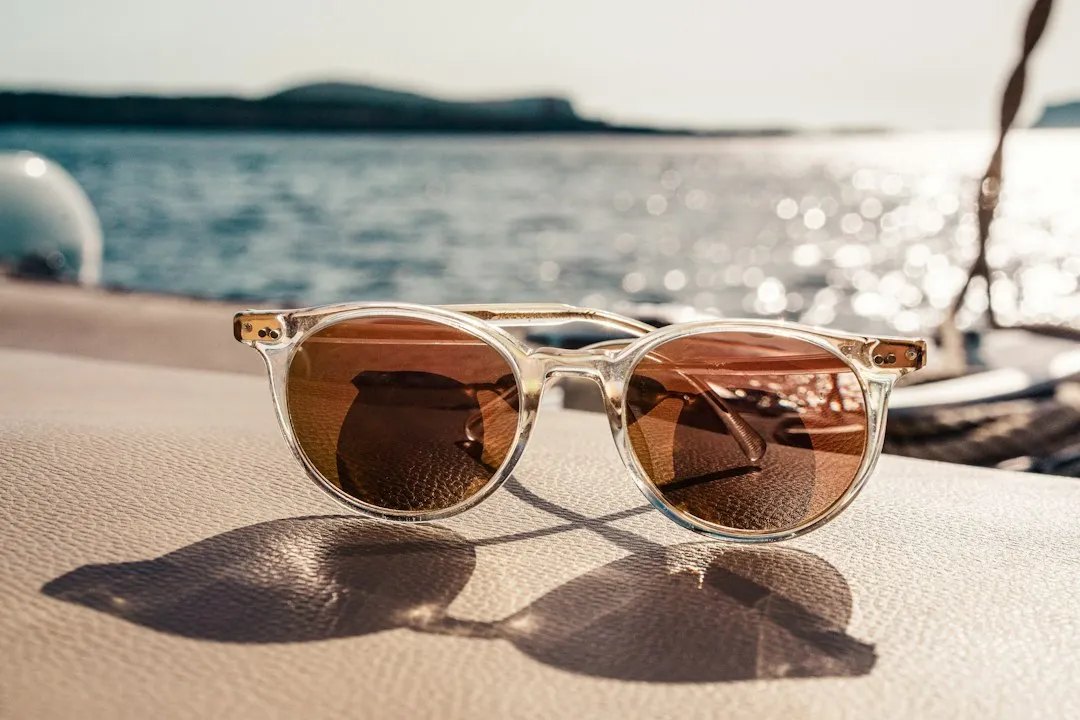
Two weather realities catch first-timers off guard. The sun is ferocious: the ozone layer is thin over the far south, and the glare reflecting off snow and water comes at you from every angle, so quality sunglasses, high-SPF sunscreen, and SPF lip balm are non-negotiable – sunburn under the chin and nose is genuinely common.
Even though it can be very cold and windy, the sun can be strong, particularly when reflected off the icy landscape, so bringing plenty of SPF sunscreen is essential. A sleep mask is also a good idea, because during the austral summer the sun barely sets.
Polarised sunglasses or goggles are essential against snow blindness caused by ice reflection. Standard fashion sunglasses simply don’t offer enough coverage in this environment.
Electronics and Camera Gear in the Cold
You cannot put anything on the ground in Antarctica, which makes changing lenses very cumbersome – so a versatile zoom lens is key. The cold drains batteries fast, so keep spare batteries in an inside pocket close to your body heat.
A small waterproof backpack is essential for protecting your camera gear during wet Zodiac landings. Some photographers recommend bringing an extra camera body to save time and discomfort changing lenses in frigid conditions.
A small dry bag of roughly three liters is useful for keeping your camera and other electronics dry during excursions, and it can double as a compression sack for packing. It is one of those inexpensive items that earns its weight many times over.
Seasickness Remedies and Medical Essentials

Between every landing, travelers must dip and scrub their boots at decontamination stations to avoid carrying anything from one site to another. This is part of IAATO biosecurity protocol, and it applies to every passenger on every ship regardless of operator. Velcro is also discouraged on clothing and gear due to Antarctica’s strict biosecurity rules, as it is too hard to keep clean.
The Drake Passage is famously one of the roughest stretches of ocean on Earth. Seasickness medication options travelers carry include scopolamine patches, over-the-counter meclizine tablets, and sea bands, which are acupressure bracelets for nausea. Starting medication before you reach the Drake – not after – is the consistent advice from expedition guides.
Travel insurance is mandatory for Antarctica trips and needs to cover emergency medical evacuation, with a recommended minimum of around 200,000 dollars and ideally 500,000 or more. Pack copies of all medical forms and insurance details in a location separate from your main luggage.
What to Wear on the Ship
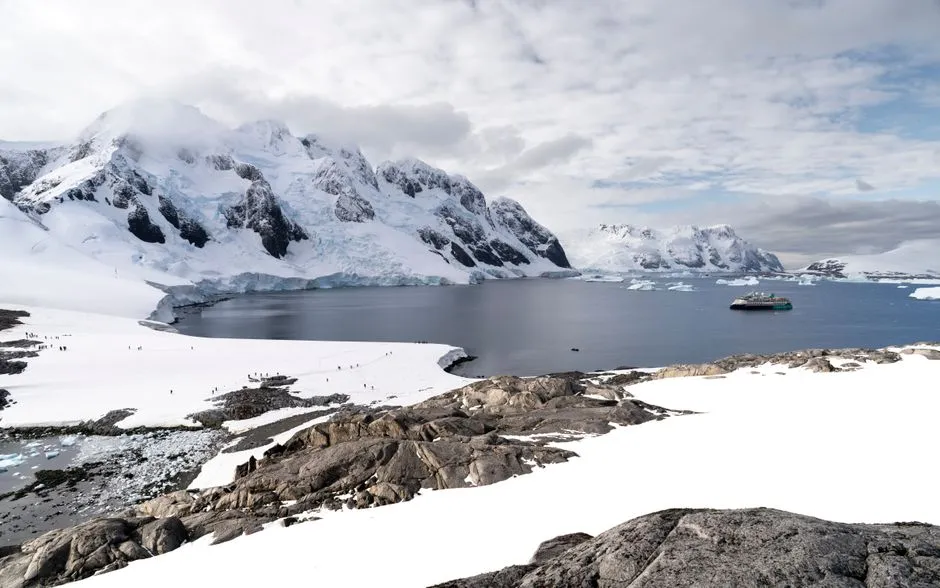
Most Antarctica packing lists focus on surviving the cold, but the real challenge is packing for both the landings and the ship moments. Comfortable, quick-drying casual clothes are needed for meals, lectures, and socializing on board.
A swimsuit is worth packing too – the Polar Plunge is a genuine tradition on many expedition ships, and many vessels also offer pools, saunas, and jacuzzis. Depending on the standard of the vessel, you may also want to bring something a little more formal or smart casual to wear to dinner.
Luggage should ideally be durable, easy to handle and stow in your cabin, and waterproof or water-resistant in case it gets splashed or rained on when being transferred to or from the ship. Soft duffel bags generally work better than hard-shell suitcases in small cabin spaces.
The Takeaway
Antarctica rewards preparation. The guides who lead these expeditions season after season have distilled their knowledge into a surprisingly consistent list: trust the layering system, never use cotton, confirm what your ship provides, and respect the sun more than you think you need to.
Ashore, the rules are simple and strict: no food, stay on the routes your guides set, keep your distance from wildlife, and take only photographs – never a rock, a bone, or a feather. Packing right is the foundation for all of it.
The best packing list is ultimately the one that lets you forget about gear entirely and simply look up. That is when Antarctica does what it does to everyone who arrives prepared.
AI Disclaimer: This article was created with the assistance of AI tools and reviewed by a human editor.