
The Common Assumption That Trips Everyone Up
The winter solstice is the shortest day of the year in terms of daylight, but it does not have the latest sunrise nor the earliest sunset of the year. Most people conflate “shortest day” with “darkest evening,” and those are genuinely two different things. The total hours of daylight are at their minimum on the solstice, but the clock time of sunset has already been creeping later for several days before that point.
The shortest day of the year doesn’t necessarily correspond with the earliest sunset. For example, sunset on December 8 in New York was at 4:28 p.m. ET, but on the solstice, it is four minutes later, at 4:32 p.m. ET. Four minutes may not sound like much, but it’s enough for evening commuters to notice the shift. By the time the solstice arrives, the sunsets are already quietly retreating toward evening.
What the Winter Solstice Actually Marks

The winter solstice occurs at the moment the earth’s tilt away from the sun is at a maximum. On the day of the winter solstice, the sun appears at its lowest elevation with a noontime position that changes very little for several days. The word solstice itself tells you something: it comes from the Latin “solstitium,” meaning the sun appears to stand still.
The winter solstice marks the shortest day and longest night of the year. In the Northern Hemisphere, it occurs when the sun is directly over the Tropic of Capricorn, which is located at 23.5 degrees south of the equator and runs through Australia, Chile, southern Brazil, and northern South Africa. This is a precise astronomical moment, not a fuzzy seasonal milestone. In 2025, it fell on December 21.
When the Earliest Sunset Actually Arrives
For much of the United States, the earliest sunset falls about two weeks before the December 21 winter solstice, on or near December 7. In 2025, it landed on Sunday, December 7. That’s nearly a fortnight ahead of the solstice, which catches most people completely off guard. The evenings were already getting longer again while winter hadn’t even officially started.
At mid-northern latitudes, the earliest sunset occurs around December 4 through 12, and the latest sunrise happens around January 2 through 8, and the further south you go, the further apart those dates drift. So this phenomenon follows a consistent geographic pattern. The spread between earliest sunset and latest sunrise widens considerably the closer you get to the tropics.
The Equation of Time: The Heart of the Explanation
The “equation of time” is a concept that explains discrepancies between solar time, based on the sun’s position, and clock time, which assumes the sun moves at a constant rate and divides the day into equal 24-hour segments. This concept is central to the whole puzzle. Our clocks run on a perfectly uniform system, while the sun moves through the sky at a pace that varies throughout the year.
The equation of time is calculated as “apparent solar time minus mean solar time.” That is the difference between time measured using a sundial, and time measured using a clock. When those two values diverge, as they do substantially in December, it pushes solar noon and therefore both sunrise and sunset later and later on the clock each day. The result is that the end of the day shifts forward even as the total daylight is still shrinking.
Depending upon the day of year, the equation of time yields values from a minimum of about minus 14 minutes to a maximum of approximately plus 17 minutes. That’s a swing of over half an hour across the year, which is more than enough to fully decouple the date of earliest sunset from the solstice itself.
Earth’s Elliptical Orbit and Why Speed Matters
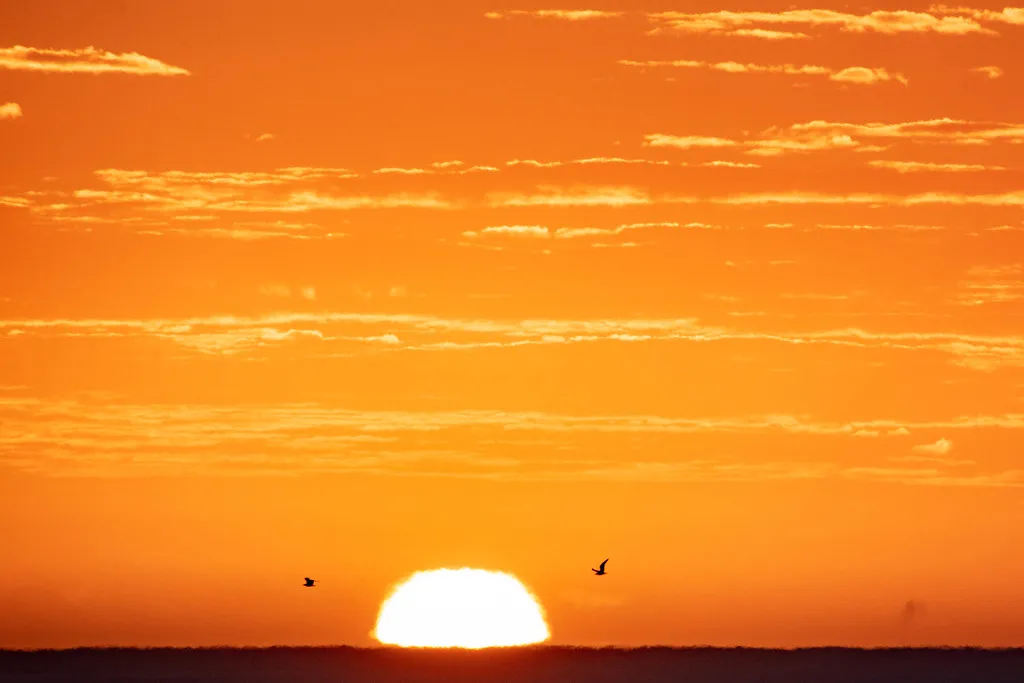
Earth doesn’t orbit the sun at a constant speed. It moves faster when it’s closer to the sun, at perihelion in early January, and slower when it’s farther away, at aphelion in early July. This variation in orbital speed is the first major driver of the equation of time. A faster-moving Earth means the sun appears to cross the sky at a different pace than our clocks expect.
The Earth moves faster when it is closer to the sun at perihelion, around January 3, and slower when it is farther from the sun at aphelion, around July 4, following Kepler’s Law. As a result, the interval between two occurrences of the sun at the zenith of a point lengthens when the Earth moves away from the sun and shortens when the Earth approaches the sun. In practical terms, this means solar noon drifts later on the clock each day through December, nudging both sunrise and sunset forward in time simultaneously.
Earth’s Axial Tilt Adds a Second Layer
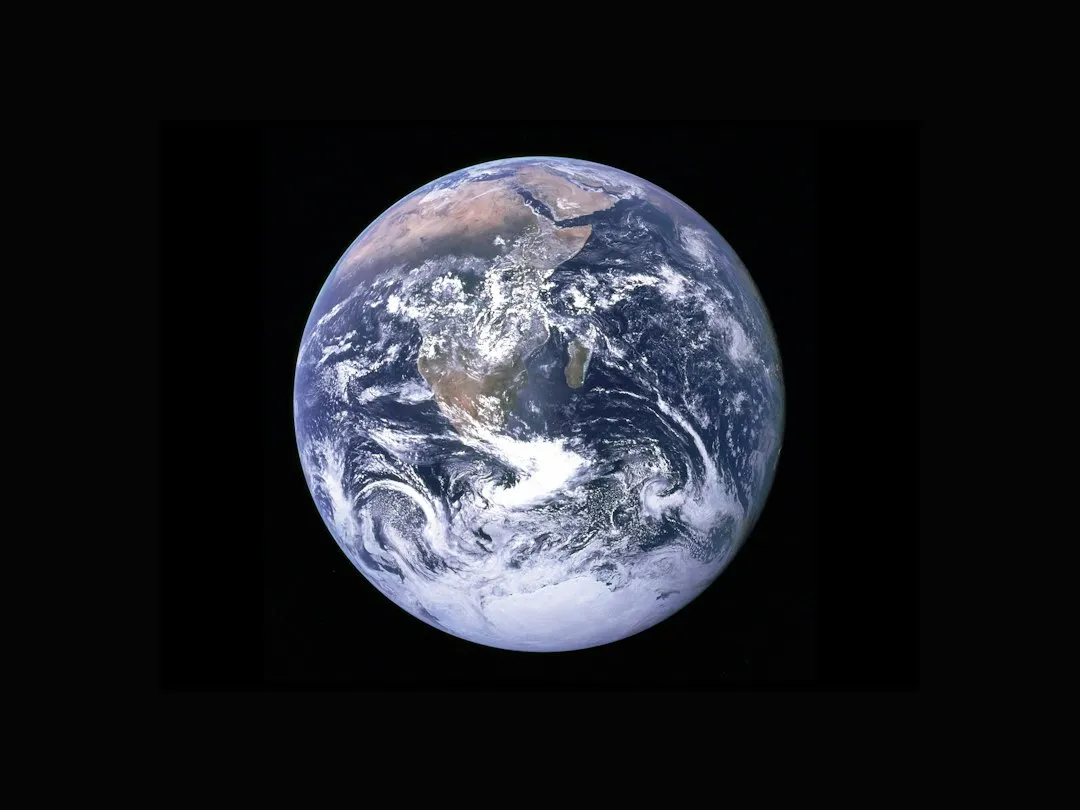
The offset between the dates of the solstice and the earliest or latest sunrise time is caused by the eccentricity of Earth’s orbit and the tilt of its axis, and is described by the analemma, which can be used to predict the dates. So it’s not just the elliptical orbit working alone. The 23.5-degree tilt of Earth’s axis compounds the effect, especially around the solstices.
The Earth’s rotation axis is tilted at 23.5 degrees relative to the orbital plane. This obliquity causes a shift in the projection of the sun’s motion onto the celestial equator, creating additional irregularities. When both factors, elliptical orbit and axial tilt, push in the same direction around December, the combined effect on sunset timing is at its most pronounced. The solstice happens to fall in a period where these two forces reinforce each other.
Solar Noon Drifts Later, Pulling Sunset With It
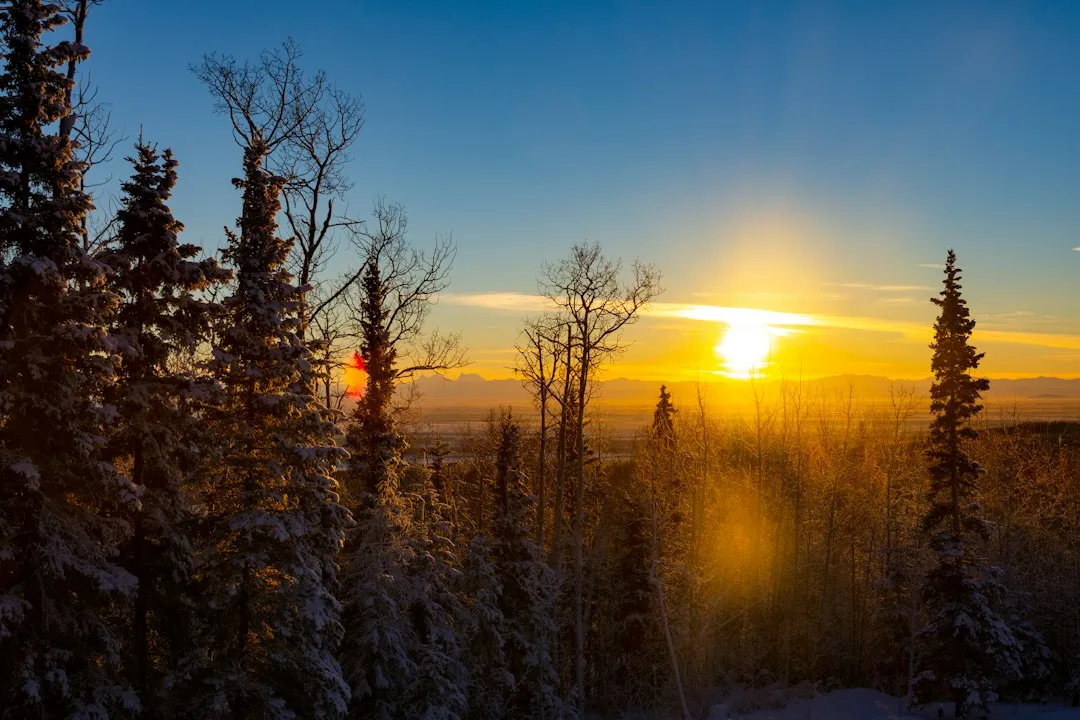
The tilt and elliptical orbit cause solar noon, the moment when the sun reaches its highest point in the sky, to shift slightly day by day. During December, solar noon gradually shifts later relative to our clock time. Think of it this way: if midday keeps arriving a little later on the clock, then the afternoon and evening must shift later too. Sunset follows solar noon, not the other way around.
Around the winter solstice, the value of the sun’s declination is only changing marginally each day, while the equation of time is changing relatively rapidly. The effect of the changing equation of time outweighs that of the changing declination. This is the key tipping point. In early December, the shift in solar noon is moving faster than the rate at which days are shortening, so sunset gets later even while total daylight keeps decreasing.
The Analemma: A Figure-8 Written in the Sky
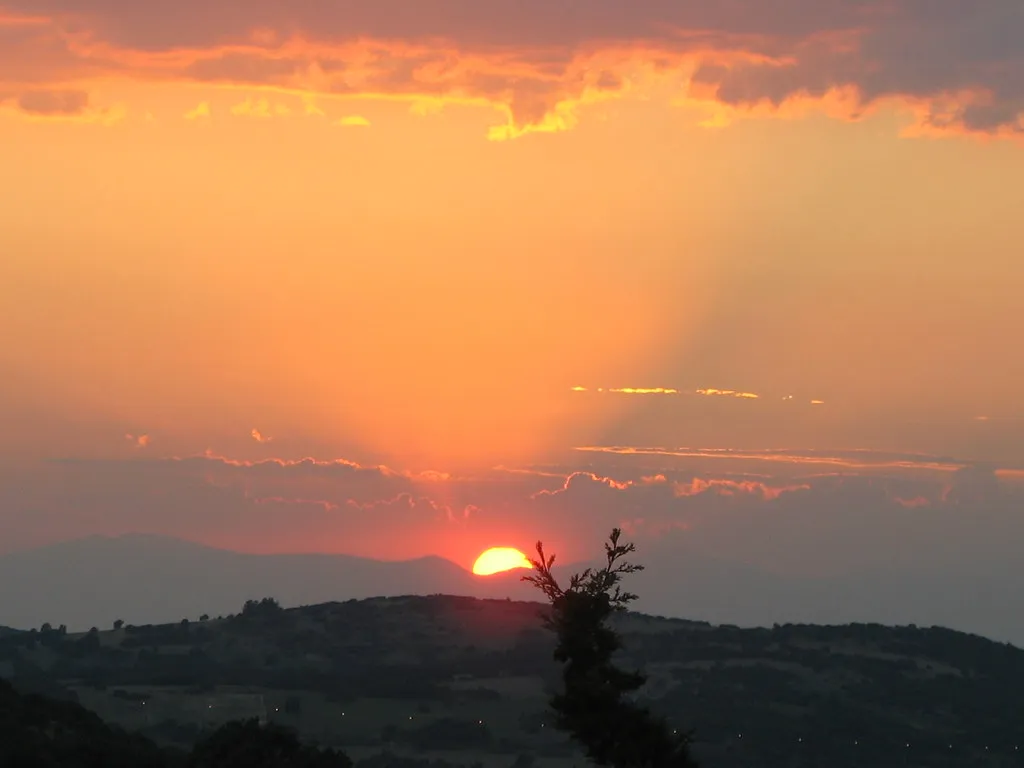
The analemma is a diagram showing the position of the sun in the sky at noon, local mean time. This figure-8 shape is called an analemma. If you photographed the sun at exactly the same clock time every day for a year, the sun would trace this figure-8 pattern across the sky. It’s one of the most visually striking ways to understand the equation of time.
The day on which the sun will hit the horizon earliest is not the day of the winter solstice. The day of the winter solstice is at the bottom of the “8.” The point of the evening analemma that is closest to the horizon indicates the day on which the sun will set earliest. It is a couple of weeks from the solstice. At a latitude around 40 degrees North, such as Philadelphia or New York, the sun sets about four minutes later on the solstice than it does on the day of earliest sunset, which is December 7.
How Latitude Shifts the Dates

Dates for the earliest sunset and latest sunrise also depend on a location’s latitude. Locations closer to the equator have their earliest sunset sometime in November. Locations at higher latitudes have their earliest sunset later, closer to the actual date of the winter solstice. This is one of the more counterintuitive pieces of the puzzle. People living closer to the tropics experience this mismatch most dramatically.
The exact dates of the earliest sunset and latest sunrise depend on latitude, but the sequence always remains the same: earliest sunset, shortest day, and latest sunrise. At 40 degrees north latitude, the earliest sunset comes around December 7 and the latest sunrise around January 4. The dates are closer together at higher latitudes and farther apart at lower latitudes. The sequence is fixed and universal; only the spread between dates changes with your position on the globe.
The Latest Sunrise Comes Even Later, in January

The latest sunrises aren’t on the day of the solstice either. For middle latitudes in the Northern Hemisphere, the latest sunrises come in early January. So the whole sequence is stretched out: earliest sunset in early December, shortest day on the solstice around December 21, and then latest sunrise arriving in the first week of January. Three separate events, spread across roughly a month.
The earliest sunset comes about two weeks before the winter solstice, while the latest sunrise comes about two weeks after it, around January 2. This means the winter solstice sits almost exactly in the middle of the two, like a hinge point. For anyone tracking the light, the mornings keep getting darker after the solstice for another two weeks before they finally start to improve.
What This Means for How Winter Actually Feels
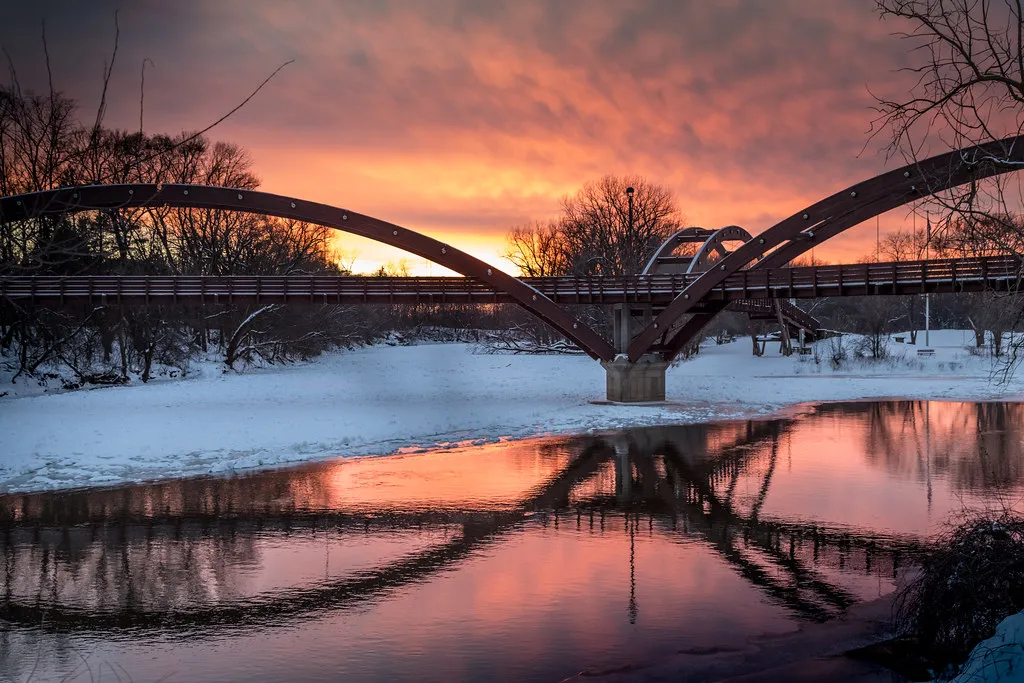
The earliest sunset of the year does not wait for the shortest day. It arrives about two weeks ahead of the December 21 winter solstice, which is why your evenings start to feel a little longer well before winter officially begins. This is something worth paying attention to from a lived experience perspective. If you’ve noticed that late November already feels oppressively dark in the evenings, that’s because the sunsets are genuinely closing in fast.
Once the earliest sunset passes, the evenings grow incrementally more generous each day, even while the mornings remain stubbornly dark. Many people feel a psychological lift in their evenings before they consciously register that anything has changed. The sky is giving back evening light on a quiet, steady schedule long before the official turning of the season.
The Takeaway
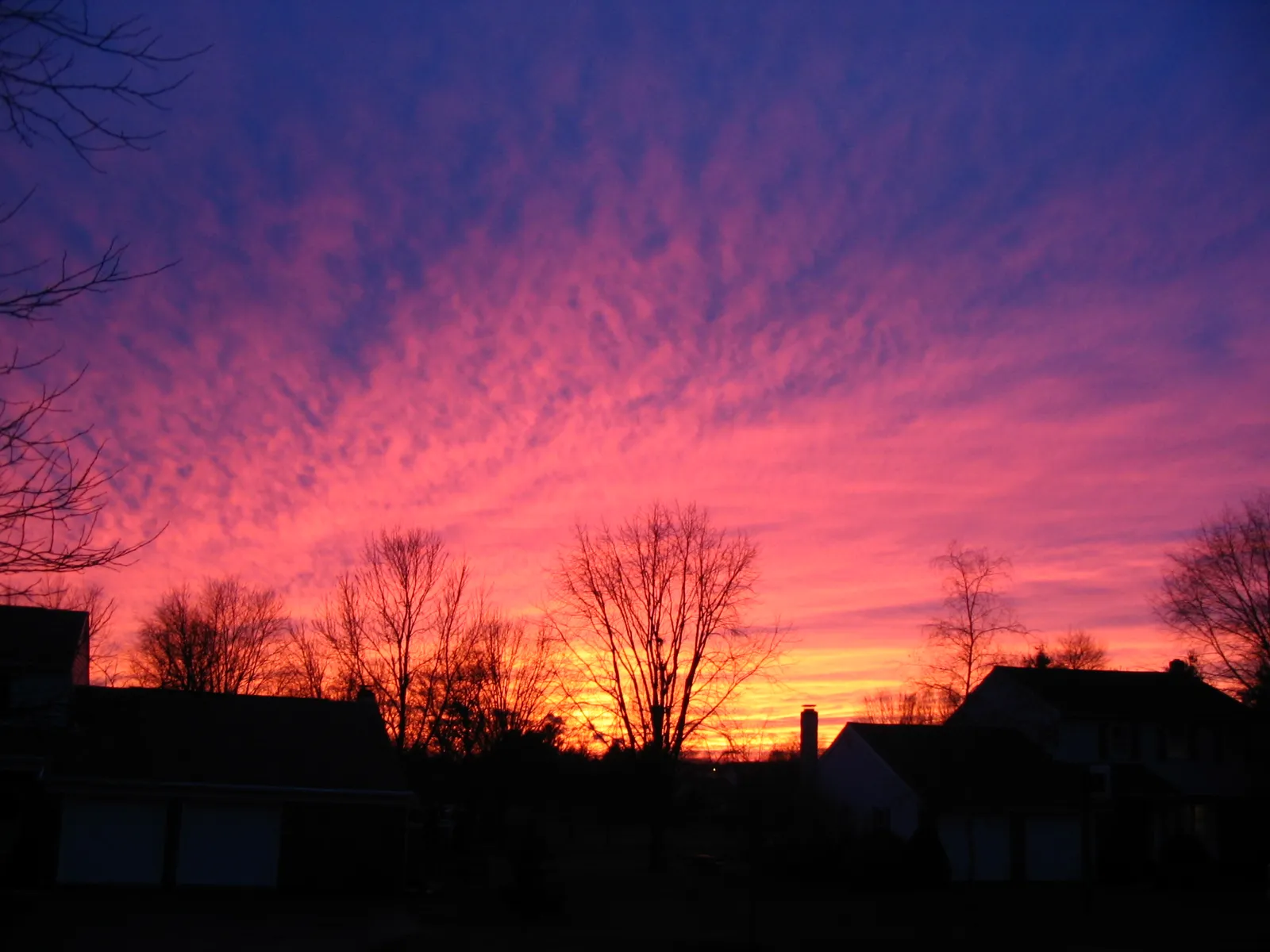
The gap between the earliest sunset and the winter solstice is not a glitch or a rounding error. It’s a precise, predictable consequence of two interlocking physical realities: the elliptical shape of Earth’s orbit and the tilt of its axis. Together, they create the equation of time, a phenomenon that shifts solar noon later through December and drags sunset along with it.
Once you understand this, winter takes on a slightly different texture. The solstice is still significant, still the turning point of the year’s daylight hours. But the evenings have quietly started improving already, weeks before that milestone arrives. The sky, it turns out, doesn’t wait for the calendar to catch up with it.
AI Disclaimer: This article was created with the assistance of AI tools and reviewed by a human editor.