
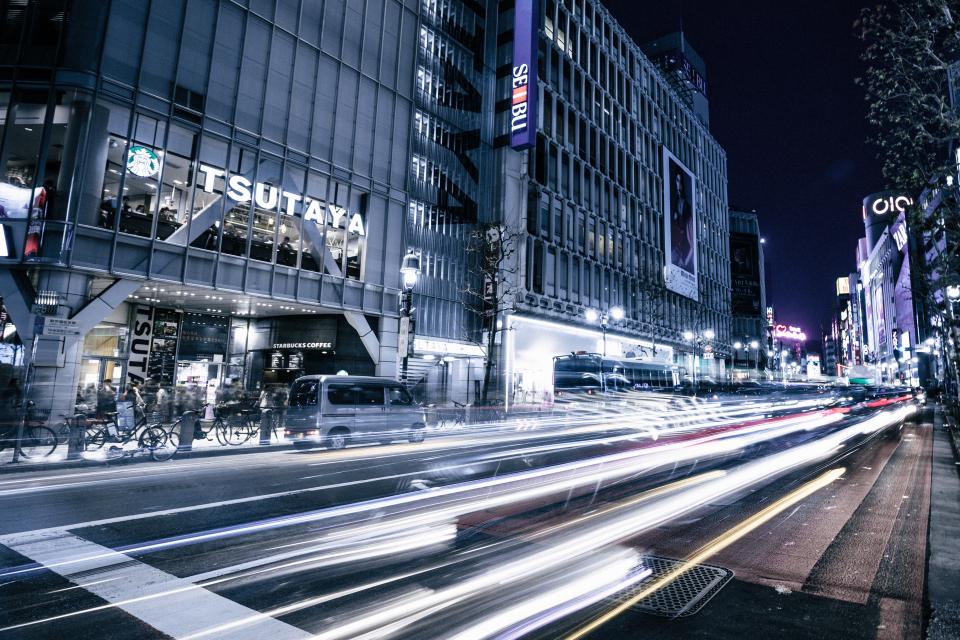

The Scale of the Mystery: One of the World’s Largest Cities, and Almost No Bins
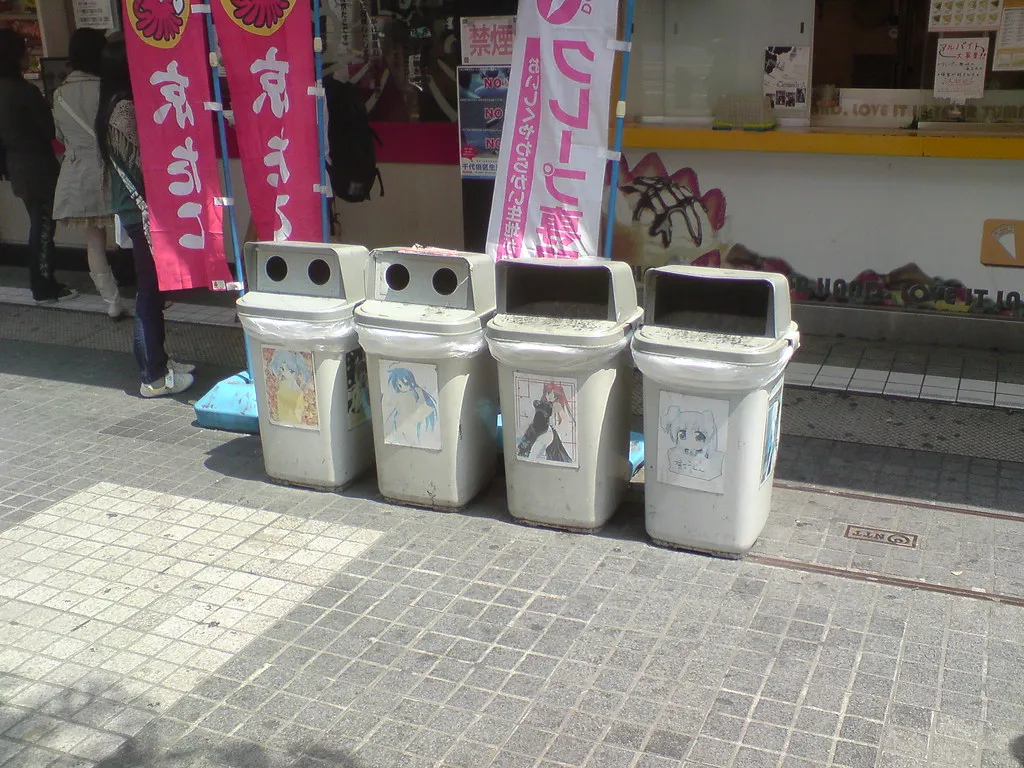
Tokyo is home to roughly 14 million people within its city limits, and far more across the greater metropolitan area. It is one of the most visited cities in Japan, and one with almost no street-level trash cans. It’s not a myth. That contrast alone is striking enough to stop you in your tracks.
Twenty-two percent of tourists cited the difficulty of finding a place to throw away garbage as the single biggest issue they’d dealt with during their trip, ahead of a lack of English speakers at fifteen percent and overcrowding at popular attractions at thirteen percent. That survey came from the Japan National Tourism Organization, and the results have been remarkably consistent.
A national Japan Tourism Agency survey found that the lack of trash cans was the top problem foreign tourists experienced in 2024, chosen by roughly twenty-two percent of respondents. About seventy percent said they had to carry their trash until returning to their accommodation. For locals, though, this is simply normal life.
The 1995 Sarin Attack That Changed Everything
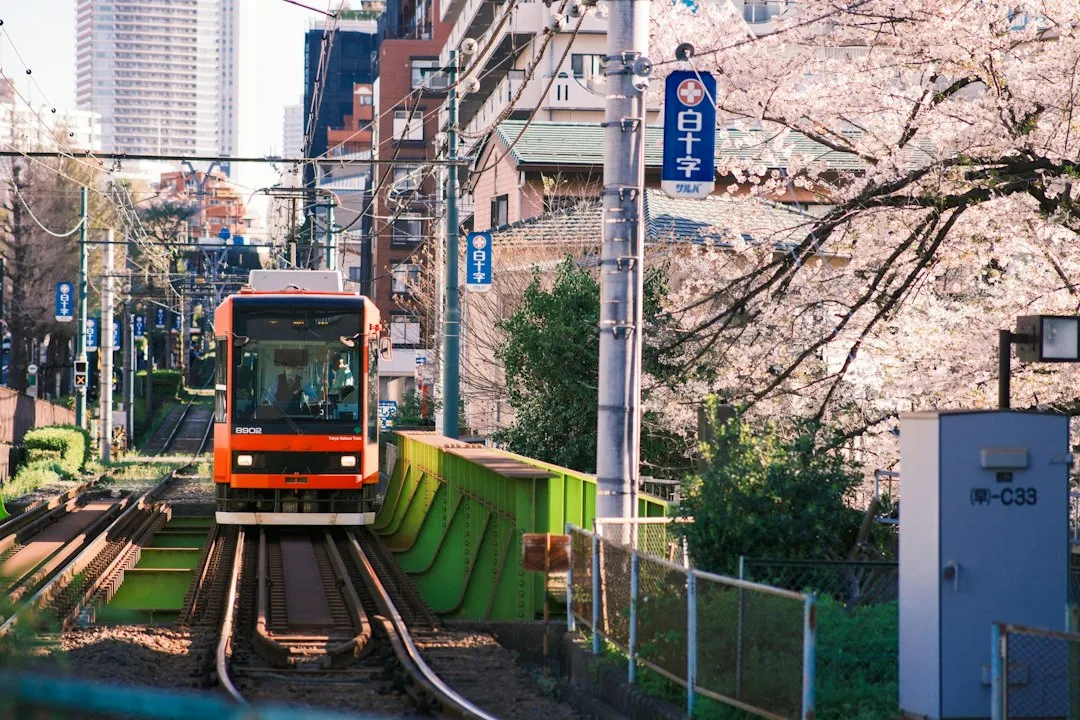
On March 20, 1995, members of the Aum Shinrikyo doomsday cult carried out sarin gas attacks on several Tokyo subway trains, killing fourteen people and injuring at least five thousand five hundred more. The attack was meticulously planned and devastatingly effective.
The cult members brought plastic packets of sarin onto subway cars, dropped them on the floor, and then punctured the bags with umbrella tips as they left the train. Several subway workers who attempted to clean up the spill and help passengers escape were among those who died.
In the immediate aftermath, waste receptacles were sealed and then removed entirely from train stations and many other public spaces throughout Japan. Such actions are not uncommon after terrorist incidents. In Japan, though, the cans mostly stayed gone. What started as an emergency security measure became a permanent feature of urban life. One aftereffect was the removal of trash cans from subway and train stations. While some still exist, they feature clear plastic bags that enable police officers to easily see what’s inside, rather than the dark metal cylinders used in the past.
Personal Responsibility as Cultural Infrastructure
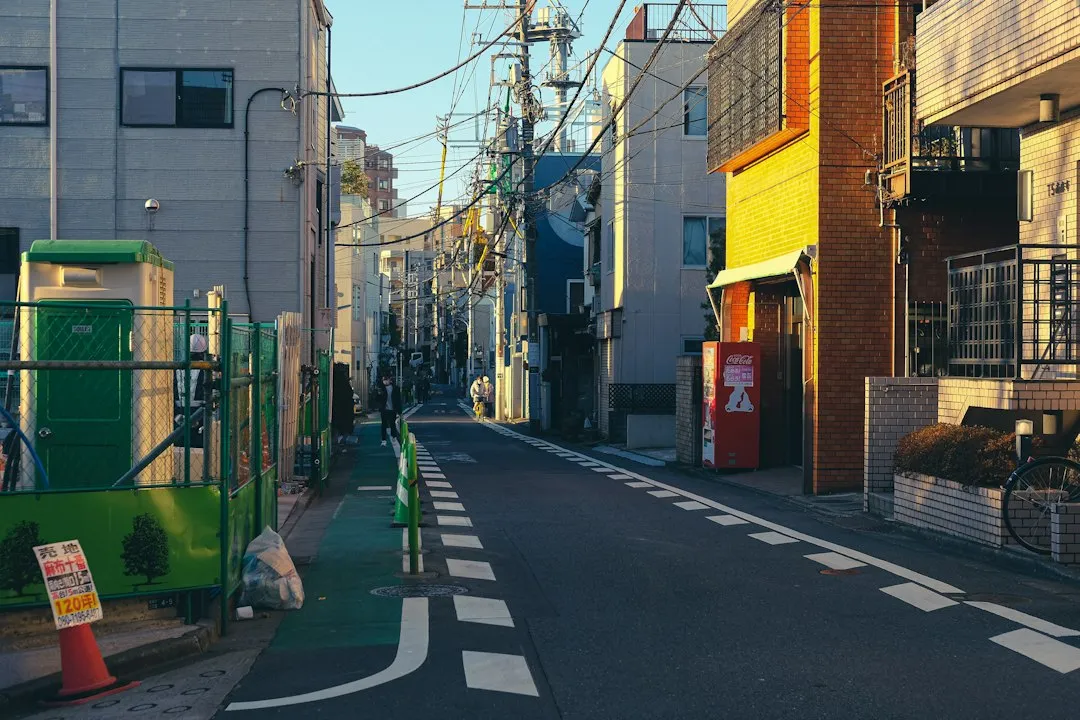
Despite fears that removing bins would lead to an uptick in litter, such was not the case in Tokyo and elsewhere. Instead, Japanese residents dutifully return home from an afternoon outing with a purse or bag full of wrappers, bottles, or other trash accumulated while out on the town, to be sorted in accordance with Japan’s waste-disposal rules.
The rules and manners revolving around waste disposal are quite strict, so most Japanese people usually will just keep their garbage with them until they find a place to throw it away. This isn’t reluctant compliance. For most locals, carrying your own trash is simply what you do, as unremarkable as holding a door.
One of the fundamental reasons is rooted in the Japanese cultural mindset of personal responsibility. In Japan, individuals are expected to take care of their own waste. This practice is part of a broader cultural emphasis on personal accountability, and this approach ensures that public spaces remain clean and that individuals remain conscious of their waste habits.
O-Soji: How Cleanliness Gets Taught Before Adulthood
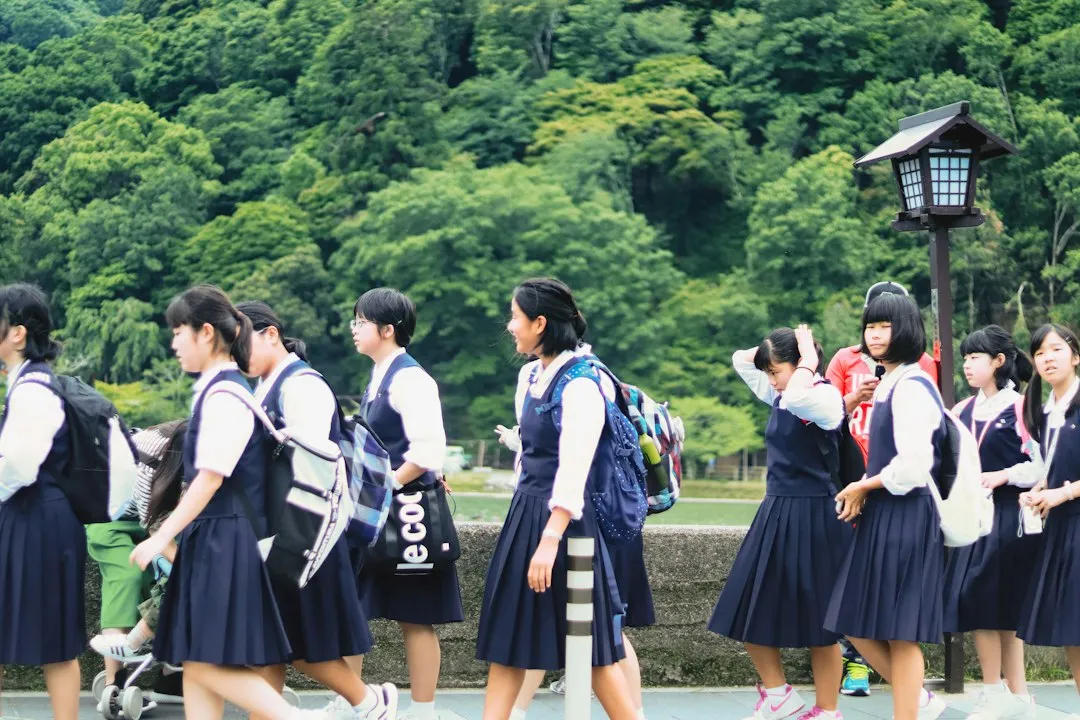
In most Japanese schools, students are not only expected to study and follow school rules – they are also responsible for cleaning their classrooms, hallways, and shared school facilities as part of their daily routine. This practice, known as o-soji, reflects a deeply embedded cultural and educational philosophy that values discipline, cooperation, and community responsibility.
At a typical school, o-soji starts after lunch and lasts about twenty minutes, after which the children are set free for recess. This happens four times a week. It’s built into the schedule the same way a math lesson is, without special occasion or fanfare.
The spirit of o-soji doesn’t stop at the school gate. Three times per year, third graders and older students participate in chiiki seiso, neighborhood cleanups where they clean the streets and public areas surrounding the school. This practice extends the lesson of communal responsibility from the school to the broader community. Research suggests that students who participate in chiiki seiso are less likely to litter as teenagers and adults, having internalized a genuine sense of civic duty rather than just following rules.
Japan’s Strict Waste Sorting System
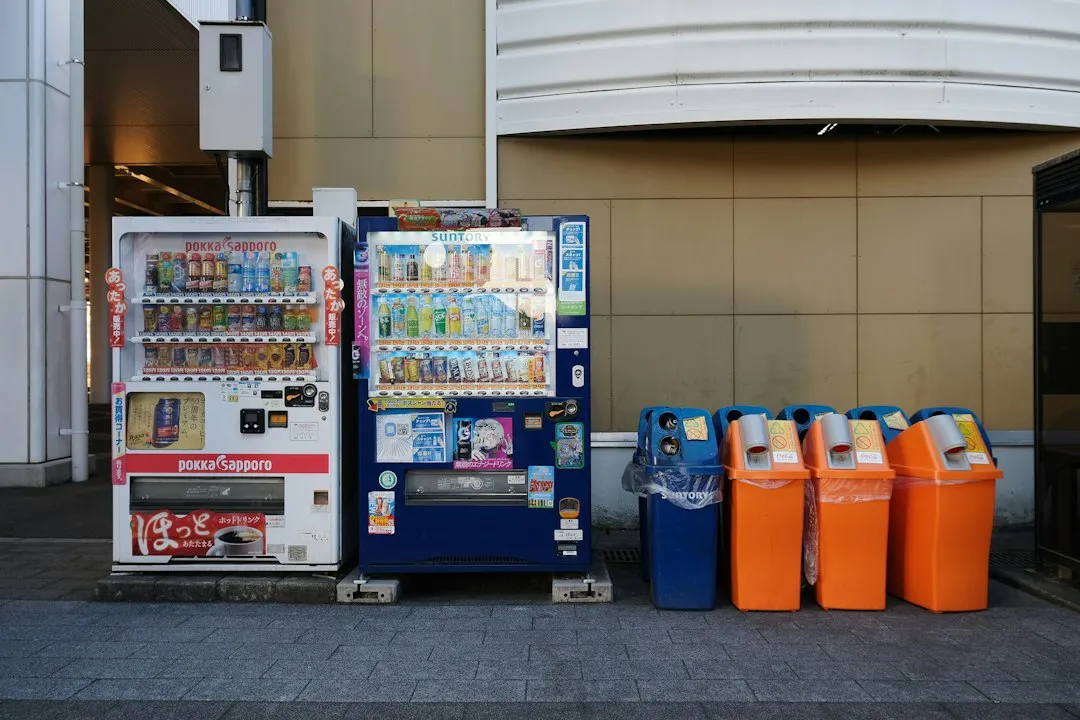
Tokyo has strict waste-sorting rules: burnable, non-burnable, PET bottles, cans, and glass are all handled separately. Adding multi-slot public bins to every corner is logistically complicated, and many wards simply opted not to. The complexity of the system is part of why public bins are difficult to implement at scale.
Even if a bin existed on every corner, it would need to accommodate multiple waste categories simultaneously. Residents already manage this sorting at home, so many find it more practical to simply bring waste back with them. Usually, trash produced outside is brought home and sorted with household trash before collection.
Beyond terrorism concerns, the illegal disposal of household waste and the cost of handling it have also discouraged installation of public bins. Authorities have long worried that public bins would become dumping grounds for home rubbish, creating a maintenance burden that wards are unwilling to absorb.
The City’s Enormous Investment in Cleanliness
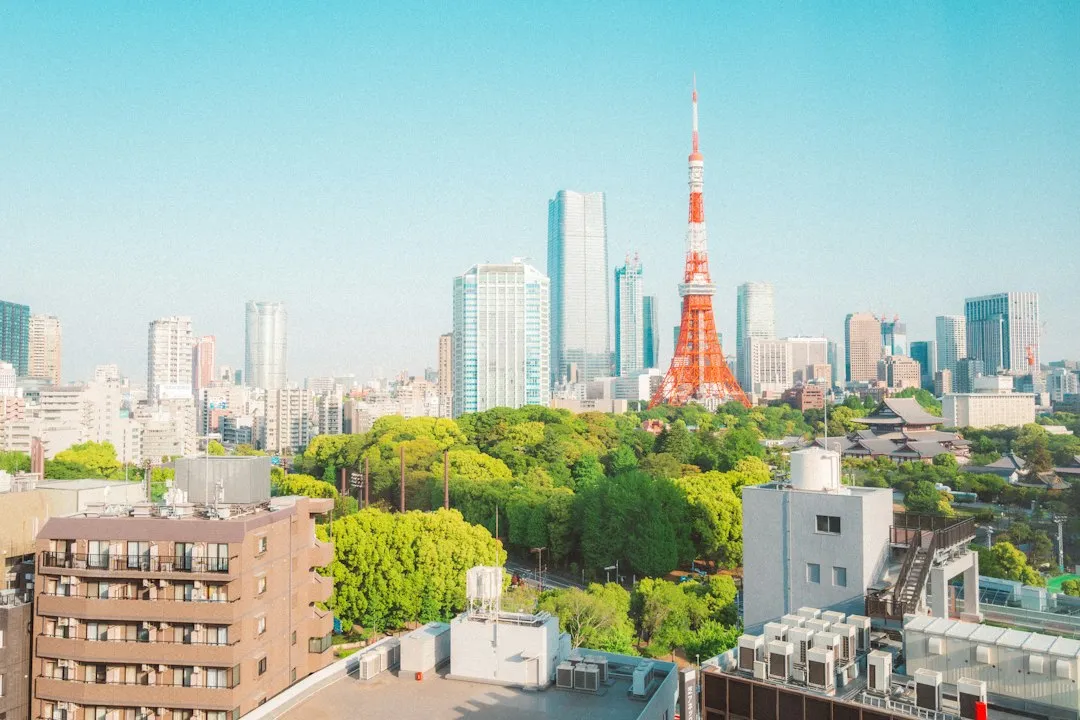
Civic cleanliness in Tokyo is never free, even when it feels effortless to an outside eye. Tokyo spends a fortune on keeping things presentable. The Clean Authority of Tokyo’s waste management budget for the central wards is roughly 105 billion yen, of which around 83 billion yen is dedicated to cleaning.
As of mid-2025, there are about twenty-one incineration plants operating across Tokyo’s twenty-three wards. This infrastructure handles an enormous volume of household and commercial waste quietly, away from public view. The city’s clean streets are, in part, the visible tip of a very large investment.
Volunteers and neighborhood associations also contribute to street maintenance. Cleanups organized by local groups happen routinely across the city’s wards, reinforcing a shared sense that the streets belong to everyone and are everyone’s responsibility to maintain.
Where You Can Actually Find a Bin in Tokyo
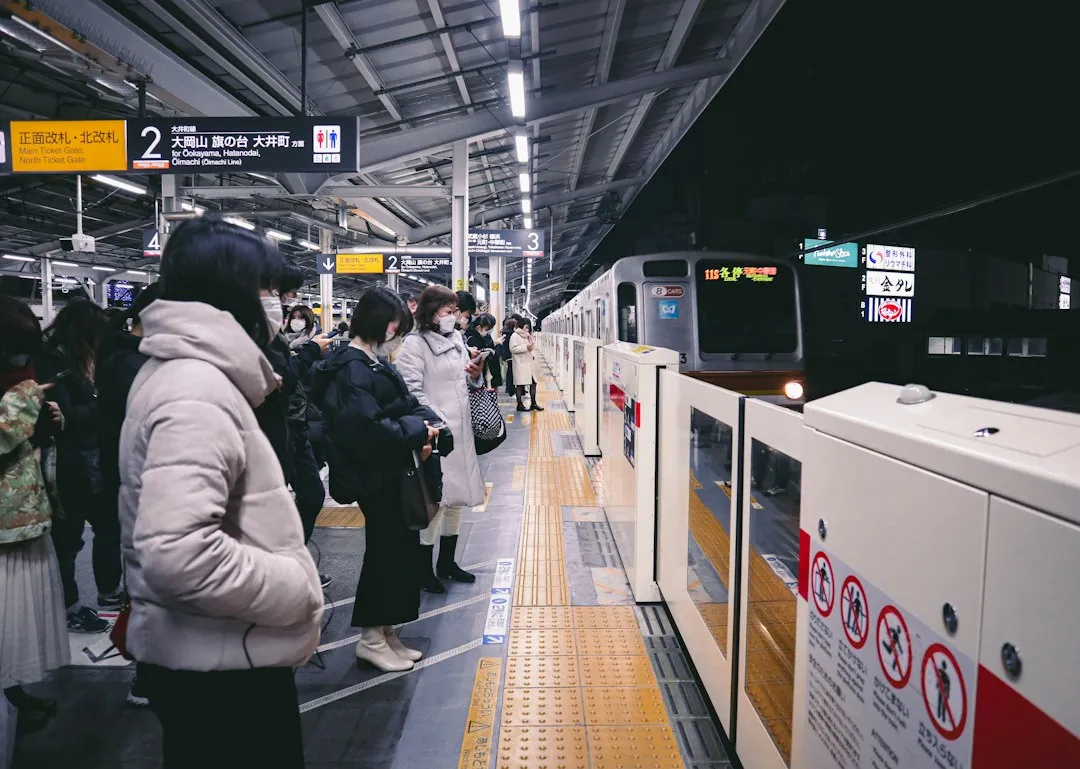
Bins aren’t completely absent. They’re just concentrated in very specific places. Over a typical four-day visit in Tokyo, you’d be unlikely to see a single trash can out on the street. The few you’ll find tend to be inside konbini (convenience stores), at some train stations, and in a place like Yoyogi Park.
Most train stations will have garbage bins you can use in front of the ticket gates, and sometimes on the platforms. Some stations will have neither, and some will only have ones for throwing away PET bottles, cans, or bins, so you can’t count on always being able to throw away trash at a station.
Sometimes you can find garbage cans at a local convenience store, but these bins aren’t considered public. If you’d like to use them, it’s best to buy something from the store beforehand. Most convenience stores originally had garbage cans outside but had to move them inside because too many people would leave waste there, making management problematic.
Tourism Growth Is Creating New Pressure
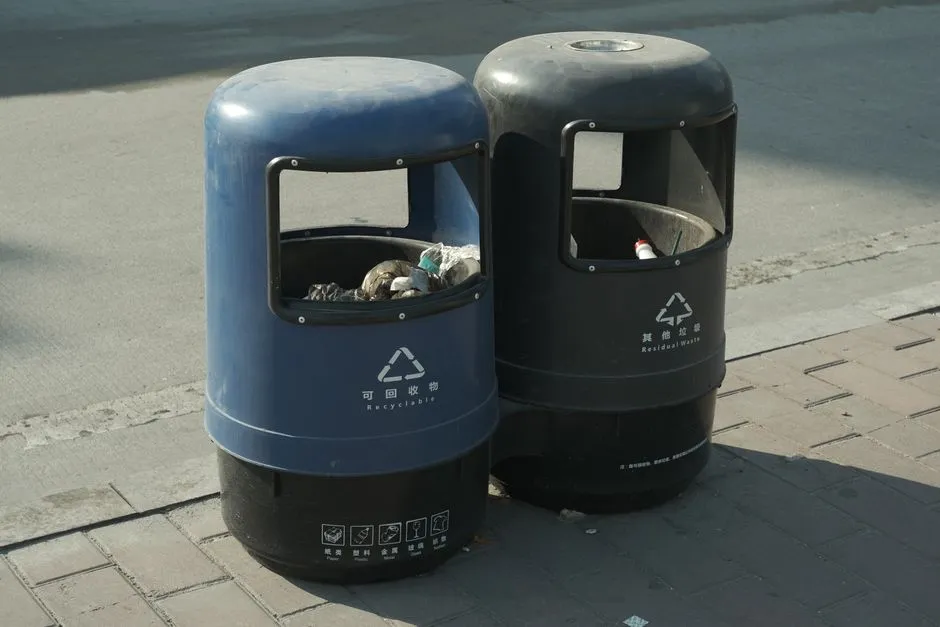
A record 42.68 million foreign tourists visited Japan in 2025, according to the Japan National Tourism Organization. Street litter has become a growing problem in Tokyo, where tourists concentrate. Shinjuku Ward collected 164 tons of trash from its entertainment districts last year, twenty-six tons more than in 2019. The numbers make the scale of the challenge concrete.
Streets near Shibuya, Harajuku, and Ebisu stations now accumulate large amounts of trash, especially late at night. Takeout containers make up about seventy-five percent of all litter, with convenience stores accounting for about sixty-three percent and cafes about twelve percent. Volunteers, cleaners, and shop staff remove waste each morning, but the cycle repeats daily.
As the number of travelers increased, it became clear that posted signs weren’t enough, and people weren’t following the local custom of taking their trash away with them. Some parts of the city have since reconsidered their policy and installed trash bins near the busiest tourist areas.
Fines and New Enforcement in High-Traffic Zones
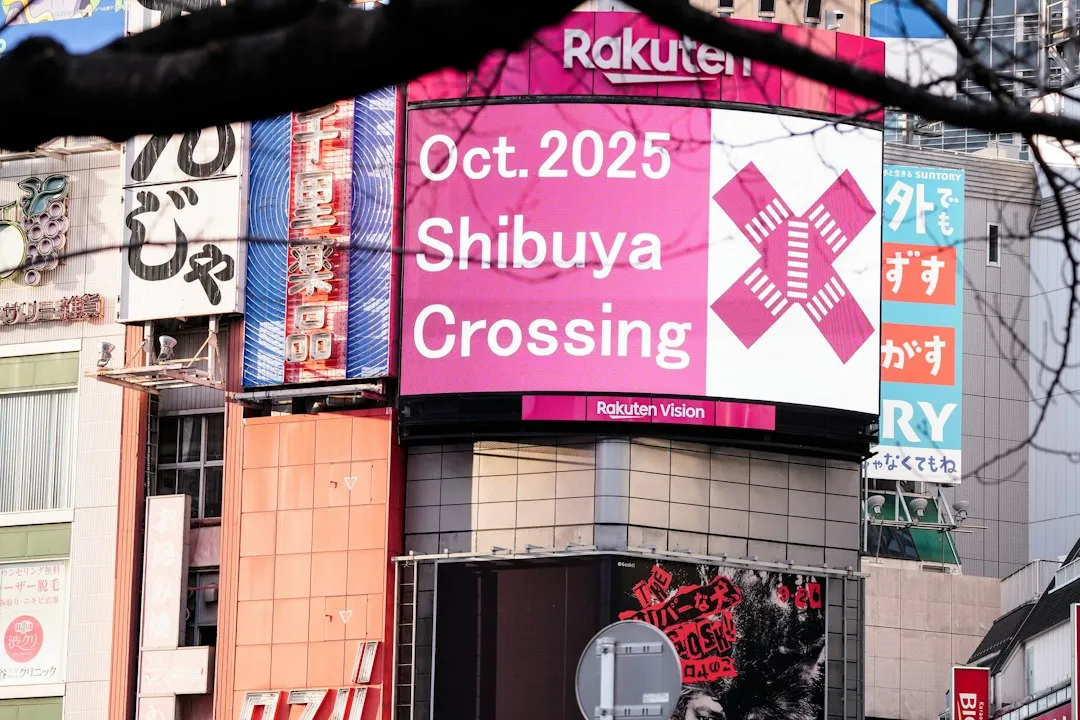
Even the streets in Japan’s crowded Shibuya neighborhood carry a fine of two thousand yen, roughly twelve US dollars, for littering. That amount is modest by global standards, but the social pressure attached to being stopped by a patrol officer carries far more weight than the fine itself.
Shibuya Ward began collecting fines for illegal dumping in June 2026. On busy days, sixty patrol officers monitor the streets around the clock. About fifteen hundred people were subject to fines from June through September, roughly a quarter of them foreign visitors.
The Tokyo metropolitan government has stepped up discussions on a broader ordinance banning illegal dumping, aiming to put it into effect in 2028. That timeline signals how seriously officials are taking the issue, though enforcement at scale remains a logistical challenge given the sheer size of the city.
Smart Bins and a Slow Rethink of the System
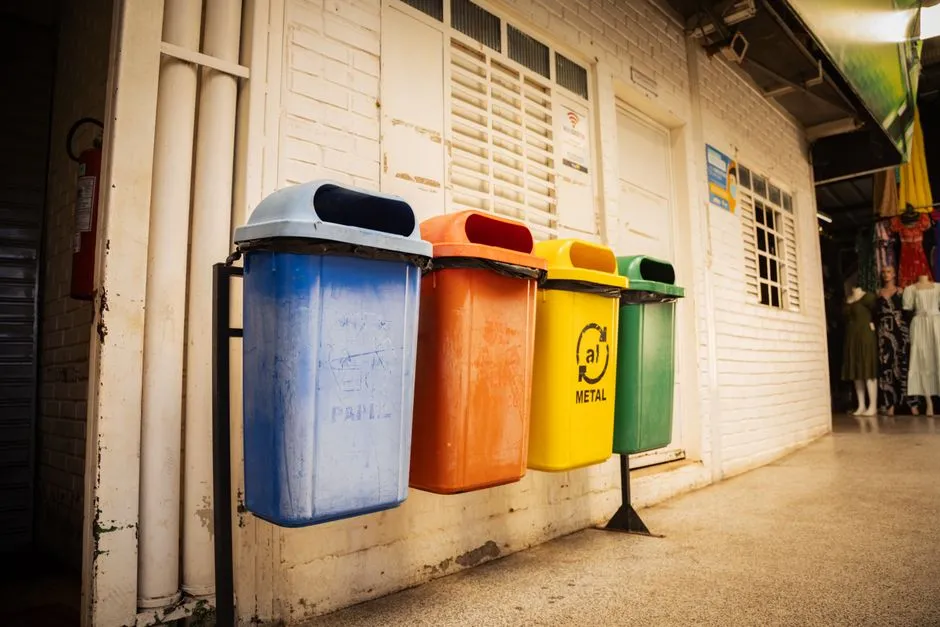
Recently, areas crowded with tourists have begun reinstalling bins. Tokyo’s Chiyoda Ward plans to put twenty-two smart bins into operation in Akihabara. These are a far cry from a simple metal cylinder. They’re designed to handle sorting, compression, and monitoring, which makes them far easier to manage without constant staffing.
Alongside tighter enforcement, officials say the shortage of trash bins must also be addressed. Surveys by the Japan Tourism Agency have found that a lack of trash bins has been the most frequently cited inconvenience among foreign visitors since 2019. The data is finally prompting a policy shift, even if a slow one.
The reinstallation of bins isn’t a reversal of Tokyo’s identity – it’s an adaptation. The city’s cleanliness was never purely about bin placement. It was built on culture, education, enforcement, and an enormous waste infrastructure operating largely out of sight. Adding a few hundred smart bins in tourist corridors won’t change that foundation.
What Tokyo Actually Teaches the World
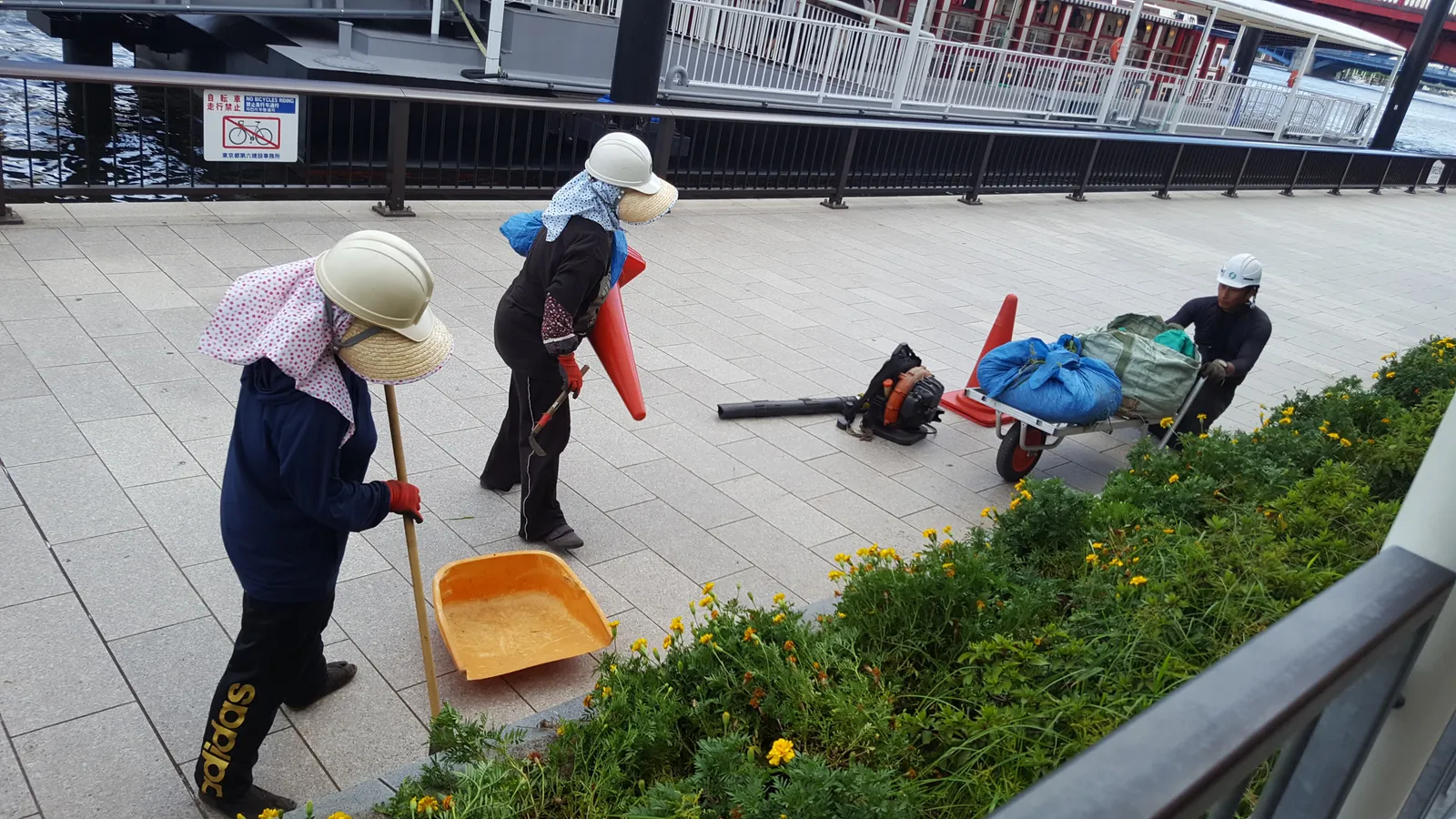
The real lesson from Tokyo isn’t that removing trash cans keeps cities clean. That’s an oversimplification. What keeps Tokyo clean is a layered system where cultural norms, school education, strict sorting rules, and significant public investment all reinforce each other simultaneously.
O-soji teaches children to respect their surroundings and take responsibility for the mess they make. If you dirty it, you clean it. This simple rule builds character, humility, and teamwork – values that carry directly into adult behavior in public spaces.
For cities considering Tokyo as a model, the infrastructure and investment deserve as much attention as the cultural habits. It is absolutely astounding that the largest city in the world manages to be so clean – and it achieves this with almost no public garbage bins. That achievement reflects decades of deliberate choices, not a single clever policy. The cleanliness you see walking down a Tokyo street is, in a very real sense, the visible result of everything that happened long before you arrived.
AI Disclaimer: This article was created with the assistance of AI tools and reviewed by a human editor.