
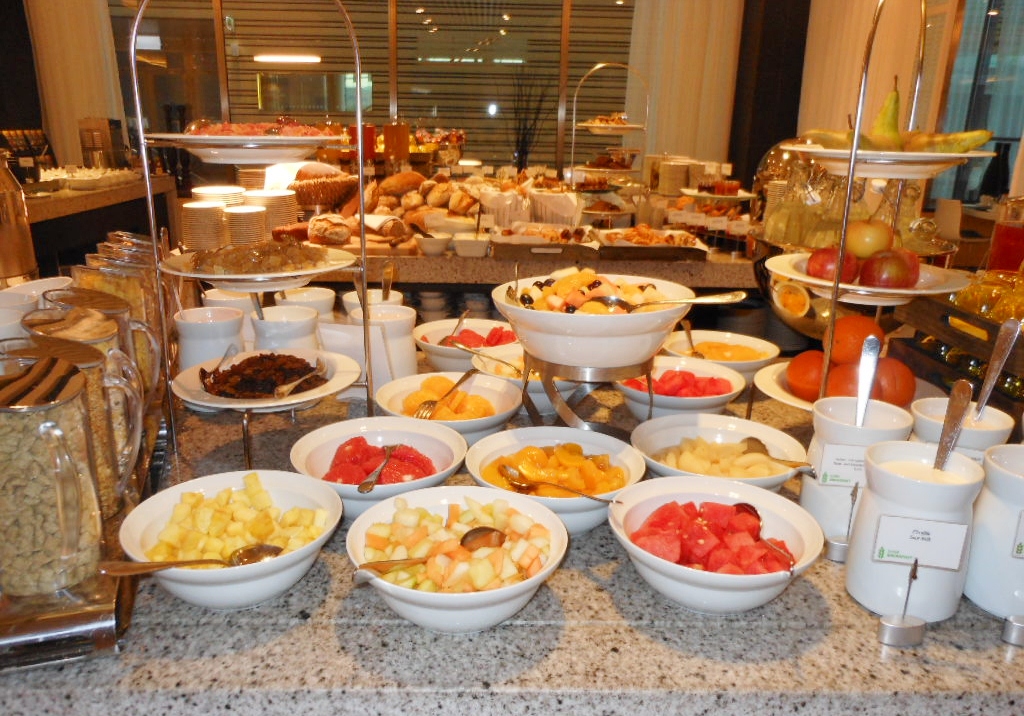
There’s something quietly ironic about hotel breakfast. Guests pay good money for a stay that includes a full morning spread, then walk right past the one station where a trained cook is standing there, ready to make something fresh, just for them. The made-to-order line sits waiting, often with no queue at all, while the same guests load up on steam-tray eggs that have been sitting out for an hour.
Hotel breakfast chefs notice this every single morning. They set up live cooking stations, prep fresh ingredients, and sharpen their timing for a rush that never quite comes. What they’re seeing, and what the data is starting to confirm, is a revealing gap between what guests could have and what they actually choose.
The Omelet Station: The Most Underused Spot at Any Hotel Buffet
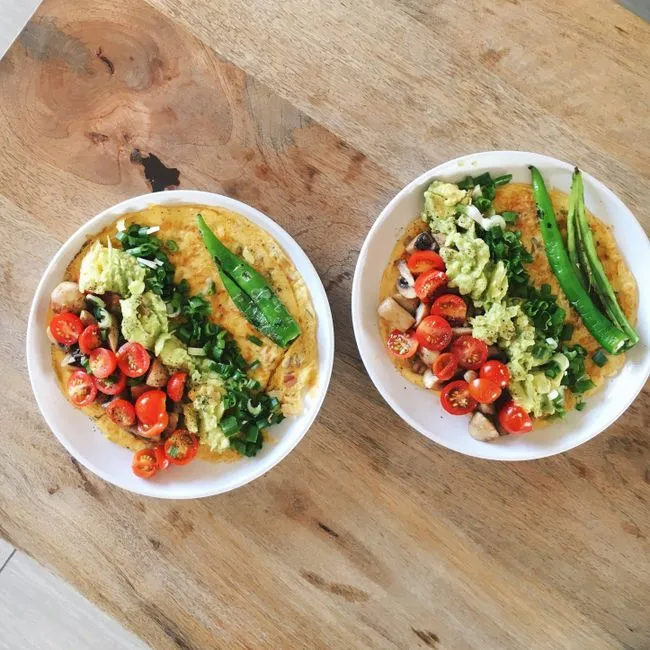
Watching a cook fold your omelet to order used to feel like a small luxury even at a mid-range hotel. Today, at properties that still offer the station, it’s often the quietest corner of the room. Guests drift past it, glance at the wait, and head straight for the pre-filled trays instead.
An alternative to those disappointing breakfast buffet scrambled eggs is the ever-popular omelet station offered by many hotels, yet many hotels use powdered eggs rather than cracking fresh ones to make their scrambles. The irony is almost complete: guests skip the fresh option in favor of the processed one.
Every Embassy Suites location offers a full cooked-to-order breakfast with an omelet station where staff will make your eggs exactly how you want them. The made-to-order aspect means you’re getting restaurant-quality omelets, not buffet steam-tray eggs that have been sitting out for an hour. Still, even at properties celebrated for their omelet bars, the line stays short most mornings.
Why Guests Walk Past the Live Station
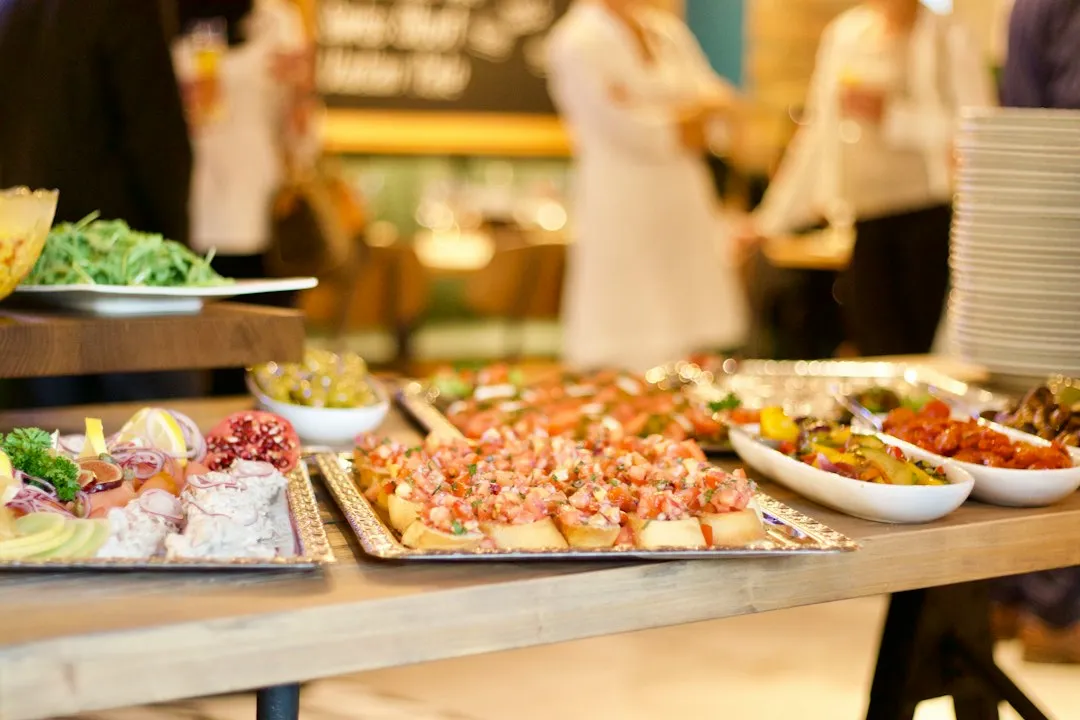
Made-to-order stations exist because guests want fresh food, yet plenty of guests treat the wait like a personal insult. The perception of a wait, even a short one, is enough to steer most people toward whatever is already plated. Patience, it turns out, is the real barrier between a guest and a genuinely good breakfast.
Chefs at omelet and waffle stations say people hover, sigh loudly, or repeat their order as if shouting will speed up the pan. The frustration chefs describe isn’t about rude guests. It’s about a behavioral pattern that undercuts the whole point of having a live station in the first place.
One breakfast guide suggests coming down within 30 minutes of the buffet opening, when trays are freshly filled and made-to-order stations have no line yet. That small timing adjustment changes the experience entirely, though very few guests think to make it.
Eggs Benedict: The Dish Chefs Prep That Rarely Gets Ordered
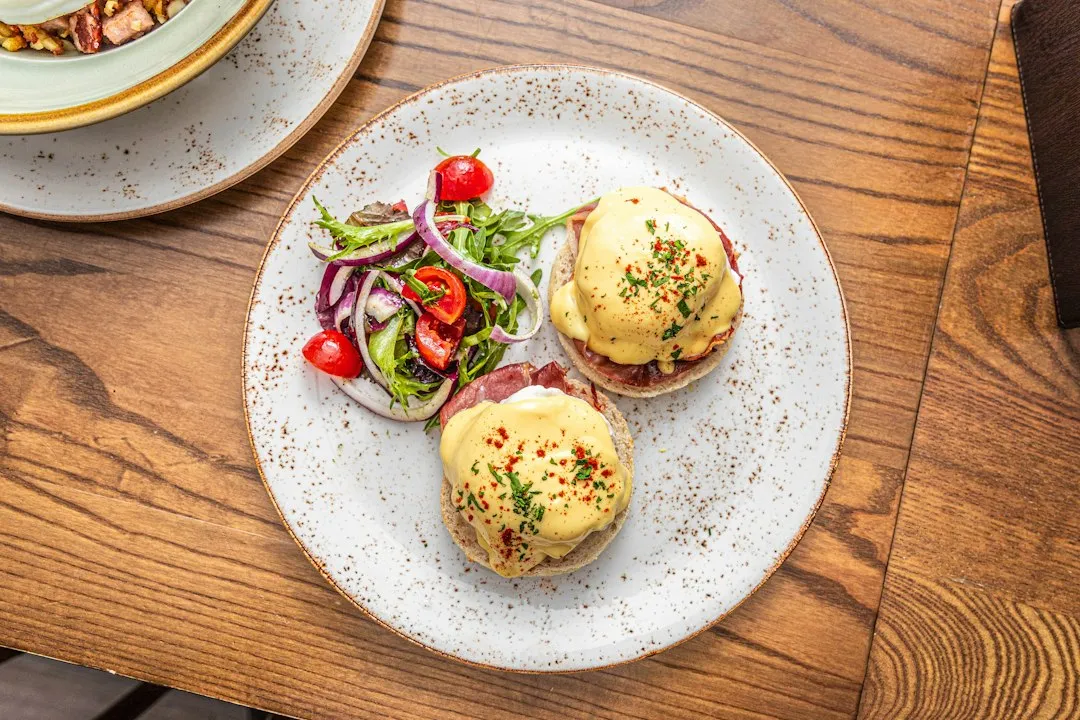
As labor costs climbed, hollandaise sauce and poached eggs were among the first casualties at many hotels, requiring skill and timing a skeleton crew simply can’t spare. Where Eggs Benedict still appears on a made-to-order menu, it tends to be one of the least requested items despite being one of the most labor-intensive to prepare well.
Chefs who still offer it describe a familiar pattern: they prep the hollandaise, warm the Canadian bacon, and poach eggs to order for a morning service where the dish might go out a handful of times. Guests still describe the dish by name when asking what happened to “the fancy egg thing,” even at hotels that never officially advertised it as permanent.
The gap between what guests remember and what they actually order is one of the more telling dynamics in hotel dining. Eggs Benedict carries nostalgia but not momentum. People think fondly of it without quite committing to the wait it requires.
Made-to-Order Belgian Waffles: Theater That Goes Unappreciated
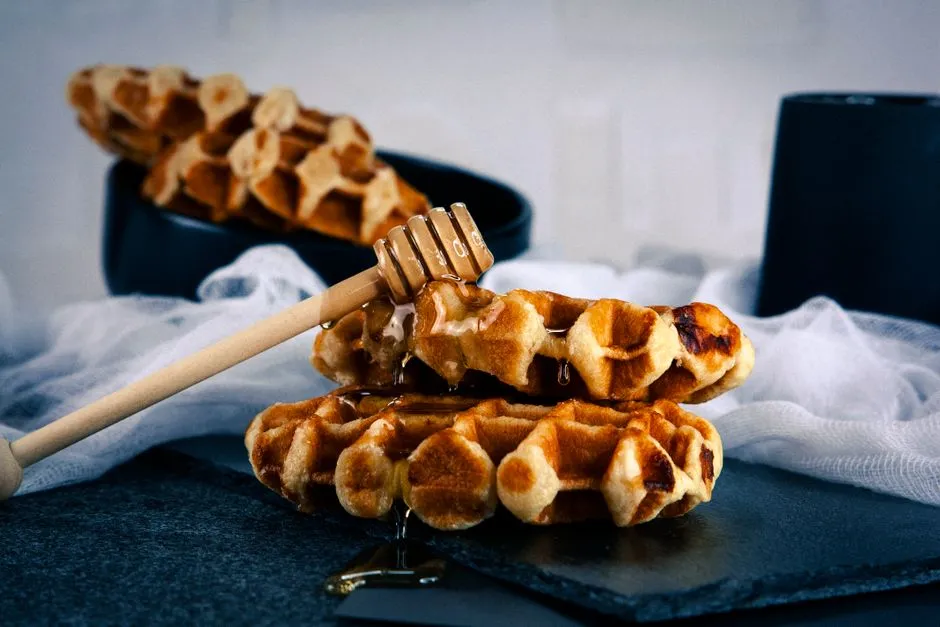
Fresh batter waffles used to be a signature move at mid-tier chains, poured by an actual employee instead of squeezed from a pre-mixed bag. Guests loved watching the iron steam and flip, and the smell alone pulled people out of their rooms. That little bit of theater is exactly what made it expensive to run every single morning.
Many properties swapped the fresh-batter version for a DIY pancake-style pour cup or a frozen waffle reheated in a toaster, as it’s faster and cheaper for a two-person breakfast crew to manage. At the properties that still run a genuine waffle station, the line can be surprisingly light, particularly on weekday mornings when business travelers are in a rush.
The made-to-order station is the one premium feature that moves a buffet from “fine” to “memorable,” with omelets and pancakes as the workhorses and Belgian waffles or eggs Benedict appearing on weekends. Hotels invest real resources into these stations. The underuse is felt keenly in the kitchen.
The Food Waste Problem Nobody Talks About
One comparison found buffet breakfasts generate roughly 300 grams of food waste per person, versus about 130 grams for menu orders. That difference is significant, and it points directly to the value of made-to-order service, where food is only cooked when someone specifically asks for it.
A 2025 study in the International Journal of Hospitality Management interviewed hotel managers and chefs about breakfast buffet waste. Hotel staff identified guest behavior as the primary cause, with researchers coining the term “pay riders” for guests who try to squeeze the most value from what they paid by loading up.
Menu orders are cooked for one specific person, while buffet trays have to look full for the last guest in line, which means some food will never be eaten. That tension is built into the format, and chefs live with it every morning. A guest choosing the omelet station is, without realizing it, also making the more sustainable choice.
The Labor Equation Behind Every Live Station
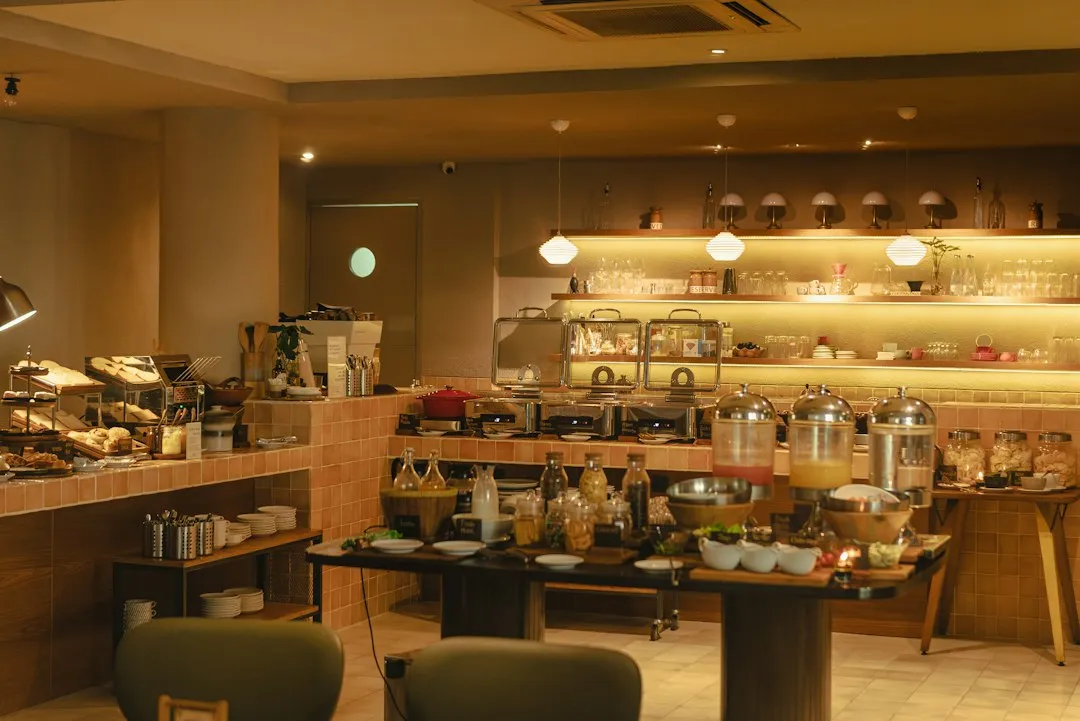
Cooked-to-order anything requires a trained attendant standing at a station for hours, and that’s exactly the kind of labor cost hotels are now trimming. When a station sees low traffic, the business case for keeping it fully staffed becomes harder to justify. Underuse is quietly accelerating the disappearance of the very stations guests say they value.
Hotels should offer made-to-order eggs only if the kitchen layout supports a dedicated station; otherwise, it creates a bottleneck that leads to guest frustration and long wait times. The operational requirements are real, and properties that run these stations well are doing so at genuine cost and effort.
That live-cooking touch has been one of the first things pulled when properties look to cut labor. The irony is that guests rarely notice the station is gone until they’re standing somewhere else wishing it were still there.
What the Satisfaction Data Actually Shows
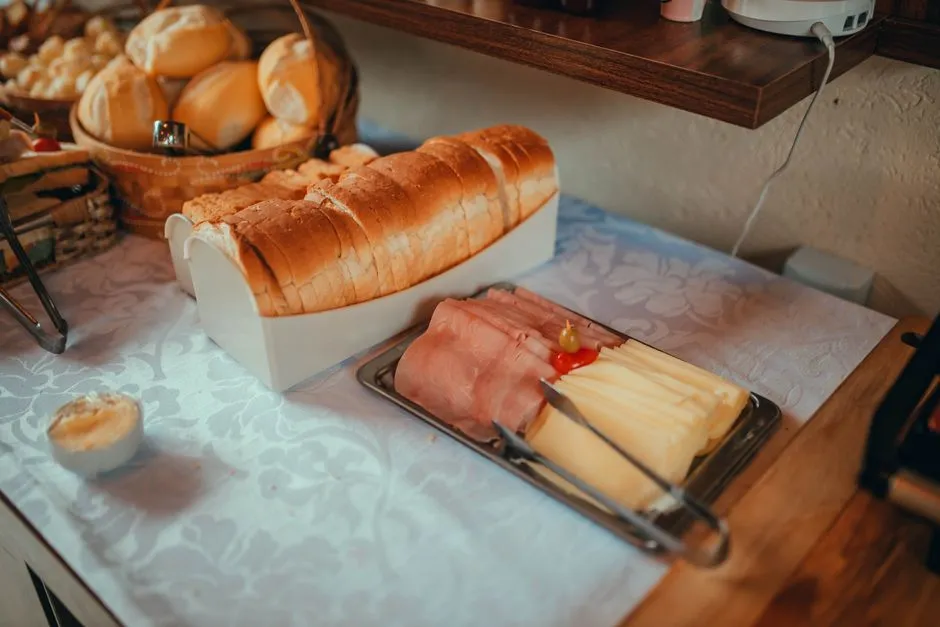
Americans clearly like their hotel breakfast, with nearly four in five guests who use hotel food and beverage services eating breakfast on-site, according to the 2025 J.D. Power North America Hotel Guest Satisfaction study. That’s a remarkable uptake rate. The audience is there. The appetite for a good morning meal is real.
J.D. Power’s 2024 North America Hotel Guest Satisfaction Index found that food and beverage remains one of the core factors influencing overall hotel satisfaction, particularly in upscale and luxury segments. Breakfast is often the most frequently used dining touchpoint during a stay, giving hotels repeated opportunities to shape perception through quality, service, and consistency.
Hotels using interactive stations report fewer breakfast complaints and higher guest satisfaction scores. The connection between live, personalized service and positive guest outcomes is consistent across research. Guests who engage with made-to-order stations tend to leave happier, even when the wait is slightly longer.
Savory Options That Guests Overlook
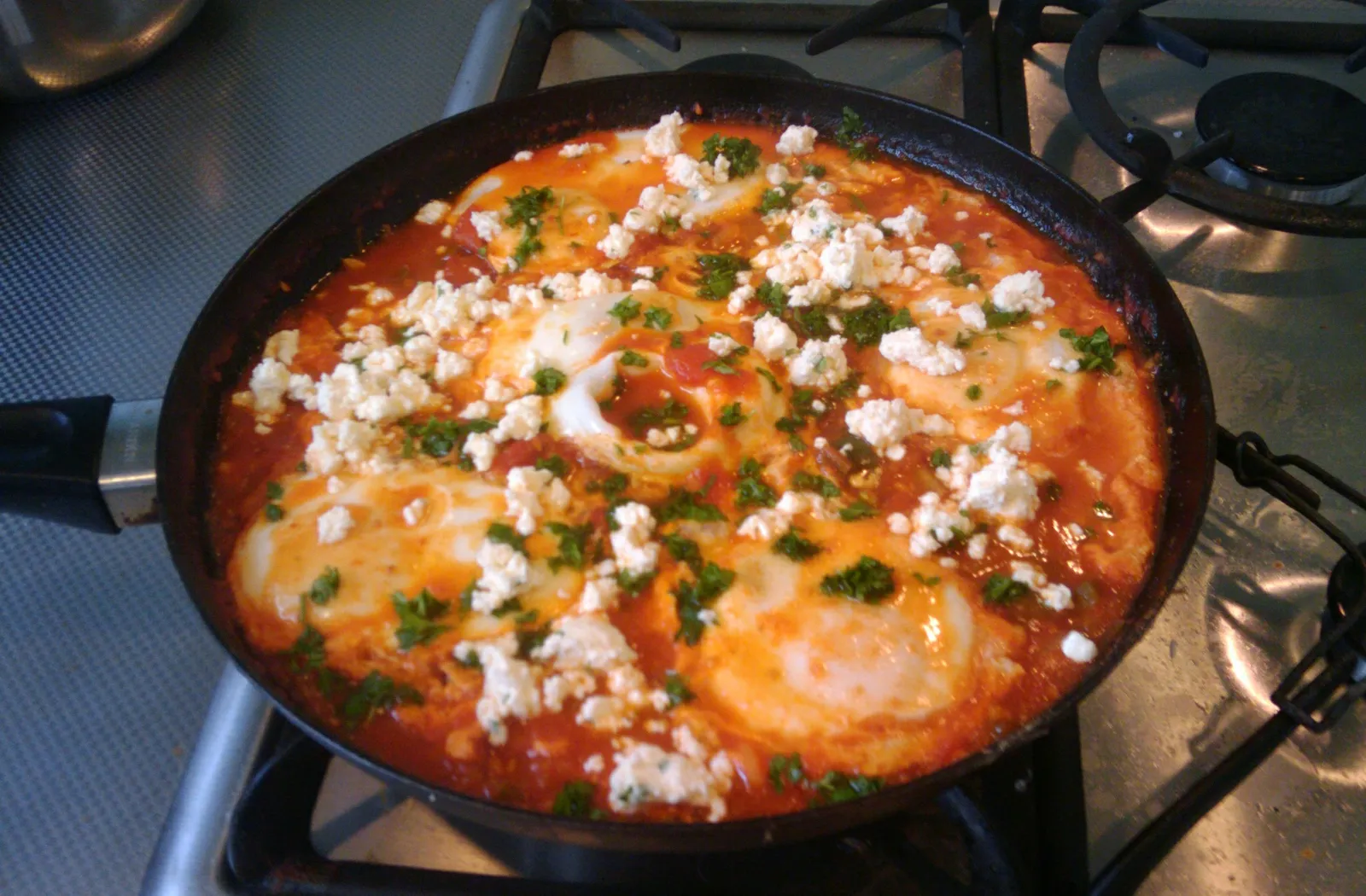
Savory breakfast options are becoming more popular as diners seek alternatives to sugar-laden morning meals, with traditional breakfast foods like pancakes and muffins being swapped out for hearty, savory dishes such as shakshuka, breakfast flatbreads with toppings like spinach and feta, or savory oatmeal bowls filled with herbs, nuts, and olive oil. Hotel chefs who offer these items as made-to-order options often find them going largely unnoticed.
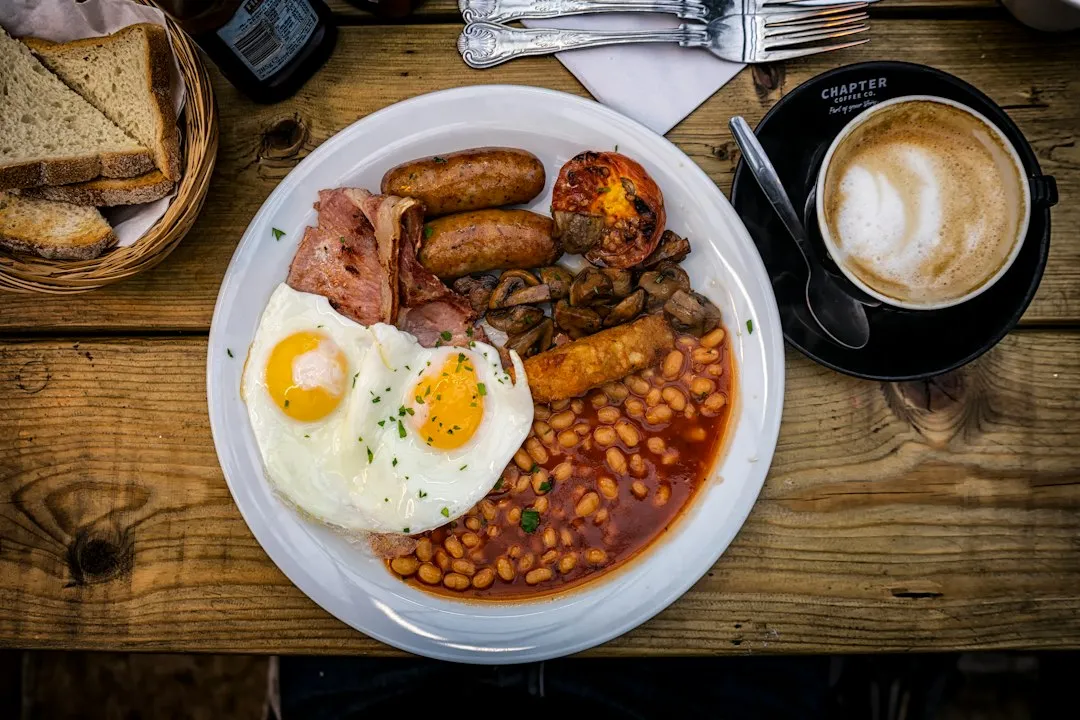
Shakshuka, in particular, is a dish that breakfast chefs at international properties prepare with care but rarely see ordered in volume. Familiar breakfast dishes at higher-end properties have included shakshuka, mushrooms, baked beans, and other regional specialties at live stations. Guests who default to toast and scrambled eggs are often unaware the option exists.
Chefs are reimagining classic dishes with modern twists to attract multigenerational travelers, with some brands introducing signature items like customizable breakfast bowls allowing guests to tailor their meals with scrambled eggs, potatoes, peppers, and seasonings. The customization is there. Guests simply have to ask for it.
The Grab-and-Go Habit Pulling Guests Away
With time-starved travelers prioritizing efficiency, hotels are emphasizing grab-and-go breakfast options. Prepackaged items like muffins, waffles, and pastries are gaining popularity, alongside all-day breakfast availability. OTO Development reports that roughly three in four café orders at its AC Hotel Bethesda Downtown are “to-go” during weekdays.
Business travelers prefer quick protein options on weekdays, while leisure guests linger over elaborate weekend brunches. The split is real, and hotels are beginning to design their morning service around it. Made-to-order stations tend to perform better on weekends, when guests have more time and less urgency.
The grab-and-go pattern isn’t going away. This reflects what some hospitality observers call the “Starbucks phenomenon,” where guests prefer quick, mobile-friendly meals over traditional sit-down breakfasts. Live stations require a guest to pause, and pausing feels costly on a busy travel morning, even when the payoff is a measurably better meal.
Personalization Is the Future, But Guests Have to Meet It Halfway
Modern hotel management systems track occupancy patterns, guest preferences, and consumption rates to predict tomorrow’s breakfast demand with high accuracy. Nearly two in five travelers now actively seek plant-based breakfast options, while another quarter require allergen-conscious choices. Hotels are investing in the infrastructure for personalized breakfast. The data is shaping every decision behind the scenes.
The challenge, according to hospitality experts, is balancing sustainability with guest expectations. Some hotels are combining smaller buffets with made-to-order menus or grab-and-go stations offering cereals, fruit, and dairy products. The hybrid model is becoming the standard answer, acknowledging that not every guest wants to wait but that the ones who do deserve something genuinely excellent.
Mobile ordering for coffee or specialty items allows guests to “order ahead” from their room, significantly reducing lobby congestion and improving the morning flow. As technology closes the gap between intention and convenience, the excuses for skipping the live station are running thin. The freshest, most personalized option at hotel breakfast has always been the made-to-order dish. It just requires a guest willing to give it two extra minutes.
The Takeaway
Hotel breakfast chefs are, in many ways, working against perception. Guests see a buffet and instinctively reach for what’s already there, mistaking speed for quality. The made-to-order station, whether it’s an omelet bar, a waffle iron, or a plate of eggs Benedict, sits at the intersection of the best thing on offer and the least visited corner of the room.
Free breakfast availability is one of the top factors influencing hotel booking decisions, cited by a substantial majority of travelers surveyed. Guests clearly care about breakfast. They factor it into their choices before they even arrive. The disconnect is in how they actually behave once they get there.
The chefs already know what most guests haven’t figured out yet: the freshest, most carefully made item at hotel breakfast is almost always the one nobody’s standing in line for. That line, or the lack of one, is the point. It’s worth the wait.
AI Disclaimer: This article was created with the assistance of AI tools and reviewed by a human editor.