

A Tradition That Arrived From Somewhere Else

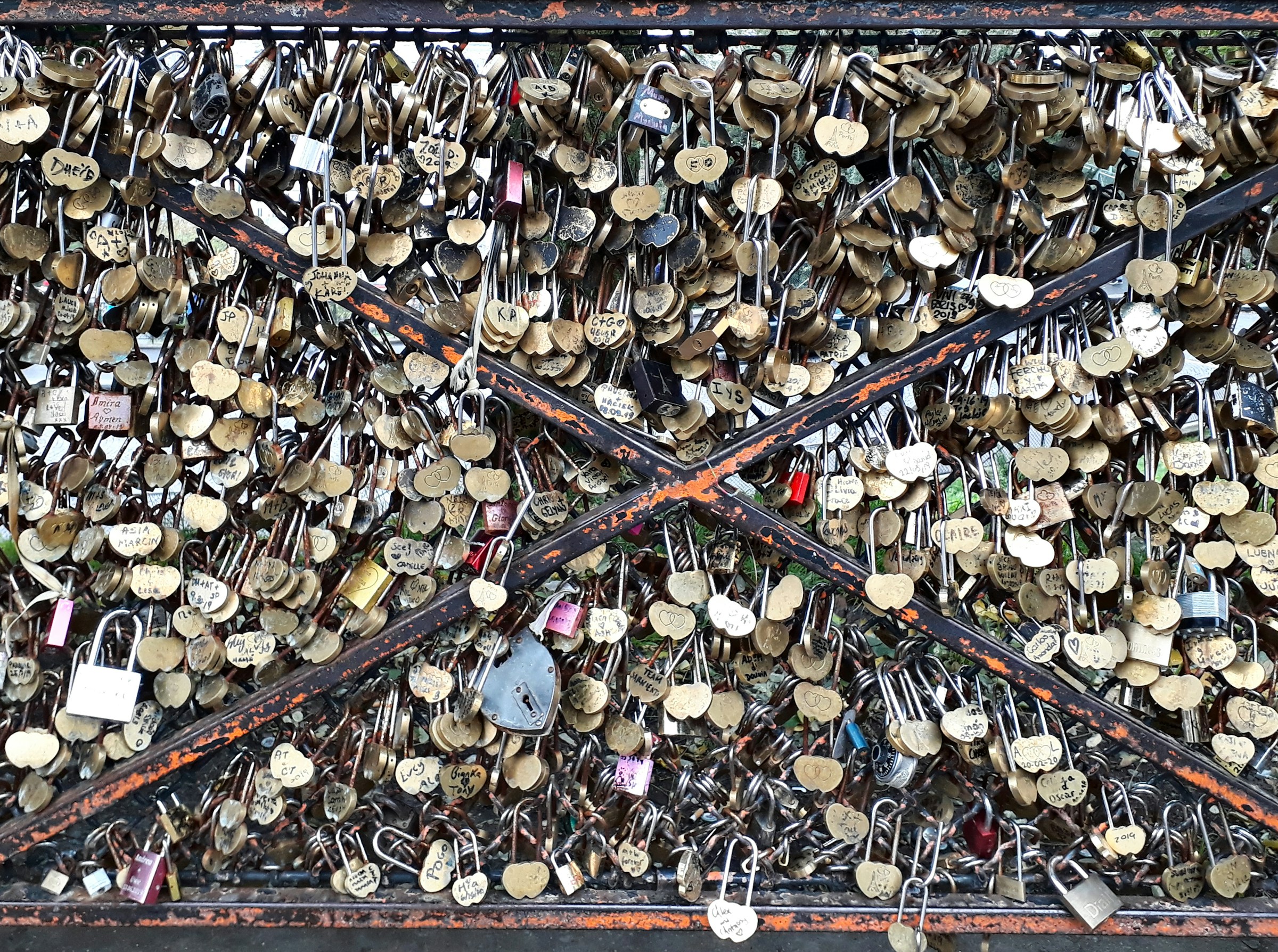
Love locks are not, as many people assume, a French tradition at all. The practice traces back to Hungary, where a grieving woman began attaching locks to bridges in memory of her fallen lover during World War I, and the custom spread slowly across Europe before reaching the Pont des Arts around 2008. It gained serious momentum in the early 2010s, fueled by social media and the sheer magnetism of Paris as a destination for honeymooners and couples.
Although the tradition had only been taking place in Paris since the end of 2008, with locks occasionally being cut off by city workers, by 2012 the number of locks covering the bridge had become overwhelming, with locks being attached to other locks. What started as a quiet, personal gesture had become a fully industrialized tourism ritual, complete with vendors selling padlocks right there on the bridge.
The Weight of One Million Declarations
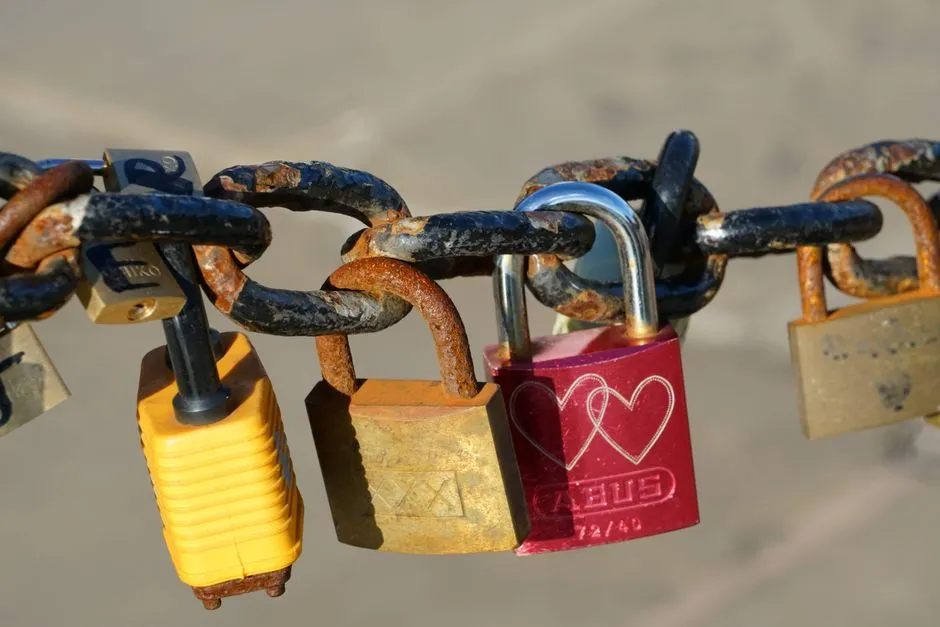
In June 2015, Parisian City Council removed over one million love locks from the famous Pont des Arts footbridge, all together weighing about 45 tonnes. To put that in perspective, that weight was equal to around 20 elephants standing on the bridge, not something the engineers thought about when designing it.
City Hall confirmed that on the Pont des Arts alone, 15 grills had to be removed for safety reasons, with each of those panels carrying nearly 500 kilograms, more than four times the maximum weight. That kind of excess load on a bridge railing is not a minor inconvenience. It’s an engineering emergency.
The Collapse That Changed Everything
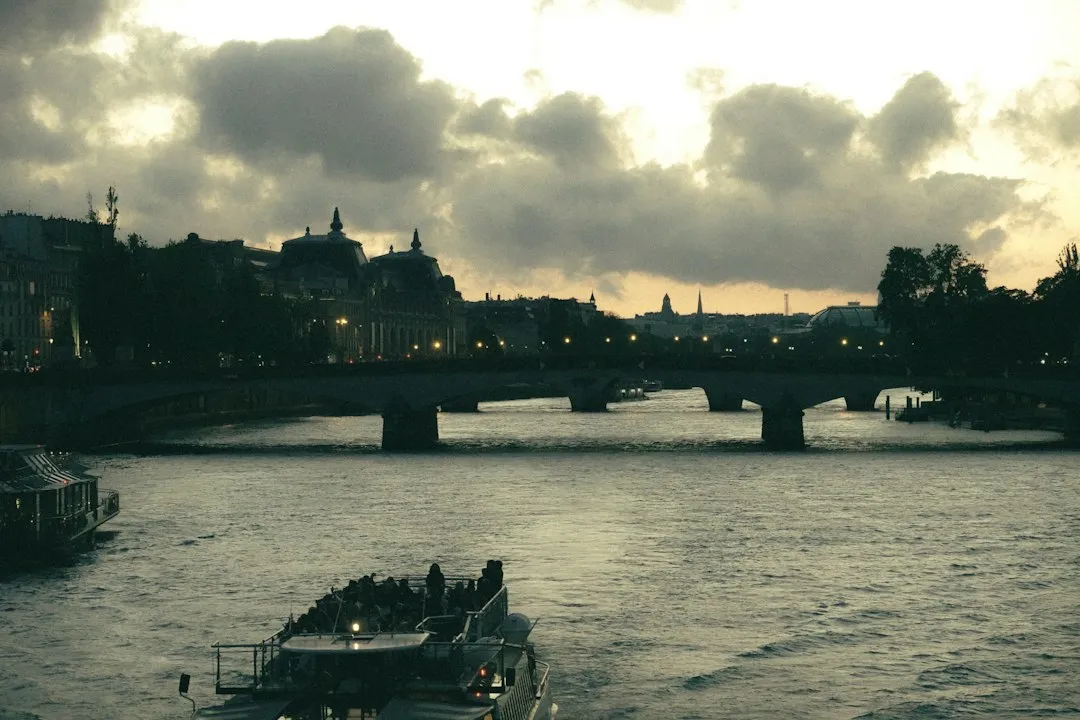
In June 2015, over one million love locks were removed from the Pont des Arts footbridge in response to the collapse of a section of the bridge’s mesh on 8 June 2014, under the weight of the romantically inscribed padlocks. That partial structural failure was the tipping point that transformed a long-running debate into urgent city policy.
With the high tourist season in full swing, more than half of the panels on the Pont des Arts had to be boarded over with plywood because the weight of the locks, estimated by the city to be 700 kilograms per panel, was creating the risk of more panels collapsing. Plywood panels across one of Paris’s most photographed bridges was hardly the romantic backdrop anyone had imagined.
A Guinness Record Nobody Wanted
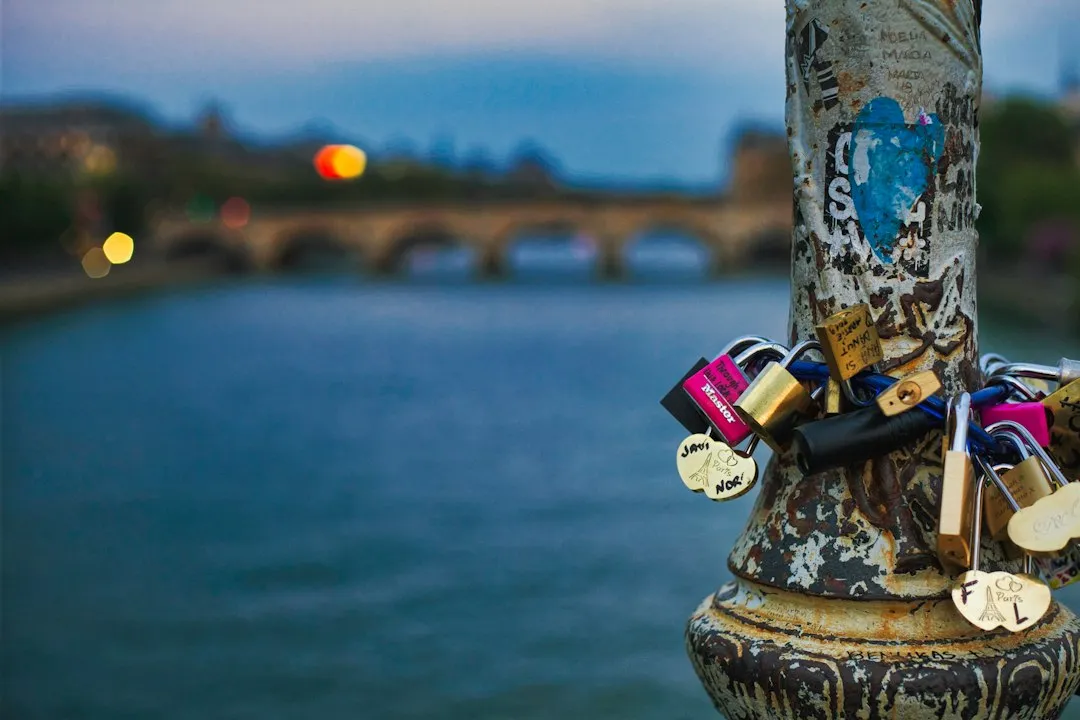
The 2015 removal marked a historical moment and secured a Guinness World Records title for the most love locks ever removed from a bridge. It’s the kind of record that no city actively sets out to achieve. The scale of the operation reflected just how dramatically the situation had spiraled.
Together with those removed from the neighbouring Pont de l’Archevêché, the love locks weighed a combined 45 tonnes. The removal required labor crews, specialized equipment, traffic control, and significant logistical planning. Annual maintenance costs related to the locks reportedly reached roughly $116,000 per year before the final decision to remove them entirely was made.
The Spread to Other Bridges
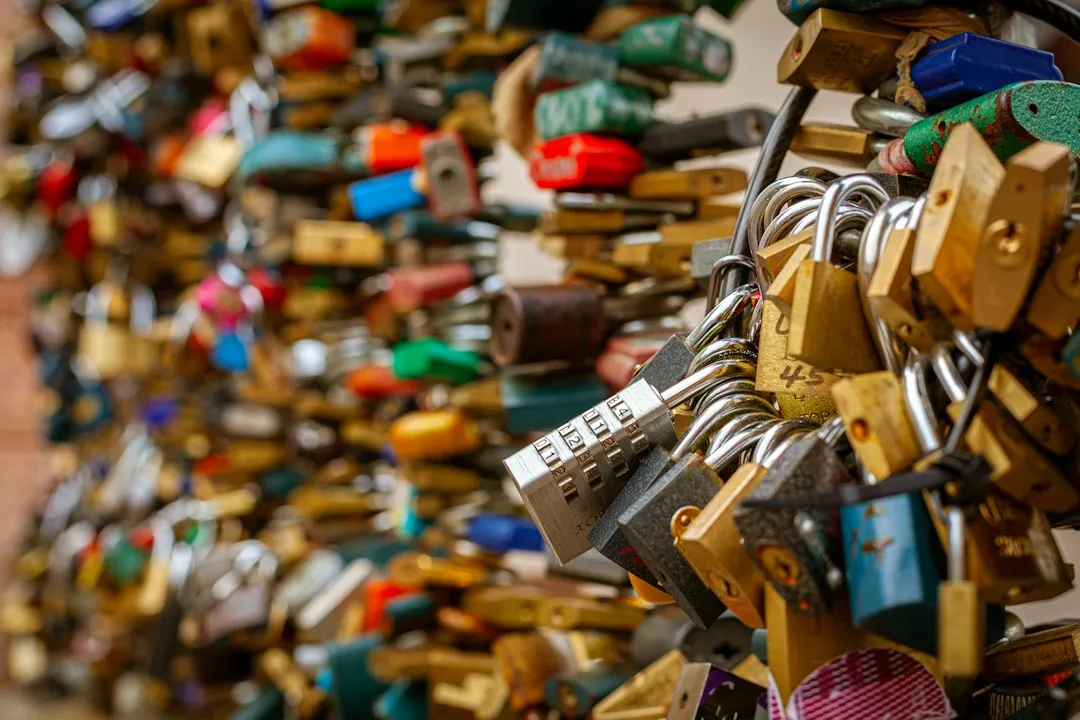
The problem was not contained to Pont des Arts alone. There were more than one million locks on at least 11 bridges and other landmarks across Paris. Each new Instagram post and travel blog recommending the tradition sent fresh waves of visitors to attach yet another lock somewhere along the Seine.
The phenomenon spread to other bridges and created two major concerns for the city: degradation of property heritage and a risk to the safety of visitors, Parisians, and tourists alike. The city was not dealing with a quirky footnote to tourism culture. It was managing a genuine and growing threat to its public infrastructure and built heritage.
The Environmental Cost Beneath the Surface

The locks themselves were only part of the problem. Most couples throw their keys into the Seine River, which has led to an estimated two million keys sitting at the bottom. These keys rust and release harmful metals into the water, and they can also clog drains and harm fish and other river life.
This matters especially in the context of Paris’s wider relationship with the Seine. By 2023, water safety tests showed the Seine was swimmable on around seven out of every ten days, and the river’s biodiversity had improved, with fish species increasing from three to 32. Allowing tens of thousands of corroding metal keys to continue accumulating on the riverbed runs directly counter to that painstaking environmental recovery work.
The Law and the Fine
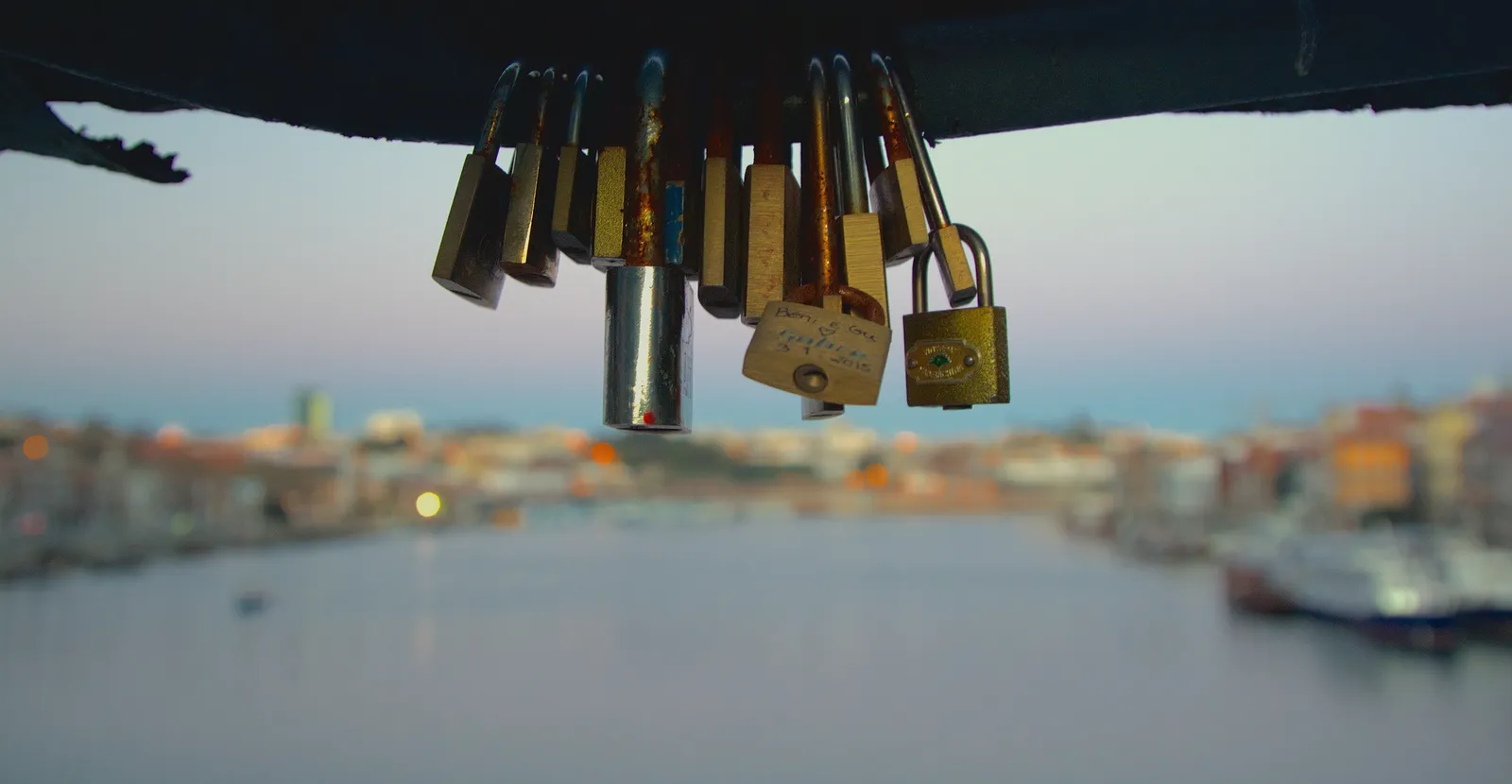
After a year of debate, all love locks were sentenced for removal and banned from all Parisian bridges altogether to ensure their weight would never pose a danger again. Today, the law prohibiting locks on bridges in Paris remains strict, with fines up to €500. This is not an informal social convention or a gentle suggestion. It carries real legal weight.
Graffiti, pickpockets, and vendors selling cheap padlocks also became a problem, prompting many locals to avoid the once-picturesque promenade. The ban was therefore not just about structural safety. It was also about restoring a public space to the community that actually lives alongside it every day.
Glass Panels and a New Aesthetic
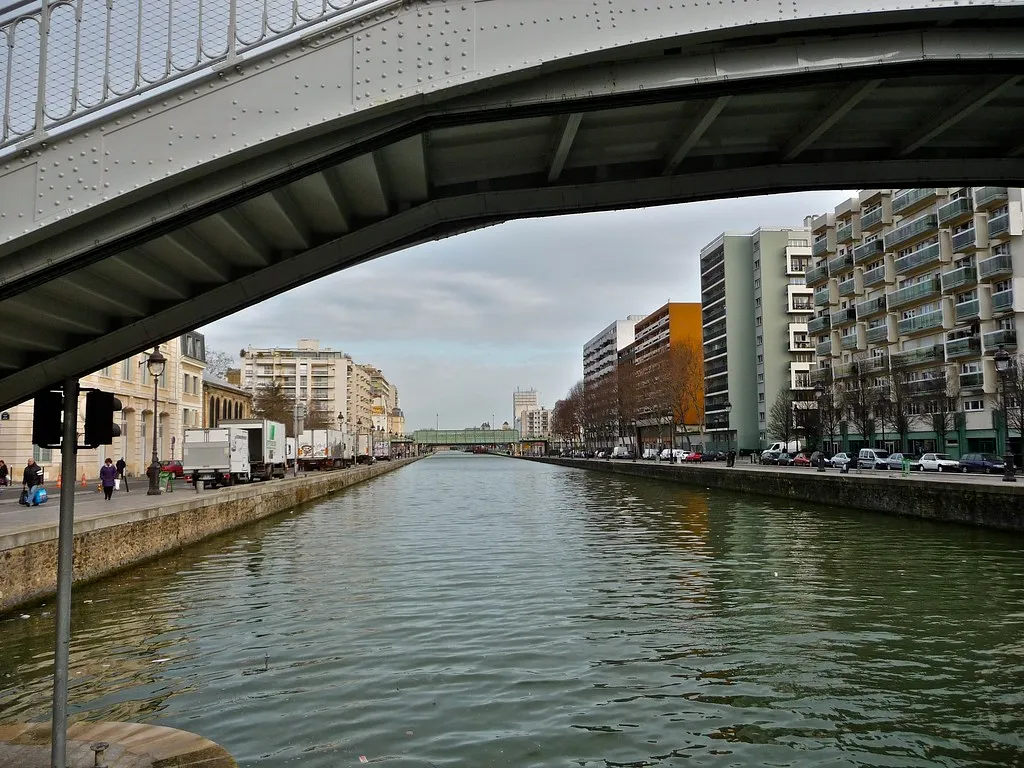
The locks that were removed were taken down and auctioned off, with proceeds going to charity. The bridge has since been fitted with glass panels to prevent the attachment of more locks. The redesign was elegant in its simplicity: smooth surfaces that offer nothing for a padlock’s shackle to grip.
While some lament the ban on love locks, others appreciate how the removal has restored the bridge’s elegance. The sleek glass panels now frame unobstructed views of the Seine, enhancing the experience for photographers and sightseers. In many ways, the bridge is more beautiful now than it was when buried beneath layers of rusting metal.
A 2023 renovation replaced the bridge deck and added structural glass which completely blocks access to the metal railing that locks were formerly attached to. By 2024, the transformation was essentially complete.
What Responsible Visitors Do Instead
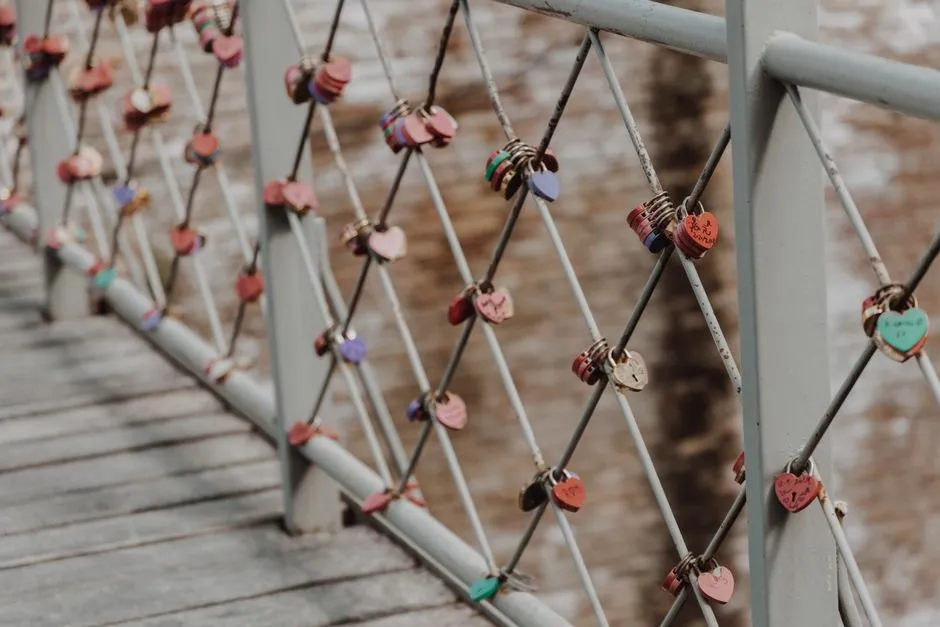
In August 2014, the Paris Mayor’s Office launched the “Love Without Locks” campaign and social media hashtag, encouraging tourists to take selfies instead of leaving love locks. The campaign was a deliberate attempt to redirect affection toward forms of expression that don’t compromise shared infrastructure.
The Pont des Arts remains one of the most visited pedestrian crossings in Europe, and it continues to be a genuinely moving place to walk. Known globally as the “love lock bridge,” the Pont des Arts continues to draw visitors with its timeless charm and breathtaking views, even without a single padlock in sight. The beauty was always in the setting, not the hardware.
A Broader Lesson in How We Treat the Places We Love
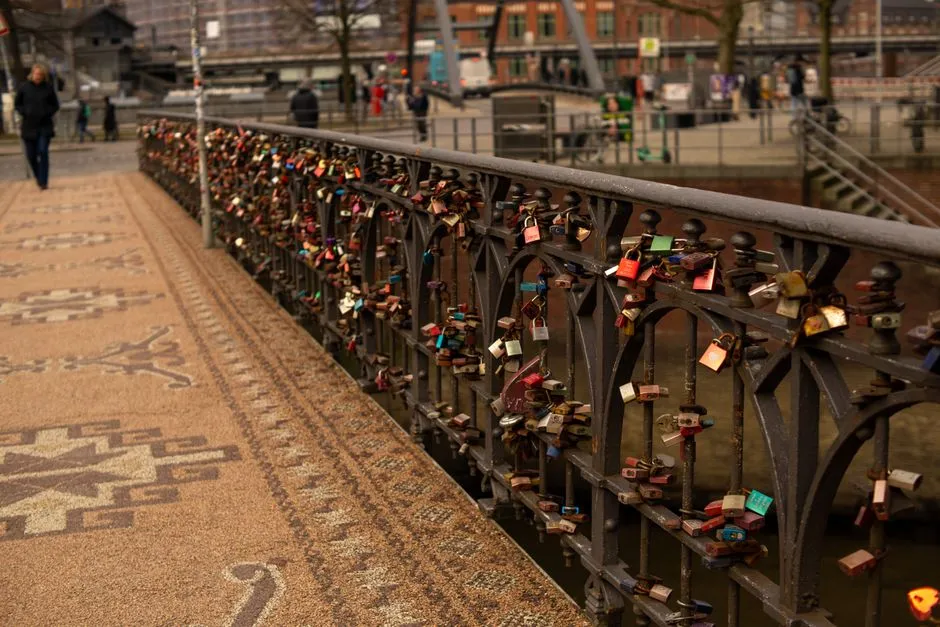
Paris’s experience with love locks became a reference point for cities across Europe and beyond. Following the engineering crisis on the Pont des Arts, many European activists began advocating for “No Love Locks” campaigns in other cities. The issue had revealed something worth sitting with: well-intentioned acts of affection can have consequences that reach well beyond any individual visitor’s experience.
When millions of people make the same small gesture in the same place, the cumulative effect stops being small. Officials confirmed that the romantic gesture had become so popular it threatened the structural safety of the bridges. That’s not a condemnation of romance. It’s simply a fact about how shared spaces work, and why caring for them matters.
The Takeaway

The love lock story isn’t really about bureaucracy versus romance. It’s about what happens when a beautiful impulse scales up without limits. The Pont des Arts nearly buckled under the physical weight of it, and the Seine is still recovering from the environmental residue left behind by millions of discarded keys.
Visiting Paris with care and curiosity, experiencing its bridges as living, breathing pieces of civil heritage rather than blank canvases for personal declarations, is itself a form of love for the city. The most enduring thing a traveler can leave behind in Paris is not a lock. It’s the simple fact that they came, paid attention, and left things as they found them.
AI Disclaimer: This article was created with the assistance of AI tools and reviewed by a human editor.