
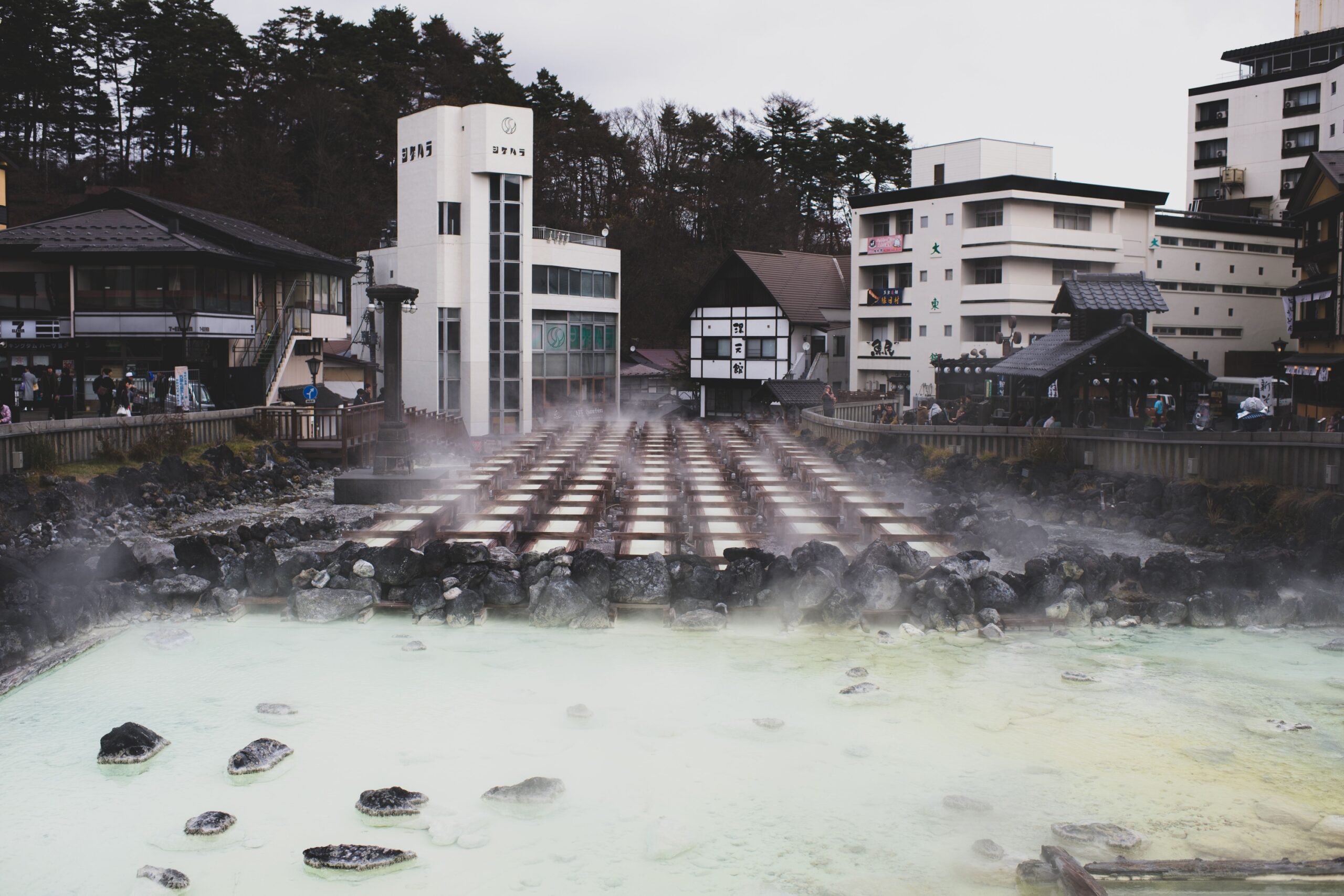
There is a particular kind of quiet that settles over you in a Japanese hot spring. The steam rises, the mineral-rich water holds its warmth, and for a moment, the rest of the world seems very far away. Onsen culture is one of Japan’s most deeply rooted traditions, and for good reason.
Planning a day visit takes very little effort, but knowing what to bring – and what to leave behind – makes the difference between a seamless experience and an avoidable awkward moment. The packing list is genuinely short. Here is everything you need.
1. The Small Modesty Towel: Your Most Essential Item
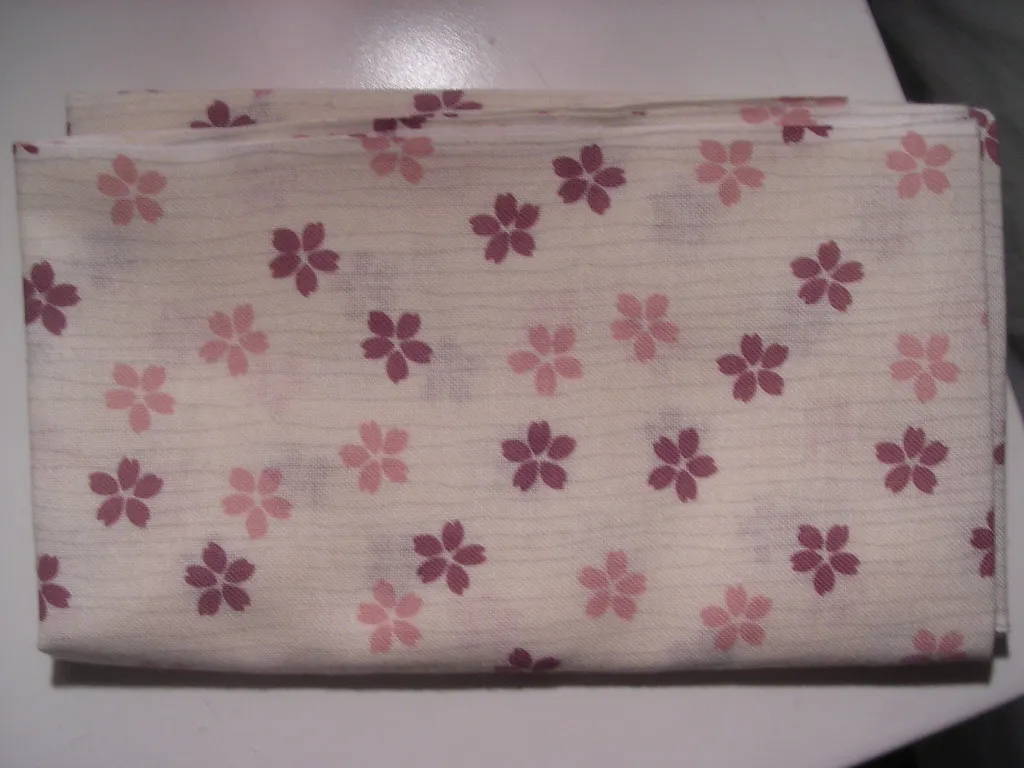
Any thin cotton towel works perfectly. The classic onsen towel in the traditional tenugui style is sold at Daiso and Seria for around ¥110, and at Don Quijote for ¥150 to ¥300. This small cloth is doing a surprising amount of work throughout your visit.
These small towels are used to wash your entire body, cover private areas, and dry off. You can buy or rent one at most Japanese bathing facilities, including onsen and sento.
Never dip your towel into the bath water – doing so is considered the most serious breach of etiquette at a Japanese onsen. Instead, fold it and place it on your head, the traditional practice, or leave it at the side of the bath.
2. A Large Drying Towel (When One Isn’t Provided)
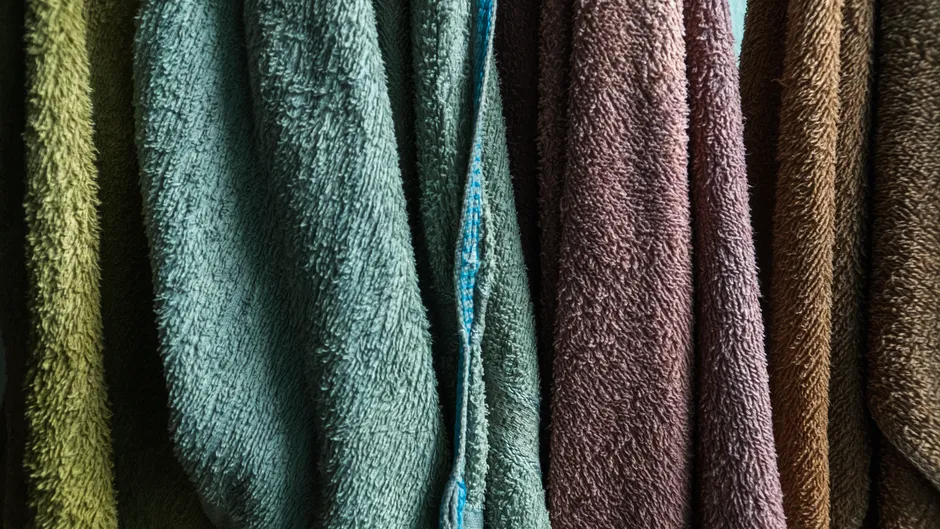
If you visit a local public bath, a sento or a smaller onsen like Shibu Onsen in Nagano, you usually need to bring two towels: a small one for washing in the bath and a large one for drying in the changing room. The situation is different at ryokan.
At onsen hotels or ryokan, towels are usually provided in your room, so you don’t need to bring your own. Still, it’s worth confirming before you go.
Most ryokan and dedicated onsen facilities provide a small modesty towel and yukata robe as part of the stay or entry fee, but it’s worth confirming in advance – some budget public bathhouses charge a small rental fee or expect visitors to bring their own towel. You can usually rent one at the facility for ¥100 to ¥300.
3. Personal Toiletries and Skincare
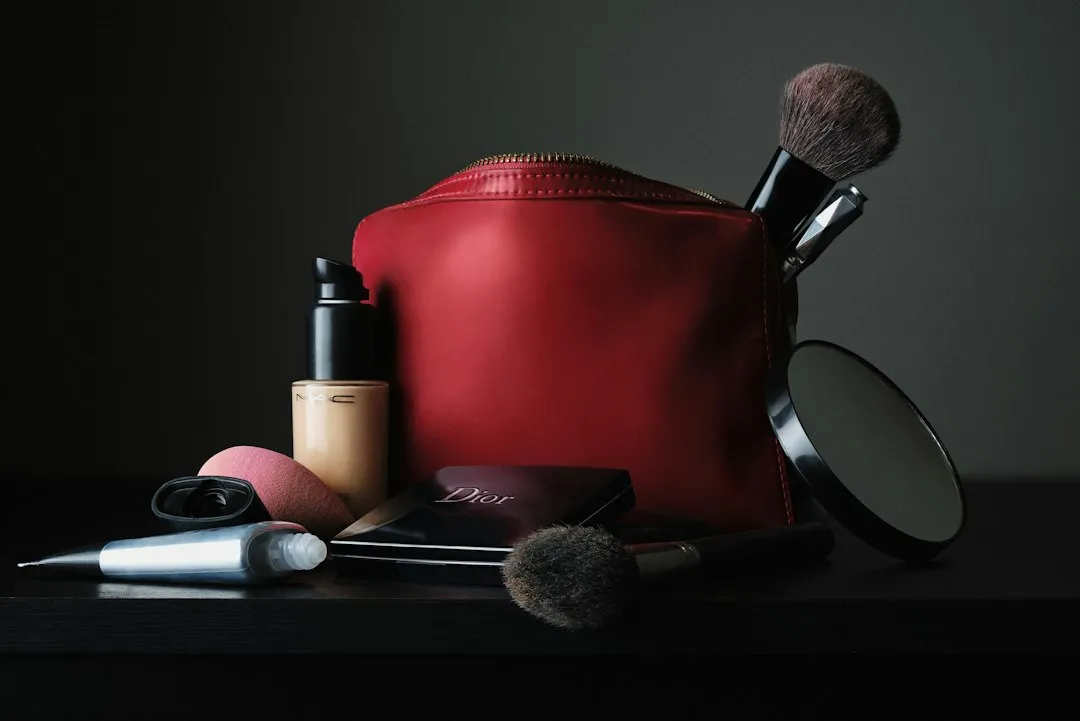
Most onsens provide basic toiletries like body wash, shampoo, and conditioner, but you can never be sure. Bringing a miniature version of your favorite toiletries can enhance your onsen bath experience.
You should bring your preferred moisturizer or skincare, and all necessary medication and prescriptions. This matters more than many first-timers expect. Mineral-rich hot spring water, while genuinely wonderful for circulation and muscle tension, can leave skin feeling dry after a long soak.
A light moisturizer applied in the changing room after your bath is a simple habit shared by experienced onsen regulars. If you have long hair, pack a hair tie to tie your hair up before entering an onsen. Keeping hair out of the water is both practical and expected.
4. Tattoo Cover Patches (If Relevant)
Japan’s tattoo policies at onsen remain a nuanced topic in 2026, and it’s one worth knowing about before you arrive. Some facilities are fully tattoo-friendly, publicly stating tattoos are welcome with no size limit. Others are conditional, allowing tattoos under a certain size and asking visitors to cover them with a skin-tone patch sold at convenience stores or at reception.
Cover-up stickers are a legitimate option for small tattoos and are widely accepted at conditional-policy onsen. Look for the brand Kibata or generic タトゥー隠しシール at Don Quijote, Tokyu Hands, or Amazon Japan. The skin-tone patches come in roughly 8×10 cm and 13×20 cm sheets, and they hold up for a single bath if you do not scrub them.
They will not survive an hour in hot water followed by a sauna, so plan for one soak per patch. For anything larger than the palm of your hand, cover-ups stop being realistic and you should default to private baths. Booking a private bath, known as a kashikiri-buro, is a graceful and comfortable alternative.
5. A Small Bag for Essentials – and Almost Nothing Else
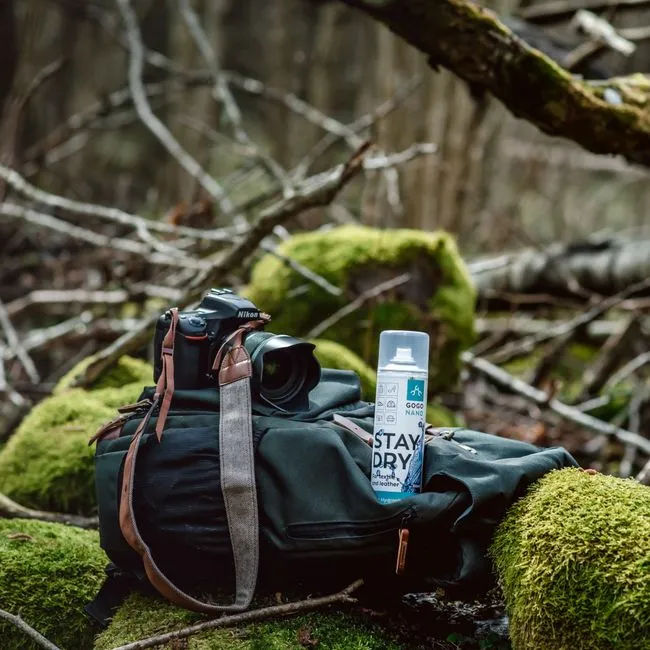
A 20L roll-top waterproof dry bag holds your phone, wallet, and room key during the soak, then carries wet towels back without dripping on your clean clothes. Many experienced onsen visitors keep a dedicated bag for exactly this purpose.
Bring only the essentials with you like your room key and towels, and leave items like phones, jewelry, and other bulky things behind. Although Japan is a very safe country with very little crime, do not bring valuables to store in the cubby while you bathe.
A few 100-yen coins are also worth tucking in your bag, for post-onsen drinks or massage chairs. The vending machines positioned just outside most onsen baths exist for a reason – cold milk or a sports drink after a hot soak is a small pleasure worth planning for.
What to Leave Behind
Only a small towel is allowed inside the bathing area. Photography is strictly forbidden, and bringing food, drinks, or your phone is not permitted. This applies universally across traditional onsen facilities.
Onsen are contemplative spaces. Loud conversation, splashing, and mobile phone use are not appropriate. The atmosphere is like that of a library. Quiet enjoyment is the expected mode.
The Shower Before You Soak
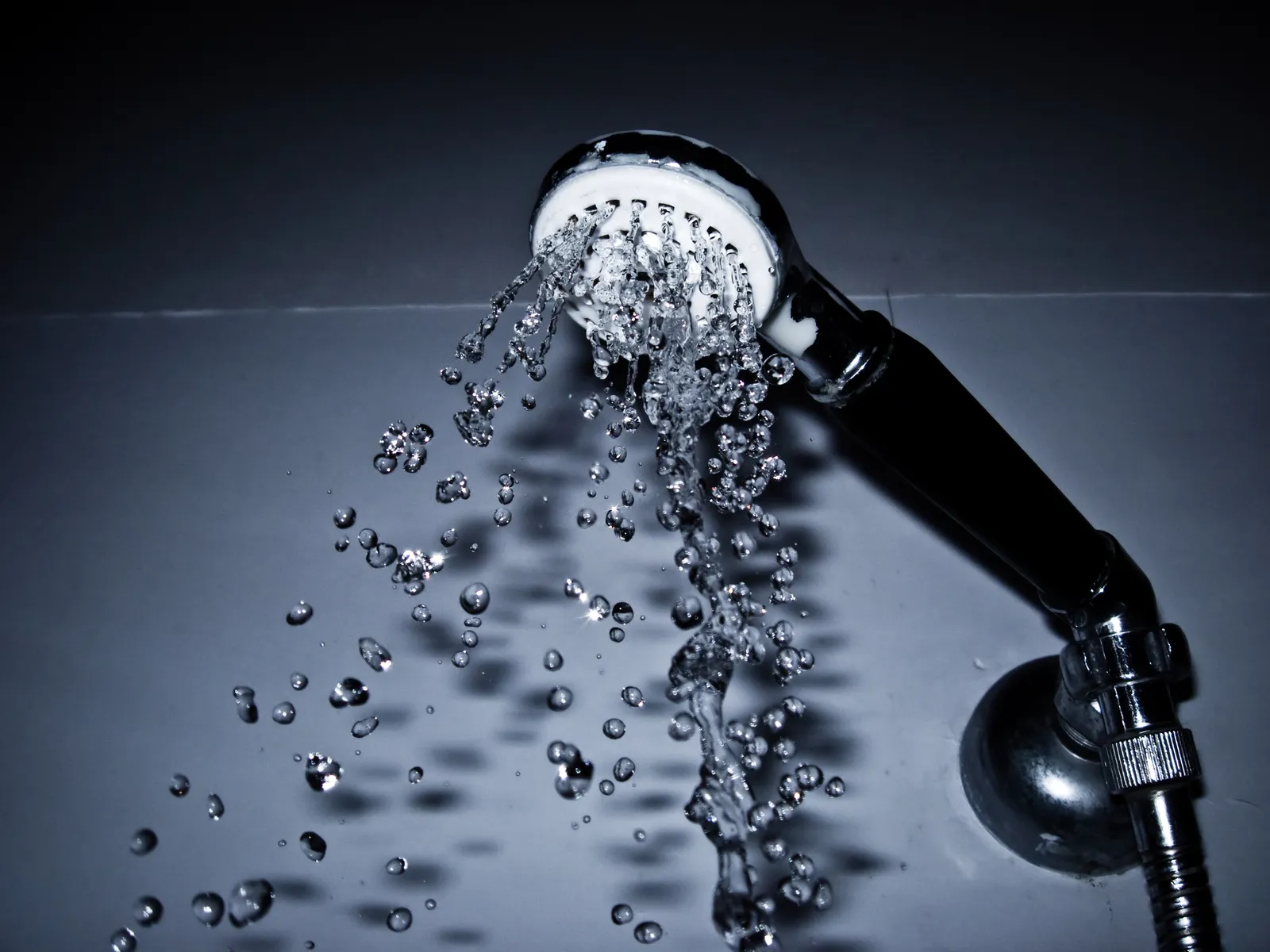
This one isn’t something you pack, but it shapes everything else. Before entering the bathtub, wash your body at the shower or washing area. This helps keep the shared bath water clean for everyone. Rinse away sweat, dirt, and soap before getting into the hot spring.
Shampoo, conditioner, and body soap are usually provided. Rinse off all soap and leave your washing area tidy for the next person. It takes only a few minutes and is, by most accounts, the single rule that matters most to other bathers.
The Changing Room Routine
Changing rooms have combs, hairdryers, and other amenities that are free to use. Most facilities are well-equipped, so there’s rarely a reason to over-pack personal grooming items.
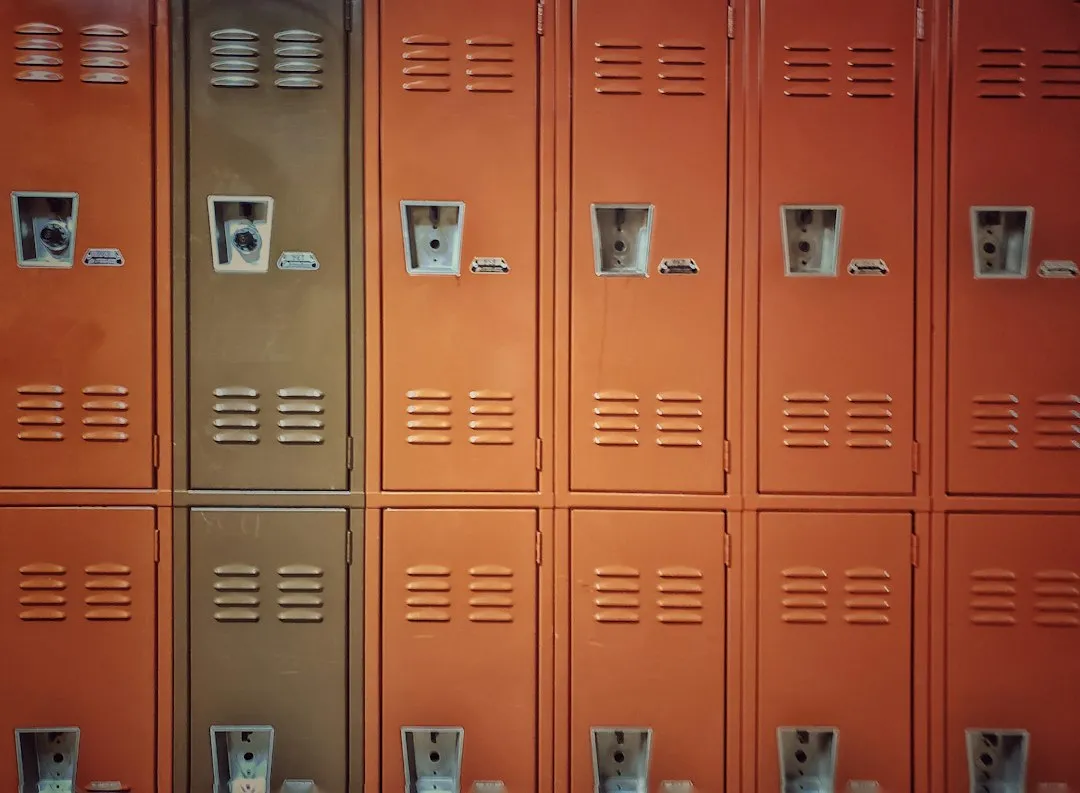
In the changing room, undress completely and store all clothing and personal items in the locker. There are usually baskets for you to store your belongings. Look for upside-down baskets – this means they are clean and ready to use.
A Note on Hydration
It’s best not to eat before bathing in the onsen, but you need to drink a lot of water before and after your onsen bath. Hot mineral springs raise your core body temperature noticeably, and even a moderate soak can leave you mildly dehydrated without realizing it.
Many onsen towns have small stalls or vending machines just outside the baths, and having a few yen coins in your bag means you’re ready for a cold drink the moment you step out. It’s a simple habit, but a genuinely useful one.
Onsen Packing at a Glance
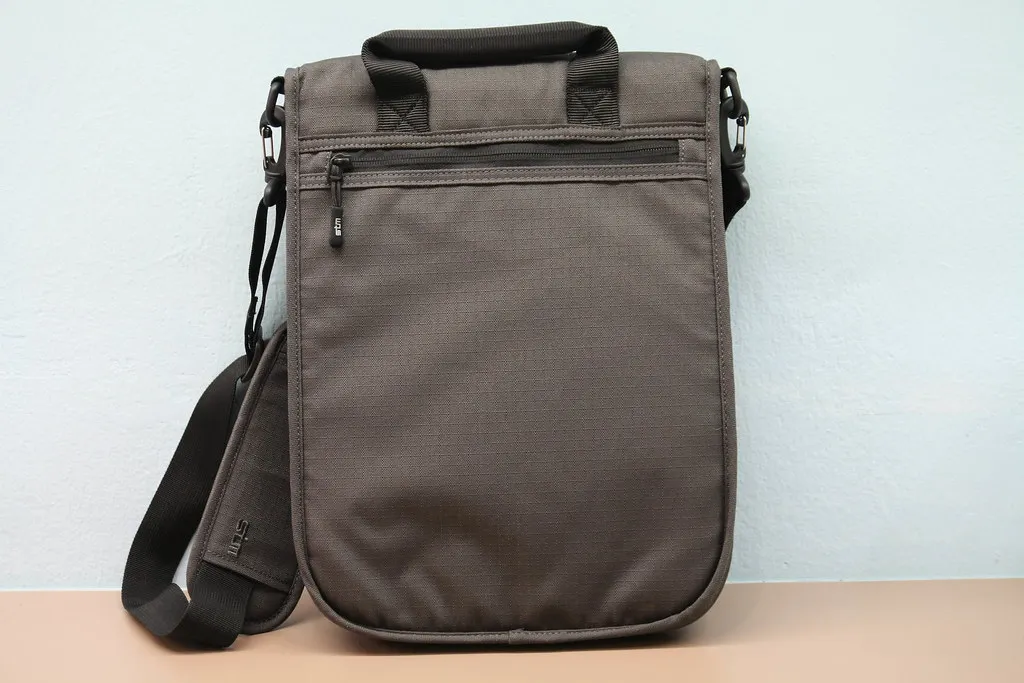
The full list, when written out honestly, is very short. A small modesty towel, a large drying towel if your facility doesn’t provide one, your preferred personal toiletries, a hair tie, tattoo cover patches if needed, and a lightweight bag for a room key and loose change. That’s the whole of it.
The simplicity is deliberate. Onsen culture is built around letting go of the everyday – the devices, the schedules, the layers. Packing light isn’t just practical; it’s part of the point.
The Takeaway
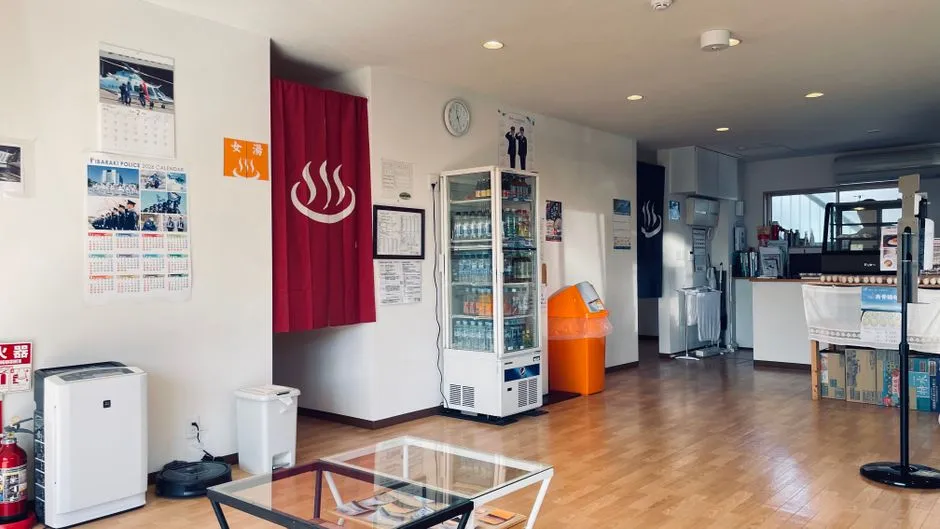
A day at a Japanese onsen asks very little of you in terms of preparation. The facilities do most of the work. What the experience asks for instead is a willingness to slow down, follow a handful of courteous customs, and simply be present in the water.
Pack the small towel. Bring your moisturizer. Leave your phone in the locker. The rest takes care of itself.
AI Disclaimer: This article was created with the assistance of AI tools and reviewed by a human editor.