
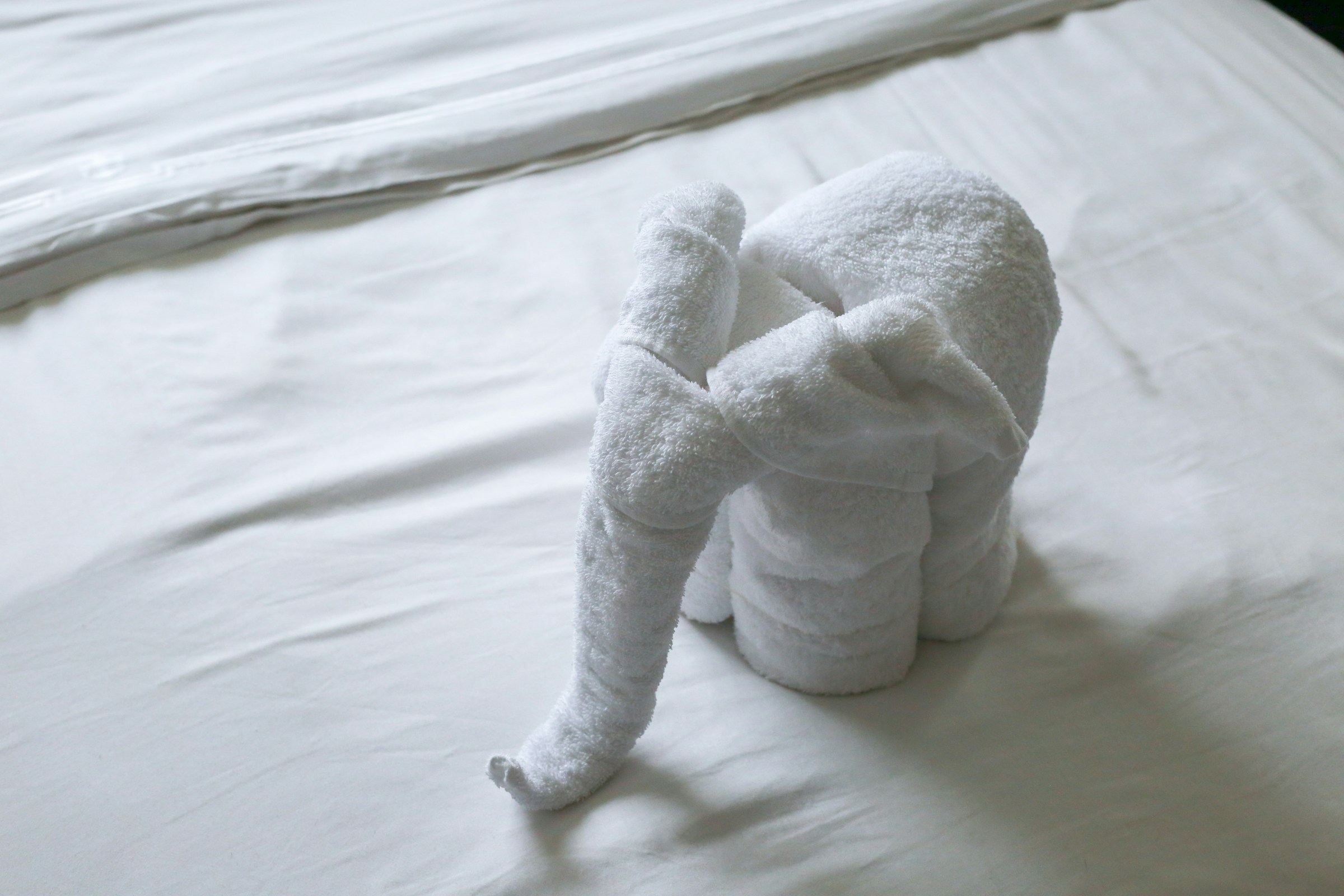

Walk into almost any hotel room in the world, from a modest roadside inn to a five-star resort, and the towels hanging in your bathroom will almost certainly be white. It’s one of those things most of us never question. We just accept it as part of the hotel experience, the same way we accept little shampoo bottles and room service menus slipped under the door.
The reasons behind this universal choice are more layered than you’d expect. Some are practical, some psychological, and some trace back to a specific moment in hospitality history that quietly changed how we think about hotel rooms altogether.
It Started as a Deliberate Industry Choice, Not a Coincidence

Before the 1990s, hotels commonly had colored sheets and towels because an all-white aesthetic was unpopular. Colored linens were seen as more manageable and easier to handle, because they could hide stains. The shift to white was intentional, driven by one brand that decided to do things differently.
Westin Hotels turned the travel industry on its head and sparked a hotel bedding revolution with the 1999 launch of the Heavenly Bed, an icon that inspired countless imitators and jump-started the hotel retail phenomenon. According to the brand’s vice president of design, the white bed created a “halo” effect and made guests think their room had been recently renovated. That single insight rippled through the entire industry.
White Is a Visual Promise of Cleanliness
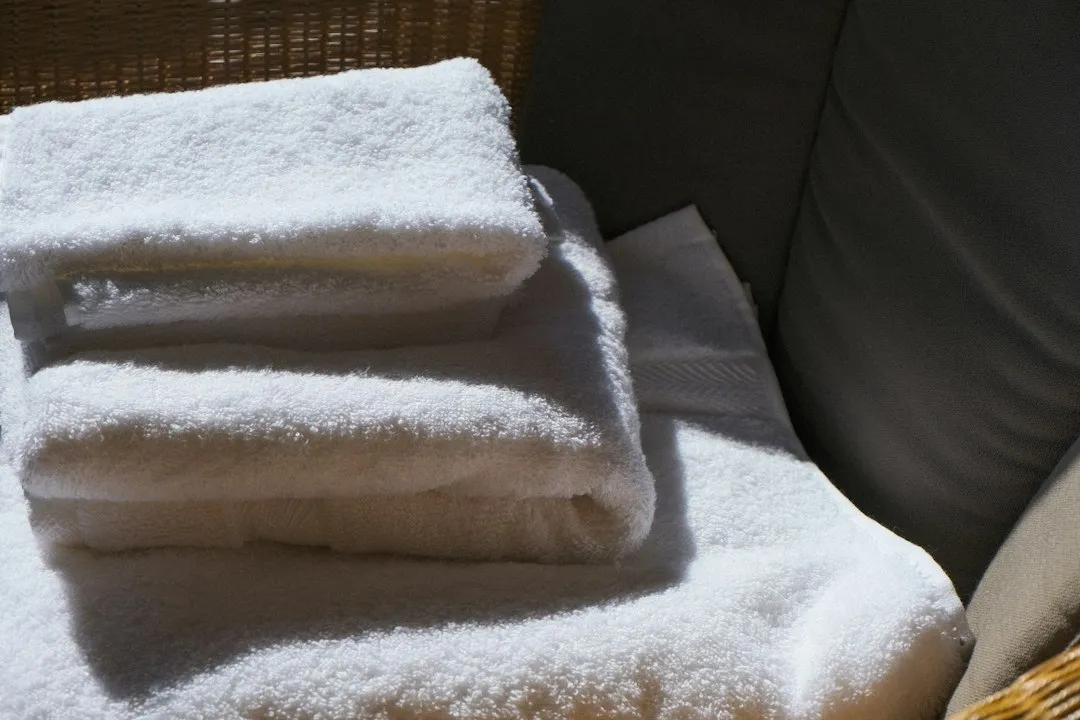
One of the main reasons hotel towels are white is that white is associated with cleanliness and hygiene. White towels give the impression of being fresh and spotless, which is essential in the hospitality industry. Guests expect their hotel towels to be clean and free from any stains or marks, and white towels make it easier to spot any dirt or stains that may be present.
Overall, white linens are an easy way for hotels to set their standard for cleanliness. White is an easy color to get dingy and stained, so when a guest sees a perfectly white set of towels, they’ll feel more comfortable and confident in the hotel’s cleanliness and housekeeping. It’s the opposite of what you might assume. The fact that white shows everything is precisely the point.
Housekeeping Teams Rely on It for Quality Control
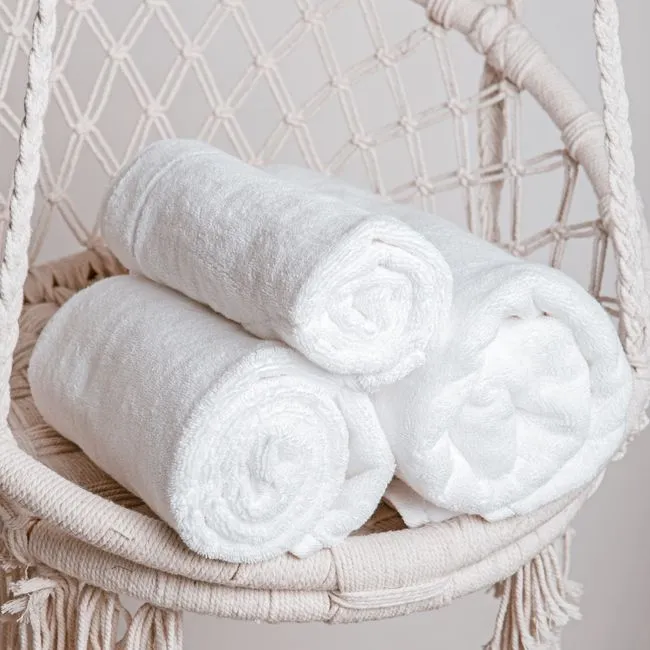
One of the main reasons hotels use white towels is hygiene. White makes it easy to see any stains, marks, or residue. Housekeeping teams can quickly identify whether a towel is fully clean or needs to be rewashed. This matters enormously in a busy hotel environment where dozens or hundreds of rooms turn over every single day.
Using white linen also improves the efficiency of quality control. Any imperfection, whether a stain, tear, or pilling, can be easily recognized and quickly rectified by launders and housekeepers, meaning all linen that reaches hotel rooms is of the highest standard. A colored towel, by contrast, could hide flaws that would otherwise disqualify it from guest use.
White Towels Withstand the Industrial Laundry Process
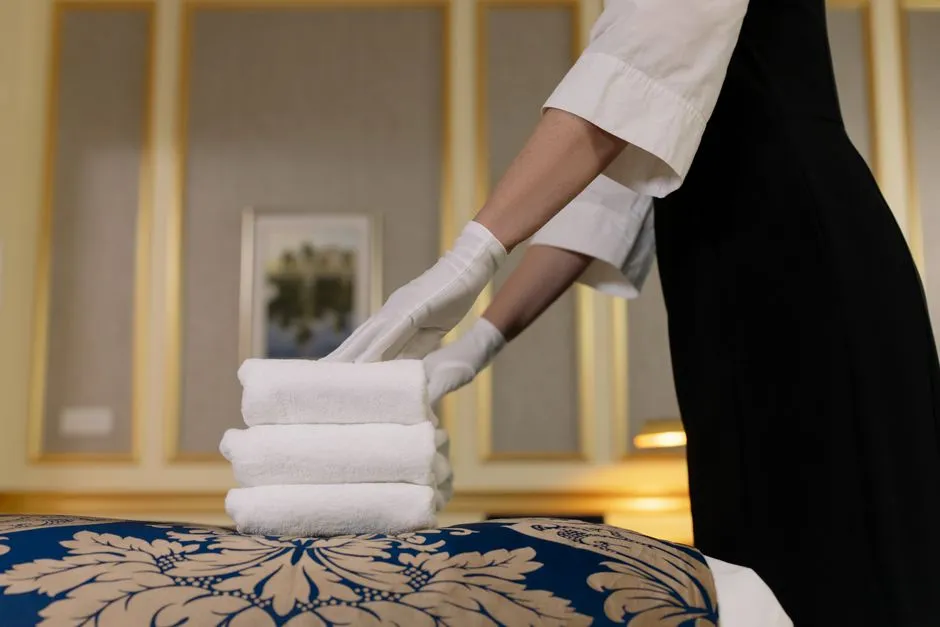
Another major advantage of white towels is that they can be washed at high temperatures without fading. Hotels typically wash towels at 60°C or higher to remove bacteria, oils, and cosmetic residues. Colored towels would fade, bleed, or lose their vibrancy under these conditions.
White towels actually become brighter with hot washing and bleaching, making them ideal for heavy-duty commercial laundry cycles. Hotels wash white towels using industrial-grade washing machines with water temperatures between 160 and 180°F, professional detergents with optical brighteners, and oxygen-based bleach. No colored fabric could survive that routine without looking worn and faded within weeks.
Bleaching Serves Both Sanitation and Appearance
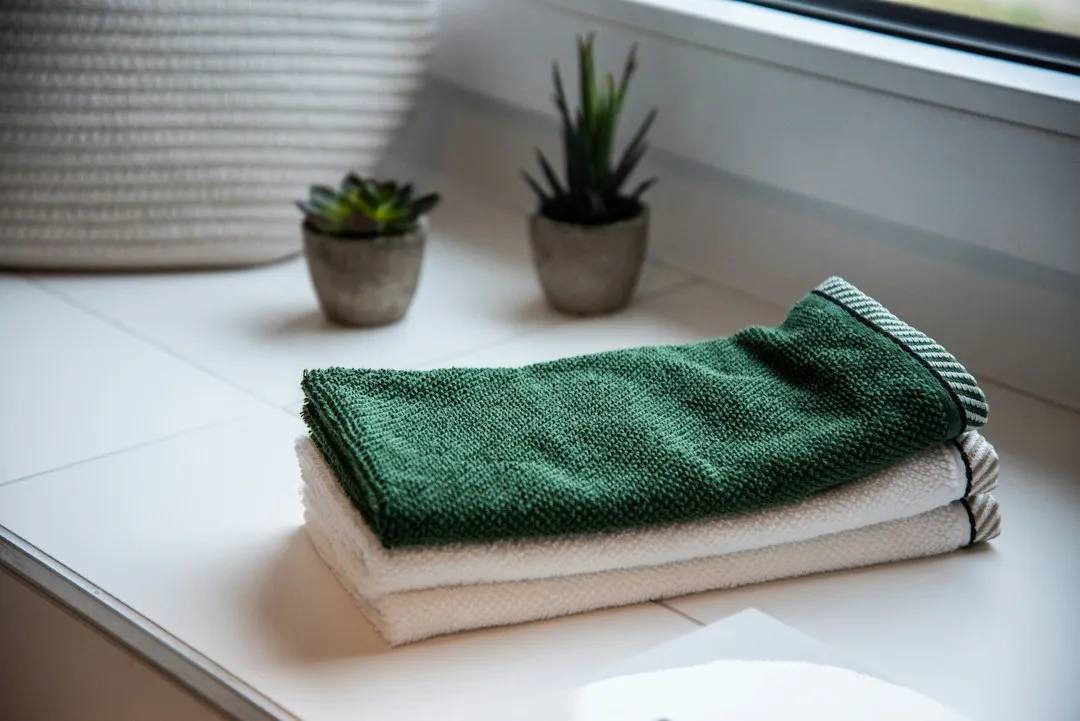
White towels are easier to clean compared to colored towels. They can be washed with bleach at high temperatures, ensuring that bacteria or germs are effectively eliminated. The use of bleach also helps to maintain the bright white color of the towels, giving them a crisp and clean appearance.
Hotels often avoid chlorine bleach, which can weaken the fibers and cause yellowing. Instead, they use oxygen bleach, which is gentler and more effective. Eco-friendly bleaching with hydrogen peroxide, sodium percarbonate, and enzymes also cleans towels, with ingredients that are organic and minimize environmental impact. It’s a sanitation process and a brightening process happening simultaneously.
Uniformity Makes Laundry Operations Dramatically Simpler
White towels also simplify hotel laundry operations. When all towels are the same color, housekeeping does not need to sort them by shade or match sets. In a large hotel processing thousands of pieces of linen daily, that kind of operational simplicity adds up to real savings in time and labor.
Hotels separate white towels from colored or soiled linens to prevent color bleeding. They use hot water and gentle bleaching agents to maintain the towels’ white appearance and integrity. The entire laundry workflow becomes faster and more consistent when every towel is the same color, every single time.
The Psychology of White Runs Deeper Than We Realize
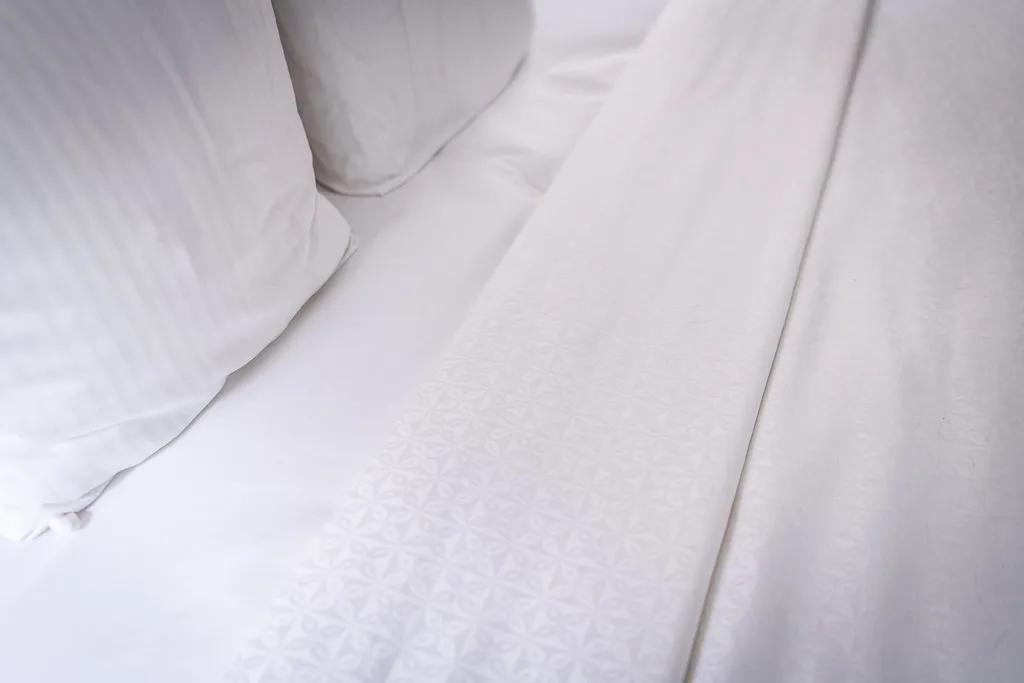
Used more sparingly or incorporated with pops of color, white can make guests feel a room is clean and well-prepared. While guests don’t want to feel like they’re in a medical facility, they appreciate sensing they’re in a space that has been properly maintained. It’s a careful balance between clinical and welcoming.
The use of white bedding taps into a deeper, almost instinctual association we have with simplicity, elegance, and luxury. White has a way of evoking memories of home for some, and for others, the promise of a luxurious stay. In many ways, it’s a subtle yet profound promise from the hotel: “We care about your comfort and peace of mind.” Few design choices communicate that message without saying a single word.
White Creates a Neutral Canvas for Any Room Design
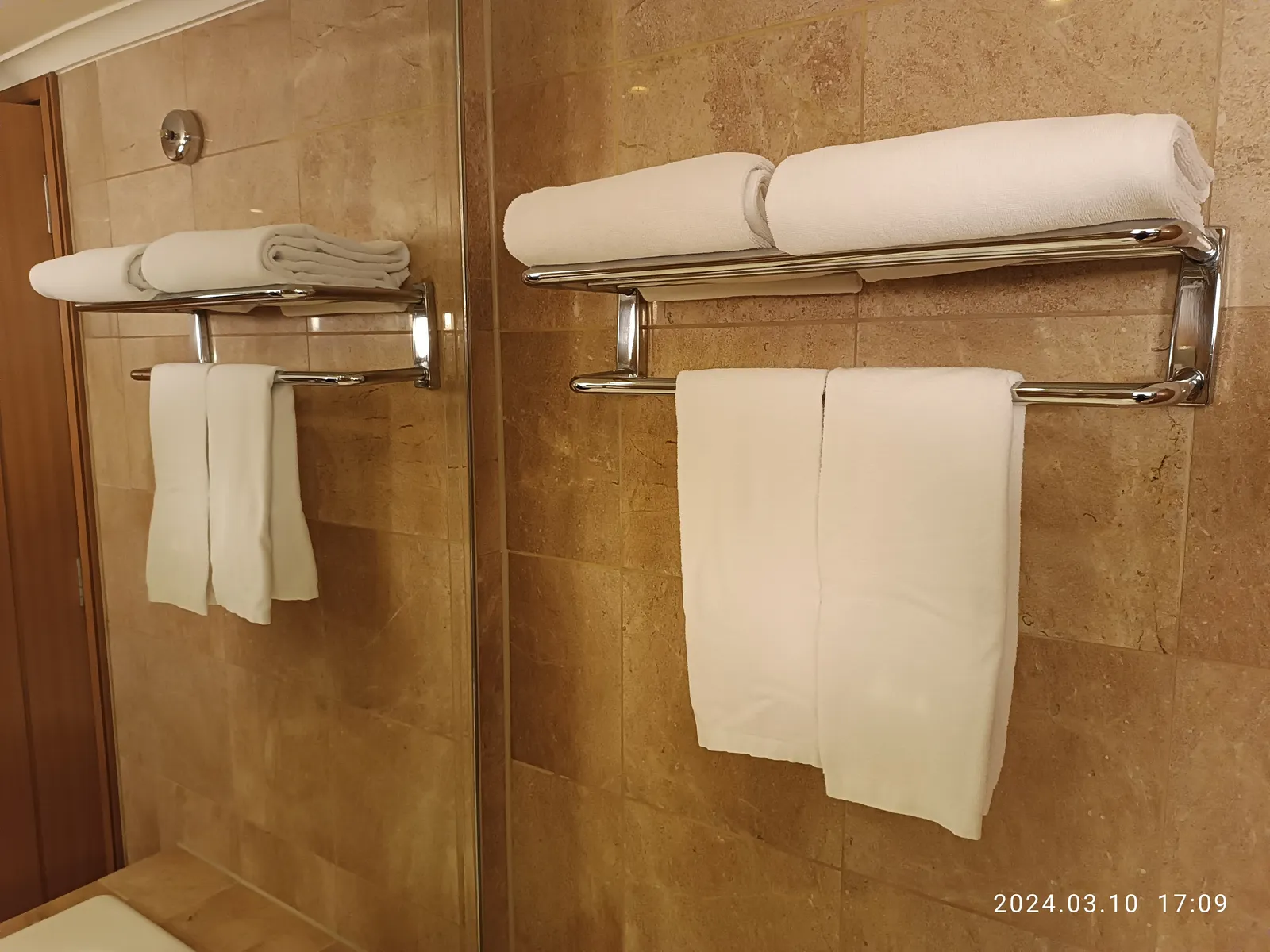
White towels are versatile and can be used in any hotel decor. They match well with any color scheme or design, whether a modern, minimalist hotel or a traditional, luxurious one. Using white towels, hotels can create a cohesive and uniform look throughout their guest rooms and bathrooms.
This versatility is genuinely useful from a business standpoint. A hotel that renovates its rooms, changes its color palette, or rebrands entirely doesn’t need to replace its towel inventory. White bedding is a significant cost-saving measure that doesn’t compromise on aesthetic appeal. White also creates a perfect canvas for hotels to add personality through accent pieces.
Guests Are More Careful With White Linens
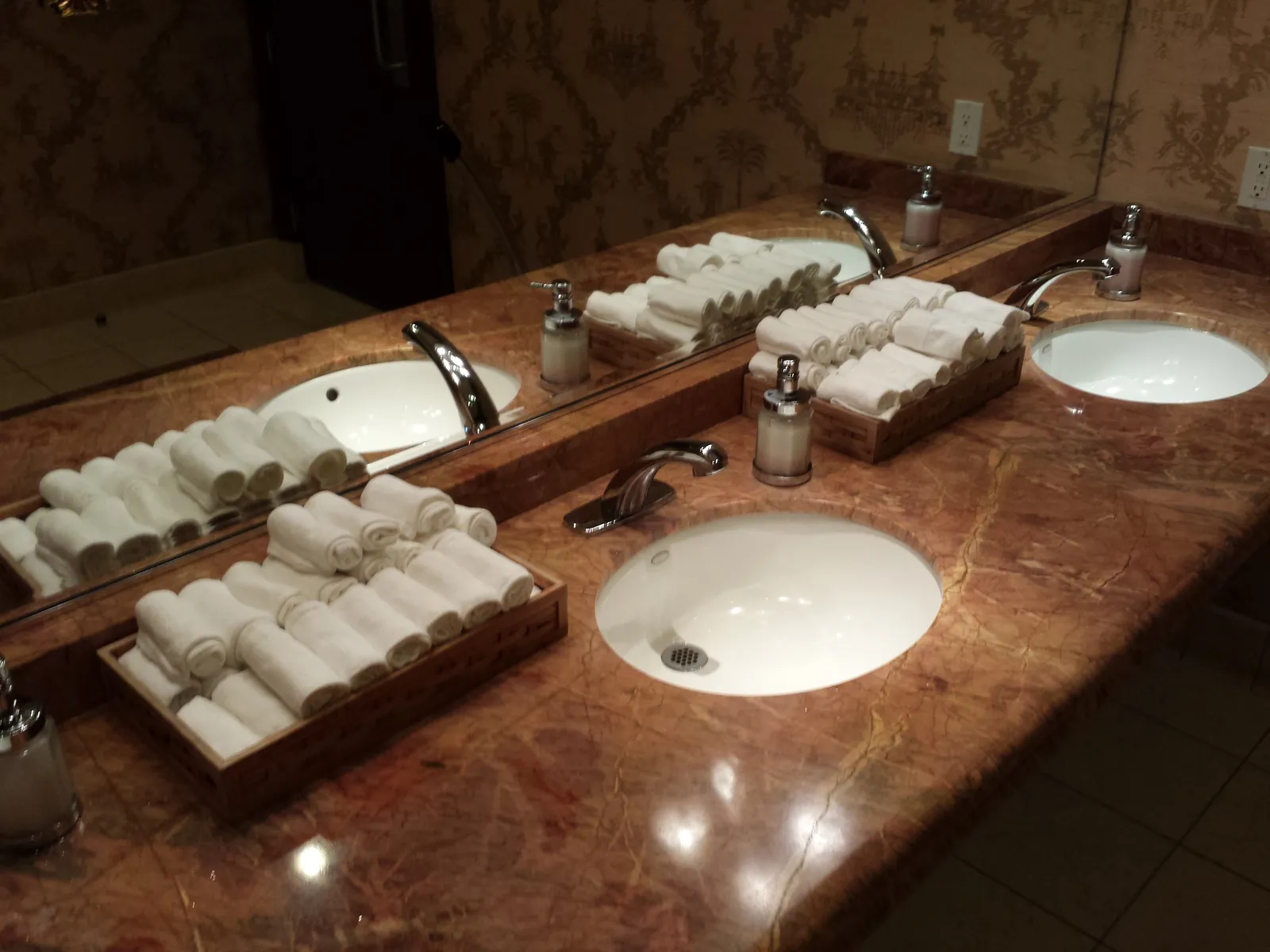
The fact that white doesn’t hide stains is good for the hotel because it often makes the guest more cautious. Typically, guests remain more alert while eating food or drinking to avoid leaving stains, which helps the towels and sheets last longer. It’s a subtle behavioral nudge that costs the hotel nothing to implement.
White towels create a perception of cleanliness, which is why hospitality experts prefer them. Hotels that consistently offer bright white towels are often those with better laundering habits and quality control. In a sense, the color choice filters upward through an entire property’s standards, not just its bathroom aesthetics.
It’s an Industry Standard, Not an Official Requirement
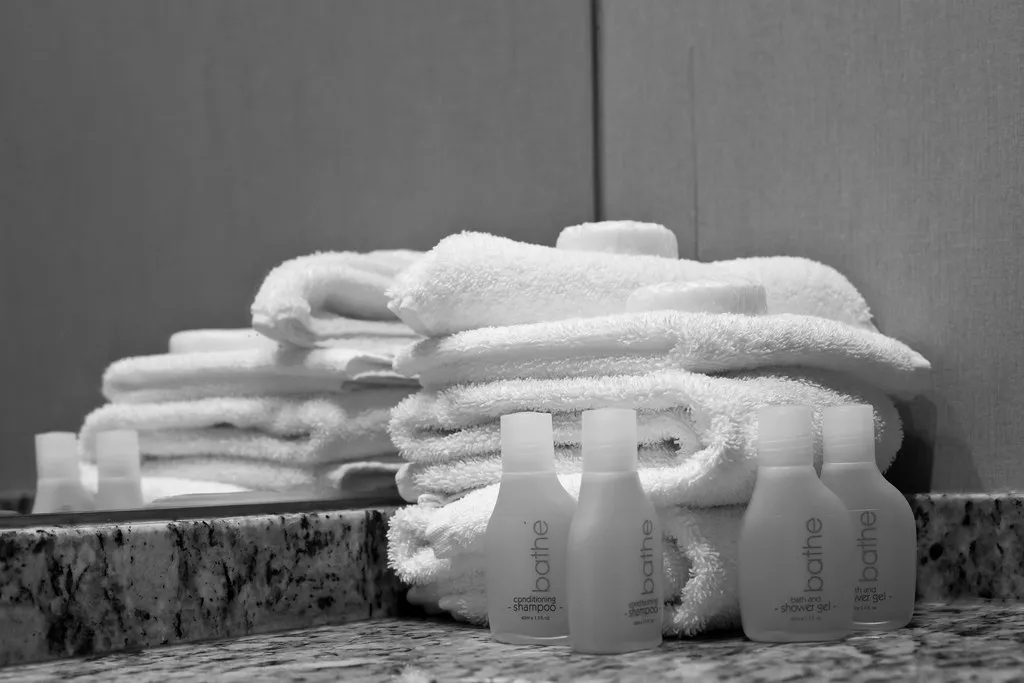
While you won’t find white bedding in any official hotel rule book or lodging association requirement, it’s an expected industry standard. That’s actually what makes it so remarkable. No regulatory body mandated it. Hotels arrived here on their own, by following what guests responded to and what operations demanded.
White towels have become a universal standard across hotels, guest houses, and serviced apartments. Whether you stay in a luxury resort or a small boutique property, the towels are almost always white. While white is the industry standard, some boutique hotels and themed resorts may use colored or patterned towels as part of their unique design aesthetic. Those exceptions exist, but they stand out precisely because white has become the baseline expectation.
The Quiet Logic Behind a Simple Choice
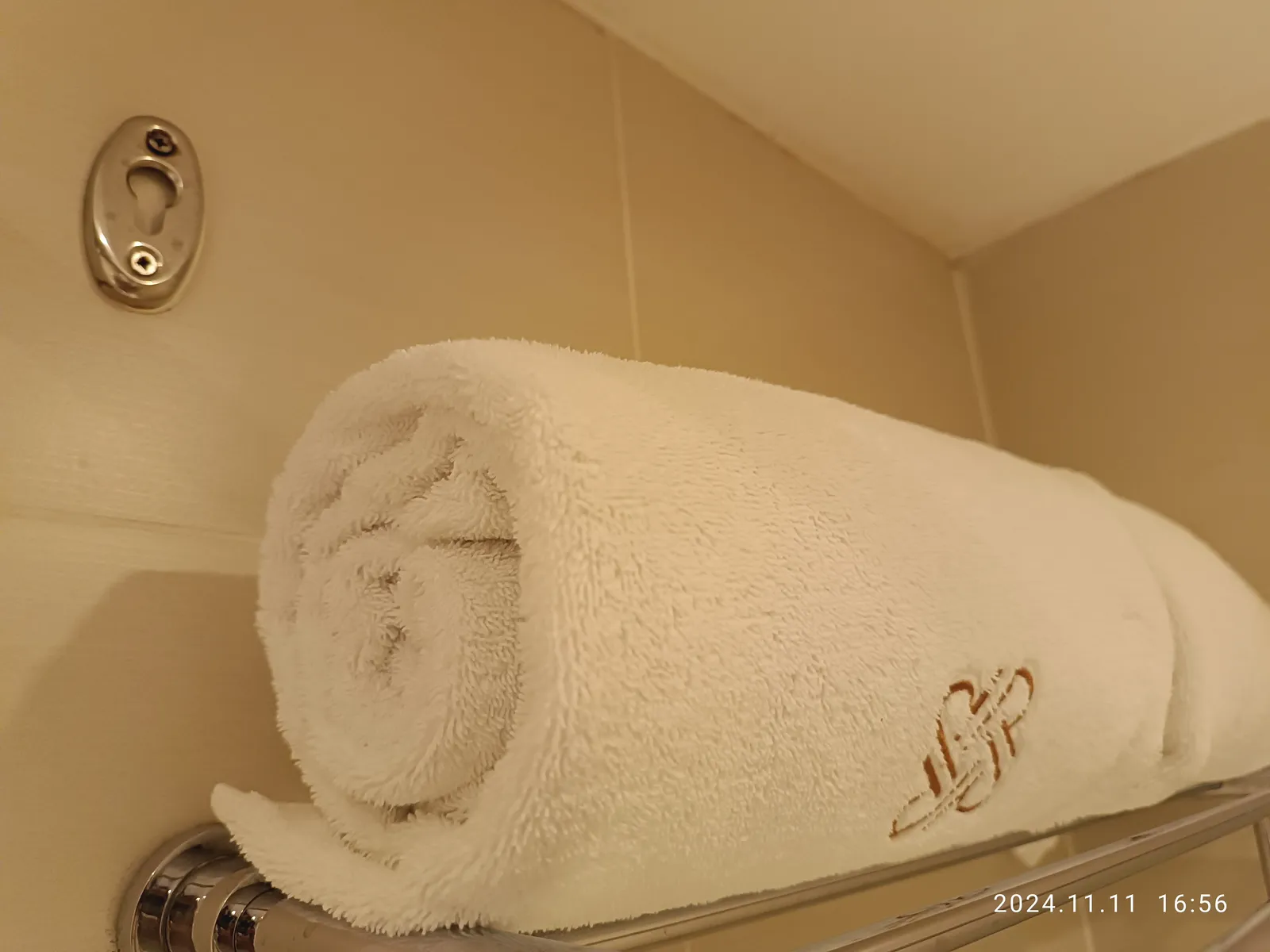
It turns out that a plain white towel is carrying a lot of meaning. It’s a hygiene signal, a quality control mechanism, a laundry logistics solution, and a piece of subtle psychology all folded into one.
The next time you unfurl that crisp towel in your hotel bathroom, you’re looking at the result of decades of operational refinement and one genuinely good idea from the 1990s that the entire industry decided to keep. Sometimes the simplest choices are the ones that stick.
AI Disclaimer: This article was created with the assistance of AI tools and reviewed by a human editor.