
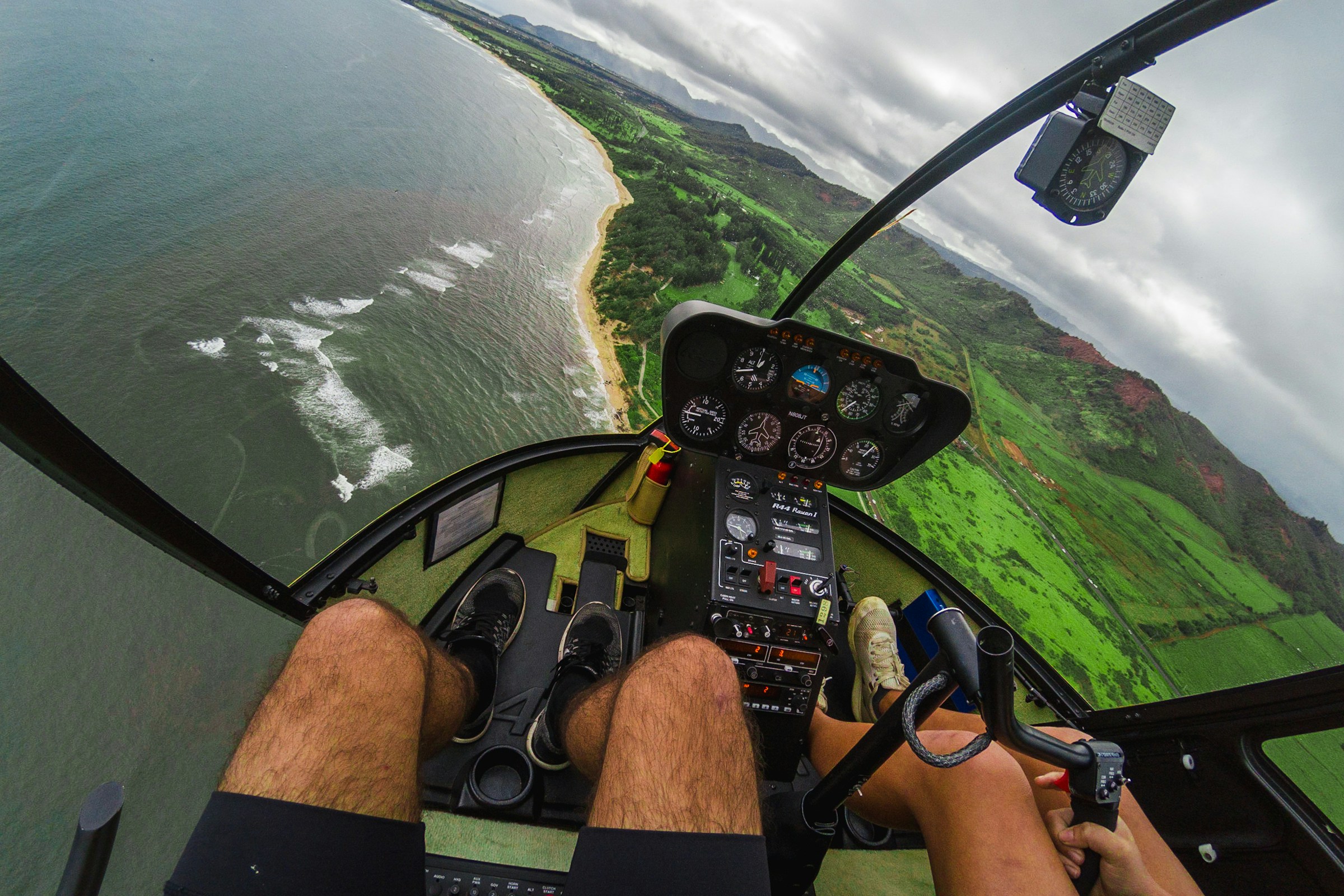

Most people who watch a glider silently banking overhead assume it must be falling, just very slowly. The reality is far more interesting. Skilled soaring pilots regularly spend entire afternoons airborne, drifting across state lines and climbing thousands of feet, all without a single drop of fuel.
The atmosphere, it turns out, is constantly moving in ways invisible to the human eye. Knowing how to read and exploit those movements is both a science and a craft. Here is what experienced glider pilots actually do to stay up there for hours at a time.
Riding the Invisible Elevator: How Thermals Work
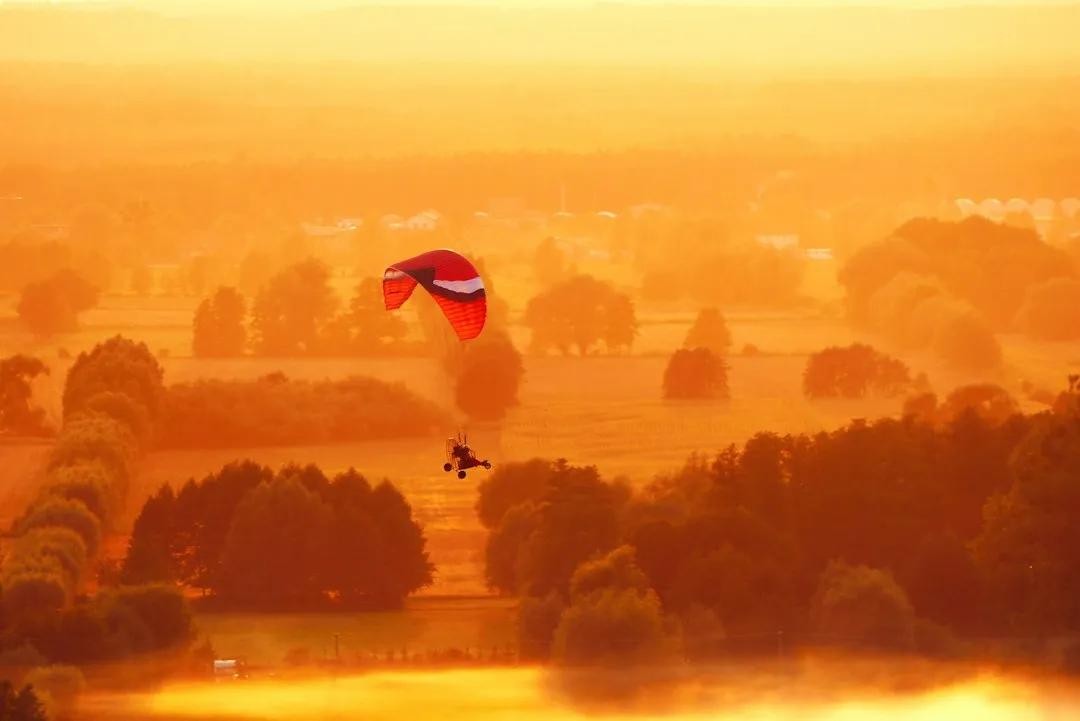
Thermals are columns of rising air created by the sun’s heating of the Earth’s surface. As the ground warms up, it heats the air above it, causing it to rise. The effect is similar to bubbles forming in a pot of water just before it boils.
The sun heats dark surfaces such as parking lots, plowed fields, and rock faces, creating bubbles of warm air that rise at rates ranging from two hundred to over eight hundred feet per minute. On a strong soaring day, that is a significant free elevator.
With ideal weather conditions, it is possible to stay airborne for many hours and travel hundreds of kilometres using only thermals to stay aloft. The key is learning to find them consistently, which takes time, experience, and close attention to the landscape below.
The Circling Technique: How Pilots Lock Into a Thermal
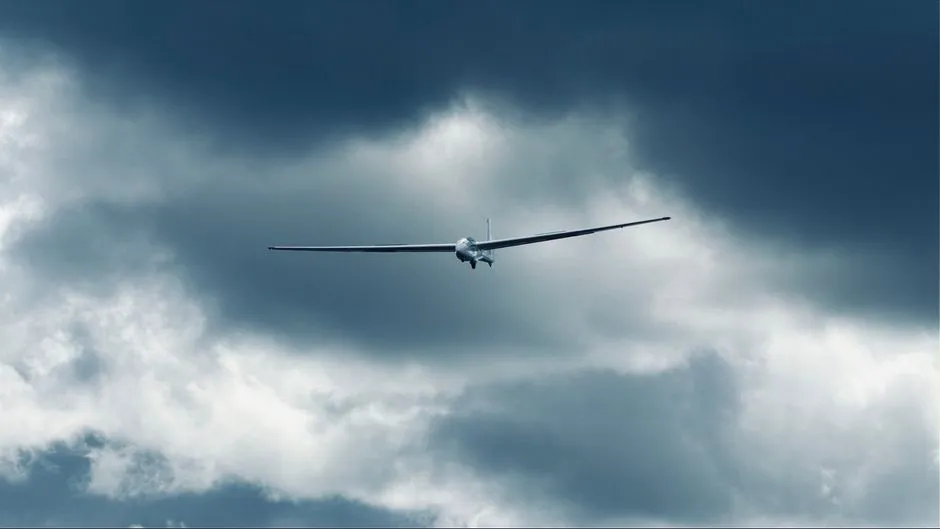
One of the key techniques glider pilots use to stay airborne is riding thermals. These are columns of warm air that rise from the ground due to heating by the sun. By circling within a thermal, a pilot can gain altitude and stay airborne for longer periods.
Pilots circle in these thermals to gain altitude, then glide toward the next thermal. The circle has to be tight enough to stay inside the column, which itself is often narrower than it sounds, sometimes only a few hundred feet across near the ground.
If the variometer shows some rate of climb all the way around, a pilot should continue to shift the circle in small increments by reducing the angle of bank when lift is increasing, then increase the angle of bank when the lift has peaked. Timing, as experienced pilots will tell you, is everything.
Reading the Sky: Cloud Signs and Visual Cues

Early glider pilots noticed birds circling without flapping their wings. Hawks, vultures, and eagles instinctively use thermals to remain airborne. Human pilots eventually copied these techniques. Watching wildlife is still considered a reliable indicator even by modern pilots.
Puffy cumulus clouds frequently form at the tops of thermals. Pilots may fly from one cloud to another while remaining in rising air. A crisp, sharp-edged cumulus cloud is often the most reliable sign that a healthy thermal lies directly beneath it.
Another technique is reading the sky for visual cues. Clouds, birds, and even terrain can indicate the presence of a thermal. Cumulus clouds are a telltale sign of thermal activity. Flying toward these clouds and circling within them can lead to extended periods of soaring.
Ridge Soaring: Using Mountains as Natural Ramps
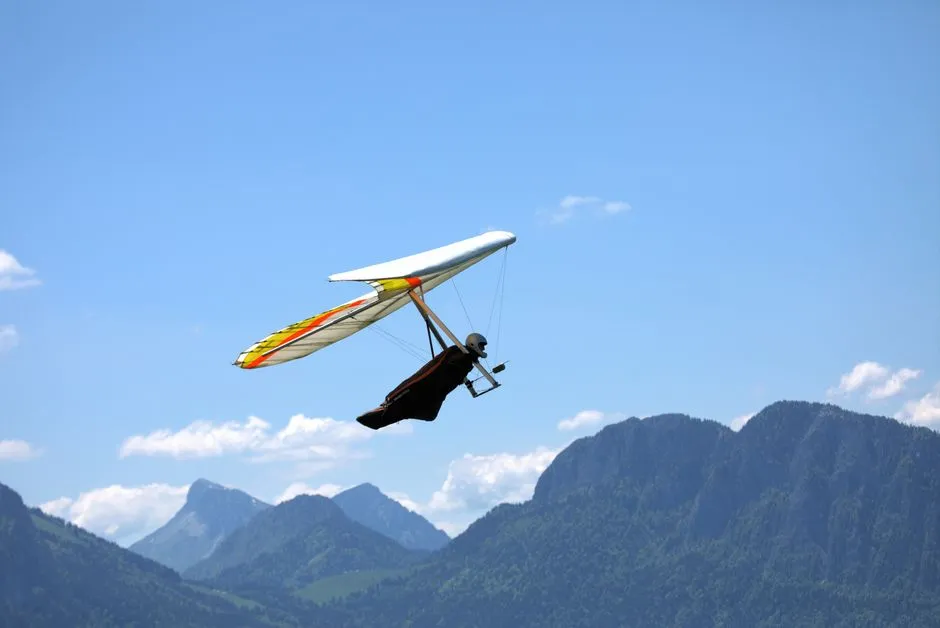
Ridge lift is created when wind strikes an obstacle, usually a mountain ridge or cliff, that is large and steep enough to deflect the wind upward. From the pilot’s perspective, it is like finding a long, reliable escalator running parallel to the terrain.
If the wind is strong enough, ridge lift provides enough upward force for gliders and birds to stay airborne for long periods or travel great distances by ridge soaring. Some pilots spend hours simply running back and forth along a single ridge, banking at each end and climbing steadily the whole time.
A general rule requires a wind speed of fifteen knots or more at an angle to the ridge within thirty to forty degrees of perpendicular for good ridge soaring. When the conditions align, ridge soaring can be remarkably efficient and predictable compared to hunting for thermals.
Wave Lift: The High-Altitude Secret
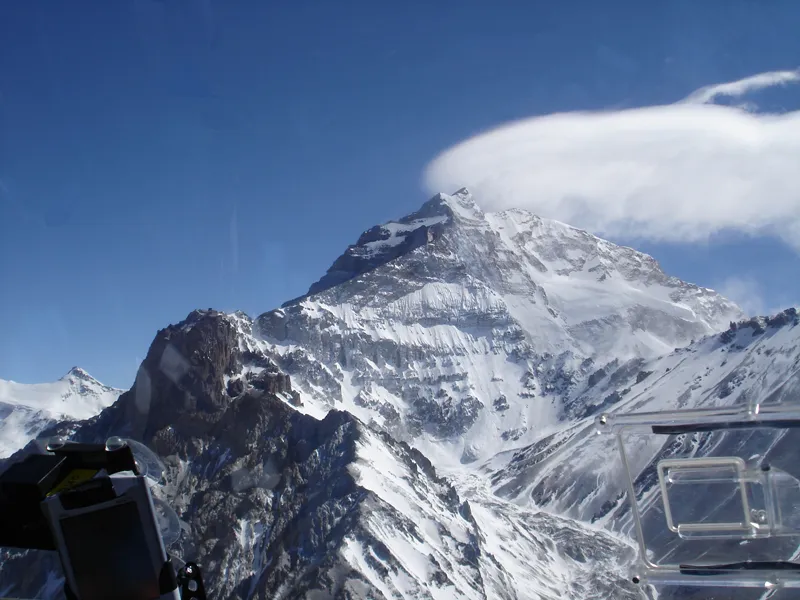
In wave soaring, the glider flies along vertical waves of wind that form on the lee side of mountain ranges. These standing waves behave much like ripples downstream from a rock in a river, except the medium is air, and the scale is enormous.
The use of lee waves for cross-country soaring has enabled flights exceeding fifteen hundred miles, with average speeds of over one hundred miles per hour. That is a performance figure that surprises most people who assume gliders are slow and limited.
Mountain waves created by the interaction of strong winds with mountainous terrain can lift aircraft to extraordinary altitudes. The absolute highest altitude reached in a glider is 15,902 metres, achieved on 3 September 2017 by Jim Payne and co-pilot Morgan Sandercock flying the Airbus Perlan 2 glider from El Calafate, Argentina. Wave conditions made that possible where no thermal ever could.
The Variometer: A Glider Pilot’s Most Critical Tool
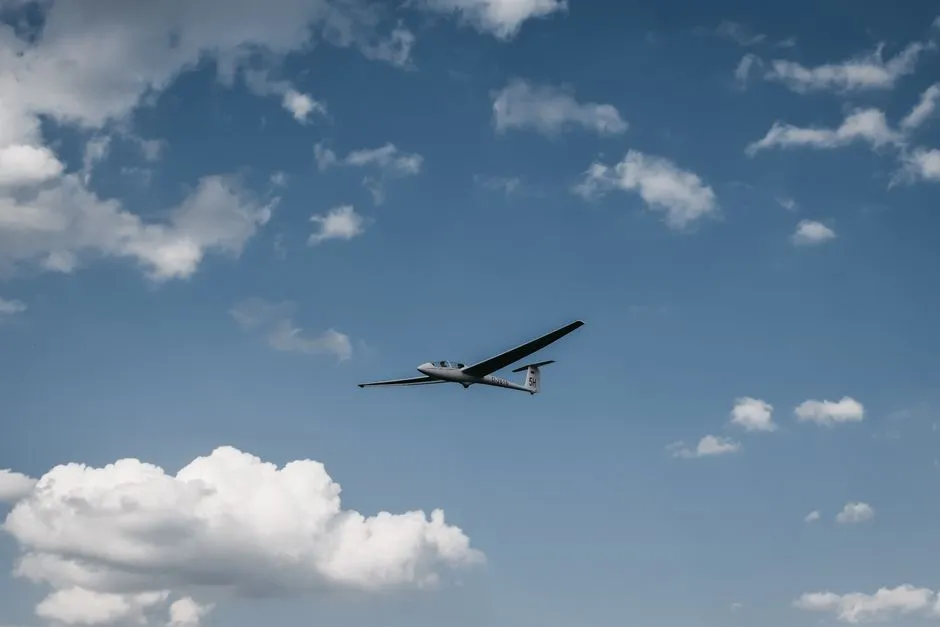
The variometer measures vertical speed and tells pilots whether they are climbing or sinking. Experienced soaring pilots constantly monitor variometer readings to locate the strongest lift. Without it, finding a thermal edge inside a moving air mass would be almost guesswork.
Without instrumentation, thermal air currents are invisible to a pilot and must be detected by observing wing tilt and from the general feel of the aircraft. The variometer changed that entirely, turning a vague sensation into a precise, readable number.
A total energy compensated variometer is a necessity. Without it, any variation in airspeed will give false readings of lift distribution. An audio variometer is also essential, since pilots must be vigilant at all times for other traffic while simultaneously monitoring the instrument.
Speed to Fly: Managing Energy Between Thermals
Speed to fly is a principle used by soaring pilots when flying between sources of lift such as thermals, ridge lift, and wave. The aim is to maximize average cross-country speed by optimizing airspeed in both rising and sinking air. It is one of those concepts that sounds simple but takes real discipline to apply consistently mid-flight.
If the next expected climb is strong, the pilot cruises fast, accepting a higher sink rate to save time. In weaker lift conditions, slowing down conserves altitude. This speed management is the backbone of competitive soaring.
Typical minimum sink rates for sailplanes range from about half a metre per second at best glide configuration. To maintain or gain altitude, a pilot must find lift stronger than the sink rate. That gap between sink rate and available lift is really the defining arithmetic of every flight.
Glide Ratio: The Physics That Makes It All Possible
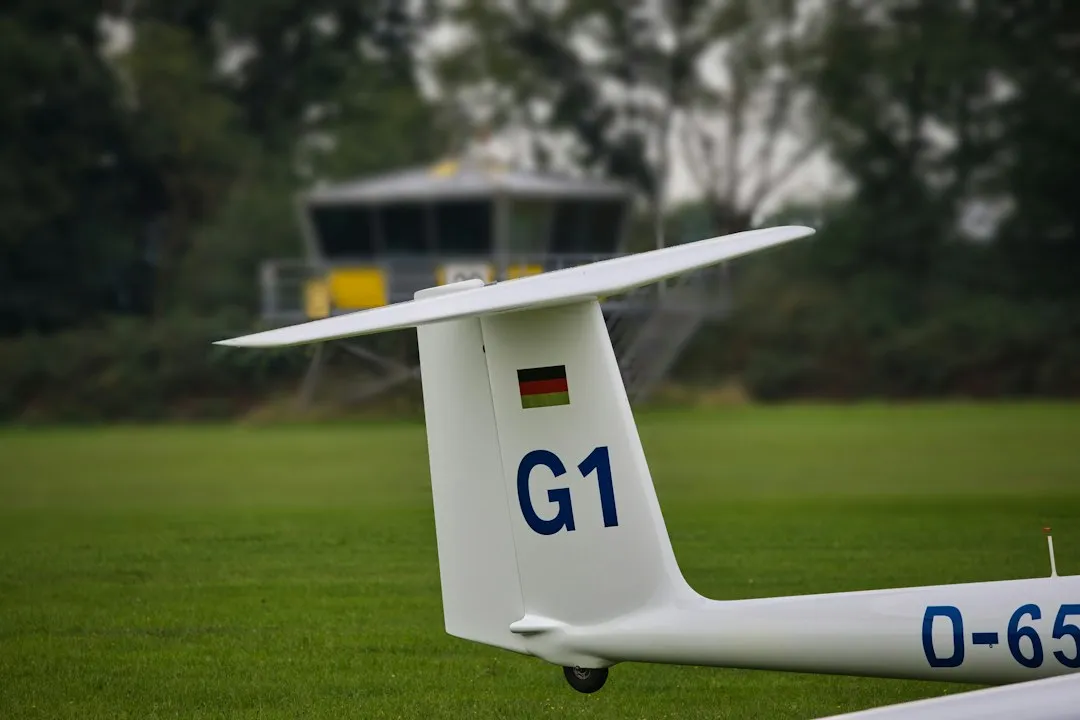
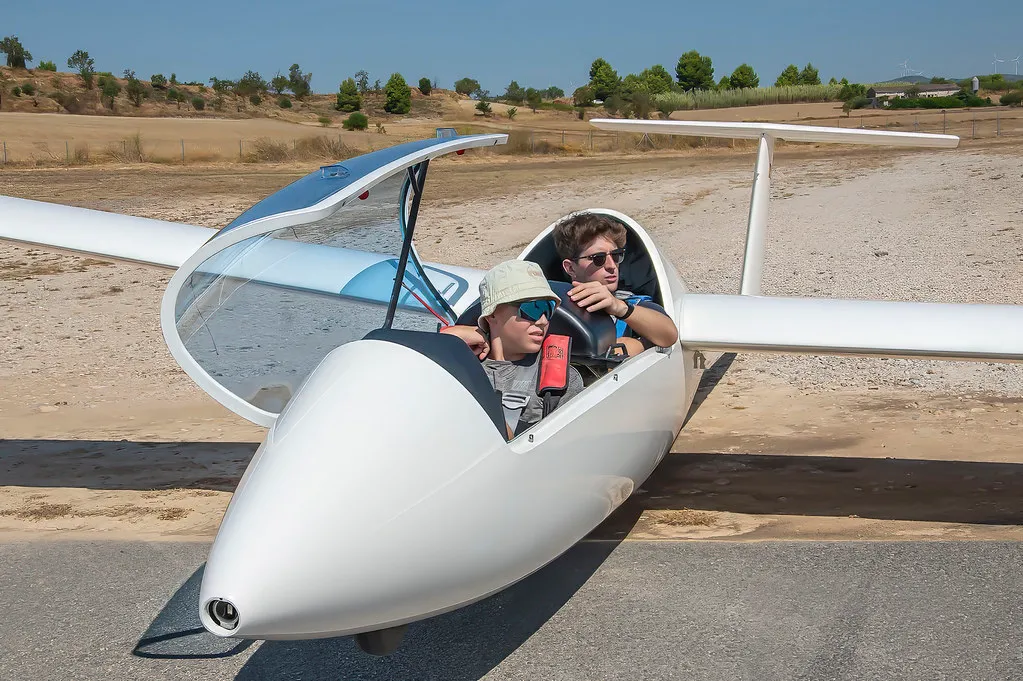
A sailplane glider is a high-performance, unpowered aircraft built to fly long distances by using atmospheric energy such as thermals, ridge lift, and wave lift to stay aloft. High-performance gliders have a glide ratio typically between 30:1 and 60:1, optimized for long-distance soaring flight.
A glide ratio of 50:1 means the aircraft travels fifty metres forward for every single metre it descends. At that efficiency, even a gentle climb in weak lift can translate into many kilometres of forward progress before the pilot needs to find the next source of rising air.
The glider is powered by gravity, which means it is always sinking through the air. However, when an efficient glider is flown through air that is rising faster than the aircraft’s rate of sink, the glider will climb. It is a beautifully simple equation, even if executing it well is anything but simple.
Record Flights: What Becomes Possible at the Highest Level
In good soaring conditions, experienced glider pilots can remain aloft for three to six hours or more, limited mainly by weather, pilot endurance, and airspace rules. Record flights using strong thermals and wave lift have lasted over ten hours and covered more than one thousand kilometres.
In December 2024, Uys Jonker of South Africa set a record speed over a triangular course of one thousand kilometres in Namibia. In a separate extraordinary flight, Gordon Boettger and Bruce Campbell flew more than three thousand kilometres from Minden-Tahoe, Nevada, spending over seventeen hours traversing the Sierra Nevada in wave conditions.
Several world record glider flights were ratified or placed under review in 2025. Among them, Jim Lee of the USA flew a straight distance of 1,329 kilometres from Minden, Nevada, to Gillette, Wyoming. These numbers reflect just how far the sport has evolved, and how much the atmosphere still has to offer.
Learning to Soar: What the Training Actually Involves
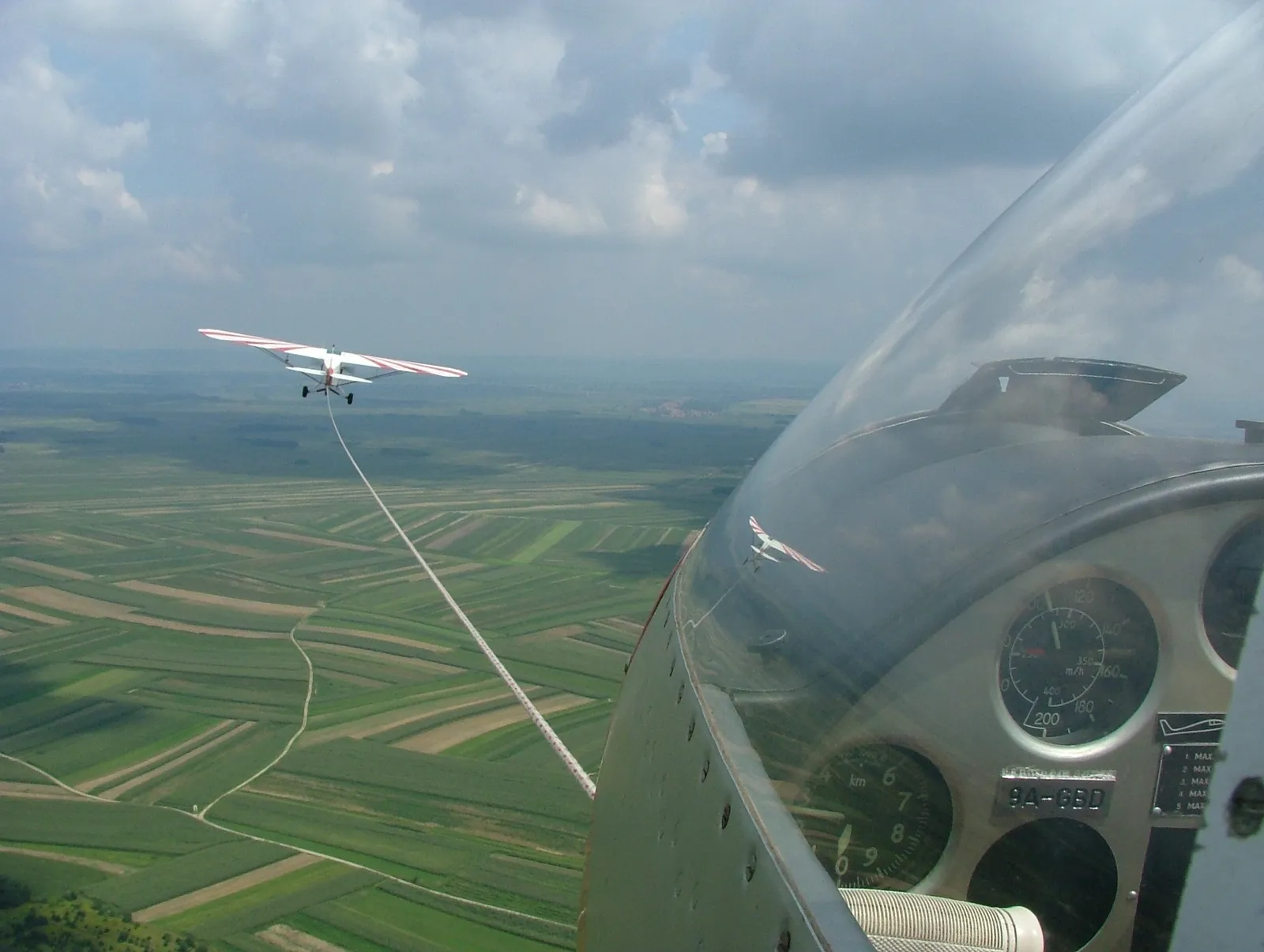
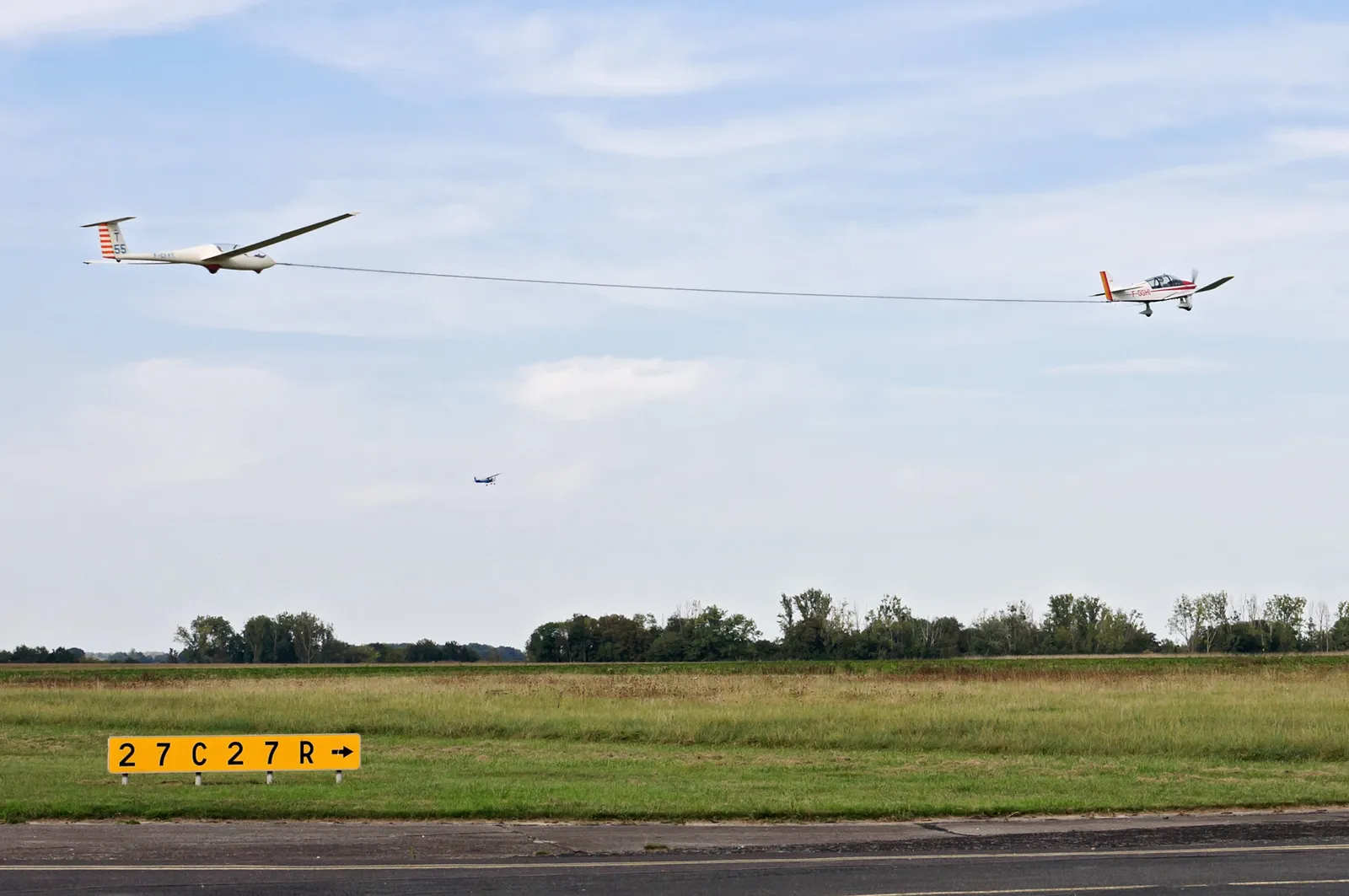
Gliders can be launched using various methods, such as being towed by a powered aircraft or by using a winch or a bungee cord. Once in the air, glider pilots rely on thermal updrafts, ridge lift, and wave lift to maintain and gain altitude. These natural sources of lift allow gliders to stay airborne for hours, covering great distances without the need for an engine.
Soaring achievement badges trace a clear progression. A Silver Badge requires a five-hour duration flight, a one-thousand-metre altitude gain, and a fifty-kilometre cross-country distance. The Gold Badge raises the altitude gain requirement to three thousand metres. Each level demands that a pilot genuinely master the atmosphere, not just fly through it.
Mastering techniques such as thermalling and ridge soaring is crucial in order to maximize time in the air. These techniques involve flying in tight circles or along ridges to take advantage of upward air currents. Most pilots describe the moment those skills click together in flight as one of the most quietly satisfying experiences in all of aviation.
The Takeaway
Staying aloft for hours in a glider is not a trick or a fluke. It is the result of reading terrain, understanding atmospheric physics, managing energy precisely, and staying patient while the sky works in your favor. The atmosphere is always moving. The skill lies in moving with it.
What makes soaring compelling is that the tools themselves, thermal columns, ridge updrafts, mountain waves, have been there since long before aircraft existed. Birds figured it out first. Glider pilots simply learned to follow their lead, and then pushed the idea considerably further.
AI Disclaimer: This article was created with the assistance of AI tools and reviewed by a human editor.