
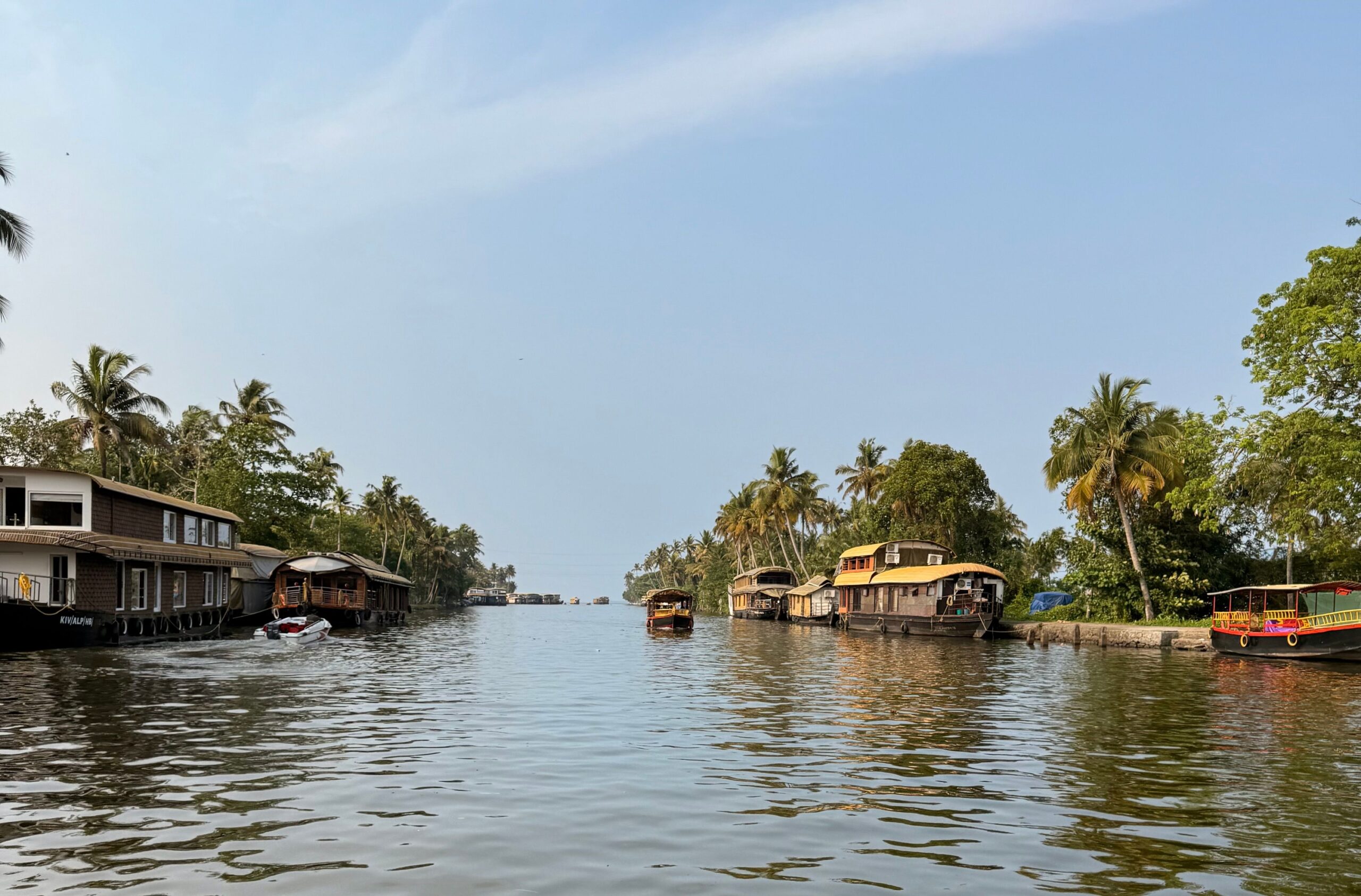

There’s something genuinely different about . You’re not checking into a room – you’re living on the water, moving at your own pace, cooking on a floating deck, and sleeping to the sound of gentle ripples. It’s an experience that sits somewhere between camping and a lake cabin, and it asks you to pack accordingly.
Most houseboat rentals come equipped with the basics: kitchen appliances, bedding frames, and navigation tools. What they don’t always cover is the personal gear that makes or breaks the experience. Pack too much and you’ll be tripping over bags in a compact cabin. Pack too little and you’ll be scrambling for things you could have grabbed at home. Getting it right doesn’t take a massive checklist – it takes the right priorities.
1. Personal Life Jackets That Actually Fit
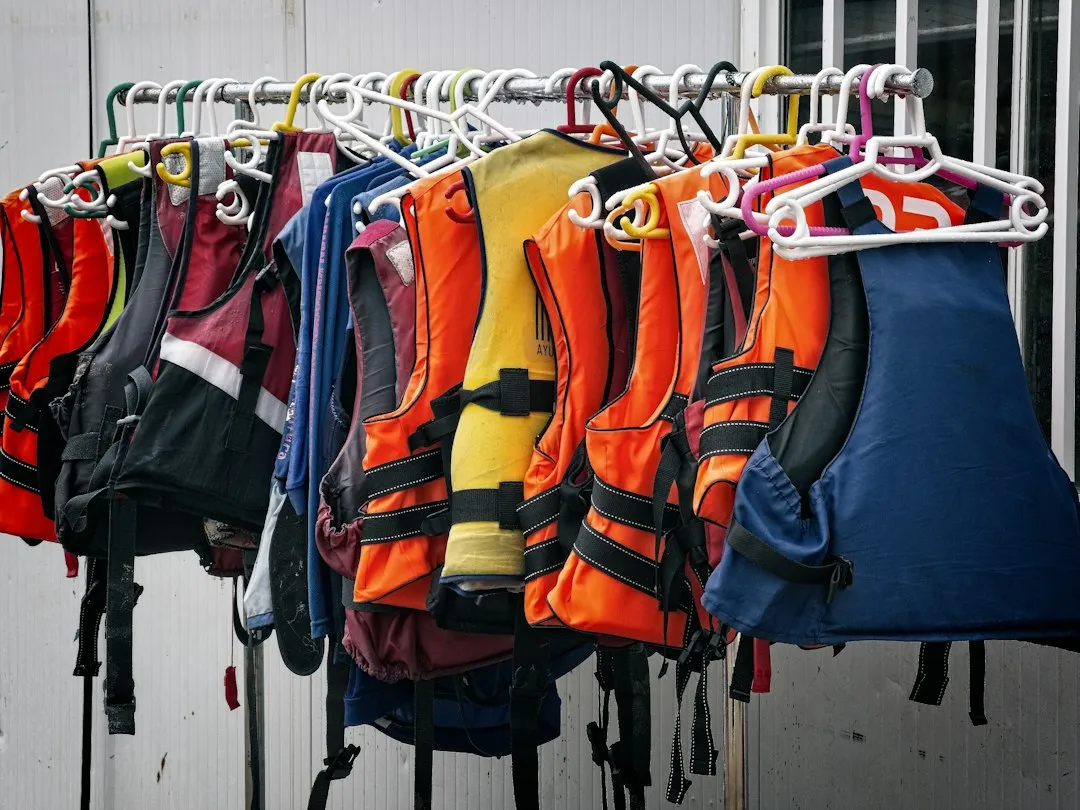
Every person on board must have a properly fitting, U.S. Coast Guard-approved life jacket. That’s the rule, not a suggestion. Most rental houseboats will provide life jackets based on how many the vessel sleeps, though these are typically basic foam-style safety jackets and not water sports models.
You’ll want to consider bringing your own, especially for small children, since marina stock rarely covers every size well. Many houseboat rental companies do provide basic equipment, but you should always bring your own child life jackets in the correct size, or inquire in advance. A jacket that slips or gaps around a small torso is not a functioning safety device.
Try them on before you leave the dock, since each person’s life jacket must fit correctly. It’s one of those things that takes two minutes but matters enormously if conditions on the water change unexpectedly.
2. A Well-Stocked First Aid Kit
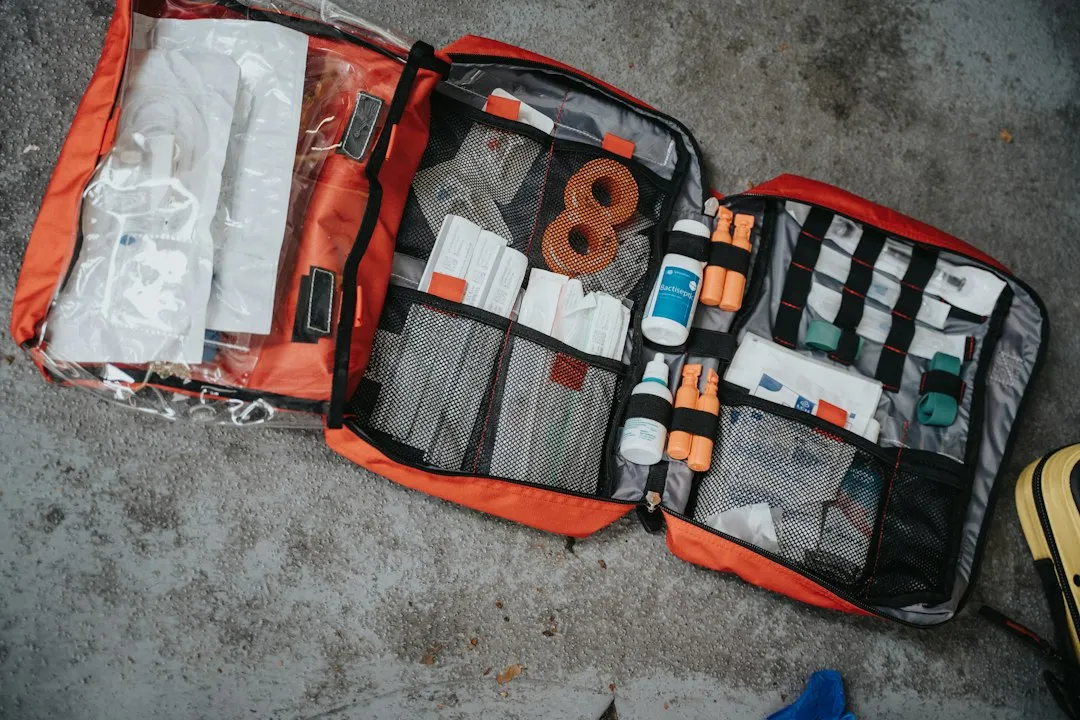
It’s crucial to be prepared before heading out on the water, so double-check that the boat has a well-stocked marine first aid kit, or bring your own to be sure. Rental boats do sometimes carry a basic kit, but “basic” can mean very little in practice. Your own kit gives you control over what’s actually inside.
Adding seasickness remedies to the kit is smart, especially for passengers who are sensitive to motion. Even on calm inland lakes, a day of gentle rocking combined with time below deck can catch people off guard. Beyond that, think about antiseptic wipes, bandages, pain relievers, and any personal prescription medications.
Bring a first aid kit with you if you’re able, though most houseboats do have basic kits on board. Think of your personal kit as a supplement, not a replacement. It’s the items specific to your group – allergies, existing conditions, children’s needs – that a rental vessel simply won’t carry.
3. High-SPF Sun Protection

Sun exposure on the water is a different animal than it is on land. Studies show that water reflects up to 25% of UV radiation back onto exposed skin, effectively increasing UV exposure by one-quarter compared to land-based activities. You’re getting hit from above and below at the same time, even on partly cloudy days.
Basking in the warm rays of the sun can be one of the greatest parts of a houseboat trip, but sunscreen won’t be provided for you on the boat, so make sure to bring plenty for you and your group. Pack a broad-spectrum option with SPF 50 or higher, and bring more than you think you’ll need. Apply evenly and often, and don’t forget areas like the tops of your feet and your scalp.
Sunscreen actually fails faster on the water due to sweating, splashing, and physical activity. UPF 50+ clothing blocks nearly all UV rays without any reapplication, which makes a lightweight long-sleeved shirt a genuinely useful addition to your bag. A wide-brimmed hat and UV-rated sunglasses round out a solid sun protection strategy.
4. Insect Repellent

Waterways and shorelines are ecosystems, and mosquitoes are part of that ecosystem. To avoid bug bites and discomfort, pack insect repellent to keep pesky bugs at bay, and consider choosing a repellent that is effective against mosquitoes, flies, and other common pests in the area you’ll be traveling.
Evening hours are when insect activity typically peaks, especially near calm inlets and wooded shorelines. Sunglasses, sunscreen, and bug spray are essentials for enjoying sunny days and mosquito-free evenings. If you’re traveling with young children or anyone with sensitivities, look into DEET-free formulas as an alternative, since several effective options now exist.
Don’t leave repellent in your packed bag assuming you’ll only need it at night. Bring it up to the deck where it’s accessible throughout the day. Certain lake environments, particularly near marshy areas or dense vegetation, can produce biting insects well before sunset.
5. Bedding Essentials and Towels
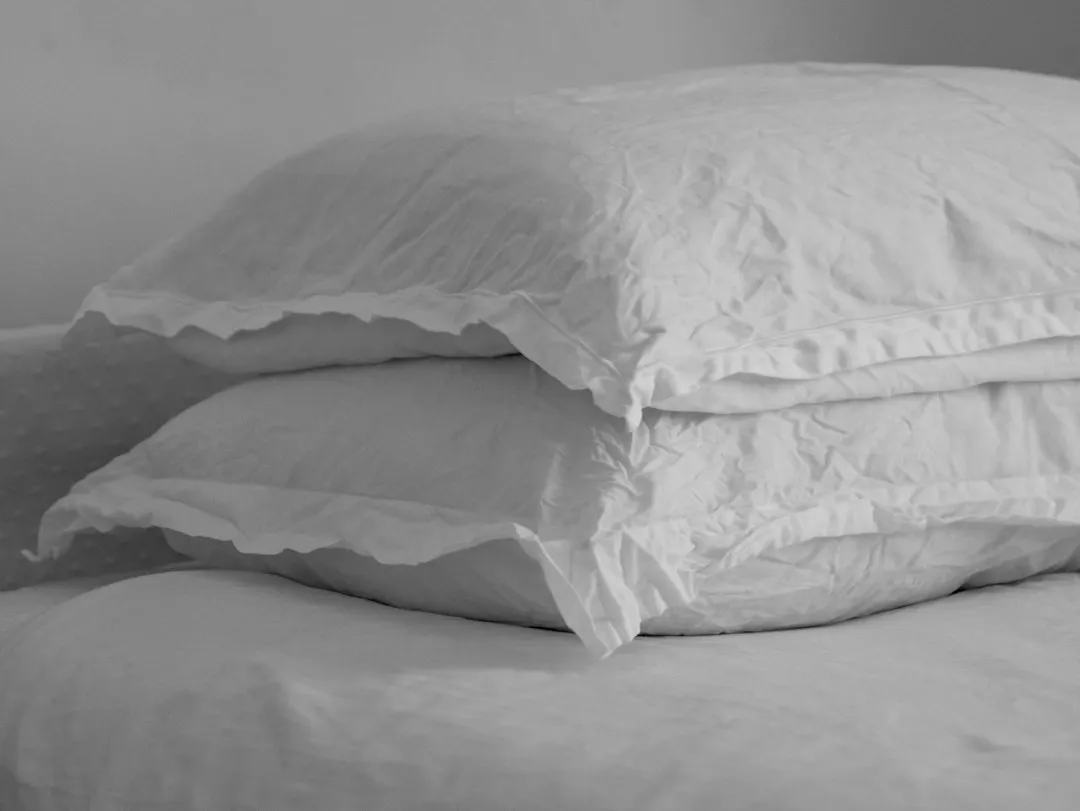
While blankets and pillows are commonly provided by rental companies, sheets and pillowcases often are not. Be sure to bring a fitted or flat sheet to cover each of the beds, as well as pillowcases. This is one of the most commonly overlooked items on a first houseboat trip, and it’s an uncomfortable thing to discover once you’re out on the water.
Also make sure to bring towels. A good starting point is one bath towel and one beach towel per person, plus a hand towel for the bathroom. Houseboat kitchens may come equipped with dish towels, but personal towels are almost never provided. Assigning a specific hand towel or face cloth color to each person is a practical tip so everyone knows which is theirs.
Quick-dry towels are worth the investment if you’re buying specifically for this trip. They take up significantly less space in a compact cabin, dry overnight between uses, and double as impromptu beach mats when you go ashore. Space is tighter on a houseboat than most people expect.
6. Food, Groceries, and Coolers with Plenty of Ice
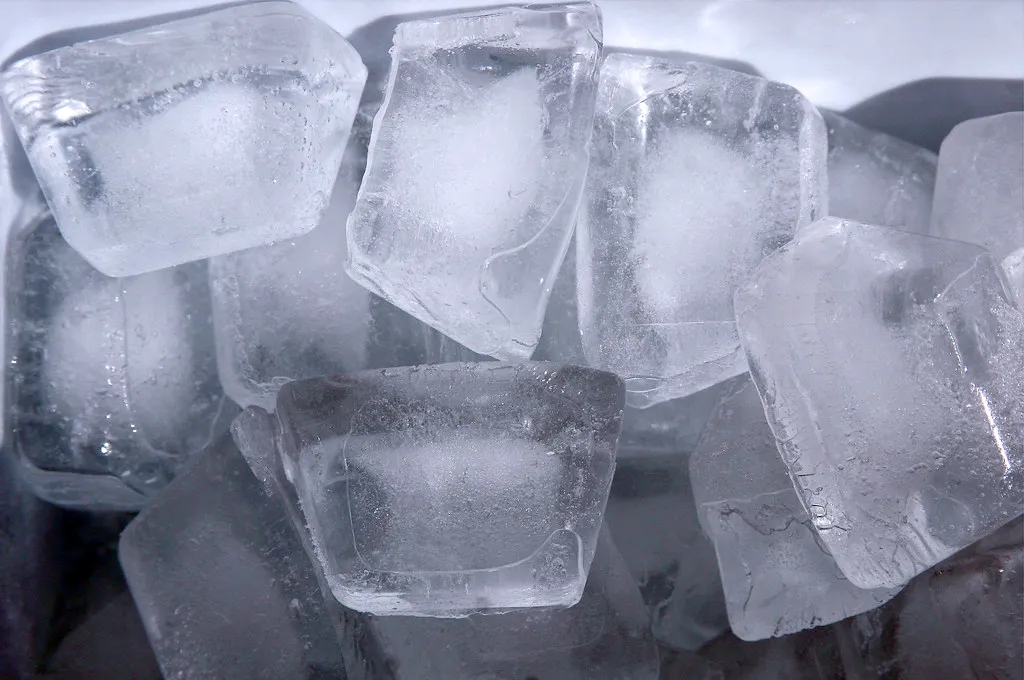
Packing enough food and beverages is essential for a successful houseboat trip. Depending on the length of your journey, consider bringing a mix of non-perishable items, fresh produce, and drinks to keep everyone well-fed and hydrated. Most rental kitchens include a refrigerator, stovetop, and microwave, but the groceries are entirely on you.
A trick some experienced houseboaters use is to extend the life of frozen food by packing ice-chests with a combination of regular and dry-ice. This method also helps save room in the onboard refrigerator so you can keep more essential items cooled there instead. Ice, in general, goes faster than people anticipate once you’re out on the water in warm conditions.
Keep in mind that the kitchen is stocked with only basic dishes and cutlery. You will also typically have a gas range and oven, microwave, refrigerator, a cold storage cooler, and a propane BBQ. Bring your favorite spices from home too, since most houseboats only include salt and pepper. Those small touches – your go-to hot sauce, a familiar blend for grilling – make eating on board feel a lot more like home.
7. Waterproof Bags and Dry Storage for Electronics
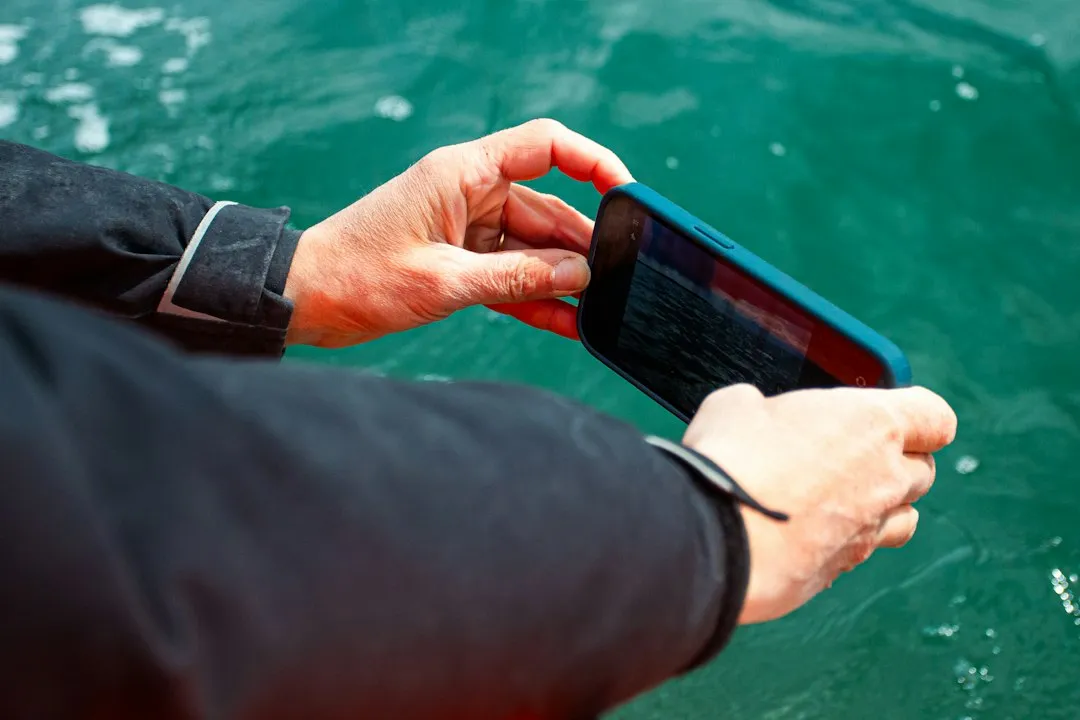
Water and electronics have an obvious conflict of interest, and on a houseboat that conflict is a daily reality. Whether it’s a sudden wake from a passing vessel, a swim session that ends with wet hands, or an unexpected rain shower, moisture finds its way into things. Dry bags in various sizes are cheap insurance against that reality.
A waterproof phone case is particularly valuable since your phone is likely your camera, your map, and your communication device all in one. Even if you plan to stay close to shore, bring a waterproof VHF radio or a fully charged phone as your lifeline in case of an emergency, and carry a backup power bank for your phone and other communication devices.
Portable chargers deserve a spot on this list too. Houseboats do have electrical outlets you can use to charge devices, though many lake and national park areas have little to no cell service. Download any offline maps, playlists, or movies you want before you leave the dock. Connectivity is not something to count on once you’re out on the water.
8. Appropriate Footwear for Every Situation
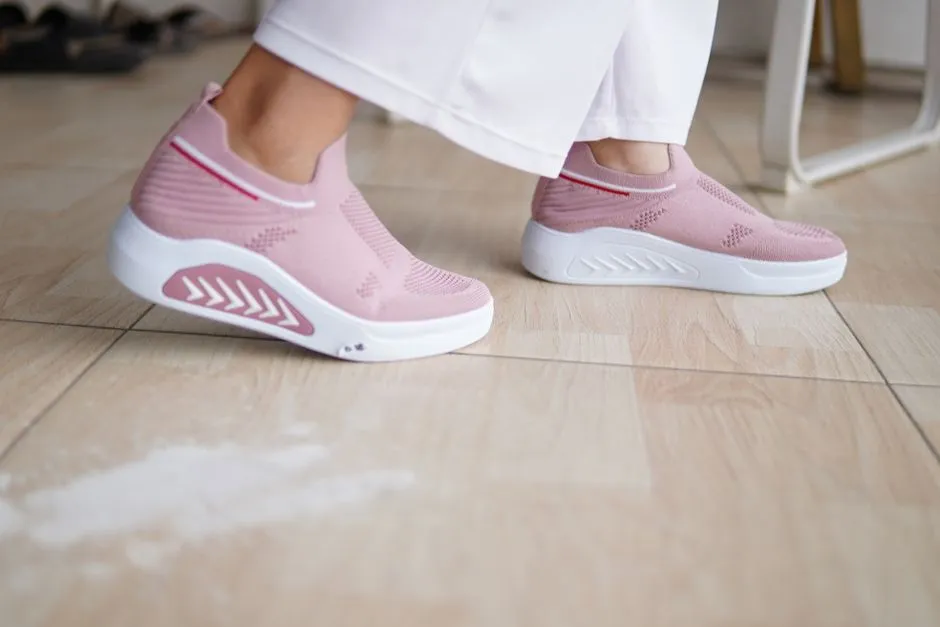
Footwear on a houseboat isn’t one-size-fits-all. Decks get wet, docking requires real grip, and swimming areas call for something you don’t mind getting soaked. Packing at least two different types of shoes will serve you far better than relying on one pair for everything.
Make sure to have a pair of sturdy, closed-toe shoes for locking and docking – not flip-flops or sandals. Docking involves stepping across surfaces that can be slippery and uneven, and open-toed shoes simply don’t provide the stability you need. Water sandals or sport sandals are fine for lounging on deck, but they’re not a substitute for proper footwear when maneuvering the boat.
Non-slip soles matter more than most people realize. Wet fiberglass decks are genuinely slippery, and a misstep near the edge of a boat is not a minor inconvenience. This is especially worth keeping in mind for older travelers and young children. Pack with grip in mind, not just style.
9. Layers for Changing Conditions on the Water

Weather on the water is more unpredictable than it looks from shore. Mornings on a lake can feel surprisingly cool, even in summer, while midday sun can push temperatures well above comfort. Add a wind shift or a passing shower and you’ve experienced three different weather situations before noon.
For spring and fall vacations especially, bringing layers is wise – early mornings on the water can be cool, but it often gets quite hot by midday. A light fleece or hoodie for evenings, a rain jacket that packs small, and breathable shirts for warm daytime hours cover most scenarios without requiring a massive bag.
Bring a complete change of clothes as a backup, just in case you get wet or the weather turns. On a multi-day trip, quick-dry fabrics genuinely earn their place. They wash and dry overnight if needed, which keeps luggage light and gives you more flexibility if plans change. Overpacking clothes is a temptation worth resisting – you’ll likely wear far less variety than you expect.
10. Recreation Gear Suited to the Destination
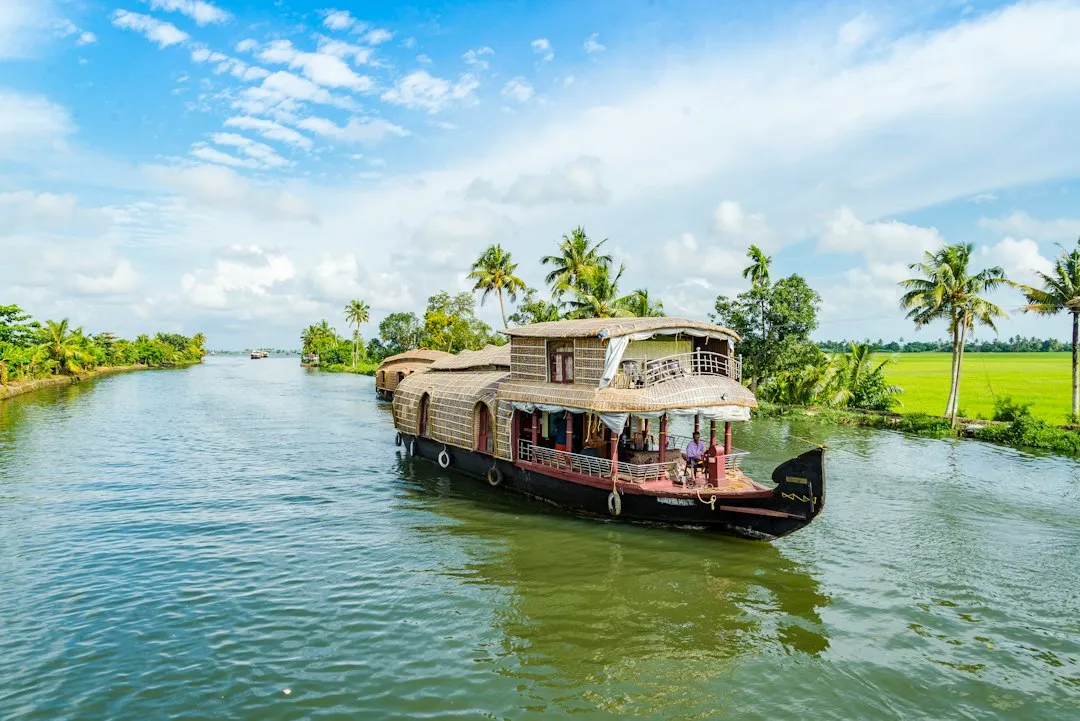
Houseboating is not just about cruising on the water – it also offers plenty of opportunities for fun and relaxation. What you bring for recreation should match the environment you’re heading into. A lake known for fishing calls for rods and tackle. A destination with clear, calm water is perfect for snorkeling gear or paddleboards, if the rental doesn’t already include them.
Binoculars are a great addition for birdwatching or spotting buoys as you cruise. Many houseboat destinations sit within or near ecologically rich areas – national parks, river corridors, wildlife refuges – where the natural surroundings are genuinely worth observing up close. A good pair of binoculars weighs almost nothing and adds a lot to the experience.
Card games, books, and simple outdoor games also travel well and fill evening hours naturally. The pace of a houseboat vacation is deliberately slow. That’s the whole point of it. Packing a few analog entertainment options means you’re ready for the quiet moments between the highlights, and those quiet moments are often the ones people remember most.
A Few Honest Final Notes
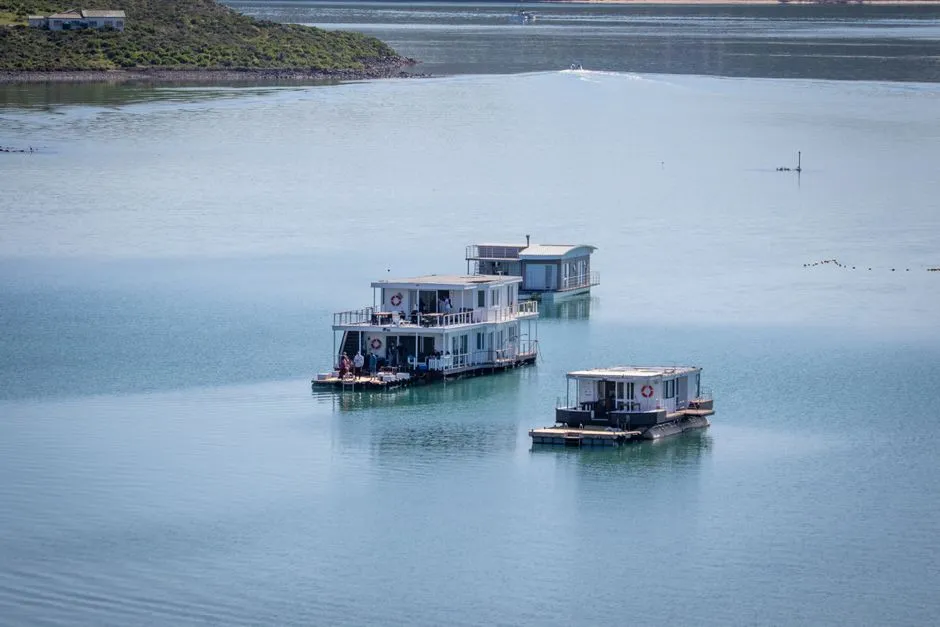
A houseboat packing list is really a conversation between what you genuinely need and what you might carry for its own sake. Packing for a houseboat trip is a little different than packing for a hotel or a tent – you’re essentially renting a floating cabin. That framing is useful. Think cabin, not campsite, not resort.
The six core categories covered here – safety gear, sun protection, a first aid kit, food and cooling supplies, bedding, and waterproof storage – are the foundation. Everything else, from binoculars to spices to your favorite pillow, is about personalizing the trip for your group. Get the foundation right first, then layer in the comfort items.
Houseboating rewards people who show up prepared but travel lightly. The water handles the rest.
AI Disclaimer: This article was created with the assistance of AI tools and reviewed by a human editor.