

There’s a particular kind of travel frustration that almost everyone has felt: you’ve landed, hauled your bags across a terminal, navigated an unfamiliar city, and arrived at your hotel two hours earlier than expected, only to be told the room isn’t ready. The lobby chair becomes your temporary home. Your suitcase becomes a nuisance. That magic hour of 3 p.m. starts to feel oddly personal.
The truth is, the 3 p.m. standard isn’t random, arbitrary, or designed to inconvenience you. It’s the result of real operational logic, industry-wide scheduling habits, and a surprisingly complex chain of work that happens in the hours you never see. Here’s a closer look at exactly why that number became the norm.
The 3 p.m. Standard Is Nearly Universal
Most hotels set check-in at 3:00 p.m., though the range runs from 2:00 p.m. on the early end to 4:00 p.m. at some larger properties. The consistency of this window across brands, countries, and price points is striking. It’s one of the few genuinely global hospitality standards that has held firm for decades.
According to a survey by HotelNewsResource.com, approximately 85% of hotels in the United States adhere to the 3 p.m. check-in and 11 a.m. check-out policy. That kind of alignment across an industry as fragmented as hospitality doesn’t happen without good reason. It reflects a shared operational reality, not a coordinated preference.
Checkout at 11 a.m. Sets the Whole Clock in Motion
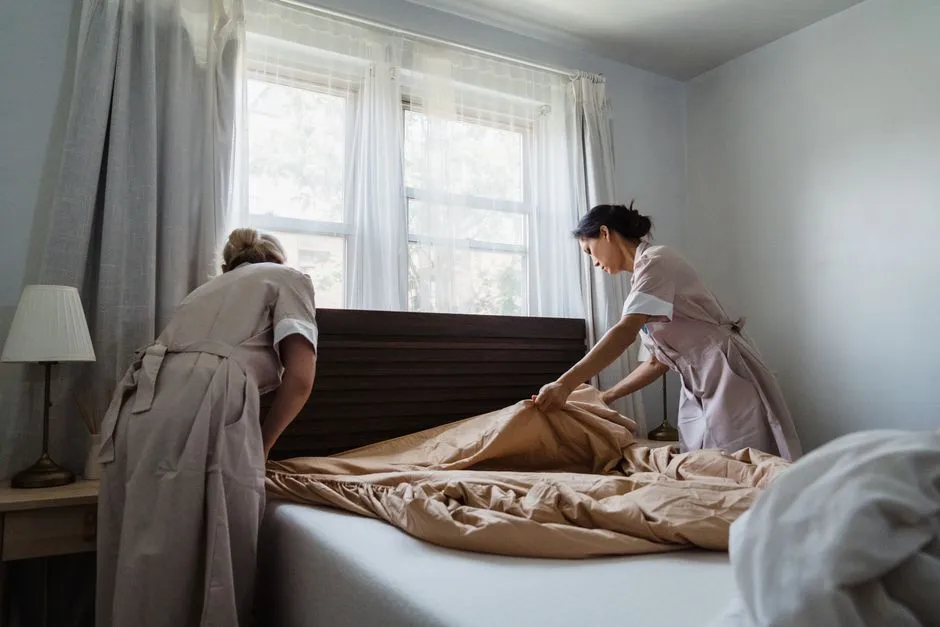
The standard 11 a.m. checkout time is deeply ingrained in the hotel industry. This timing allows hotels to efficiently manage the turnover of rooms. After guests depart, housekeeping staff needs sufficient time to clean, sanitize, and inspect each room before the next guest arrives.
The sequence typically runs like this: guests check out between 11:00 a.m. and noon, housekeeping and room preparation fill the window from noon to 3:00 p.m., and the standard check-in period then opens between 3:00 p.m. and 4:00 p.m. It’s a relay race, and each leg depends on the one before it finishing cleanly.
Housekeeping Is More Complex Than It Looks
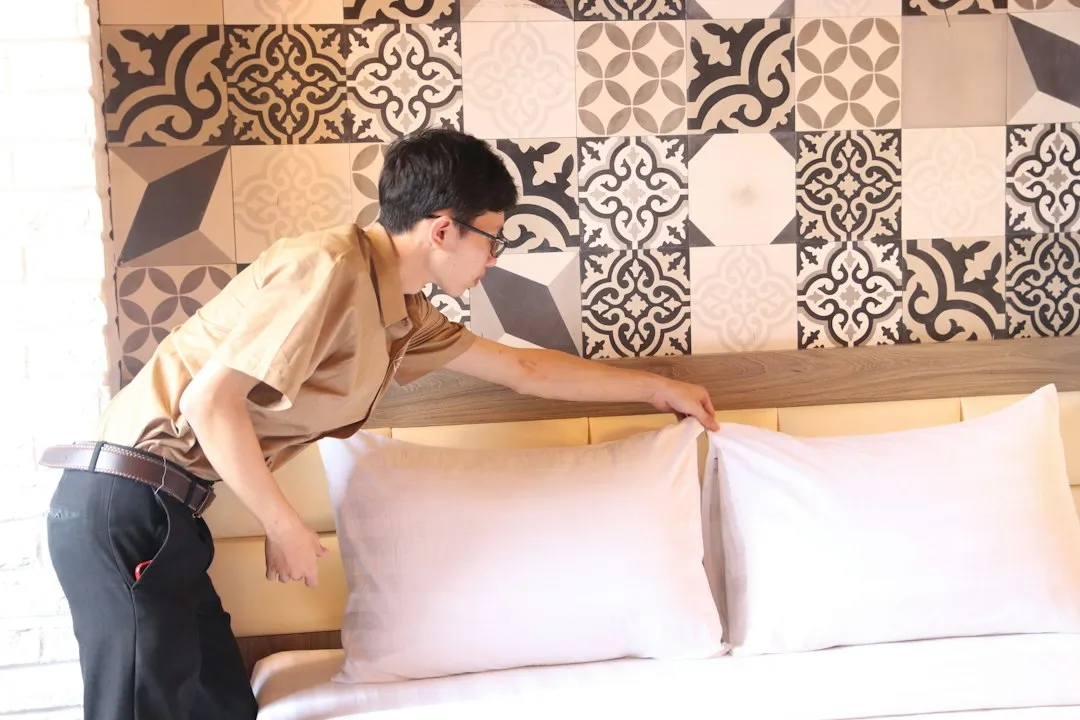
Housekeeping takes two to three hours per room to strip beds, clean bathrooms, vacuum, restock amenities, and inspect everything. Hotels also run laundry cycles, maintenance checks, and room inspections between checkout and check-in. A single occupied room, after a night’s stay, holds far more work than the surface suggests.
As each room needs to meet certain standards, cleaning, preparing, and setting up various amenities also takes time. Some hotels require the rooms to be checked by a housekeeping supervisor to be signed off for check-in. All those safety measures and precautions take time.
The Numbers Behind Each Clean Room

Industry benchmarks put average cleaning time per room between 25 and 45 minutes depending on room type and condition, with luxury properties trending higher at 35 to 50 minutes, while limited-service targets sit at 22 to 30 minutes. That may sound manageable for one room, but picture a 200-room hotel at full occupancy with dozens of departures in a single morning.
According to a study by the American Hotel and Lodging Association (AHLA), it takes an average of 30 to 45 minutes to clean and prepare a standard hotel room. For larger suites or rooms that require deep cleaning, preparation time can increase to one to two hours or more. The math makes the 3 p.m. window feel less like a policy and more like a physical necessity.
Staffing Shortages Make the Timeline Even Tighter
According to a survey fielded by the American Hotel and Lodging Association (AHLA) between December 2024 and January 2025, 65% of hotels reported active staffing shortages, with housekeeping the most frequently cited department at 38%. That’s a significant share of the industry operating under real pressure every time a busy checkout morning rolls around.
Housekeeping is the most frequently cited staffing shortage in U.S. hotels, named by 38% of properties, which directly slows room turnover on busy changeover days. When there aren’t enough attendants to move efficiently through dozens of rooms, that 3 p.m. deadline becomes much harder to guarantee, even before anyone tries to accommodate an early arrival.
Communication Delays Add Hidden Time
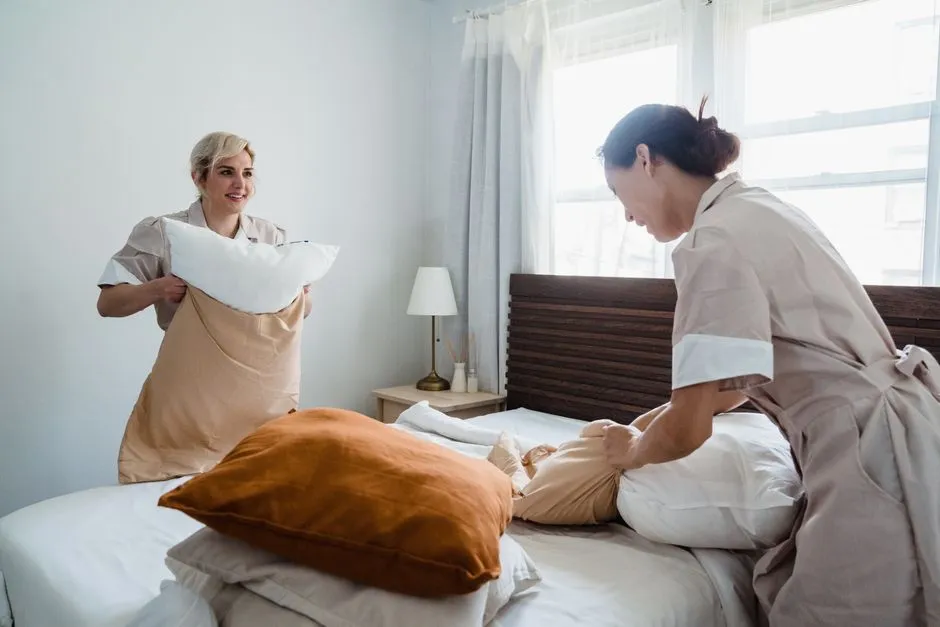
What inflates turnaround time is everything happening around the cleaning itself, including communication delays, status mismatches, and maintenance issues discovered too late to fix before a guest arrives. A room that takes 20 minutes to clean can still sit unoccupied for an extra hour because the front desk doesn’t yet know it’s ready.
Hotels using integrated housekeeping and maintenance software reduce room turnover time by up to 30%, recover 10 to 15 minutes per room by eliminating central station return trips, and cut guest complaints about room readiness by 30 to 40% within the first month of deployment. Technology is narrowing the gap, but the coordination challenge remains very real at properties that haven’t adopted it yet.
It’s Also About Managing the Front Desk
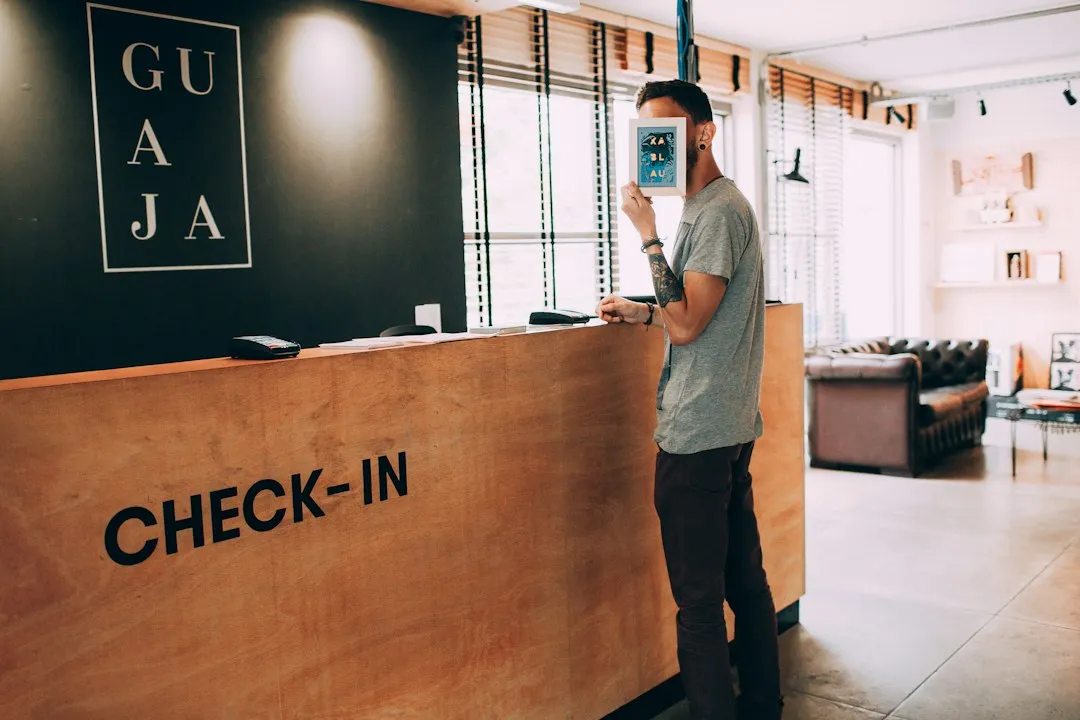
The 3 p.m. check-in and 11 a.m. checkout window maximizes room sales without gaps while accommodating last-minute bookings. Standard times also prevent the front desk from being swamped while housekeeping scrambles to keep up. Spreading arrivals into a predictable window lets a hotel staff its lobby appropriately and avoid the kind of queuing chaos that frustrates everyone.
A designated check-in time helps manage guest expectations and avoid confusion. Travelers can plan their arrival accordingly, ensuring they don’t show up too early and find themselves waiting for their room to be ready. This practice also allows hotels to better coordinate staff schedules and allocate resources efficiently.
Maintenance Work Fills the Gap Too
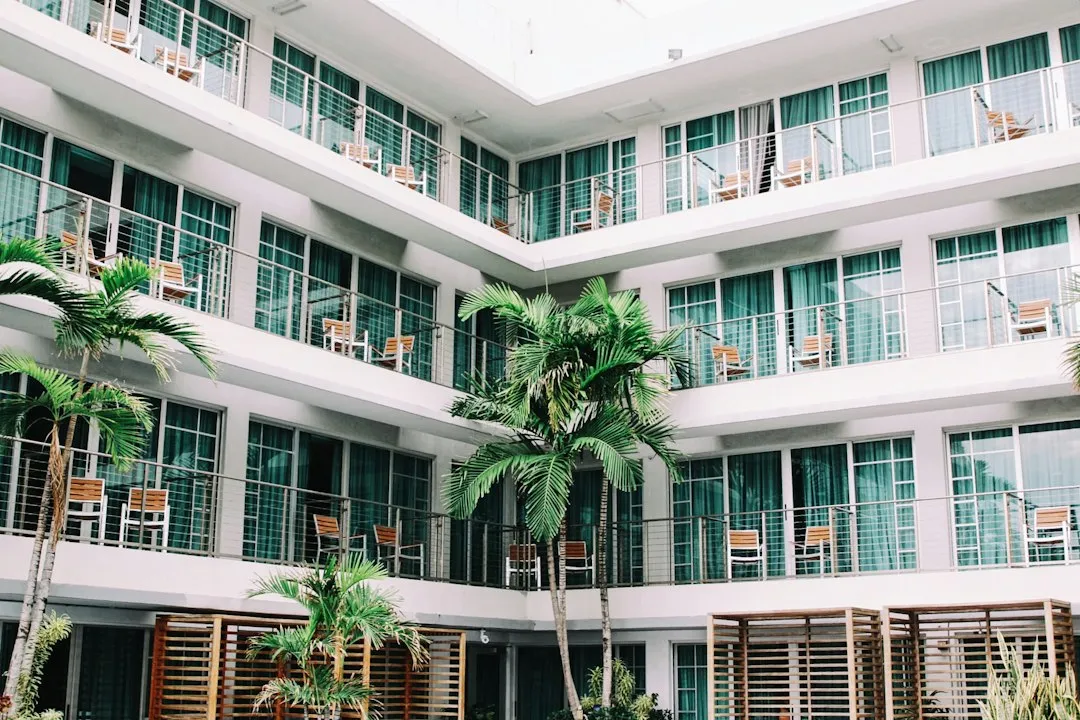
Hotels need time to address any maintenance or repairs that may be necessary in a room after the previous guest’s departure. By enforcing a consistent 3 p.m. check-in time, hotels can uphold the quality of their accommodations and create a positive experience for arriving guests. A dripping faucet, a faulty latch, or a broken lamp discovered during housekeeping needs repair before the next occupant arrives.
Hotels schedule the work they can predict and handle the rest manually, with maintenance accounting for 33% of all tasks hotel teams assign, ahead of housekeeping at 30%. That maintenance load sits heavily in the hours between checkout and check-in, quietly competing for the same window that housekeeping depends on.
Loyalty Programs Have Quietly Changed the Rules
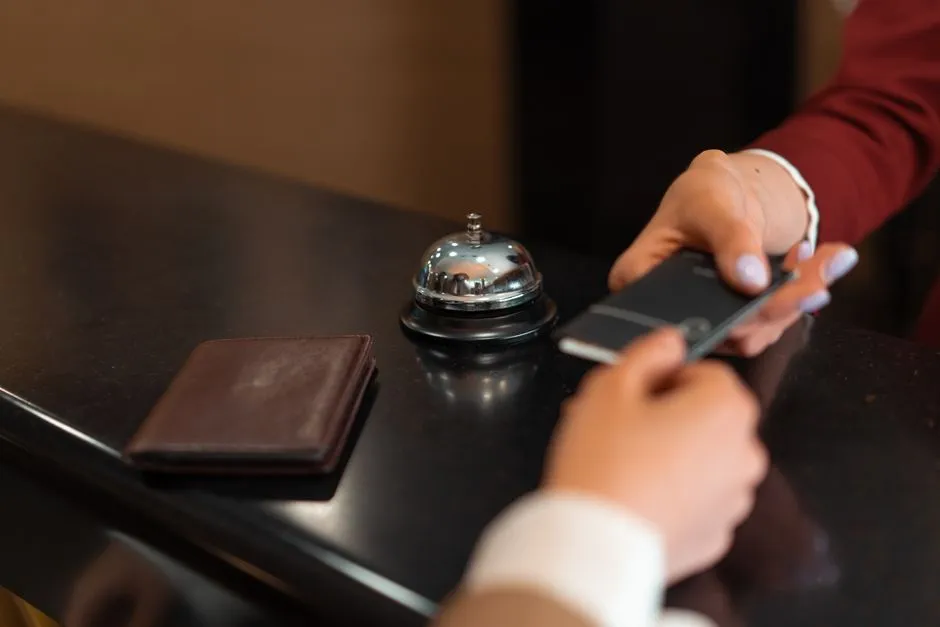
Hotel loyalty programs have grown substantially in their role, from simply retaining frequent travelers to becoming robust tools driving demand. According to 2024 data, membership in these programs surged by 14.5%, exceeding room growth and increasing members per room by 7.4%.
The rapid expansion of these programs and the standardization of perks, including free water, free Wi-Fi, early check-in, and late checkout, have resulted in margin headwinds for owners but have helped maintain guest satisfaction scores since 2016. Early check-in has shifted, in many contexts, from a courtesy to an expected benefit for loyal guests. Loyalty members and guests in higher room categories often get early access as a free perk.
Early Check-In Is Becoming a Revenue Stream
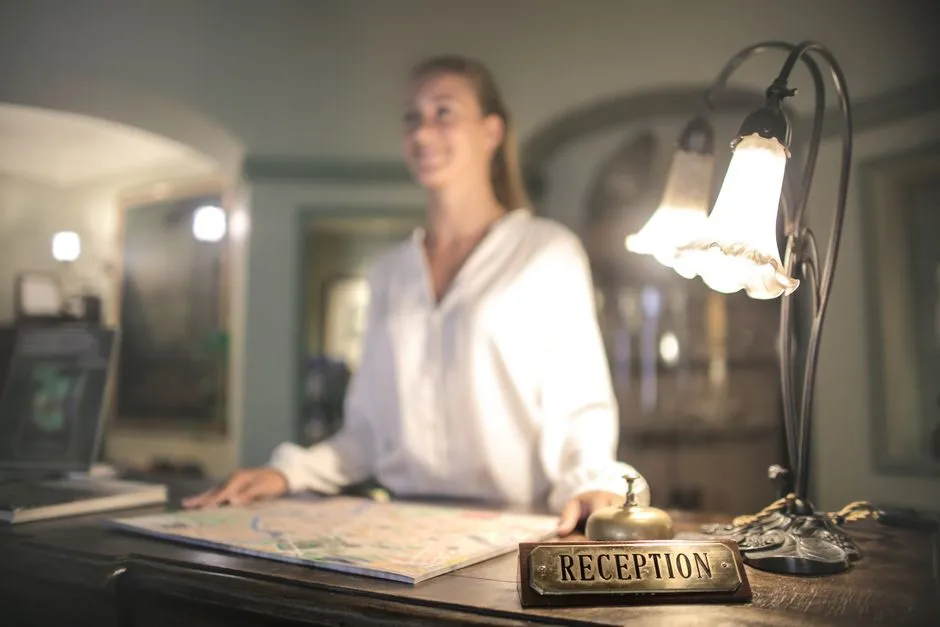
Some hotels allow early check-in for free when rooms are available. Others charge an early check-in fee, which can be a flat amount or a share of the nightly rate, depending on how early you arrive. What was once an informal gesture of goodwill has, at many properties, become a formalized paid upgrade.
A property selling early arrival to one arrival in ten at a quarter of rate is adding roughly two and a half percent to rooms revenue, without a single extra room sold. That is a better return than most upsell programs produce, which is why it is worth the operational effort. The 3 p.m. rule, it turns out, also creates a monetizable boundary, and hotels increasingly know it.
What Travelers Can Actually Do About It
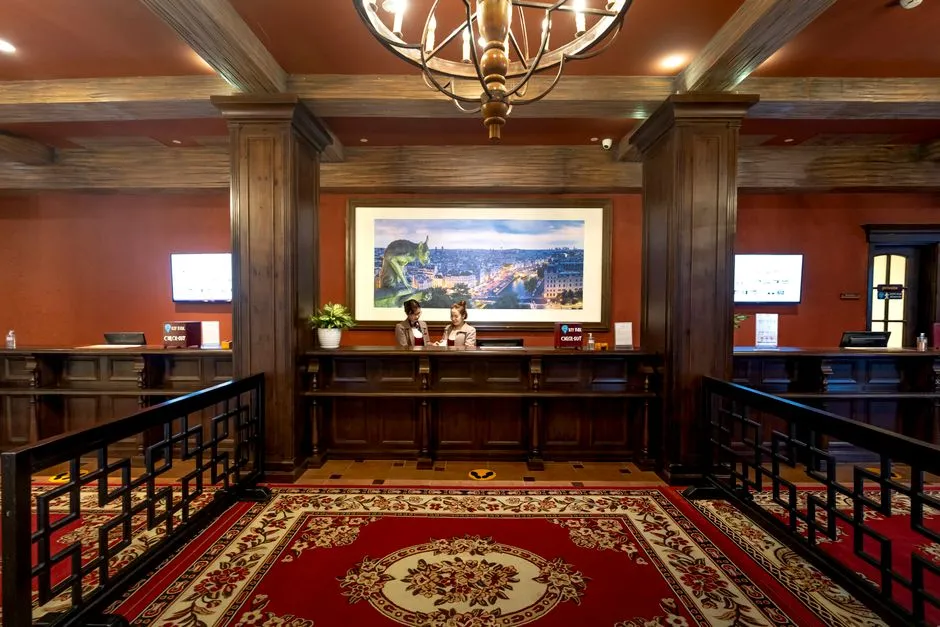
Early arrivals are predictable when hotels collect estimated arrival times before the stay. Prioritizing housekeeping by arrival time and actively notifying guests when their room is ready removes the repeat desk visits from guests checking back on their room and improves the overall experience. Communicating your arrival time in advance is genuinely one of the most effective moves a traveler can make.
In situations where an early check-in isn’t feasible, hotels generally store luggage at no cost, enabling guests to explore the area until their room becomes available. It’s a small but practical freedom. Arriving before 3 p.m. doesn’t have to mean sitting in a lobby if you plan for it.
The Takeaway
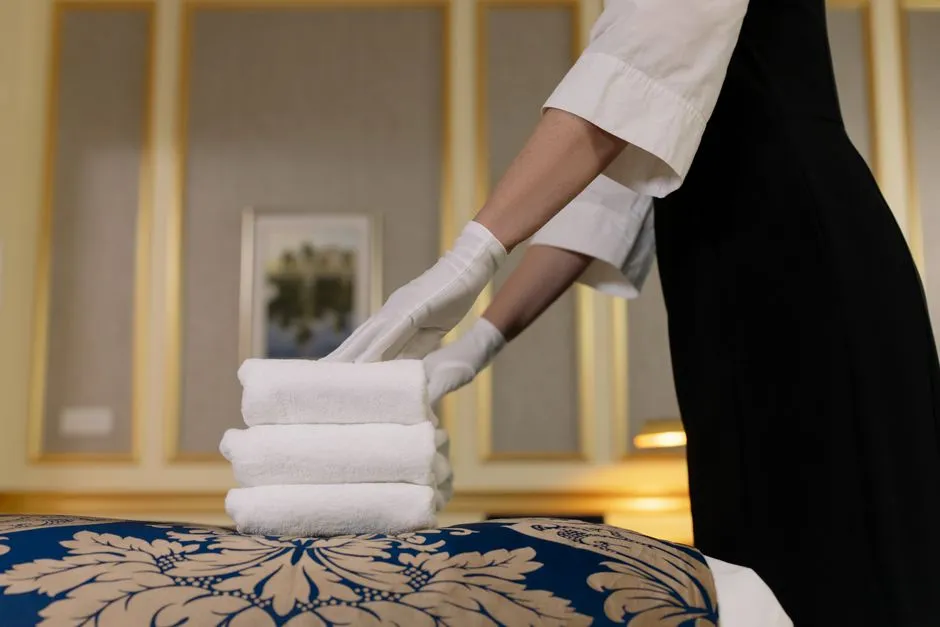
The 3 p.m. check-in time isn’t a rule born from indifference to travelers. It reflects a genuine logistical chain: checkout leads to housekeeping, housekeeping leads to inspection, inspection leads to maintenance, and all of it leads, finally, to a room that’s genuinely ready for you. A 2024 Hotel Management study found that hotels using structured checklists cut room turnaround time by 20%, which suggests the window is slowly shrinking as operations improve.
Still, the physics of a full property haven’t changed. Rooms take time to prepare properly, staff shortages are real across the industry, and quality control exists for good reason. The 3 p.m. moment is less an arbitrary rule and more the natural finish line of a morning’s worth of invisible work. Knowing that doesn’t make the lobby chair more comfortable, but it does make the wait a little easier to understand.
AI Disclaimer: This article was created with the assistance of AI tools and reviewed by a human editor.