
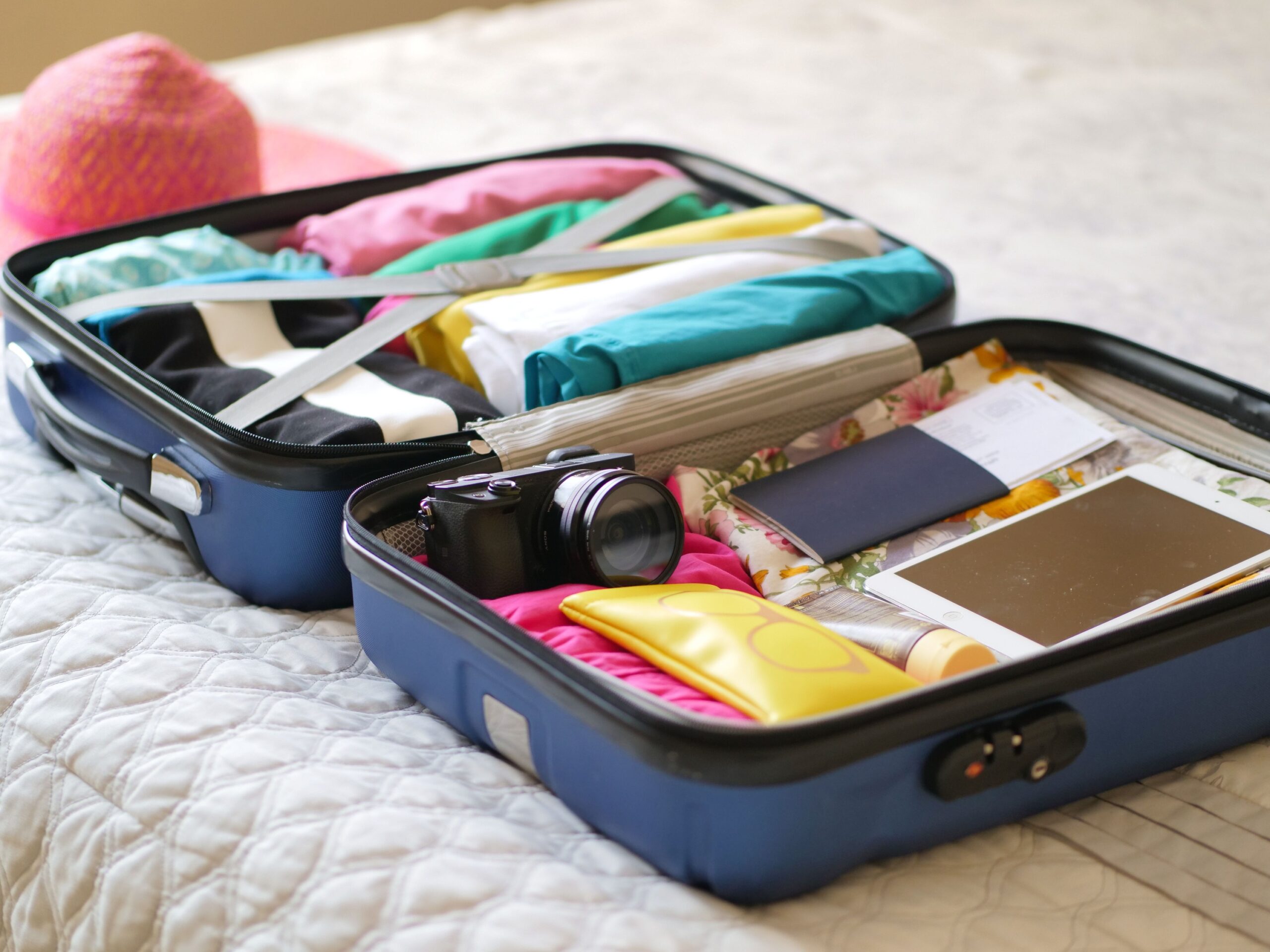
People who spend their working lives at 35,000 feet tend to figure things out fast. They learn which items are genuinely essential and which ones just take up space. Over time, their packing list becomes something close to a science, refined across hundreds of trips, dozens of climates, and years of layovers in cities they may only have twelve hours to explore.
What’s striking is how consistent flight attendants are when asked about their must-have items. Different airlines, different routes, different personalities – yet the same core items keep coming up. Here are ten of them, straight from the people who know air travel better than anyone.
1. A Large Reusable Water Bottle

Aircraft cabin air contains humidity levels of just six to twenty percent, significantly lower than the forty to sixty percent relative humidity found in most comfortable indoor environments, and drier than many of the world’s desert regions. That stat alone explains why hydration is the first thing experienced crew members think about when they pack.
One flight attendant shared that she carries a fifty-ounce reusable water bottle every time she flies, stopping to fill it up in the terminal before each flight. The logic is simple: onboard service carts don’t move fast enough, and waiting for a drink trolley when you’re already parched is a preventable problem.
At cruise altitude, passengers lose one to two liters of fluid simply through respiration over several hours, so staying ahead of that loss matters. A large personal bottle means you’re never dependent on the pace of the service or the size of a plastic cup.
2. A Personal Skincare and Lip Balm Kit

Flying can leave your skin feeling tight, dull, and dehydrated before you’ve even reached your destination – because aircraft cabin humidity is far lower than normal indoor environments, accelerating transepidermal water loss and weakening the skin barrier throughout your journey.
Flight attendants create their own amenity kit with items such as lip balm, facial mist, nasal spray, and eye drops as a minimum. These aren’t luxury extras for people who care about appearance. For crew working long-haul rotations, they’re as practical as a good pair of shoes.
High quality lip balms, thick hand creams, and facial mists are staples for maintaining the skin barrier. Hydration goes beyond just drinking water, and many professionals include electrolyte powders or tablets in their daily carry. The combination of topical care and internal hydration is the approach most long-haul crew swear by.
3. A Compact Medication Pouch
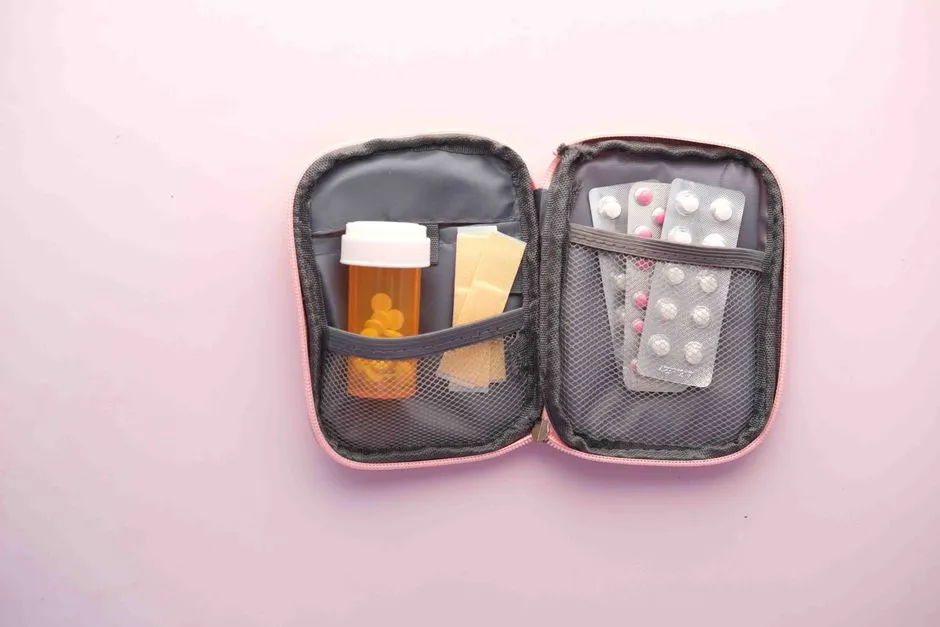
One flight attendant shared that she always carries two different pill boxes in her carry-on. One contains nonprescription medications, such as headache or allergy medication, to use as needed. The second pill organizer contains her daily prescription medications, vitamins, and supplements.
Flight attendant Peyton Johnson, who has been with her airline for seven years, uses makeup pouches to keep smaller things together – one to hold medical-type things like band-aids, wipes, and pills for headaches and allergies, and another for work-related things like pens, a flashlight, and gloves. It’s a simple system, but it works across every trip type.
The underlying principle is that you cannot always find a pharmacy at your layover destination, and not every airport has a well-stocked medical shop. Carrying your own basics removes that variable entirely.
4. Noise-Canceling Headphones
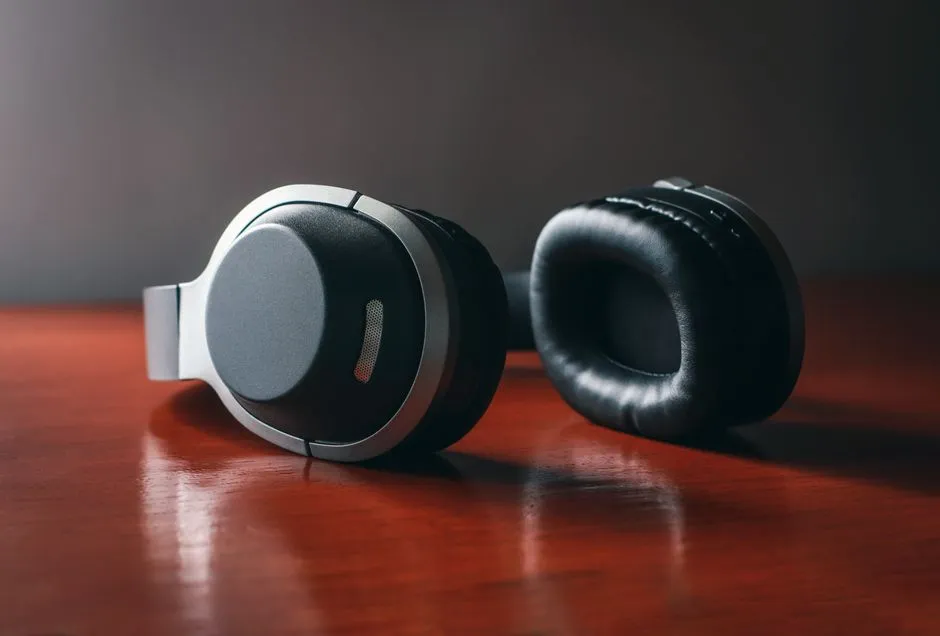
Noise-canceling headphones are one accessory that genuinely changes how you fly. When they aren’t working, you’ll often find flight attendants wearing them – and many recommend that passengers try them, too. Off-duty crew are some of the most enthusiastic advocates for this piece of tech.
The benefit goes beyond music. Being able to dial down ambient engine noise during a rest break or a long layover connection makes recovery significantly easier. For crew members managing irregular sleep schedules across time zones, that matters.
Flight attendants spend nine hundred or more hours a year at 35,000 feet. At that volume of exposure, anything that protects rest and reduces sensory fatigue stops being a comfort item and becomes a tool.
5. Packing Cubes
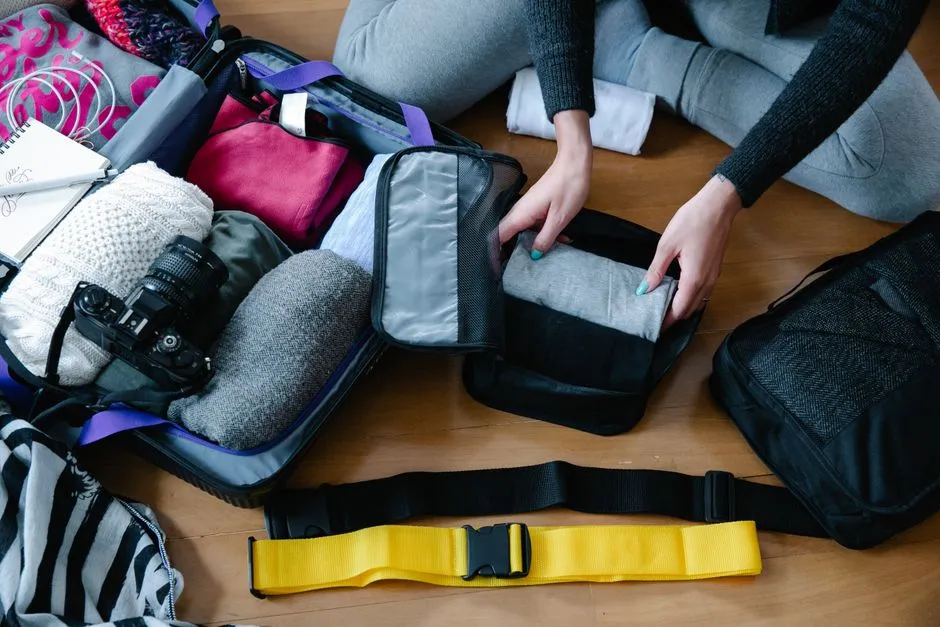
Living out of a carry-on for extended periods pushes crew members to maximize packing space. Packing cubes are fantastic for keeping everything organized while accommodating a surprising amount, and they’re especially useful for diverse trips that require clothing for both tropical and colder climates.
There is a philosophy that runs through the packing approach of experienced crew: travel light, stay organized, and never check a bag if you can avoid it. Packing cubes make that philosophy achievable in practice, especially when you’re moving between climates or unpacking in a hotel room at two in the morning.
Many flight attendants depend on packing cubes to keep the inside of their suitcase organized, because the cubes offer a place for everything and keep everything in its place. Small thing, significant difference.
6. A Portable Charger
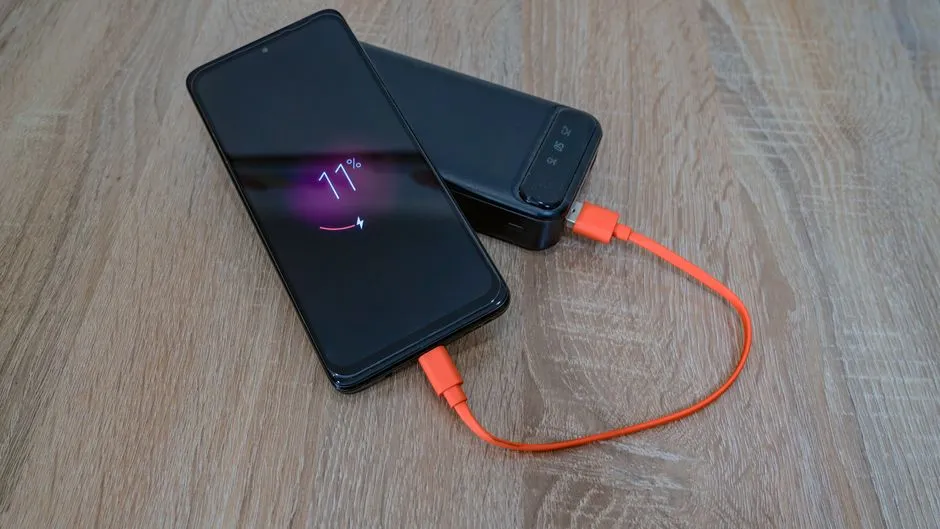
Nothing is worse than having a dead phone at the airport or realizing that the USB port on the plane is out of order. Many airports have limited power outlets and charging stations that get crowded quickly, making a portable charger an absolute must to keep you connected.
For crew members navigating crew scheduling apps, last-minute gate changes, and communication with airline dispatch, a dead phone isn’t an inconvenience – it’s a operational problem. The portable charger addresses that without requiring anyone to hunt for a free outlet in a crowded terminal.
Many crew members carry a backup battery pack specifically for their manual to ensure they never lose access to safety data during long-haul sectors. That detail reveals how seriously experienced flight attendants treat this item – it’s not just about personal convenience.
7. A Sleep Mask

One flight attendant lists a sleep eye mask as the single most important accessory in their suitcase. Due to fluctuating rest periods, being able to get to sleep deep and fast is a priority, and the eye mask helps darken the environment quickly.
Crew rest on long-haul flights happens in designated rest bunks, but layover hotel rooms present their own challenges. Blackout curtains aren’t always reliable, and a flight arriving at six in the morning may require sleeping through bright midday light. A good sleep mask solves that without relying on the hotel.
The same item appears in the must-pack list of private flight attendant Cindy Kowalewski alongside an inflatable neck pillow, earplugs, and a warm scarf that doubles as a blanket. That combination covers almost every rest scenario a crew member is likely to encounter.
8. A Mini Grooming and Uniform Repair Kit

Personal presentation is very important for flight attendants, who are the face of the airline, and uniform rules are very strict. Given that reality, even small wardrobe problems – a missing button, a scuffed shoe, a stain from the galley – can become stressful mid-flight.
A lint roller, a small sewing kit with safety pins, and a stain removal pen for quick fixes can save a uniform after a mid-flight spill. These take up almost no space but solve problems that would otherwise be impossible to fix at 35,000 feet.
A mini sewing kit is useful for uniform repairs during the flight, and safety pins are useful when time is short for a repair. It’s the kind of quiet preparedness that separates experienced crew from those still learning the rhythm of the job.
9. A Lost Luggage Emergency Kit
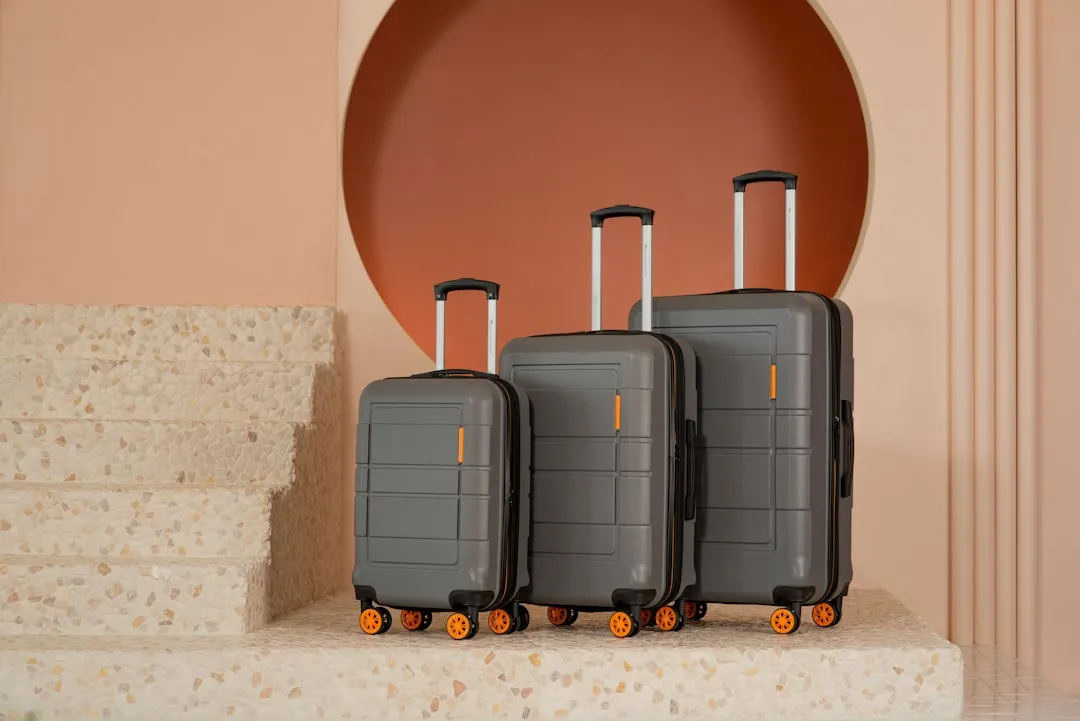
For flight attendants, long layovers, last-minute trips, and changing climates are part of the job, which means they need to be prepared for just about anything. Even with crew travel privileges, bags can go missing. Systems fail.
To avoid being left without essential items in a faraway place, many crew members pack a lost luggage kit in their carry-on – a step that one Australian flight attendant described on TikTok as the one thing you should never skip while packing.
The kit itself is modest: a spare change of clothes, basic toiletries, and a few personal essentials in a dedicated packing cube. It requires almost no extra space but provides real peace of mind, especially on routes where checked luggage and crew bags travel separately.
10. A Reusable Pen (and Hotel Notepad)

Flight attendants often take hotel notepads and pens from their layover rooms because they prove useful in the cabin when taking a passenger request, listing special meals, and when passengers ask for pens when filling out immigration or customs forms. It’s a small habit with a surprisingly large practical impact.
A quality pen is one of those items people underestimate until they need one and don’t have it. International arrivals require paper forms on many routes, and crew regularly field requests from passengers who haven’t thought to bring a pen of their own.
Flight attendants must carry their crew license and airside ID card, medical certificate and vaccination card, health insurance, as well as their passport and any necessary visas for travel. Having a pen ready when dealing with that level of documentation is not trivial – it’s part of being professionally prepared at every stage of the journey.
The Bigger Picture
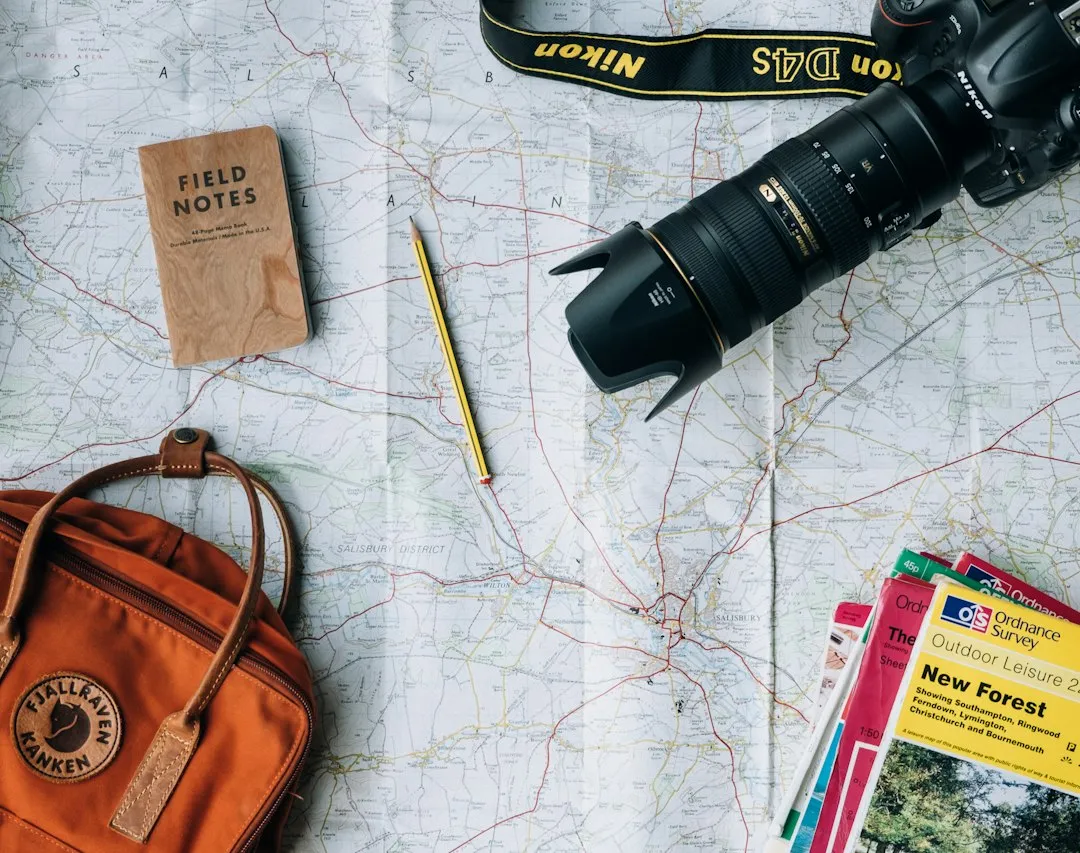
What connects all ten of these items is a shared logic: eliminate the variables you can control. Flight attendants operate in an environment defined by unpredictability – weather delays, reroutes, last-minute scheduling changes, hotels that fall short, and bodies that need rest but rarely get ideal conditions for it.
The items they pack aren’t about comfort in a soft sense. They’re about resilience. A water bottle, a sleep mask, a spare outfit, a portable charger – each one closes a gap that would otherwise be left open to chance.
There’s something genuinely useful in borrowing that philosophy, even as a leisure traveler. You don’t need to replicate a crew bag exactly. You just need to think the way they do: pack for the trip that might happen, not just the trip you’re hoping for.
AI Disclaimer: This article was created with the assistance of AI tools and reviewed by a human editor.