
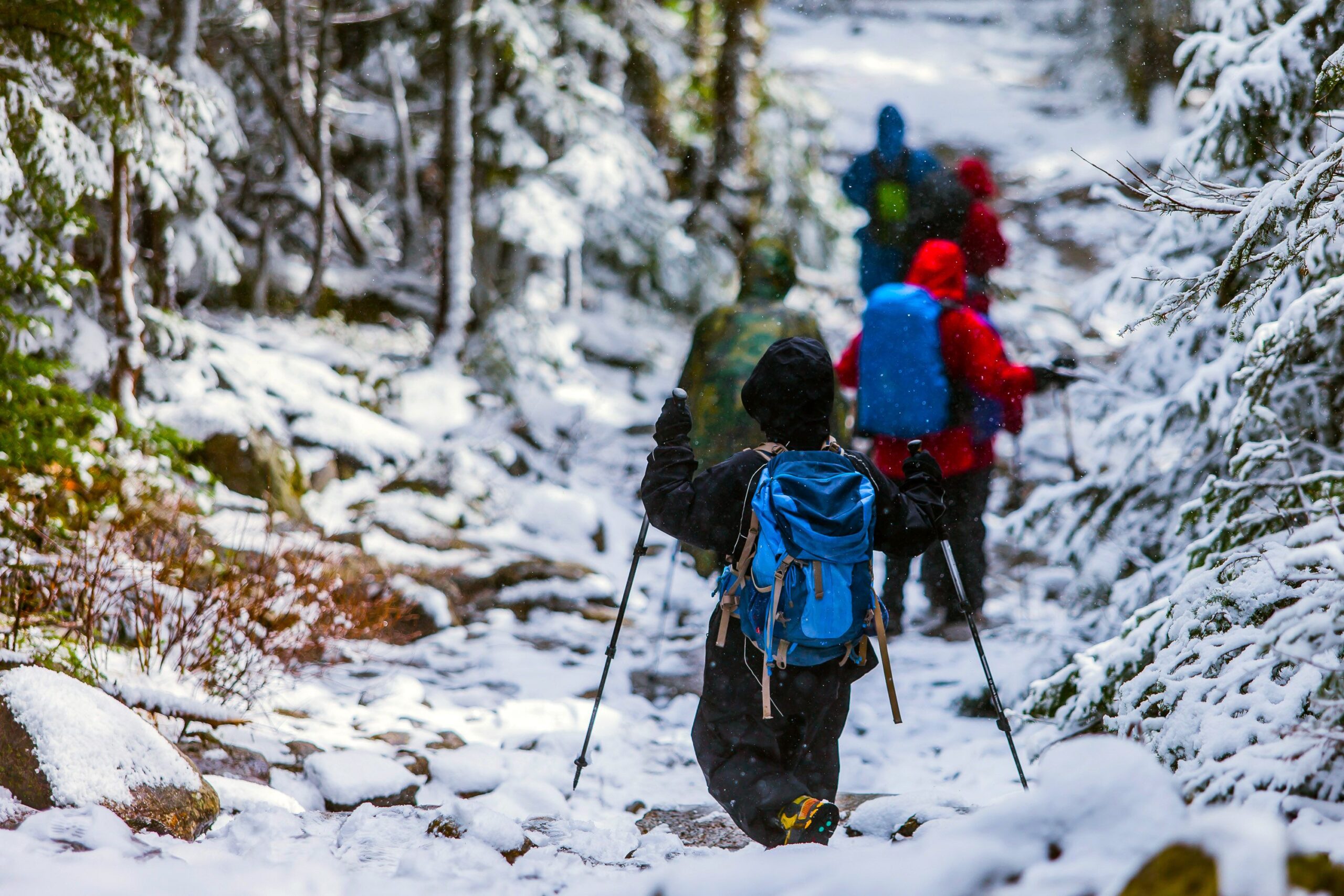

There’s a particular kind of confidence that day hikers carry onto a trail – the reassurance that comes from short distances, daylight, and a familiar path. It’s also, park rangers will tell you, one of the more reliable paths to a preventable emergency.
Hiking is a popular outdoor activity with approximately 45 million participants in the United States each year. With that kind of volume, patterns emerge. Rangers across the country see the same oversights again and again: the hiker who ran out of water two miles from the trailhead, the couple caught in darkness without a light, the solo traveler who trusted a phone signal that vanished. Park rangers across US national parks recommend carrying the NPS 10 Essentials on every hike, drinking at least two gallons of water per person per day in desert parks, and telling someone your planned route before setting out.
What follows are the five items rangers consistently come back to – the ones that separate a great day on the trail from a search-and-rescue call.
1. Water: More Than You Think You Need
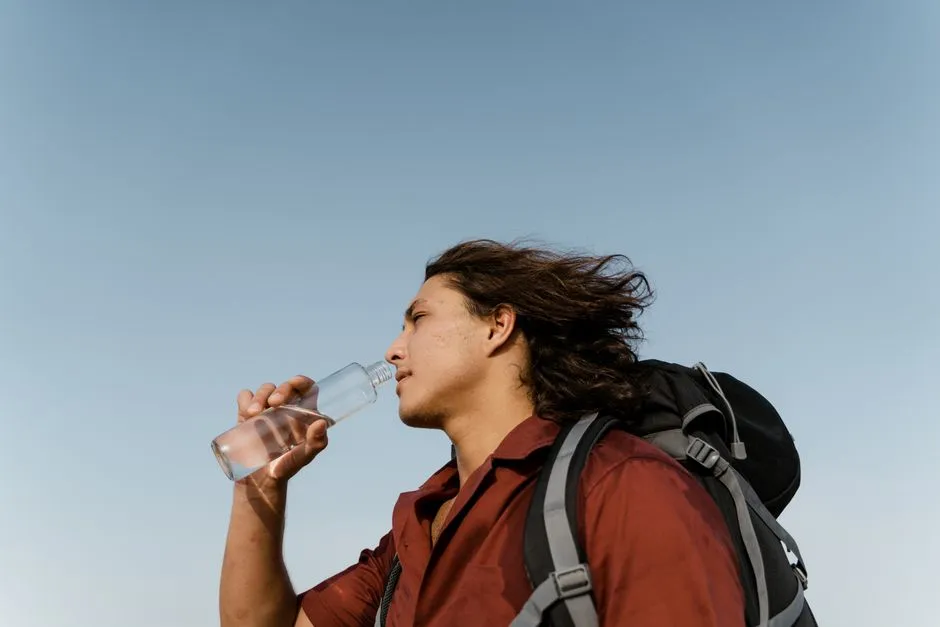
Of everything in a hiker’s pack, water is the item most consistently underestimated. The logic tends to be: it’s only a few hours, it doesn’t feel that hot, I’ll be fine. Rangers have heard it countless times, usually right before someone needs help.
Water may be one of the 10 essentials, but it deserves a mention all its own. Christian Delich, interpretation ranger at Joshua Tree National Park, recommends two gallons of water per person per day for anyone hiking all day. That figure surprises many first-time visitors. It’s also non-negotiable in desert environments.
It’s recommended to bring a minimum of 0.5 liters of water per hour of hiking, and this should be doubled for strenuous hikes in high-temperature conditions. If your route passes a reliable natural water source, a compact filter or purification tablets can serve as a useful backup. Dehydration is one of the most common issues rangers respond to, especially in hotter parks like Zion.
Salty snacks are also important for maintaining electrolytes and keeping your energy up – something rangers frequently pair with the water conversation. Hydration and fuel work together, and neglecting either one has real consequences on the trail.
2. Navigation: A Real Map, Not Just Your Phone

Phones are extraordinary devices. They’re also battery-dependent, signal-dependent, and, in the backcountry, surprisingly unreliable. A smartphone is not a substitute for dedicated navigation systems. Digital devices are prone to battery failure, signal loss, and hardware damage in harsh environments.
If you boil all of ranger recommendations down, there is one item rangers consistently emphasize: a real, physical map. It weighs next to nothing. It doesn’t need charging. It won’t glitch when you’re miles from the nearest road. Cell service is unreliable or absent in most national parks, and trails change, which makes a downloaded offline map paired with a physical copy a genuine safety net rather than a redundancy.
Downloaded offline maps are essential since cell service is unreliable in most parks, and a backup power bank is also worth carrying. For longer or more remote routes, a basic compass rounds out the navigation system. Knowing how to use it is a separate skill worth practicing before you need it.
3. A Headlamp (Even on a Clear Morning Start)
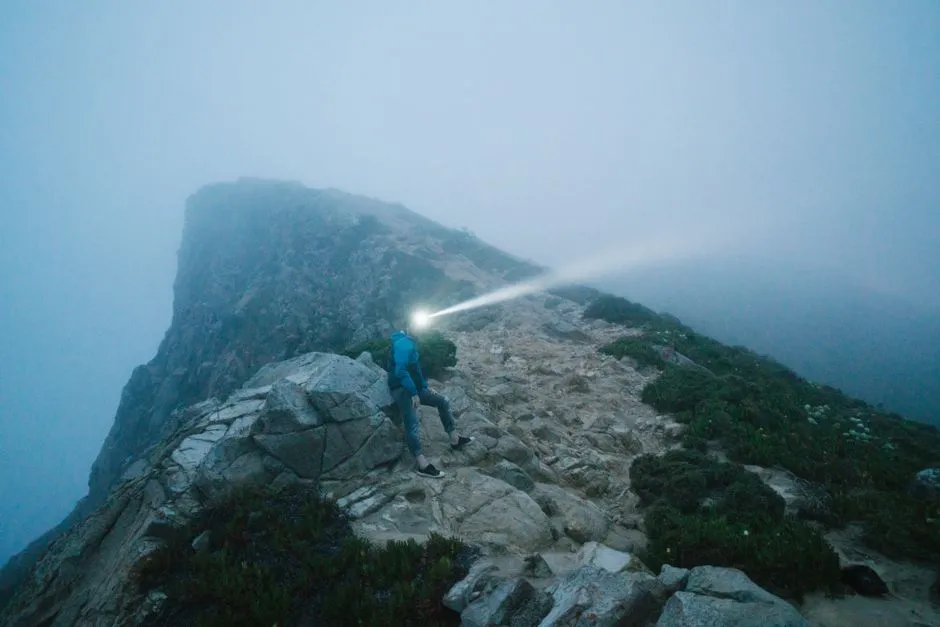
This one catches people off guard. A headlamp, on a day hike? Rangers hear the skepticism regularly. The reasoning is simple: trails take longer than expected, detours happen, and the sun doesn’t negotiate.
A simple hike that takes an hour longer than planned can suddenly plunge you into darkness. The purpose of an illumination system is to provide hands-free light for navigating, fixing gear, or administering first aid if your hike unexpectedly extends past sunset. Being caught out after dark is one of the most frequent and preventable reasons for search-and-rescue calls.
Many rescues begin with hikers who simply stayed out longer than expected and lost daylight. A headlamp keeps your hands free for trekking poles and map reading, which matters more at the end of a long day when you’re tired. People get caught out after dark every year, and rangers recommend bringing a headlamp even on a short hike. Extra batteries or a charged backup add minimal weight for a meaningful margin of safety.
4. Sun Protection: The Risk Is Higher Than It Feels
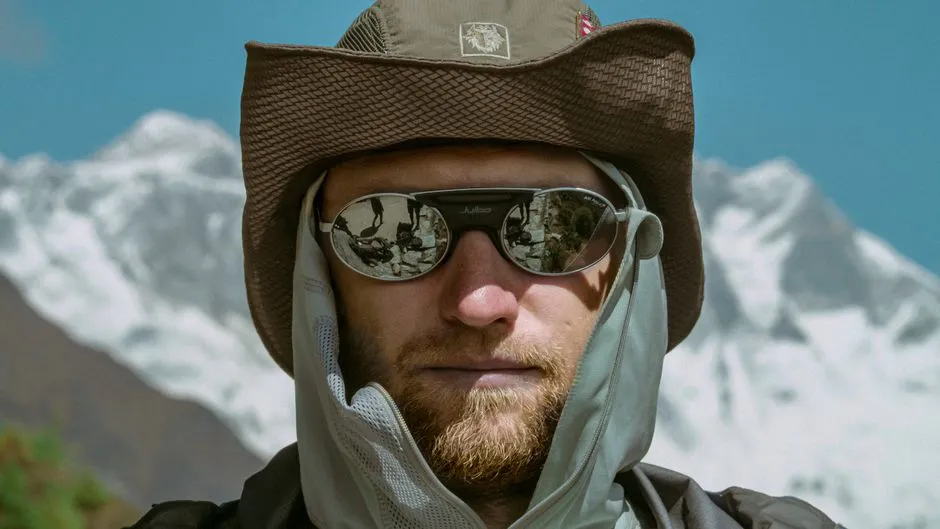
Sunburn feels like a comfort issue. Out on exposed ridgelines, it’s genuinely a health issue. UV exposure increases with altitude, and the effect is more pronounced than most hikers realize.
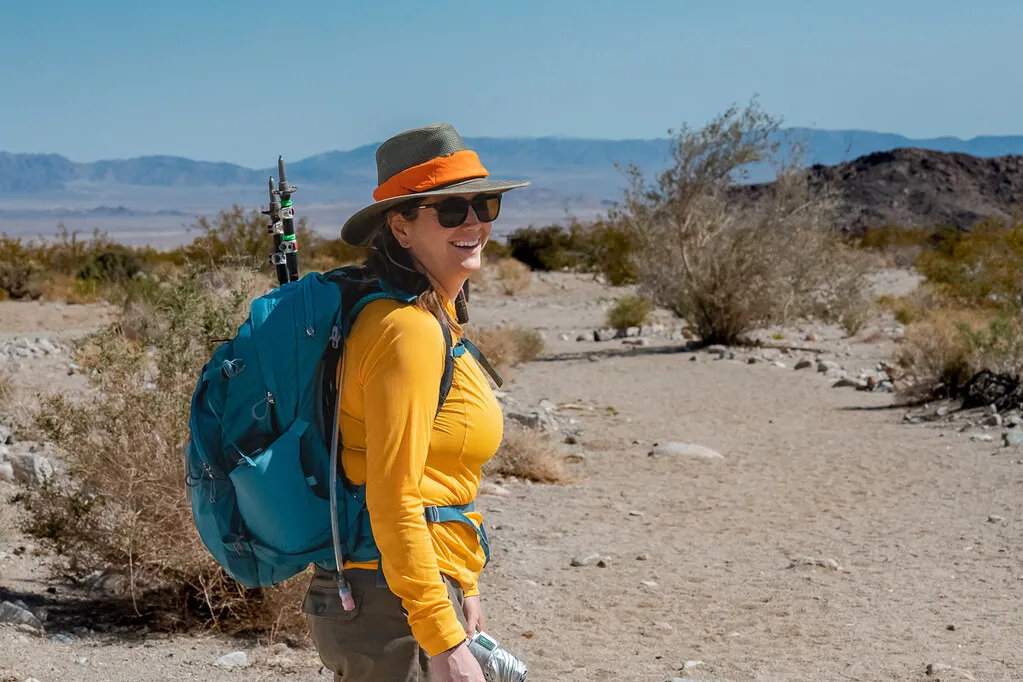
UV increases by roughly four to five percent per thousand feet of elevation, making high-altitude sun protection a serious concern. A wide-brimmed hat, UV-blocking sunglasses, and SPF 30 or higher sunscreen are the baseline. Harmful UV rays can cause sunburns and exhaustion even on cloudy days, which is the detail many hikers miss – overcast skies don’t equal safe skies at elevation.
A holistic sun protection system includes broad-spectrum SPF 30 or higher sunscreen, non-slip sunglasses with a high UV protection level, a wide-brimmed hat, and clothing with a high UPF rating. Rangers particularly emphasize this for high-desert and alpine environments, where reflected light from rock and snow compounds the exposure. It’s one of those items where consistency matters more than brand.
5. A First Aid Kit Suited to Your Route
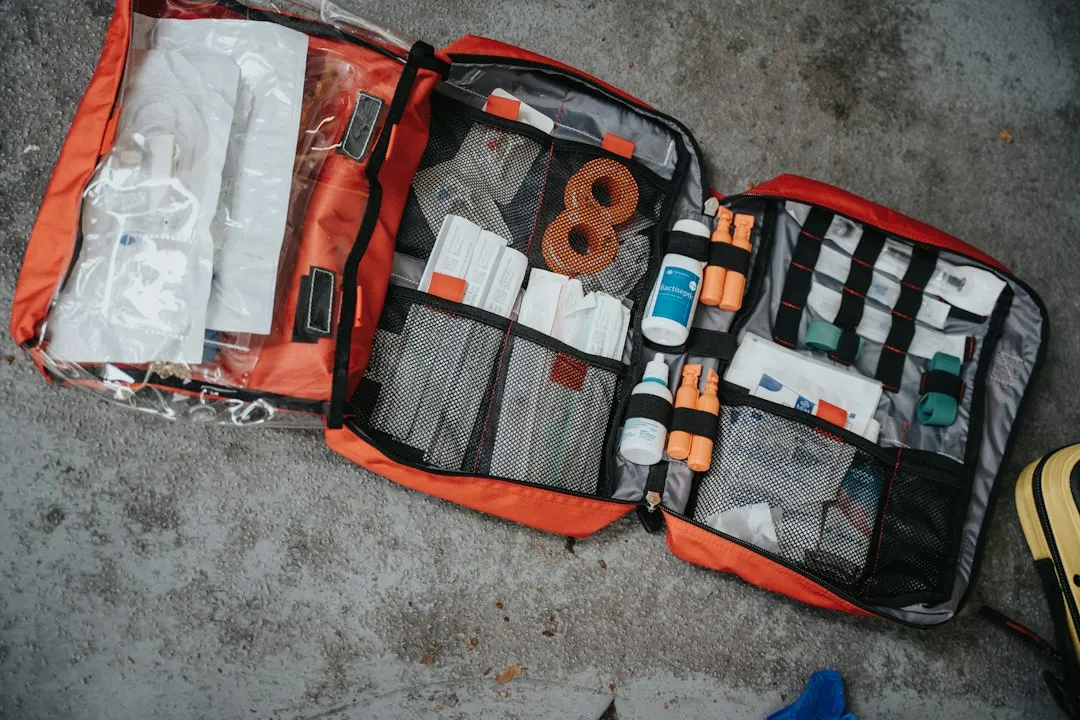
A first aid kit is only useful if it’s actually there. Rangers see plenty of hikers who own a kit, left it at home because the trail seemed easy, and then needed it.
About twenty percent of hiking injuries necessitate hospitalization, which underlines how quickly a minor incident can escalate in a remote setting. The ankle is the most commonly injured body part while hiking, accounting for roughly forty percent of all hiking injuries. Blisters, cuts, and twisted joints are far more common than dramatic emergencies, and a well-stocked kit handles all of them.
A pre-made kit should be customized for your trip’s length and your group’s needs, and it must include adhesive bandages, sterile gauze pads, moleskin, antiseptic wipes, pain medication, and an emergency whistle. The whistle is worth noting: three sharp blasts on a whistle is the universal distress signal, and it travels far further than a voice in dense terrain.
Among those who have died while hiking in national parks, falls were the most common cause of death for hikers, while fifty people died as a result of environmental causes such as lightning, thermal burns, or exposure to heat or cold. A kit won’t prevent a fall, but it can make the difference between a manageable injury and a crisis while you wait for help to arrive.
Bonus: Layers and the Case for Extra Clothing

Rangers consistently add one more item to the list: extra clothing. Weather at elevation changes fast, and a dry morning can become a cold, wet afternoon with very little warning.
Temperature can drop three degrees Fahrenheit per thousand feet of elevation gain, which adds up quickly on a trail that climbs several thousand feet. A lightweight rain shell and an insulating layer add almost nothing to pack weight, but they close the gap between uncomfortable and dangerous.
Extra clothing layers are part of the NPS 10 Essentials, and even on a short day hike, carrying a small tarp and some cordage provides a meaningful safety margin if conditions change unexpectedly. Moisture-wicking fabrics make a real difference here. Cotton holds moisture against the skin, which accelerates heat loss in cold or wet conditions.
The Right Mindset Before the Trail
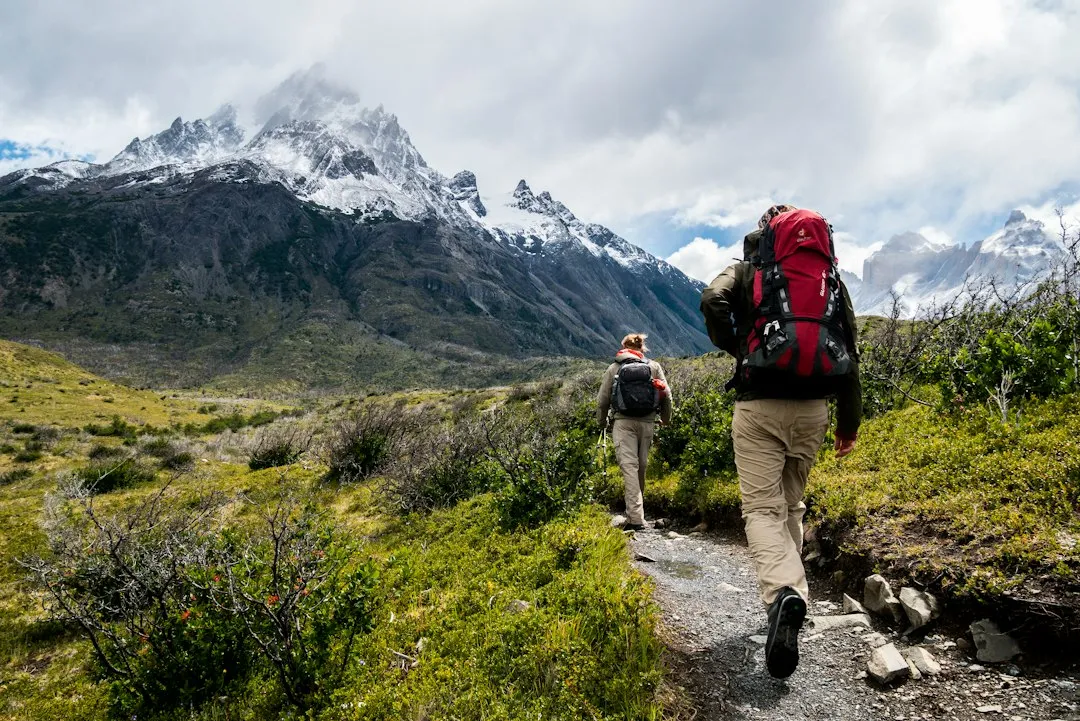
Gear matters, but the thinking behind it matters just as much. Rangers frequently describe a preparation gap: hikers who spend time researching the scenery and very little time preparing for what could go wrong. The two aren’t in conflict.
Many hiking deaths occur off official trails and result from a lack of proper equipment, meaning that sticking to designated paths and taking time to properly prepare can significantly reduce your risk. Letting someone know your route before you leave is one of the simplest and most effective safety habits. Getting into a dangerous situation puts rescue rangers at risk as well as the hiker, which reframes preparation not just as personal responsibility but as consideration for others.
The NPS emphasizes that a successful visit to any unit within the system begins long before arriving at the gate, and whether you’re planning a day hike or a multi-day excursion, the difference between a memorable experience and a critical emergency often rests on the rigor of your pre-trip planning.
The Takeaway
The five essentials rangers consistently point to – water, navigation, illumination, sun protection, and a first aid kit – are not exotic or expensive. The barrier isn’t gear, it’s habit. Most trail emergencies that rangers respond to were preventable, not by better luck, but by a slightly better-packed bag.
Good preparation doesn’t diminish the experience of being out there. It actually deepens it, because the quieter part of your mind can relax and let you focus on what brought you to the trail in the first place. Pack thoughtfully. Tell someone where you’re going. Carry more water than you think you need. The rest tends to take care of itself.
AI Disclaimer: This article was created with the assistance of AI tools and reviewed by a human editor.