
The Core Safety Logic: Keeping at Least One Pilot Operational
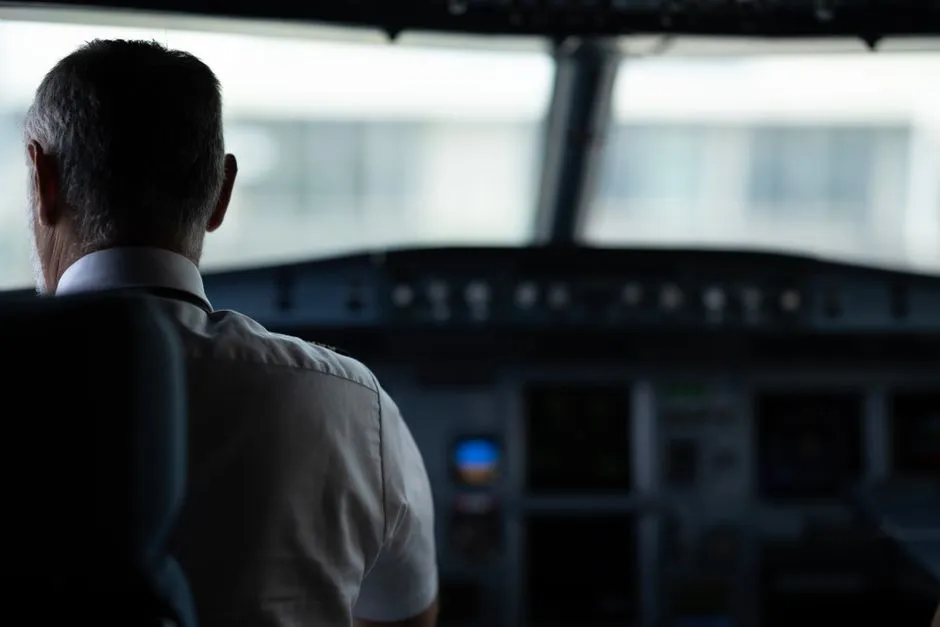
The primary reason for separate crew meals is to prevent the simultaneous incapacitation of both the captain and first officer. Aviation safety relies on redundancy, meaning no single point of failure can compromise the aircraft’s operation, and this principle extends far beyond mechanical systems – it applies directly to the humans in the cockpit.
Food poisoning can cause severe symptoms such as vomiting, diarrhea, and abdominal pain. If both the pilot and the copilot were to fall ill at the same time, it could jeopardize the safety of the entire flight. By ensuring they consume different meals, the likelihood of both being affected by the same foodborne illness is significantly reduced.
What “Different Meals” Actually Means in Practice
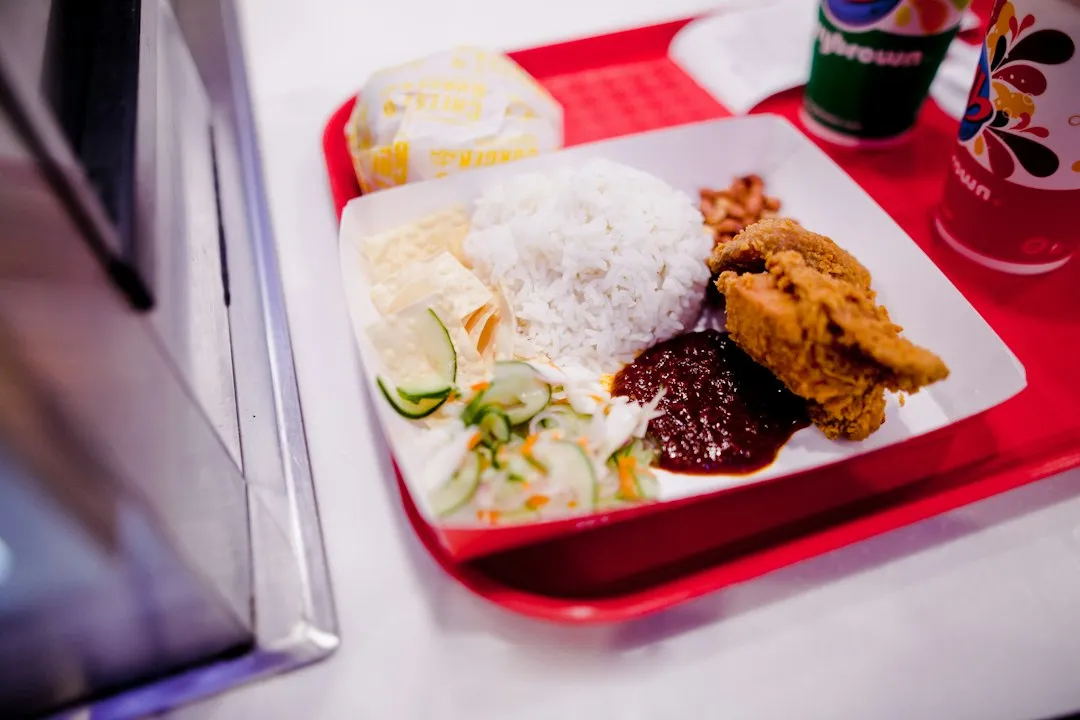
On a flight with two pilots, each one is served a different meal, usually from a different part of the catering batch, often with different core ingredients. If the airline offers a chicken option and a vegetarian option, one pilot takes one, the other takes the second. Neither pilot eats off the same tray, and on some airlines, neither eats food prepared by the same supplier batch.
The rule extends beyond just the main course. Even snacks and beverages get rotated. If the captain has the beef, the first officer gets the fish or vegetarian option.
The 1975 Japan Air Lines Incident That Changed Everything
On 3 February 1975, 144 people fell ill aboard a Japan Air Lines Boeing 747 en route from Anchorage to Copenhagen, after consuming an in-flight meal contaminated with Staphylococci. This remains the most documented and consequential in-flight food poisoning event in commercial aviation history.
Staphylococcus aureus bacteria was found in the food served during the flight, and an executive at the company providing the food died by suicide after learning about the incident. In response, Japan Airlines completely overhauled its food safety protocols. Medical checks became mandatory for kitchen workers, glove use was enforced, cold storage requirements were raised, and the entire in-flight catering industry took notice.
The Academic Research That Formalized the Practice
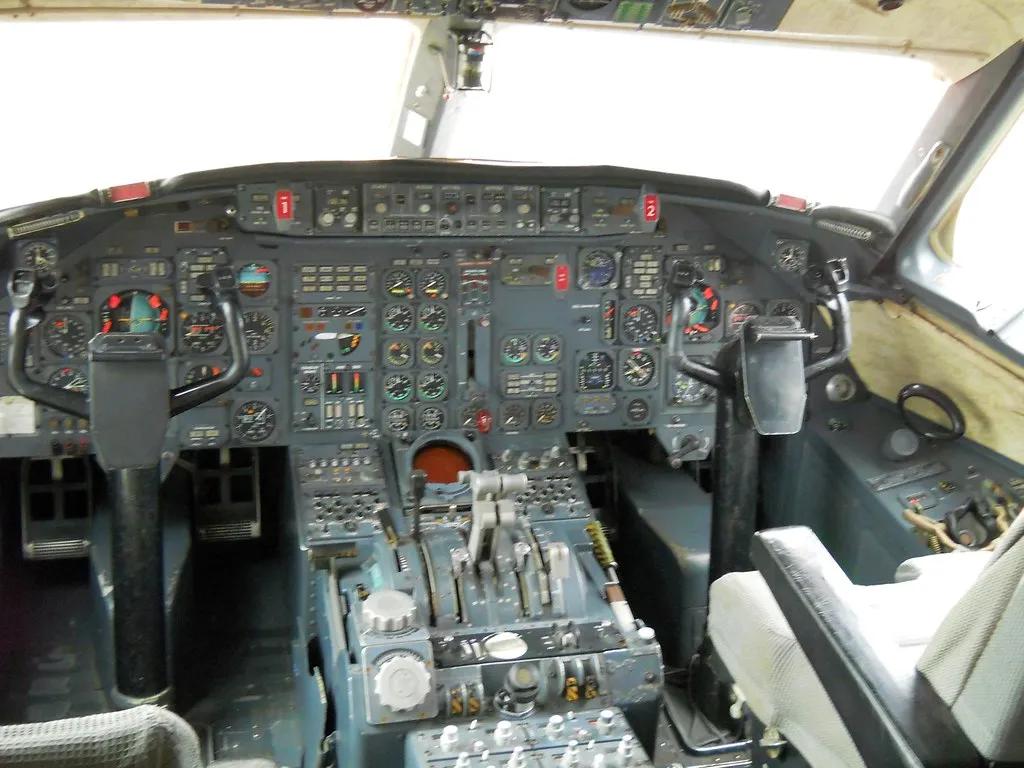
Researcher Eisenberg suggested that cockpit crew members eat different meals prepared by different cooks to prevent food poisoning outbreaks from incapacitating the entire crew, a rule subsequently implemented by many airlines. This recommendation followed directly from the 1975 incident and was published in a peer-reviewed medical context.
Mickey S. Eisenberg and colleagues published the research titled “Staphylococcal food poisoning aboard a commercial aircraft” in The Lancet, volume 306. That paper gave the practice a scientific foundation that airlines could cite when formalizing their catering policies.
It’s Airline Policy, Not Aviation Law
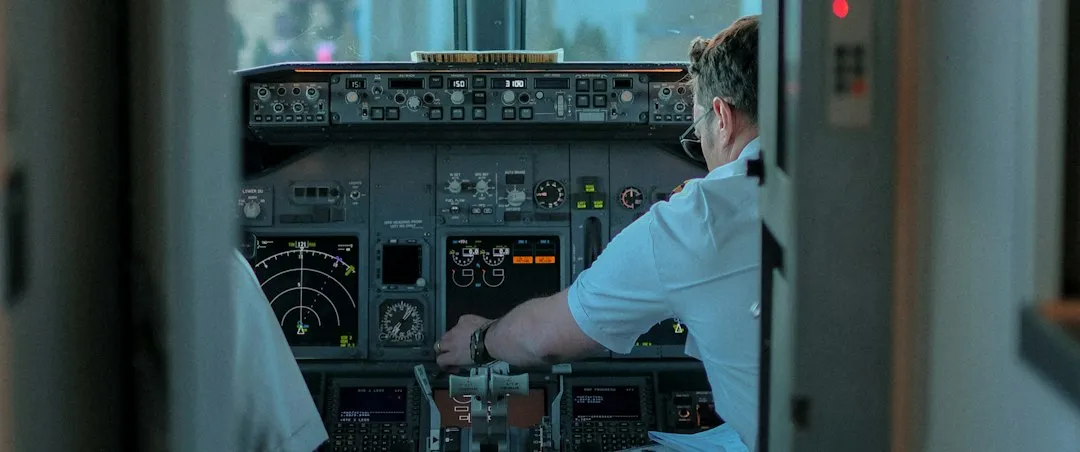
The split-meal requirement is airline policy, not law. No FAA or EASA regulation mandates it. That distinction matters, because it means enforcement varies significantly from one carrier to the next, and there’s no universal standard that governs every cockpit around the world.
The practice is not mandated by the Federal Aviation Administration; however, most airlines have their own rules about it. The chances of both pilots suffering from food poisoning from onboard food is now considered so rare that it is no longer a strict requirement at every airline. However, some airlines still recommend the pilots eat different meals.
Why the Rule Applies to Pilots But Not Cabin Crew
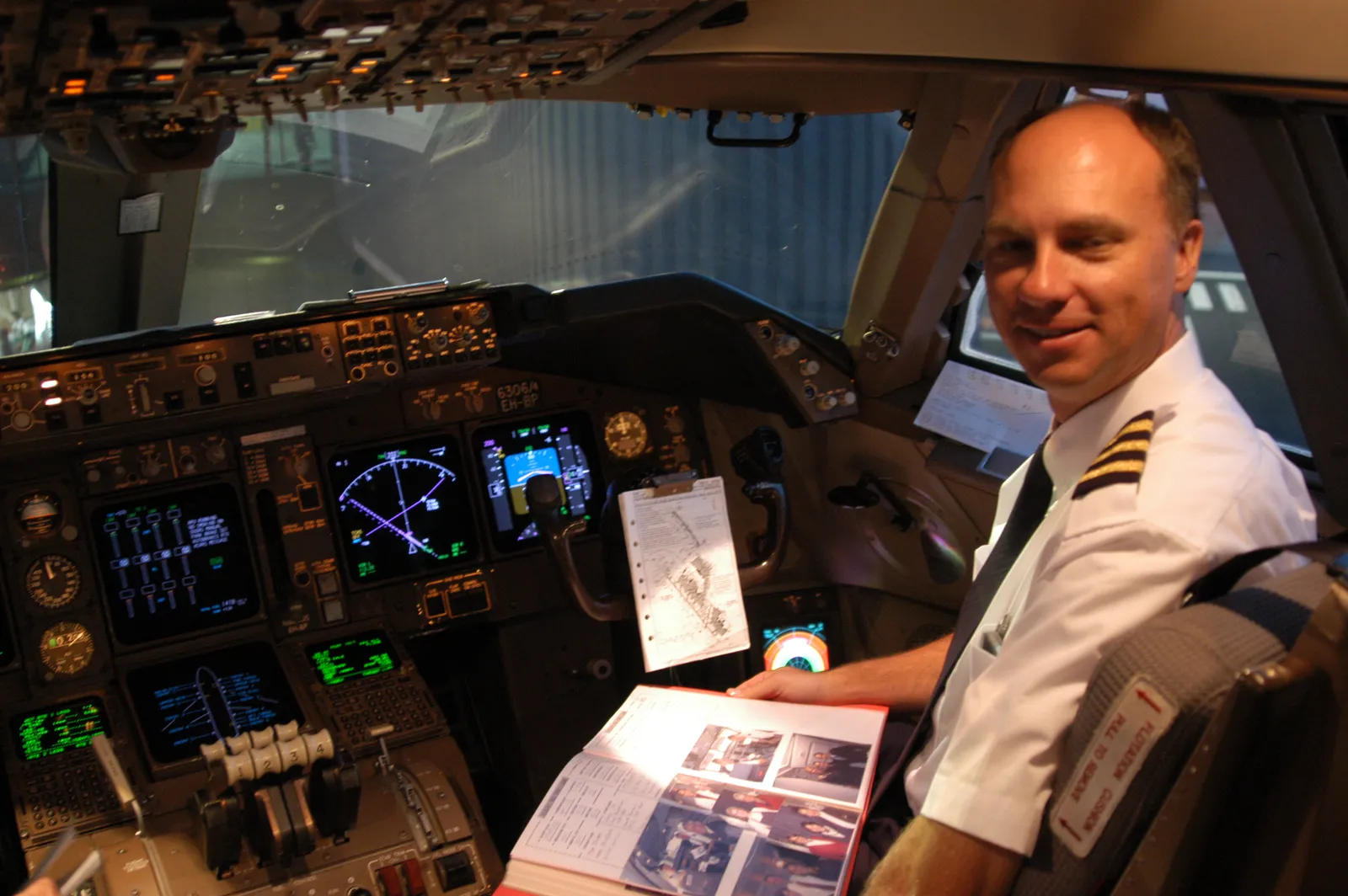
The rule stops at the cockpit door because cabin crews are large enough to absorb a sick colleague. Two pilots sit in the flight deck, and one contaminated meal can take out both of them at once, with no third person behind them who can step in.
The cabin, by contrast, carries several attendants whose duties can absorb an individual’s incapacitation. Lose one flight attendant to food poisoning and the flight continues. It’s a cold but logical calculation, and it explains precisely why flight attendants have never been subject to the same rule.
The Redundancy Principle: It Goes Beyond Food
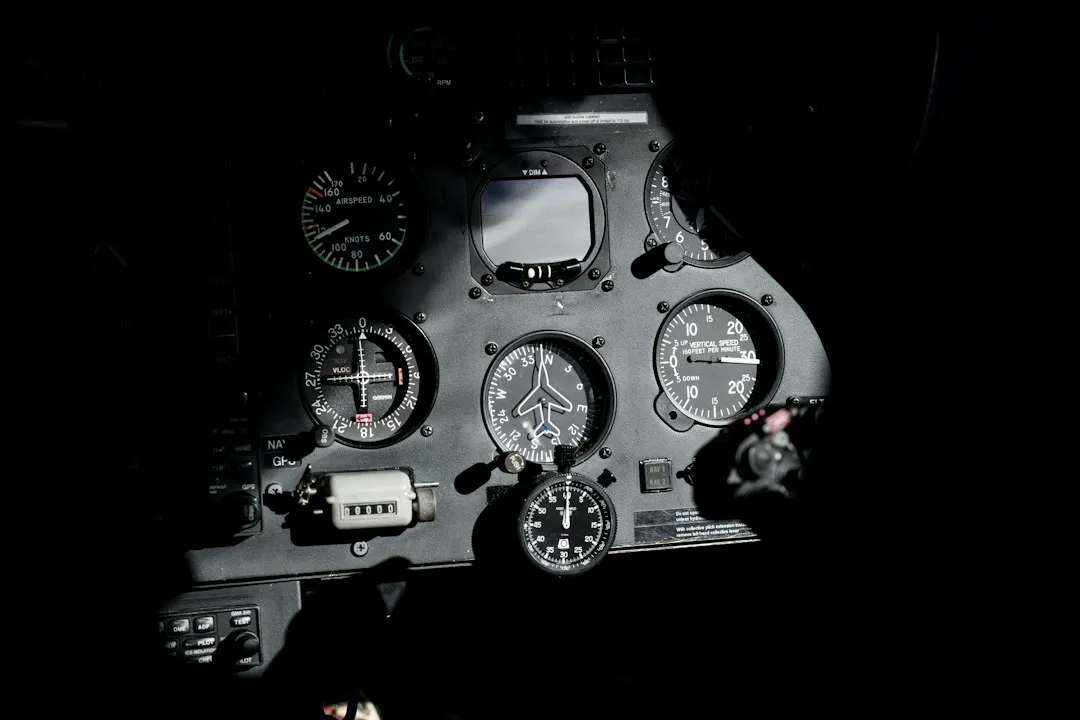
This practice connects directly to a concept built into every part of pilot training: redundancy. Aircraft have two engines, two hydraulic systems, two independent electrical buses, and wherever possible, two of everything that matters.
Similar to how aircraft are designed with multiple backup systems to handle mechanical failures, the practice of pilots eating different meals is a precautionary measure to handle human vulnerabilities. The cockpit has always been built around the idea that if one thing fails, another takes over, ensuring that if something goes wrong with the health of one pilot, the other can step in. Food, in this context, becomes just another variable that needs a failsafe built in.
What Pilots Are Actually Served
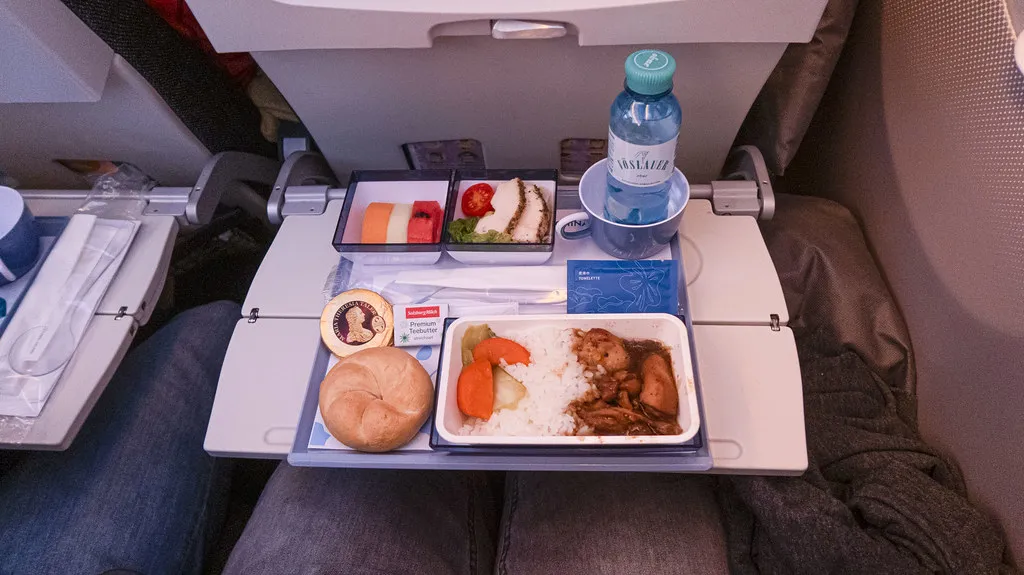
Pilots have the option of bringing their own meals on the plane or choosing from a special selection of meals that are different from those available to the crew and passengers. On most major carriers, these are purpose-prepared crew meals, sometimes sourced from a premium cabin menu.
Airline food is now made in purpose-built facilities that churn out thousands of meals a day. Such large commercial kitchens are subject to rigorous health inspections to ensure that food is being stored and prepared in a hygienic manner. As a result, the chances of food poisoning from in-flight catering are incredibly small.
What Happens If a Pilot Gets Sick Mid-Flight
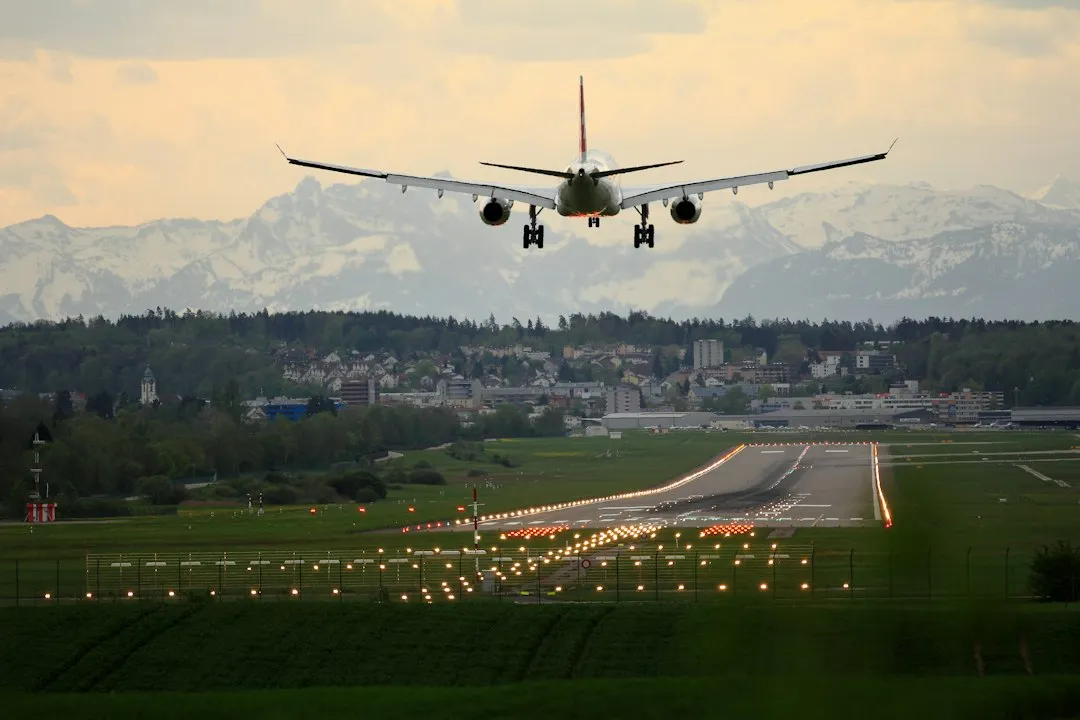
If a pilot was unable to continue safely operating the aircraft due to food poisoning, it would be classed as a pilot incapacitation. This triggers a specific set of procedures, and the remaining pilot assumes full control of the aircraft while emergency protocols are enacted.
Back in 1982, a flight from Boston had both pilots fall violently ill after sharing a seafood meal. The plane had to make an emergency landing with the flight engineer at the controls, since planes at that time had three-person cockpits. That incident is one of the clearest historical examples of what the different-meals policy is designed to prevent, and it reinforced the practice at airlines that had not yet formalized it.
The Role of Cabin Crew in Enforcing the Rule
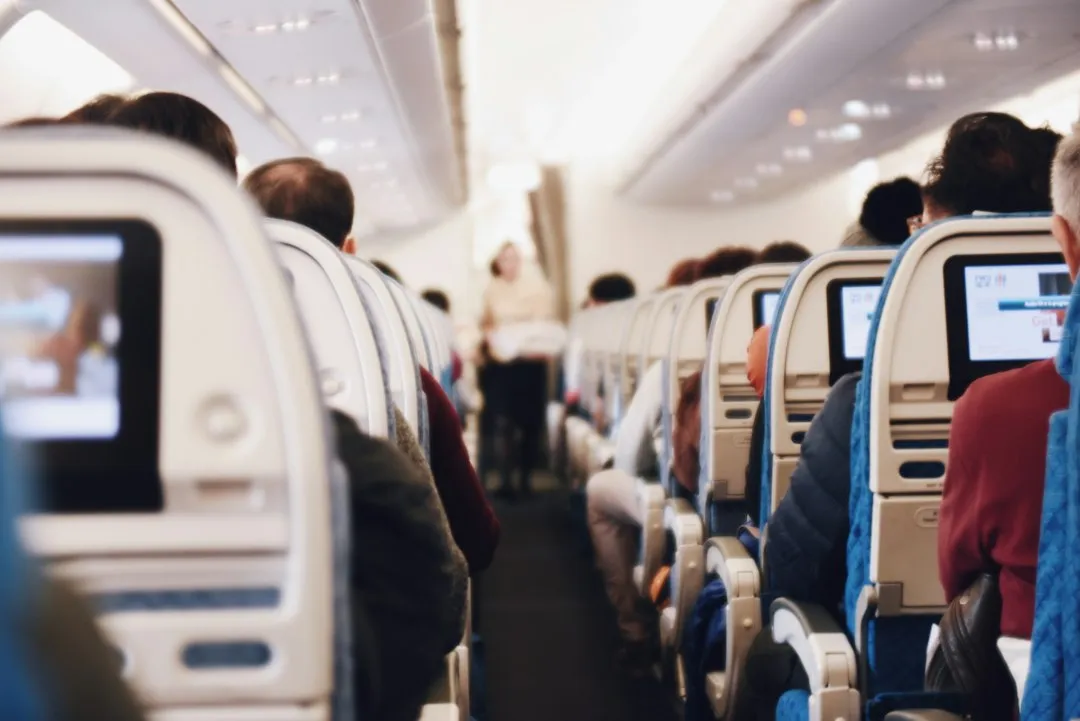
When it comes to meal selection, the cabin crew plays a crucial role in monitoring and enforcing this protocol. If both the pilot and the copilot request the same meal, the cabin crew is required to inform the captain immediately. The captain, being the final authority on the aircraft, then decides whether to grant or deny the request based on various factors, including the availability of alternative meal options and the potential risk involved.
This decision-making process is not taken lightly. The captain must consider the operational implications of both pilots consuming the same meal. It’s a small procedural moment, easily overlooked, that quietly protects everyone on board.
How Pre-Flight Eating Habits Factor In
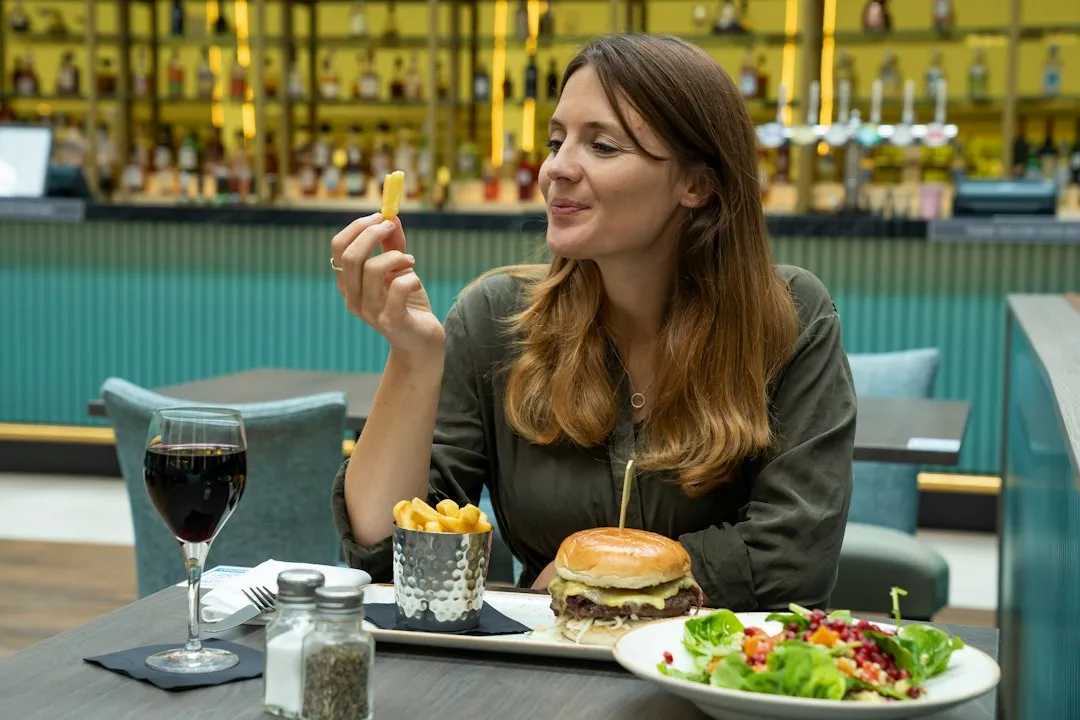
As most food poisoning takes around six hours to show symptoms, most airlines accept that a crew is more likely to get ill from something they ate before the flight than from the onboard catering. As a result, some allow pilots to eat the same meal. This is a notable shift in thinking, and it reflects improved food safety standards across the industry.
Meals are often prepared hours or even a day in advance and must remain at safe temperatures below 41 degrees Fahrenheit from preparation to the plane. Any break in that chain, even briefly, can allow bacteria to multiply to dangerous levels before the meal reaches the cockpit. Pre-flight meals, eaten outside the controlled airline catering environment, carry their own unpredictable risks that no policy can fully manage.
The Quiet Legacy of a Sensible Rule
AI Disclaimer: This article was created with the assistance of AI tools and reviewed by a human editor.