
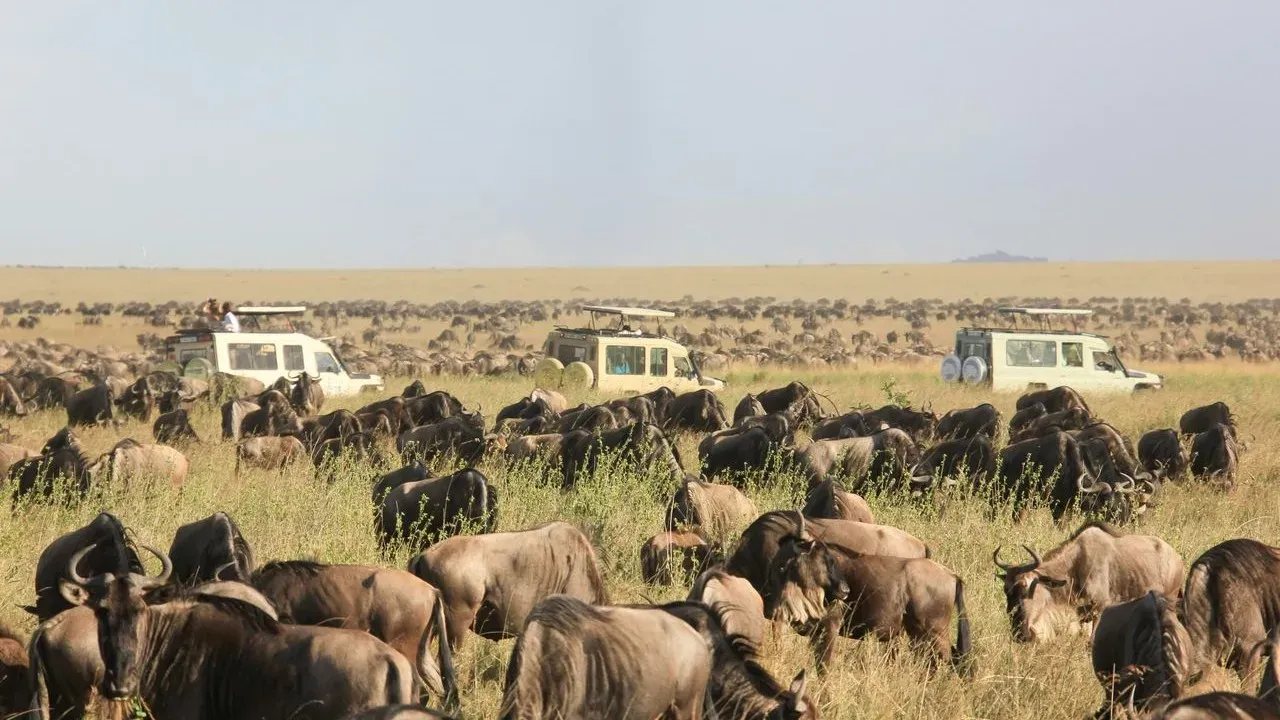

The vast plains of the Serengeti have long drawn travelers seeking close encounters with wildlife in one of Africa’s most celebrated landscapes. A new property now joins the options available there, offering tented accommodations designed to blend with the surroundings. Mereshi Safari Camp Serengeti, part of the Autograph Collection, sits on traditional Ikoma land near the Fort Ikoma airstrip in Tanzania’s Serengeti National Park. ([1])
Positioned for Easy Wildlife Access
The camp’s location places guests within reach of daily game drives that explore the park’s renowned ecosystems. Guides meet arrivals at the airstrip and provide transfers that ease the transition into the rhythm of safari life. This setting supports both morning and evening outings, allowing visitors to observe the movement of animals across open grasslands and along water sources.
Travelers can also join guided walks that offer a slower pace for noticing smaller details in the landscape. Such activities highlight the region’s biodiversity while encouraging mindful observation of the environment. The proximity to established park routes means time spent in transit remains limited, leaving more hours for immersion in the natural setting.
Accommodations Rooted in Local Materials
Eighteen tented suites form the heart of the property, each spanning 775 square feet of combined indoor and outdoor space. Constructed with timber, stone, and canvas, the structures incorporate greenwood furniture along with woven textiles sourced from nearby artisans. Private decks face east, positioning guests for sunrise views over the plains.
Inside, the design emphasizes comfort through sumptuous bedding and the option of outdoor showers that connect directly with the fresh air. These elements create spaces that feel both sheltered and open, reflecting a deliberate choice to harmonize with the surrounding savanna. The overall approach draws on traditional building practices while meeting contemporary expectations for rest after long days in the field.
Shared Spaces Inspired by the Landscape
The main lodge draws its form from the shape of indigenous acacia trees, creating a central gathering point with bar service and areas for lounging or dining. Nearby stands a private boma for evening meals under the stars, while a deck overlooks a water feature that adds a sense of calm. Additional facilities include a small spa, a pool, a fitness center, and a curio shop offering locally made items.
The restaurant Mila operates as an indoor-outdoor venue, serving breakfast following early drives, family-style lunches, and dinners that follow the dusk outing. This layout keeps guests connected to the rhythms of the day and the sounds of the bush. The design choices throughout the lodge reflect input from the Arusha-based firm Dunia Designs, which has worked on similar properties in the region.
Included Activities and Daily Rhythm
Stays incorporate two shared game drives each day along with guided walks and refreshments. All meals, select beverages, return transfers from nearby airstrips, a traditional boma experience, laundry service, and Wi-Fi round out the offerings. These provisions allow guests to focus on the experience rather than logistics.
The combination supports a balanced itinerary that mixes active exploration with time for relaxation at the camp. Evening gatherings around the fire or quiet moments on the deck provide opportunities to reflect on the day’s sightings. Such details contribute to a stay that feels both structured and flexible, suited to the pace of safari travel.
Properties like this one expand the ways visitors can engage with the Serengeti while staying attentive to the land and its communities. The result is an invitation to witness the region’s wildlife in settings that prioritize thoughtful design and local connection.
AI Disclaimer: This article was created with the assistance of AI tools and reviewed by a human editor.