
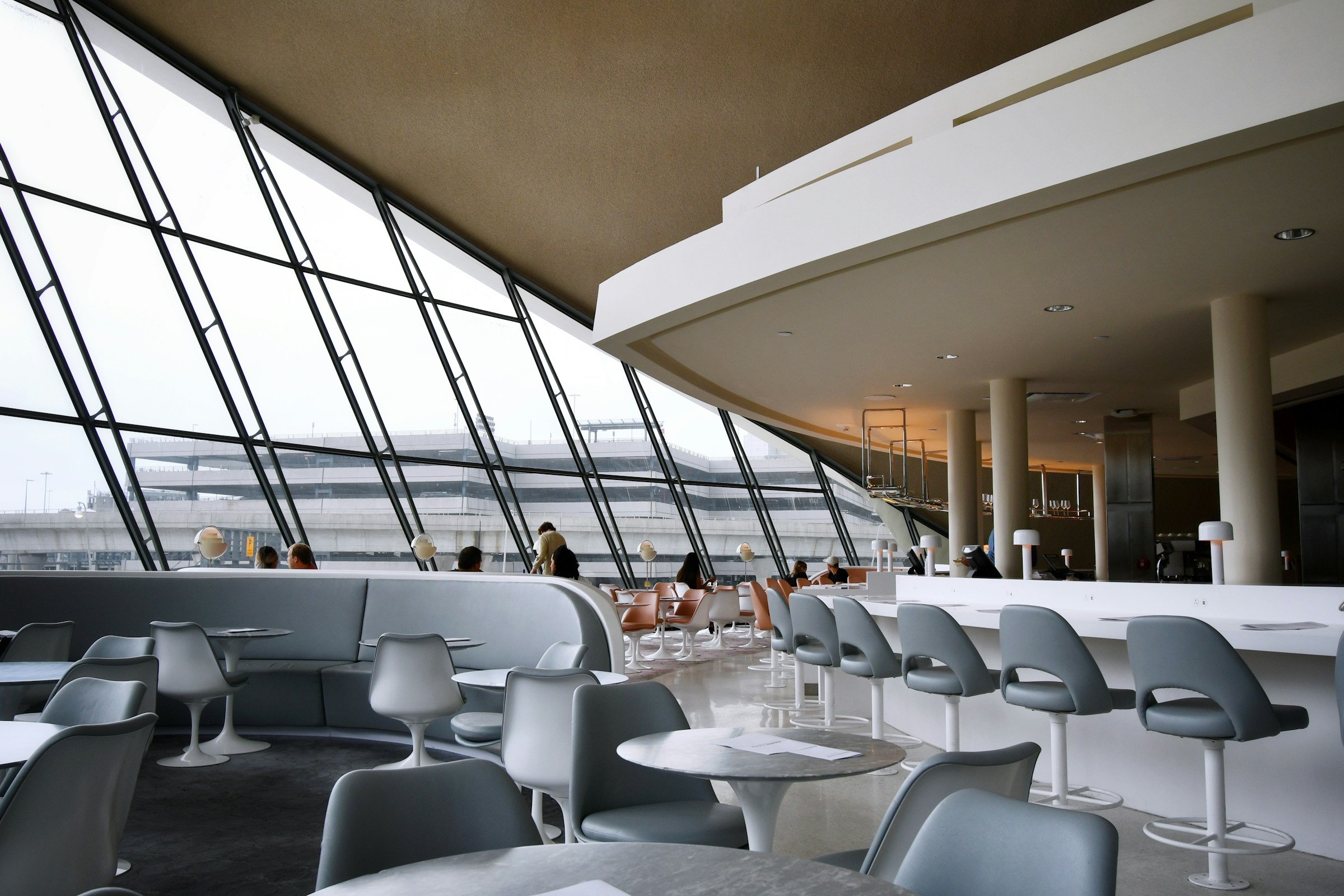

1. Tortas Frontera at O’Hare – The Mexican Torta That Earned a Bon Appétit Nod
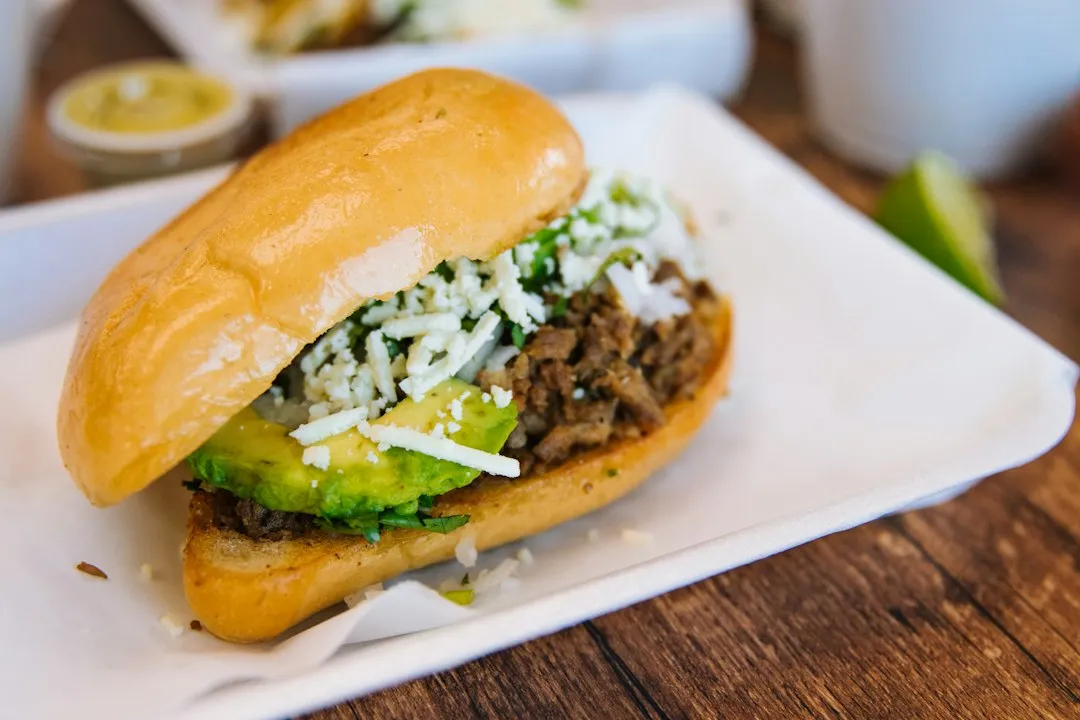
Tortas Frontera by Rick Bayless is one that Bon Appétit has called the best airport restaurant in the U.S. Helmed by its Top Chef-winning namesake and one of the most famous chefs in Chicago, this fast-casual spot specializes in Mexican tortas. The freshness and care behind every sandwich is unmistakably intentional. Chicago O’Hare tends to deliver wildly uneven airport dining, yet Tortas Frontera reliably saves the day, turning out fresh tortas, guacamole, and Mexican street-food classics that food writers consistently highlight as a standout.
Airports that embrace local food trends and flavor, creating “a genuine sense of location,” improve overall satisfaction scores by an average of 190 points, according to J.D. Power. Tortas Frontera is one of the clearest examples of that principle in action.
2. Native by Nyesha at LAX – The Pork Belly Taco That Travelers Talk About
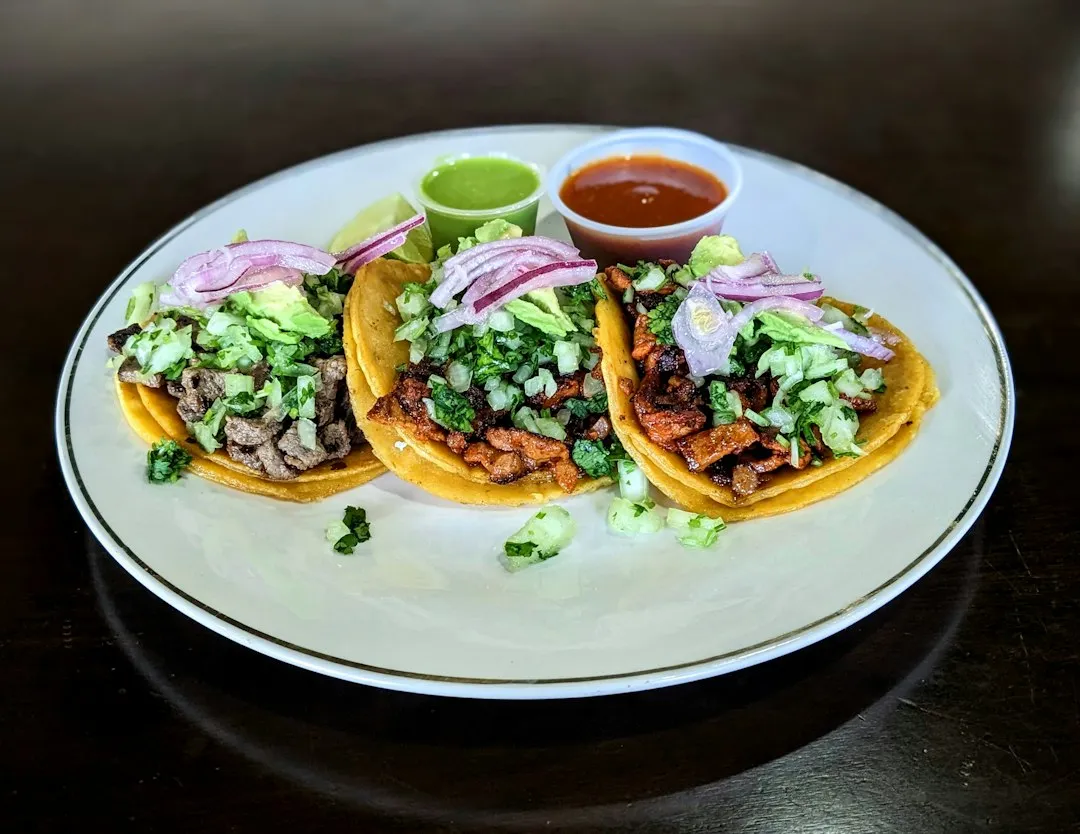
Native by Nyesha is a casual American restaurant at Los Angeles International Airport, owned and operated by Top Chef fan favorite Nyesha Arrington. Serving breakfast, lunch, and dinner, this award-winning restaurant was recognized in 2024 by the Airport Experience Awards as the Best Local Inspired Restaurant for Large Airports.
Highlights from those leaving Yelp or Google reviews include the pork belly tacos, stuffed with grilled pineapple and avocado. This particular dish is so popular that Native by Nyesha also has a breakfast version, subbing the pineapple for scrambled eggs and crispy potatoes to serve with the pork belly. That kind of creative iteration on a single dish is a mark of a kitchen that takes its menu seriously.
3. Root Down at Denver International – The Dish That Helped a City Win
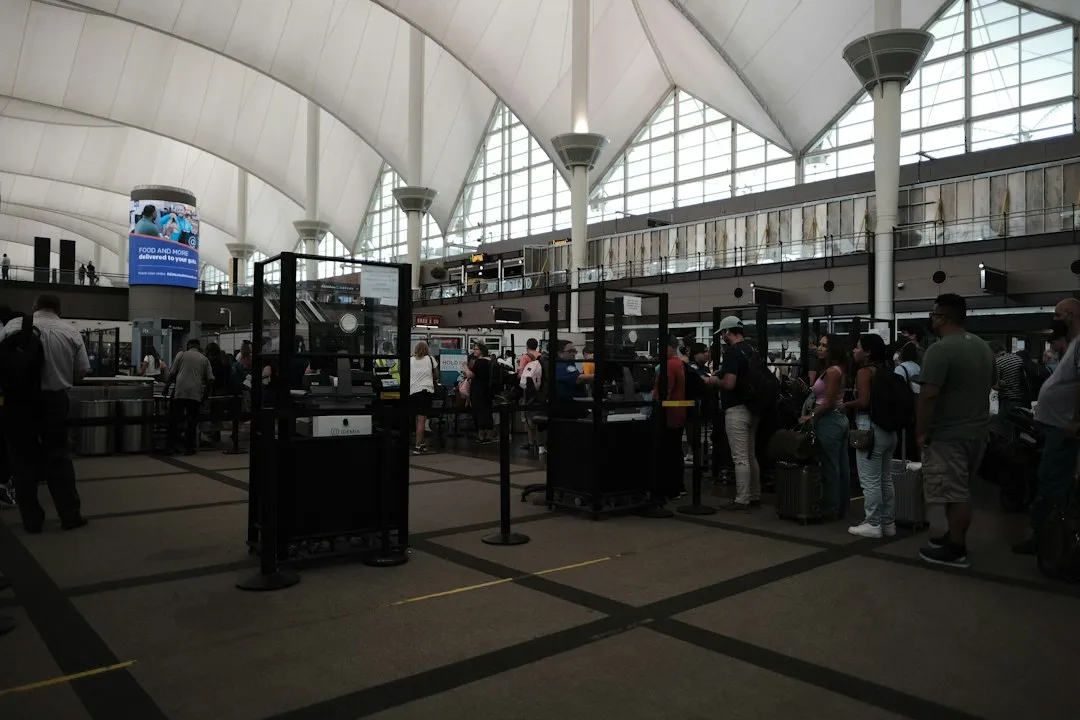
Denver International Airport quietly dominates airport dining rankings. In Altezza Travel’s 2025 analysis of the 20 busiest U.S. airports, DEN scored 19 out of 20 overall for the best food experiences. Root Down is a big reason why.
Root Down consistently stands out from the rest of the crowd at DEN. It’s an airport outpost of one of the city’s most popular restaurant chains, and it infuses that same energy into the terminal. It is also fully employee-owned along with its parent brand, so travelers can eat well knowing their money is going truly local. In USA Today’s 10Best list for 2025, Root Down came runner-up in not one, but three separate categories: Best Airport Grab-and-Go Food, Best Airport Bar, and Best Sit-Down Restaurant.
4. One Flew South at Atlanta Hartsfield-Jackson – A Southern Star With Global Ambition
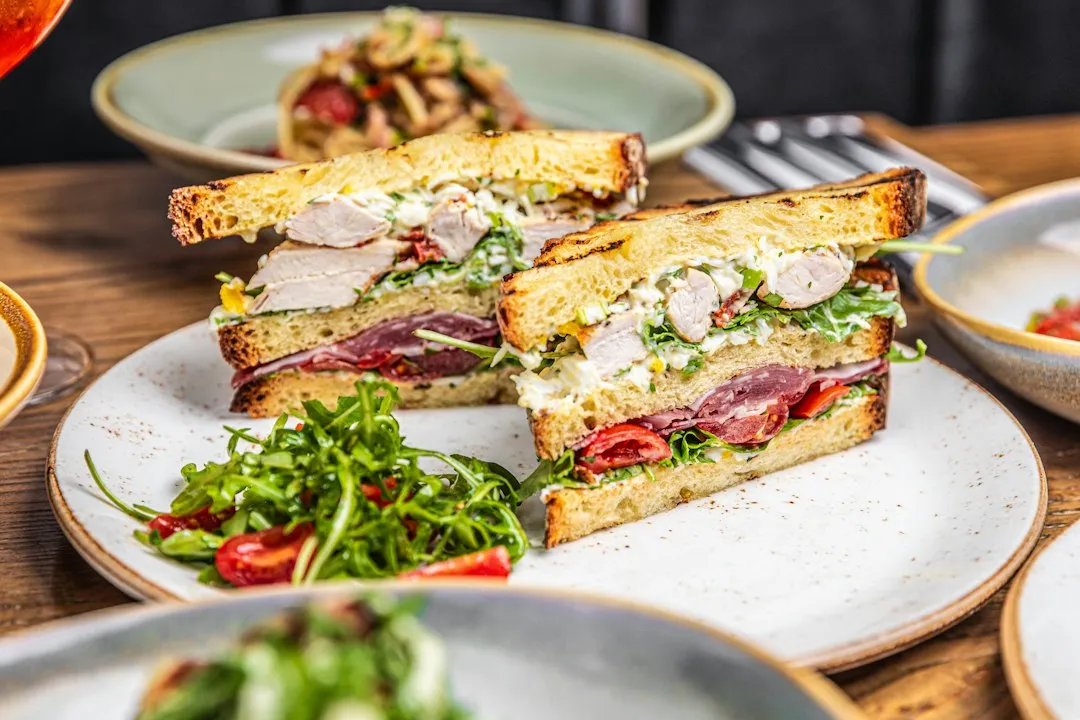
Consistently ranked among the best airport restaurants in the world, One Flew South blends Southern flavors with global influences, and is located in Terminal C at Atlanta Hartsfield-Jackson. The duck confit sandwich, in particular, has become something of a cult item among frequent flyers routed through Atlanta.
The duck confit sandwich at One Flew South is regularly cited alongside destinations like Jean-Georges’ mid-century menu at JFK’s TWA Hotel and the Cajun-style seafood in Dallas as a dish genuinely worth planning a layover around. For a restaurant that exists inside one of the world’s busiest transit hubs, that kind of reputation is remarkable.
5. The Bronze Pizza at O’Hare – A James Beard Chef Takes on the Terminal Slice
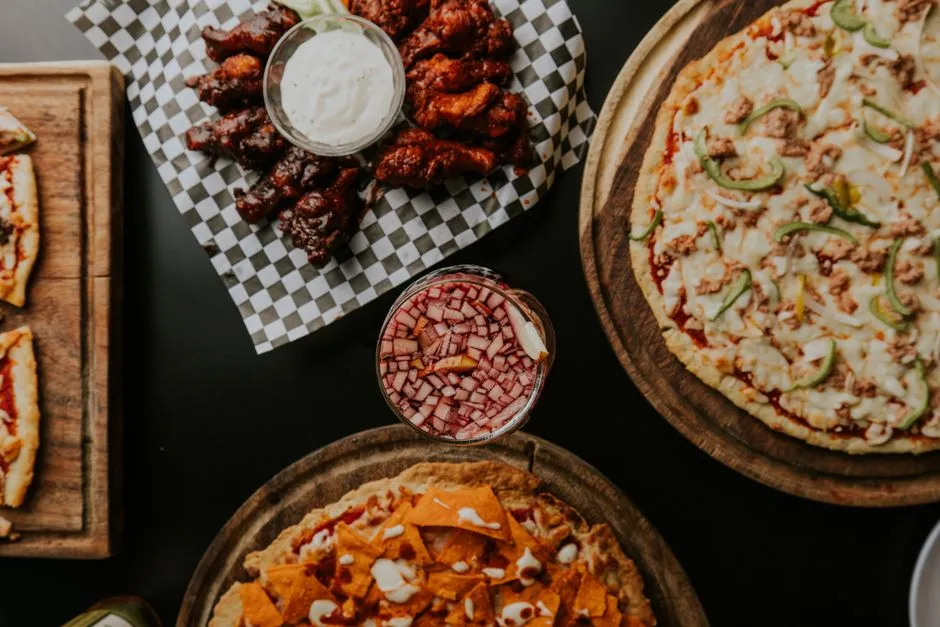
O’Hare’s pizza game got an upgrade in 2025 with The Bronze Pizza, a fresh concept from local celebrity chef Erick Williams, who took home a James Beard Award for Best Chef: Great Lakes. The concept features hand-crafted pizza made with thoughtfully sourced ingredients. Williams brings a fine-dining sensibility to a format most people associate with quick, forgettable meals.
Since 2023, the James Beard Foundation has partnered with O’Hare to bring pop-up food festivals to some of its terminals, and in 2024, new restaurants arrived in Terminal 5, offering even more options for travelers. The Bronze Pizza is very much a product of that momentum.
6. Le Café Cyril Lignac at Heathrow Terminal 2 – The Croque Monsieur Worth a Detour

Le Café Cyril Lignac opened at Heathrow Terminal 2 and adjoins a Louis Vuitton store. The menu is by French chef Cyril Lignac, also behind Bar des Prés in Mayfair, and it offers an all-day menu of both pastries and sit-down food. It is the first collaboration between LVMH and a celebrated French chef in an airport setting.
His croque monsieur, available with or without truffles, and a Caesar salad embellished with smoked chicken and gluten-free croutons are among the standout offerings, along with Lignac’s famous pastries. Around the same period, Heathrow Terminal 5 was named one of the best aviation spots on the planet for food and drinks by Food & Wine.
7. Uptown Brasserie at JFK – Marcus Samuelsson’s Fried Chicken Takes Flight
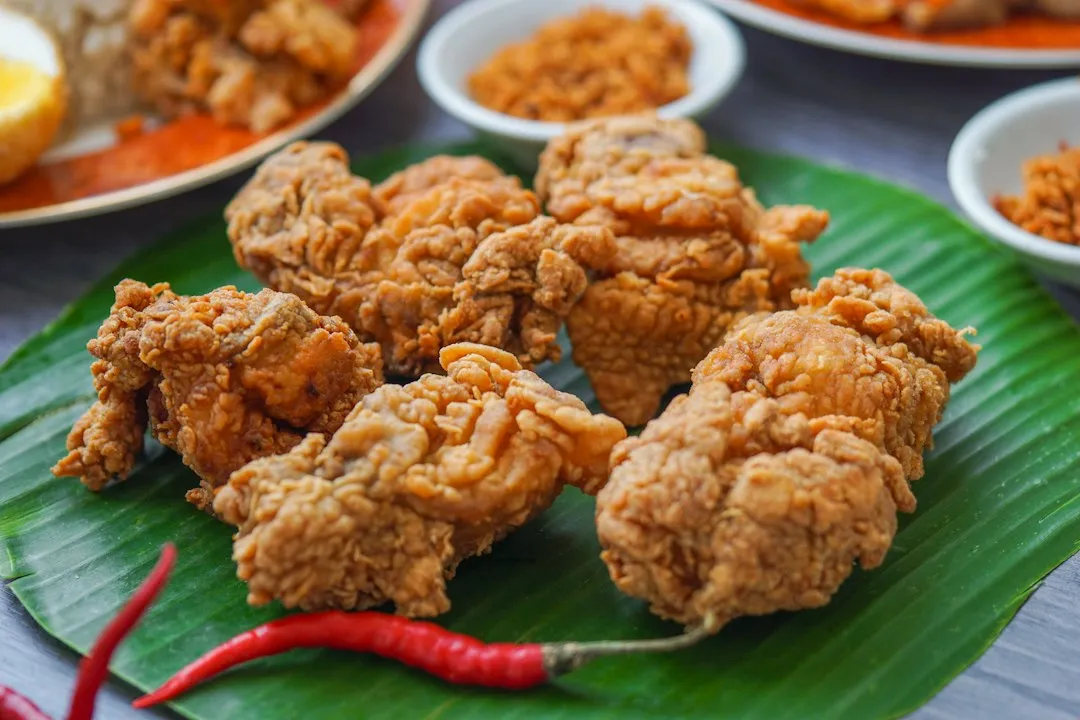
Uptown Brasserie, Marcus Samuelsson’s outpost in JFK’s Terminal 4, is a welcome break from the usual chaos of the airport. Samuelsson’s signature Ethiopian-inspired soul food is satisfying and truly crowd-pleasing while being intriguing enough to draw in more adventurous diners.
The menu is a healthy mix of soulful classics like Samuelsson’s signature fried chicken, the yardbird, as well as lighter options for the more health-conscious traveler, like a nourishing salad made with soba noodles and salmon. It’s a kitchen with a genuine point of view, which is rarer in an airport than it should be.
8. Air France La Première Lounge at CDG – Michelin Cooking at 30,000 Feet Per Minute
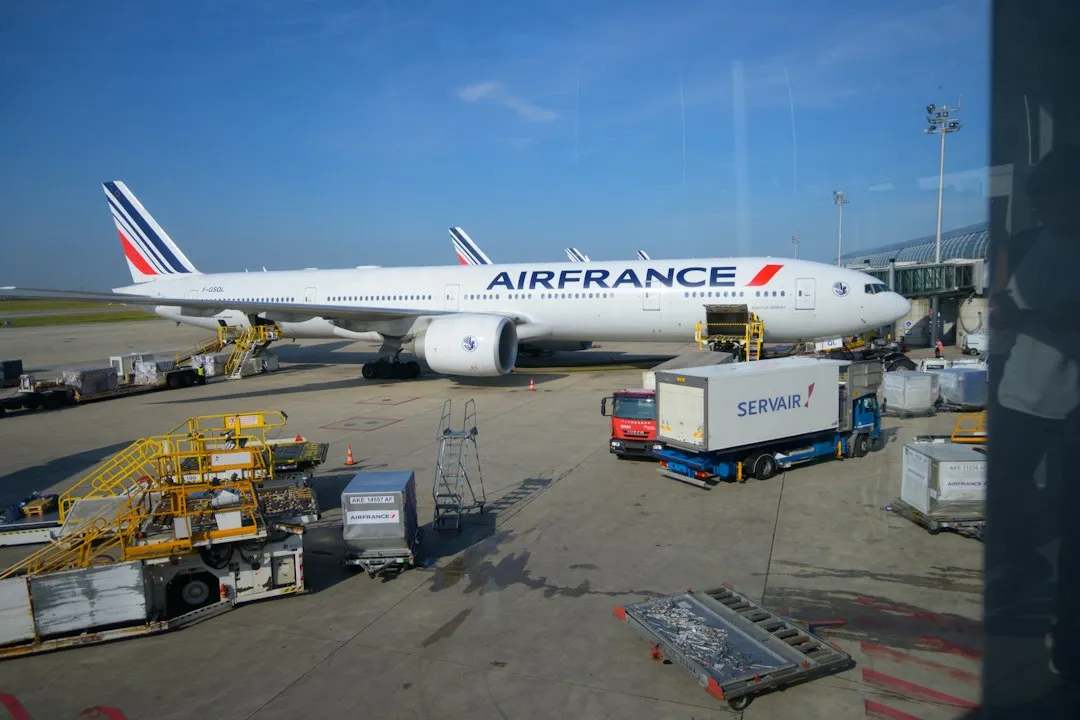
In December 2024, chef Emmanuel Renaut, a holder of three Michelin stars, offered a winter menu at Air France’s La Première Lounge at Charles de Gaulle featuring a Beaufort PDO soufflé with mushroom and truffle cream, foie gras paired with salsify, blueberry and onion chutney, and mains like polenta with wild mushrooms and spinach or scallop quenelle in cream sauce with root vegetables.
A few months earlier, in October 2024, chef Jérôme Banctel presented dishes such as chicken with buttermilk sauce, buckwheat risotto, and haddock with spiced carrot sauce. Meals are served on elegant tableware designed by Jean-Marie Massaud, including Limoges porcelain plates by Bernardaud, beveled glassware, and Christofle cutlery. Few other airports come close to this level of formal dining ambition.
9. Chickie’s & Pete’s at Philadelphia Airport – The Crabfries That Built a Legend
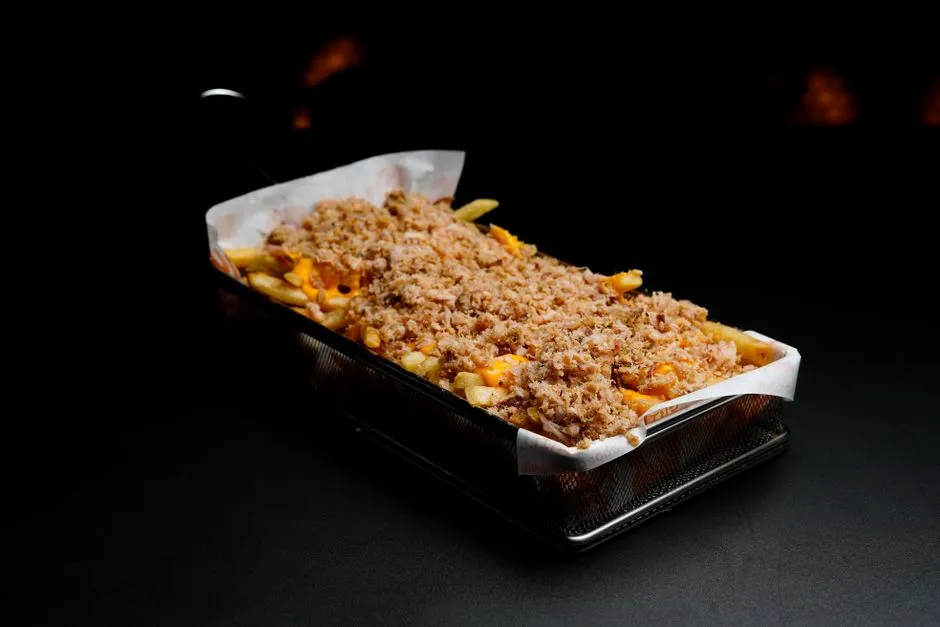
With four locations inside the airport, Chickie’s & Pete’s is easy to find between connecting flights. This Philadelphia staple has been around since the 1970s and is known for its famous Crabfries and Chickie’s Cutlets. The Crabfries are genuinely hard to describe to someone who hasn’t had them – a seasoned fry with a proprietary crab spice blend and a side of warm cheese sauce that regulars treat as near-sacred.
Research found that only two percent of people never eat or drink at the airport, while 64 percent prioritize dining as part of their airport experience. At PHL, a very large number of those people are heading directly to Chickie’s for those fries.
10. The Salt Lick BBQ at Austin-Bergstrom – Texas Smoke Signals Before Takeoff
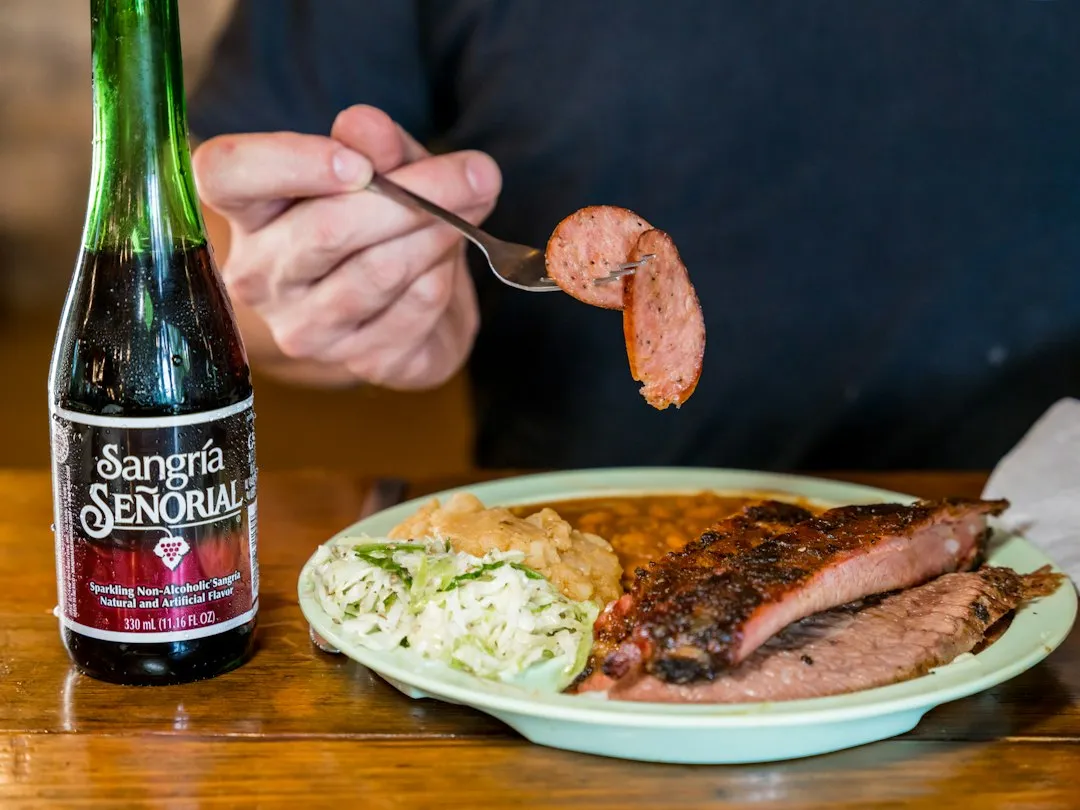
Prices max out at around $26 for the larger plates at The Salt Lick BBQ, while sandwiches are all around $22, falling comfortably within reasonable range for airport food. Bloomberg’s travel editors anointed it among the top eight airport restaurants globally in 2025.
The Salt Lick brings Central Texas barbecue tradition into the terminal with the same smoked brisket and sausage links that made its original Driftwood location a regional institution. It’s the kind of food that feels honest: no reinvention, no fusion angle, just meat and smoke done right. For travelers departing Austin, it serves as a genuinely fitting final taste of the city.
Why Airport Dining Has Changed So Much, So Quickly
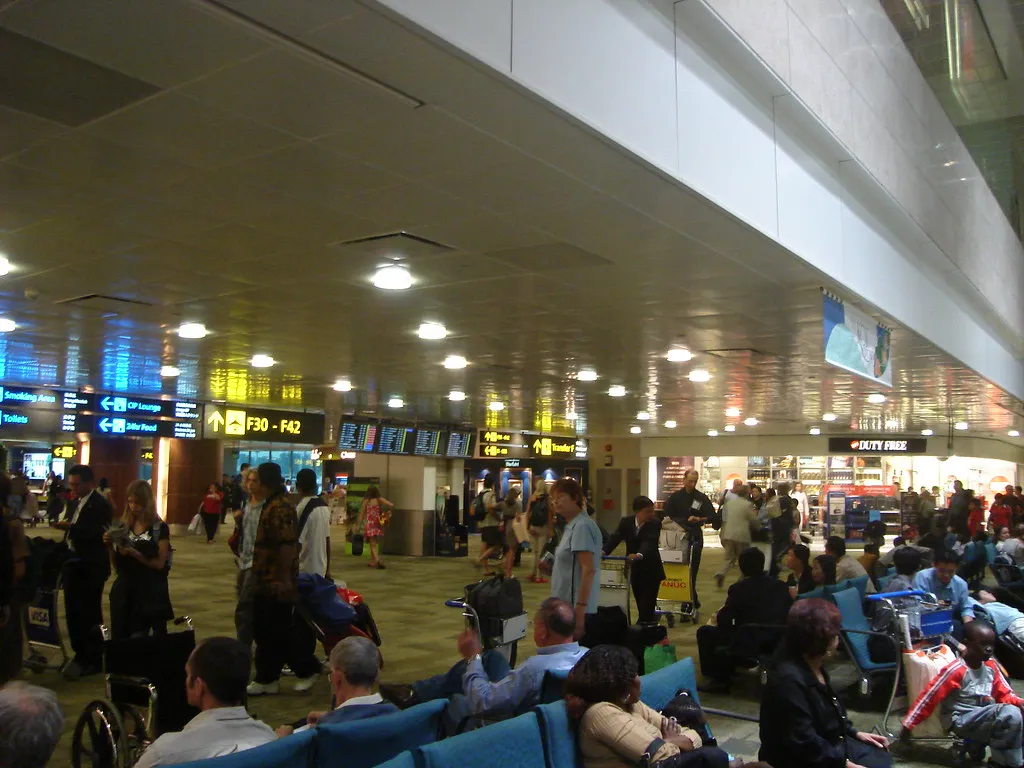
A 2024 Future Places Lab study found that more than 60 percent of Millennial and Gen Z travelers associate airport quality with its dining offer. That shift in expectations has pushed airports and concession operators to recruit chefs with genuine profiles rather than simply franchise operators willing to pay the rent.
ACI World reported that non-aeronautical activities, including dining and retail, accounted for roughly 36.7 percent of airport revenue globally in 2023 and 43 percent in the Asia-Pacific region. The financial incentive to get dining right is substantial, and airports are responding accordingly. The global airport quick service restaurant market was valued at $36.8 billion in 2024 and is estimated to grow at 4.5 percent annually through 2034.
The Bigger Picture: Terminals as Culinary Destinations
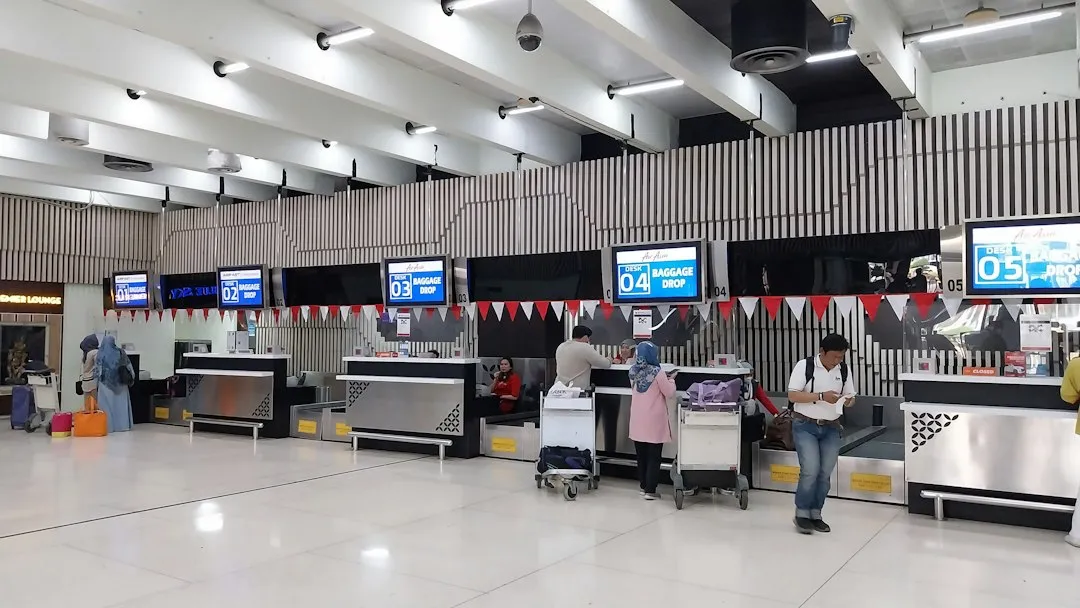
The rise in overall airport satisfaction scores was attributed by the J.D. Power survey team to “improvements in food, beverage and retail and ease of travel through the airport,” as TSA screened a record 10 million-plus travelers over a single Labor Day weekend. More travelers, more expectations, more pressure on the kitchens.
The global rise of street food reflects passengers’ growing desire for authentic and unique dining experiences, with street vendor revenue expected to grow by 12.3 percent through 2024 according to Ibis World data. Airports are capitalizing on this trend by offering passengers a taste of local culture before they even leave the terminal. That shift from generic to local is the defining story of airport dining right now.
Final Thoughts
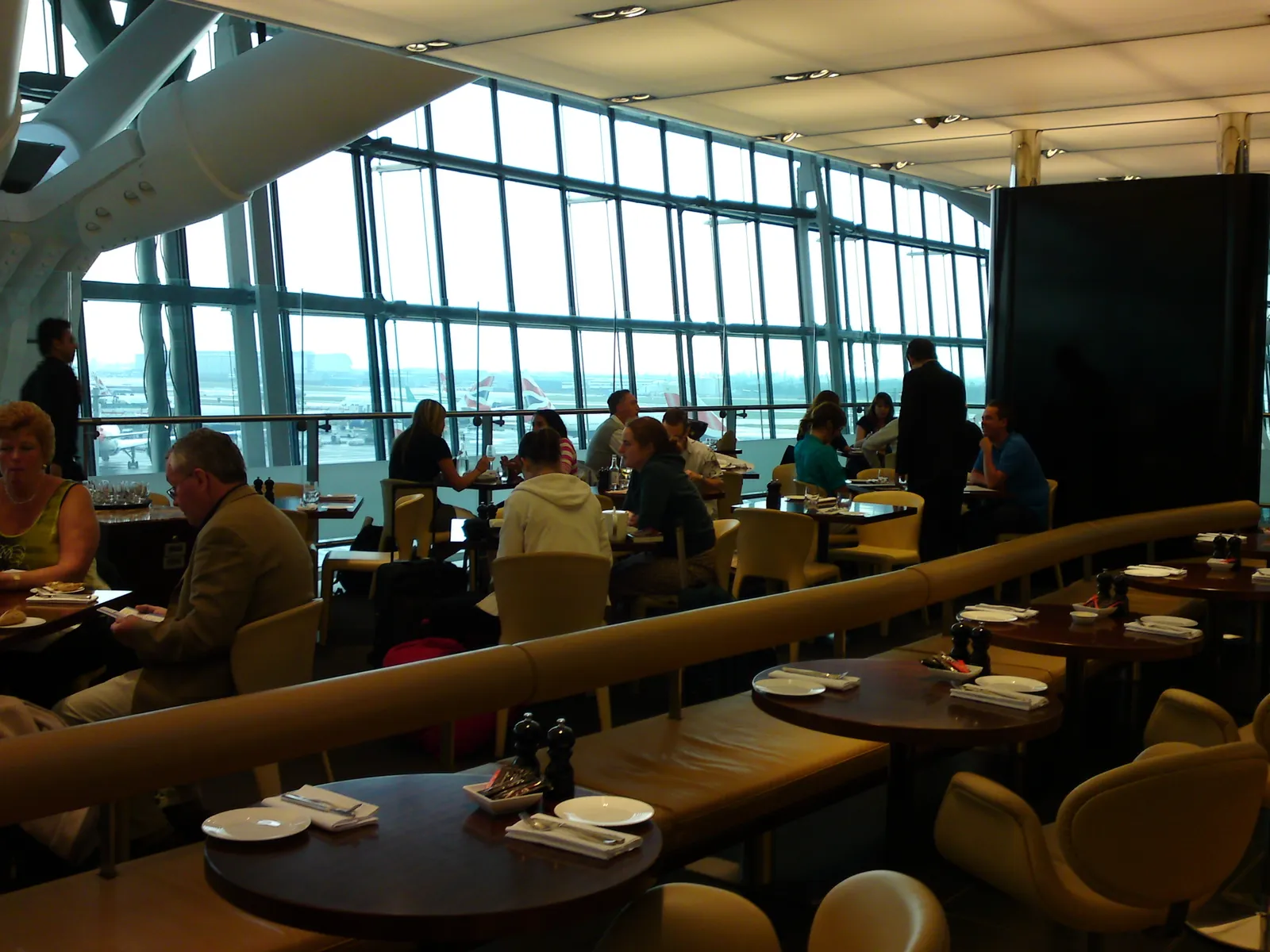
The idea that airport food is something to simply tolerate has run out of runway. The chefs and restaurants profiled here have spent real energy earning their reputations, often working under logistical constraints that would challenge any kitchen. What they’ve built in these terminals is something more than convenient: it’s food with a sense of place, a reason to slow down before the gate, and occasionally, a reason to arrive a little earlier than strictly necessary.
The best terminal dish isn’t always the most elaborate one. Sometimes it’s a perfectly smoked brisket in Austin, a croque monsieur with truffles in London, or a pork belly taco at LAX that makes you rethink what airport eating can be. The only real requirement is that you show up hungry.
AI Disclaimer: This article was created with the assistance of AI tools and reviewed by a human editor.