

Long-haul flights with children are one of those experiences that can feel both wonderfully exciting and quietly terrifying before they even begin. The cabin door closes, and suddenly you’re responsible for keeping a small human content in a space roughly the size of a walk-in closet, for hours on end, 35,000 feet above the ground.
The good news is that a thoughtfully packed activity bag can genuinely change the tone of the whole journey. Not just for your child, but for everyone around you too. This guide walks through exactly what to pack, how to pack it, and why the strategy behind the bag matters just as much as what’s inside it.
Why a Dedicated Activity Bag Changes Everything
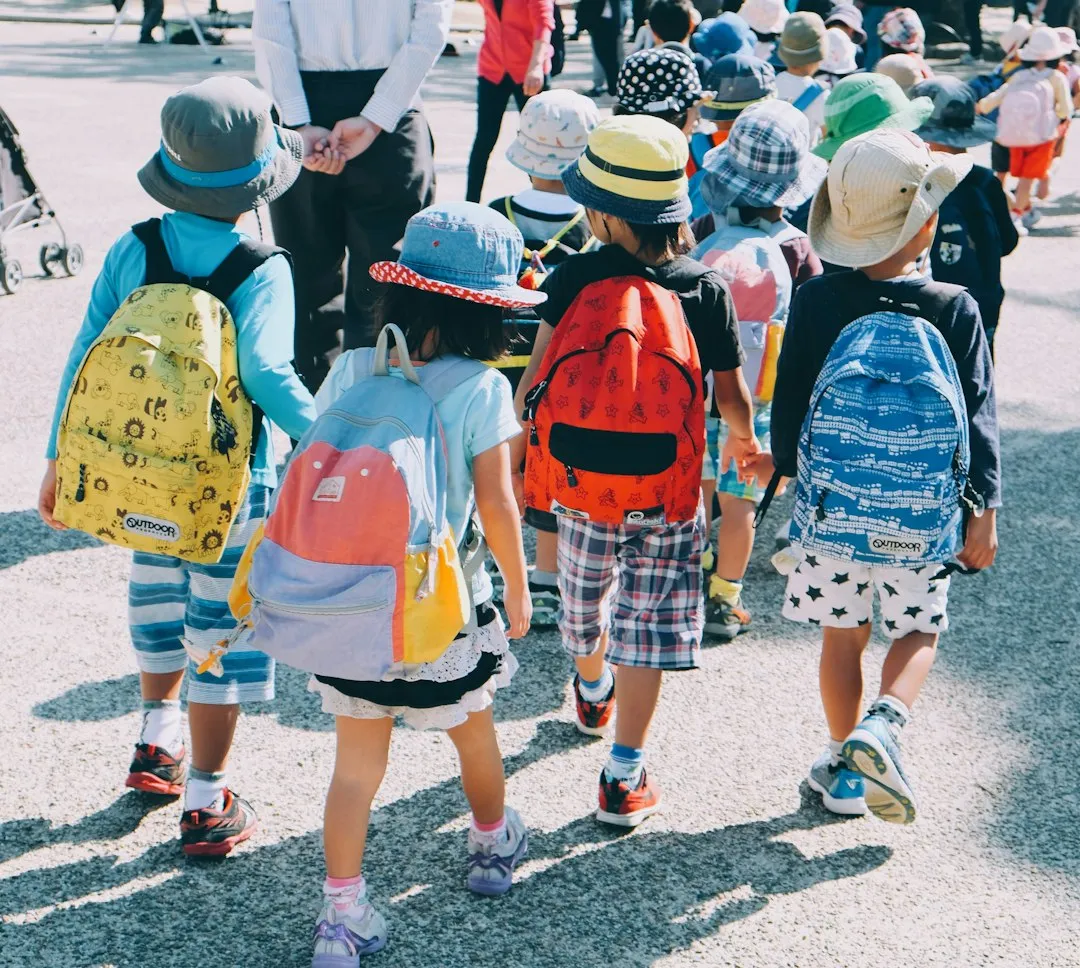
Giving your child their own travel bag turns it into something of a treasure chest of their favorite things, helping them feel ownership over the journey from the start. That small shift in framing makes a real difference. A child who feels involved is a child who’s already more settled.
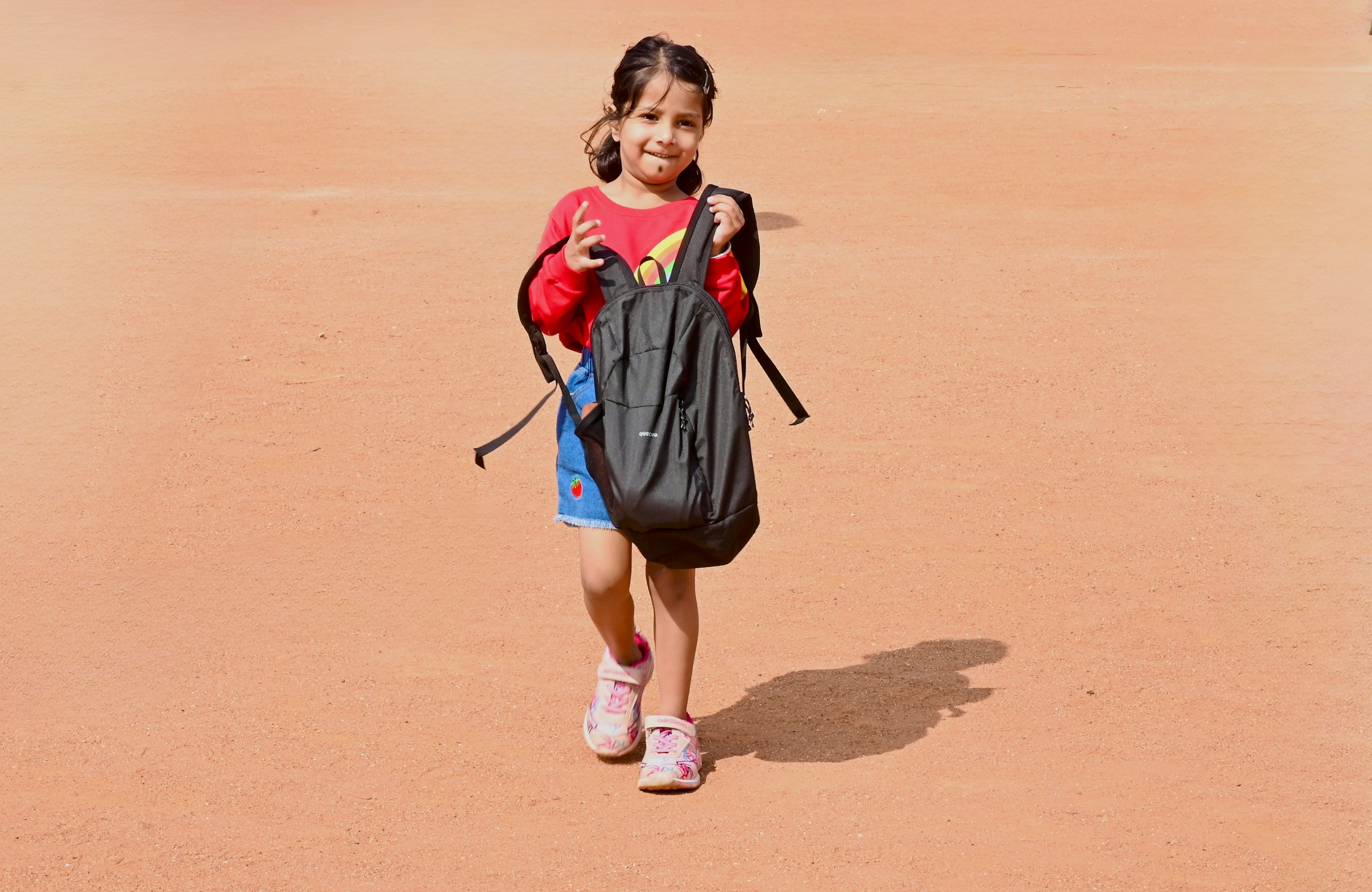
Children from around three and a half to four years old are quite ready to carry their own small, light backpack with a favorite soft toy, a couple of snacks, and one or two games inside. The child gains a sense of responsibility, and your bag gets lighter. It’s a practical win on both sides of the aisle.
The Rotation Strategy: One Activity at a Time
Keeping kids entertained on a plane is easier when you bring a mix of simple activities like drawing, sticker books, snacks, and printable travel games. Rotating activities during the flight helps prevent boredom, especially on long flights with toddlers and young children.
For a long flight, a useful guideline is to plan roughly one activity per hour of wakefulness. If a flight lasts eight hours and the child sleeps for three of them, you’ll need around five or six new activities. Packing them in wrapping paper prolongs the suspense, and it’s worth waiting until the current activity has run its course before introducing something new.
The Power of the Surprise Mid-Flight Item
Keeping one special activity hidden until mid-flight is one of the most consistently useful tips seasoned family travelers share. When boredom peaks, you pull it out, and that surprise can genuinely save the last hour. Think of it as your emergency card, played at exactly the right moment.
For long-haul flights over five hours, packing a mix of screen-free activities alongside tablets with pre-downloaded shows, headphones, and small surprise toys to present mid-flight provides that much-needed morale boost. The surprise toy doesn’t need to be elaborate. Sometimes a tiny figurine or a novelty sticker sheet is more than enough.
Sticker Books and Drawing Supplies: The Underrated Essentials

Beyond electronics, letting each child bring a workbook, activity book, sticker book, or coloring book gives them meaningful screen-free time. Older children tend to enjoy a paperback book or a notebook as well. These items are lightweight, produce zero noise, and require zero batteries.
Sticker books in particular are a strong choice for younger children. They are quiet, often reusable, and packing a few new ones ensures fresh engagement throughout the journey. Reusable sticker books, where nothing gets permanently stuck, are especially practical in a confined space with limited cleanup options.
Mess-Free Craft Options Worth Packing
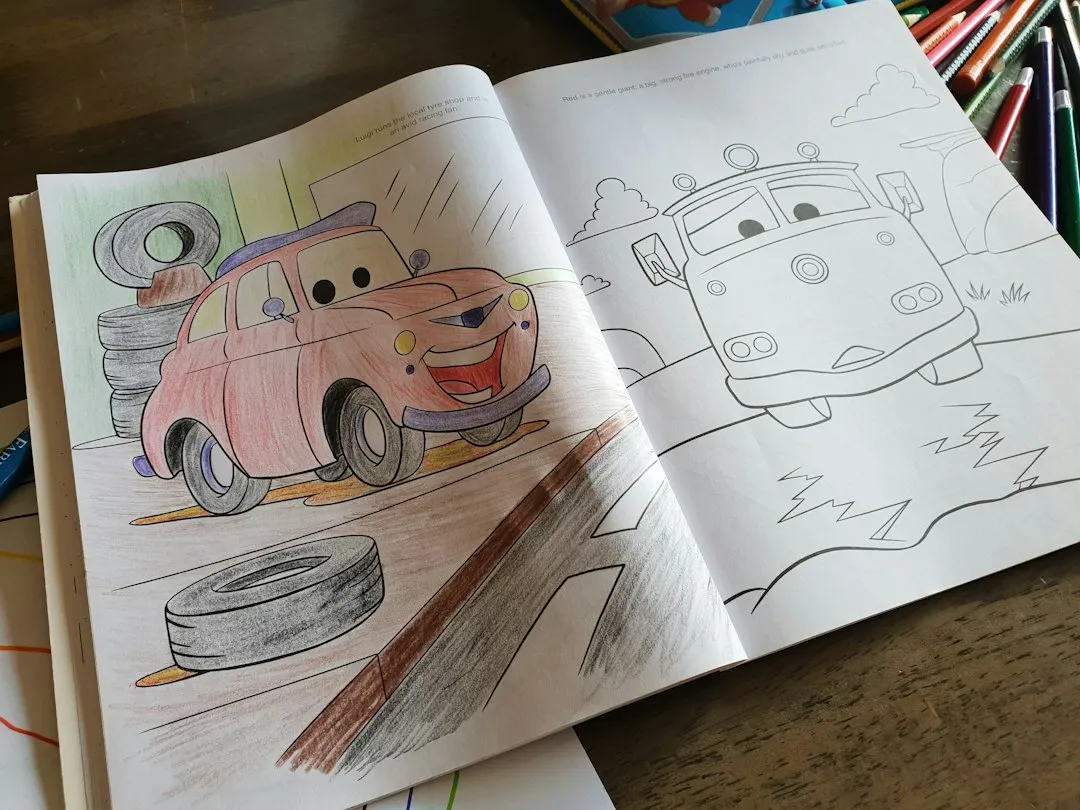
Mess-free coloring books like the Water WOW! versions by Melissa and Doug are a particularly smart choice. You simply fill the pen with water and colors appear on the page. When the pages dry, they’re ready to use again, and there’s no worry about wipes or cleanup on a tray table.
Other strong options in this category include water coloring books, wax sticks, magnetic construction tins, books with reusable stickers, and seek-and-find toys. These tend to engage children quietly and with genuine focus, which is exactly what you need at 30,000 feet.
Age-Appropriate Packing: Getting the Match Right
Toddlers between one and three tend to love busy boards with zippers, buttons, and Velcro. Small puzzles with large pieces work well, though sets with many loose parts are best avoided, as they tend to end up on the floor.
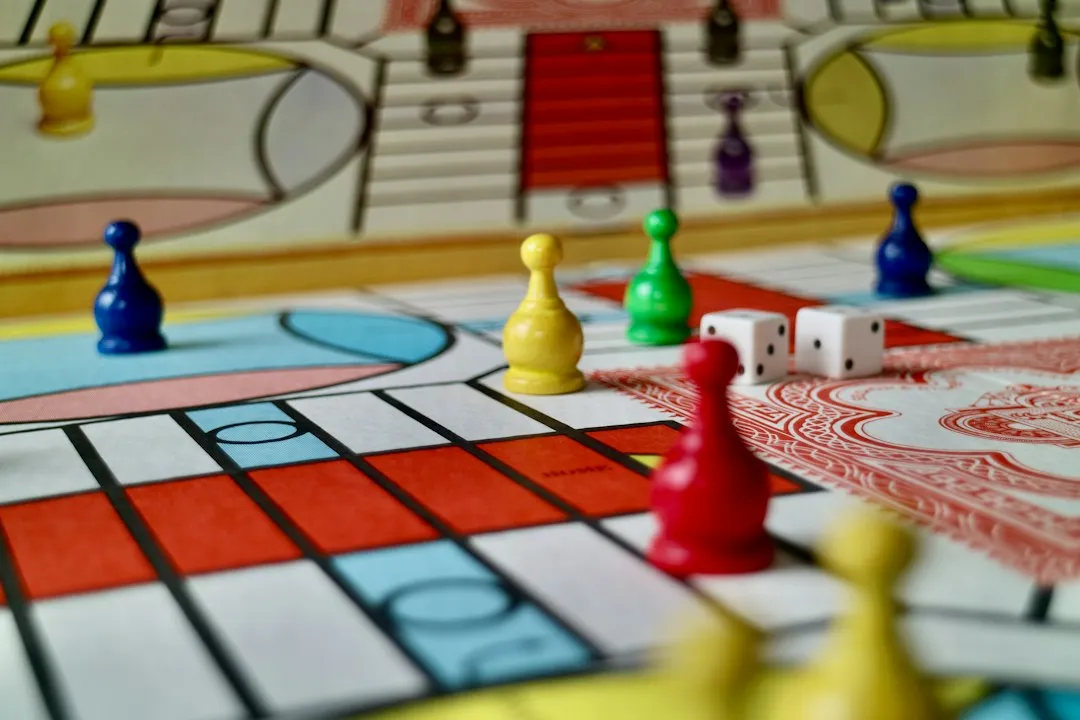
School-age children from around six to ten years old have longer attention spans, and handheld games like a Nintendo Switch work well, though setting time limits before the flight begins is wise. A deck of cards or compact travel board games makes for great backup entertainment. Cards especially take up almost no space and can support a surprising variety of games depending on the child’s age.
The Screen Question: Balance Over Guilt
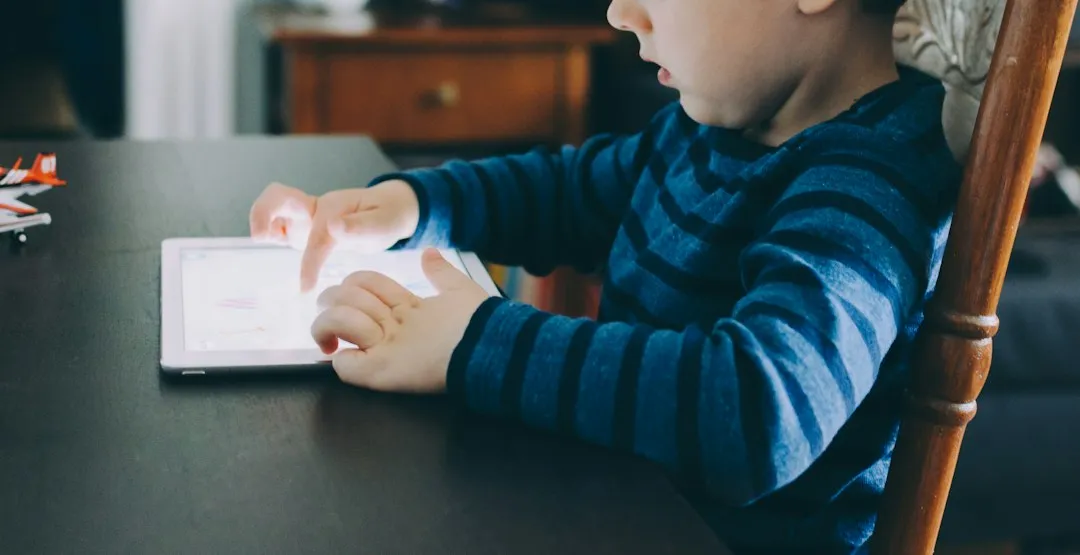
A 2025 meta-analysis published in JAMA Network Open examined 45 studies covering more than 335,000 children and found that each additional hour of daily screen time was associated with a notably increased risk of myopia, with the effect being strongest in children aged two to seven. This doesn’t mean screens are off the table on a long flight, but it does reinforce the value of screen-free options as the primary strategy.
The American Academy of Pediatrics advises that for children aged two to five, screen time should be limited and, where possible, replaced with interactive play involving caregivers. Researcher Dimitri Christakis has found that passive screen exposure, particularly without adult co-viewing, offers significantly less cognitive benefit than hands-on, language-rich play. A mix of both, rather than all-or-nothing thinking, tends to work best on longer journeys.
Snacks as Strategy, Not Just Fuel
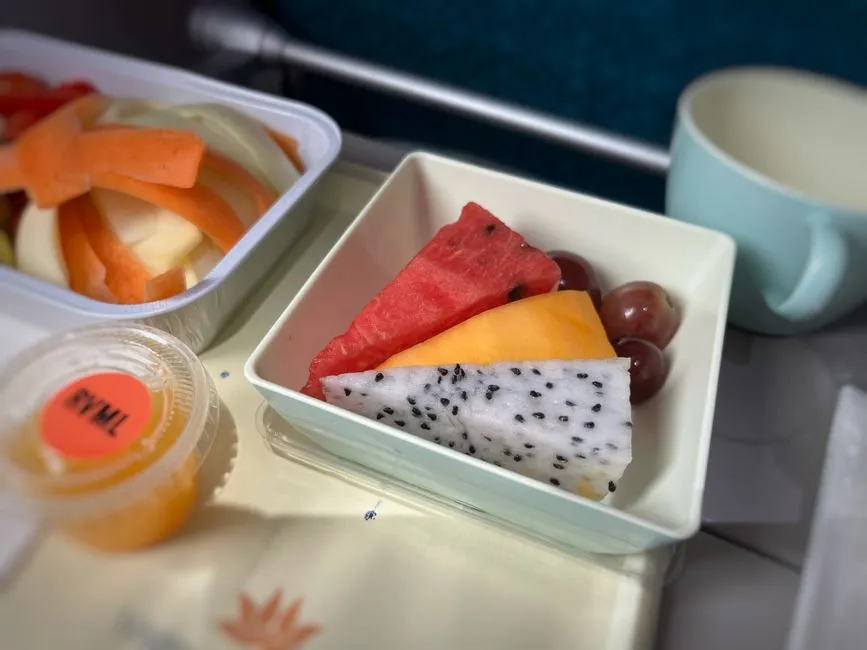
Letting each child pick their own bag of candy for the flight makes the journey feel special rather than just a means to an end. Gum and lollipops during takeoff and landing can help with ear pressure, and mints can settle mild nausea.
Snacks also serve a surprisingly useful role in pacing the flight. Introducing a new snack at a moment of restlessness redirects energy gently, without requiring any adult performance. Treat snack time as an activity in its own right, something to look forward to rather than something that just happens.
Organization Inside the Bag: Why It Matters
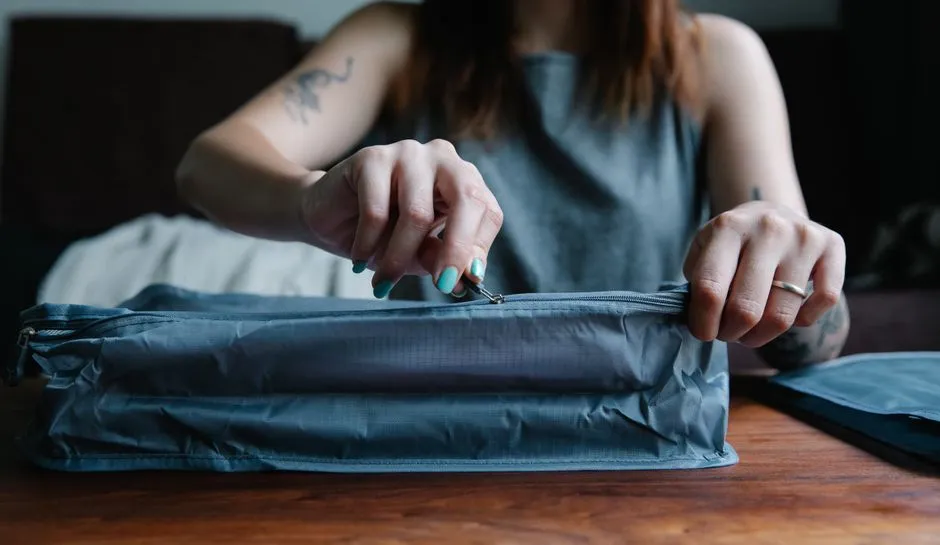
Organizing your child’s airplane activities in individual zippered mesh bags is genuinely helpful, so you aren’t digging through the main bag during the flight. This sounds like a small thing, but when you’re in a middle seat with a restless four-year-old, not having to excavate the bag for a crayon makes a real difference.
Letting your child help pick one special item for the bag helps them feel more involved and builds genuine excitement about it. That buy-in matters. A child who chose their special coloring book is far more likely to engage with it than one who was handed something by a parent midway through a flight.
The Social Dimension: What Fellow Passengers Notice

According to a YouGov survey conducted across eighteen international markets, the proportion of respondents who find loud and noisy children above the age of four unacceptable on flights is roughly double the proportion who feel the same about crying babies. This isn’t a reason to feel anxious as a traveling parent, but it is useful context. A well-prepared activity bag genuinely reduces the moments that tip a tired child toward restlessness.
The goal isn’t perfection. Children will still be children. The bag is simply a way of giving them enough engaging material that quiet, focused stretches become possible, and those moments add up over a long flight into something that feels manageable for everyone involved.
Parental Presence: The Item That Can’t Be Packed
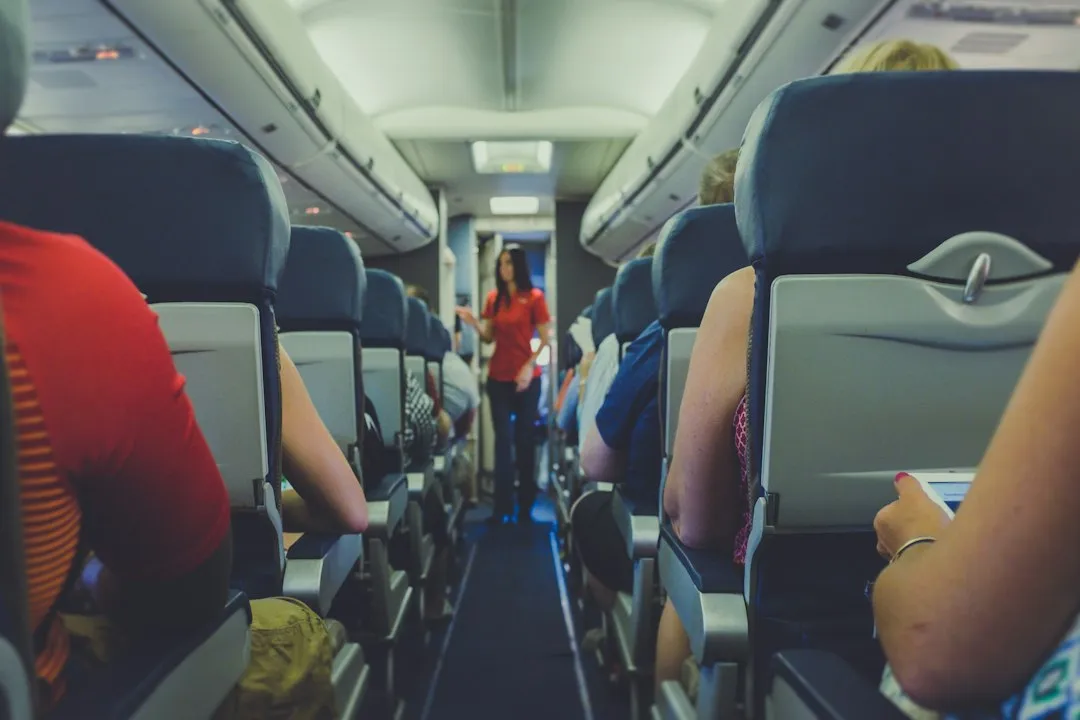
Research has shown that interactive engagement with parents on flights is more effective than toys alone at keeping young children settled and calm. The activity bag is a tool, not a replacement. Your presence, your attention, and your willingness to sit and draw alongside your child or tell a quiet story will always outperform the most expensive toy in the bag.
Coloring together with your child makes the activity more meaningful and they are more likely to stay engaged longer. Child development specialists describe this kind of shared focus as “shared attention,” and it’s one of the most beneficial things a caregiver can offer during travel. The bag holds the supplies. You provide the connection.
A Few Final Packing Principles
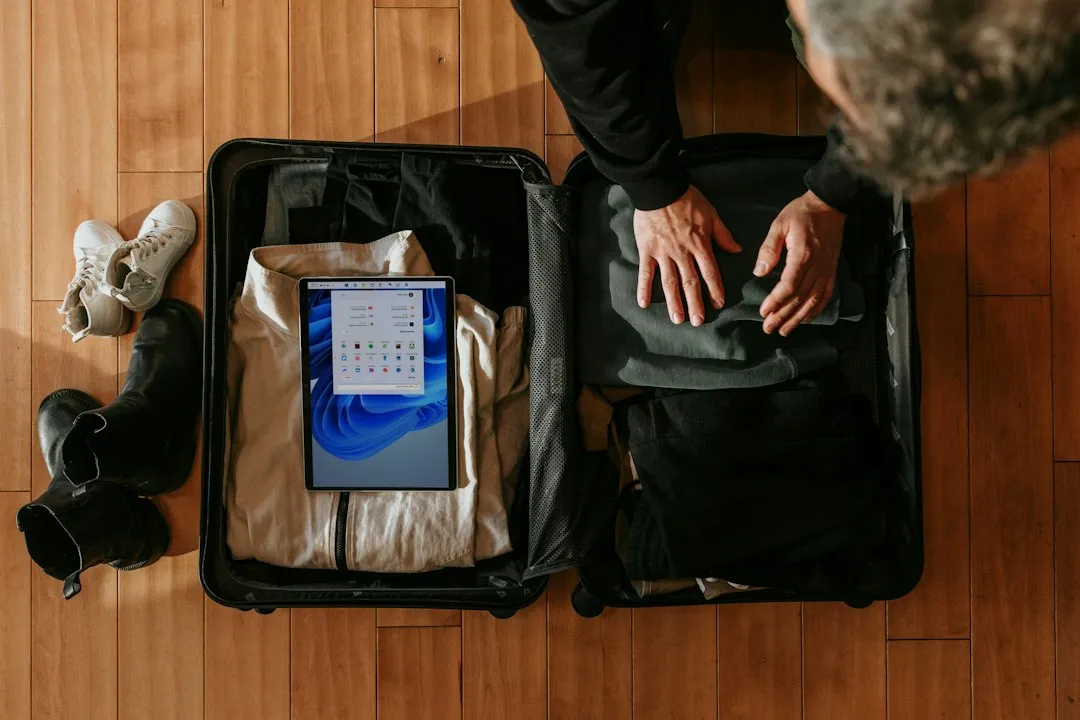
Keep the bag accessible, not buried in the overhead compartment. Prioritize items that are quiet, low-mess, and age-matched. Wrap a few items as small surprise gifts. And resist the temptation to pack too much. If the bag is overloaded, there’s a good chance you’ll end up carrying it yourself.
A long flight with children will always ask something of you as a parent. But with a well-considered activity bag, the asking gets a little lighter, and the journey becomes something your child might actually remember with a smile rather than a complaint. That, on balance, is worth the extra hour of preparation at home.
AI Disclaimer: This article was created with the assistance of AI tools and reviewed by a human editor.