
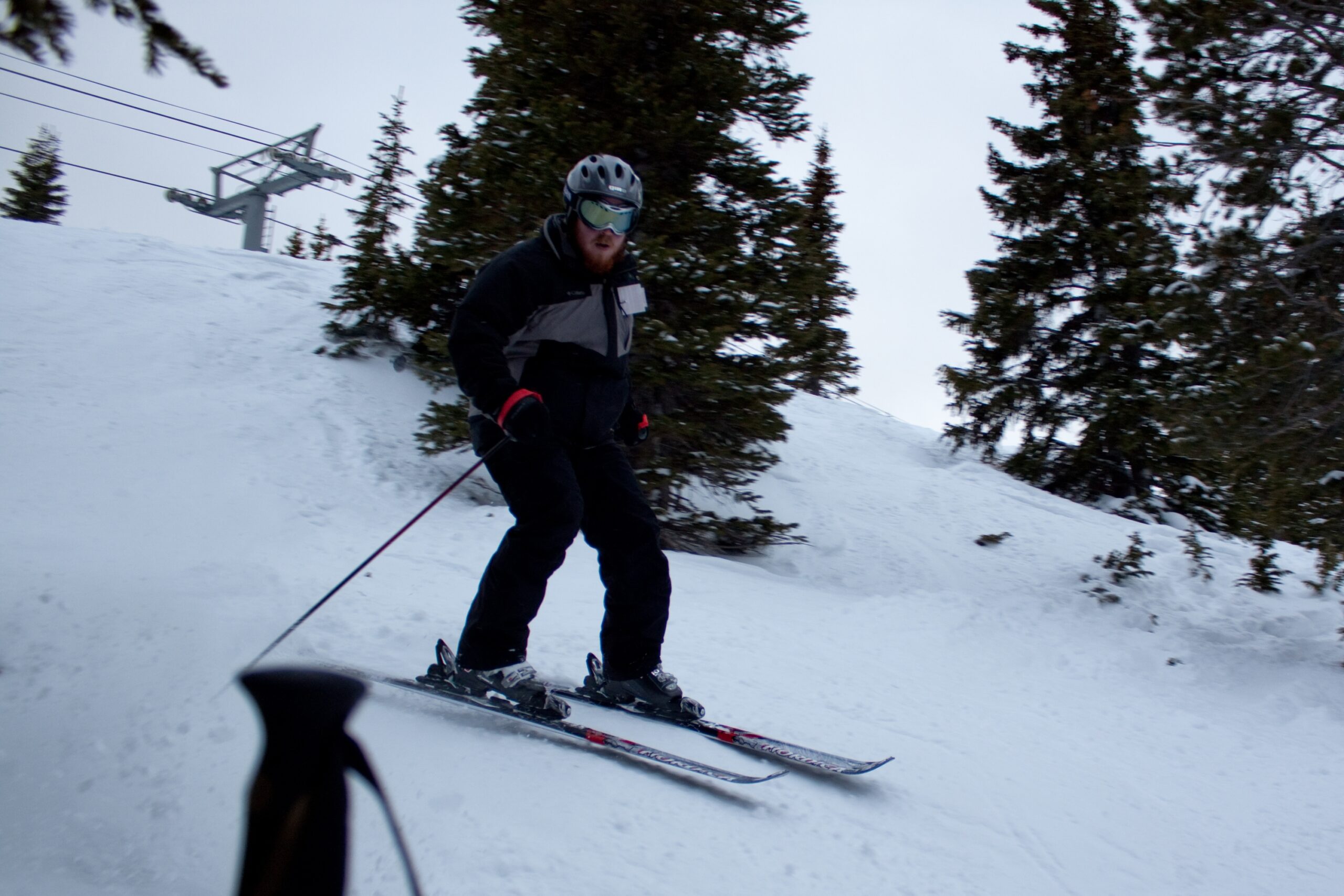

1. A Proper Layering System (Not Just a Warm Jacket)
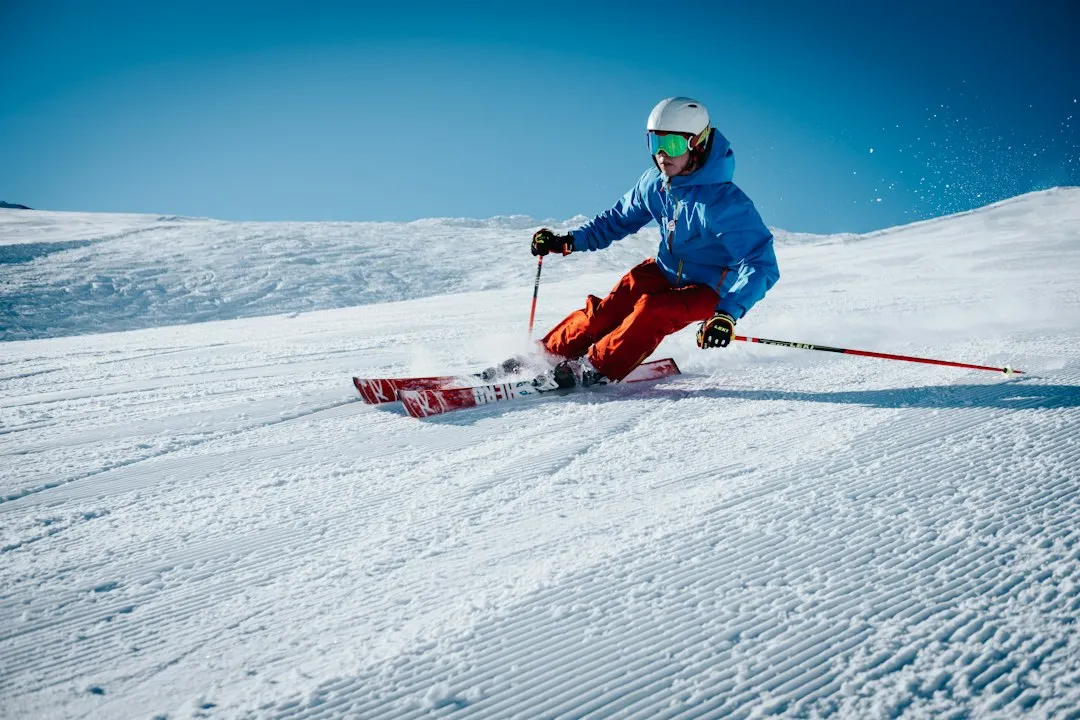
Showing up to the slopes in a heavy winter coat and a cotton sweatshirt is one of the most common beginner mistakes out there. A solid ski kit works in three layers: the base layer that moves sweat away from your skin, the mid layer that traps warmth but can be removed when you heat up, and the outer shell that blocks wind and snow.
A good base layer should wick moisture, dry quickly, and stay warm without bulk. Merino wool and technical synthetics are the go-to choices. Cotton is not an option on the mountain. Once cotton gets wet from sweat or snow, it stays wet and pulls heat directly from your body.
Start with a moisture-wicking base layer since you’re sweating even on the coldest days, and staying dry is the key to staying warm. Your mid layer is your second line of defense, so bring options when traveling to colder zones. A fleece or lightweight down jacket works well as that second layer, and it can double as après or hangout gear once you’re off the mountain.
For a typical five to seven day ski holiday, you’re looking at around two to three sets of base layers, a couple of mid layers, and one good jacket and pair of trousers. That’s less than most people pack, and it fits easily if you’re intentional about it.
2. Ski Goggles with the Right Lens for Changing Conditions
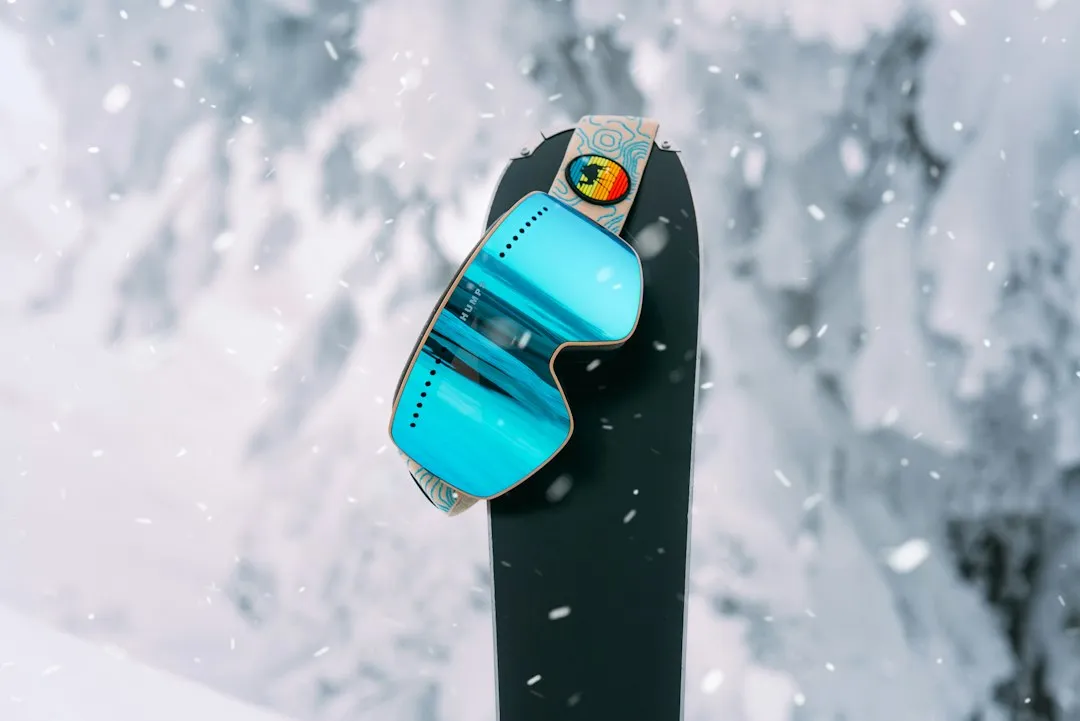
Not just for fashion, ski goggles will help make your day more comfortable and safer. On the mountain, light conditions change fast. A bright morning can flip to flat, overcast visibility by noon, and the lens you chose at the base lodge may be working against you by mid-afternoon.
Bright, sunny days require dark lenses with high VLT (visible light transmission), while overcast or snowy conditions need lighter lenses that increase contrast. Goggles with quick-change lenses are a convenient solution. Many reputable goggle brands now make magnetic lens systems that let you swap lenses in seconds without removing your gloves.
There’s also the safety side to consider, and it goes beyond just seeing the terrain clearly. Up to ninety percent of the sun’s ultraviolet rays can bounce off the brilliant white snow surface back into your eyes. This means skiers and snowboarders are at a greater risk for snow blindness, corneal sunburn, eye cancers, and macular degeneration. Long-term overexposure to UV radiation has also been linked to an increase in the incidence of developing cataracts.
Use lenses that are polarized with a UV400 rating, which filters out 99.9% of harmful UVA and UVB rays. That’s the standard worth shopping for, not just any tinted lens from a discount bin.
3. Waterproof Gloves or Mittens (and a Backup Pair)
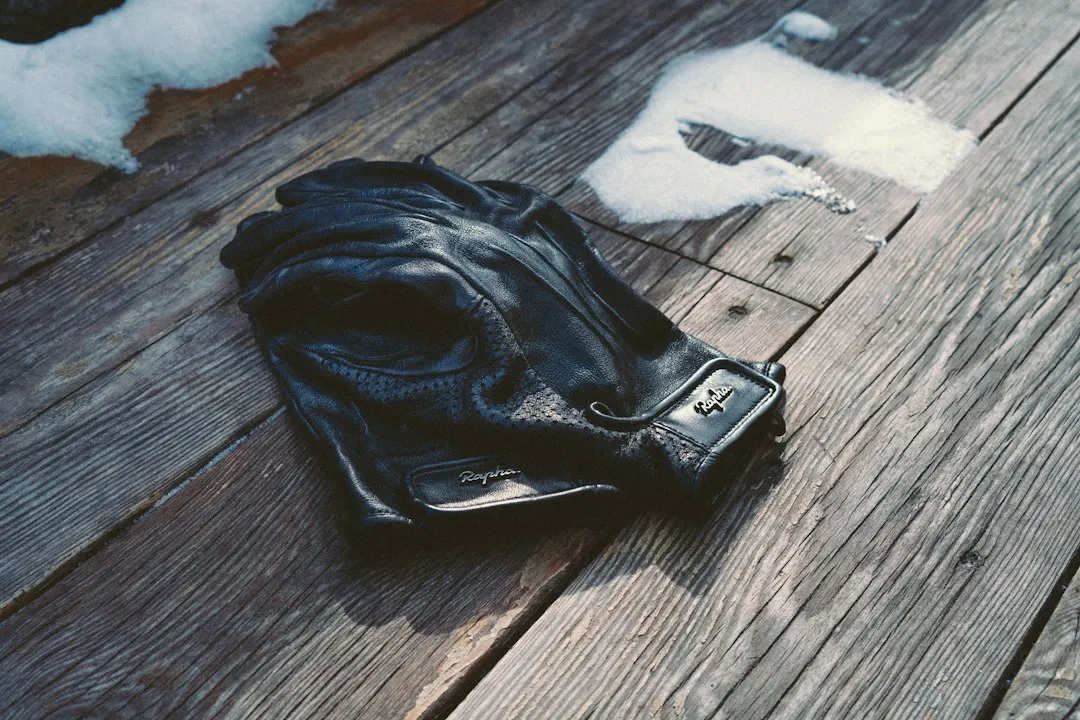
Plan on wearing mittens since they’re much warmer. Pack a pair of gloves too. Whatever you do, choose something that’s both warm and waterproof. The difference between a great ski day and a miserable one often comes down to whether your hands stayed dry.
Most gloves and mittens in the lower price range will last just one season before the waterproofing is gone and your hands are freezing. It’s genuinely worth spending more on a pair that will hold up across multiple seasons, especially if you ski more than a few days per year.
Consider bringing a backup pair. Wet gloves on day two of a five-day trip can quietly ruin the rest of the holiday. Waterproof gloves provide effective protection against cold and damp, and for even greater comfort, ultra-thin liner gloves in silk or synthetic fabric add an extra layer of insulation. The two-layer approach, a thin liner under a thick waterproof outer shell, gives you flexibility for both bitterly cold mornings and warmer spring afternoons.
4. Broad-Spectrum Sunscreen, Reapplied All Day
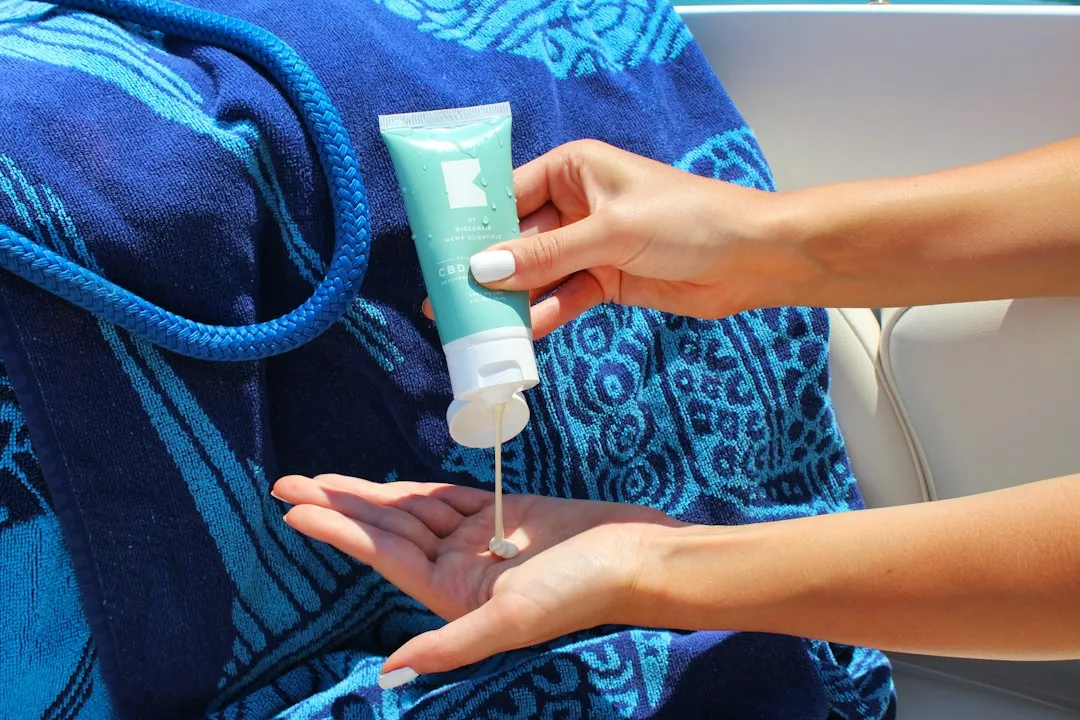
This one surprises people every single season. Cold air, grey skies, and the general feeling of a winter mountain tend to create a false sense of sun safety. The science says otherwise. One of the biggest misconceptions is that cold weather and overcast skies provide protection from harmful UV rays. In fact, UV radiation can be even more intense at higher altitudes, with every 1,000 feet of elevation gain resulting in a four to five percent increase in UV intensity. Additionally, snow reflects up to 80% of UV radiation, effectively doubling your exposure to the sun.
Snow acts like a mirror, reflecting up to 90% of UV rays back at your skin. This means you’re hit from above and below. Areas typically shaded, like under your chin, inside your nostrils, and under your nose, get burned. That’s a pattern most sunbathers would never think about, but skiers experience it constantly.
Choose a broad-spectrum sunscreen with an SPF of 30 or higher, and apply it to all exposed skin at least 15 to 30 minutes before hitting the slopes. Reapply every two hours, or more frequently if you’re sweating or if you’ve been in the snow.
Pair your sunscreen with an SPF lip balm. Snow reflects UV and intensifies exposure, making lip balm with SPF and a good moisturizer for cold, dry mountain air genuine essentials, not optional extras.
5. A Lightweight Daypack, a Refillable Water Bottle, and Snacks
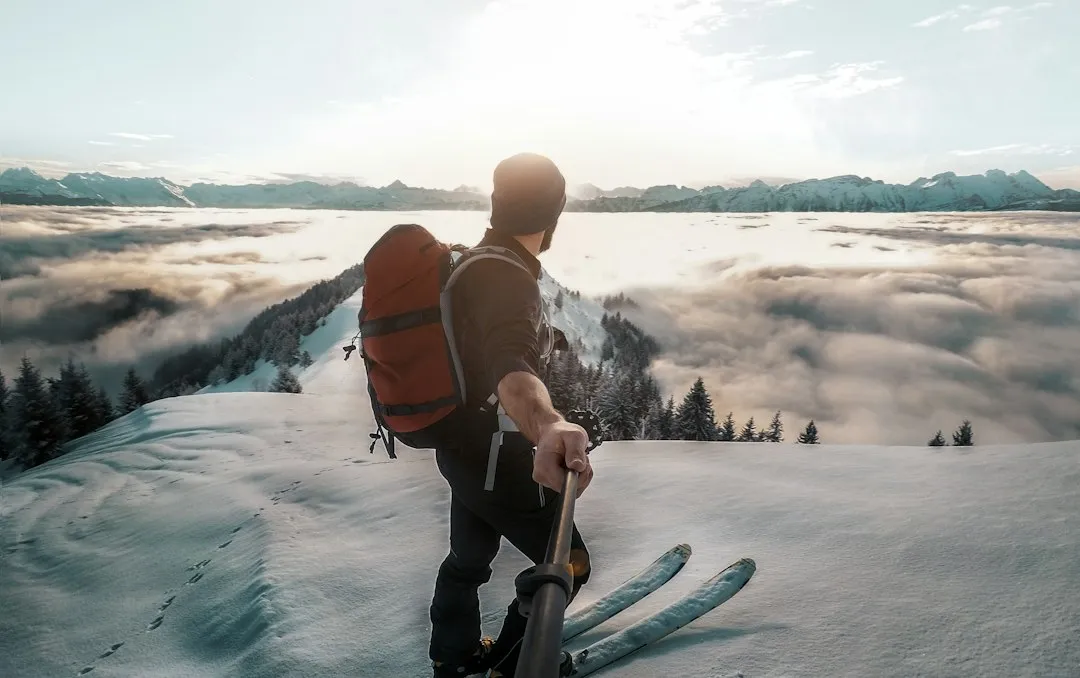
These three items tend to get lumped together because they serve the same purpose: keeping you functional and energized while you’re actually on the mountain. If you’re skiing at a resort and taking lifts and gondolas, you may want a 10 to 20-liter pack for snacks, water, and extra layers. A pack that small sits comfortably under a jacket or straps flat against your back without interfering with movement.
Hydration is something skiers genuinely underestimate. High altitude and cold, dry air both accelerate dehydration, often without the obvious thirst signals that warm-weather exercise triggers. Bringing your own food keeps the trip more budget-friendly. Resort cafeteria prices can be steep, and snacks are essential for any ski day. If you bring your own food, you can have a more budget-friendly excursion. At the very least, pack a couple of granola bars.
The daypack also doubles as storage for all the other essentials covered above: sunscreen, a goggle wipe cloth, hand warmers, your phone, and a backup pair of gloves. A small backpack is recommended, though if you don’t have one, you can store lip balm, tissues, a small foldable water bottle, and sunscreen directly in your ski jacket pockets. Most modern ski jackets are designed with exactly this in mind.
6. Wool or Synthetic Ski Socks (Never Cotton)
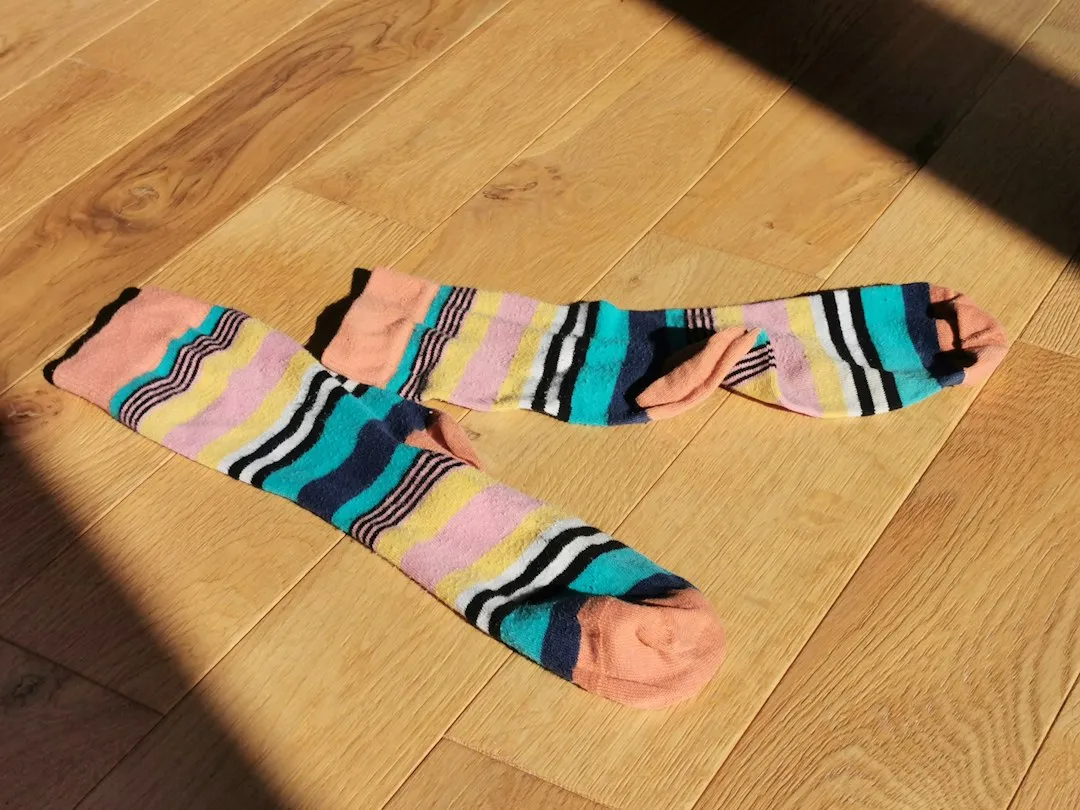
Ski socks may be the most underrated item on any packing list, yet they have a direct impact on how your boots fit and how warm your feet stay all day. Ski socks should avoid cotton entirely. Choose wool or synthetic blends instead, as these materials manage moisture and maintain warmth far more effectively than cotton alternatives.
Ski boot fit depends partly on sock thickness. Wearing the wrong socks, particularly thick casual socks or cotton athletic socks, can create pressure points, reduce blood circulation, and ultimately make an expensive boot rental feel like a punishment. Dedicated ski socks are cut longer and reinforced in specific pressure zones.
Pack more pairs of ski socks than days on snow. That’s a simple rule worth following, because a damp pair at the end of day two will need overnight drying time, and if you only brought the exact number, you’re stuck waiting. Ski or snowboard-specific socks paired with a proper base layer system are part of the foundation that keeps the whole layering strategy working.
7. A Helmet-Compatible Neck Gaiter or Balaclava
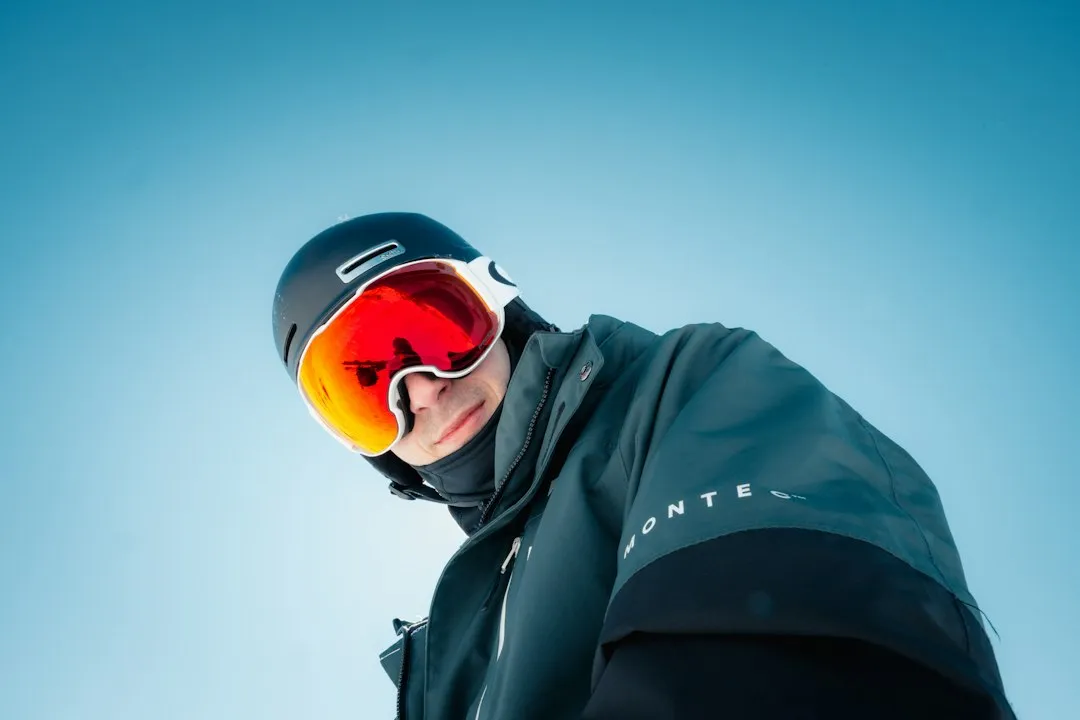
A neck warmer or gaiter is a genuine essential for a ski trip. The gap between your jacket collar and your helmet is where cold air, wind, and snow find their way in. On a calm, sunny day this barely registers. On a windy, stormy run down an exposed ridge, that gap becomes the most important few inches of fabric you own.
A balaclava covers the face and neck completely, which makes it ideal for extreme cold or high-wind days. A neck gaiter is more versatile since it can be pulled up over the chin when needed and dropped back down when conditions improve. Aiming for a moisture-wicking base layer, a warm mid layer, and a waterproof jacket on top, plus a neck gaiter or balaclava as part of the system, gives you the full coverage needed on the mountain.
Make sure whatever you buy fits comfortably under a helmet without creating bulk that shifts your helmet position. Bringing a backup neck gaiter or balaclava is worth considering alongside backup gloves, especially on multi-day trips to colder resorts.
8. Off-Mountain Footwear with Grip and Insulation
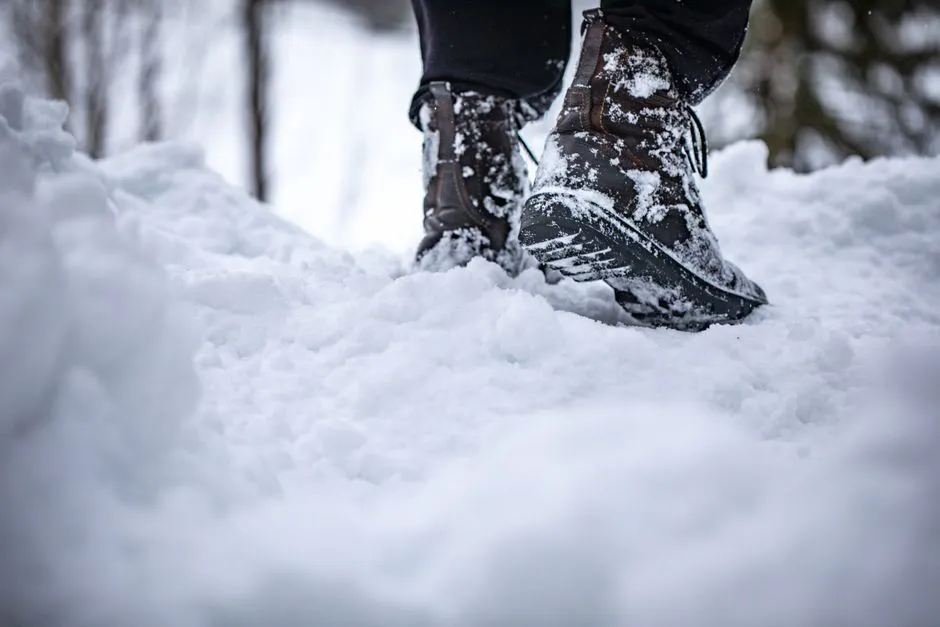
Pick an insulated pair of winter boots with high-traction soles. You’ll wear these before you put on your ski boots, and for après-ski activities. Ski boots are designed for boots, not walking on icy resort paths, parking lots, or cobblestone village streets. Trying to navigate any of those in ski boots is both uncomfortable and genuinely risky.
A warm, grippy winter boot covers the time between your accommodation and the ski rental shop, evening meals out, and any day trips away from the slopes. Waterproof, non-slip boots are explicitly part of the off-slopes packing list for good reason: alpine villages and resort towns often have packed snow or ice underfoot, and a slip on flat ground is far more avoidable than a fall on the mountain.
If space is a concern in your luggage, you can pack socks and goggles inside ski or winter boots to save space. It’s a small trick, but it frees up meaningful room in a bag already competing for space with jackets and layers.
9. Personal Care Items Built for the Mountain Environment
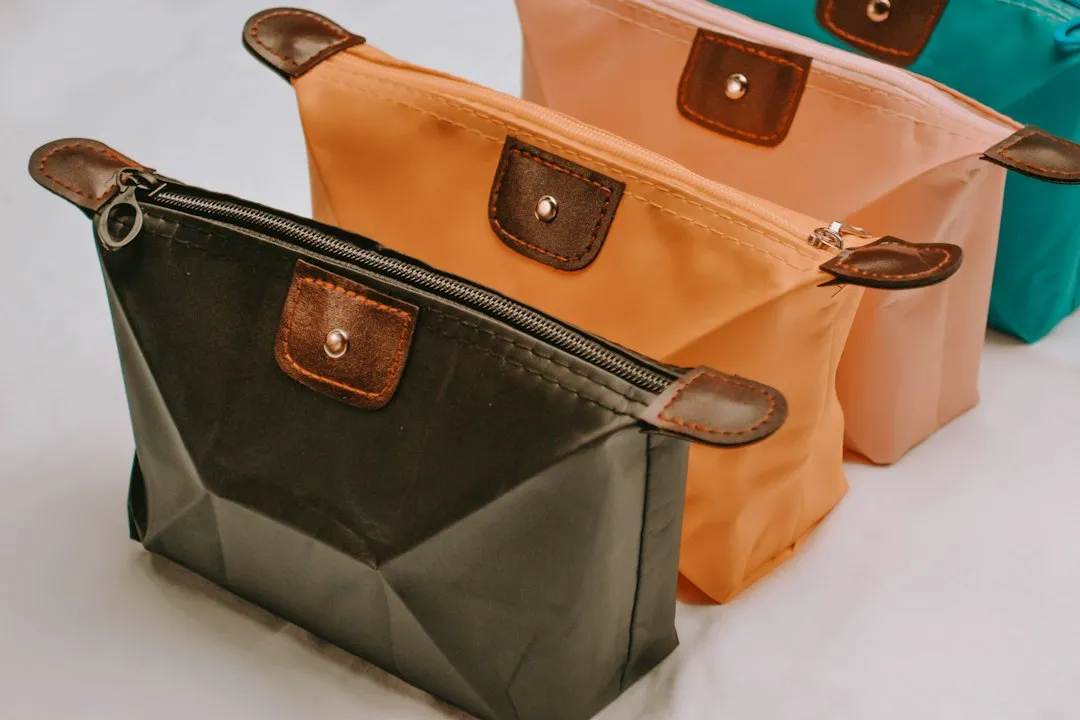
Cold air, low humidity, intense UV exposure, and wind create a skin environment unlike anything most people encounter during the rest of the year. The standard travel toiletry bag simply isn’t equipped for this. A moisturizer for dry mountain air, extra lip balm, muscle rub or pain relief for sore muscles, and hand warmers for cold days are all genuinely useful personal care additions for a ski trip.
Moisturizer deserves particular attention. The combination of cold wind, dry resort air, and repeated transitions between heated interiors and freezing outdoors strips the skin faster than almost any other environment. Cold wind strips the skin’s natural protective barrier, which compounds the UV damage already being done on the slopes.
A first aid kit with blister care, pain relief, and muscle rub is a thoughtful addition to the toiletry bag for a ski trip. Blister care in particular is useful, since ski boots can rub in unexpected places, especially for first-timers or people in rental equipment that hasn’t been broken in.
10. A Portable Charger and a Camera or Action Camera Mount
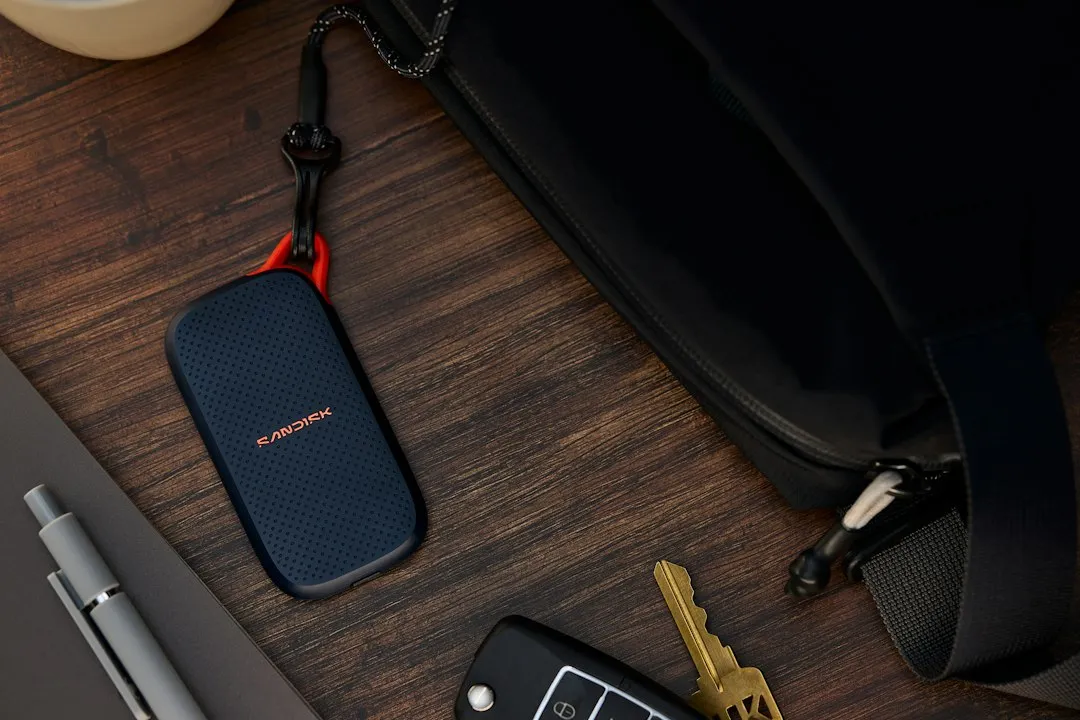
Cold temperatures drain phone and device batteries significantly faster than normal, and this tends to catch people off guard. A morning of filming runs or navigating a trail map on your phone can leave you with a dead device by early afternoon. Chargers for your devices and a portable phone charger are consistently listed among the practical essentials for a ski trip.
A camera or GoPro for capturing runs is a widely recommended addition for those who want to document their time on the mountain. Action camera mounts now attach to helmets, chest harnesses, and even poles, giving you multiple shooting angles without occupying your hands. The footage from even a single run on a clear powder day tends to be worth the minor extra packing effort.
Keep your portable charger in an inside jacket pocket rather than a bag or outer layer. Lithium batteries, like the ones in your phone and portable charger, lose capacity rapidly when they get cold, so keeping them close to your body warmth extends their effective life considerably throughout the day.
The Takeaway
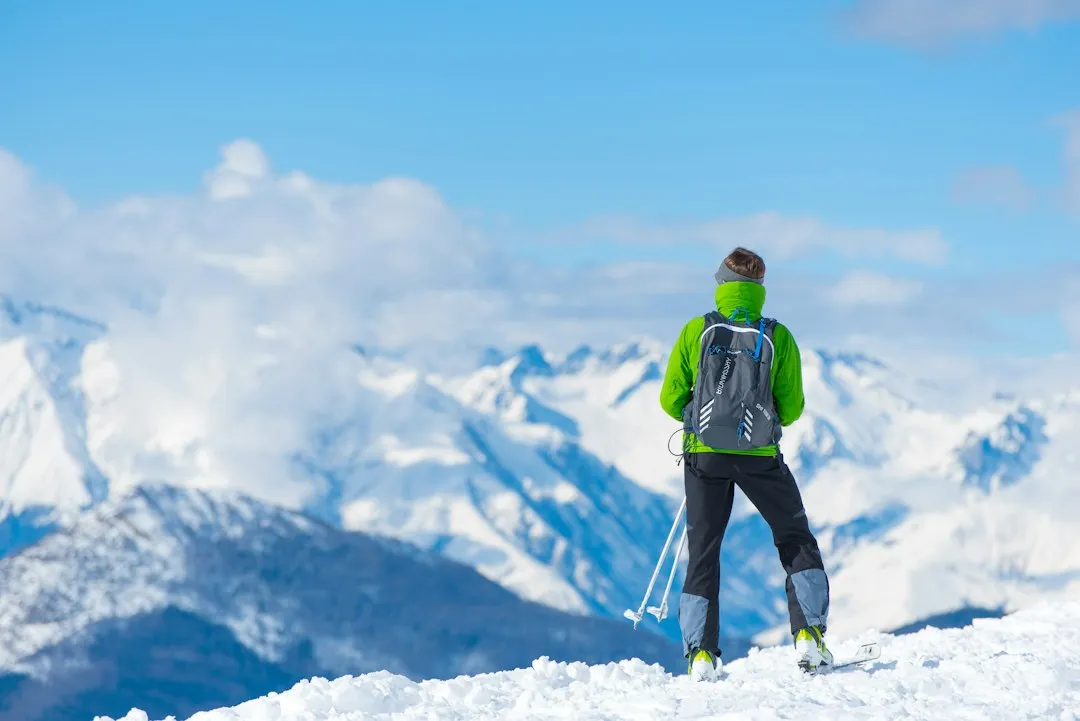
A ski trip is one of those rare travel experiences where gear genuinely matters, but not always the gear people assume. The skis, snowboard, and poles are usually rented at the resort. The ten categories above are the things you have to bring yourself, and they’re the items that will most directly determine how much you enjoy the mountain.
Pack with intention rather than improvisation. The cold, the altitude, and the sun are not forgiving of forgotten essentials, and resort towns typically charge a significant premium for anything you realize you need upon arrival. Getting the non-ski packing right before you leave means more time actually skiing, which is, of course, the whole point.
AI Disclaimer: This article was created with the assistance of AI tools and reviewed by a human editor.