
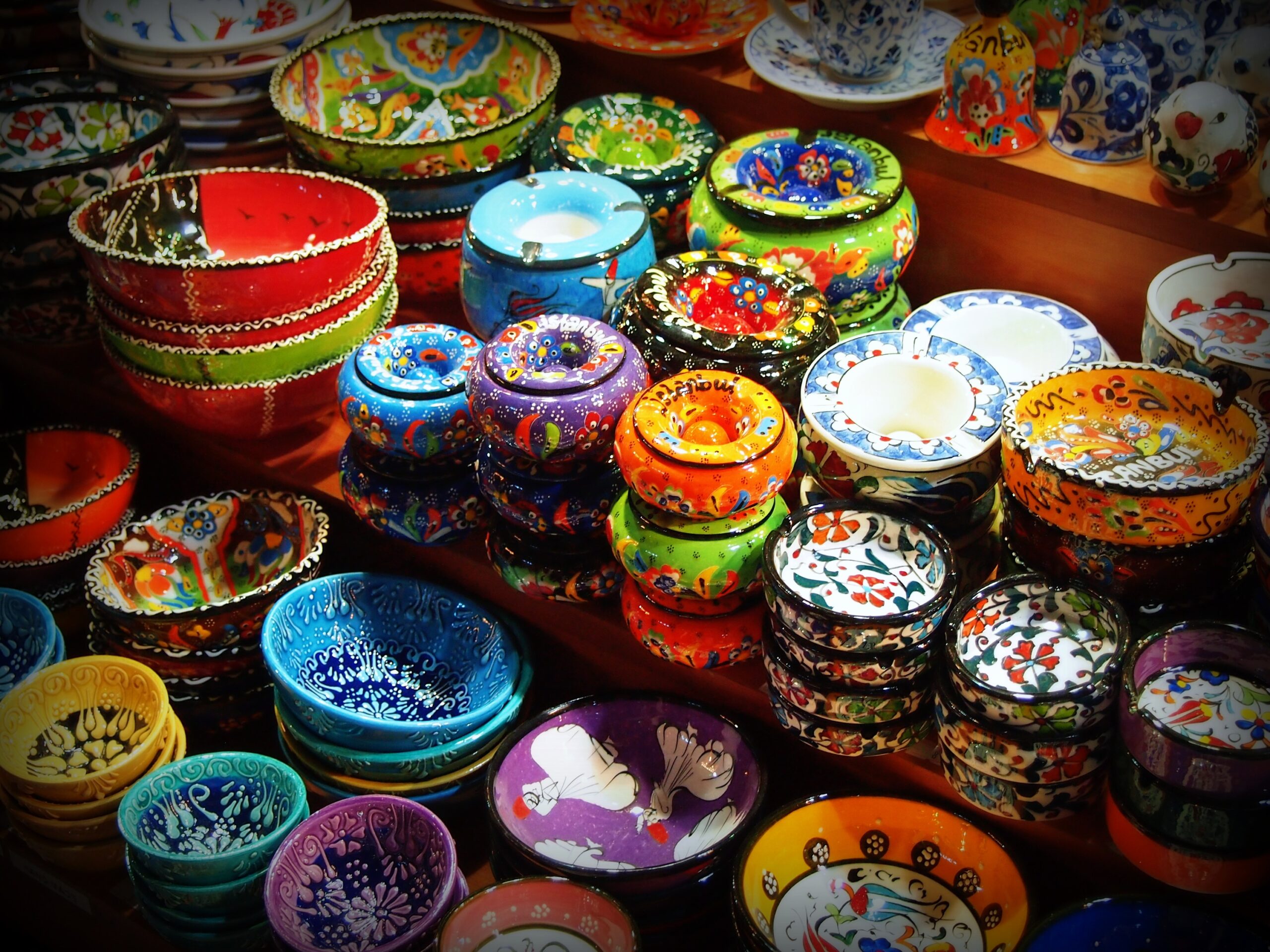

Cozumel, Mexico: Sterling Silver Jewelry

Cozumel is one of the most visited cruise stops in the Western Hemisphere, and its shopping scene is built around a clear local strength. Cozumel is recognized for its silver jewelry and Mexican chocolate, but it’s the sterling silver that consistently earns the highest praise from returning cruisers.
The Punta Langosta Mall, a modern shopping center close to the cruise terminal, offers a selection of local crafts, clothing, and souvenir shops, perfect for finding memorable items. Silver pieces from artisan vendors throughout town tend to be more distinctive than anything you’d find at a chain retailer.
When buying silver in Cozumel, look for a “925” stamp, which confirms sterling quality. Look for “Made in [Country]” tags to ensure authenticity and avoid mass-produced imports that flood tourist markets across the region.
Nassau, Bahamas: Handwoven Straw Goods
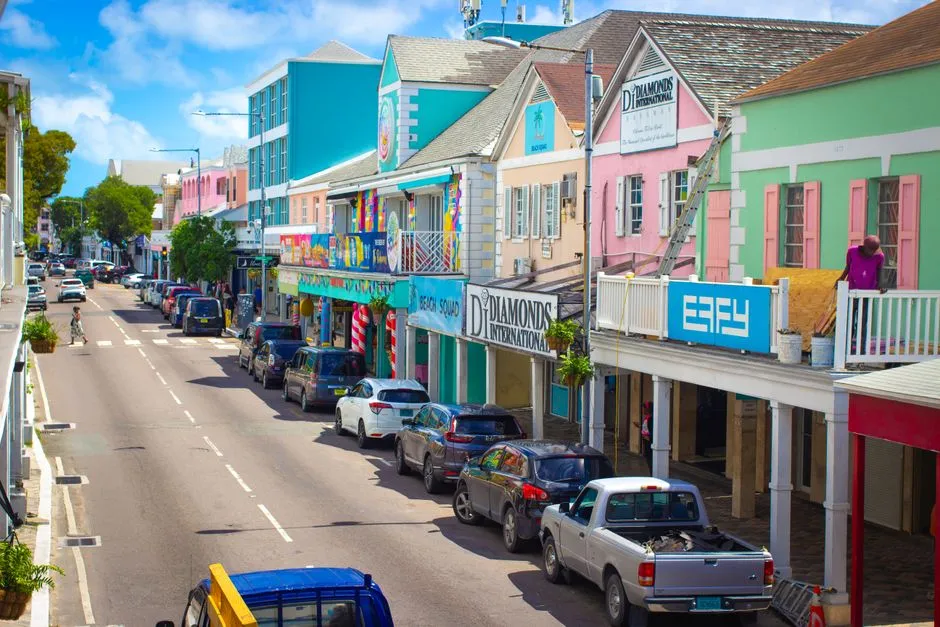
Nassau combines the thrill of shopping with a distinct Bahamian flair, and the Straw Market, located just steps from the cruise terminal, is a must-visit for those seeking authentic Bahamian souvenirs. It’s one of those rare port markets that genuinely lives up to its reputation.
Local artisans showcase handmade straw hats, bags, and wood carvings, reflecting the beauty and craftsmanship of the islands. A well-made straw bag or hat from Nassau carries a sense of place that no factory item can replicate.
Prices are generally negotiable, and buying directly from the weaver rather than a middleman stall means your money goes further into the local economy. You can also bring home the spicy flavors of the Bahamas in a bottle of hot sauce from Nassau as a secondary treat for food lovers back home.
Juneau, Alaska: Ulu Knives and Smoked Salmon
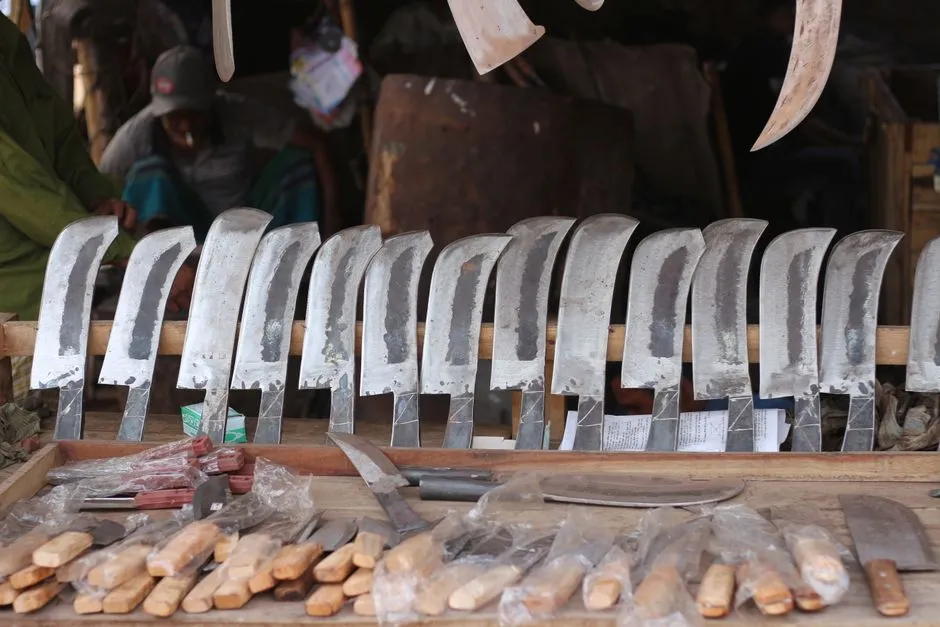
Alaska cruise ports occupy a different category altogether. The state’s vast wilderness culture produces souvenirs that are genuinely functional, rooted in Indigenous tradition, and hard to find anywhere else. Ulu knives have been used by Native Alaskan peoples for centuries, prized for their distinctive crescent shape and incredible versatility, and today are made with stainless steel and carved handles of wood, bone, or antler.
Edible souvenirs like smoked salmon, birch syrup, and wild berry preserves offer a flavorful way to relive your Alaska journey long after returning home. These are the kinds of gifts that get used, shared, and remembered.
Shopping for items marked “Made in Alaska” or certified with the Silver Hand helps ensure authenticity while supporting local and Indigenous artisans. Shops in Juneau cater to cruise schedules, staying open while ships are in port from April through October, so you’ll have real time to browse thoughtfully.
Dubrovnik, Croatia: Lavender Products and Filigree Jewelry

Dubrovnik draws millions of cruise visitors each year, and the Old Town within its ancient walls is a genuinely remarkable place to shop. The best shopping is found within the walled city, particularly along the Stradun and the narrow alleyways branching off it, where visitors should look for authentic local souvenirs such as traditional Konavle embroidery, handmade lace, and aromatic lavender products.
Though lavender is often associated with France, Croatia’s Dalmatian Coast is also famous for its fragrant lavender fields, particularly on islands like Hvar, and the essential oils and sachets sold in Dubrovnik reflect that regional heritage. A unique jewelry item to look for is the “Dubrovnik button” (Botuni), a traditional filigree silver or gold ball that was historically part of men’s folk costumes but is now popular as earrings or pendants.
Venture beyond the main Stradun street where prices drop and authenticity rises. This is the kind of insider knowledge that separates a meaningful keepsake from a tourist trap purchase.
Grand Cayman: Caymanite Jewelry
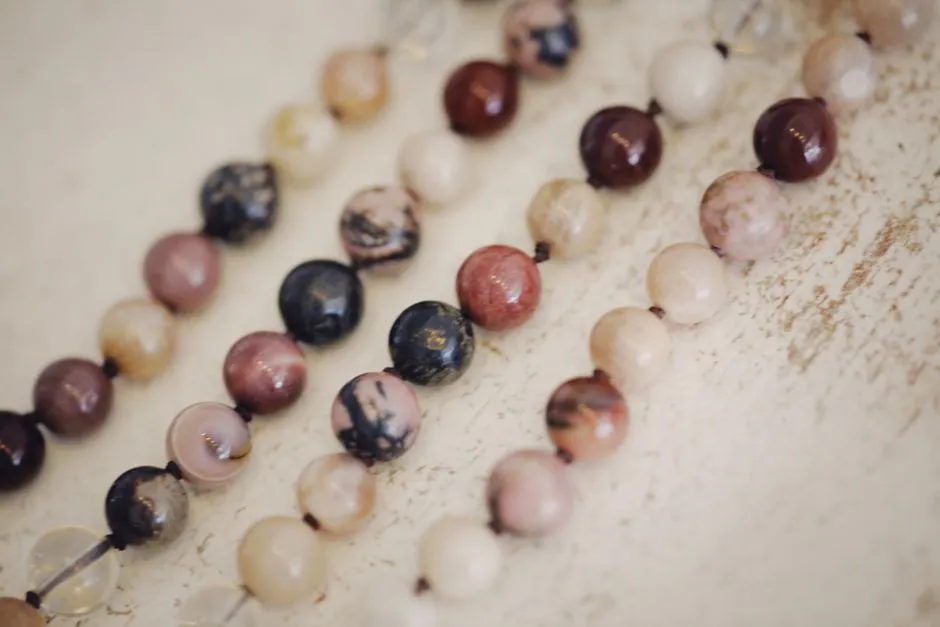
Grand Cayman is well known for duty-free shopping, but its most distinctive souvenir has nothing to do with imported goods. Exclusive items like Caymanite jewelry, crafted from a beautiful stone found only in the Cayman Islands, make for a truly unique souvenir. This semi-precious stone, with its layered browns and greens, is as specific to the Caymans as any item you’ll find in the Caribbean.
Camana Bay, a modern shopping and dining complex, is just a short taxi ride from the port, and boutique stores there sell Caribbean-inspired clothing, handmade crafts, and locally produced rum. It’s a well-curated stop for travelers who want quality without much of a scramble.
Grand Cayman also features locally produced rum as a secondary standout for those who prefer an edible or drinkable memory of their time on the island.
San Juan, Puerto Rico: Vejigante Masks

San Juan is among the most culturally layered cruise ports in the Caribbean, and its most distinctive souvenir reflects that depth directly. Many Caribbean cruises embark or disembark in San Juan, Puerto Rico, and when you’re there, a stroll through Old San Juan can lead you to a colorful, whimsical vejigante mask, a piece of art in wearable form.
The lore of the vejigante actually dates back to Spain’s medieval period, and when the masks made their way to Puerto Rico, Caribbean and African influences were incorporated. Every mask tells a layered story, which is more than most souvenirs can claim.
Popular souvenirs in San Juan also include hand-rolled cigars, flavorful Puerto Rican rum, and vibrant paintings by local artists, each capturing the lively spirit of the island. Any of these make worthwhile additions to a thoughtful shopping list.
Dominican Republic: Larimar and Amber Jewelry
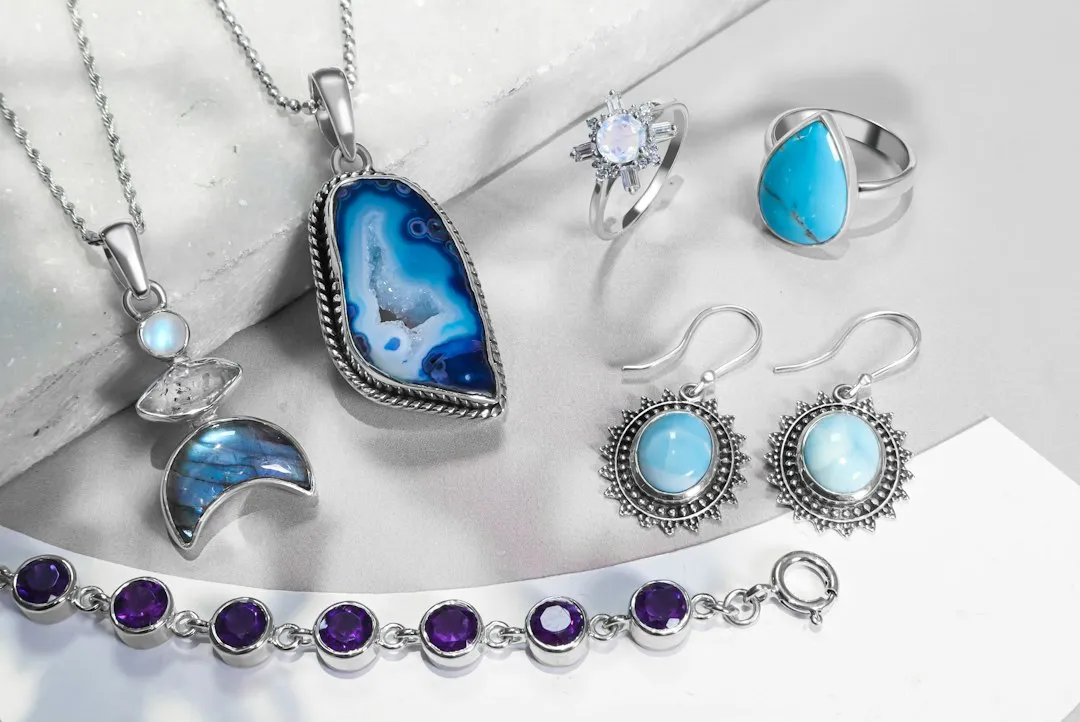
Few cruise ports can offer two gemstones found nowhere else on earth, but the Dominican Republic is one of them. The Dominican Republic is gifted with two sought-after gems: amber and larimar, and jewelry featuring one or the other makes a great memento of your trip. These aren’t novelties or manufactured keepsakes; they’re genuine geological rarities.
Larimar is only found in the Dominican Republic and has a dreamy blue and green color that pairs well with silver. Its color genuinely evokes the Caribbean Sea, which makes it one of the most visually honest souvenirs any cruise port produces.
Buying amber at the gift shops run by the Dominican Amber Museum is recommended, with an outlet right at the museum in Puerto Plata, at The Plaza in Playa Dorada, and at Coral Marien in Costa Dorada. Museum-affiliated shops are among the most reliable sources for authenticated pieces.
Venice, Italy: Murano Glass

Venice is one of the most iconic cruise destinations in the Mediterranean, and its most famous craft has been produced on the nearby island of Murano for centuries. Murano glass, crafted on the nearby island of Murano, is a unique Venetian art form that makes for a beautiful and authentic souvenir. A genuine Murano piece carries a certificate of authenticity and a “Vetro Artistico Murano” trademark.
The Mediterranean is a great place to pick up artisanal souvenirs, and a piece of Murano glass or limoncello from Italy both represent authentic regional craft. Given how easily glass can travel with the right packing, a small paperweight or ornament is one of the most rewarding things to bring home from this port.
Be cautious of cheap imitations sold throughout the city. True Murano glass is made by master glassblowers following techniques that have remained largely unchanged since the 13th century, and that provenance shows in both the price and the quality.
Jamaica: Blue Mountain Coffee
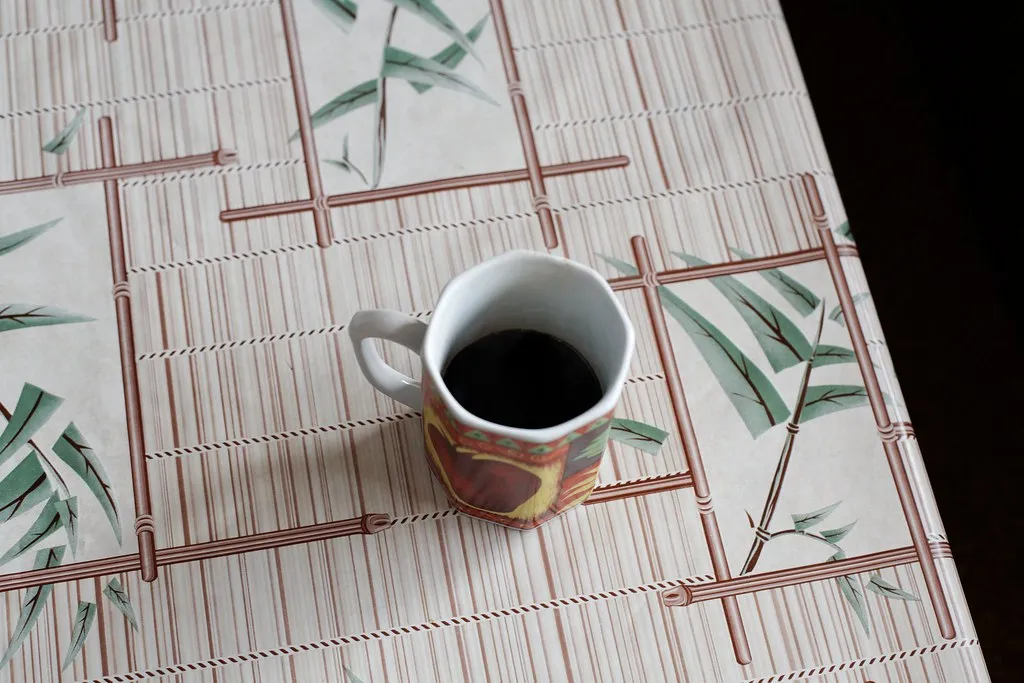
Jamaica is one of the most recognized cruise stops in the entire Caribbean, and its most celebrated export happens to be one of the world’s most sought-after coffees. In Jamaica, bringing back some of their wonderful Blue Mountain coffee is a well-loved choice, an ephemeral souvenir to be sure, but a very tasty one. It’s the kind of gift that gets used rather than stored on a shelf.
Jamaica’s Blue Mountain region produces coffee at altitudes ranging from about 900 to 1,500 metres above sea level, conditions that result in a cup that is notably smooth and mild. Look for sealed, properly labeled bags from established Jamaican roasters rather than unmarked scoops sold loose at market stalls.
Montego Bay’s Hip Strip is a lively area filled with shops selling Jamaican souvenirs and locally crafted jewelry, but for Blue Mountain coffee, specialty food shops in the port area and licensed airport retailers remain the most reliable sources for genuine product.
St. Kitts: Caribelle Batik Textiles
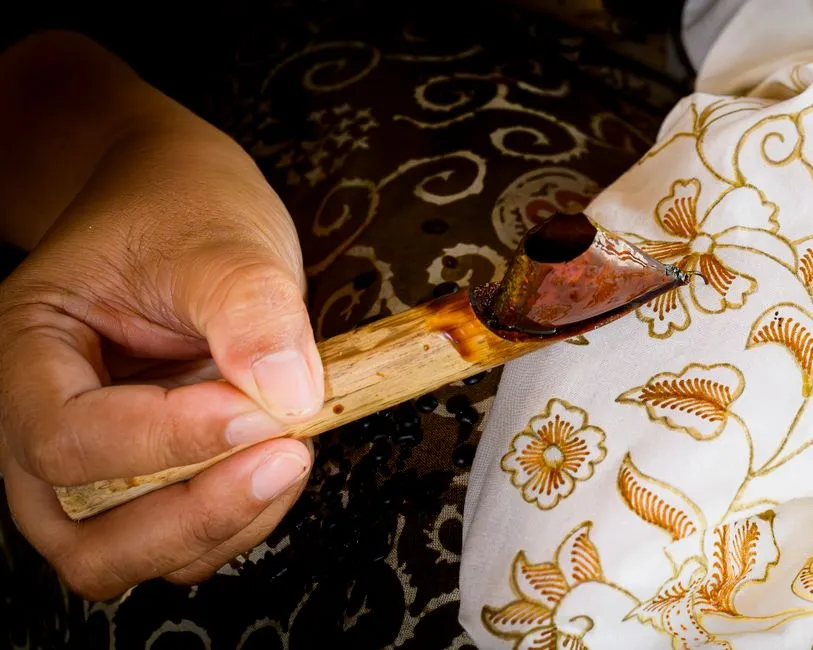
St. Kitts rarely makes the top of most travelers’ souvenir lists, which is exactly why it rewards those who seek it out. Caribelle Batik is handmade locally on St. Kitts, and visitors can watch some being crafted during a site visit, with highly colored and patterned items sometimes hanging out to dry in the gardens. It is not inexpensive, but it is genuinely local and handmade.
The patterns reflect Caribbean motifs and tropical flora, and each piece is one-of-a-kind given the nature of the batik process. A sarong, wall hanging, or length of fabric from Caribelle is the kind of thing that prompts a story every time someone sees it in your home.
Bonaire, another underrated Caribbean stop, has a town market under the trees where you can find locally made art, jewelry, and items that benefit local animal rescue organizations. The broader lesson here applies equally to St. Kitts: sometimes the quieter ports offer the most genuine shopping experiences.
The Takeaway
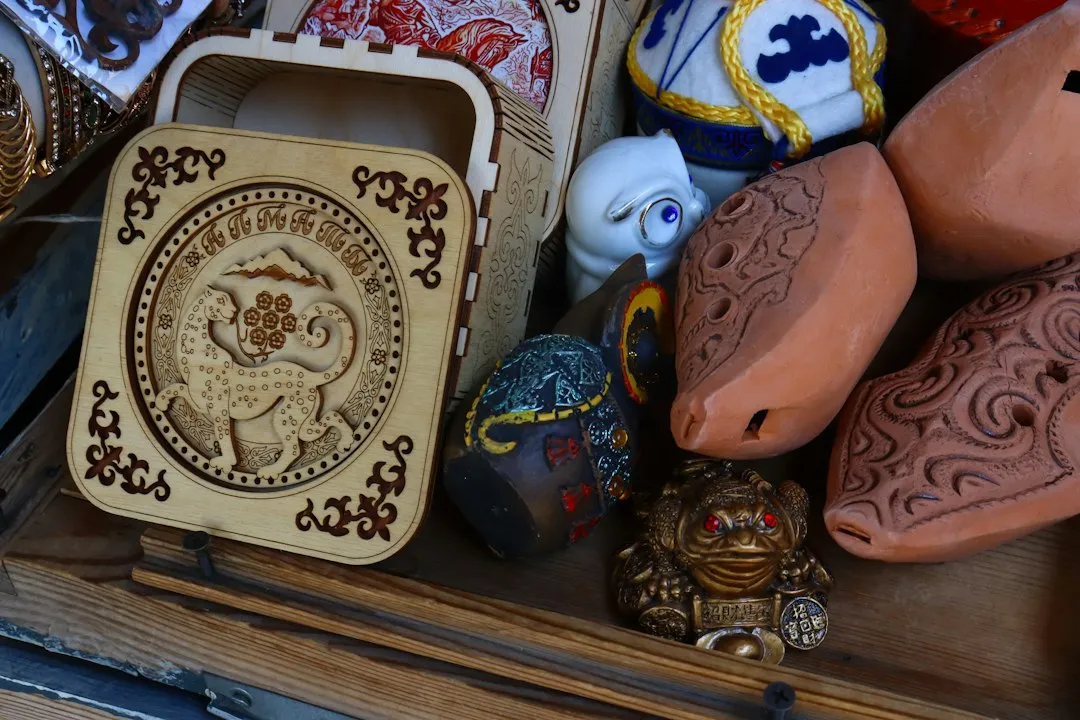
Souvenirs purchased in port are often less expensive than shopping onboard, and they tend to carry infinitely more meaning. The difference between a forgettable trinket and a lasting memento usually comes down to one thing: knowing what a place actually does well before you step ashore.
For authentic or locally produced items, independent port guides, destination websites, markets, street fairs, and galleries are among the most reliable resources. The extra bit of research before a port day almost always pays off in what you bring home.
The souvenirs worth keeping are rarely the ones stacked highest at the entrance of a terminal gift shop. They’re the ones tied to a specific craft tradition, a regional ingredient, or a centuries-old technique that could only have come from that particular corner of the world. That’s the whole point of going.
AI Disclaimer: This article was created with the assistance of AI tools and reviewed by a human editor.