
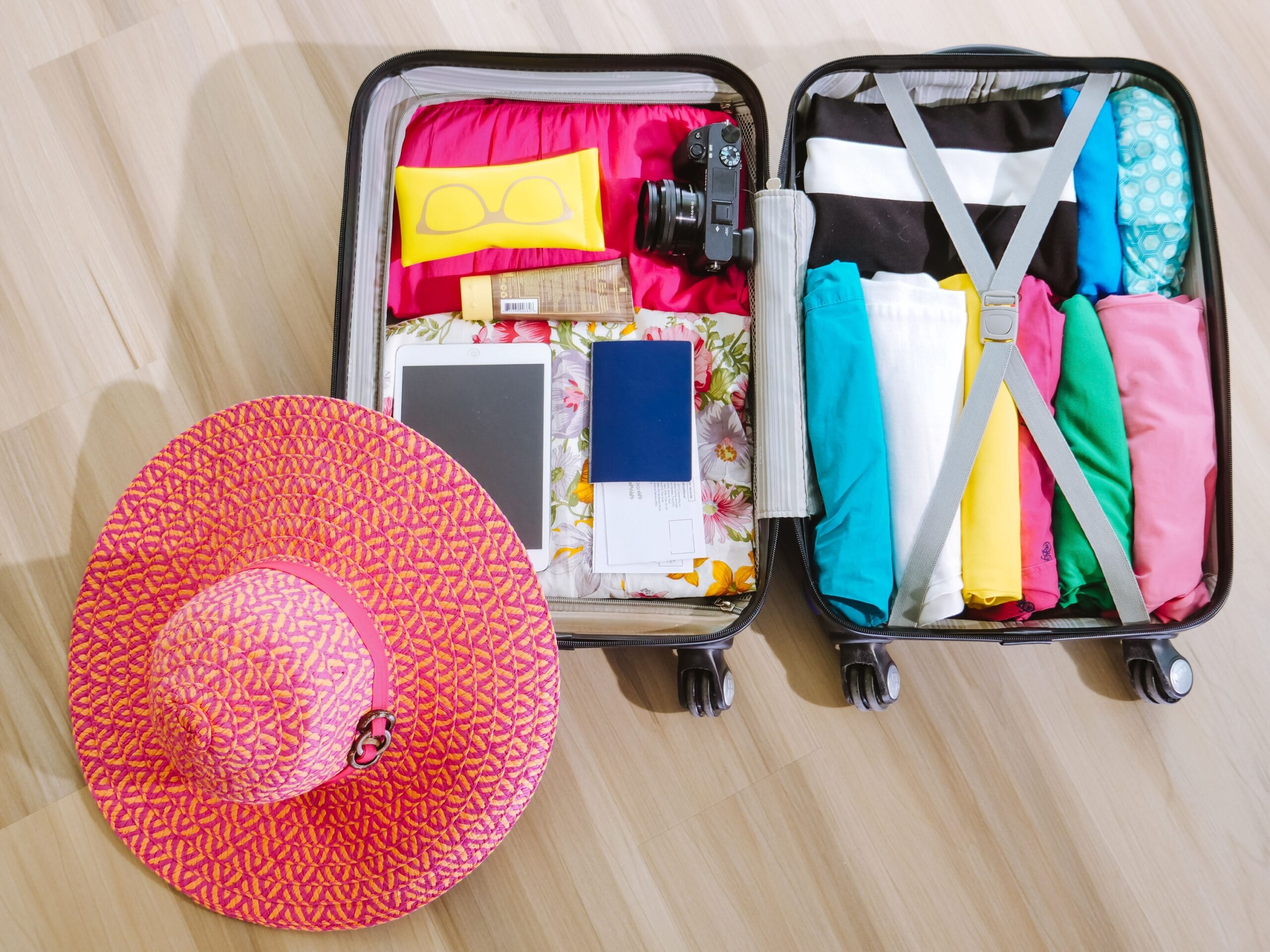

Packing for a family trip is one of those tasks that sounds simple in theory and turns into something else entirely in practice. Socks end up in the wrong bag. A child’s pajamas vanish inside a suitcase shared with three other people. By the time you reach the hotel, the whole case feels like a lost-and-found bin.
The color-coded packing cube system has become one of the most practical responses to this problem. It’s not a complicated travel hack. It’s a visual logic that anyone in the family, even young kids, can actually follow.
Why Family Packing Is So Hard in the First Place

The majority of travelers, roughly more than seven in ten, say they’ve packed too much and ended up not using some of the items they brought on a trip. For families, the challenge is multiplied by the sheer number of people involved. Around a third of women pack for children when going on a trip, slightly higher than the proportion of men who take on the same task.
Nearly one in five Americans has paid overweight bag fees when traveling, and roughly four in ten say they often struggle to close their suitcase when packing for a long trip. These aren’t rare disasters. They’re routine friction points that a structured system can genuinely reduce.
What the Color System Actually Is
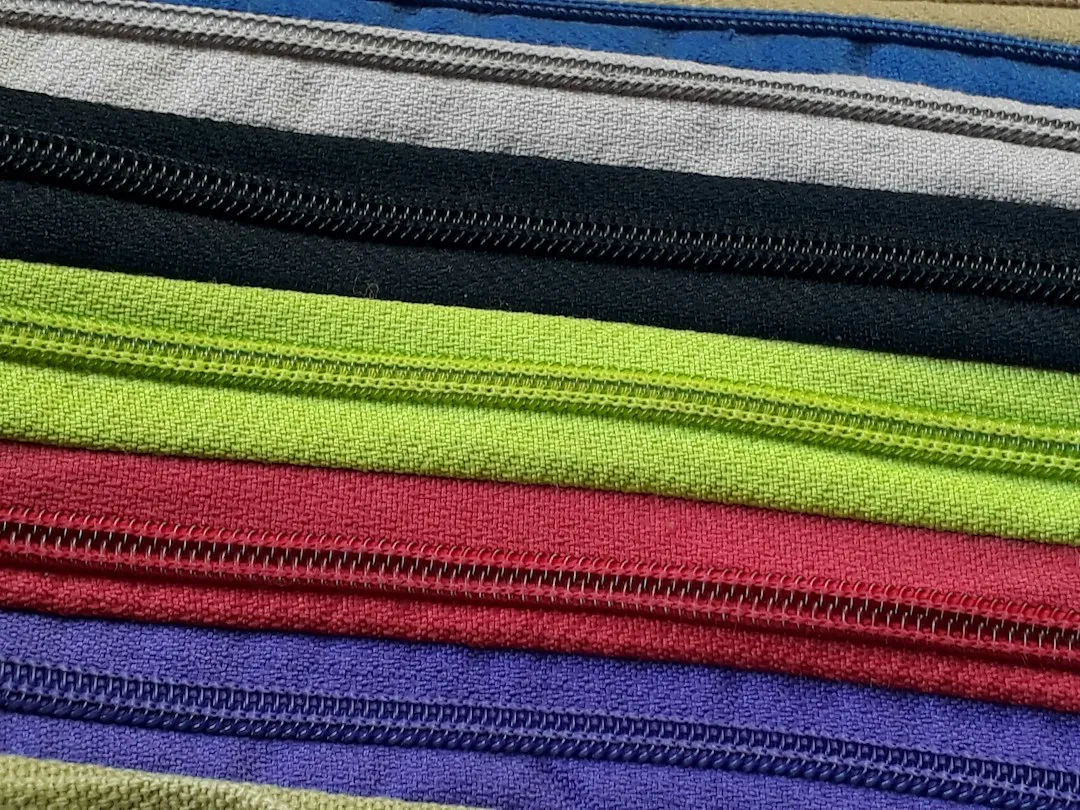
Many experienced family travelers use color-coded packing cubes to keep their family organized, assigning each member a distinct color. The logic is simple: one color per person, every time, every trip. Assigning each family member a designated color makes it easy to locate items instantly without rummaging through the entire suitcase.
Using a color coding system adds an extra layer of organization to packing cubes, and by assigning different colors to clothing categories, visual identification becomes quick and effortless. Some families go further, using secondary colors within each person’s set to separate daywear from sleepwear or swimwear from outerwear.
Assigning a Color to Each Family Member
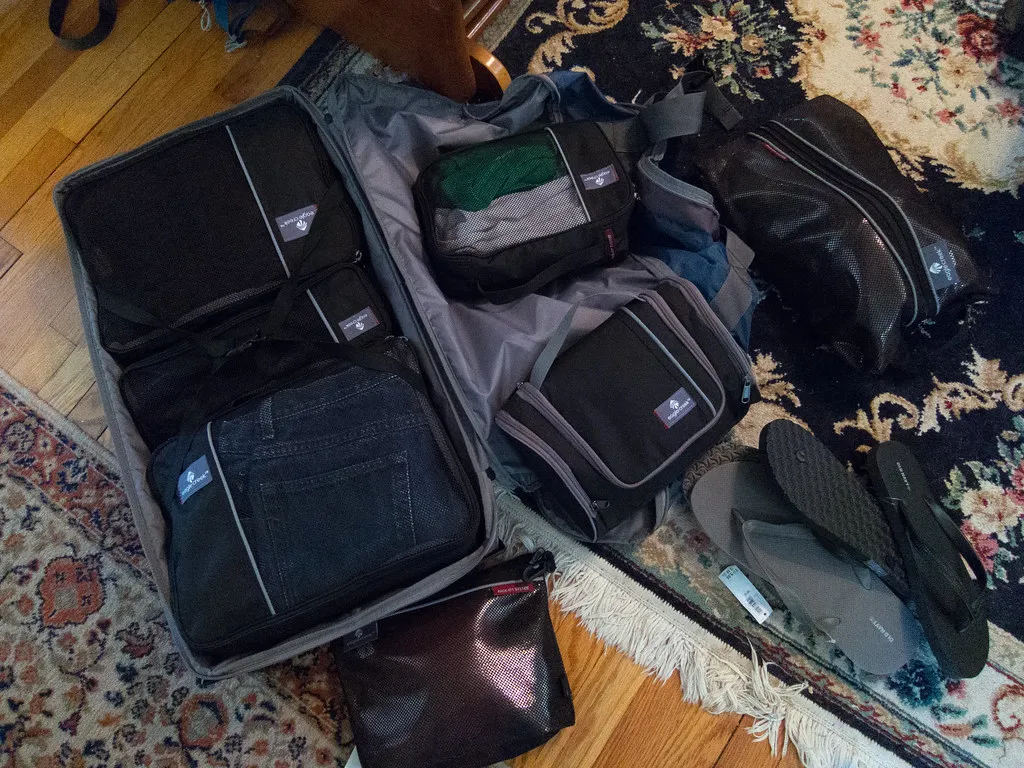
For families struggling to keep an organized suitcase when traveling with kids, the most common approach is to assign each child one color cube and let them pack their essentials inside, making it easy to get ready each morning. This clarity matters more than you might expect when you’re tired, jet-lagged, or rushing between connections.
Cubes enable families to divide and conquer, even when one suitcase holds everyone’s belongings, and the system also helps teach kids a bit of organization along the way. Giving a child ownership over their color-coded cube builds a quiet kind of independence that carries over into the trip itself.
The Right Cube Sizes for Families
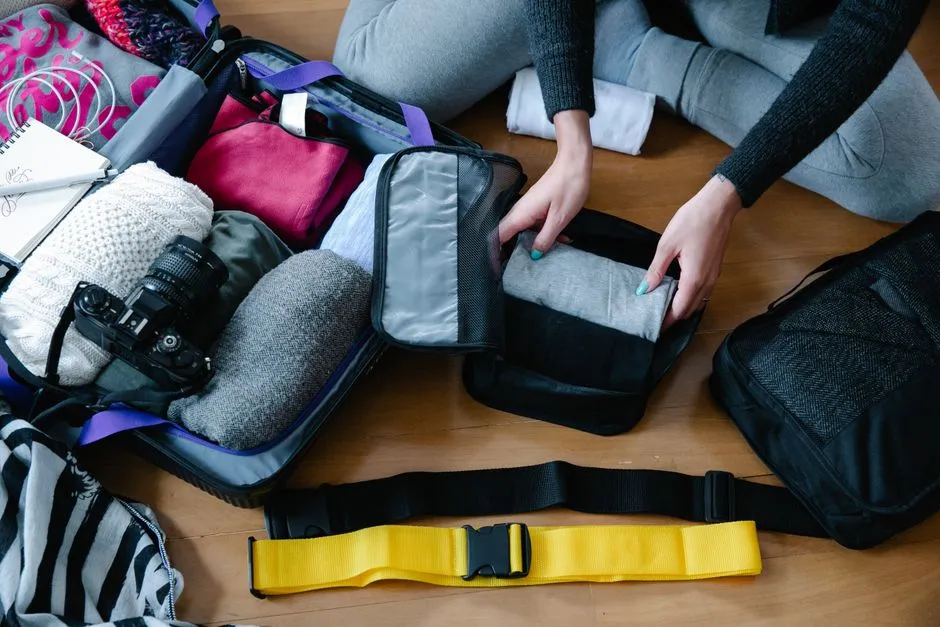
Families benefit from a mix of large cubes for bulkier items like towels, medium cubes for clothing, and small cubes for accessories and swimwear. Getting the size mix right matters as much as the color system itself. A single large cube stuffed with mixed items defeats the purpose entirely.
When picking packing cubes for children, size variety is important to separate different clothing items and accessories, durability matters because kids’ belongings can be rough on bags, and breathable mesh panels help keep clothes fresh and visible without unpacking everything. Lightweight designs also make it genuinely easier for older children to manage their own cube during the trip.
Color-Coding by Category, Not Just by Person
This method helps locate items instantly without rummaging through luggage. For example, one approach uses blue for casual wear, red for formal outfits, green for activewear, and yellow for underwear. Category-based color coding works especially well for solo parents packing on behalf of younger children who aren’t yet managing their own things.
Cubes can separate clothes by day or by activity, such as swimwear versus evening outfits, and help keep beach gear apart from electronics or toiletries. This kind of separation saves real time at the destination, particularly when you need to find something specific in under a minute.
The Carry-On Advantage
Globally, roughly half of all air passengers prefer to travel with only carry-on baggage, according to estimates from the International Air Transport Association. For families, traveling carry-on-only is ambitious but increasingly achievable with a tight cube system. A well-optimized cube system can fit seven to ten days of clothing in a standard carry-on bag.
One of the best uses for color-coded packing cubes in a family carry-on is to give each person a cube containing a spare change of underwear, a toothbrush, pajamas, and a spare change of clothes. This matters especially on long-haul trips, where a checked bag delay can leave a family scrambling for basics on arrival.
How It Reduces Lost Item Panic
The average person spends around 53 dollars replacing forgotten or lost items on a trip, and more than one in ten say they’ve spent over a hundred dollars replacing things they left behind. A consistent color system acts as a quiet visual checklist. When a color is missing from the suitcase, you know something is still in the bathroom or left on the bed.
Using separate cubes for different categories, like one for diapers, another for snacks, and a third for clothes, eliminates the stress of searching for items. For parents of young children especially, knowing exactly which cube holds what is worth far more than the cost of the cubes themselves.
Getting Kids Involved in the System
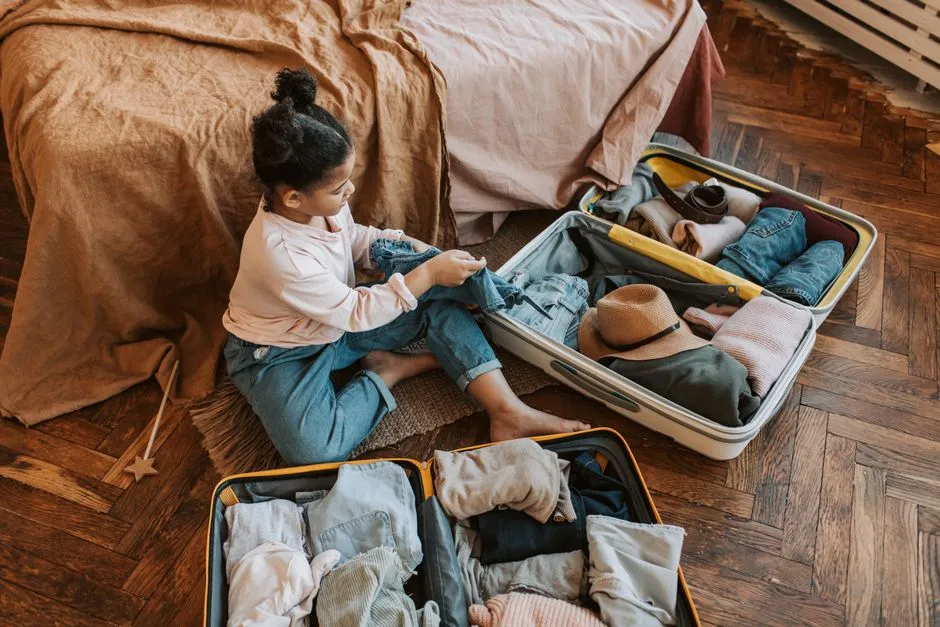
Packing cubes help separate each traveler’s clothing, keep similar items together, compress bulky garments, reduce clutter in the suitcase, and speed up packing and unpacking. Involving children in the process, letting them choose their color and pack their own cube under light supervision, turns a chore into something they take ownership of.
Using packing cubes brings order to family luggage and helps teach kids a bit of organization too. It’s a small thing, but a child who knows their blue cube holds everything they need for tomorrow morning is a child who gets dressed without three reminders.
What to Look for When Buying
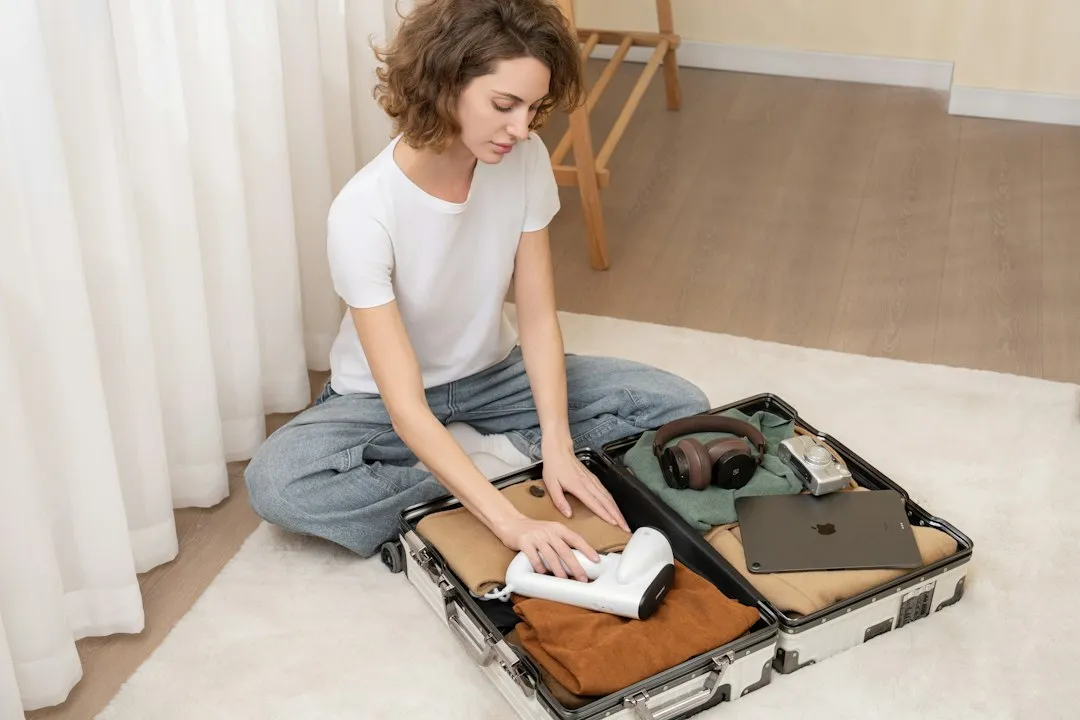
Mesh panels improve ventilation, preventing damp swimsuits from smelling, and water-resistant fabrics with strong zippers are especially important for beach and outdoor travel. Material quality also affects how well the cubes hold their shape after repeated use, which matters more across multiple trips per year.
Key features to look for include a color-coded system for effortless identification, structured fabric that maintains shape, quality zippers for durability, mesh panels for quick access, and numbered cubes for maximum organization. Not every family needs a premium set, but the zipper quality in particular is worth checking before you commit to a brand.
Building the System Before You Travel
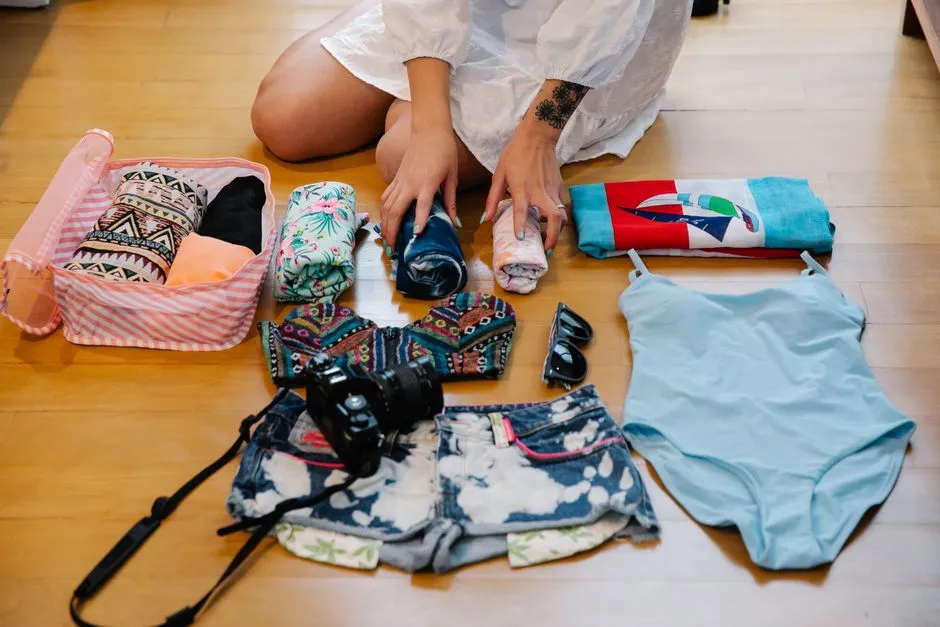
Most people, more than three quarters, make packing lists for others such as partners and children as well as themselves. Pairing that list habit with a color system makes the process more reliable. You’re not just checking off items, you’re checking them into the right cube.
Color-coding speeds up unpacking at the destination, so families can start enjoying the trip sooner. A quick run-through the night before departure, where each cube is checked by color and handed to its owner, takes less than ten minutes and saves considerably more than that on the other end.
The Takeaway
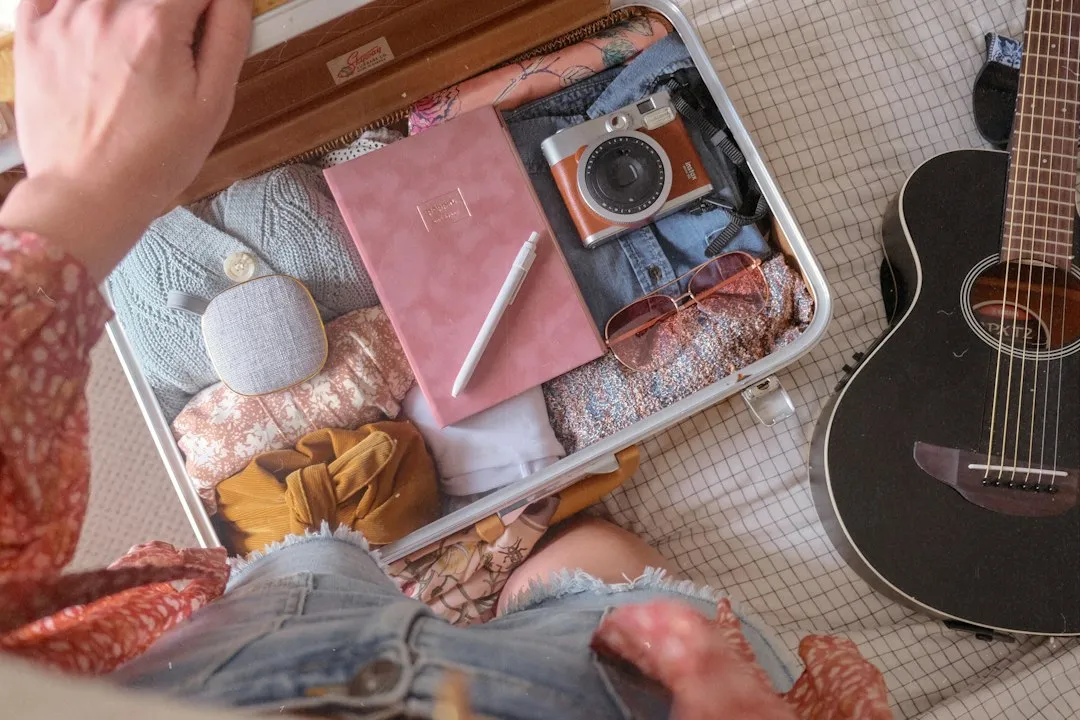
The color-coded packing cube system isn’t glamorous travel advice. It’s the kind of practical, repeatable structure that quietly makes every trip run a little more smoothly. When everyone in the family knows their color, the guesswork disappears.
The real value isn’t just in saving time at the airport. It’s in arriving somewhere new with your energy intact, ready to actually be present for the trip rather than managing the aftermath of a chaotic pack. That’s worth a set of brightly colored rectangles and a little planning before you leave.
AI Disclaimer: This article was created with the assistance of AI tools and reviewed by a human editor.