
The Galley Never Stops: A Kitchen That Runs Around the Clock
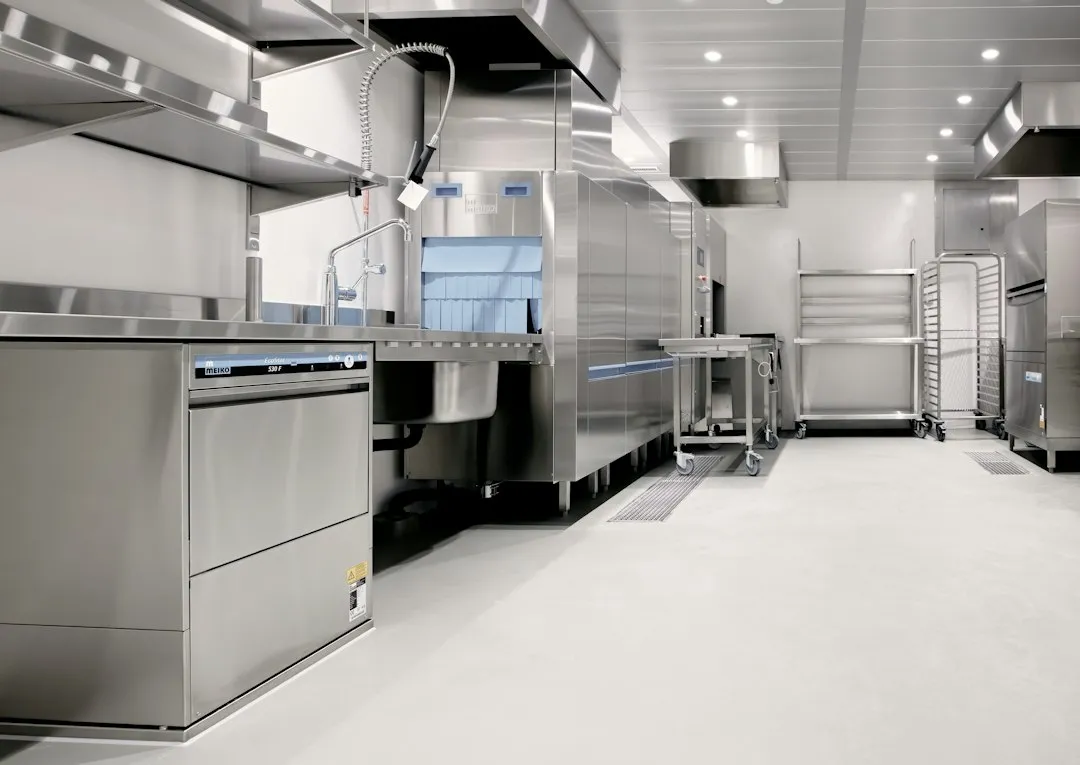
While passengers are asleep, the work in the cruise ship galley continues without pause. Bakers prepare fresh pastries and breads for the morning, while butchers carefully portion meats for the next day’s meals. None of this is accidental. Every hour of the night serves a purpose.
At the same time, sauces and stocks are simmering slowly to develop rich flavors. This overnight work is what makes the difference between an ordinary meal and one that feels genuinely crafted. One of the most important roles in the kitchen is the “night shift,” the cook who makes pre-preparation overnight. They are responsible for cutting and cooking most food prepared during the day. If the night shift fails to complete their tasks, the kitchen turns into real chaos during the day, because everyone has to work harder to catch up.
The Scale of It All: Numbers That Put Land Kitchens to Shame
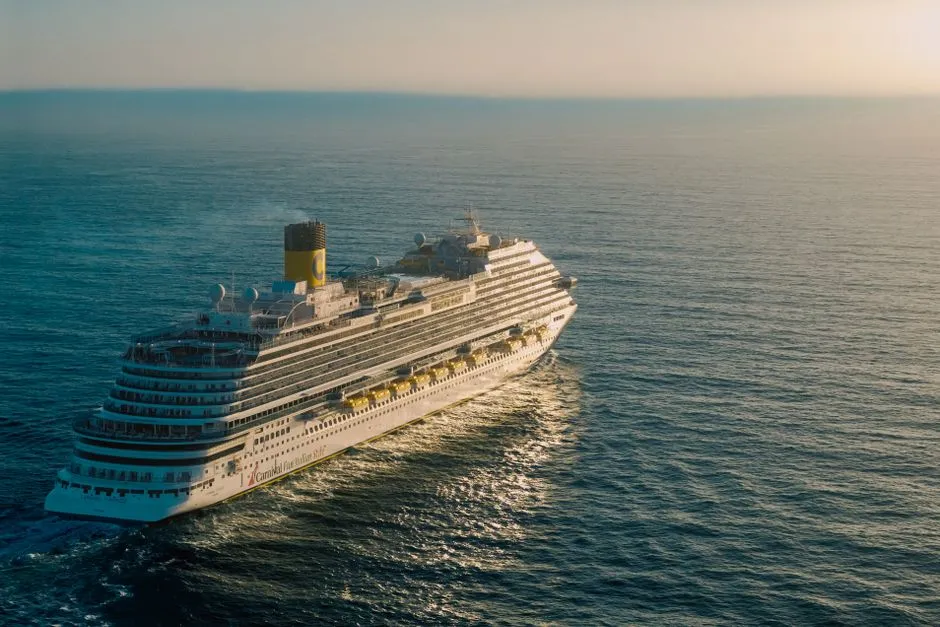
On Holland America’s Koningsdam, which carries around 2,600 guests, the kitchen staff includes 186 crew members who prepare approximately 500 pounds of chicken and 300 pounds of rice each day. That is a staggering volume to produce with the consistency of a fine dining restaurant.
Carnival Celebration, serving around 6,500 passengers, dishes out 4,000 lobster tails in a single night and serves up to 45,000 meals on a sea day, including breakfast, lunch, dinner, and snacks. Icon of the Seas leaves port for a seven-day sailing with 130,000 pounds of food on board. The logistics behind that kind of provisioning make time-intensive dishes even more impressive to pull off.
The Dish That Takes the Longest: Braised Short Rib
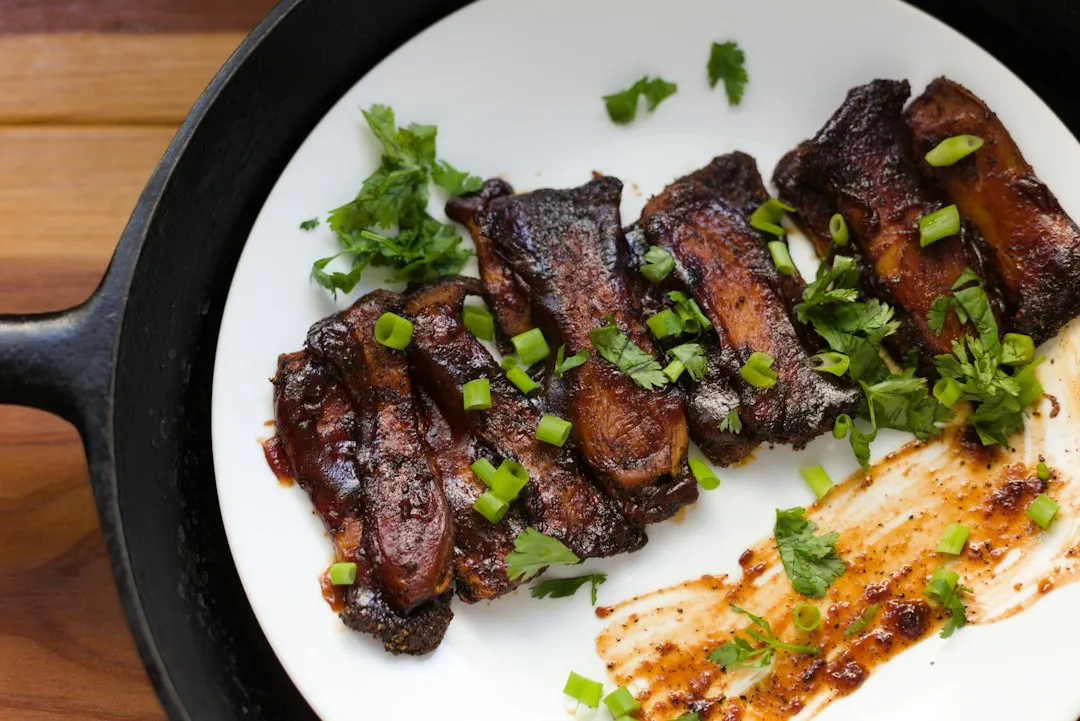
When galley crews are asked which dish demands the most from them, braised short rib comes up consistently. It is not glamorous prep work. It is patient, structured, and unforgiving of shortcuts.
Chicken breasts might be prepped an hour before service, while prime rib undergoes a six-hour cooking process, and short rib braises for 12 hours, necessitating significant lead times. That 12-hour window is not unusual for the dish. Some preparations call for seasoning the ribs liberally with herbs, salt, and pepper, placing them in a large non-reactive container, covering them with wine, and marinating for 12 hours in the refrigerator before any actual cooking even begins.
Chefs collaborate with the storeroom team onboard, placing orders for ingredients two days in advance. “Pre-prep,” including tasks like trimming and marinating, occurs a day before service, with additional preparation on the day of service, albeit varying in time requirements. Short rib, more than almost anything else on a cruise menu, makes those timelines feel tight.
Why Braising Takes So Long, and Why It Cannot Be Rushed
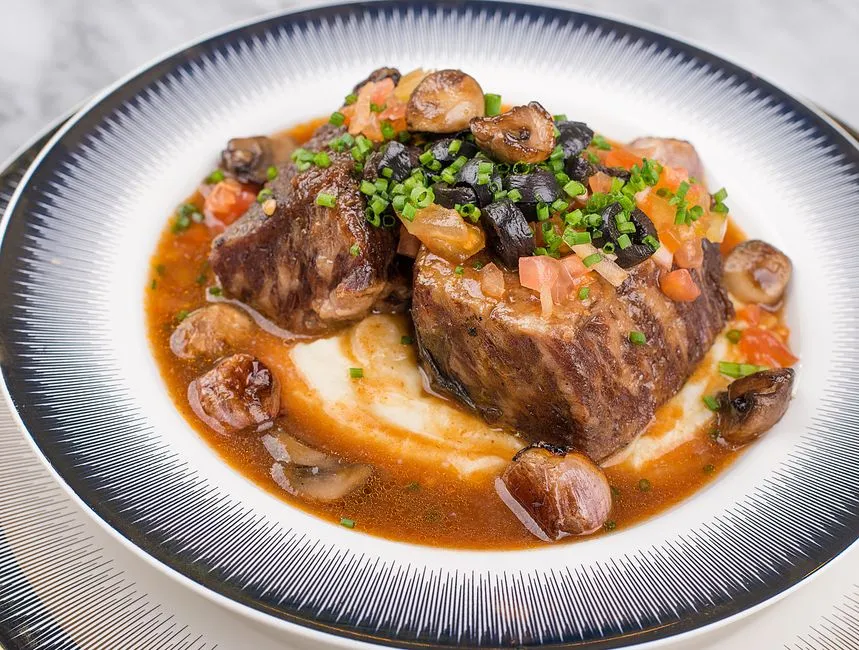
Braised short ribs are among the most traditional preparations and one of the most popular for good reason. This method uses low heat and liquid to slowly break down connective tissue. There is no thermal shortcut that replicates what slow time does to collagen.
Short ribs are done based on tenderness, not minutes. If they are not fork-tender, they need more time. In a home kitchen, that might feel like flexibility. In a galley feeding thousands of guests on a set dining schedule, that uncertainty requires chefs to start well ahead and build in margin. Braised short ribs can run anywhere from two to ten hours depending on the method.
Prime Rib: The Six-Hour Commitment That Shares the Podium
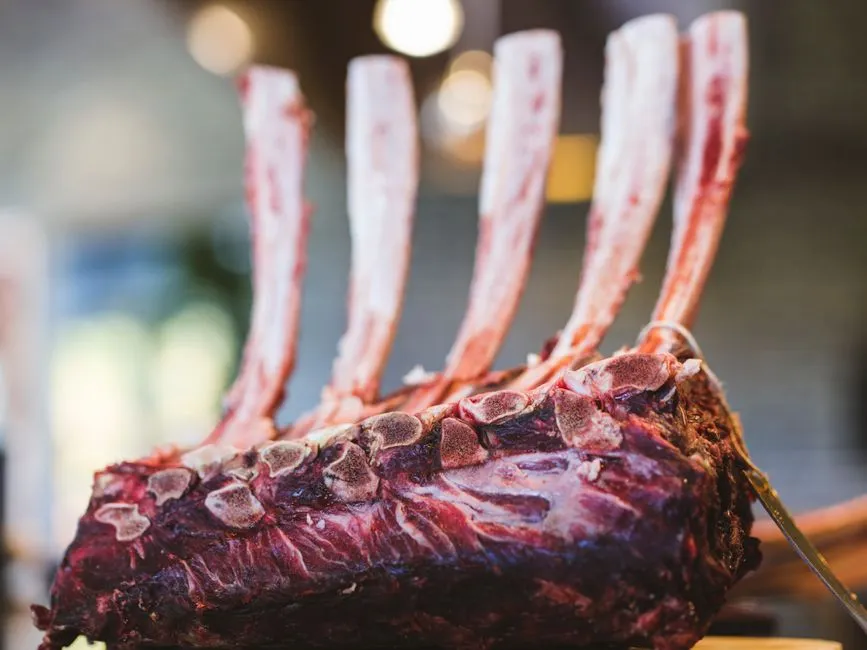
Short rib is not the only long-haul dish in the galley. Prime rib carries its own serious time requirement and appears on many cruise dining menus as a premium offering.
Prime rib undergoes a six-hour cooking process, which means it needs to be in the oven or roaster well before the dinner rush begins. On a ship producing thousands of servings simultaneously, timing the pull of each roast to serve at its best requires genuine coordination. It is the kind of dish that a galley crew quietly takes pride in getting right, even when passengers have no idea how long it has been in the works.
Beef Wellington: The Dish That Demands a Day’s Notice
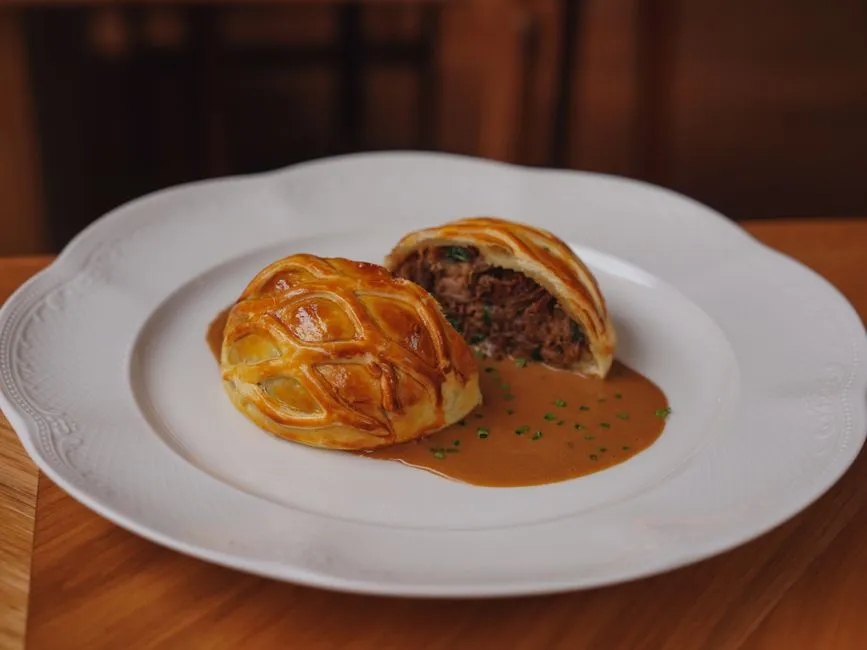
Passengers on the Queen Mary 2 have menu favorites like Beef Wellington, Chateaubriand, Salmon, and Dover Sole that stay in menu cycles specifically because they require planning far in advance. Beef Wellington, in particular, is one of the most technically demanding items a galley team can attempt at scale.
The dish involves searing beef, preparing a duxelles (a finely chopped mushroom mixture), wrapping everything in pastry, and baking to precise timing so the pastry is golden while the center is still properly pink. Getting that right for dozens of portions at once is a real test of galley discipline. It requires layers of preparation across multiple stations, with timing that does not allow for second chances.
Bread and Pastry: The Overnight Foundation
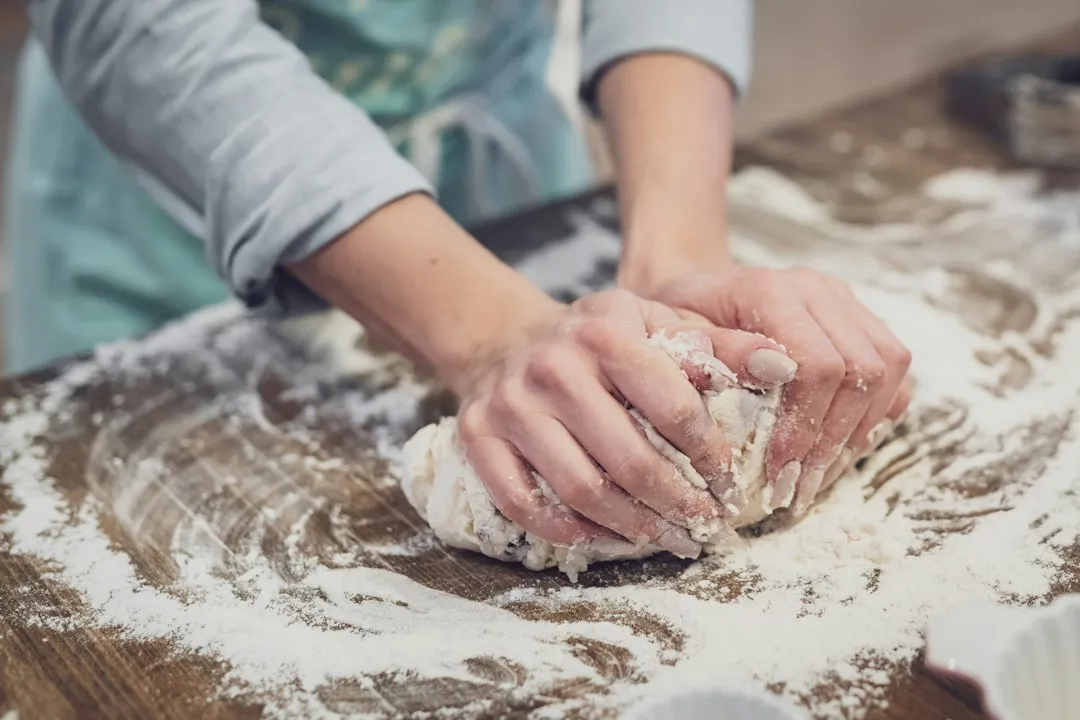
All bread and pastry served on the Queen Mary 2 are made daily in the on-board bakery. That daily cycle begins hours before any passenger sees a breakfast table. Dough needs time to proof. Croissants need laminating. Sourdough, when made properly, requires a starter culture that must be maintained and timed carefully.
Most ships bake over 40 types of bread from scratch every single day. The galley staff aboard Carnival Jubilee bakes roughly 600 loaves of bread weekly. The bakery team’s day effectively starts in the middle of the night, which means their preparation timeline rivals anything found in the hot kitchen.
Stocks and Sauces: The Invisible Long Game
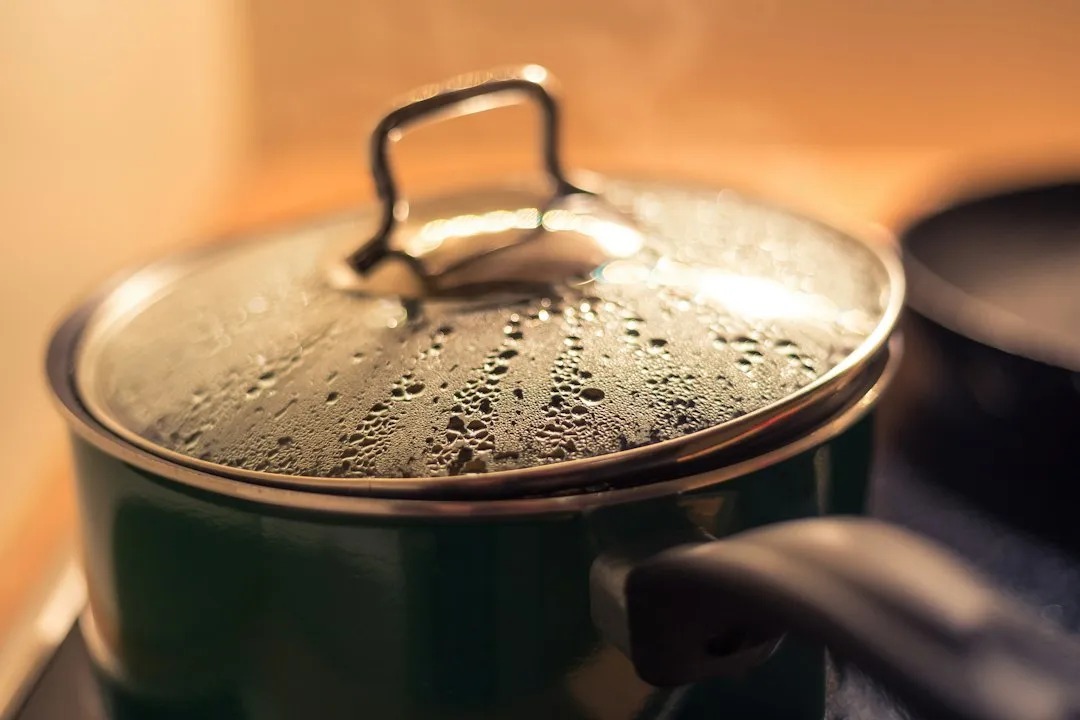
Not every long-preparation item arrives on a plate in recognizable form. Some of the most time-consuming work in the galley is foundational, the stocks and sauces that go into other dishes rather than standing on their own.
A proper veal or beef stock can simmer for six to eight hours before it is strained and ready to use. At the same time, sauces and stocks are simmering slowly to develop rich flavors throughout the overnight shift. On ships where scratch cooking is a genuine priority, the stock pot is one of the longest-running pieces of equipment on board, starting well before guests board and running continuously.
How Galley Crews Plan Ahead to Make It All Work
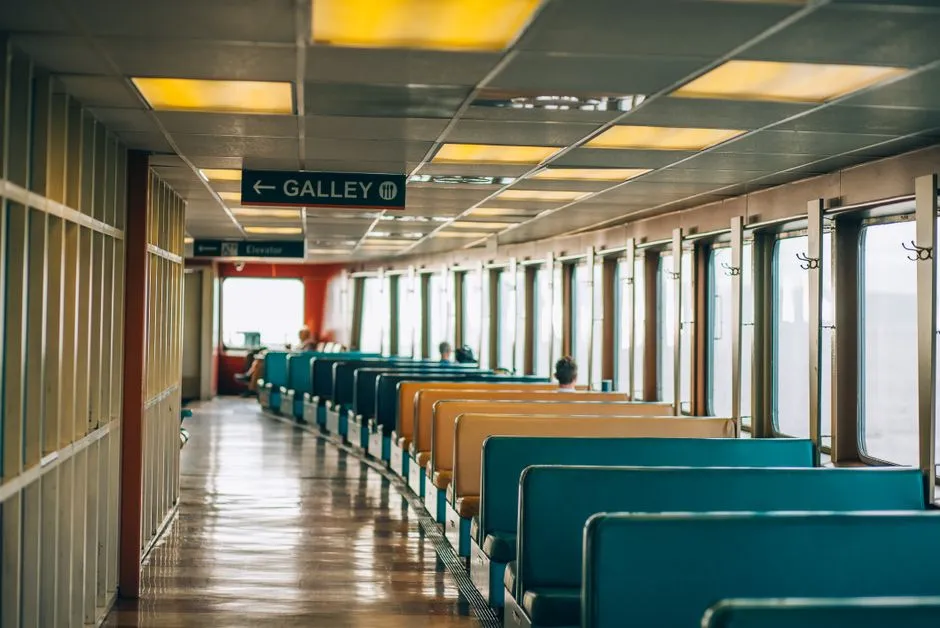
Food orders are typically placed around two weeks in advance and loaded onto the vessel during turnaround days. That level of forward planning is what allows chefs to begin long preparations without running short. Nothing about a 12-hour braise can be improvised at the last minute.
At the onset of a cruise, the crew begins tracking consumption patterns, enabling them to adjust their preparations accordingly, down to preferences like desired steak doneness. That data shapes the following days’ prep decisions, including how many portions of the most time-intensive dishes get started during the overnight shift. Instead of cooking everything all at once, they use “batch cooking,” constantly preparing fresh portions in small groups throughout the night, ensuring each meal is piping hot and ready when it reaches the table.
What Galley Tours Reveal About Time and Craft
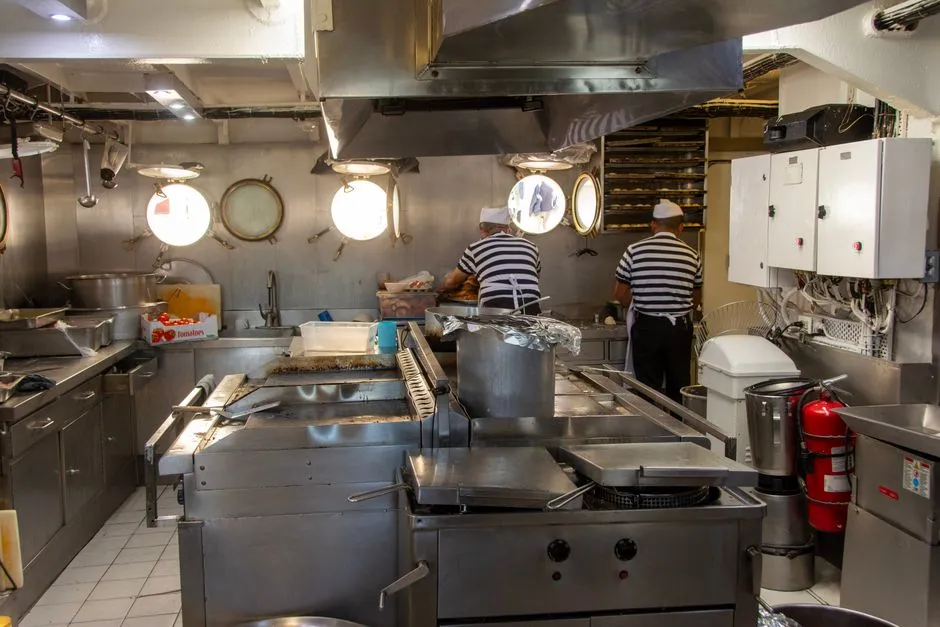
Passengers on galley tours learn a great deal from the crew member leading the tour. Especially fascinating is how chefs can prepare meals for hundreds of people simultaneously and still take special requests, such as how meat is cooked. It is in those moments that the scale of the preparation really lands.
You will often see areas dedicated to pastry making, soup preparation, bread baking, meat cutting, and even allergy-friendly cooking zones. What the tour does not always convey is the clock. The short rib you taste at dinner was probably started before midnight the night before. The galley is divided into Production, Appetizers, Bakery, Hot Line, and Pastry, with separate kitchens for restaurants and the buffet line, and each station carries its own timeline that feeds into the others.
The Quiet Pride Behind the Longest Preparations
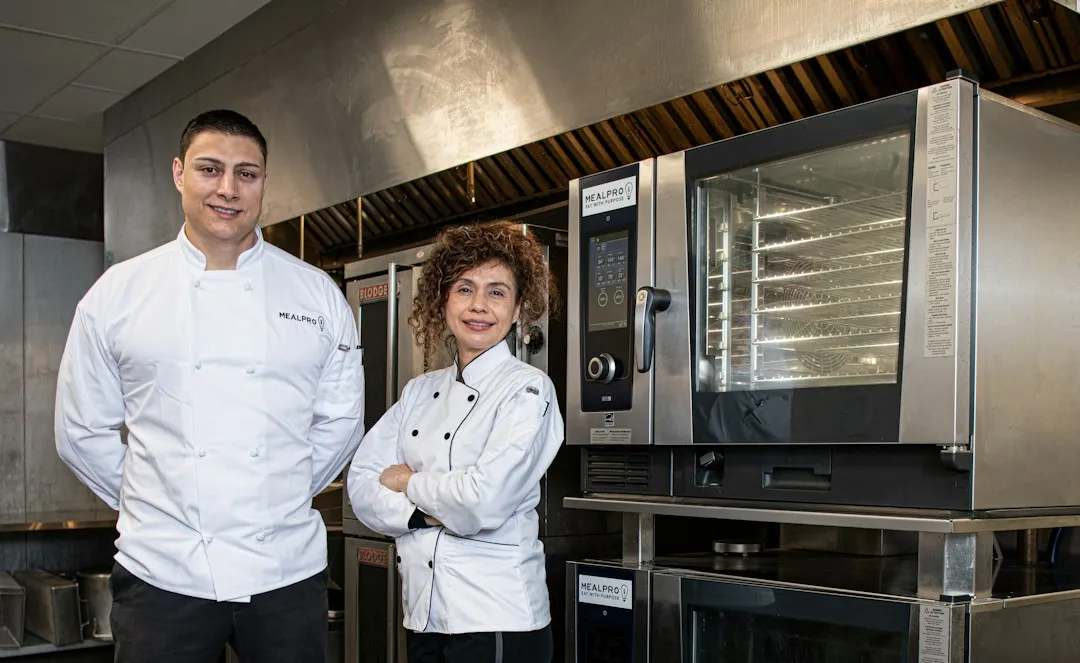
There is something worth recognizing in the way galley crews talk about their longest dishes. It is not complaint. It is craft. A 12-hour braise on a moving ship in the middle of the ocean, scaled for hundreds of plates, is a different kind of achievement than the same dish in a Michelin-starred restaurant on dry land.
The food and beverage department on the Queen Mary 2 is the ship’s largest, totaling 262 galley workers including some 100-plus chefs, 369 restaurant service staff, 92 bar, and 16 inventory staff. Every one of those roles exists to support a system in which time, precision, and repetition are the real ingredients. The braised short rib does not get its reputation from drama. It earns it through hours of quiet, disciplined work that most guests never see, and galley crews would not have it any other way.
AI Disclaimer: This article was created with the assistance of AI tools and reviewed by a human editor.