

The Tracks Open to the Public Are Genuinely Rare
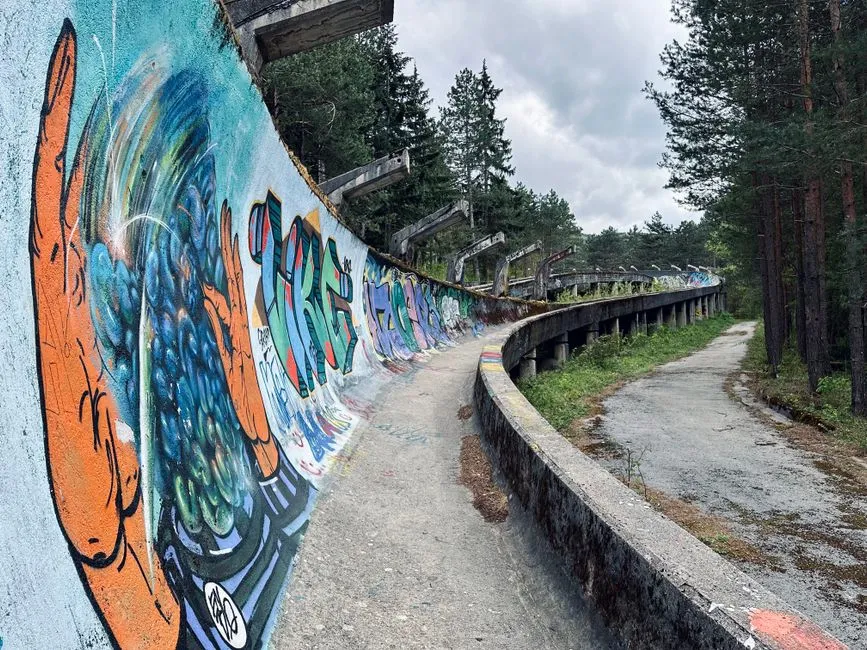
Not every sliding track in the world opens its doors to ordinary visitors. There are only around eleven bobsledding runs in the world that allow public use. That scarcity is part of what makes these experiences feel significant rather than routine. You’re not stepping onto a theme park imitation – you’re using the same frozen channel that national teams train on.
The Whistler Sliding Centre in British Columbia is the only place in Canada where the public can try bobsleigh and slide like an Olympian. In the United States, it’s a very unique experience to ride on one of the only two actual tracks in the US that professional skeleton, bobsled, and luge athletes use. The other is in Park City, Utah. For most riders, simply being on one of these facilities carries its own gravity before the sled even moves.
The Pre-Ride Orientation Is Longer Than You Think
After an initial welcome session, riders typically load onto a bus and head to the bottom of the track for a second orientation – an extremely informative session covering how to ride properly, where to place your arms, how to keep your head in the best position, and how to load and unload the sled. This isn’t incidental. Operators treat the briefing as genuinely important, not just a legal formality.
Even though the ride itself lasts less than a minute, with check-in and orientation, the full bobsled experience can take up to one hour and fifteen minutes. Riders are also fitted for helmets and sign waivers before any of them get near the ice. Staff members repeatedly remind guests that it is an aggressive ride – a constant reminder that is a bit unnerving but adds to the excitement, and gives people one final moment to decide whether they want to continue.
The Speed Is Not a Metaphor
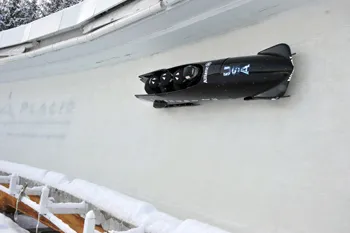
After orientation, you slide in a real bobsleigh driven by a trained pilot, racing through ten twists and turns at speeds exceeding 125 km/h and feeling the acceleration of up to 4 g-forces. That’s not marketing language – it’s a measurable physical event. For context, a typical roller coaster reaches around 3 g-forces, so the upper end of a public bobsled run clears that benchmark comfortably.
On a competition track, speeds may exceed 120 kilometres per hour, and some curves can subject crews to as much as 5 g. Public rides are dialed back from those extremes, but only slightly. When the Utah Olympic Park ride was first opened to the public it started from the very top of the 1.3km track, reaching speeds of up to 135 km/h – the ride now starts from the fifth curve, keeping top speeds to around 105 to 110 km/h.
The G-Force Is the Part Nobody Fully Prepares For
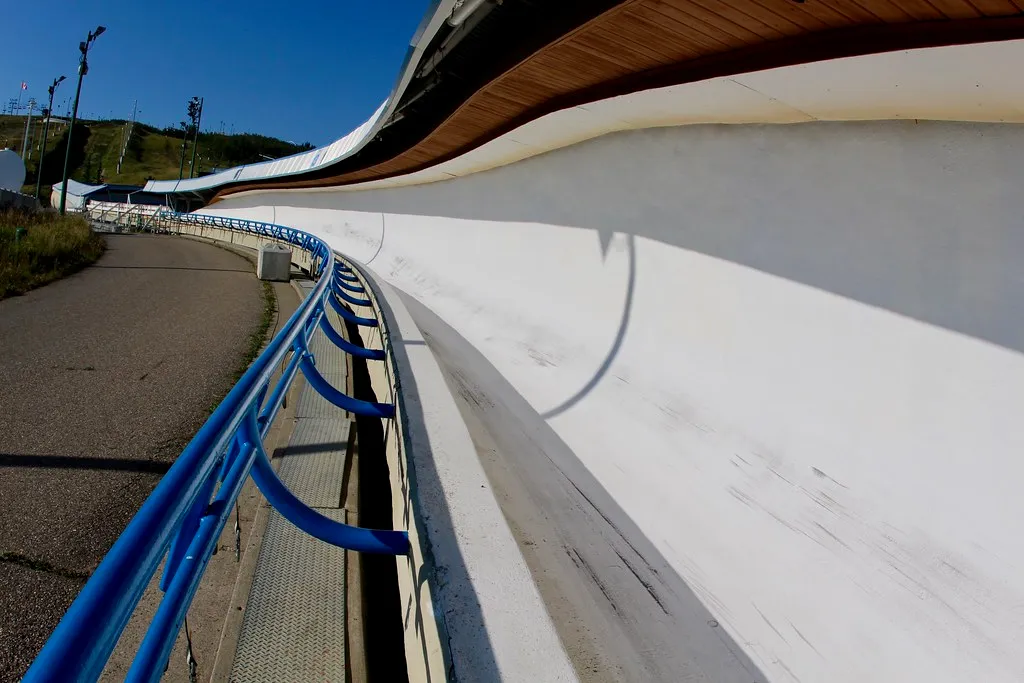
The Winter Bobsled Experience at Utah Olympic Park is described by operators as a highly physical and extreme experience, generating up to four to five times the force of gravity. That’s the kind of force that compresses your chest, makes your vision narrow slightly at the edges, and causes your neck muscles to work harder than they’ve probably worked since the last time you had a car accident. It is not subtle.
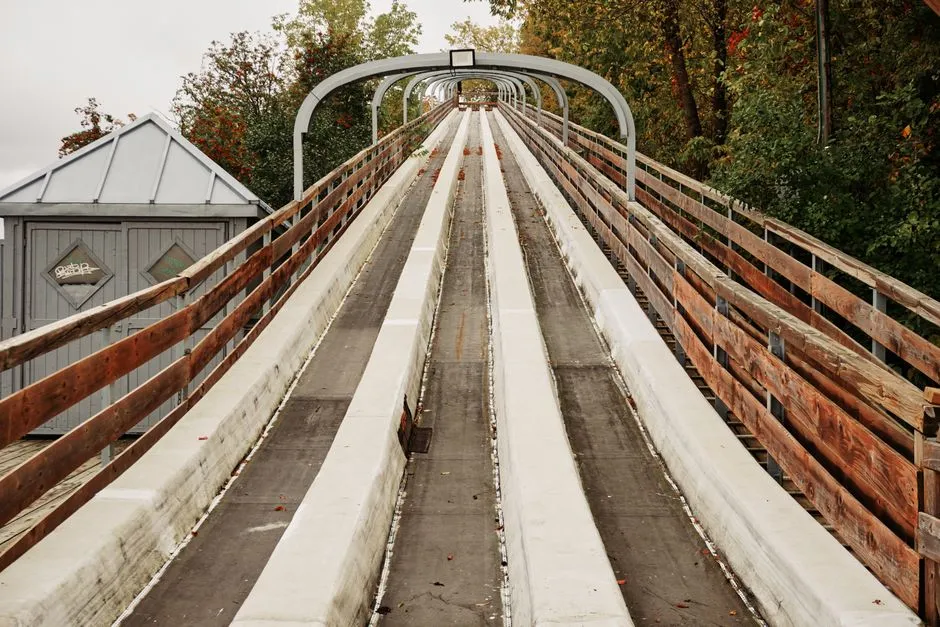
One of Utah Olympic Park’s professional pilots takes up to three passengers per bobsled, with riders expecting speeds up to 70 mph and up to 5 g-forces across ten curves of the track, all in less than a minute. The summer version runs on the concrete base of the track rather than ice, which changes the surface friction but not the sensation very much. For the summer season, the bobsleds are modified to roll on the track’s concrete surface, keeping the experience accessible year-round at some venues.
There Are No Lap Bars or Shoulder Restraints
There are no restraints in a public bobsled – only rubber handles on the sides to cling to. This makes it far more unhinged than a roller coaster, which is fixed to a railroad track and locks you to your seat via a shoulder harness. That detail tends to land differently once riders are actually sitting inside the sled and looking down the channel.
A bobsled is fixed to nothing – the only thing between a rider and a bad outcome is a competent driver. Operators are understandably firm about the qualifications of their pilots. Every sled used for public rides at venues like Sigulda, Whistler, and Utah Olympic Park is driven by a licensed, trained pilot – not a casual guide or seasonal worker.
The Pilot Is the Entire Safety System
When not managing the track tower, professional bobsled pilots at Utah Olympic Park are the licensed drivers who take passengers down the track in the Comet sleds. These are not amateur thrill-seekers moonlighting on weekends. They hold certifications, train regularly, and are deeply familiar with the specific behavior of each curve on their particular track.
Once the sled gets a green light, track crew give it a push and the control tower announces that the bobsleigh is in the track – riders then accelerate down, leaning into corners to assist the steering pilot in reaching top speeds in the final corner. The tower monitors every sled. Track crews meticulously ensure that the track is checked and double-checked before, during, and after every sled goes down until closing day.
Health Restrictions Exist for Good Reason
Operators strongly discourage anyone with chronic neck problems, back or kidney problems, heart problems, recent surgery, or high blood pressure from riding the bobsled experience. These aren’t boilerplate disclaimers printed in tiny font. The physical demand of repeated high-g lateral forces is real enough that operators at multiple venues include these warnings prominently in their check-in process.
The bobsled ride is described by operators themselves as an aggressive, intense, bumpy ride. Age and weight minimums are also standard. Riders must be at least thirteen years of age and at least one hundred pounds to ride at Utah Olympic Park. Whistler requires riders to be at least fourteen. These thresholds exist because the forces involved are not trivially managed by a small or young body.
Summer and Winter Versions Feel Different
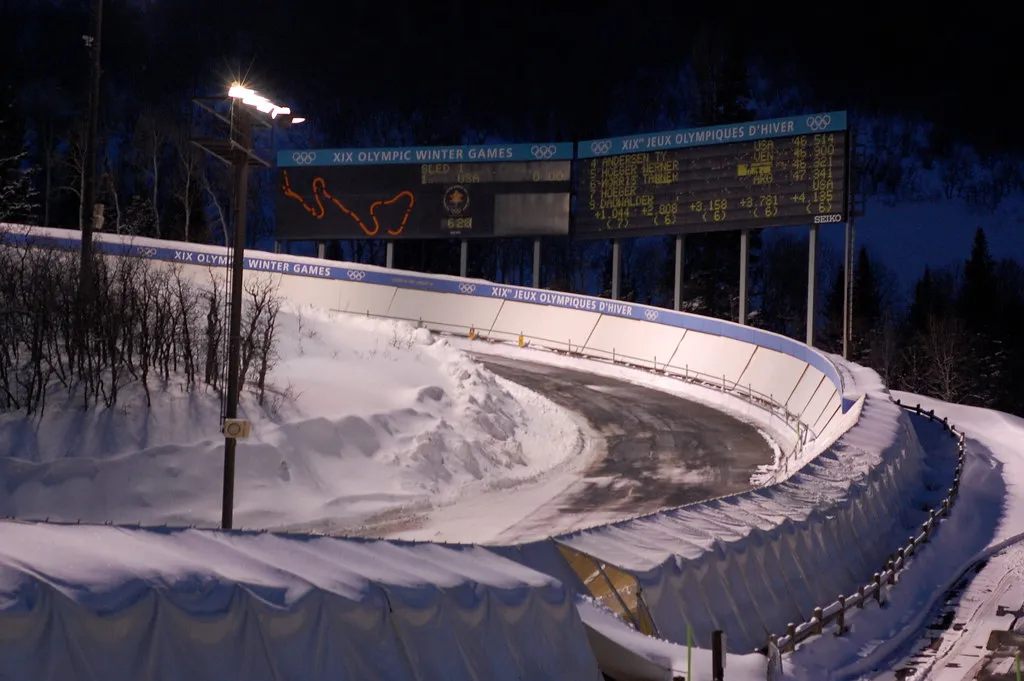
On weekends at Sigulda in Latvia, visitors can drive down the bobsled run with a pilot at around 90 km/h in winter conditions. The track itself was a gift from the Soviet Union in 1986, and it remains one of the more storied public sliding venues in Europe. Visitors arriving in warmer months experience a wheeled sled version rather than ice, which is the same approach used at Whistler and Utah.
Softer, public-use sleds peak at around 65 kilometres per hour, whereas the standard competition sleds reach 100 kilometres per hour. The gap between summer and winter public rides often comes down to surface friction and sled weight. Still, even the more accessible versions produce g-forces that most people have never encountered outside of a military aircraft or a high-performance sports car.
The Cost Reflects the Rarity of the Experience
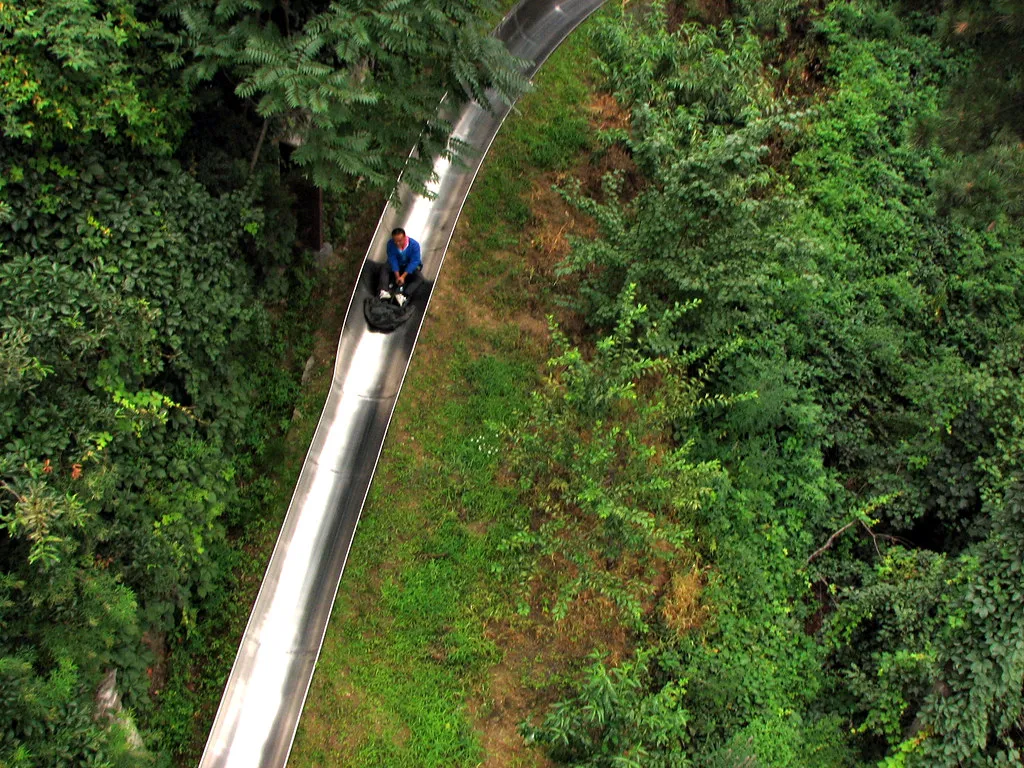
Visitors at Sigulda describe the experience as fantastic, though expensive at around €30 for a one-minute ride per person – an admission that very few places in the world offer this at all. Prices vary considerably by venue and season. The summer bobsled experience at Utah Olympic Park costs $100 per person as of 2025, while the winter on-ice version commands a significantly higher price point.
The winter bobsled experience at Utah Olympic Park is priced at $225 per person, reflecting both the operational complexity of maintaining a refrigerated ice track and the cost of employing licensed pilots year-round. Whistler Sport Legacies, the not-for-profit organization operating the Whistler Sliding Centre, became responsible for the facility on June 1, 2010, following the 2010 Olympic and Paralympic Winter Games, with a mandate to provide accessible and safe opportunities for people of all ages and abilities. Revenue from public rides directly supports that mission.
What Riders Actually Say When They Get Out
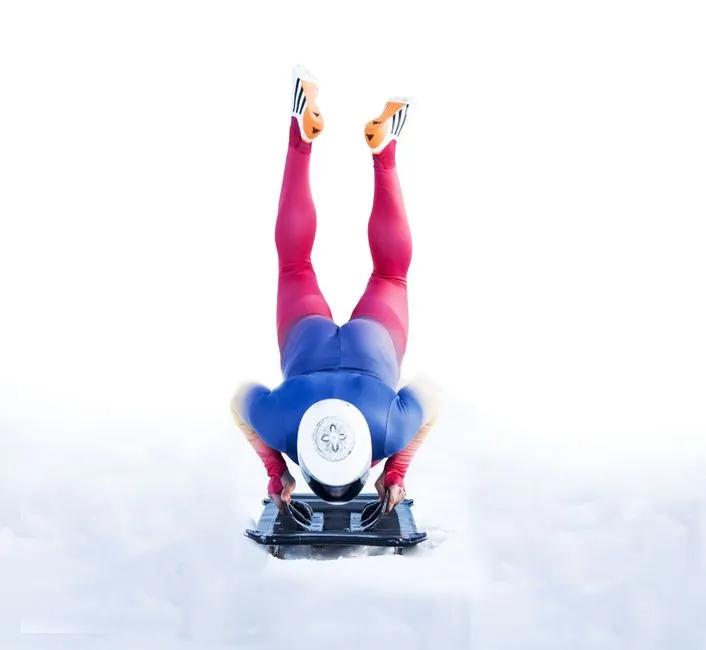
The most consistent thing track operators hear at the bottom of the run is not a scream – it’s laughter. The adrenaline rush on the ride is described as great, the staff cheerful and informative, and riders come away with huge grins on their faces that linger long after the sled stops. The experience tends to compress time in a strange way: the ride is objectively brief, yet people often describe it as feeling simultaneously too fast and too long.
Riders consistently note that the bobsled is fast – genuinely fast – yet they also report feeling totally safe the entire time. That combination is the signature of a well-run operation. The fear is real, the control is real, and neither cancels the other out. The speeds and skill involved in driving the sled are described by riders as insane – and yet the same people tend to immediately ask whether they can go again.
The Takeaway
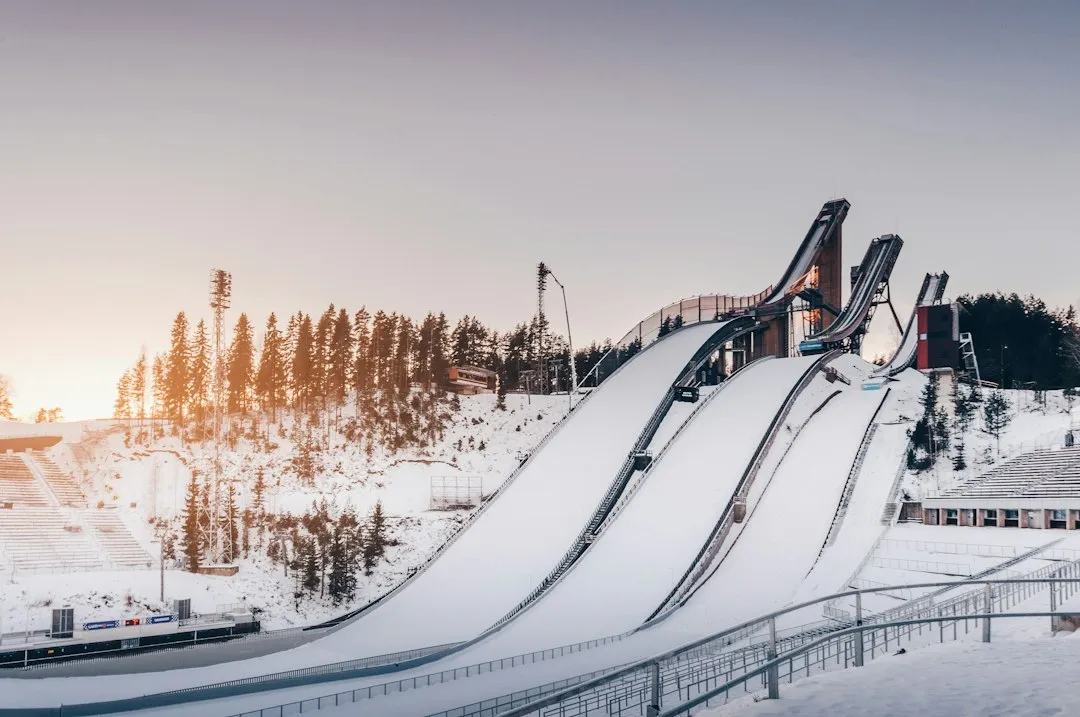
A public bobsled ride is one of the few legitimate experiences where the reality exceeds the expectation without relying on illusion or spectacle. The track is the track. The speed is the speed. The g-force is exactly as physical as it sounds, and the pilot’s skill is the only thing standing between you and the wall.
What makes these venues worth visiting isn’t just the adrenaline – it’s the honesty of the whole thing. No padding, no sanitizing, no Hollywood version. Just a narrow channel of ice or concrete, a trained human being in the front, and about fifty seconds to find out what your body does when physics decides to take over.
AI Disclaimer: This article was created with the assistance of AI tools and reviewed by a human editor.