
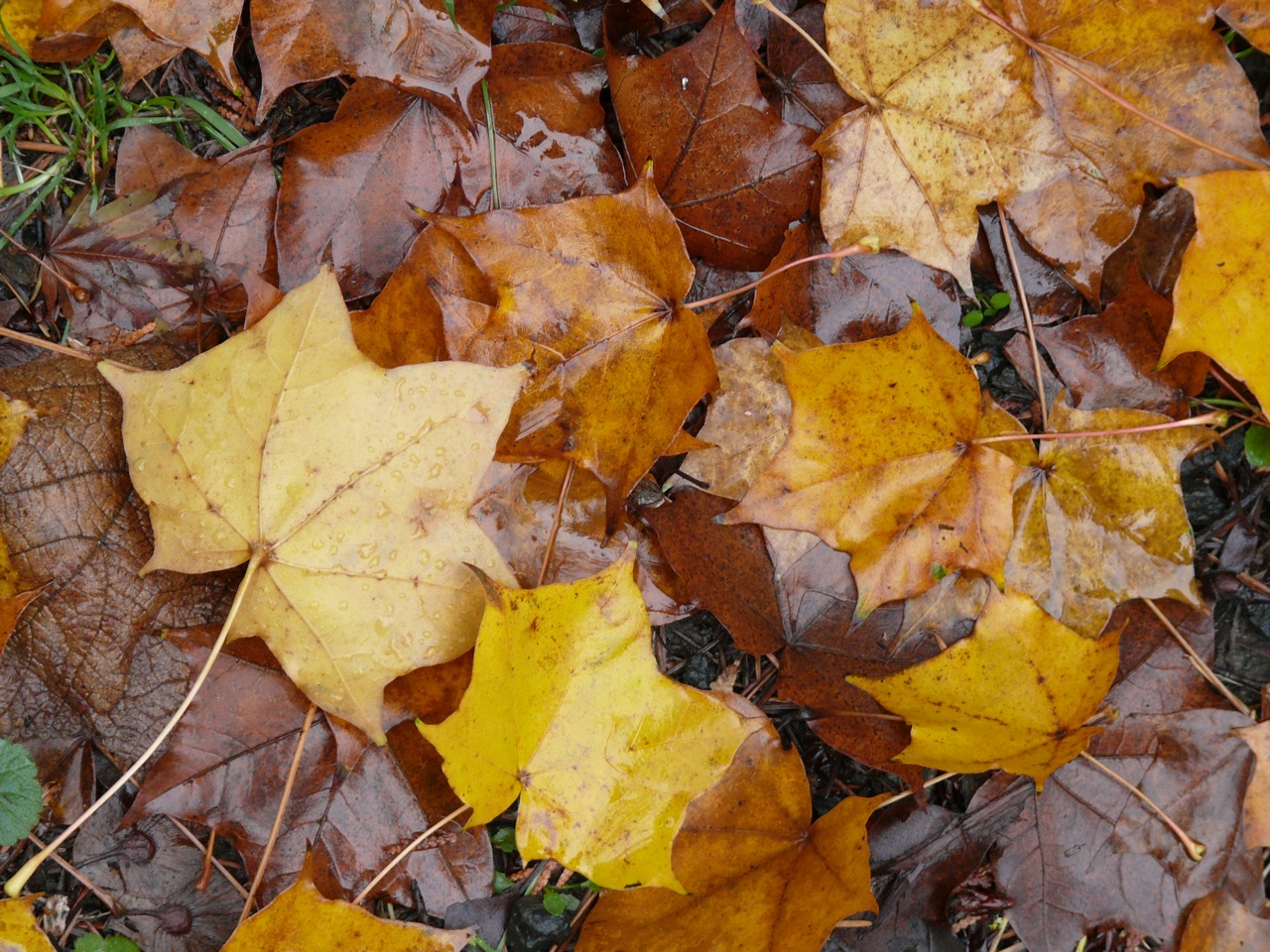

Every autumn, the question surfaces almost as reliably as the colors themselves: why does this year’s foliage look so much more brilliant than last year’s? Some seasons feel like someone cranked up the saturation on a photograph. Others arrive and depart in muted tones, a little flat, a little underwhelming. The difference is real, and the science behind it is genuinely fascinating.
It turns out that the intensity of fall color, especially those deep, saturated reds, depends on a remarkably precise set of conditions that shift from one year to the next. Weather, soil, tree biology, and even long-term climate trends all play a role. Understanding what drives those brilliant reds opens a window into something much larger: the health and behavior of forests themselves.
The Pigment Behind the Red: Anthocyanins
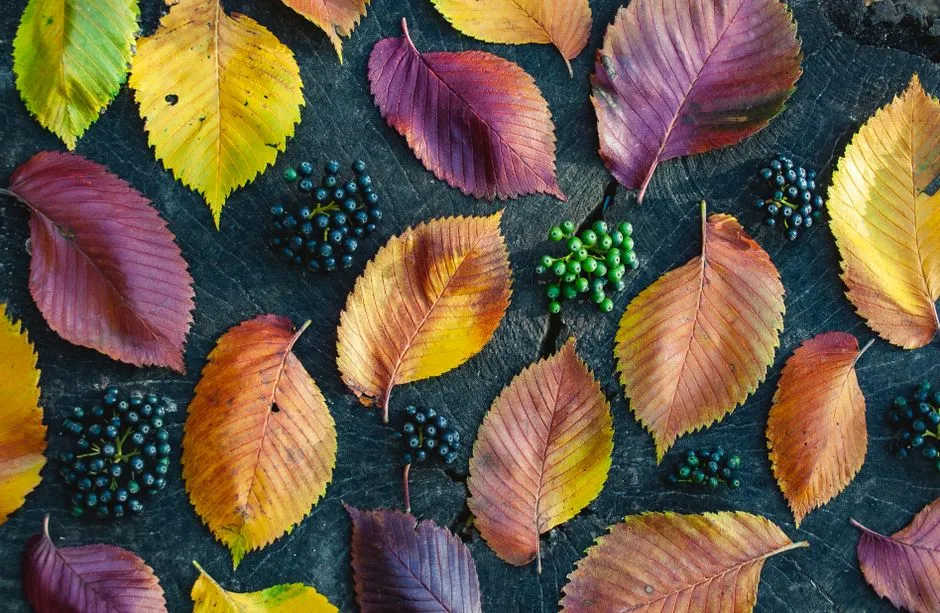
Unlike the yellow and orange pigments that are present in leaves throughout the summer, red and purple anthocyanins are not carried over. Many tree species actively produce anthocyanin in autumn, typically in response to bright sunlight and a buildup of sugars trapped inside the leaf as the connection between the leaf and the rest of the tree begins to close off for the season.
The vivid red and purple colors in scarlet red maples, sweet gum, and dogwood trees come from anthocyanins, which also provide the red in cranberries and red apples, and are manufactured in the fall from sugars in the leaf. This freshly manufactured quality is what makes red color so variable. Because anthocyanin production depends on active synthesis rather than simply being unmasked, red and purple fall colors tend to vary more dramatically from year to year than yellow and orange tones do.
Why Sunny Days Make Such a Big Difference
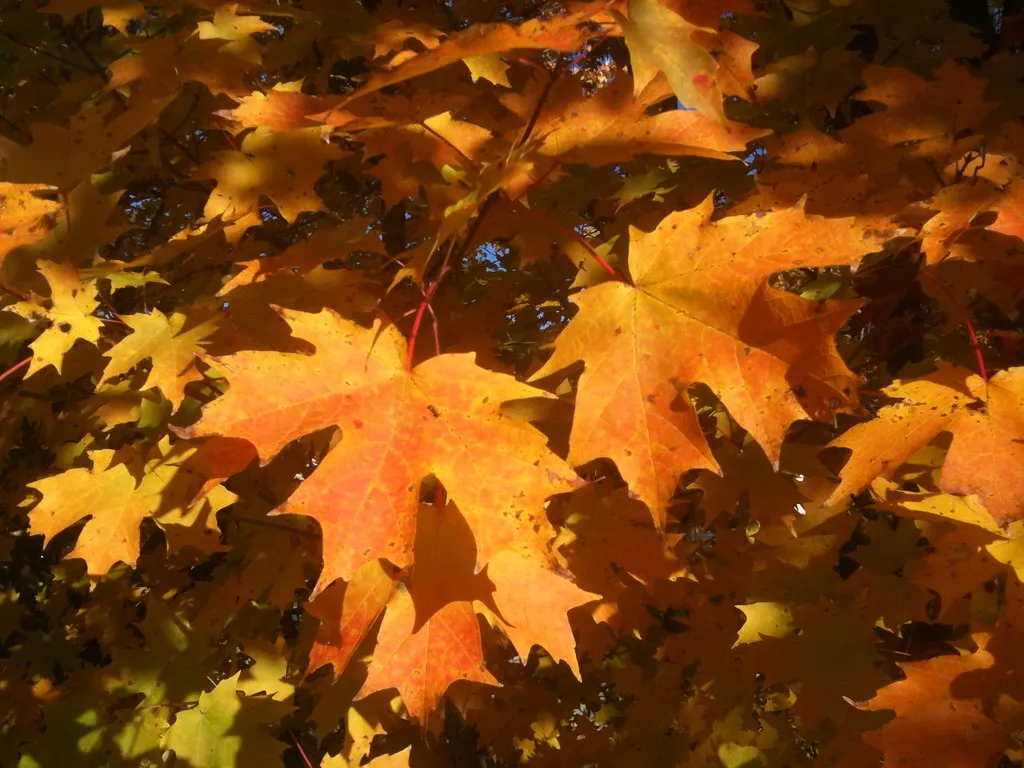
A stretch of clear, sunny weather during early autumn can be excellent news for leaf peepers. Leaves continue producing sugars on sunny days. As the tree begins sealing off the connection between leaf and branch in preparation for winter, some of those sugars can become trapped inside the leaf. That process encourages the production of anthocyanins, the pigments responsible for many of autumn’s brightest reds and purples.
The reason you’ll see more vibrant reds during some years is that lots of sunlight and dry weather increase the sugar concentration in tree sap, triggering the tree to release more anthocyanins in a last-ditch effort to gather up energy to get through the winter. It’s essentially a stress response, and a beautiful one at that.
The Role of Cool Nights
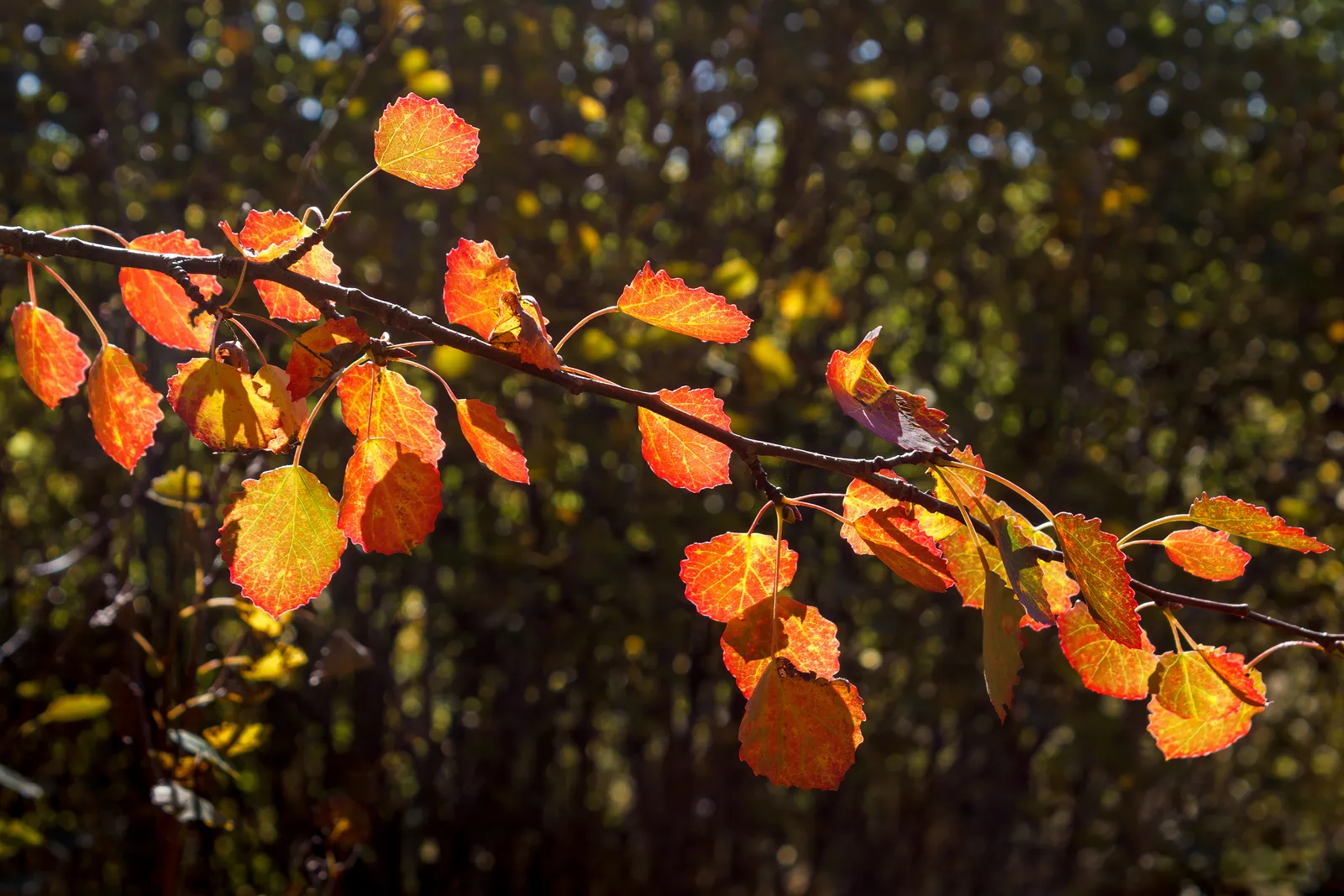
Those crisp nights are an important part of the recipe. Temperatures dropping into the 40s can help slow the movement of sugars out of the leaves, encouraging stronger development of red pigments in certain species. The combination of warm days and genuinely cold nights creates an almost perfect pressure-cooker effect for anthocyanin production.
The best conditions for fall foliage are cool evenings contrasted with warm daytime temperatures, paired with a shortening length of the day. Together, these signal the tree to begin shutting down, and degrading chlorophyll and other key chemicals in the tree and leaf, which reveal and produce vibrant colors. When that temperature contrast is missing, the reds simply don’t develop to their full potential.
Why a Hard Freeze Can Kill the Show
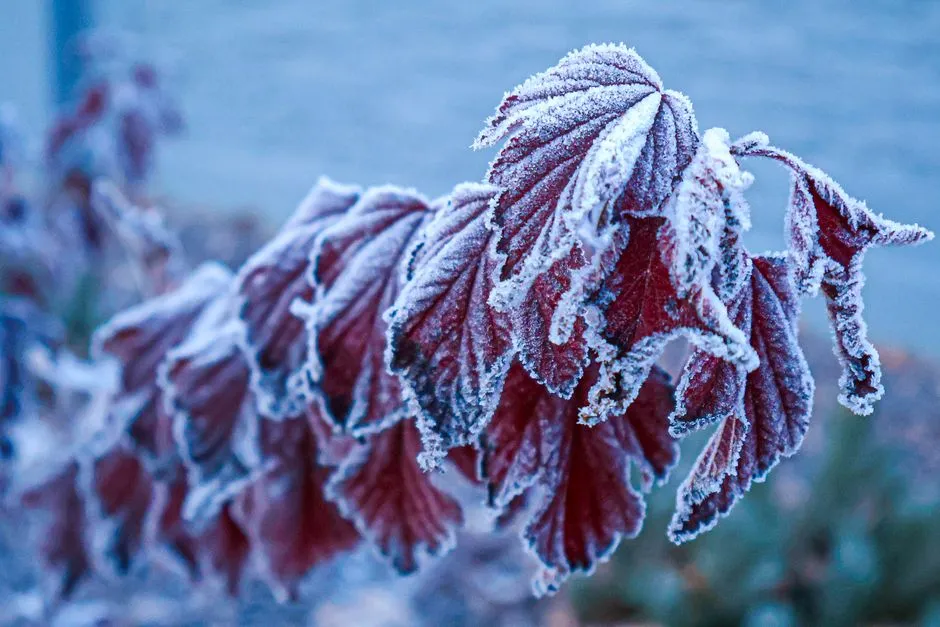
An early hard freeze can damage leaf tissue before the color show has fully developed. Instead of brilliant reds and oranges, affected leaves may brown quickly or fall from the tree. So despite the old belief that frost “paints” the leaves, frost isn’t what causes autumn color. In fact, an early freeze can shorten the show.
Significant early-season cold snaps that involve hard freezes can have a negative impact on fall colors, causing leaves to quickly reach “past peak” status and fall off the trees sooner. There’s a real sweet spot here, and it’s narrower than most people realize. Cool is productive; frozen is destructive.
How Summer Rainfall Shapes Autumn Color
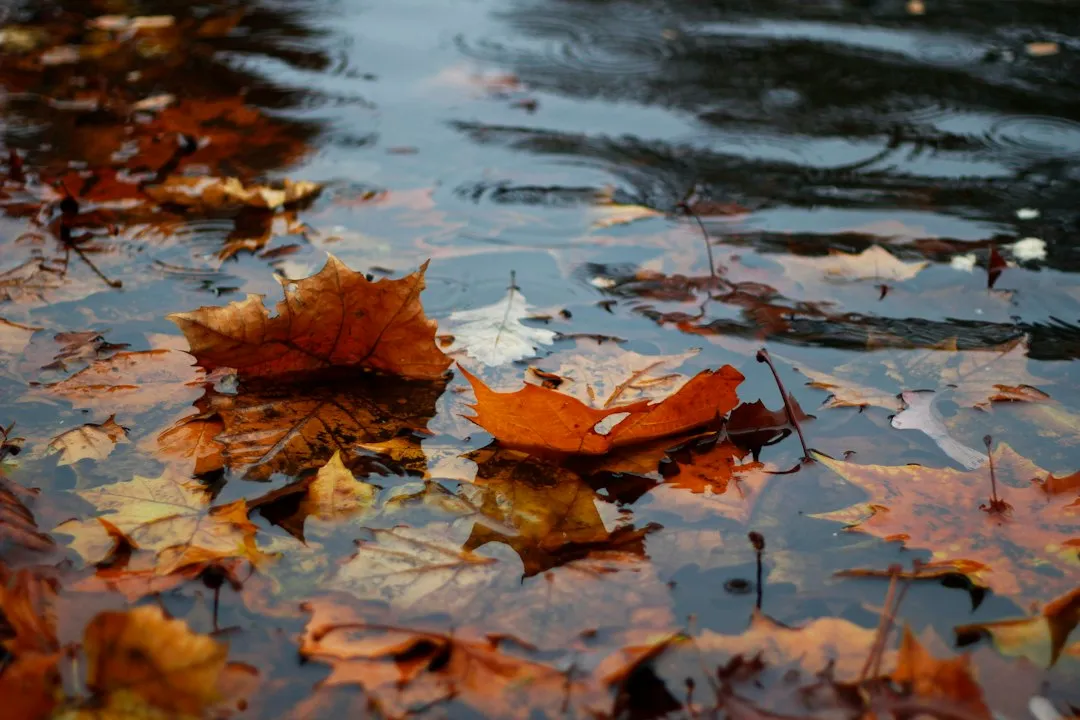
During autumn, three main factors, including day length, temperature, and rainfall, influence when the leaves of various tree species change color, how long that takes, and how vibrant the colors are. Reduced sunlight slows photosynthesis, which reorganizes leaf pigments and causes them to change color. Lower temperatures allow plants to begin shutting down. Rainfall during the summer increases soil moisture, making leaves more vibrant when autumn arrives, whereas summer drought can mean dull foliage.
A growing season with ample moisture that is followed by a rather dry, cool, sunny autumn that is marked by warm days and cool but frostless nights provides the best weather conditions for development of the brightest fall colors, according to the United States National Arboretum. This means what happens in June and July quietly determines what we see in October.
The Complicated Truth About Drought
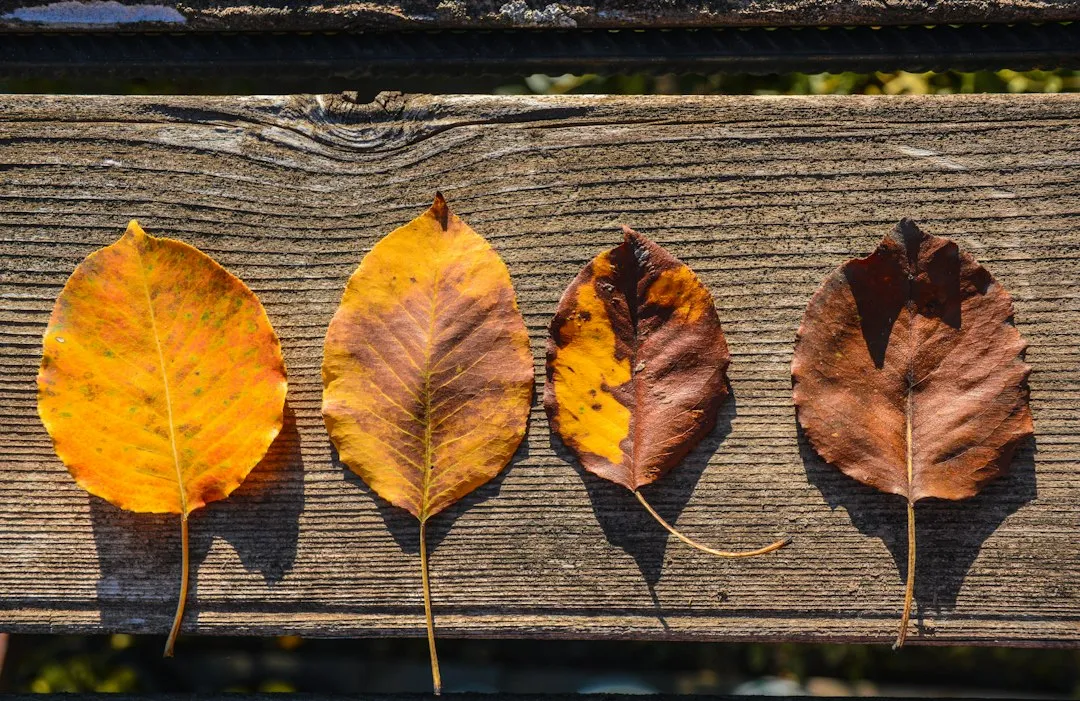
New England experienced drought conditions in 2025, despite a wet spring and early summer, which caused leaves in some places to turn brown and shrivel up. In other cases, minor drought can actually make some leaves turn an even deeper red. So drought doesn’t tell a single, simple story.
Severe drought throws off the schedule as trees go into conservation mode on their own timetable. Extreme climate events like severe drought can reduce the production of the chemical compounds that produce fall color. Drought can also stress trees, leading to them dropping their leaves sooner than they otherwise might. The difference between mildly dry and severely dry conditions is significant, and it’s often what separates a disappointing season from a spectacular one.
Red as a Form of Sunscreen
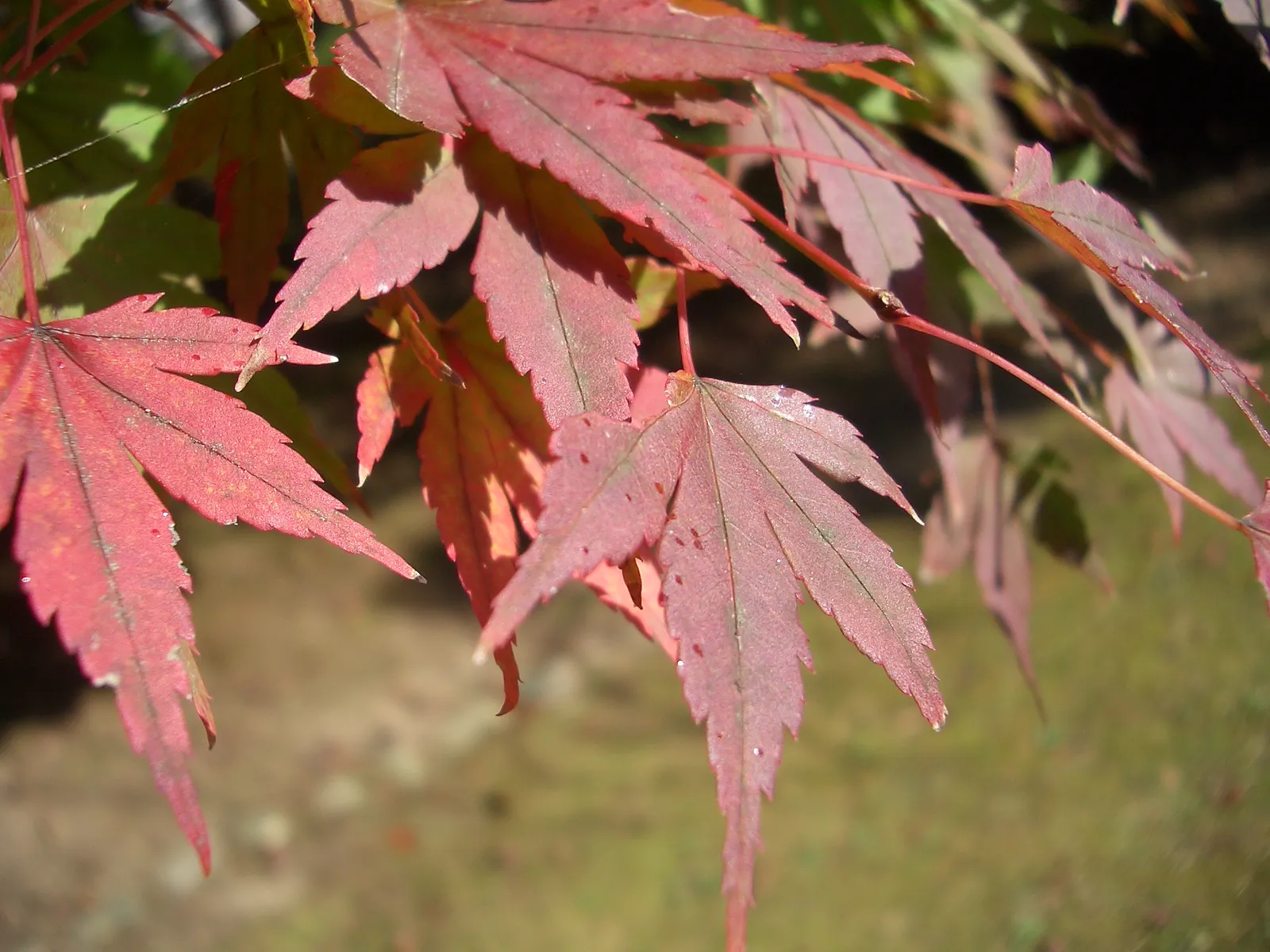
University of Wisconsin-Madison scientists proposed a theory about why autumn leaves turn scarlet and why the hues are more vibrant some years than others. They found that the red pigments called anthocyanins in plants such as maples, oaks, dogwoods, and viburnums act like sunscreen.
Leaves need new protection from light as they lose chlorophyll. When chlorophyll is no longer absorbing sunlight, leaves suddenly have this excess, which can be harmful. It may interfere with the tree’s effort to recoup that crucial nitrogen. The red pigment, in other words, isn’t just decorative. It’s practical, shielding the leaf long enough for the tree to reclaim nutrients before letting go.
Red Leaves May Also Deter Insects
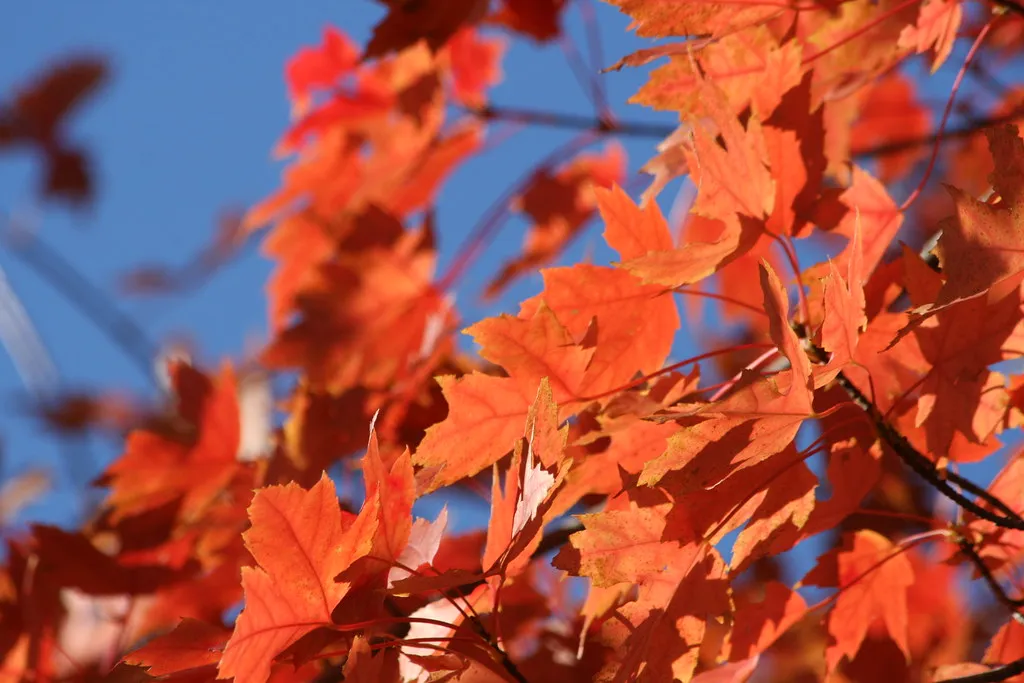
Evolutionary biologist Marco Archetti at Pennsylvania State University argues that bright red leaves may offer a completely different kind of protection, against insects. He says insects that lay eggs in the fall can tell the difference between leaf colors. In one study of apple trees, aphids preferred green and yellow leaves over red.
This means the debate among scientists is still genuinely open. One of those colors has generated a lot of heated debate among scientists in recent years. Whether red serves primarily as sunscreen, an insect deterrent, or both, the fact that trees invest energy in producing it just before shedding those leaves suggests it matters.
What Recent Seasons Have Revealed
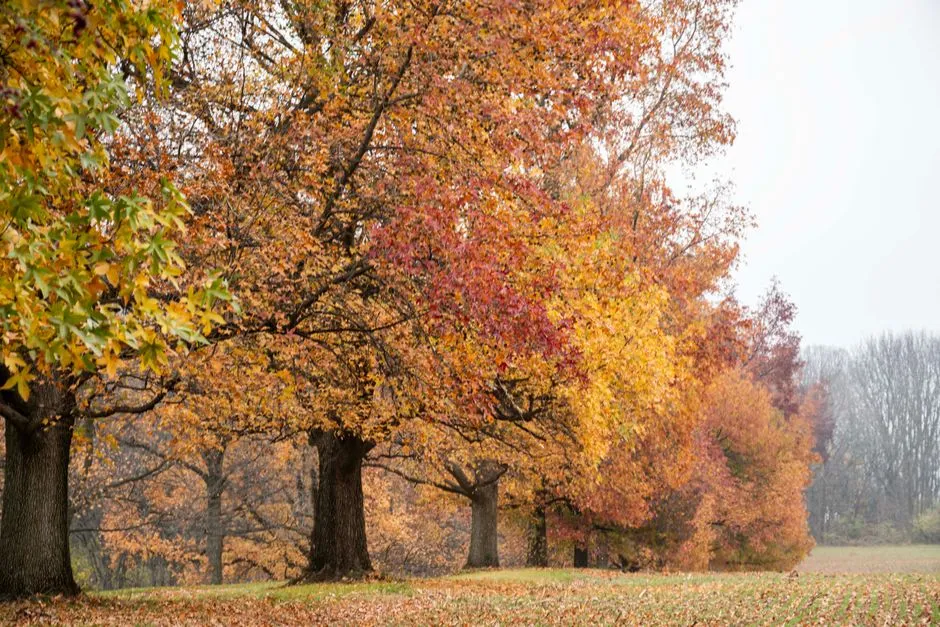
Drought was a major factor behind shorter and less vibrant fall foliage in the Northeast in both 2024 and 2025. Those two consecutive difficult years underscored just how much cumulative weather stress shapes what visitors see on any given hillside. Experts noted that the Northeast appeared to be shaping up for a stronger season coming on the tail of those rough foliage years.
The Blue Ridge Mountains in late 2026 remained more emerald than amber well into the season, but beneath the green canopy, trees were quietly preparing for a dramatic seasonal transformation that Clemson University forest ecologist Donald Hagan said could produce one of the region’s most vibrant fall color displays in years. Patient conditions, it turns out, can build into extraordinary payoffs.
How Climate Change Is Quietly Shifting the Calendar
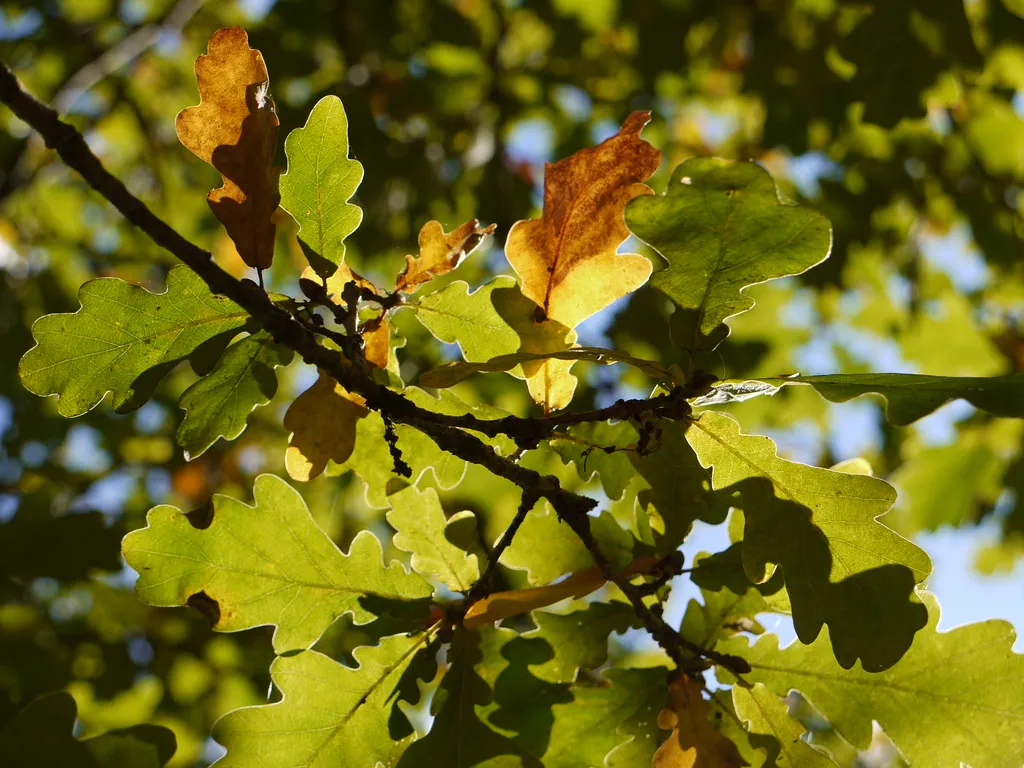
Cool nights are one of several factors that promote colorful leaves, but fall nights have warmed across 212 U.S. locations by an average of 2.7 degrees Fahrenheit from 1970 to 2023. That shift, spread over decades, is subtle on any given night but meaningful in aggregate.
As average fall temperatures rise, researchers are seeing a delay in the onset of fall colors, resulting in a shorter foliage period. The years 2015 through 2025 have been the warmest on record globally, and the heat impacts trees. William Keeton, a professor of forest ecology at the University of Vermont, notes that there are many things that create variation in colors across the landscape, and that climate change, as with everything, just scrambles the deck. The future of fall foliage is likely to be defined by exactly that kind of unpredictability.
The Takeaway
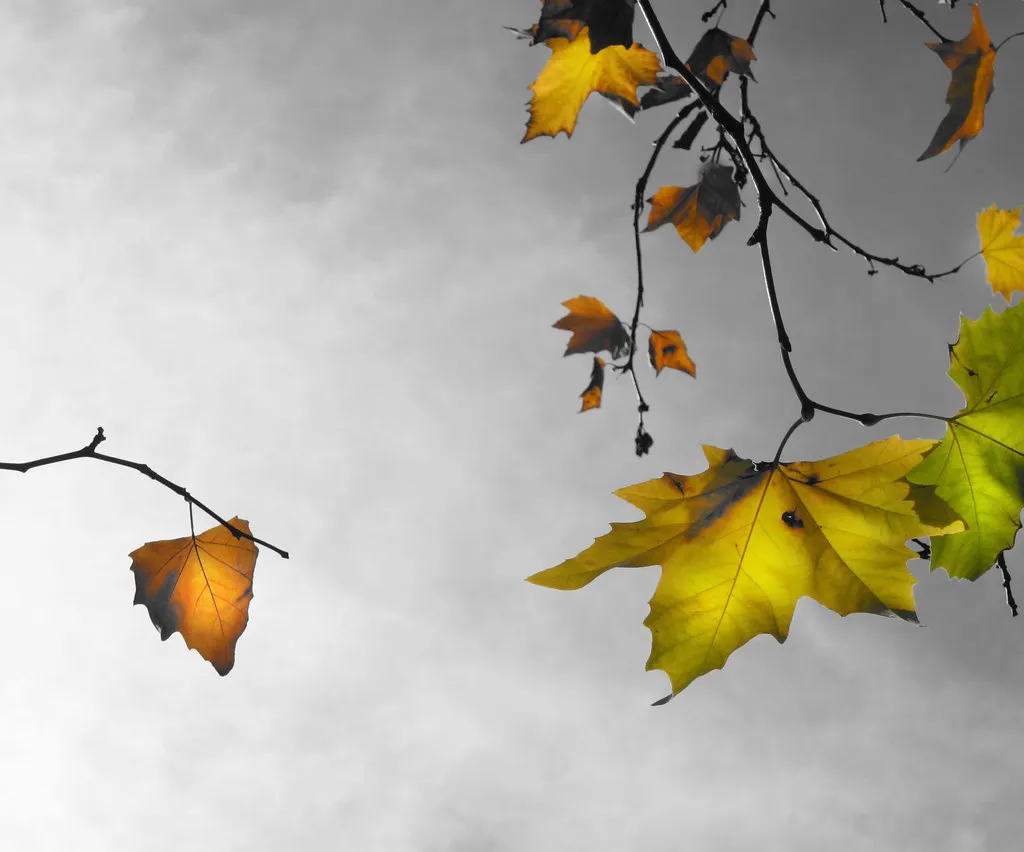
The brilliant reds of a peak autumn season are never guaranteed. They emerge from a precise, almost unlikely combination of a wet growing season, sunny September days, cold but frost-free nights, and trees that are stressed just enough to push their chemistry toward vivid color without tipping into early decline.
What makes this worth understanding is that the variation itself is meaningful. For forest ecologists, the seasonal transformation provides a window into forest health, climate patterns, and ecological change. Every spectacular October is a kind of natural report card, and every dull one carries its own quiet message about what the year before it held.
AI Disclaimer: This article was created with the assistance of AI tools and reviewed by a human editor.