

The Flat Iron Steak That Passengers Talk About for Years
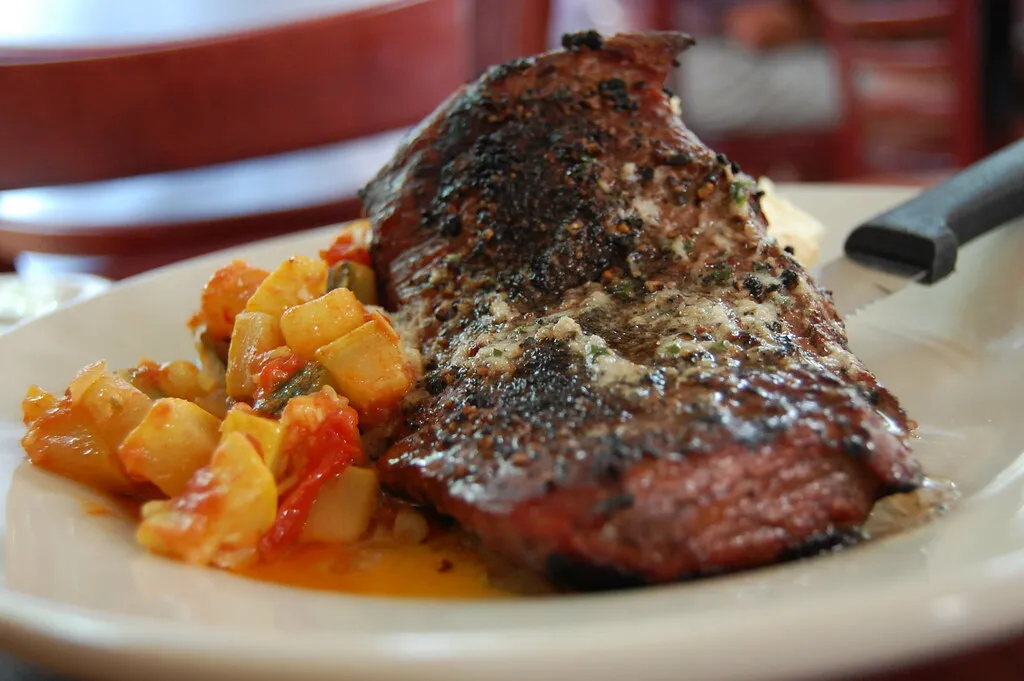
If you ask dining car staff across Amtrak’s western long-distance routes which dish passengers mention when they return, the answer keeps coming back to the same plate. One dish keeps coming up above all others. On a sample long-distance dinner menu from fall 2024, the entrées included Amtrak’s signature flatiron steak, pan-roasted chicken breast, grilled Atlantic salmon, and pasta primavera. The steak is the one that gets talked about before passengers even board.
The signature flat iron steak, chicken breast, and salmon are all offered, but it’s the addition of colorful garnishes, ambitious seasoning and multiple sauces, and a fresher vegetable selection that has elevated the overall dinner experience. According to Trains magazine’s review of the revamped menu, the quality of the steak itself changed noticeably. Chef Frank Villasenor noted that “freshness and the quality of our product is vastly superior,” adding that “it’s the same cut, but these have more marbling and are a lot more dense.”
The Amtrak Signature Flat Iron Steak features Certified Angus Beef, served with rustic mashed potatoes, mixed vegetables, and a port wine sauce. It’s a proper dinner plate, nothing apologetic about it.
Amtrak Signature Railroad French Toast: A Comeback Story
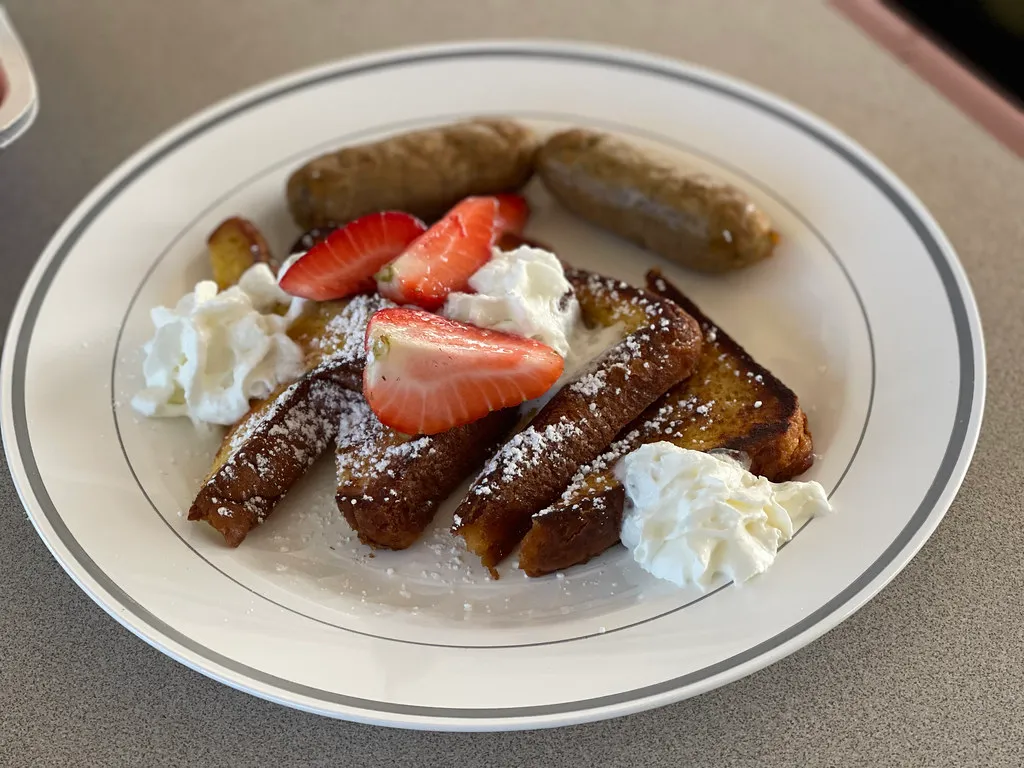
Few items carry as much passenger loyalty as the Railroad French Toast. When Amtrak moved to its “flexible dining” format starting in 2018, this was among the first things passengers said they missed. For breakfast, “Amtrak signature railroad French toast” returned by popular demand, with fresh cream and mixed berries added on top. Its return wasn’t a quiet revision. It was treated as a genuine event worth announcing.
Most travelers especially appreciate the return of “Amtrak signature French toast” with whipped cream optional, along with made-to-order omelets. The French toast has become one of those rare branded menu items that passengers actually ask for by name. When Amtrak temporarily eliminated full-service dining on some routes, the Railroad French Toast was singled out by name as one of the “perennial customer favorites” that passengers most mourned losing.
The Three-Course Dinner Experience That Sets Trains Apart from Planes
What makes dining on a long-distance Amtrak train different from any other form of mass transit is the structure of the dinner service. Because the sleeper-only restriction remains in place on some routes, serving fewer passengers has triggered significant changes in selection and presentation, especially with the three-course meals including a dessert at dinner. That means an appetizer, an entrée, and a proper dessert. On a moving train.
Don’t expect Michelin-star quality on a moving train, but the meals and service are miles past what you’re used to eating on airplanes or in food courts. The communal aspect of the dining car adds to the experience in ways that are hard to replicate elsewhere. The current traditional dining dinner menu includes appetizers like pearl tempura shrimp, green chile cheese tamale, and mixed green salad with baby brie, followed by entrées and desserts including chocolate spoon cake, white chocolate blueberry cobbler, cheesecake, and carrot cake.
The Made-to-Order Omelet That Still Surprises People
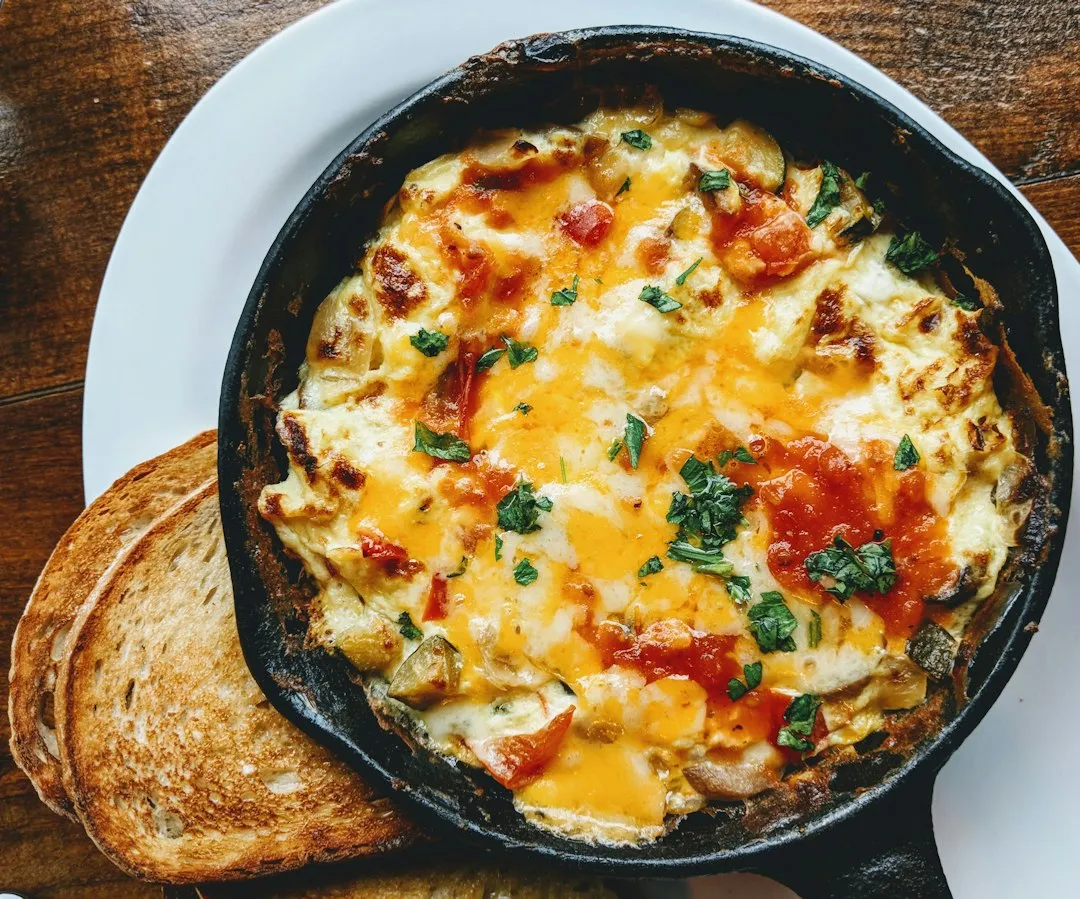
Breakfast in the dining car has a different energy than dinner. It tends to be quieter, more relaxed, with passengers drifting in as the morning light shifts through wide windows. The made-to-order three-egg omelet is one of the items that genuinely surprises first-time riders who weren’t expecting that level of customization on a train. Rider favorites at breakfast include the Amtrak Signature Railroad French Toast and Three Egg Omelet.
The traditional dining breakfast menu includes continental breakfast, the Amtrak signature railroad French toast, a three-egg omelet, and scrambled eggs, with sides of hardwood smoked bacon, breakfast pork sausage links, and chicken sausage links. The omelet’s return after the flex dining era was noted specifically in coverage by Trains magazine as a meaningful step toward restoring the experience passengers remembered.
The Angus Burger at Lunch: Unpretentious and Consistently Good
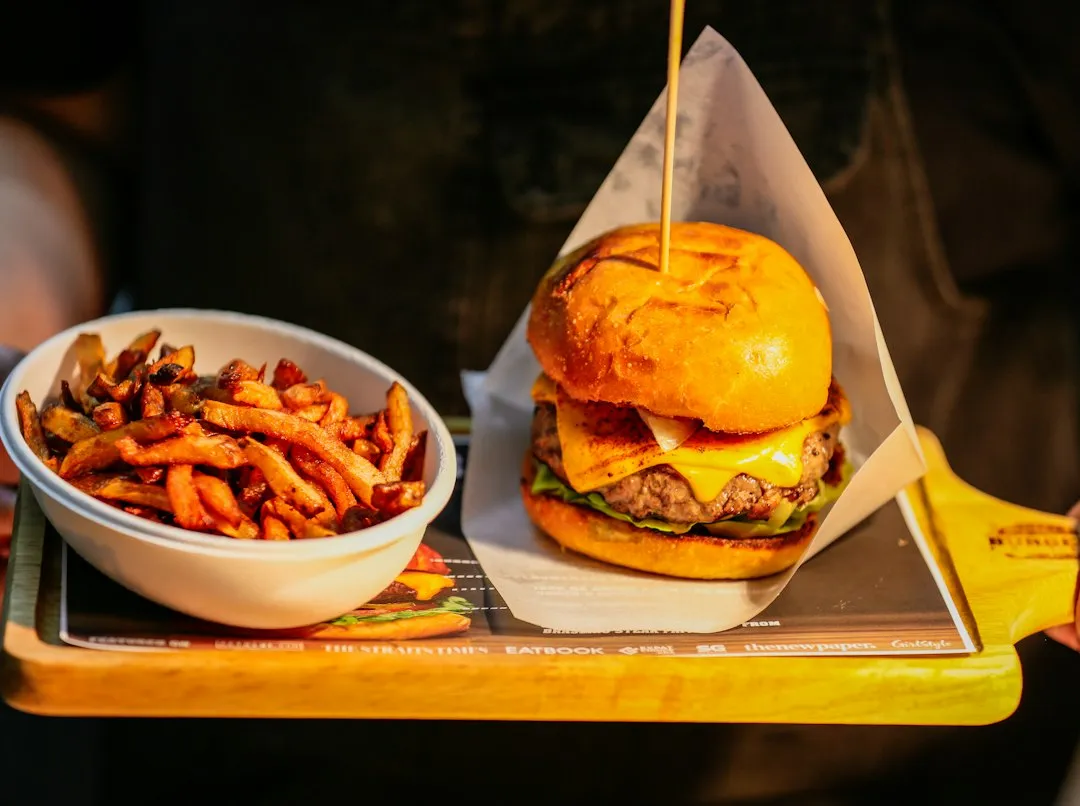
Not every memorable meal is the most elaborate one on the menu. The Natural Angus burger at lunch has built a steady following among passengers who appreciate something honest and filling midway through a cross-country journey. At lunch, the Angus beef burger returned as part of the revamped traditional dining menus. It doesn’t try to be more than it is, and that’s exactly the point.
Rider favorites at lunch include the Monte Cristo Grilled Sandwich, Natural Angus Burger, and Vegan Chili Bowl. Dining car staff note that lunch tends to be the most casual meal of the day, with passengers stopping in between watching the scenery and socializing in the lounge car. The burger, more often than not, is what they order.
How the Flex Dining Era Changed What Passengers Now Appreciate
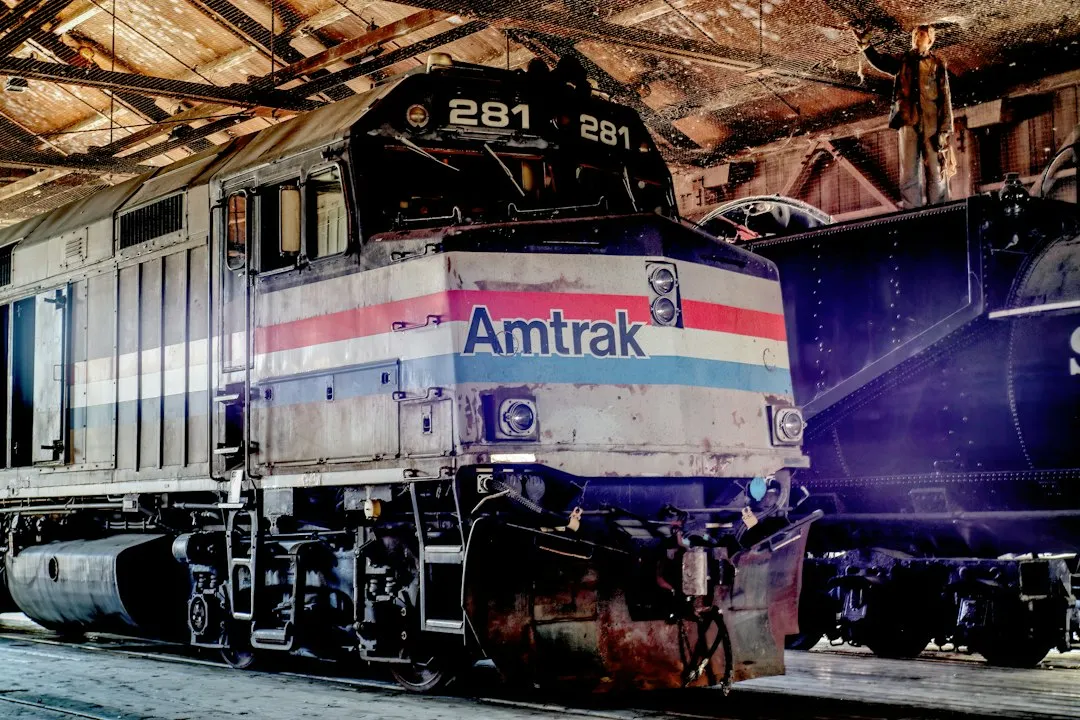
To understand why passengers speak so warmly about certain meals, it helps to understand what came before. In 2018, Amtrak discontinued full-service dining aboard some trains and replaced hot meals prepared on the train with a selection of primarily cold pre-packaged boxed meals. That shift, felt sharply across the network, reset passenger expectations in ways that made the eventual return of traditional dining feel genuinely significant.
Flexible dining meals are packaged in disposable containers, placed on a hard plastic tray, and come with everything prepackaged, making these meals among some of the most unappetizing that Amtrak offers. The contrast with white tablecloth service is stark. Amtrak has improved its food service on every train that has reverted to traditional dining from flex.
The Routes Where Traditional Dining Still Shines Brightest
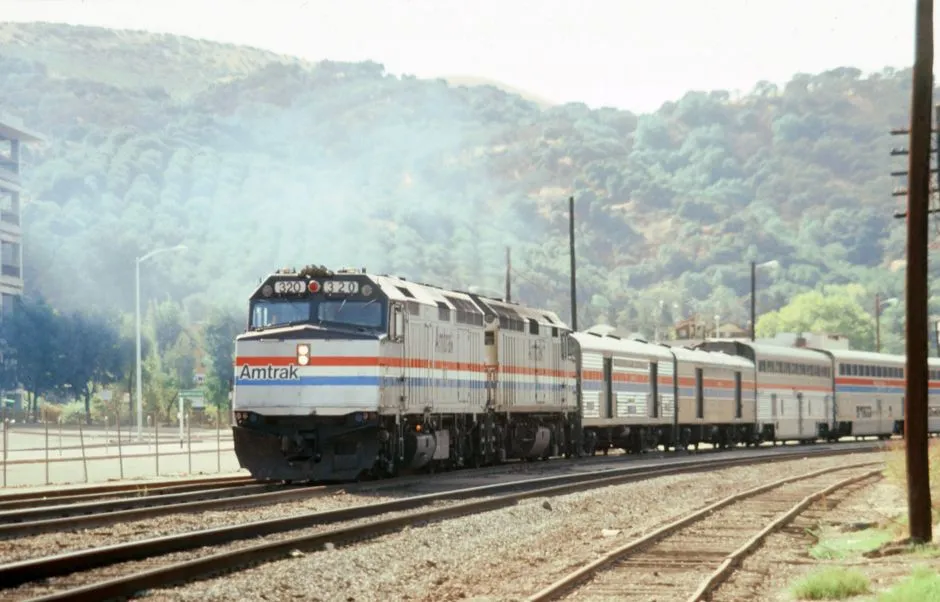
Not all Amtrak routes offer the same experience, and where you travel matters a great deal for what ends up on your table. Amtrak has full dining-car service with sit-down meals at normal meal times on eligible services including the California Zephyr, Coast Starlight, Empire Builder, Southwest Chief, Sunset Limited, and Texas Eagle for service between San Antonio and Los Angeles. These western long-distance routes have been the flagship for traditional dining since the post-pandemic restoration.
On June 24, 2023, traditional dining service was formally launched on the Silver Star, as well as on northbound Silver Meteor train 98. Then on March 4, 2024, dining car access was finally expanded to coach passengers on the Silver Star, a meaningful step toward restoring the open, inclusive character that long-distance dining once had. The Floridian, launched in November 2024, also features a dining car and café as part of its onboard services on the Chicago to Miami corridor.
The Role of the Chef Below Deck on Superliner Trains
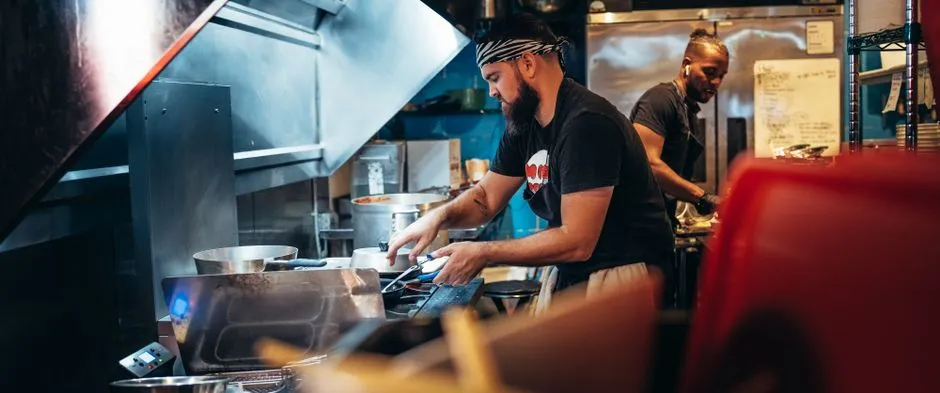
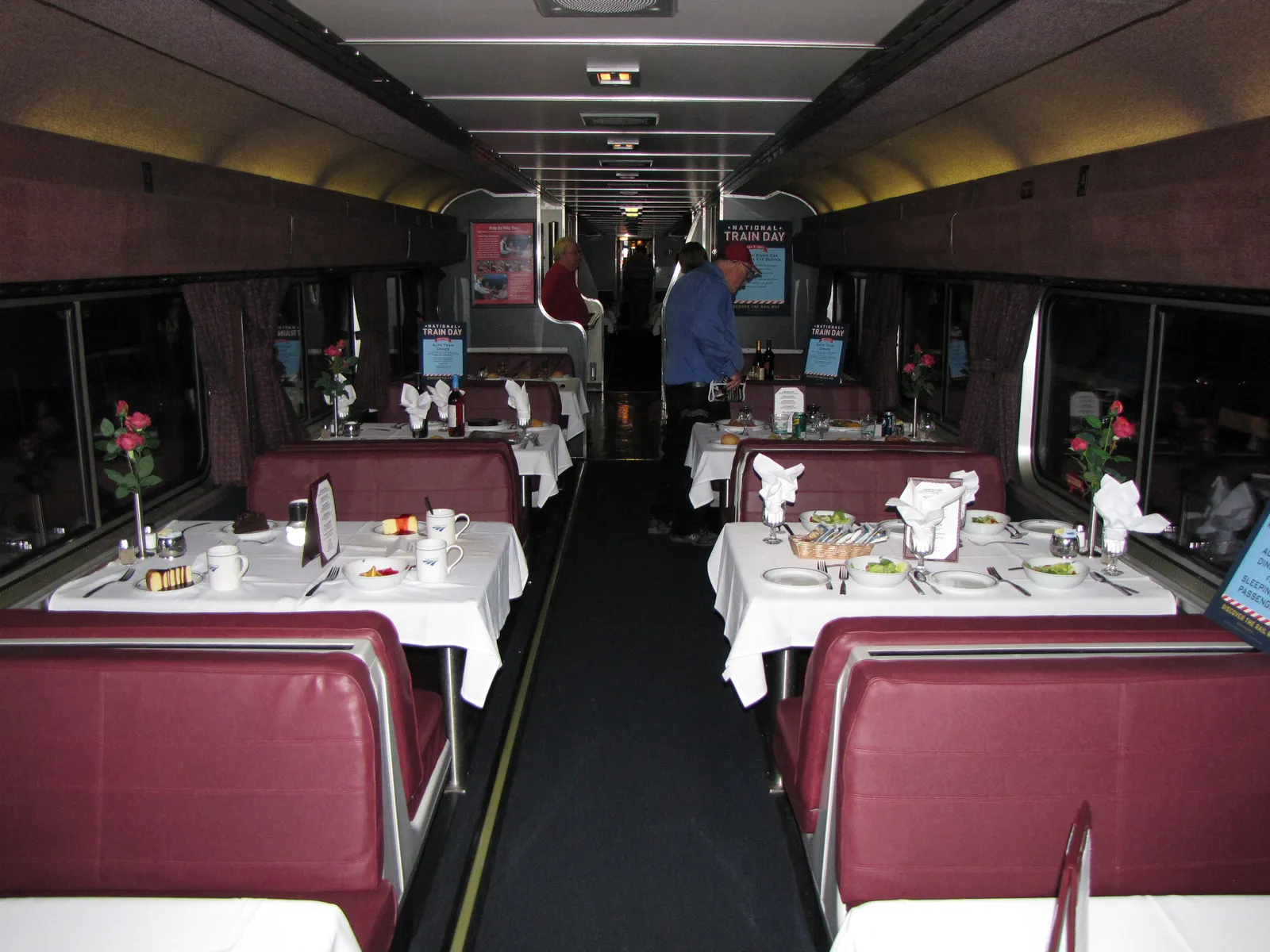
Most passengers seated in the bright, windowed upper level of an Amtrak Superliner dining car don’t realize that the kitchen sits on the lower level, connected to the service area by a small dumbwaiter. This layout is genuinely unusual, and it shapes everything about how meals are delivered. Even with every other table off-limits to seating at times, the dining car attendant had to retrieve heated meals off the dumbwaiter from the cook downstairs, fill drink orders, clear the disposable packaging, and diligently wipe down tables after each use.
An onboard chef prepares made-to-order breakfasts, lunches, and three-course dinners that riders select from a seasonally updated menu. The physical constraints of the kitchen make the quality of what comes out all the more impressive. Working within those limits while the train is moving through mountain terrain or desert flats at speed requires a particular kind of skill.
Aramark, Sourcing, and Who Actually Supplies the Food
There’s often curiosity among passengers about where the food actually originates. The answer is consistent across Amtrak’s network. Amtrak has outsourced commissary services to Aramark for many years, and all food served on Amtrak, including Acela First Class, flex heat-and-eat meals, traditional dining, and café offerings, comes from Aramark. Understanding this helps explain why menus stay relatively standardized across routes.
Several years ago, there was also a directive removing all but the most basic spices from dining car kitchens, further tamping down chef creativity in favor of standardization. The revamped traditional menus have pushed back against that minimalism, allowing more flexibility in presentation and seasoning. It’s a slow process, but the direction has been consistently positive.
What Passengers Are Now Hoping Comes Next
The legislative conversation around Amtrak dining has become more formal in recent years. H.R. 264, the Train EATS Act, would require that coach passengers be able to access traditional dining on long-distance trains on a space-available basis, alongside an affordable food option and the ability to pre-order meals that meet dietary requirements and USDA guidelines. Whether it passes or not, it reflects how seriously passengers take the dining experience.
Expanding the traditional dining model would allow superior menu choices: freshly prepared French toast and omelets at breakfast; grilled patty melt and grilled cheese sandwiches, chili, and loaded baked potatoes at lunch; and attractively presented steak, seafood, and chicken dishes at dinner. Amtrak’s traditional dining menus also offer vegetarian and vegan options, selections for children, and a complimentary alcoholic drink with dinner. The appetite for a fuller, more inclusive dining car experience remains real and vocal.
The Takeaway
The meal passengers remember most from an Amtrak dining car isn’t always the most expensive or the most elaborate. More often, it’s the one they didn’t expect to be as good as it was. The flat iron steak ordered somewhere past Raton Pass on the Southwest Chief. The French toast at sunrise crossing the Nevada salt flats. These meals carry weight because of where and how they’re eaten, at a table with strangers who become conversation partners, watching a continent move past the glass.
While Amtrak did temporarily suspend dining car services on most long-distance routes in 2019, the dining car is back on more routes as of 2024. The trajectory is encouraging. The dining car, at its best, isn’t just a food service operation. It’s one of the few places left in modern travel where slowing down is the entire point.
AI Disclaimer: This article was created with the assistance of AI tools and reviewed by a human editor.