

A Rule That Was Years in the Making
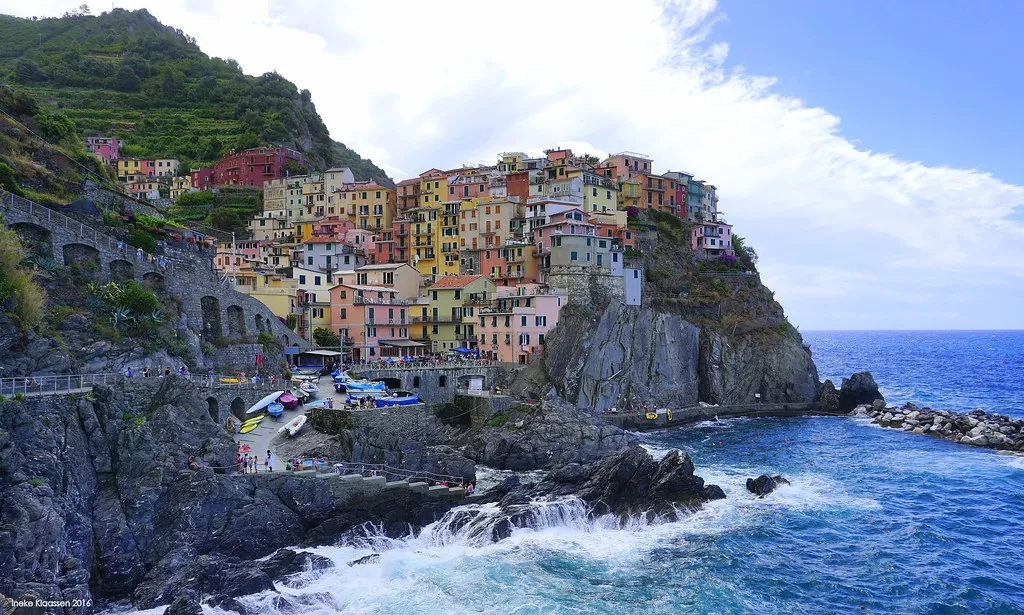
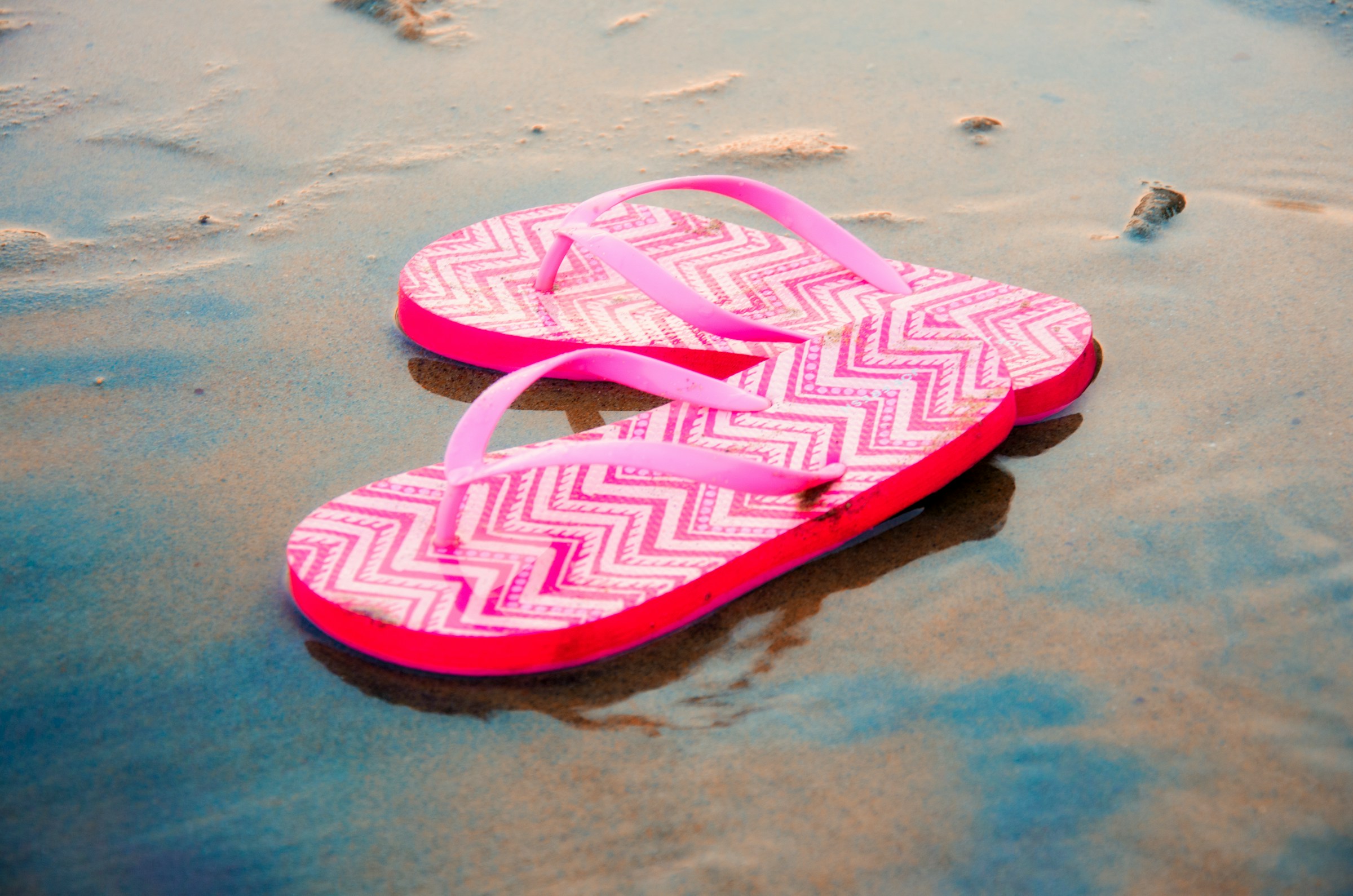
Amid a spike in tourists falling while walking cliff trails in improper footwear, Cinque Terre National Park first launched a public awareness campaign reminding travelers not to wear flip-flops or other open-toed shoes in 2019. The campaign was not an overreaction. The ban began in 2019 after rescues of people trying to hike in the wrong footwear became frequent.
As of June 2026, any tourist caught by local authorities on the cliff trails in flip-flops can be hit by a fine ranging from €50 to €2,500 for repeat offenders and those who damage the local trail. The rules have been reinforced and expanded over time, with enforcement becoming noticeably stricter during peak season.
What the Official Rules Actually Say
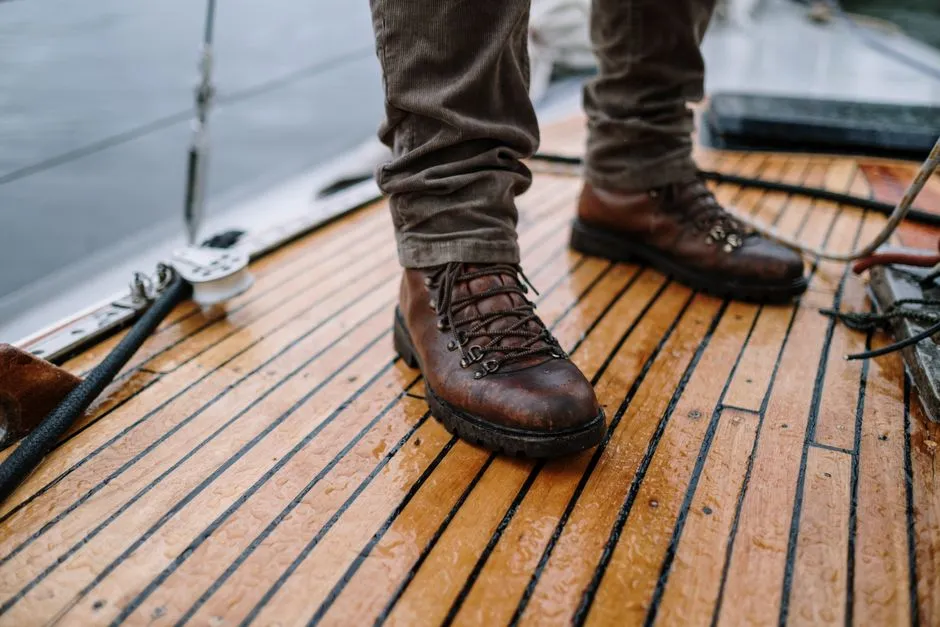
The Cinque Terre National Park states on its official FAQ page that “open footwear and/or smooth soles, i.e. not anti-slip are forbidden,” with transgressors punished under Italian national park law. The park further states that “on the trails it is compulsory to wear closed, waterproof and ankle covering shoes, with an anti-slip sole.”
Anyone caught walking the trails in flip-flops, backless sandals, shoes with smooth soles, or any footwear considered unsuitable can face a fine ranging from €50 to €2,500. The range exists to account for severity, with repeat violations drawing the heaviest penalties.
The Terrain Is Genuinely Demanding
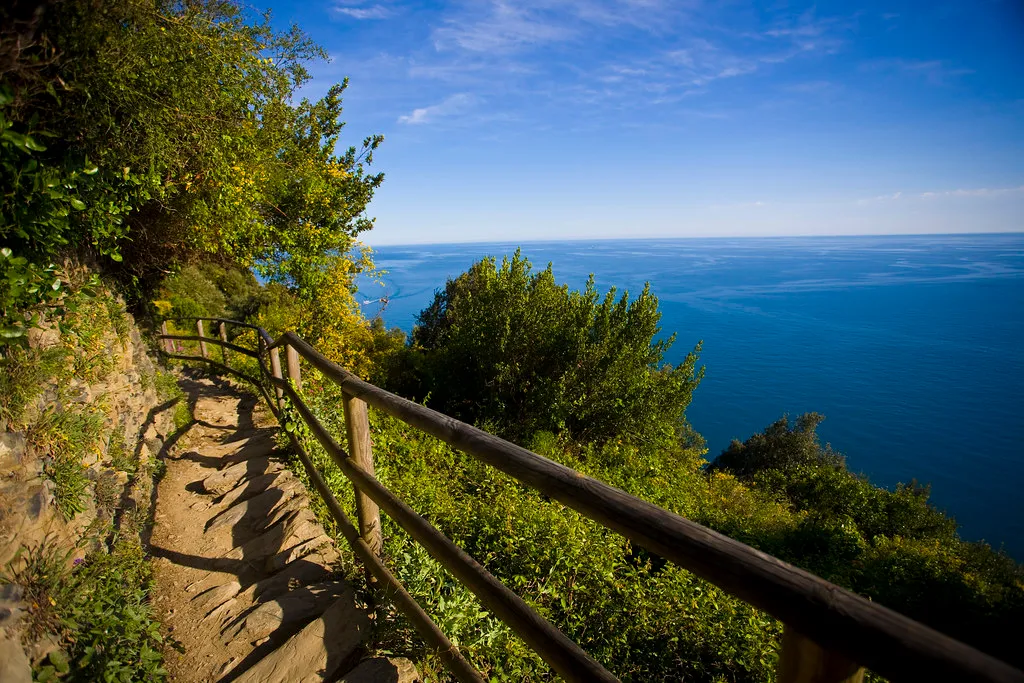
Going from village to village here is mountain hiking with a sea view, not a seafront stroll. That distinction matters enormously when deciding what to pack. The trails that link Monterosso, Vernazza, Corniglia, Manarola, and Riomaggiore can be unforgiving. Paths climb sharply, with stone steps, loose gravel, and exposed edges in places. Sudden rain makes surfaces slick, and strong wind near the cliffs can unsettle even steady hikers.
There are many stone steps which can be slippery, especially after rain. Although this is not the Alps, many hikers underestimate the difficulty of the trails. The views are so absorbing that it’s easy to forget you need to watch where your feet are landing.
Rescue Teams Were Paying the Price
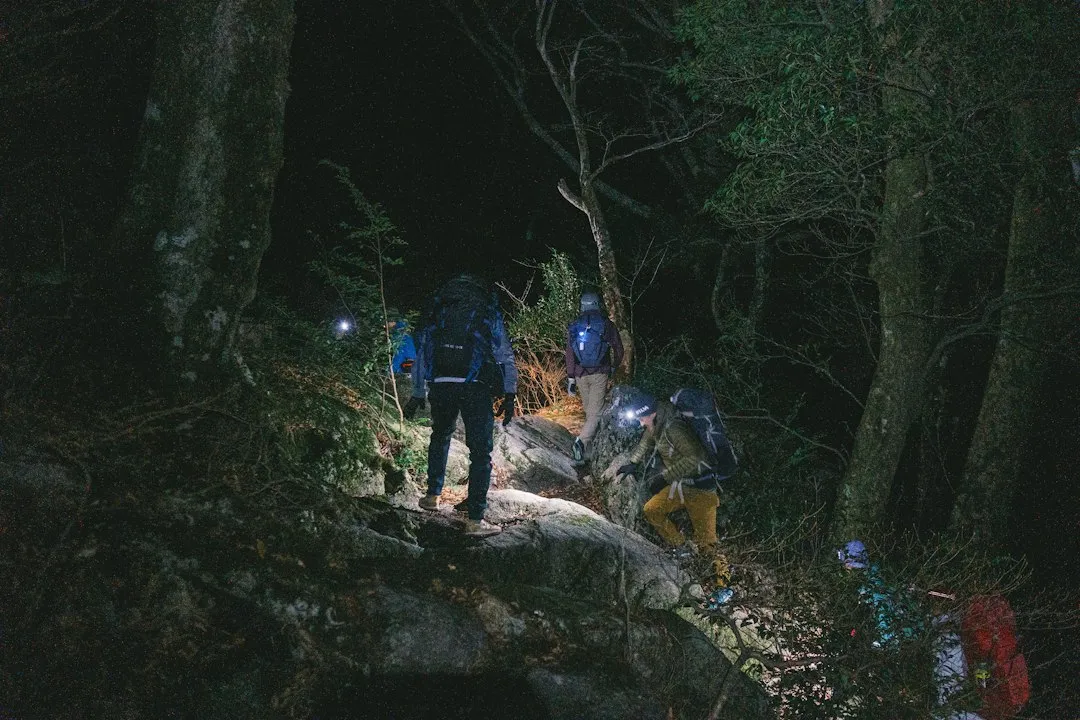
The rule exists mainly because of repeated accidents on the trails. Local rescue teams have been called many times to assist hikers who slipped or injured themselves while wearing unsuitable footwear. The rocky paths can become especially dangerous in warm weather when visitor numbers are high and surfaces become worn.
The regulation is therefore intended to protect both tourists and emergency workers who respond to incidents. Local rescue teams report that many incidents involve slips, sprains, or falls tied to poor footwear, and each rescue can shut sections of trail and pull resources from other calls. That knock-on effect, where one poorly equipped hiker disrupts the experience for everyone else, is part of what pushed authorities toward enforceable rules rather than just posted advice.
Where the Ban Applies and Where It Doesn’t
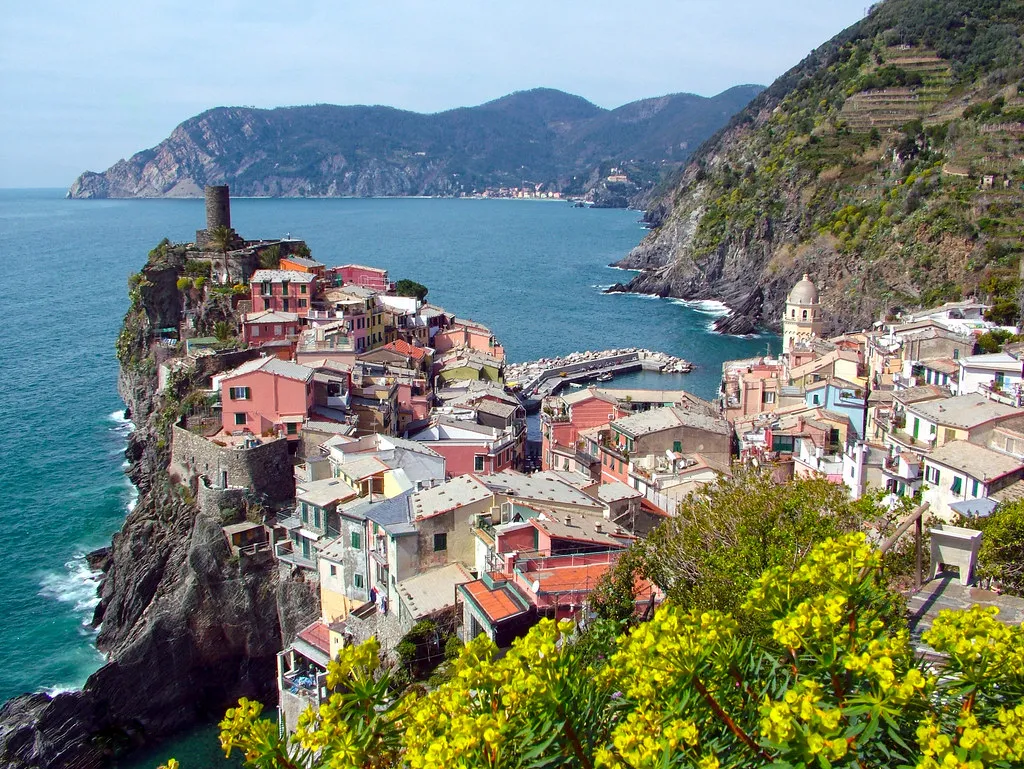
The local law applies only to those hiking on the trails rather than wandering through the fishing towns of Monterosso, Vernazza, Corniglia, Manarola, and Riomaggiore. This is an important detail that sometimes gets lost in coverage of the rule. The ban does not apply in the urban areas of the five villages. Walking through the streets in flip-flops is not an offence.
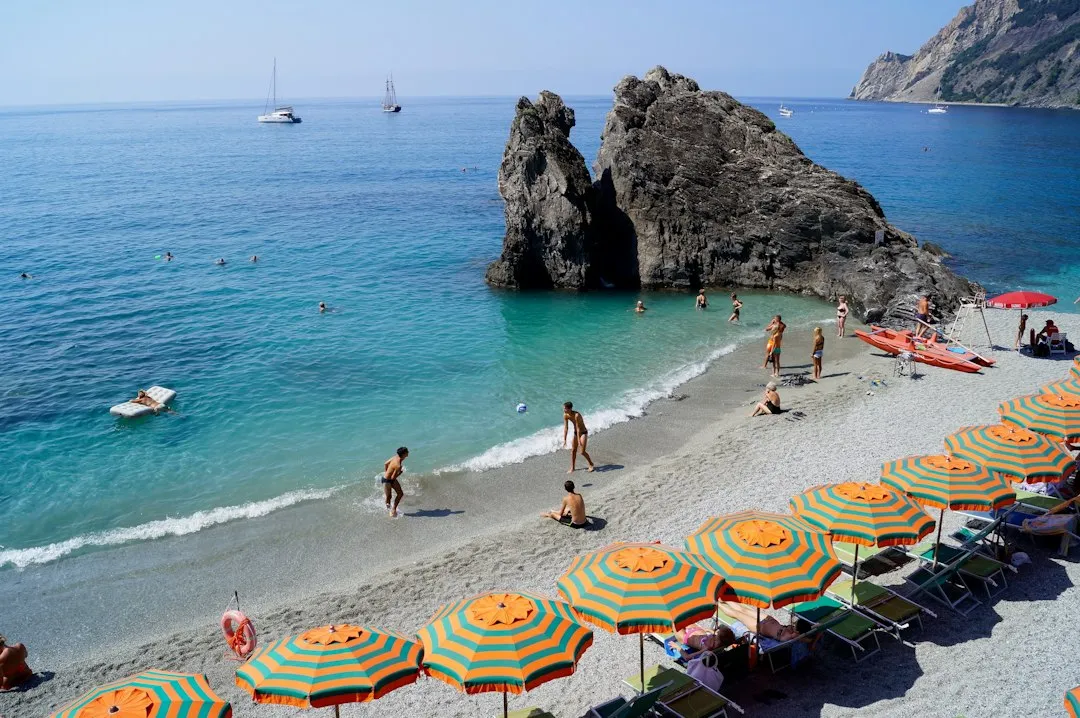
Flip-flops haven’t been banned across Cinque Terre. You can still wear them through the villages, along the waterfront, and to the beach. The restriction begins when you leave the paved streets and enter the national park’s marked hiking network. The distinction is straightforward, even if some visitors arrive without knowing it exists.
What Counts as Proper Footwear
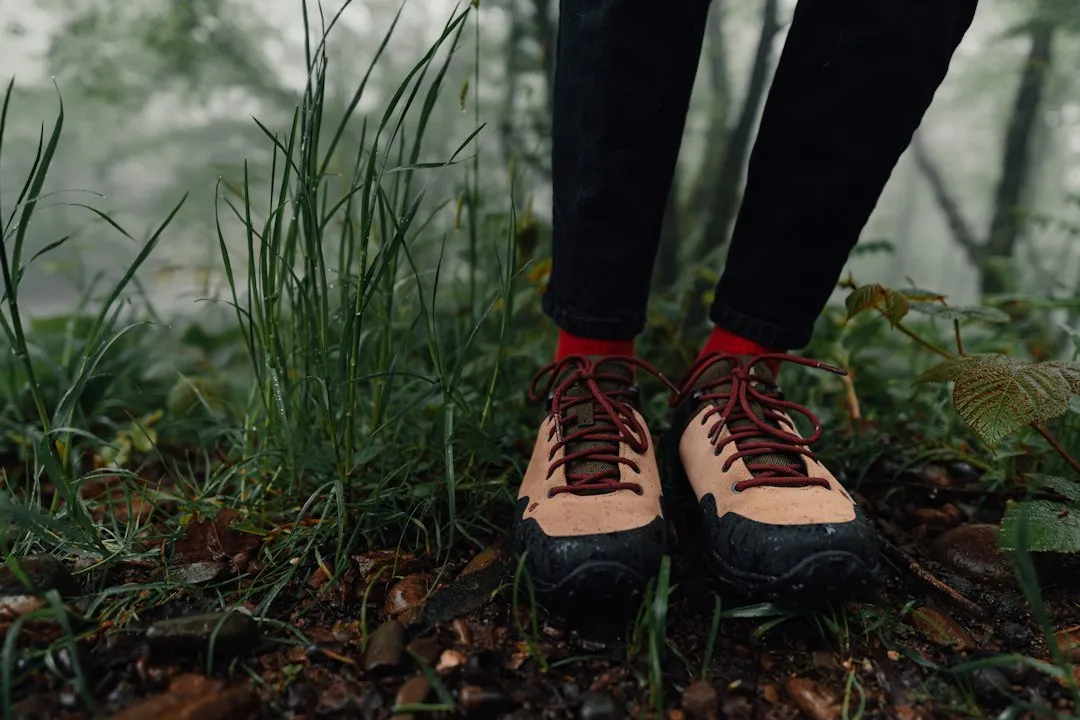
The park does not require technical mountaineering gear. What matters is that your shoes meet three basic criteria: a non-slip sole, full foot coverage, and good ankle grip or support. Most sturdy trail sneakers or low-cut hiking shoes qualify comfortably.
The requirement is for proper hiking shoes with a good sole and ankle support. No flip-flops, no sandals, no ballet flats, no smooth soles. If you arrive at the trailhead having forgotten all of this, you can buy suitable footwear in shops across the villages, and some park-affiliated points also rent equipment.
Rangers Are Checking at Trailheads

Rangers check at the trailheads and can turn you back. This is not a theoretical threat. In the latest online guidelines for visiting the park, officials now say checks will be carried out to ensure walkers are properly kitted out.
Park authorities brought in the ban on open or smooth-soled footwear in 2019. Inappropriate shoes can cost a would-be hiker a fine ranging from €50 to €2,500, and in the latest online guidelines, officials confirm checks are being carried out. Arriving prepared spares you both the fine and the embarrassment of being turned around at the start of what should be a highlight of your trip.
The Pressure of Four Million Visitors a Year
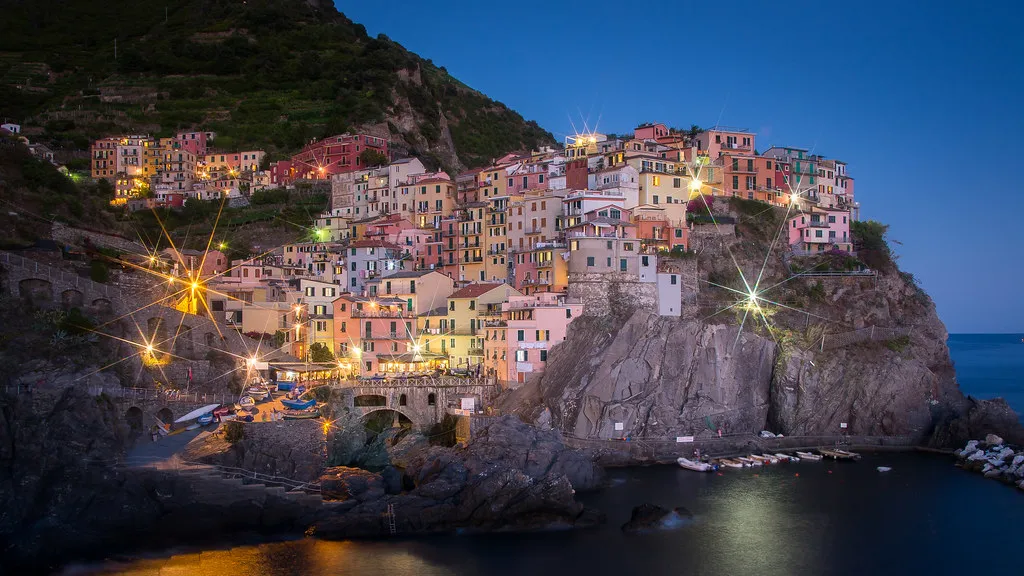
The footwear rule doesn’t exist in isolation. It’s one response within a much larger challenge. Overtourism in the Cinque Terre has reached a critical point, with 4 million tourist arrivals registered in 2023. Fewer than 4,000 residents remain in these five villages, which works out to roughly 1,000 tourists for every single local.
The famed cliffside trails receive so many hikers that park wardens now trial timed entry slots and group quotas on peak weekends. On the days predicted to be the busiest, the Monterosso-Vernazza leg of the trail will be one-way from 9am to 2pm, catering to the direction that roughly seven in ten visitors choose according to people counts done in previous years.
The Via dell’Amore Returns, With Conditions
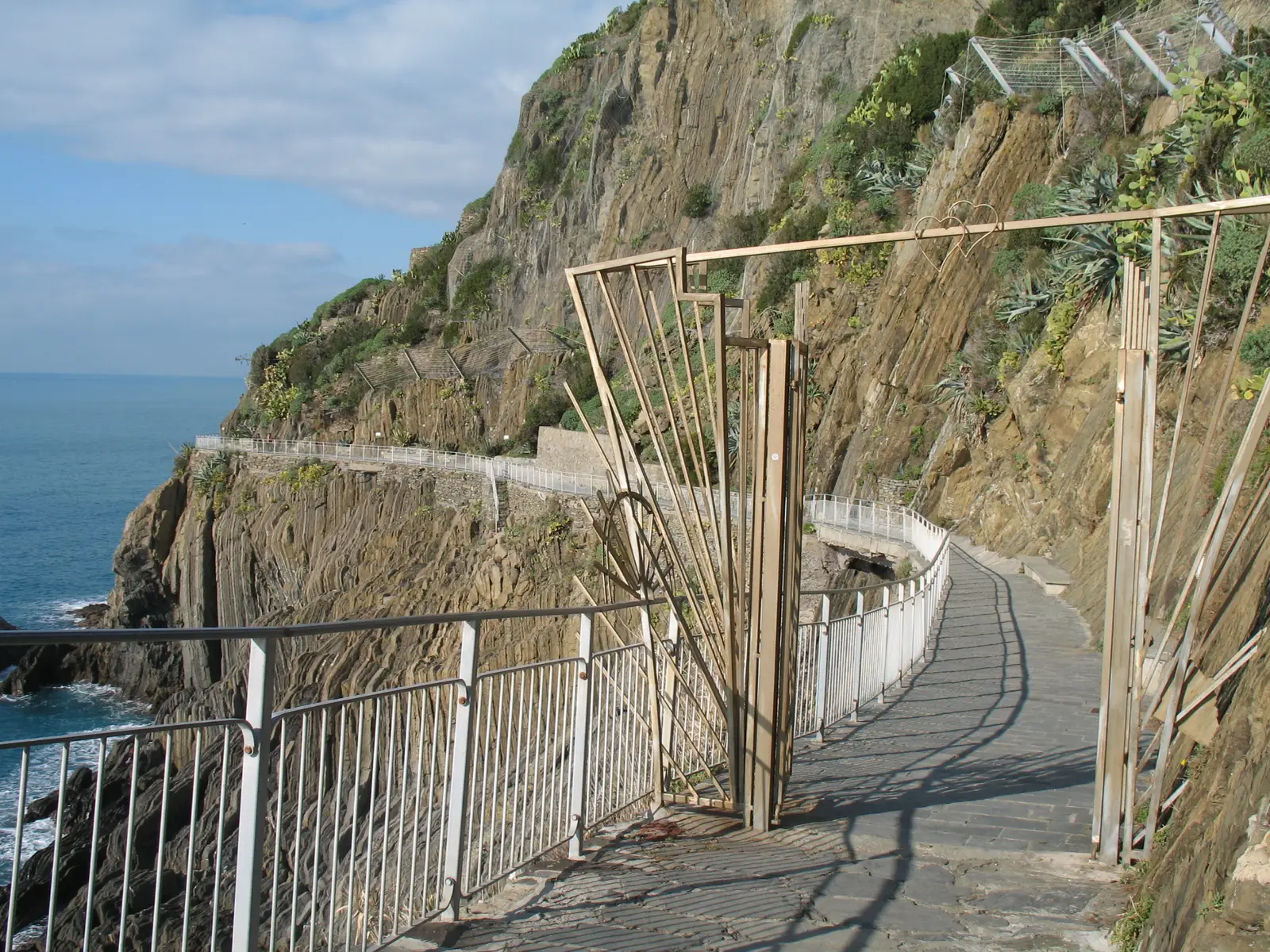
In 2024, the famous Via dell’Amore, or Path of Love, reopened after being closed for over a decade following a landslide. It required major engineering work with an estimated cost of over 12 million euros, and the complete trail finally reopened in July 2024 for residents and tourists. The return of this iconic stretch was greeted warmly, though it arrived with its own visitor management conditions attached.
Tourists wishing to walk the Via dell’Amore need to secure a spot in advance. Due to overcrowding, a booking system has been introduced, allowing 400 visitors per hour to book online or at a ticket booth for €12.50. Even the most romantic path in the park now requires a degree of planning.
A Broader Lesson in Respectful Travel

The footwear rule signals a firmer approach to trail safety in one of Europe’s most visited parks. It reflects wider efforts to manage crowds, protect fragile paths, and cut rescue risks. If injuries drop, the policy could become a model for other coastal and mountain sites with heavy foot traffic.
The rule exists because people kept getting hurt, and because when one person falls, everyone stops and someone else gets hurt trying to help. That logic is hard to argue with. Packing properly, booking ahead, and moving through these places thoughtfully are all part of the same commitment to leaving them intact for whoever comes next.
The Takeaway for Your Visit
Cinque Terre rewards preparation. The views are extraordinary, the trails are genuinely rewarding, and the villages hold a kind of beauty that photographs only partially capture. None of that requires you to suffer, overpay, or get rescued from a ledge in beach sandals.
To enter the park, hikers need to purchase a Cinque Terre Trekking Card, which starts at €7.50 per day or €15 on peak days. Add proper footwear to your packing list, book popular routes in advance during summer, and consider arriving in the shoulder months of May or September when the paths breathe a little more freely. The Ligurian coast will be waiting, and it will be considerably more enjoyable when your feet are adequately shod for the occasion.
AI Disclaimer: This article was created with the assistance of AI tools and reviewed by a human editor.