

The Scale of the Problem Is Bigger Than Most Travelers Realize
Roughly half of the U.S. adult population takes at least one prescription medication regularly, according to the National Center for Health Statistics. That is an enormous number of people boarding international flights with a daily regimen to maintain. A 2024 study in the Journal of Travel Medicine found that nearly two thirds of travelers on chronic medications reported at least one dosing error during trips crossing four or more time zones.
For those travelers, a simple flight can turn into a medical risk if schedules are not managed correctly, since missing doses or taking them at the wrong time can lead to reduced efficacy or serious health complications. The stakes vary by medication, but they are rarely zero.
Why Carry-On Is the Only Option for Your Medications

Avoid packing medications in checked luggage, because bags can get delayed or lost, temperature changes in cargo areas may affect medication potency, and you may not have immediate access when you need it. This rule applies on every trip, short or long.
Over sixty percent of medication emergencies during travel happen because pills were packed in checked luggage. That is a preventable statistic. Keeping medications in your carry-on ensures immediate access, greater control over your routine, and peace of mind throughout your trip.
Original Containers Are Not Optional

Keep medication in the original pharmacy-labeled bottle or blister pack, even if it takes up more room than a pill organizer. The label proves the prescription is yours and matches the drug name on file with TSA, customs, and any pharmacy you visit at the destination.
Some countries, including the UAE, Singapore, and Japan, are stricter and may inspect at customs, so original labels and a doctor’s note prevent uncomfortable conversations. Some countries strictly require medications to be in original containers, so this is not just a preference – it can determine whether your medication clears the border at all.
Build Your Written Medication List Before You Pack a Single Pill

Travelers should carry a detailed medication list containing the medication name in both brand and generic form, dosage, frequency, administration instructions, prescribing physician information, and purpose of each medication. This list takes twenty minutes to write and can take hours off a foreign pharmacy visit.
Include the generic name as well as the brand name, since brands vary by country. The active ingredient stays consistent even when the packaging does not. The list should also include any medication allergies, since communication barriers about allergies account for a significant share of international medical emergencies involving medication complications.
How Far in Advance to Pack and How Much to Bring

Pack your full trip supply plus roughly seven extra days to account for delays, cancellations, and lost luggage. This is not overcaution; it is basic logistics. Travel rarely goes precisely as scheduled.
Delays happen, and bringing several extra days’ worth of medication in case your return is delayed, you misplace a dose, or travel plans change unexpectedly can reduce anxiety and keep your treatment uninterrupted. The small extra weight is almost always worth it.
Time Zone Shifts Require a Real Strategy, Not Just a New Alarm

The Journal of Travel Medicine’s 2024 guidelines clarified that most once-daily medications have a two to four hour flexibility window, which gives travelers a narrow but workable buffer. The challenge grows sharply once you cross more than four or five zones.
For eastward trips across five or more time zones, a gradual shift works better; starting to adjust your dose time one hour earlier each day for five days before departure can reduce nausea, dizziness, and fatigue by close to forty percent. The 2024 Journal of Travel Medicine guidelines specifically recommended pre-travel consultations for anyone taking medications where timing deviation exceeds twenty-five percent of the dosing interval – for a once-daily medication, that is a six-hour shift, and for a twice-daily medication, it is only three hours.
Certain Medications Demand Extra Precision
Johns Hopkins research shows that missing an anti-seizure dose by more than two hours increases seizure risk by nearly four times. That is a stark reminder that not all medications carry the same margin for error during travel.
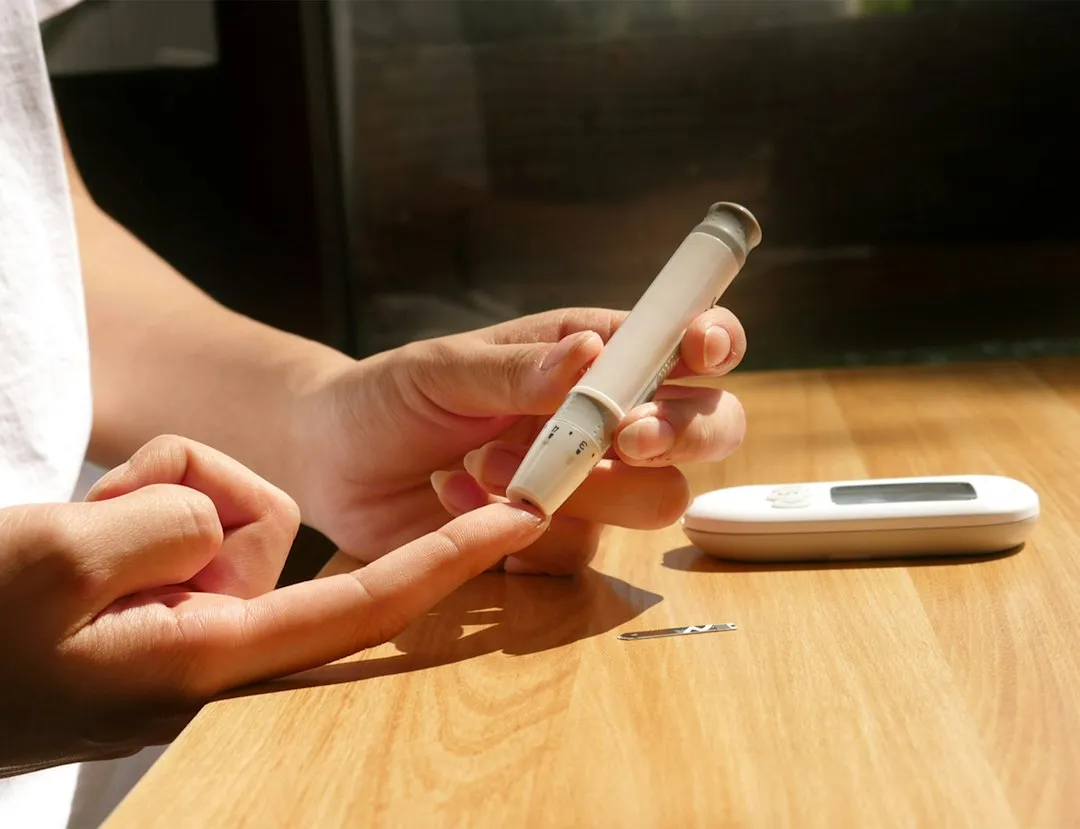
For insulin, dosing depends on regimen and the number of time zones crossed; doctors may recommend adjusting basal insulin dose by around twenty percent per additional zone when crossing more than three. Insulin requires more planning because dosing depends on meals, activity, and the length of your travel day, so checking blood sugar often during the first forty-eight hours after arrival is important.
Know the Drug Laws at Your Destination Before You Leave Home
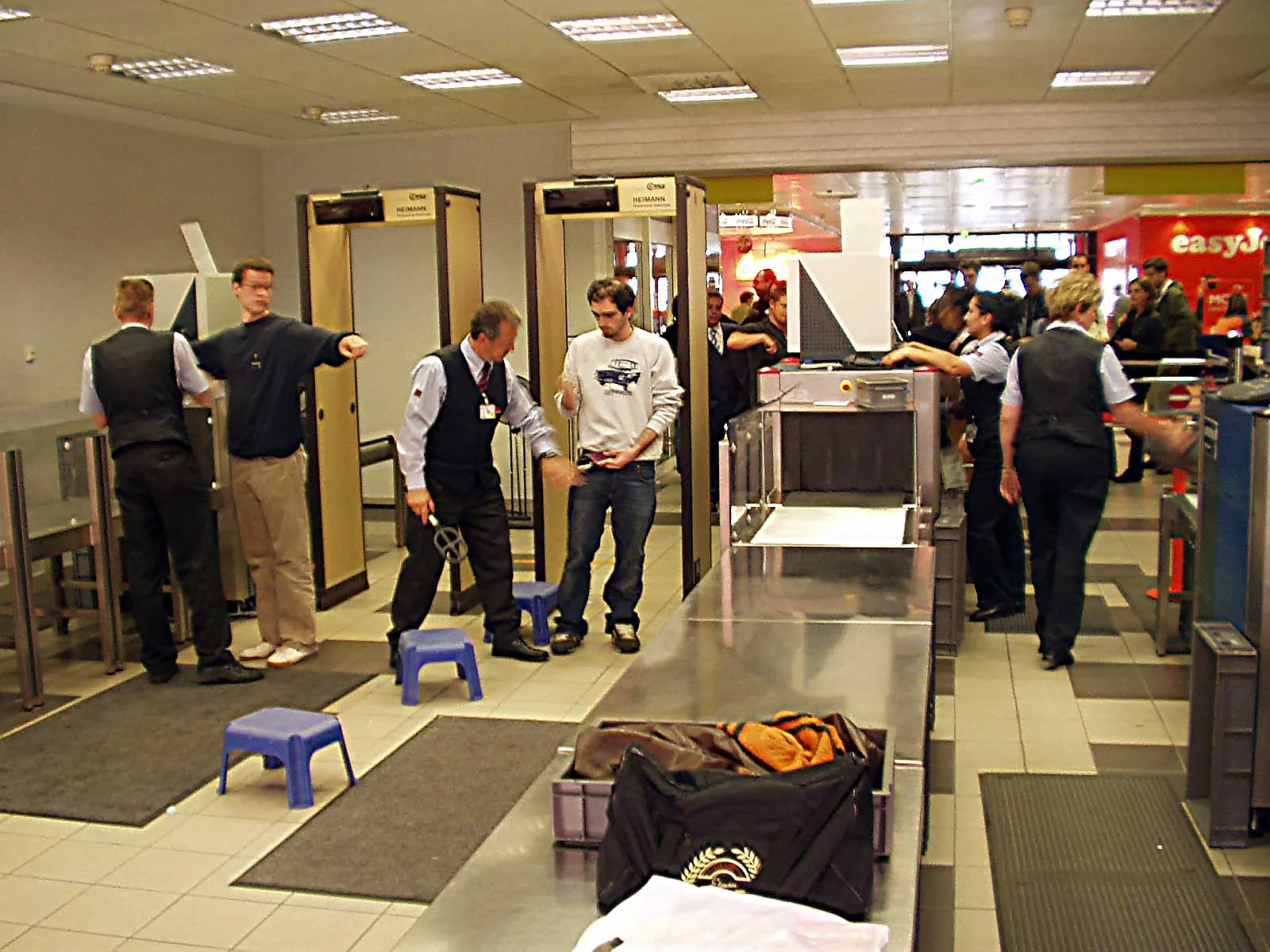
The World Health Organization notes that twenty-seven percent of medication-related travel disruptions happen because travelers did not know local laws; for example, codeine is banned in Japan, and melatonin is regulated in the UK. What is freely available over the counter at home can be a controlled substance abroad.
Check destination drug laws carefully, since some over-the-counter medications in the U.S. are controlled substances abroad, and contacting the destination country’s embassy is the most reliable way to confirm. A pre-travel pharmacist consultation can surface these issues before they become airport problems.
Talk to Your Pharmacist: It Is One of the Most Useful Conversations You Can Have

A 2024 survey found that travelers who consulted pharmacists before trips had forty-three percent fewer medication-related problems abroad. That is a meaningful reduction, and the conversation itself rarely takes more than a few minutes.
Talking to your health care provider or pharmacist about adjusting medications for time zone changes is important because some medications are more sensitive to timing and may need to stay on the original time zone schedule, while others can transition to the vacation time zone. Only someone familiar with your specific regimen can tell you which category yours falls into.
Use Technology, but Choose the Right Tools

The best medication reminder apps let you set location-based reminders, track doses, and send alerts if you miss one, and they also adjust automatically when you change time zones; in clinical trials, users saw roughly a forty-two percent improvement in adherence during international travel.
Studies from NimbleRx show travelers who used apps with automatic time zone adjustment had close to fifty percent fewer missed doses. The CDC specifically recommends apps like Medisafe and MyTherapy for this purpose. That said, technology works best as a backup layer, not the primary system. A written schedule tucked into your bag still matters when your phone battery dies or you land somewhere with no data signal.
The Science Behind Why Timing Genuinely Matters to Your Body

The absorption, biodistribution, effects on target organs, half-life, metabolism, and elimination of drugs are all influenced by the body’s circadian rhythms, which means travel-related timing shifts are not just a scheduling inconvenience – they can alter how a drug actually performs inside your body.
A 2025 review in Clinical Pharmacology and Therapeutics noted that chronopharmacology – the study of how timing affects drug action – is getting increasing clinical attention, with researchers emphasizing that optimal therapeutic windows shift with circadian disruption, meaning the same dose at the wrong biological time may be less effective or cause more side effects. Disruptions to circadian rhythms, particularly due to trans-meridian travel, can lead to significant health issues including metabolic imbalances, which underscores why the packing habit and the dosing plan need to work together.
The Practical Takeaway

The single habit that holds everything together is simple: make the plan at home, with your pharmacist, before you pack. Write down your adjusted schedule for the destination time zone, split your supply between your carry-on and a separate bag, keep original containers, and carry documentation that can speak for you at any border or clinic.
Traveling with medications does not have to be stressful. The travelers who manage it well are not the ones who worry less – they are the ones who prepare more deliberately, and earlier. Done right, the packing routine becomes second nature, and the trip can unfold exactly as intended.
AI Disclaimer: This article was created with the assistance of AI tools and reviewed by a human editor.