

Bhutan is not a destination that welcomes visitors casually. Since opening its borders to international tourism in 1974, this small Himalayan kingdom has made it clear that every arrival must contribute something meaningful, not just spend money on a hotel bed. The mechanism for doing so is a mandatory daily charge that sits at the center of one of the world’s most deliberate tourism policies.
That charge, formally known as the Sustainable Development Fee, affects almost everyone who enters on a tourist visa. Understanding why it exists, and what it actually funds, reveals a philosophy of governance that few countries have been willing to adopt.
The Origins of the “High Value, Low Volume” Philosophy
Since opening its borders to tourism in 1974, Bhutan has followed a carefully crafted tourism policy designed to protect its unique culture and pristine environment. That policy was never about attracting the most visitors possible. Instead, the 4th King of Bhutan, Jigme Singye Wangchuk, conceptualized sustainable development independent from economic agendas, insisting that Gross National Happiness was more important than economic progression. Since 1972, its four pillars have been environmental conservation, cultural preservation, sustainable socio-economic development, and good governance.
Bhutan’s tourism policy was further revised in June 2022 to maintain its “High Value, Low Volume” approach, requiring all nationalities to pay a Sustainable Development Fee per night to obtain a visa. That shift replaced a model that had bundled travel costs together, making the sustainability contribution more transparent and direct.
What the Sustainable Development Fee Actually Is
The SDF is a mandatory daily fee paid by all foreign tourists directly to the Government of Bhutan. It is a government levy, not a tour operator charge, and no licensed operator can waive or discount it. This distinction matters. The money does not flow into private hands or disappear into marketing budgets.
The SDF is intentionally designed to support the country’s philosophy of Gross National Happiness, ensuring that tourism benefits Bhutan’s people, environment, and cultural preservation. SDF revenue flows into the consolidated state budget and is used according to Article 14 of the Bhutanese Constitution, financing central areas that support Bhutan’s unique development approach.
How the Fee Has Evolved Over the Years
When Bhutan reopened to tourists in September 2022 after more than two years of COVID-19 closure, it raised the fee to $200 from the $65 it had charged for about three decades, saying the money would offset the carbon generated by visitors. That was a significant increase, and the timing was difficult for an industry still recovering from the pandemic.
The fee hike, coupled with the pandemic’s impact, hit tourist numbers and resulted in losses for tour operators, hotel owners, and handicraft and souvenir shops in the country. In response, the government adjusted course. To revive visitor numbers, the government granted a 50% incentive bringing the effective rate to USD 100 per night for most international tourists, locked until 31 August 2027.
The Current Rate and Who Pays What
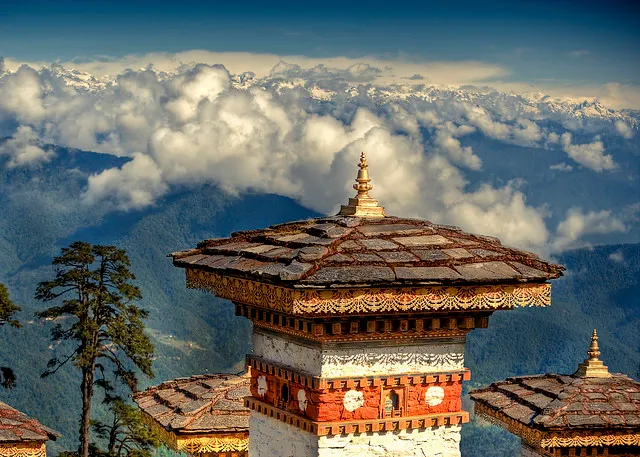
Bhutan’s government has confirmed that the reduced Sustainable Development Fee of $100 per person, per night will remain in effect until August 31, 2027. The fee is mandatory and funds national healthcare, education, and environmental programs. Adults pay USD 100 per night of stay, children aged 6 to 12 pay USD 50, and children under 6 are exempt entirely.
For Indian nationals, the Sustainable Development Fee is set at 1,200 Bhutanese Ngultrum, around US$15 per person, per night, payable in either ngultrum or Indian rupees. In January 2026, Bhutan also introduced a 5% Goods and Services Tax on in-country tourism services including accommodation, guides, transport, and meals, though the SDF remains explicitly exempt and stays at USD 100 per night.
Where the Money Goes: Healthcare and Education
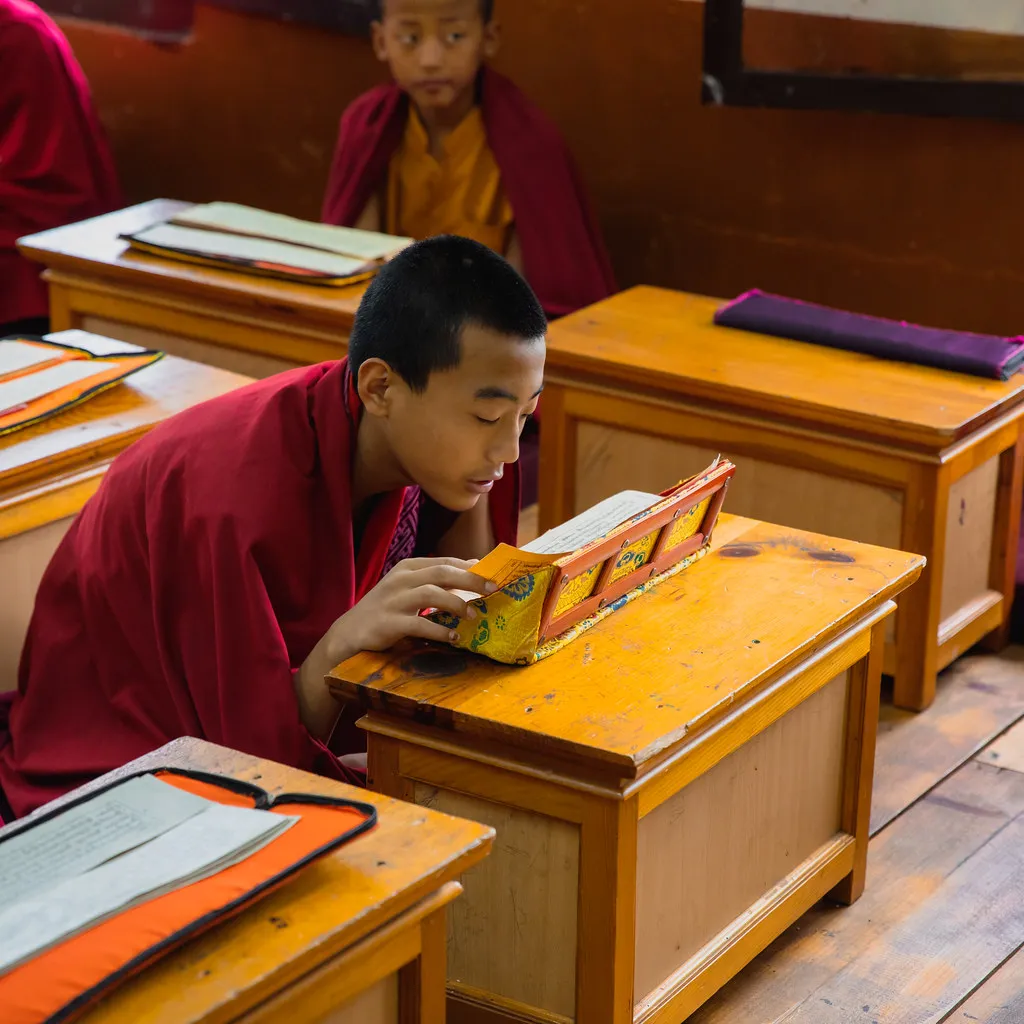
SDF revenue directly supports Bhutan’s free public healthcare, free education, environmental conservation, and cultural heritage preservation. These are not aspirational goals printed in a tourism brochure. They are active, functioning programs that Bhutanese citizens rely on every day.
All Bhutanese citizens receive free healthcare and education, a core pillar of Gross National Happiness, funded in part by SDF revenue. This extends to free education from primary school through university, including overseas university funding for exceptional students. The traveler’s daily contribution, in this sense, has a real human beneficiary.
Protecting a Carbon-Negative Country
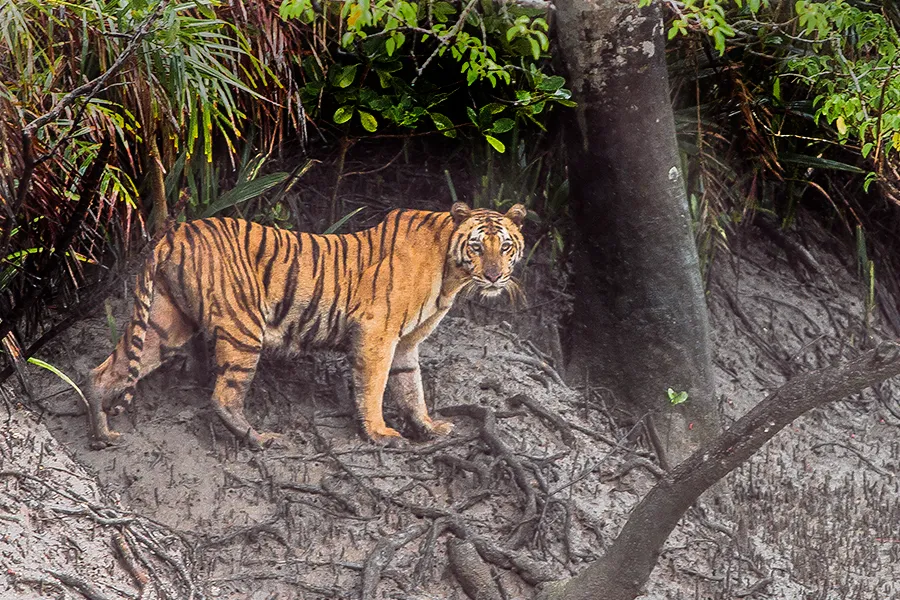
Bhutan is already 72% carbon negative, meaning it absorbs more carbon dioxide from the atmosphere than it produces. That is a remarkable environmental status, and it does not maintain itself passively. Bhutan’s commitment is to remain carbon neutral, ensuring that greenhouse gas emissions do not exceed carbon sequestration by forests, and to maintain a minimum of 60% forest cover.
Revenue generated by the SDF is used to support environmental and cultural conservation, sustainable tourism, education, infrastructure, and healthcare. A portion of the funds is also used to offset visitors’ carbon footprints through an extensive tree planting program. The policy supports Bhutan’s ongoing efforts to maintain its carbon-negative status through reforestation and sustainable resource management, limiting visitor numbers and reducing ecological pressures on its delicate Himalayan ecosystems.
Cultural Preservation as a Policy Priority
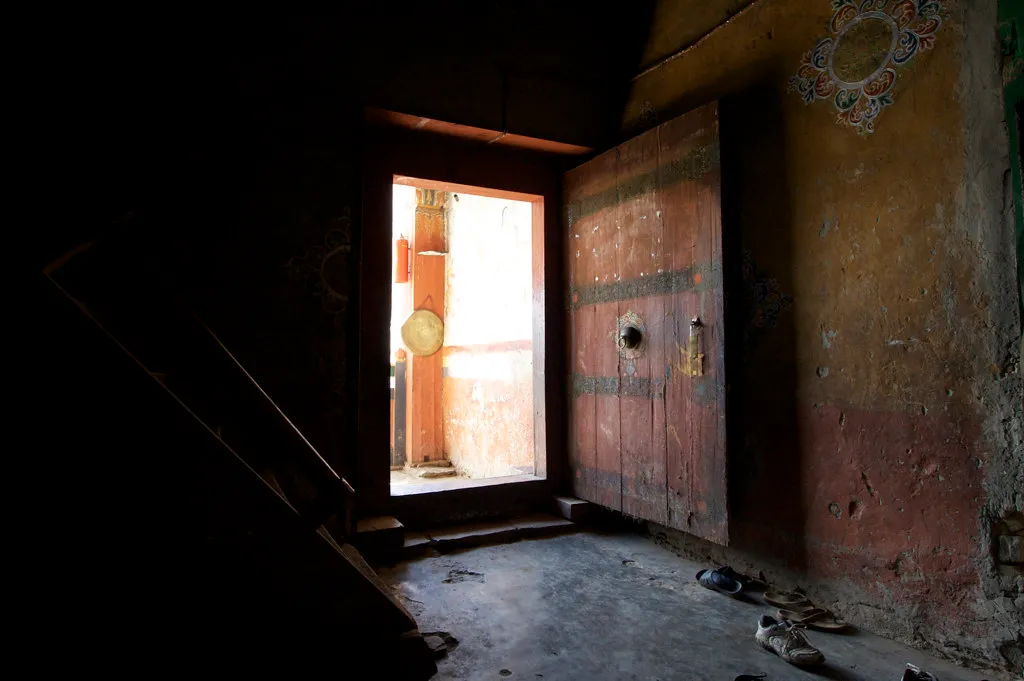
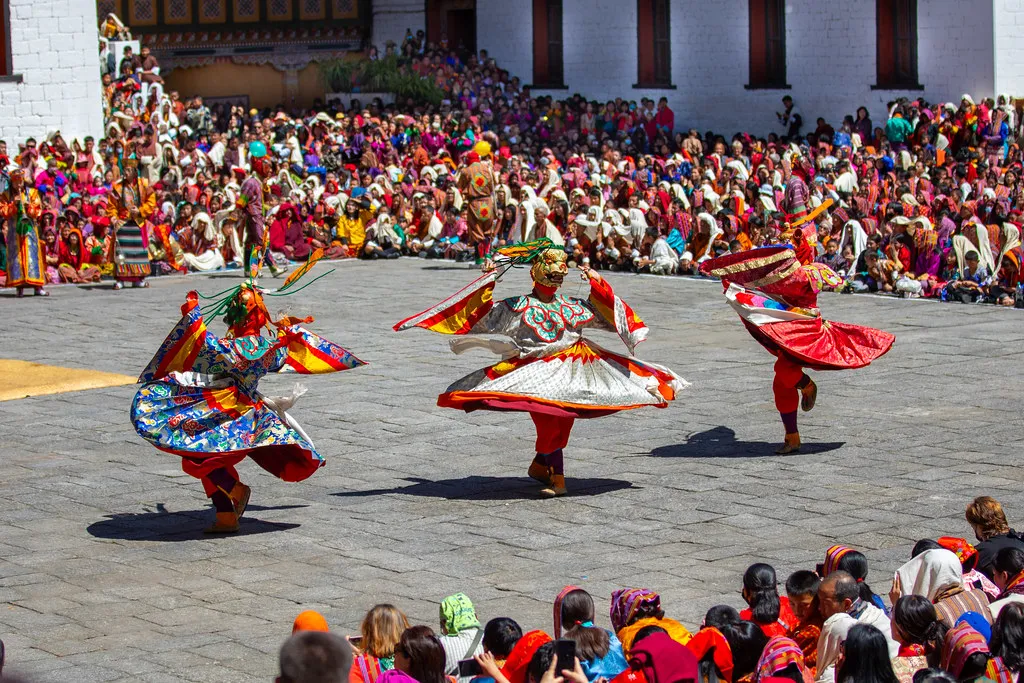
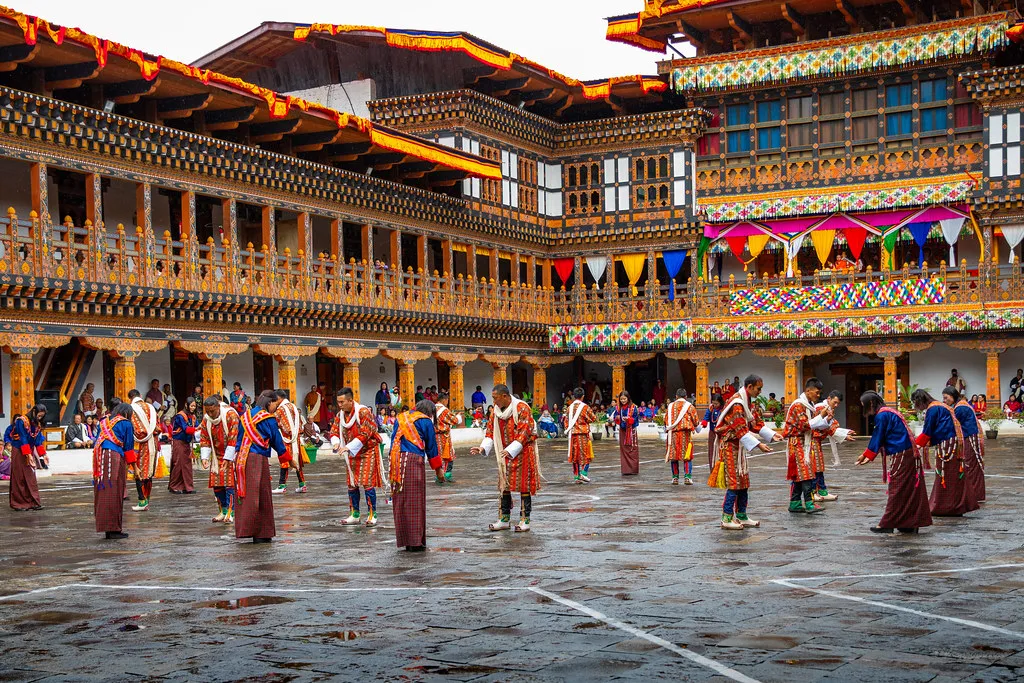
Bhutan’s SDF policy is designed to encourage visitors to immerse themselves more deeply in Bhutan’s rich cultural heritage, and to explore its pristine landscapes and local communities at a slower pace, allowing for more meaningful cultural exchanges. This is by design. A traveler who spends more nights in the country is more likely to connect with it genuinely.
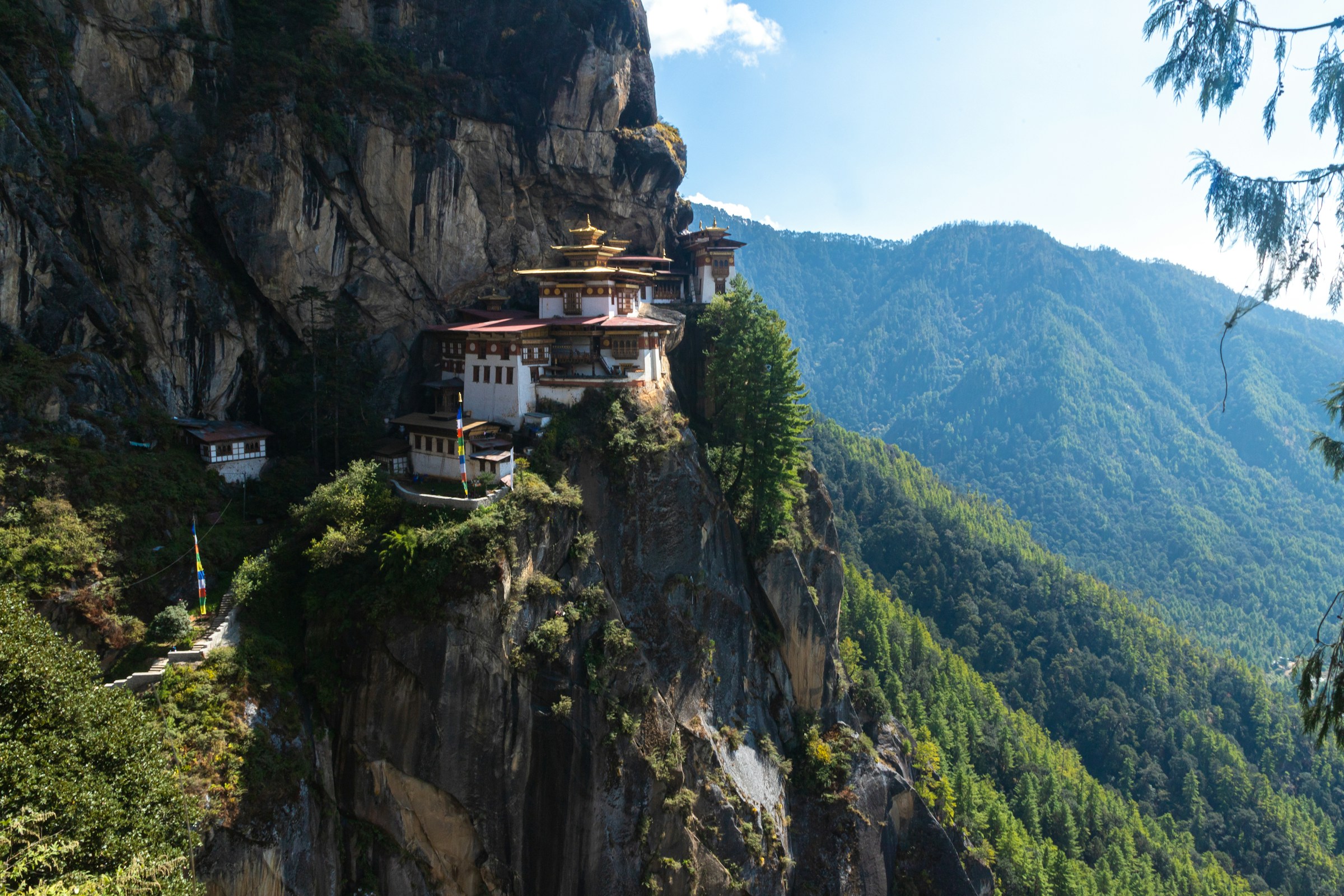
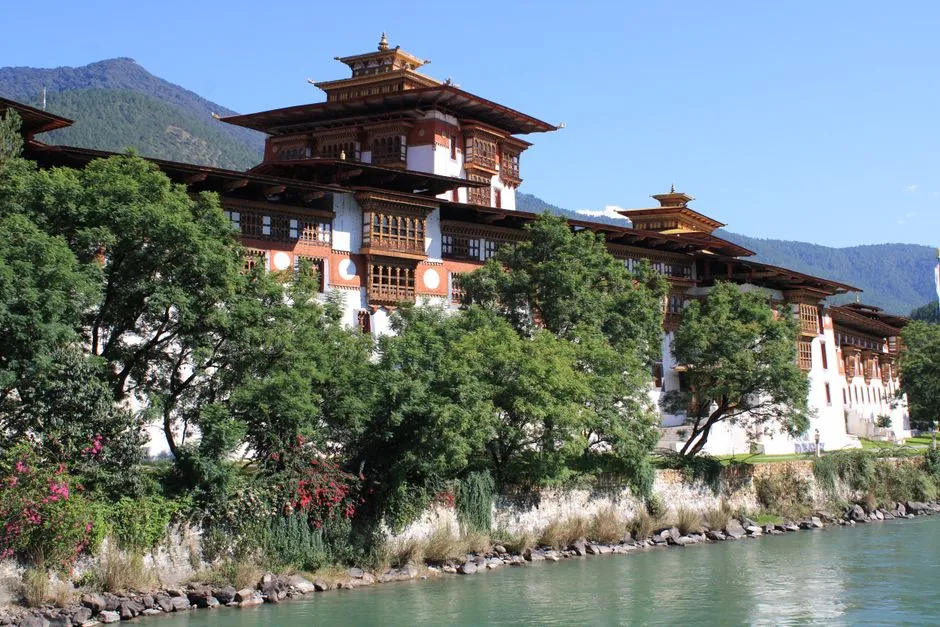
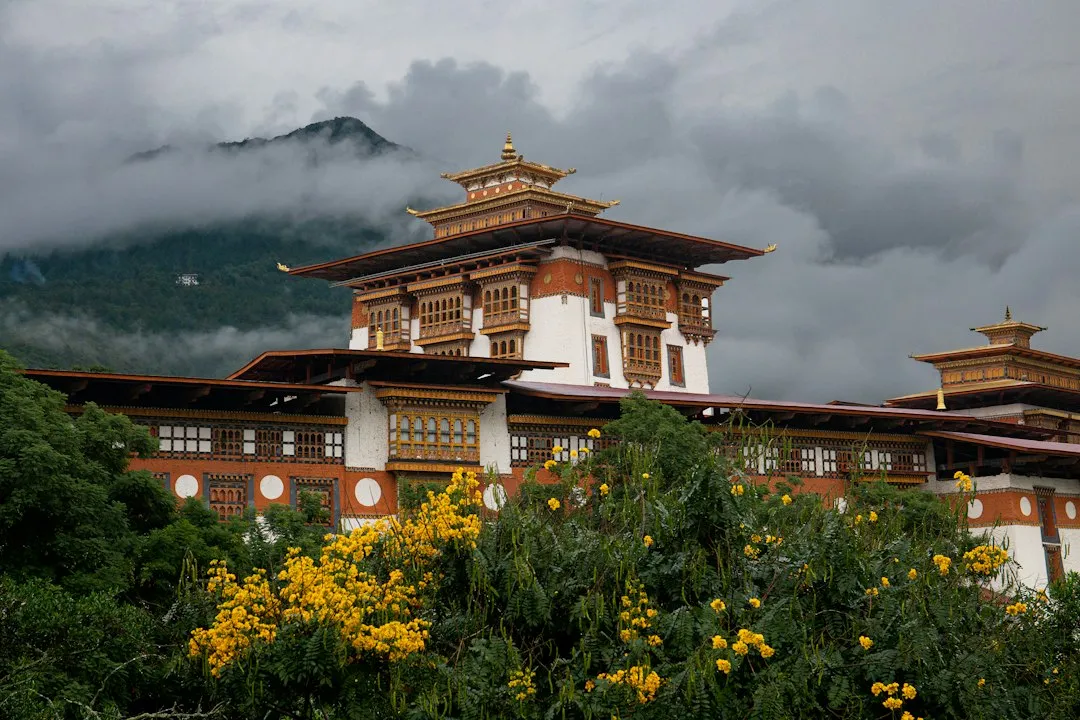
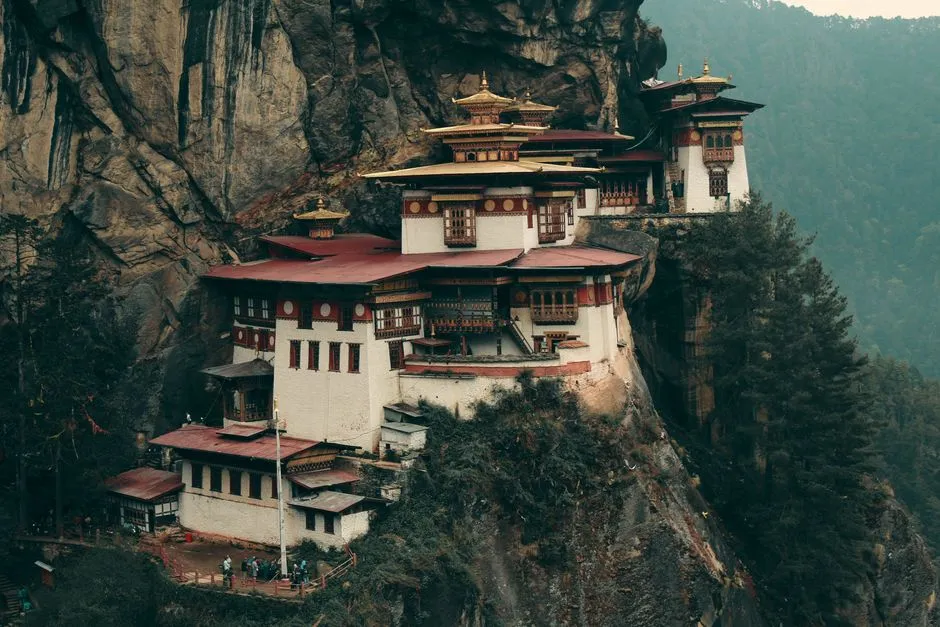
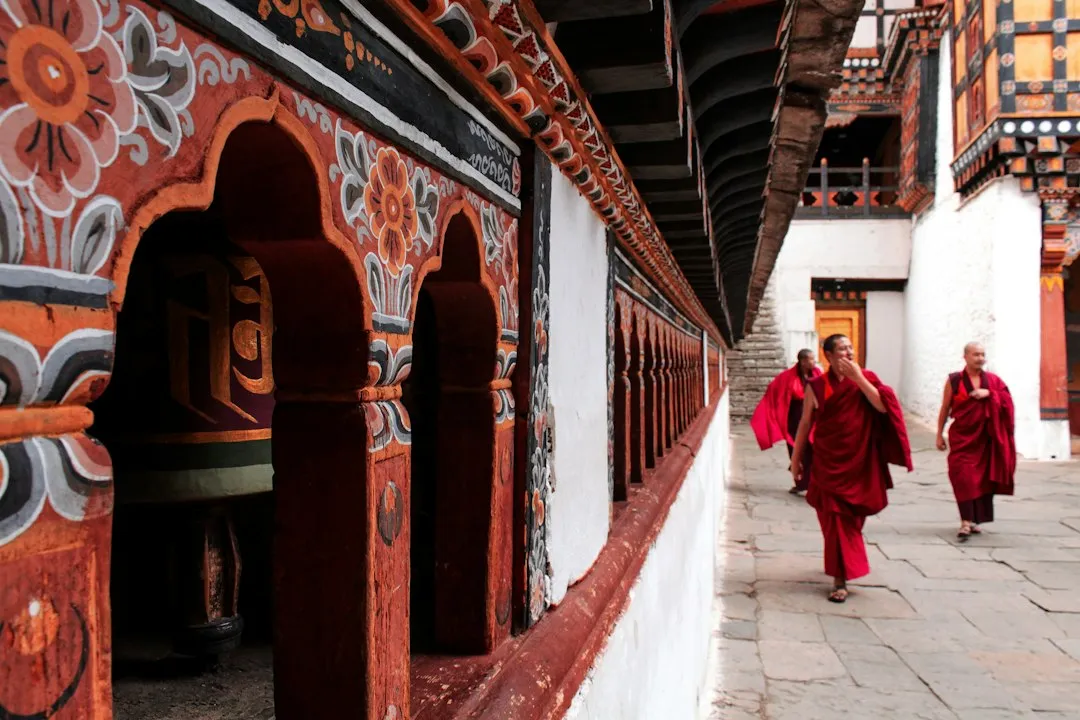
Historic site preservation receives active funding, including for Taktsang Monastery, known as Tiger’s Nest, and the Punakha Dzong. These are not just tourist landmarks. They are living cultural anchors for Bhutanese communities, and their upkeep requires sustained financial commitment that the SDF helps provide.
The Real Cost of Visiting Bhutan in 2026
The total Bhutan tour cost in 2026 is built on the USD 100 per night Sustainable Development Fee, a USD 40 visa fee for international visitors, and a tour package that typically runs USD 180 to 245 per person per day, bringing the all-inclusive daily total to between USD 250 and USD 350 per person. That is a meaningful outlay, and it is worth understanding what it represents.
The fee is calculated per night, not per calendar day, so a seven-night trip costs USD 700 in SDF for one adult. The SDF represents roughly 25 to 30 percent of a traveler’s total Bhutan trip cost, but it covers fees and supports initiatives that would cost far more in other destinations.
Tourism Numbers and Revenue: A Recovering Sector
Bhutan welcomed nearly 60,000 tourists between January and August 2023, earning the nation $13.5 million in revenue from the SDF, according to government data. In 2019, before the pandemic, there were about 316,000 tourists, generating $88.6 million in SDF revenue. The gap between those two figures reflects the scale of the challenge facing the tourism sector after COVID.
In 2025, SDF collections reached approximately $43.31 million USD, with tourism receipts growing 35 percent year-over-year, and the country’s international reserves rebuilt to USD 574 million. Bhutan is targeting 300,000 tourist arrivals per year, half of which would be from international visitors paying in foreign currency.
The Future of the Fee: Will It Go Higher?
Bhutan may increase its $100 daily sustainable tourism fees if the country’s tourism industry recovers soon, Bhutan’s Prime Minister Tshering Tobgay has indicated. The current reduced rate was always framed as a temporary incentive, not a long-term ceiling. The current daily fee is described as a “time-limited incentive” valid until August 31, 2027, according to Bhutan’s Department of Immigration.
The government has set a quota of 300,000 tourists, and if demand far outstrips capacity, the fee could increase accordingly. After the August 2027 deadline, the policy may revert to the full USD 200 rate unless extended by the Royal Government. For anyone planning a visit, that timeline is worth noting.
A Model Worth Watching
Bhutan’s Sustainable Development Fee is neither a gimmick nor a deterrent designed to keep people away. It is a carefully considered instrument that links the act of tourism directly to the wellbeing of the country being visited. This is what makes the fee philosophically different from taxes or entry charges in other countries. The SDF revenue is not absorbed into private tourism industry profits. It is funneled directly into the Bhutanese national Consolidated Account and allocated to public goods that benefit ordinary Bhutanese citizens.
During the past decade, Bhutan has adeptly balanced economic growth and poverty reduction with environmental sustainability. Sustained growth has increased incomes, lifting living conditions and eliminating extreme monetary poverty by 2022, while Bhutan remains committed to long-term carbon neutrality. Few nations can say the same, and the SDF is one reason why that balance has held.
The fee asks a simple question of every visitor: are you willing to pay for what this place is actually worth? Bhutan has decided that the answer should always be yes, and it has built its entire tourism policy around that conviction.
AI Disclaimer: This article was created with the assistance of AI tools and reviewed by a human editor.