

Somewhere between the Caribbean and the Atlantic, with a cocktail within arm’s reach and no tee time anxiety in sight, cruise passengers have quietly become some of the most enthusiastic simulator golfers on the planet. It’s not just a rainy-day diversion anymore. For many, the ship’s golf simulator is a genuine reason to book a particular voyage in the first place.
What’s driving that shift is partly the broader simulator boom happening everywhere on land, and partly something very specific to the cruise experience itself: the freedom to play Pebble Beach in the Pacific Ocean, or walk a virtual St. Andrews while actual Atlantic swells roll beneath your feet. Cruise golf pros see this happen constantly, and they’re clear about which courses keep passengers coming back for more.
The Simulator Revolution That Changed Onboard Golf

The surge in golf’s popularity has not been a strictly on-course phenomenon. Thanks in large part to the accessibility of golf simulator technology, off-course golf has fundamentally altered the way millions of people enjoy the game. Cruise lines recognized this shift early and invested accordingly.
The total number of simulator and screen golf users has grown steadily, reaching 8.1 million in 2024, up from 3.8 million users in 2015. That’s a staggering expansion, and cruise ships sit at the intersection of two accelerating trends: the rise of simulator golf and the continued growth of the cruise industry itself.
The global golf simulator market was valued at over 2.3 billion USD in 2024 and is projected to nearly double to over 4.6 billion USD by 2034. Cruise operators are riding that wave with increasingly sophisticated onboard setups.
St. Andrews Old Course: The One Everyone Has to Play

Ask any cruise golf pro which course gets booked most obsessively, and St. Andrews comes up first, almost every time. Golfers today barely have to leave the vessel to play a serious round, thanks to simulators that allow passengers to experience virtual versions of world-class courses like St. Andrews.
Cruise ships now offer advanced golf simulators allowing passengers to practice driving, chipping, and putting on top-tier courses like St. Andrews. There’s something almost theatrical about playing the Home of Golf while floating somewhere in the middle of the ocean, and passengers feel it.
Pebble Beach and St. Andrews stand as the two most universally rewarding simulator options, but St. Andrews carries a particular weight of history and mythology that makes it the emotional top choice for many players, especially those who know they’ll never make the trip to Scotland in person.
Pebble Beach: The Crowd Favorite by a Wide Margin
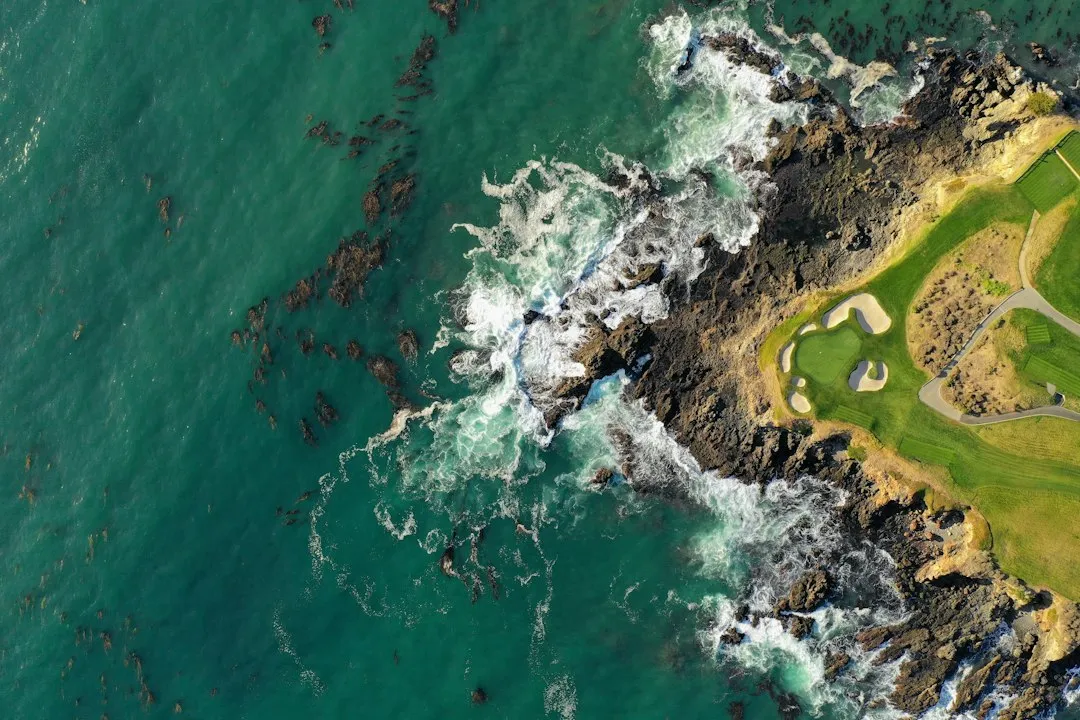
Pebble Beach is considered the most visually spectacular course in golf, hugging the California coast along Carmel Bay with cliff-edge ocean views from holes 6 through 10. On a simulator screen in the middle of the ocean, those visuals land with real impact. Passengers regularly book second and third sessions just to replay specific holes.
Pebble Beach appears to be the consensus favorite among simulator players broadly, and that preference carries directly onto cruise ships. Golf pros aboard several lines confirm that Pebble Beach consistently tops the booking logs, attracting both serious players and complete beginners drawn in by pure scenery.
Most golfers agree that Pebble Beach offers the most realistic and visually impressive virtual golf experience, with its dramatic ocean vistas and cliffside holes beautifully rendered in the virtual version. On a ship, the irony of playing a coastal course while surrounded by actual ocean is not lost on anyone.
Queen Mary 2 and “The Fairways”: A Premium Simulator Experience at Sea
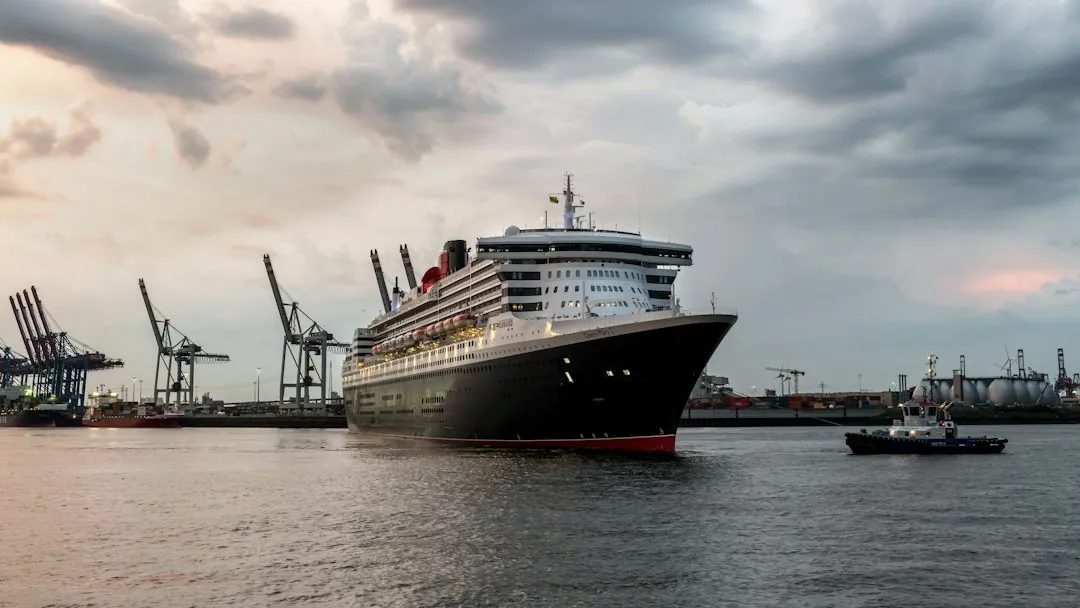
The flagship of the Cunard Line fleet, Queen Mary 2, is home to the line’s only golf simulator, an 18-hole course experience known as The Fairways. It has become one of the most recognized onboard golf programs afloat, valued for both its quality and its atmosphere.
The Fairways experience takes approximately two hours to play and includes access to 40 of the world’s best courses, such as Pebble Beach, Pinehurst, and St. Andrews in Scotland. That library of courses is part of what makes repeat bookings so common. Passengers finish one round and immediately want to try another course on the list.
The laid-back and sophisticated atmosphere of the QM2 lends itself perfectly to a relaxed round, and golf fans can also enjoy the onboard mini golf course and daily golfing challenges. It’s a complete golf environment, not just a single screen in the corner of a sports deck.
Celebrity Ascent’s Private Simulator Suite: Group Bookings Surge
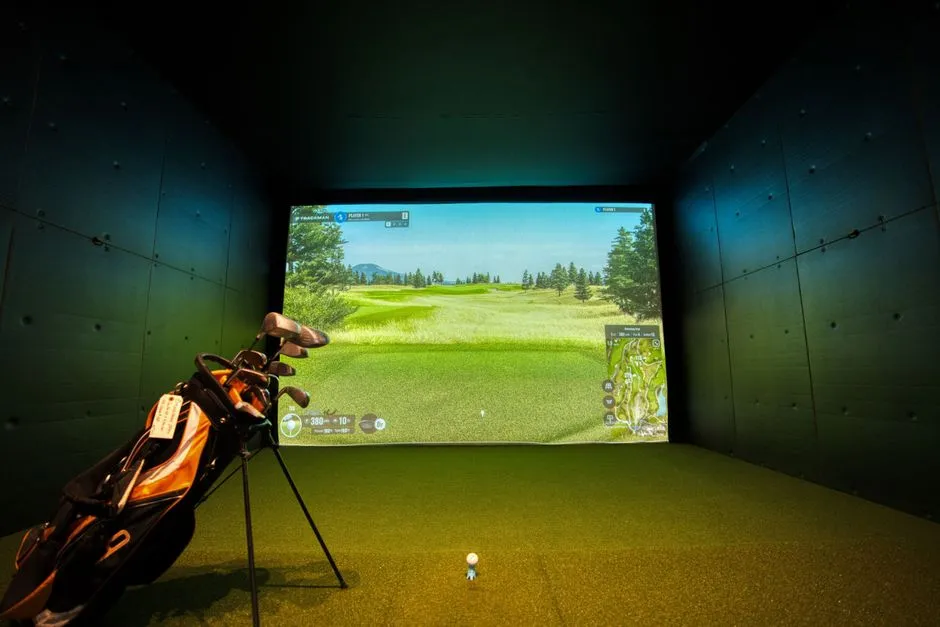
Celebrity Ascent offers a private 2.5-hour golf and sport simulator experience for parties of up to 10 guests, with access to over 90 games and renowned courses including St. Andrews Old Course and Pebble Beach. This private-suite format has changed how groups think about onboard golf entirely.
This experience is currently available on Celebrity Ascent and Celebrity Xcel. Cruise golf pros note that group bookings for this kind of private simulator session often sell out days in advance, well before the ship even leaves port. It’s become a social event as much as a sporting one.
Personalized experiences like playing on virtual courses such as Pebble Beach or Sawgrass have been highly appreciated by golf enthusiasts on cruises. The private-room format adds a layer of comfort that makes even casual golfers willing to try, which is exactly what cruise pros say keeps the repeat bookings coming.
TPC Sawgrass and the Island Green Obsession
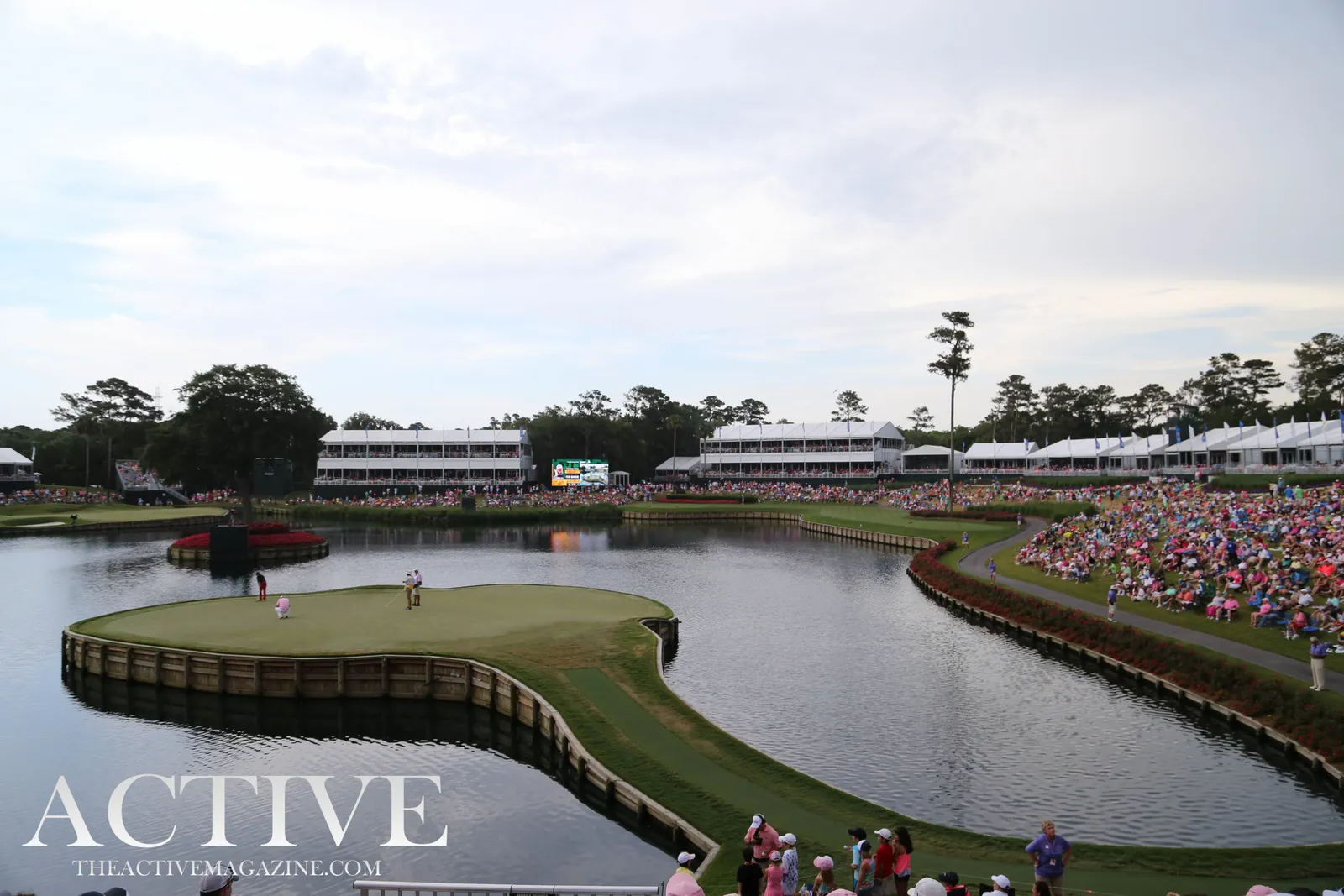
Among the best golf courses to play on a simulator, TPC Sawgrass consistently ranks alongside Pebble Beach and St. Andrews for its iconic layout, stunning visuals, and genuine strategic challenge. Cruise golf pros say the 17th hole island green at Sawgrass generates more groans, more laughter, and more immediate rebooking than almost any other single hole at sea.
Pebble Beach, St. Andrews, and TPC Sawgrass consistently receive the highest ratings for visual accuracy and strategic fidelity across simulator platforms. That combination of visual impact and legitimate challenge is exactly what keeps competitive passengers returning to the sim again and again during a single voyage.
The island green requires real commitment on a simulator, with no ability to rely on muscle memory from past real-world rounds. That equalizing quality is something cruise pros point to as a key driver: it gives experienced golfers something genuinely difficult to solve, and gives beginners an unforgettable, shareable moment.
Royal Caribbean’s Sim Offerings and the Nine-Hole Sweet Spot
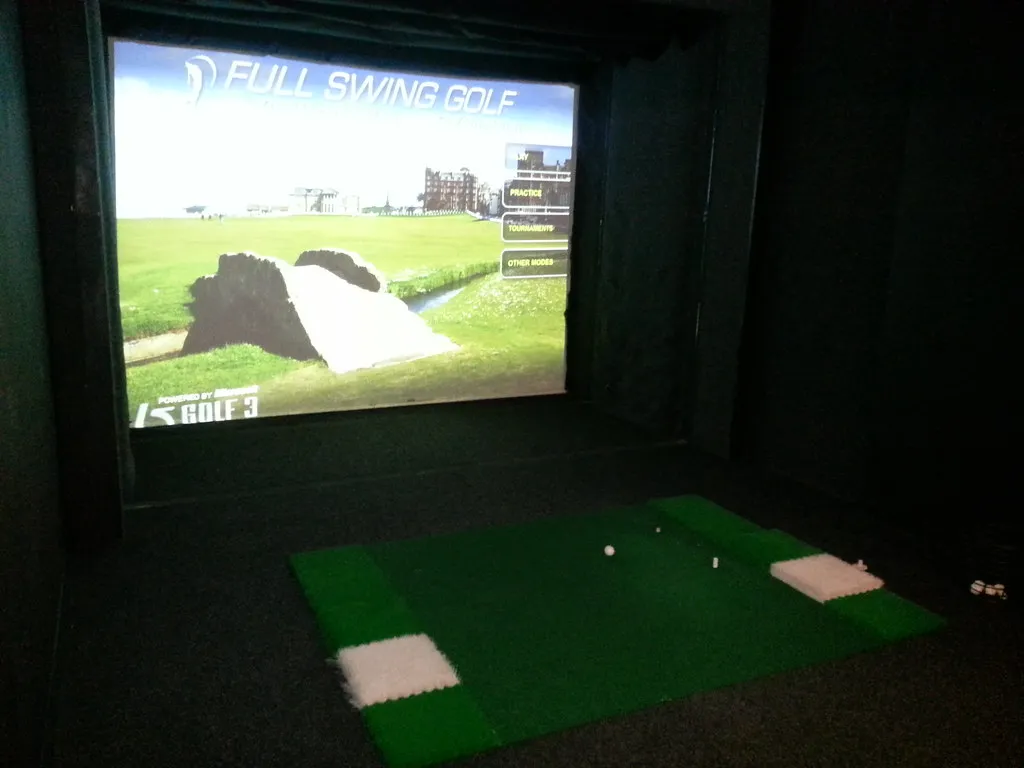
Although the newer Oasis Class and Quantum Class ships in the Royal Caribbean fleet don’t feature golf simulators, several ships from the Freedom, Radiance, and Voyager Classes offer virtual golf, with a nine-hole virtual course being the most commonly found format. That nine-hole format turns out to be particularly well-suited to the cruise context.
A nine-hole round on a simulator takes roughly 45 minutes to an hour, which fits neatly into a cruise day between meals, excursions, and deck time. Cruise golf pros say the shorter format is a big reason passengers play multiple times during a single voyage rather than treating it as a one-and-done experience.
The simulator is the closest thing to a full round of golf available onboard, and many cruise lines now offer both 9-hole and 18-hole courses as part of their simulator packages. The flexibility of that choice matters more than most passengers expect before they get on board.
The Non-Golfer Factor: Why Half the Simulator Bookings Come from Beginners
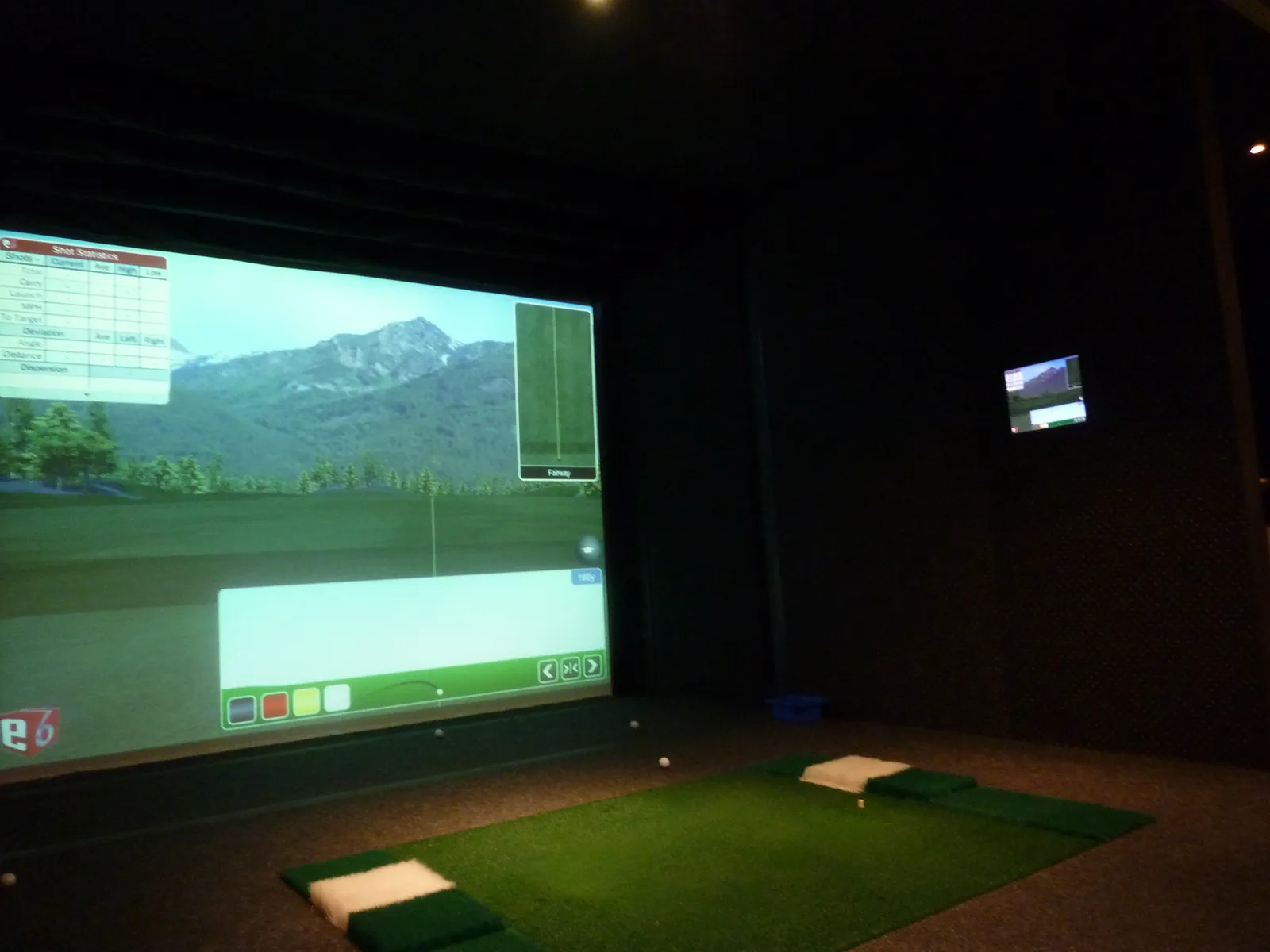
8.1 million people played golf on a simulator in 2024, up 126% from 3.6 million in 2019. Just over half of them, 51%, are non-golfers who don’t play on a real course at all. That same pattern plays out on cruise ships, where the simulator regularly attracts people who have never picked up a club in their lives.
The number of Americans participating in simulator golf has grown 73% since 2019, and that growth is driven in large part by people discovering the format in accessible, social environments. A cruise ship, where inhibitions drop and group activities flourish, turns out to be one of the most effective golf recruitment tools in existence.
Carnival Cruise Line’s golf simulators are even supported by golf professionals happy to offer tips and help passengers perfect their game. That guided experience is what converts first-timers into passengers who book the simulator again on the next port day, and sometimes on their next cruise entirely.
Bermuda, Scotland, and Simulator Courses That Match the Itinerary
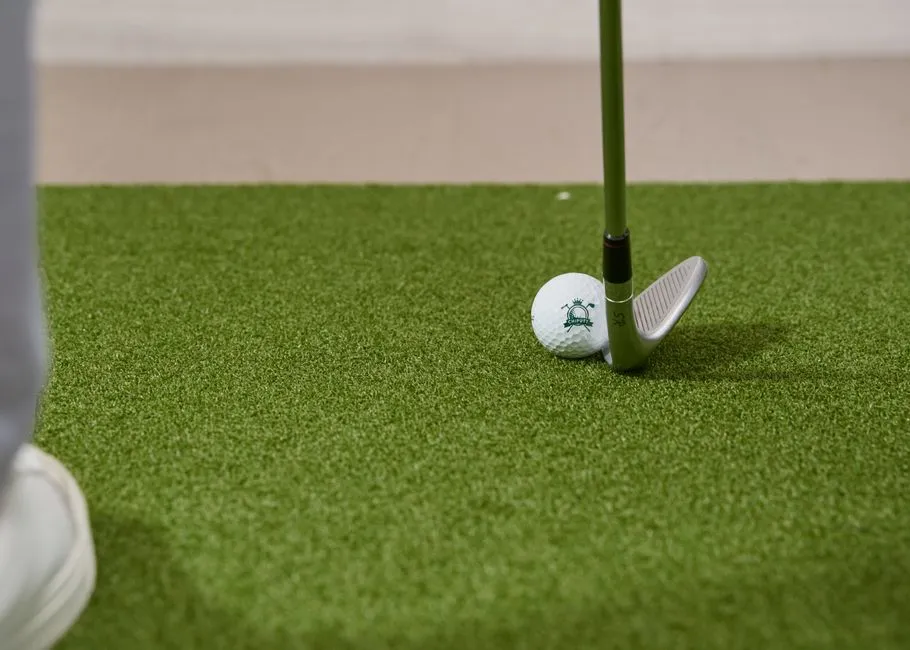
One of the quieter but genuinely clever things cruise golf pros do is align the simulator course selection with the actual destination. When a ship is heading toward Scotland, bookings for St. Andrews spike noticeably. Passengers want to preview the course or compare the virtual version to what they might see from the port.
The dedicated golf cruise market has exploded in recent years, with the British Isles standing as the top destination for cruise operators. The simulator extends that British Isles experience onboard, letting passengers who don’t book a shore excursion still feel connected to the golfing landscape outside.
Among the key evolutionary trends in golf cruising is the fact that golfers on a weeklong trip can visit up to five courses in five unique destinations without repacking or lugging their clubs. The simulator adds a sixth option, available at sea, day or night, in any weather.
What Makes Passengers Come Back to the Same Course Twice

Cruise golf pros are consistent on this point: the courses that generate repeat bookings are the ones where something happened emotionally. A near-hole-in-one on Pebble Beach’s seventh hole. A shocking birdie on the Road Hole at St. Andrews. A catastrophic splash at TPC Sawgrass that everyone at the table is still laughing about at dinner.
Roughly three-quarters of facility operators believe simulators increase customer engagement and satisfaction, and nearly two-thirds see them as an effective tool for drawing new customers. Cruise lines are learning the same lesson: the simulator is not just an amenity, it’s an experience generator that shapes how passengers remember a voyage.
Golf simulators are gaining traction among individuals and commercial entertainment centers looking to maximize user engagement by offering uninterrupted access to the sport. On a ship with no golf course for hundreds of miles in any direction, that access feels both improbable and genuinely special.
The Takeaway
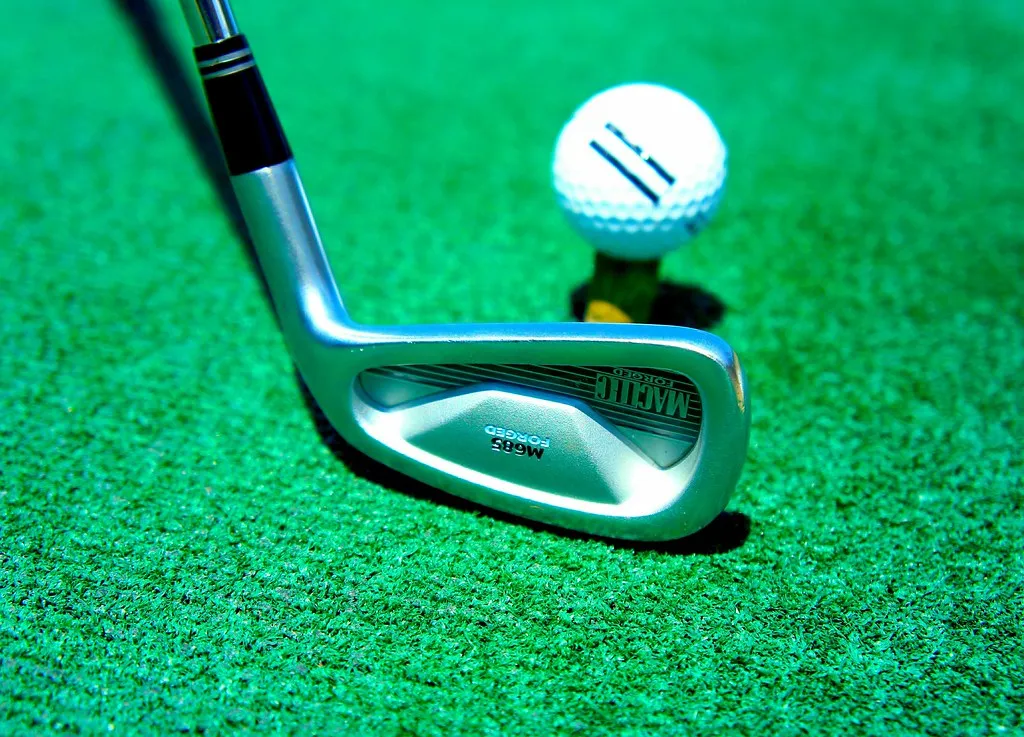
The courses passengers book again and again on cruise simulators share a common thread: they’re the ones golfers have always imagined playing but never quite could. Pebble Beach. St. Andrews. TPC Sawgrass. They’re bucket-list destinations that the simulator makes accessible regardless of skill level, budget, or geography.
Cruise golf itineraries in 2024 and 2025 have included over 80 real-world courses across 25-plus countries, with 20 ranked in Golf Digest’s World Top 100. The simulator complements that real-world access beautifully, filling the hours at sea with the same spirit that drives passengers toward the shore excursion sign-up sheet in the first place.
There’s something fitting about playing the Old Course at St. Andrews while the Atlantic rolls quietly beneath you. The simulator didn’t replace the joy of real golf. It simply put it somewhere new, and passengers, it turns out, keep finding their way back to it.
AI Disclaimer: This article was created with the assistance of AI tools and reviewed by a human editor.