
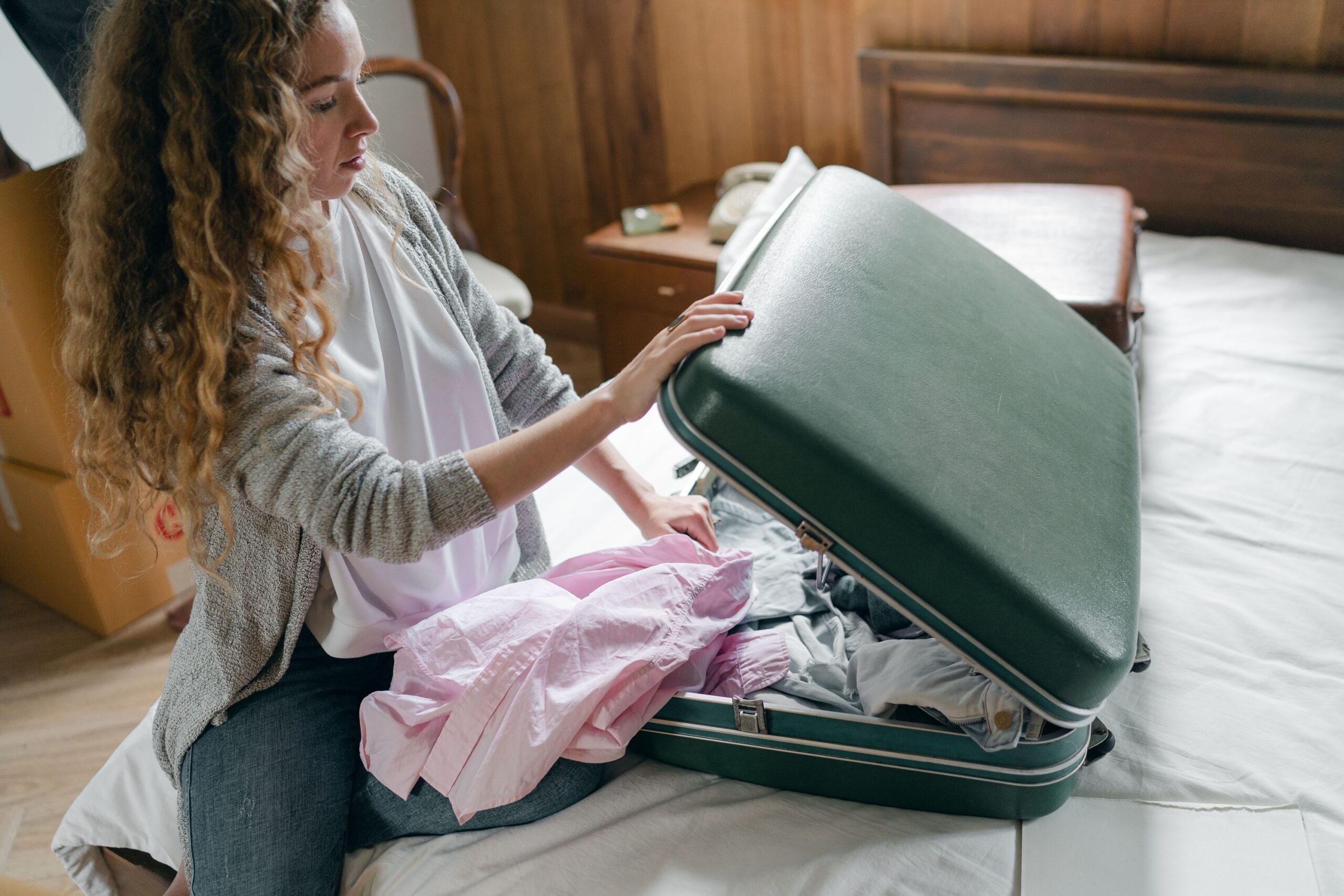

Overnight train travel is quietly having a remarkable moment. In 2024, Amtrak reached a historic milestone by carrying 32.8 million riders, an increase of roughly fifteen percent from the previous year, marking the highest ridership in the company’s history. Across the Atlantic, night trains soared in popularity in France, with over a million passengers choosing to travel by sleeper train in 2024. The appeal is real and growing, but your comfort on board has everything to do with how well you prepare before you ever set foot on a platform.
For first-timers especially, packing for an overnight train is a different exercise than packing for a flight or a road trip. The space is compact, the night is long, and the small details, a forgotten eye mask or a missing pair of slip-ons, can make an outsized difference. Here is what actually belongs in your bag.
1. An Eye Mask and Earplugs

Train cabins are not dark. Station lights, platform lamps, and the corridor strip lights bleeding under the door all add up, and light exposure, even at low levels during sleep, disrupts melatonin production and fragments sleep cycles. These two small items matter more than almost anything else you can bring.
Research has found that using earplugs and eye masks significantly improves sleep quality and reduces fear and anxiety among those exposed to noisy, lit environments at night. The parallel to a moving train, with its station stops and ambient noise, is obvious.
Noise-canceling headphones actually work better than foam earplugs for the specific frequency profile of rail noise, particularly the low rumble that earplugs do not fully attenuate. Still, disposable foam earplugs rated NRR 33 can reduce noise by roughly 25 to 33 decibels, which is enough to convert disruptive train noise to background white noise for most people. Bring several pairs, as they compress over time and lose effectiveness after six to eight hours.
2. A Travel Pillow

Many overnight trains offer bedding or a small cushion, but bringing your own pillow can be a real advantage, especially if you struggle with standard train seats. Look for a compact, inflatable travel pillow that is easy to pack but still provides adequate support.
Memory foam travel pillows are particularly helpful, as they contour to your neck and help create a soft cushion between your head and the hard wall of the cabin. That said, a memory-foam travel pillow only earns its place in your bag if you are in a seat or couchette sitting up. You can skip it on a proper sleeper with a real mattress.
3. A Lightweight Blanket or Warm Layer

A lightweight blanket or travel throw can help you stay warm and cosy during the journey. While some train services do provide bedding, it is always best to check ahead and bring your own if you are unsure about the amenities available. A soft, portable blanket can make all the difference if you want to settle in for a good night’s sleep.
A thin merino wool layer is especially useful, since overnight trains can be cold in the early hours even in summer. Transit vehicles are often unpredictable in temperature at night, and conditions can shift significantly over the course of a journey. Layering is almost always smarter than relying on a single heavy item.
4. Comfortable Clothes and Slip-On Shoes

Opt for loose, comfortable clothing such as sweatpants, leggings, or soft cotton clothes. Consider layering up, as temperatures can fluctuate between stations and throughout the night. A light jacket or sweater is worth including, as train carriages can sometimes feel unexpectedly chilly.
If you plan on walking around the train or using the bathroom facilities, slip-on shoes or sandals are ideal. Avoid tight, restrictive shoes that may cause discomfort after sitting for several hours. A pair of warm socks is also worth tucking in, especially if you remove your shoes to sleep.
5. A Compact Toiletry Kit
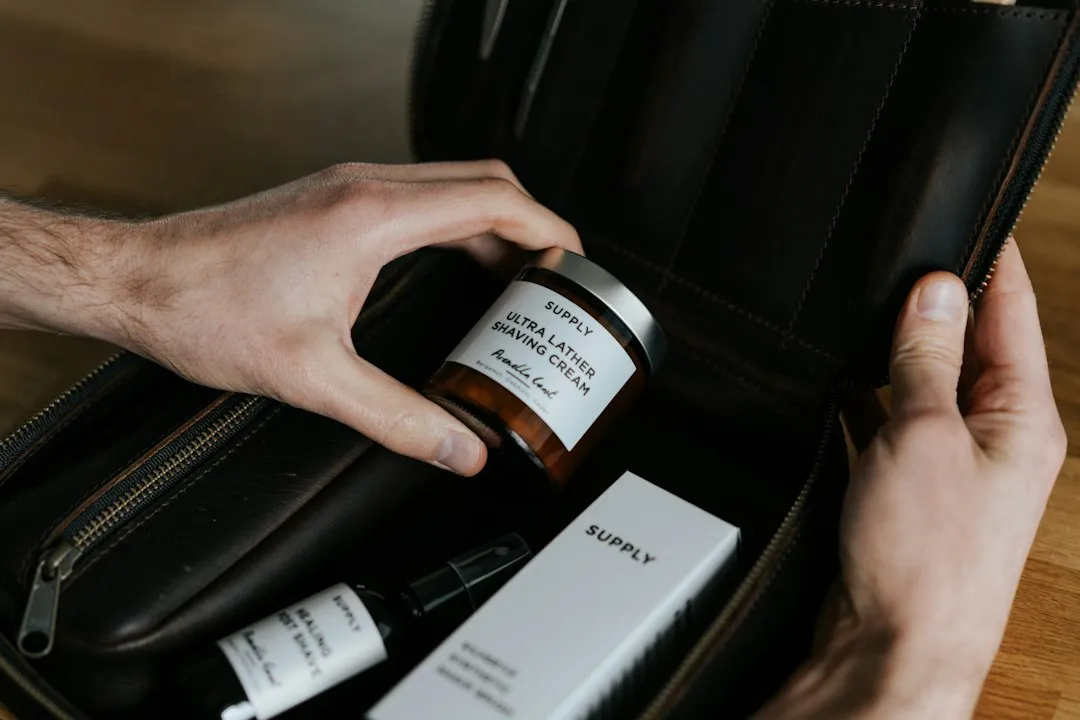
Beyond your normal packing, add a small toiletry kit you can access without unpacking your main bag. This is the detail most first-timers overlook. When you are sharing a cabin with others and the train is in motion, rummaging through a full suitcase at midnight is neither fun nor practical.
Essentials include a toothbrush, toothpaste, facial cleanser, moisturiser, and a hairbrush, along with a change of clothes for the next day including fresh socks and underwear, and a pair of pyjamas if you tend to run cold. Keep the kit small enough to grab in one hand and store beside your berth.
6. Wet Wipes and Hand Sanitizer

Sometimes water runs out on longer train rides, which means washing your hands becomes difficult. A pack of wet wipes and hand sanitizer solve this immediately. It is a straightforward fix that makes a noticeable difference over the course of a full night on board.
Sleeper trains are cleaned before passengers arrive and after they leave, but for some extra peace of mind, wet wipes to clean surfaces you are regularly touching are a sensible addition to your kit. A travel-size pack of antibacterial wipes for the bathroom countertop, faucet, and door handle is also worth considering.
7. A Power Bank and Charging Cable
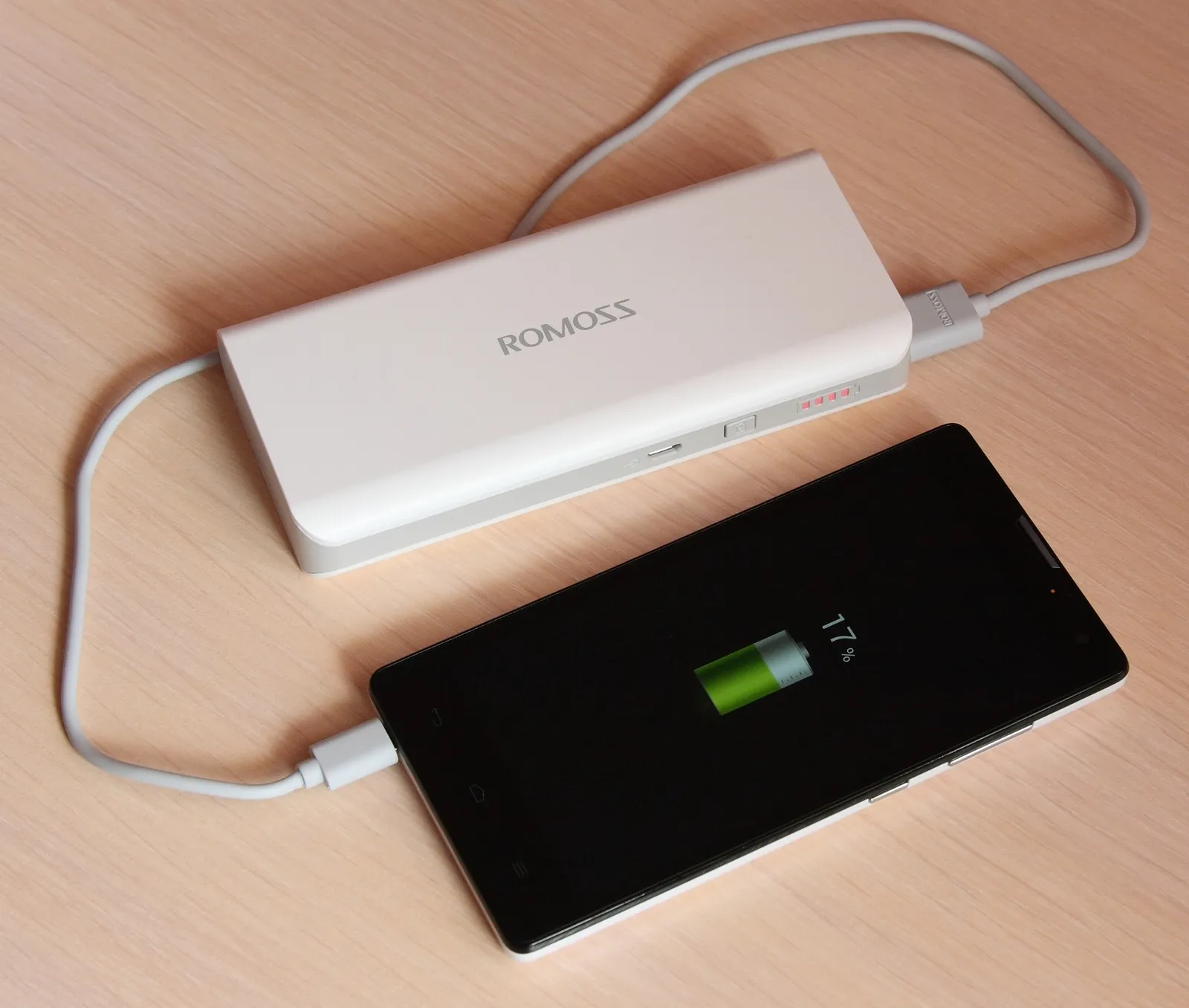
Keep your tickets, chargers, water, snacks, and medication in a personal item bag close to you, not buried in a suitcase across the carriage. Charging access on overnight trains varies enormously depending on the route, the operator, and the class you have booked. Assuming there will be a working outlet at your berth is a gamble that does not always pay off.
A fully charged power bank means your phone, your downloaded entertainment, and your boarding pass or ticket app all remain available when you arrive at your destination. Keeping printed or digital tickets, passes, a passport or ID, and travel insurance information readily accessible is essential for every train trip regardless of distance. A small cord organizer keeps everything tangle-free and easy to find in a dark cabin.
8. Snacks and a Reusable Water Bottle

Train food can be hit or miss, and depending on your journey, food may not always be readily available. To avoid hunger in the middle of the night, it is wise to bring a variety of snacks. Lightweight, non-perishable options like nuts, trail mix, granola bars, or dried fruit travel particularly well.
You should also bring beverages so you can stay hydrated throughout your travels. A reusable water bottle is the most practical choice. If you have a sleeping compartment on Amtrak, you are permitted to bring alcohol on board. A small, collapsible fabric cooler with your preferred snacks and drinks works well, and when it is empty and you are ready to leave, it lays flat inside your suitcase.
The Context Worth Knowing: Why Overnight Trains Are Worth the Effort

There has never been a better time to give overnight rail a genuine try. According to Eurostat figures, Europeans traveled 443 billion kilometers by train in 2024, a 5.8 percent increase from 2023, and on average each EU resident took more than fifteen train journeys that year. More sleeper trains are launching in 2026, reflecting a broader effort by rail operators and policymakers to rebuild cross-border sleeper networks after decades of decline.
Shifts in travel behavior, a growing emphasis on sustainability, and improvements in rail infrastructure have made long-distance train travel more appealing than ever. The business model of overnight rail increasingly focuses on using overnight travel time for rest while reducing the need for separate airport transfers and overnight hotel stays. That combination of convenience and sustainability is resonating with a new generation of travelers.
Packing Smart: The Approach That Ties It Together
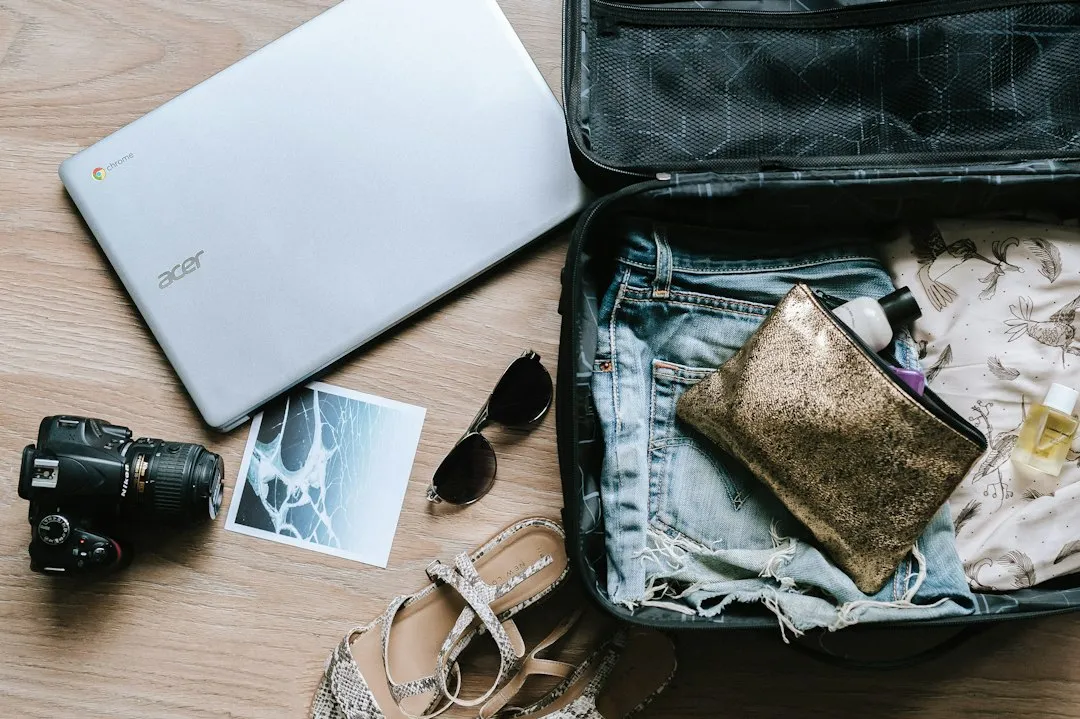
Night trains have storage under lower berths and at carriage ends, but space is finite. Arriving with a large suitcase in a couchette compartment is genuinely antisocial. The discipline of packing light is not just courteous to fellow travelers, it is practical for you. Less to manage means more ease of movement through stations and aboard the train itself.
When preparing for train journeys it is important to pack light. You will have a place to stow your main piece of luggage, but in your cabin there will only be so much room, so divide your luggage between what you need overnight and what can wait until morning. That simple division between your overnight bag and your main bag is the organizational habit that separates a comfortable night’s journey from a frustrating one.
Final Thoughts

An overnight train trip rewards the traveler who prepares thoughtfully and travels lightly. None of the eight items on this list are extravagant, and most of them are small enough to fit in a single zippered pouch. What they share is the ability to turn an unfamiliar experience into a genuinely restful one.
The momentum behind overnight rail is real, from record-breaking ridership in the United States to surging sleeper bookings across Europe and new routes launching through 2026 and beyond. The infrastructure is expanding. The only question is whether your bag is ready for the journey.
AI Disclaimer: This article was created with the assistance of AI tools and reviewed by a human editor.